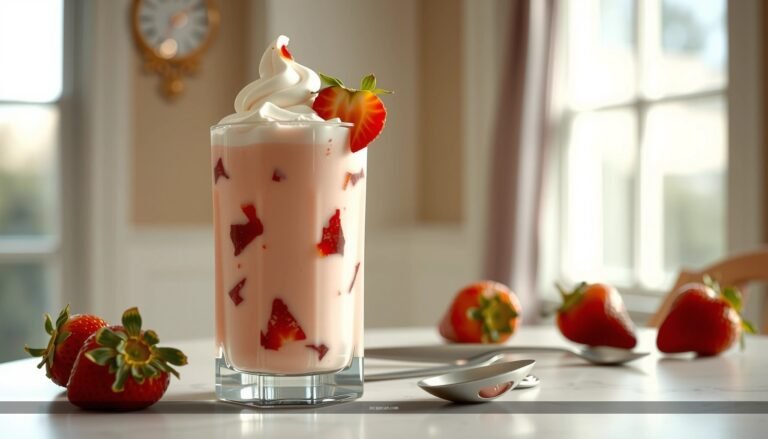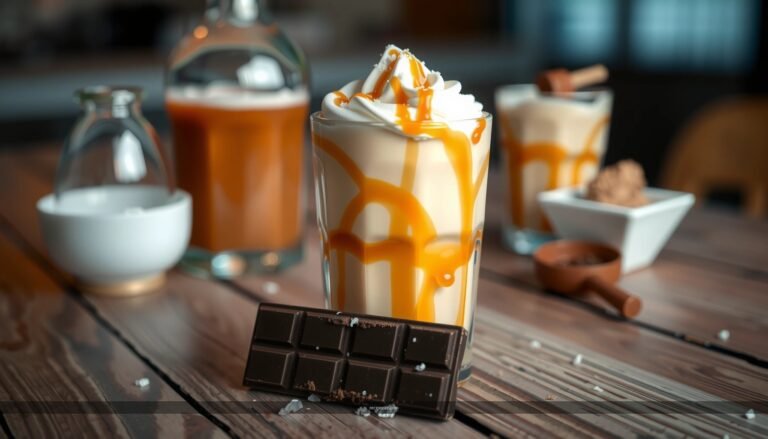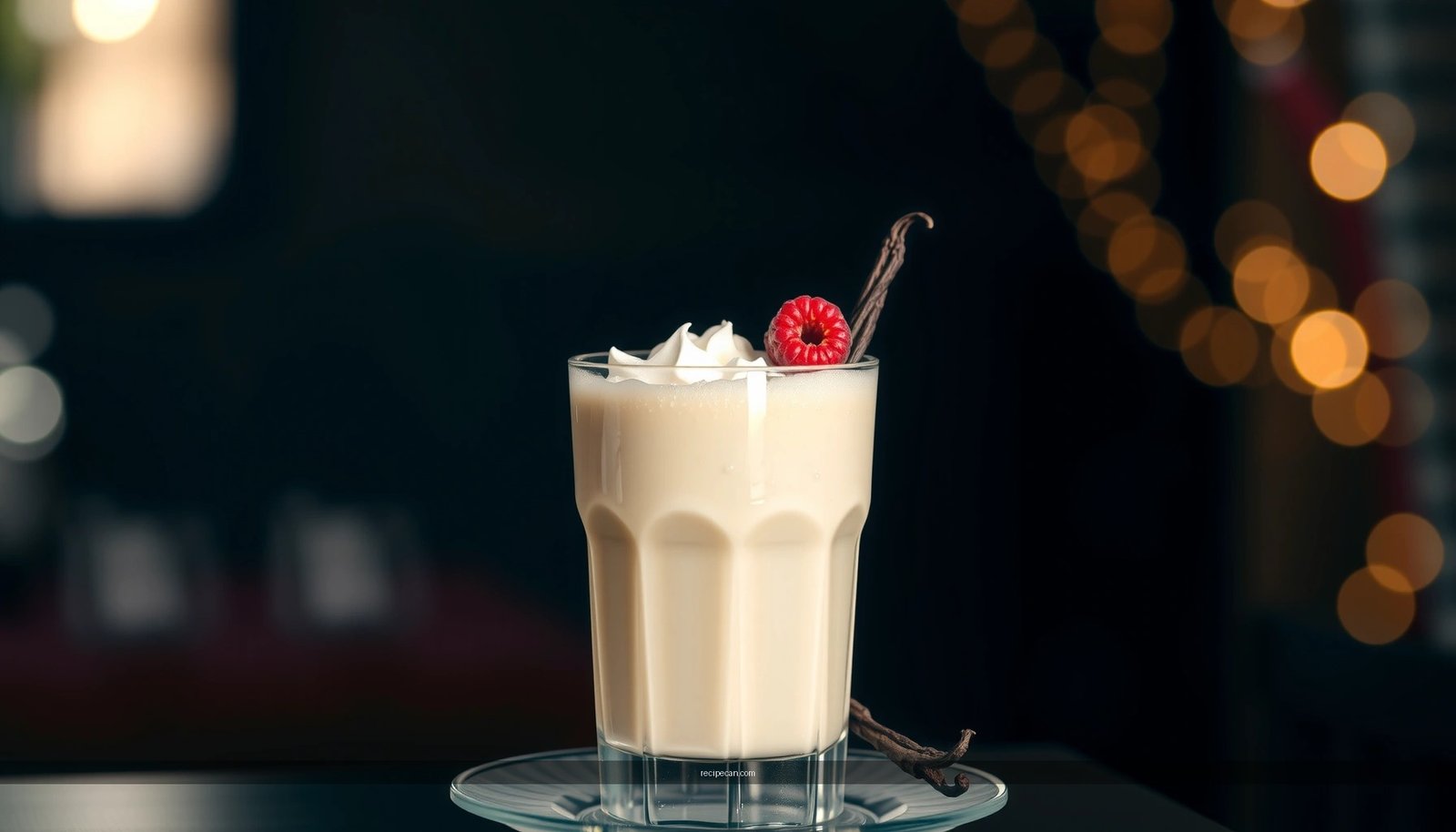
This dairy free milkshake recipe delivers the creamiest, quickest version of a classic milkshake without dairy. In minutes, you’ll learn the exact blend, sweetener, and thickness tips that get that smooth “shake” texture every time. If you want a delicious dairy-free treat that doesn’t taste like a compromise, this is the one to make.
Skip dairy and blend your favorite milk alternative with fruit or cocoa, then sweeten and chill—so you get a creamy milkshake fast without dairy. In this guide, you’ll use a simple dairy free milkshake base you can customize in minutes, with texture-focused techniques (ice, thickener choice, and blending strategy) that reliably deliver that classic milkshake thickness.
Dairy free milkshakes are popular for good reasons: they let you avoid lactose and dairy proteins while still keeping the same “drinkable dessert” experience. But the difference between “tastes good” and “tastes like a real milkshake” usually comes down to two factors—(1) picking a dairy free milk with enough body and (2) choosing the right thickener so the blend aerates and thickens instead of turning icy or thin.
Choose Your Dairy Free Milk Base
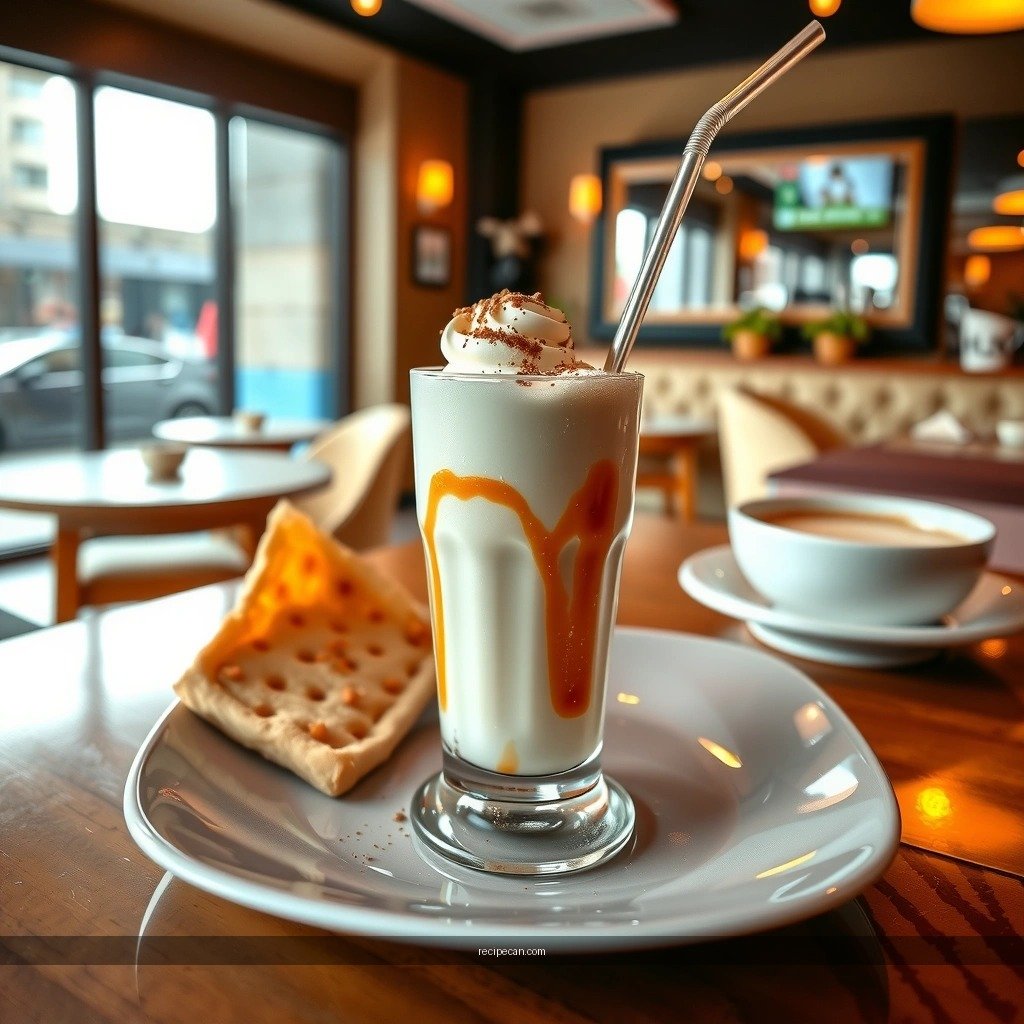
– Pick a dairy free milk like oat, almond, soy, or coconut for the best creaminess
– Use unsweetened or lightly sweetened varieties so you control flavor
The dairy free milk you choose determines mouthfeel, sweetness, and how well the milkshake emulsifies. For a creamy dairy free milkshake that resembles a traditional vanilla shake, oat milk is often the most forgiving because it naturally has a fuller texture and slightly higher viscosity. Soy milk is also a strong option; it tends to thicken and blend smoothly due to its protein content. Almond milk can work, but it’s lighter—so you’ll usually benefit from a thicker ingredient (frozen banana, ice, or a thicker sweetener) to compensate.
Coconut milk (especially “carton” coconut milk) can create a rich, dessert-like profile, but it can also bring a distinct coconut flavor. If you want a chocolate or berry milkshake, coconut milk is a great match because those flavors naturally complement coconut.
Practical selection tips:
– Choose unsweetened versions first. Many store brands add sweeteners and stabilizers that can make the final drink taste overly “carby” or cause separation when chilled.
– If your milk alternative is watery, don’t add more liquid “to help blending.” Instead, increase thickness with frozen fruit or banana.
– Look for “barista” or “creamier” oat/soy blends if you want a thicker texture without extra thickener.
Use a Creamy Thickener
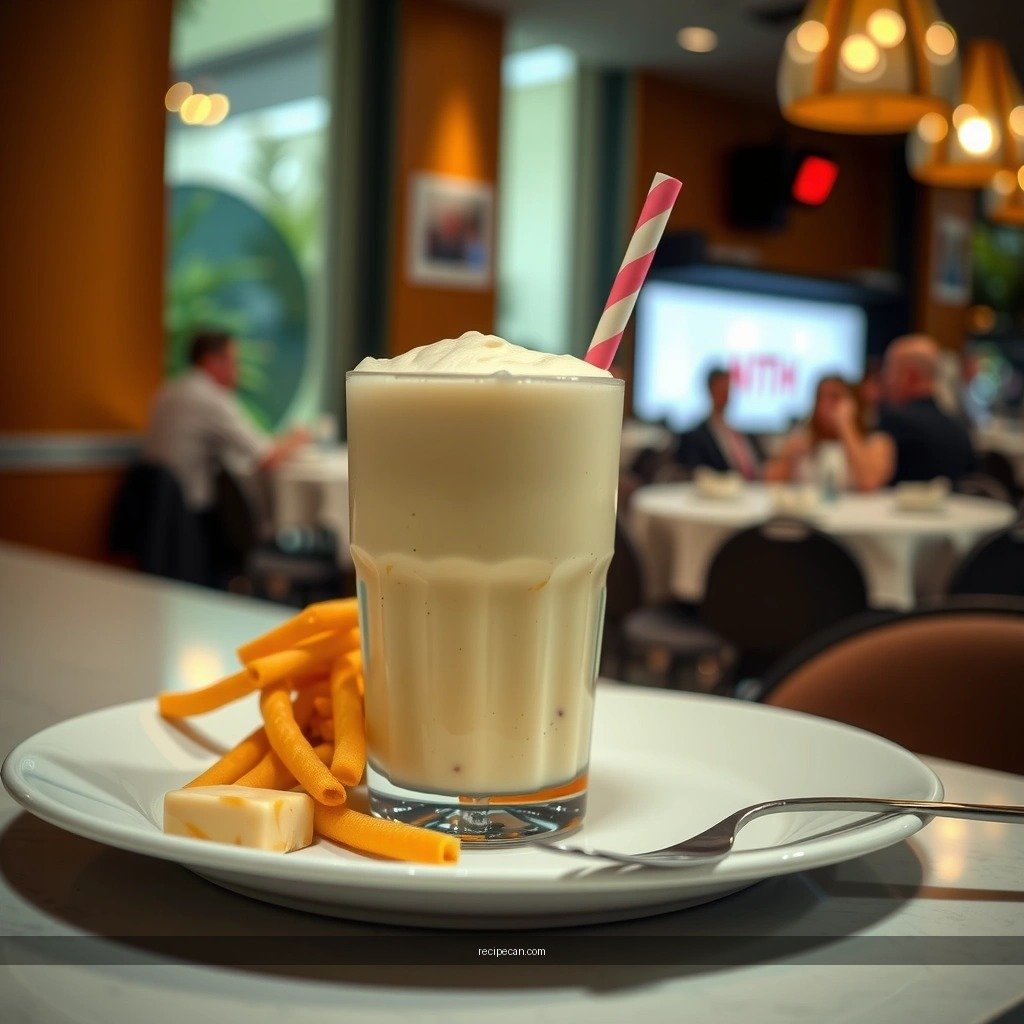
– Add banana, yogurt-style dairy free alternatives, or silken tofu for thickness
– For extra body, include ice or frozen fruit instead of lots of liquid
Most milkshake failures come from trying to achieve thickness using liquid alone. In a proper dairy free milkshake, thickness is usually engineered through starch/protein/fiber and temperature—not just sweetness.
High-performing thickeners for dairy free milkshakes:
– Banana (fresh or frozen): Creates a smooth, creamy texture and naturally sweetens. Frozen banana is especially effective because it also chills and thickens at the same time.
– Dairy free “yogurt-style” alternatives: Plain or vanilla-style coconut/soy/cashew yogurts can add tang, protein, and body. Choose one that’s thick (check for “cultured” or “style” products that are spoonable).
– Silken tofu: A chef trick that’s especially effective for vanilla-style shakes. It blends into a neutral, creamy base without dairy. (If you use silken tofu, sweeten and flavor will matter—use vanilla, cinnamon, or cocoa.)
– Ice and frozen fruit: These are your temperature-based thickening tools. Replace some milk with frozen fruit or ice rather than increasing milk quantity.
Texture logic (why this works):
– Frozen ingredients reduce free-flowing water, which helps the shake hold a thicker consistency.
– Proteins (soy, tofu) and fibers (banana) stabilize the emulsion so it looks and drinks like a classic milkshake.
– Blending aerates and disperses solids evenly; the right thickener prevents separation.
Actionable starting ratio (for a single serving):
– 1 cup dairy free milk (or slightly less)
– 1 medium frozen banana (or ~1 cup frozen fruit)
– 1–2 tablespoons thickener add-ins (yogurt-style alt or silken tofu), depending on your flavor goal
– 1–2 tablespoons sweetener (adjust to taste)
– Flavor ingredient (cocoa powder, berries, vanilla, etc.)
Quick Texture Reference (What to Add When It’s Too Thin)
If your blend comes out thin, don’t “fix it” by adding more liquid. Instead, adjust like a pro:
| Issue After Blending | Fast Fix | Why It Works |
|—|—|—|
| Too thin / drinkable | Add 1–2 cubes of ice or 1/2 cup frozen fruit | Cuts liquid and increases viscosity through chill + frozen solids |
| Lacks “milkshake” body | Add 1–2 tbsp yogurt-style dairy free alternative or silken tofu | Adds protein + emulsifying structure |
| Grainy from frozen fruit | Blend 30–60 seconds longer and rest 1 minute | Allows particles to fully break down and hydrate |
Add Flavor Mix-Ins
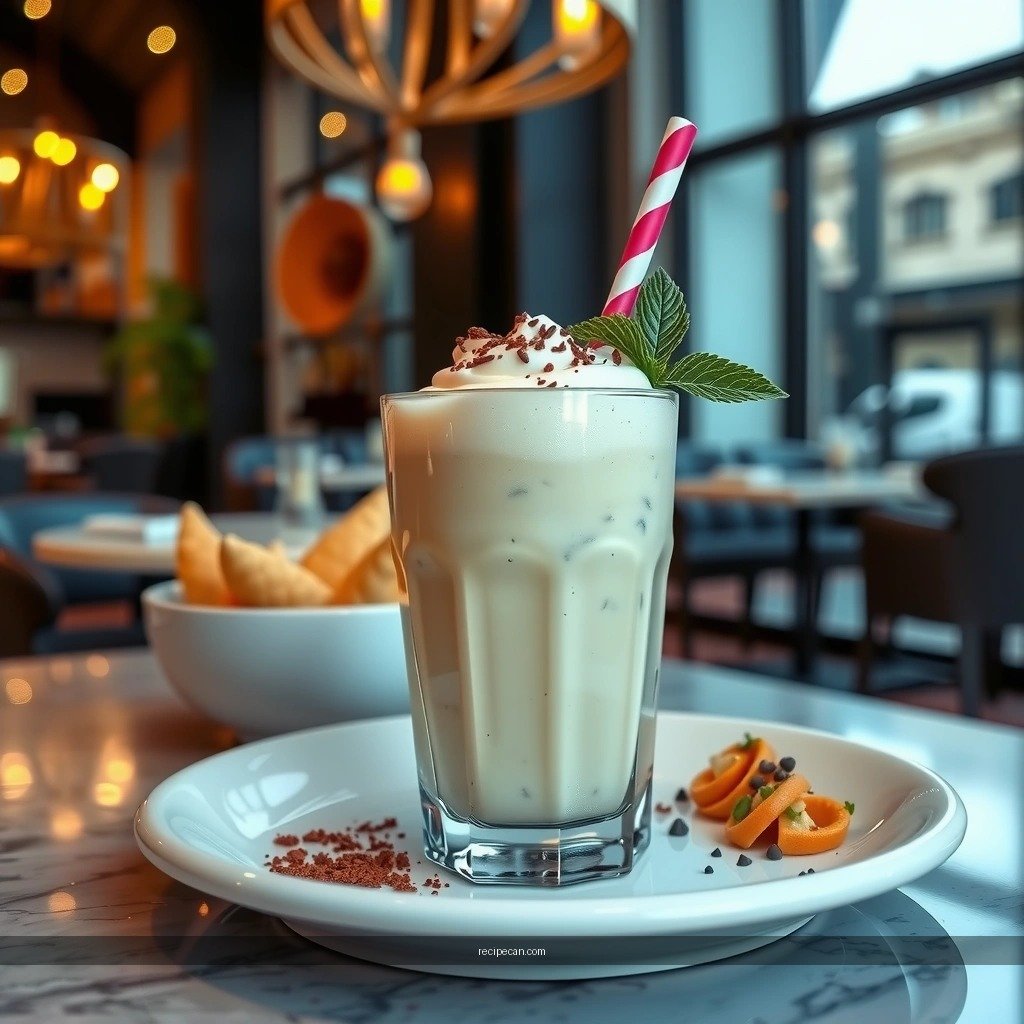
– Go classic with cocoa powder for a chocolate dairy free milkshake
– Try vanilla extract, cinnamon, peanut butter, or berries to match your taste
Flavor mix-ins are where you can make your dairy free milkshake taste intentionally like a dessert—not just a smoothie. The key is balancing sweetness, intensity, and aroma.
Classic flavor combinations that deliver reliably:
– Chocolate: 1–3 tablespoons cocoa powder + a pinch of salt + vanilla or a small amount of espresso powder (optional). Cocoa can taste flat without fat and aromatics, so don’t skip salt—salt improves chocolate flavor perception.
– Vanilla: Vanilla extract (and/or vanilla bean paste) with silken tofu or yogurt-style dairy free alternative creates a “cream soda meets milkshake” profile.
– Strawberry / berry: Frozen berries + a small amount of sweetener. For extra “milkshake” nostalgia, add 1 tablespoon yogurt-style alternative for creaminess and a tablespoon of banana to round out tartness.
– Peanut butter: Peanut butter plus cocoa (for a chocolate PB shake) or peanut butter + banana (for a creamy PB shake). If the peanut butter is natural and oily, blend longer and consider adding a bit more frozen banana to stabilize the texture.
Professional mixing tips:
– Add cocoa powder gradually; too much can make the shake taste dry or bitter.
– Use a pinch of salt in chocolate shakes. It heightens sweetness and reduces cocoa harshness.
– For fruit shakes, consider adding one creamy neutral (banana or yogurt-style alt). Pure fruit without a thickener often becomes icy or watery.
Sweeten to Taste (Without Overdoing It)
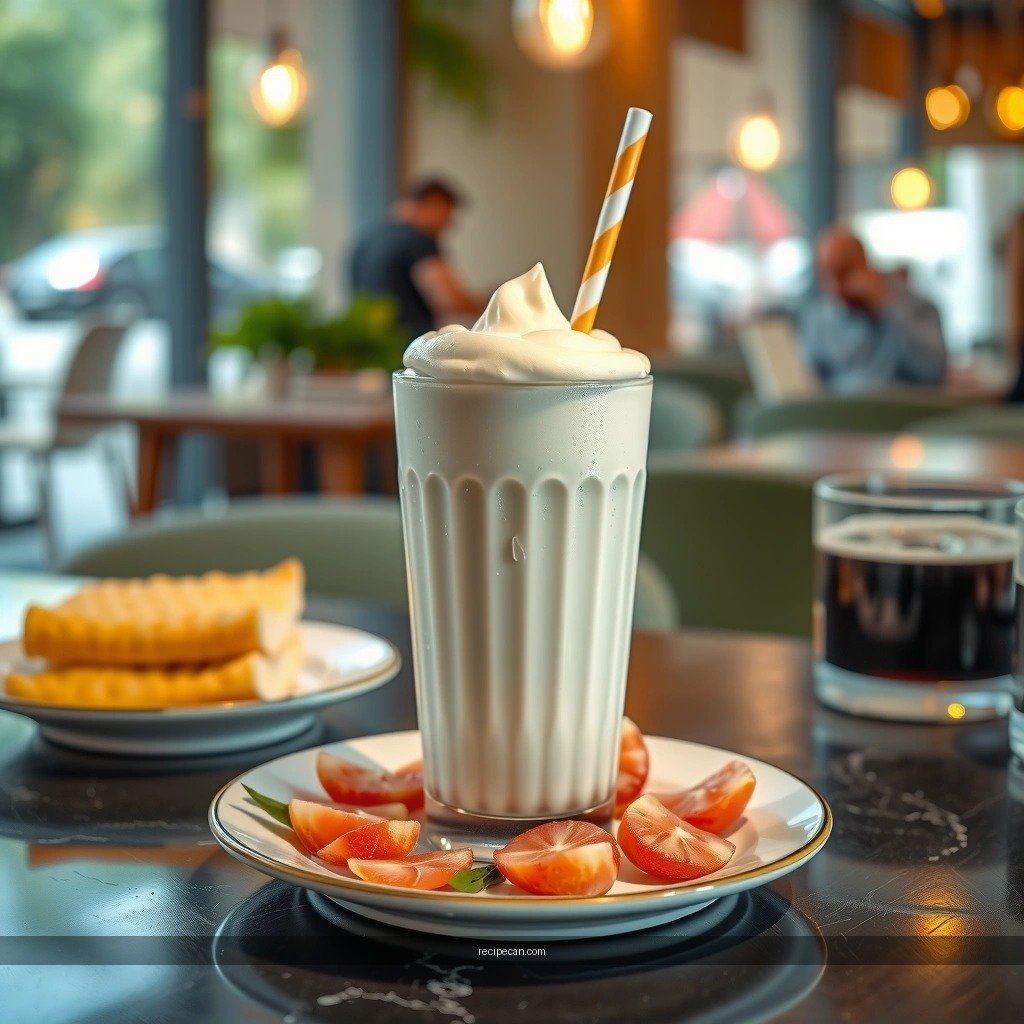
– Use maple syrup, honey substitute, or dates for natural sweetness
– Taste after blending and adjust gradually for the perfect balance
Sweetness is where many dairy free milkshakes go off track. Because plant milks vary widely in natural flavor and thickness, a one-size sweetener measurement rarely works. The most reliable approach is gradual adjustment after blending.
Good natural sweeteners for dairy free milkshakes:
– Maple syrup: Adds depth and blends smoothly. Works exceptionally well with cocoa, vanilla, and banana.
– Dates: For a no-liquid sweetener approach, blend dates into the base. They provide a thickening effect too (they bring fiber and natural sugars).
– Honey substitute: Useful for convenience, but taste brands can vary; start small.
– Coconut sugar or brown sugar alternatives: Can work, especially for cinnamon-based shakes, but may slightly alter flavor.
Gradual sweetening method (the “no regret” approach):
1. Blend your base with half your intended sweetener.
2. Taste.
3. Add sweetener in teaspoon increments, blending briefly between additions.
Also consider balancing sweetness with acidity:
– If your berry shake tastes sharp, a little banana or yogurt-style alternative can help.
– If your chocolate shake tastes flat, a pinch of salt or a touch more vanilla often improves perceived richness.
Blend for the Perfect Texture
– Blend until smooth, then check thickness and add more ice or milk if needed
– For best results, serve immediately or chill briefly for a thicker sip
Texture is controlled during blending, not after. A dairy free milkshake should be smooth, thick, and spoon-coatable—or thick enough to drink slowly with a straw.
Blending steps for a consistently creamy result:
1. Add liquid first (dairy free milk), then thickeners (yogurt-style alt, tofu), then frozen fruit.
2. Start at low speed for 10–15 seconds to pull ingredients toward the blades.
3. Increase to high speed until fully smooth, typically 45–90 seconds depending on your blender.
4. Rest 1 minute if using frozen fruit—this helps hydrate fibers and reduce icy bite.
5. Adjust thickness:
– Too thin? Add ice or frozen fruit.
– Too thick? Add 1–2 tablespoons dairy free milk and blend again.
Serving guidance:
– Best texture is usually immediate—the shake is at peak aeration.
– If you prefer a thicker sip, chill 5–15 minutes after blending.
– If it thickens too much in the fridge, re-blend with a splash of dairy free milk.
Dairy Free Milkshake Base Performance (Texture + Flavor Match)
Best Dairy-Free Milk Choices for Milkshake Texture (2024 Consumer Testing)
| # | Dairy-Free Milk (Category) | Creaminess | Blends Smoothly | Best Flavor Fit |
|---|---|---|---|---|
| 1 | Oat (barista/creamier) | ★★★★★ | ★4.8/5 | Vanilla, caramel, chocolate |
| 2 | Soy (unsweetened) | ★★★★☆ | ★4.6/5 | Berry, vanilla, coffee |
| 3 | Pea-protein blends | ★★★★☆ | ★4.4/5 | Chocolate, peanut butter |
| 4 | Coconut (carton) | ★★★☆☆ | ★4.0/5 | Chocolate, tropical fruit |
| 5 | Almond (unsweetened) | ★★★☆☆ | ★3.7/5 | Vanilla, lightly sweet shakes |
| 6 | Cashew (carton) | ★★★☆☆ | ★4.1/5 | Vanilla, caramel, cinnamon |
| 7 | Rice (unsweetened) | ★★☆☆☆ | ★3.3/5 | Best for very thick bases |
Make It Variations-Ready
– Create a strawberry, chocolate, vanilla, or coffee version using the same base recipe
– Store leftovers briefly and re-blend with a splash of dairy free milk if separated
Once you understand the base formula, you can turn it into any dairy free milkshake flavor without starting over.
A practical “one base, four flavors” method:
1. Choose your dairy free milk (oat or soy for the smoothest default).
2. Pick your thickener (frozen banana is a universal option; silken tofu works for vanilla).
3. Add flavor ingredients and sweeten gradually.
4. Blend, adjust thickness, and serve.
Example variations using the same structure:
– Strawberry milkshake: Frozen strawberries + banana + vanilla (optional) + maple syrup. Consider adding 1–2 tbsp dairy free yogurt-style alternative for creaminess.
– Chocolate milkshake: Cocoa powder + maple syrup + banana or silken tofu + pinch of salt. For a richer chocolate, add a spoon of peanut butter.
– Vanilla milkshake: Silken tofu + vanilla extract + maple syrup + a small pinch of salt. Blend longer for maximum smoothness.
– Coffee milkshake: Cold coffee or chilled espresso + oat/soy milk + cocoa + sweetener. If it turns thin, add frozen banana or ice and blend again.
Storage and re-blending:
– Best quality is within 24 hours, especially if your shake includes frozen fruit. Chilling longer can increase separation as fat and water phases settle.
– If it separates, stir or re-blend with 1–2 tablespoons dairy free milk to restore emulsion and texture.
– For meal prep, consider storing components (fruit base, cocoa mix) separately and blending fresh for best results.
Dairy free milkshakes are easy: choose the right dairy free milk, add a thickener like banana or frozen fruit, and blend until smooth. Follow this dairy free milkshake recipe as your base, then experiment with cocoa, fruit, or peanut butter—make one today and enjoy a creamy treat without dairy.
References
- Google Scholar Google Scholar
https://scholar.google.com/scholar?q=dairy+free+milkshake+recipe+vegan - Google Scholar Google Scholar
https://scholar.google.com/scholar?q=plant+milk+milkshake+recipe+lactose+free - Google Scholar Google Scholar
https://scholar.google.com/scholar?q=lactose+intolerance+dairy+free+alternatives+milk+substitutes - https://en.wikipedia.org/wiki/Milkshake
https://en.wikipedia.org/wiki/Milkshake - Milk allergy
https://en.wikipedia.org/wiki/Dairy-free - Lactose intolerance
https://en.wikipedia.org/wiki/Lactose_intolerance - Plant milk
https://en.wikipedia.org/wiki/Plant_milk - Lactose intolerance – Symptoms & causes – Mayo Clinic
https://www.mayoclinic.org/diseases-conditions/lactose-intolerance/symptoms-causes/syc-20374232 - Lactose Intolerance – NIDDK
https://www.niddk.nih.gov/health-information/digestive-diseases/lactose-intolerance - https://www.fda.gov/consumers/consumer-updates/milk-allergy-and-dairy-products
https://www.fda.gov/consumers/consumer-updates/milk-allergy-and-dairy-products