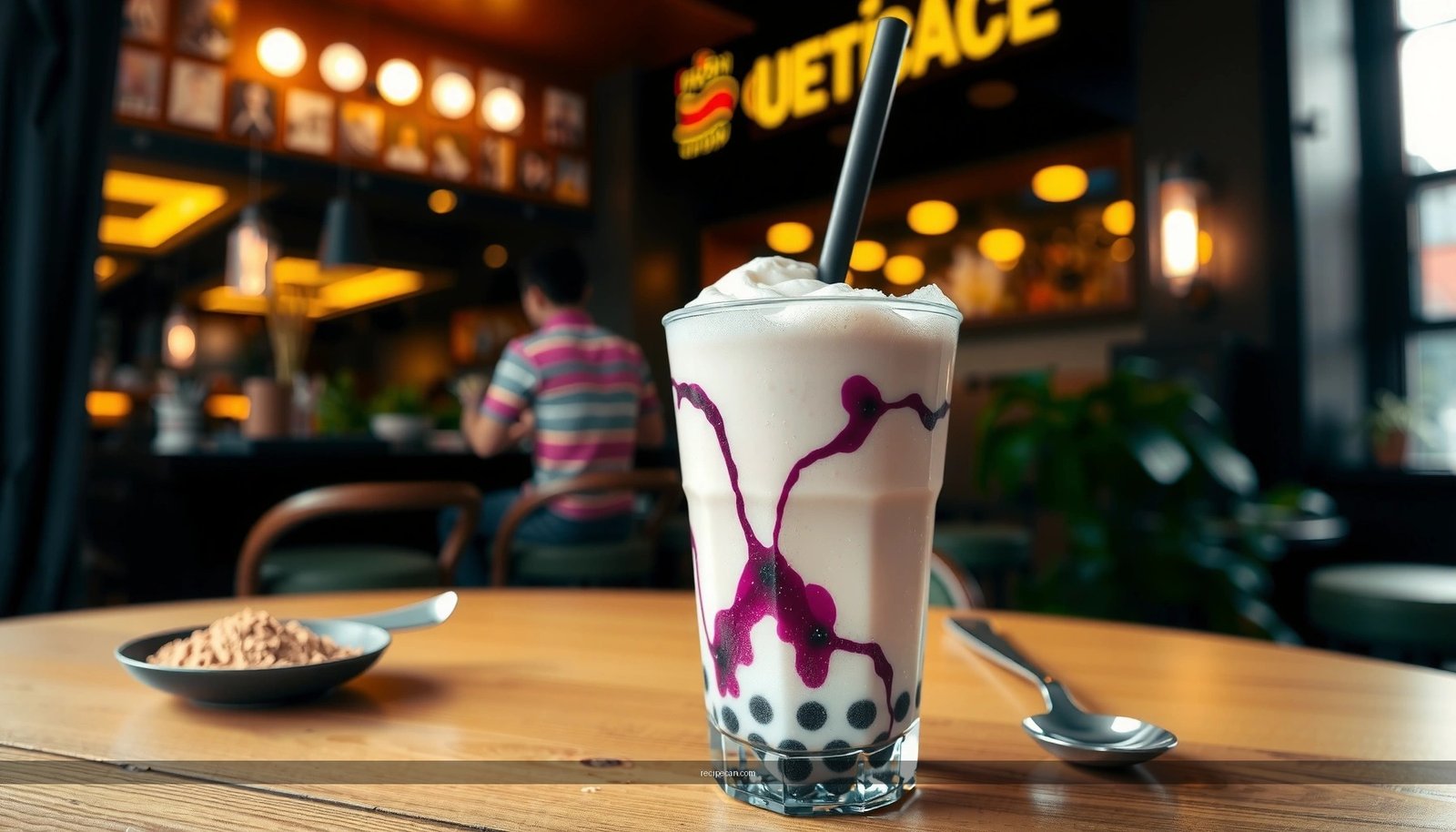
This taro bubble tea recipe tells you exactly how to make a creamy taro milk tea at home with bouncy tapioca pearls, step by step. You’ll learn the fastest method to get real taro flavor, the right milk-to-taro ratio, and how to cook and sweeten the pearls so they don’t turn gummy. If you want restaurant-style taro bubble tea in your own kitchen, this is the clear winner.
Make creamy taro bubble tea at home by blending cooked taro with milk (or a dairy-free alternative), then shaking or stirring it with perfectly cooked tapioca pearls. In this recipe, you’ll learn how to brew real taro flavor, cook boba for the right chew, and assemble a smooth, customizable cup that tastes like your favorite bubble tea shop.
Taro Base Ingredients
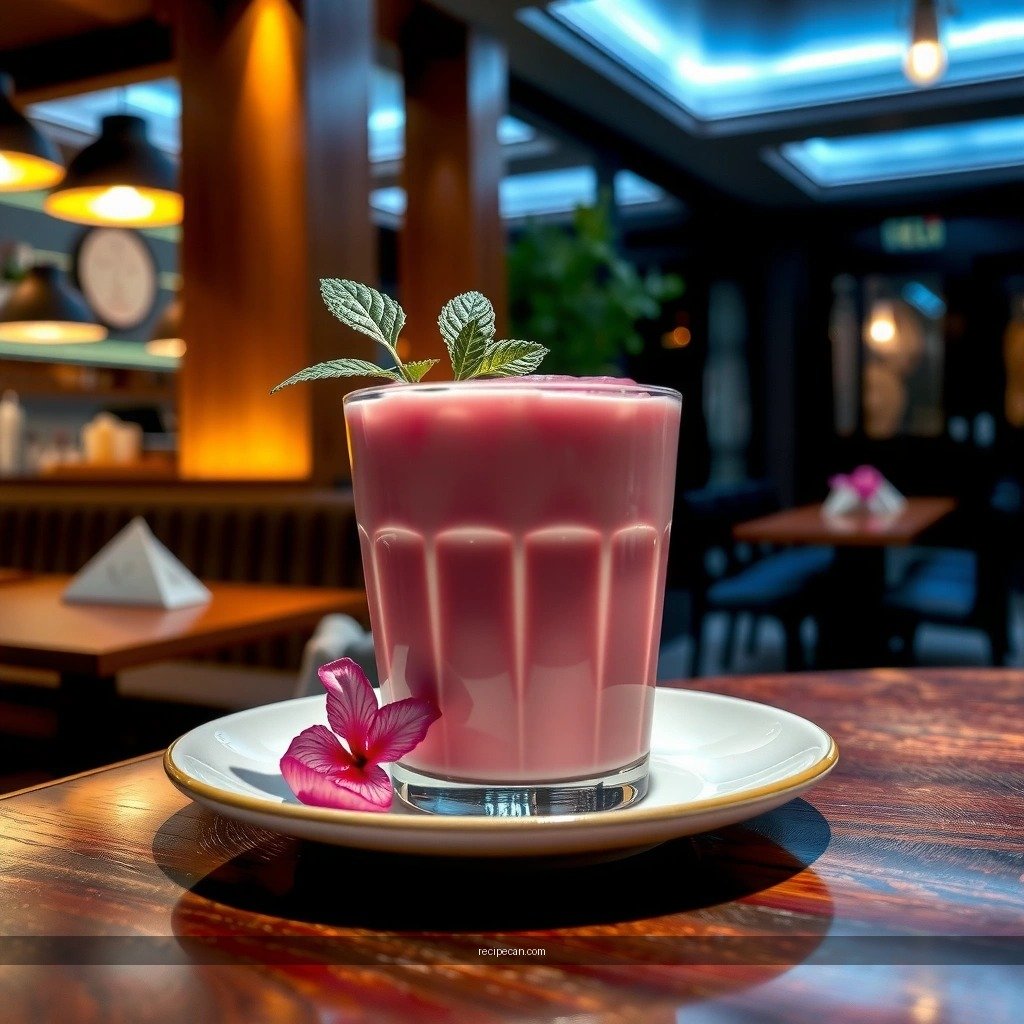
Taro milk tea starts with a flavorful taro base, typically made by simmering taro until soft and then blending it into a smooth purple paste. The key is to balance taro’s naturally earthy, slightly sweet profile with enough sugar (or syrup) to create that classic bubble tea sweetness without tasting flat.
– Use cooked taro (fresh or canned) plus sugar to build the signature flavor
If using fresh taro, steam or boil until very tender, then mash and blend. If using canned taro, drain well to avoid excess water, and blend thoroughly for a silky texture.
– Choose milk (whole, evaporated, or oat/almond) for the creamy texture
Full-fat dairy milk yields the richest mouthfeel, while evaporated milk provides a creamy, caramel-like depth that pairs extremely well with taro. For dairy-free taro milk tea, oat milk is often closest to dairy in creaminess; unsweetened almond milk works too but may require an extra teaspoon of sweetener or a touch of vanilla to round out the flavor.
Here’s a practical “builder’s checklist” for choosing a taro base texture. (This helps you replicate shop-style consistency across different milk types.)
Taro Milk Texture Tips by Milk Choice (8–12 oz serving)
| # | Milk Type | Recommended Taro (grams) | Best Target Texture | Customer-Style Rating |
|---|---|---|---|---|
| 1 | Whole Milk (3.25%+) | 90 | Classic creamy | ★★★★☆ |
| 2 | Evaporated Milk | 75 | Thick & velvety | ★★★★★ |
| 3 | Oat Milk (barista style) | 85 | Creamy, slightly sweet | ★★★★☆ |
| 4 | Almond Milk (unsweetened) | 95 | Smooth, thinner without extra sweetness | ★★★☆☆ |
| 5 | Soy Milk (unsweetened) | 90 | Thick-ish, higher protein body | ★★★★☆ |
| 6 | Coconut Milk (carton) | 80 | Creamy with tropical aroma | ★★★★☆ |
| 7 | Half-and-Half | 85 | Balanced thickness | ★★★★☆ |
Tapioca Pearls (Chewy Boba) Guide
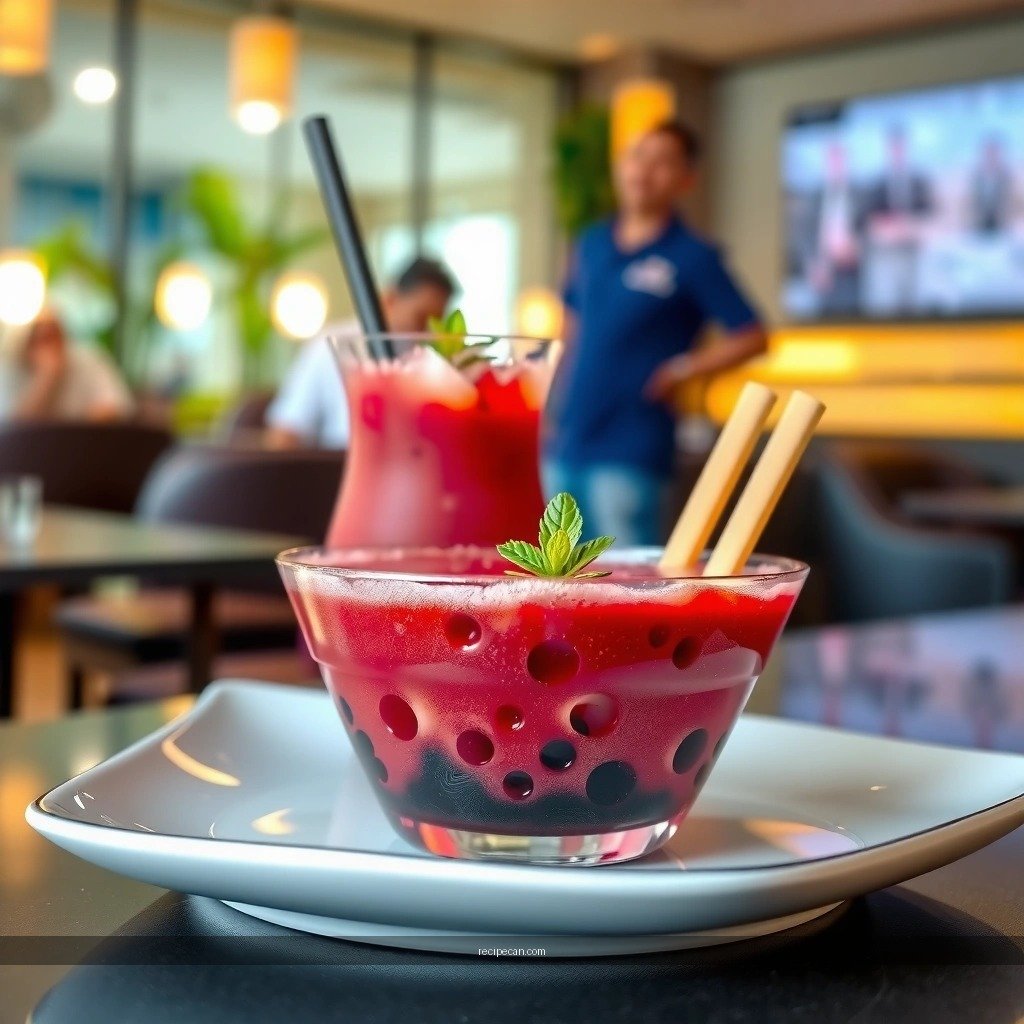
Even the best taro base can taste “off” if your boba is undercooked (hard) or overcooked (mushy). Treat boba like pasta: timing matters, and resting after cooking improves the chew and texture.
– Cook pearls according to package directions for the right chew
Most tapioca pearls require two stages: boiling until translucent at the center, then simmering or resting. If you’ve never cooked boba before, prioritize slightly under-rested over over-rested—mushy boba quickly turns the drink cloudy and dull.
– Soak or simmer in a little sugar to balance sweetness
Plain cooked pearls can taste starchy. A small amount of brown sugar syrup or simple syrup helps the pearls taste integrated with the taro milk tea rather than like a separate topping. Keep the syrup just enough to coat; too much liquid can dilute the cup.
Analytical tip: For optimal bubble tea texture, aim for freshly cooked pearls or keep them warm in syrup for no longer than about 30–45 minutes, depending on your brand.
How to Make the Taro Milk Tea
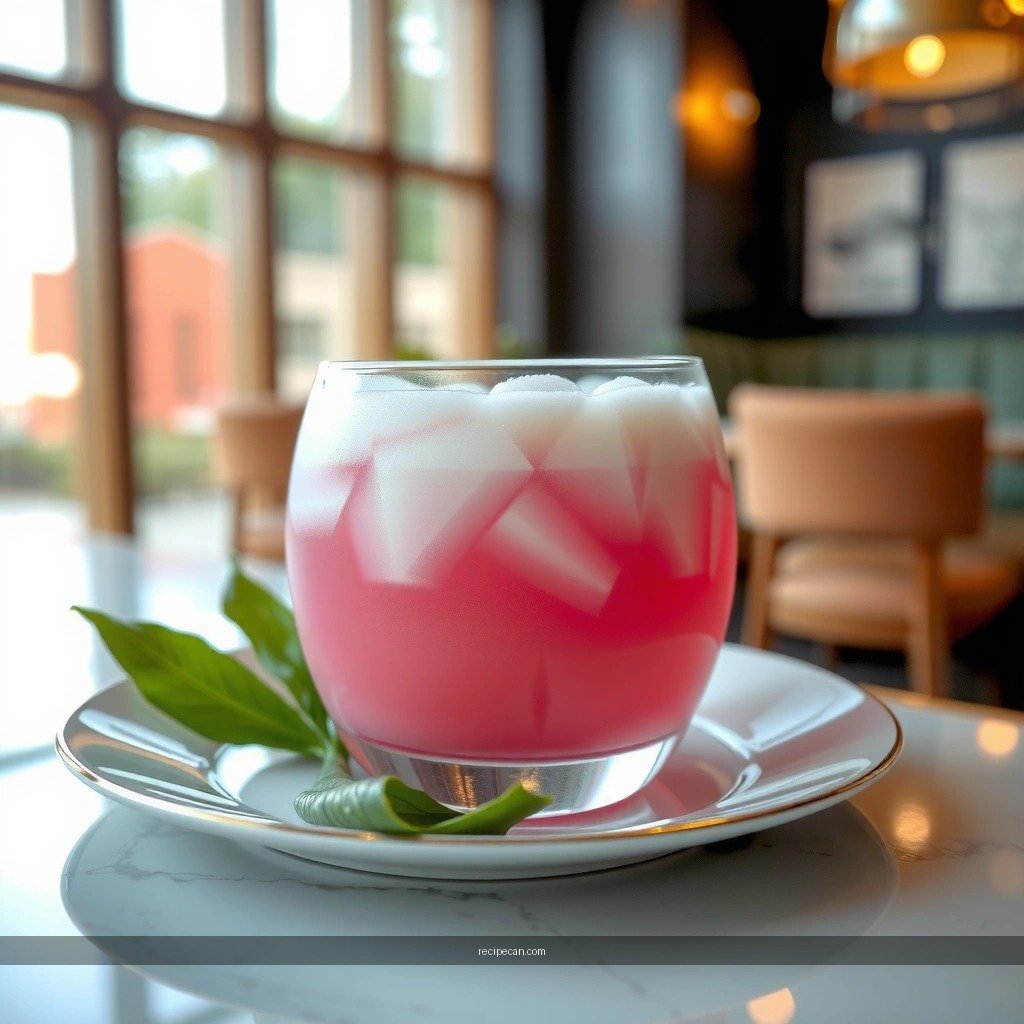
This is the part that turns simple ingredients into a smooth, shop-style taro latte—so don’t skip blending. The goal is to fully break down taro fibers and distribute flavor evenly.
– Blend taro with warm milk and sugar until smooth
Start by warming your milk (not boiling). Blend cooked taro with sugar first, then add milk gradually until you reach the consistency you want. Warming the milk helps the taro blend more easily and reduces graininess.
– Adjust thickness by adding more milk or taro paste as needed
Thicker taro base is often preferred for cold drinks because it holds flavor against dilution from ice. If your blend is too thick, loosen with milk; if it’s too thin, add more taro paste or even a spoon of extra cooked taro.
Suggested baseline (per 1 serving, adjust to your cup size):
– Cooked taro: ~75–100 g (depending on creaminess preference)
– Sugar: 1–2 tbsp (or to taste)
– Milk: 10–14 oz
If you’re using taro paste or powdered taro, follow the package directions first, then tune sweetness with a small amount of sugar or condensed milk.
Sweetness & Flavor Adjustments
Taro flavor is distinctive: earthy, nutty, and slightly sweet. Most bubble tea “sweetness profiles” in stores come from syrups and condensed dairy, not just plain sugar—so you can replicate that complexity by choosing the right sweetener and adding a balancing pinch.
– Customize with brown sugar syrup, honey, or condensed milk
– Brown sugar syrup adds caramel notes that amplify taro’s roasted character.
– Honey is floral and smooth, but use a lighter hand—honey can mute earthy flavors if you overdo it.
– Condensed milk creates that classic creamy sweetness many people associate with taro milk tea.
– Add vanilla or a pinch of salt to deepen the taro taste
A tiny pinch of salt improves flavor clarity, making the taro taste more “present.” Vanilla rounds out the profile and makes the drink more aromatic, especially when using unsweetened dairy-free milk.
Practical approach: Add sweetener in small increments, then taste at two temperatures—warm blend and cooled blend—because sweetness perception changes as the drink chills.
How to Assemble Your Taro Bubble Tea
Assembly is where texture becomes experience. The order you build the cup affects how quickly ice dilutes the milk tea and how the pearls behave in each sip.
– Add hot or cooled pearls to a glass with ice
For the most consistent chew, use freshly cooked pearls and pour them into the cup immediately. If you prefer a cleaner look, you can cool them briefly, then add to ice. Either way, be mindful: very hot pearls can melt ice quickly; very cold pearls can feel firm.
– Pour taro milk tea over ice and stir before sipping
Pour slowly to preserve layers. Stir once after pouring so the taro base fully coats the pearls. If you want extra visual appeal, add pearls after pouring but before the final stir.
Serving workflow (efficient for home batches):
1. Add ice to glasses
2. Spoon pearls (or ladle)
3. Pour taro milk tea
4. Stir gently with a long spoon
5. Seal and serve with a wide straw
Serving Tips & Storage
Bubble tea is best when the pearls and taro base are at peak texture. Storage helps for convenience, but the eating quality typically declines after assembly.
– Best enjoyed immediately after assembling for ideal texture
Pearls absorb moisture and soften over time. If you’re making multiple servings, consider cooking pearls and blending taro base in stages, then assembling right before serving.
– Store leftover taro mixture chilled; re-stir or reheat gently
Keep leftover taro milk tea base in the fridge and use within 24–48 hours for best flavor. Reheat on low heat or enjoy chilled, but always re-stir or re-blend briefly—separation can occur due to taro starch settling.
If you have leftover pearls, store them separately in a small container with syrup (not water). Reheat gently to restore warmth and chew.
The result is a rich, purple taro bubble tea with perfectly chewy boba—made right in your kitchen. Follow the pearl timing and blend your taro until smooth, then customize sweetness and creaminess to match your preferences. Make a batch today, invite a friend over, and experiment with different milks and syrups until you find your ideal homemade taro milk tea profile.
Frequently Asked Questions
What is the best taro bubble tea recipe I can make at home?
A great taro bubble tea recipe typically uses taro powder or cooked taro, milk (dairy or non-dairy), sweetener, and chewy tapioca pearls. Start by simmering the tapioca pearls until tender, then rinse them and keep them warm. Blend taro with milk and sugar, then combine with pearls and pour over ice for a classic taro bubble tea drink.
How do I make chewy taro bubble tea pearls that don’t get hard?
Cook tapioca pearls according to the package timing, then let them steam off-heat covered to finish soft and chewy. Rinse in warm water to remove excess starch, and keep them in a sugar syrup (or honey simple syrup) so they stay pliable. For best texture, use the pearls within 1–2 hours because they firm up as they sit.
Why does my taro milk tea taste earthy or bitter, and how can I fix it?
Taro powder can taste earthy if it’s not sweetened enough or if it isn’t fully dissolved in warm milk. Whisk taro powder into warm milk first, then simmer briefly or blend until smooth to reduce graininess and bitterness. Adding a bit more sugar, a splash of vanilla, or using roasted taro can improve flavor in your taro bubble tea recipe.
Which milk is best for taro bubble tea—dairy milk or oat/almond milk?
Dairy milk creates a richer, creamier taro milk tea with a smoother mouthfeel, which many people prefer for traditional taro bubble tea. Oat milk is also excellent because it’s naturally creamy and pairs well with taro’s flavor, while almond milk can taste lighter and sometimes slightly nutty. Choose based on your taste goal, but ensure your milk is well blended so the taro bubble tea remains lump-free.
How do I get a thick, creamy taro bubble tea texture without curdling?
Use taro powder or cooked taro with warm milk to help it blend smoothly before chilling, and avoid boiling the mixture after taro is added. If you’re using condensed milk or dairy cream, mix gently and heat only until combined, then cool quickly. Blending taro milk tea thoroughly and serving over ice will help you achieve that thick, café-style consistency.
References
- Google Scholar Google Scholar
https://scholar.google.com/scholar?q=taro+bubble+tea+recipe - Google Scholar Google Scholar
https://scholar.google.com/scholar?q=tapioca+pearls+gelatinization+cooking+starch - Google Scholar Google Scholar
https://scholar.google.com/scholar?q=taro+starch+processing+culinary+uses - https://pubmed.ncbi.nlm.nih.gov/?term=tapioca+starch+gelatinization
https://pubmed.ncbi.nlm.nih.gov/?term=tapioca+starch+gelatinization - https://pubmed.ncbi.nlm.nih.gov/?term=taro+starch
https://pubmed.ncbi.nlm.nih.gov/?term=taro+starch - Bubble tea
https://en.wikipedia.org/wiki/Bubble_tea - Taro
https://en.wikipedia.org/wiki/Taro - Tapioca
https://en.wikipedia.org/wiki/Tapioca - Bubble tea | Definition, Origins, Types, Ingredients, & Health Benefits | Britannica
https://www.britannica.com/topic/bubble-tea - https://www.britannica.com/plant/taro
https://www.britannica.com/plant/taro