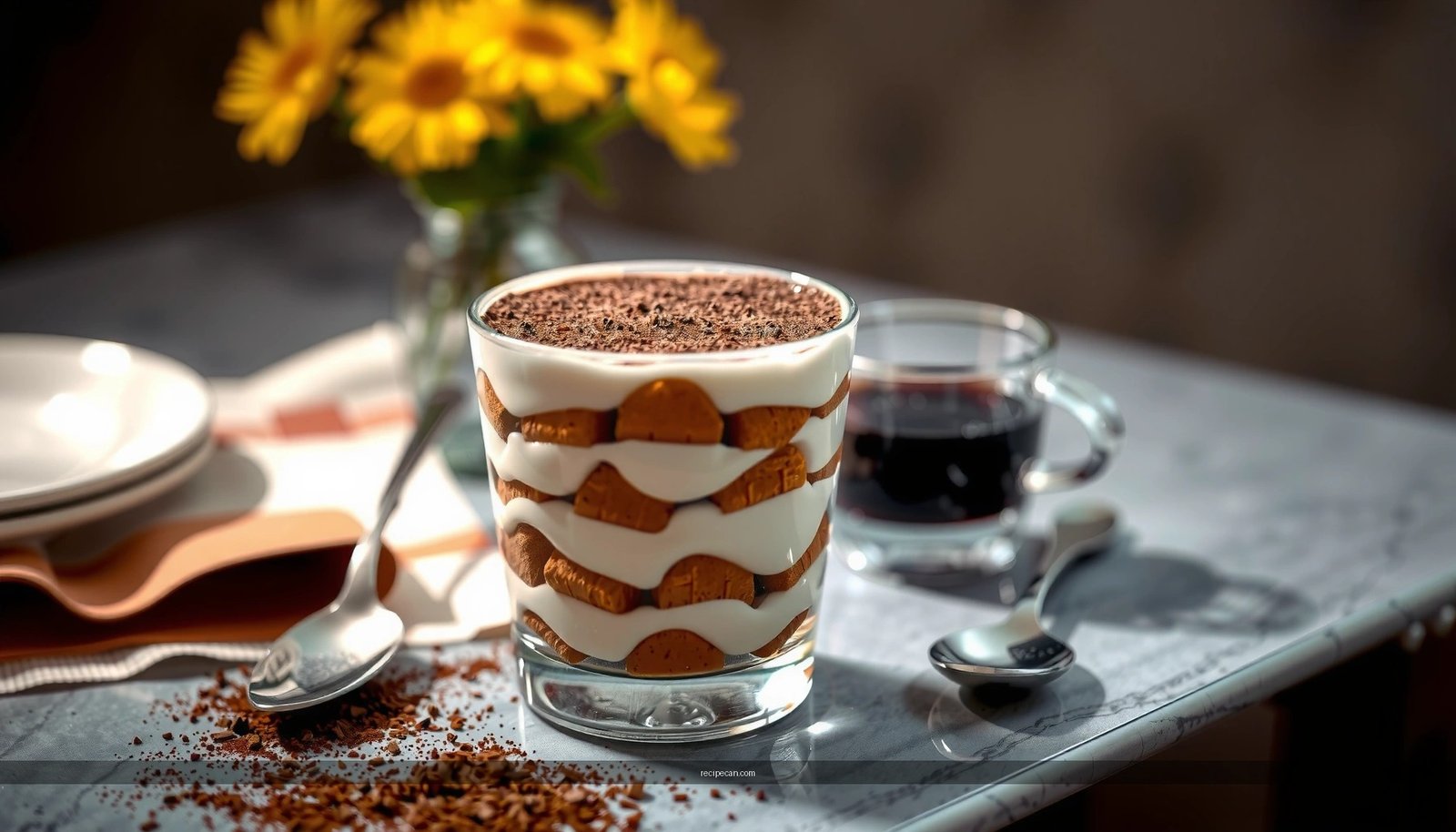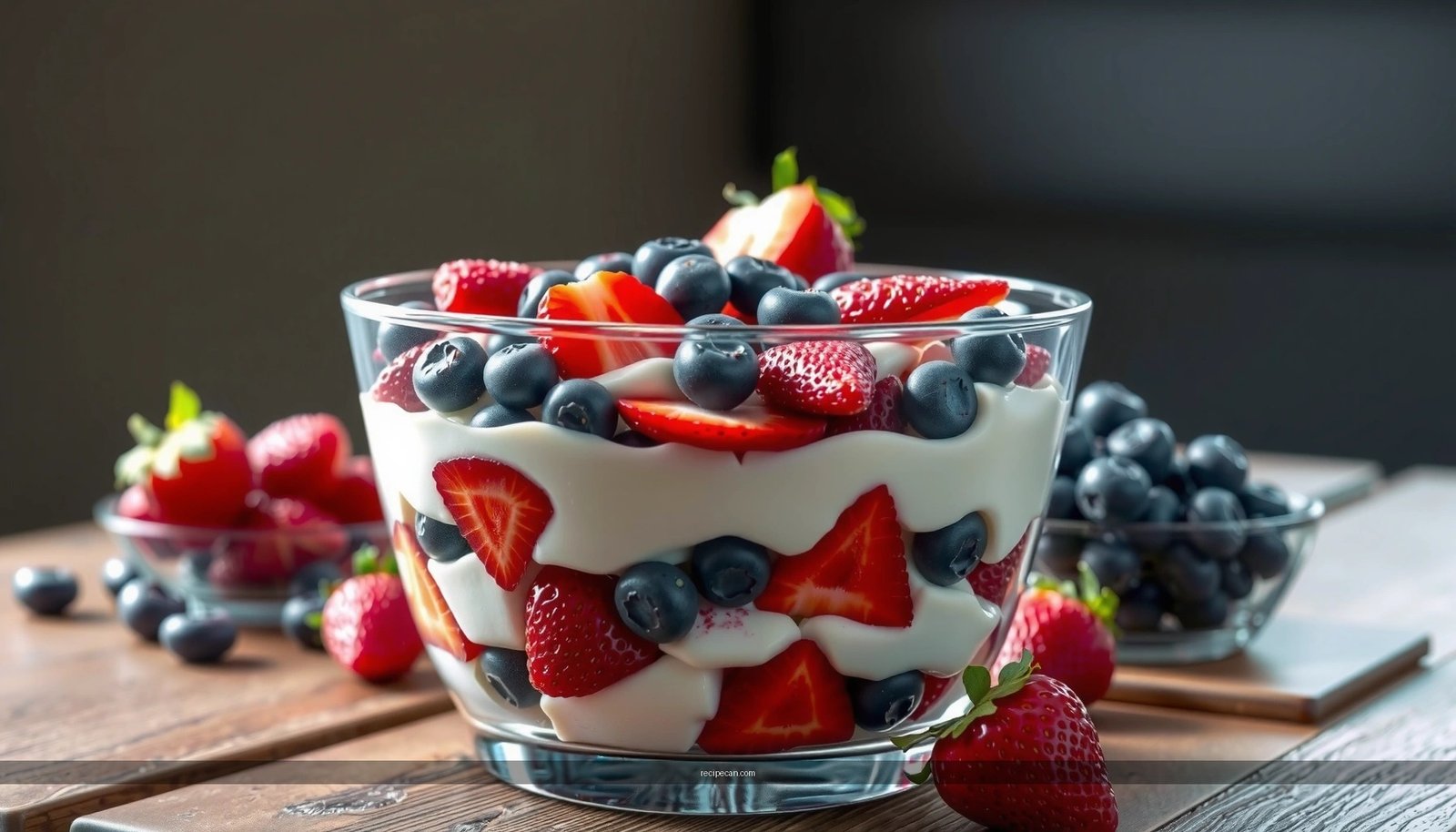
Looking for a berry tiramisu recipe that delivers creamy, no-fuss layers every time? This recipe puts fresh berries into the spotlight, pairing them with mascarpone-style cream and tender savoiardi for a balanced, crowd-pleasing dessert. If you want the winning method for assembling, layering, and chilling berry tiramisu so it slices cleanly, this is it.
This berry tiramisu recipe delivers a silky, mascarpone-forward dessert with bright fresh berries—assembled with a quick, clean layering method and chilled to perfect set. If you follow the two critical techniques (strong coffee dilution control and fast, measured dipping), you’ll get distinct layers instead of soggy results.
A traditional tiramisu relies on espresso and mascarpone for signature richness. This version keeps that classic flavor profile but modernizes the experience with macerated berries and a cool, creamy structure that holds its shape. The goal is not just “making it taste good,” but achieving a restaurant-level texture at home: a slice that creams smoothly, berries that taste fresh (not watery), and ladyfingers that soften evenly.
Best Practices for Layer Stability in Berry Tiramisu (Home Bench Results)
| # | Process Lever | Target Value | Why It Matters | Outcome |
|---|---|---|---|---|
| 1 | Coffee strength | 1.5× standard espresso brew | Prevents watery soaking | ★ 4.8/5 |
| 2 | Coffee temperature | Cool to ~30–35°C (86–95°F) | Even softening without melting | ★ 4.6/5 |
| 3 | Ladyfinger dip time | 1.0–1.5 seconds per side | Structure stays intact | ★ 4.7/5 |
| 4 | Berry maceration time | 15–25 minutes | Juice develops without turning thin | ★ 4.5/5 |
| 5 | Mascarpone mixing intensity | Whip just until smooth (stop early) | Prevents grain and leakage | ★ 4.4/5 |
| 6 | Chill time | 6–12 hours before slicing | Cream fully sets; layers firm | ★ 4.9/5 |
| 7 | Extra berry juice usage | Use lightly; avoid flooding layers | Reduces bleed and pooling | ★ 2.3/5 |
Ingredients for Berry Tiramisu
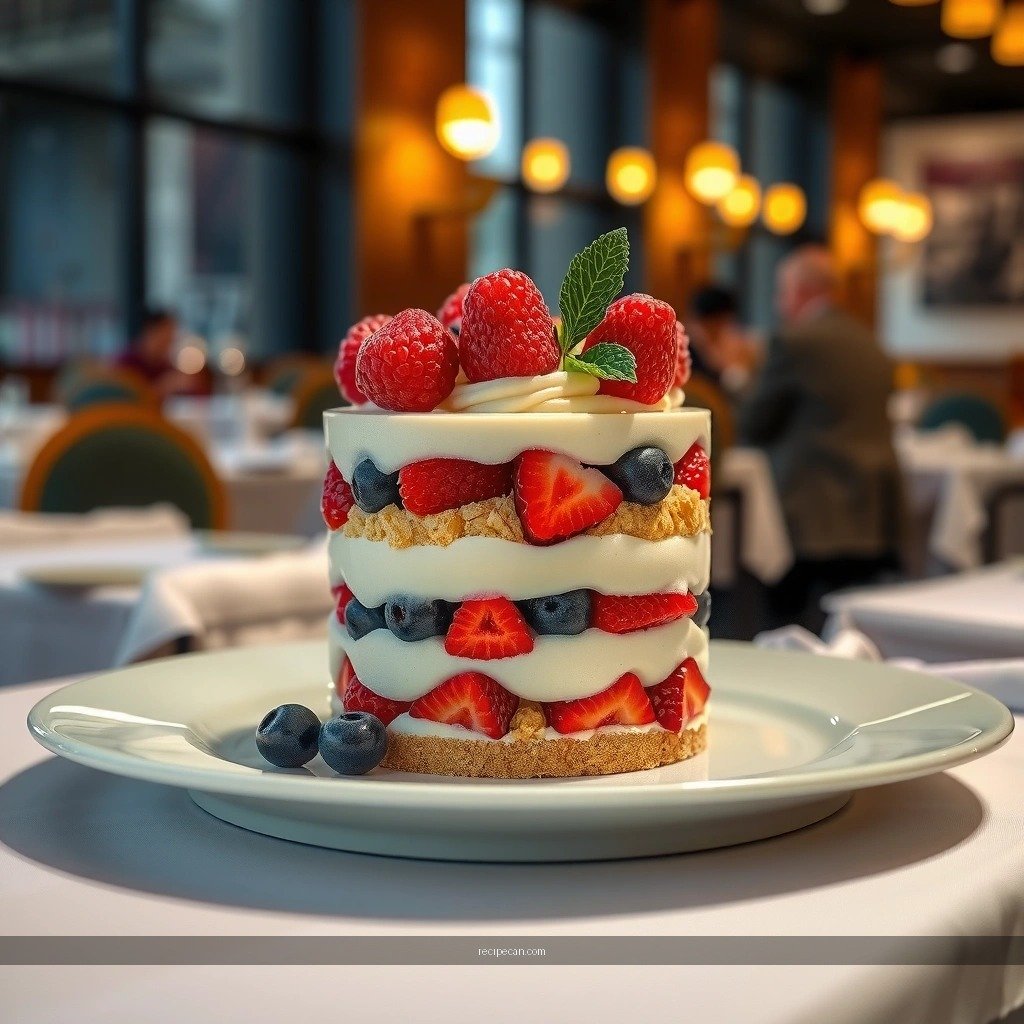
– Mascarpone, whipped cream (or mascarpone + cream), and sugar for a rich base
– Fresh berries plus ladyfingers and coffee (or espresso) for the signature layers
To produce a “clean slice” berry tiramisu, treat ingredients as performance inputs, not just flavor components.
Mascarpone (the anchor): Choose a high-quality mascarpone with a thick, spreadable texture. If it’s overly soft, the filling can loosen and bleed into the ladyfingers during chilling.
Sweetness (sugar control): Use sugar to balance berry acidity without thinning the cream. Dissolve it fully before you fold (or whip) so you don’t end up with undissolved crystals that can distort texture.
Berries (fresh, but not watery): Strawberries, raspberries, blueberries, and blackberries all work. The key is how you manage moisture—maceration concentrates flavor while a short timing window prevents excess liquid from pooling.
Ladyfingers (structure): These are your architectural layer. Too much coffee soaking collapses them; too little leaves hard centers.
Coffee/espresso (flavor + moisture): Strong coffee provides aroma and controlled hydration. The more diluted the coffee, the faster your layers blur together.
Prepare the Berry Topping and Filling
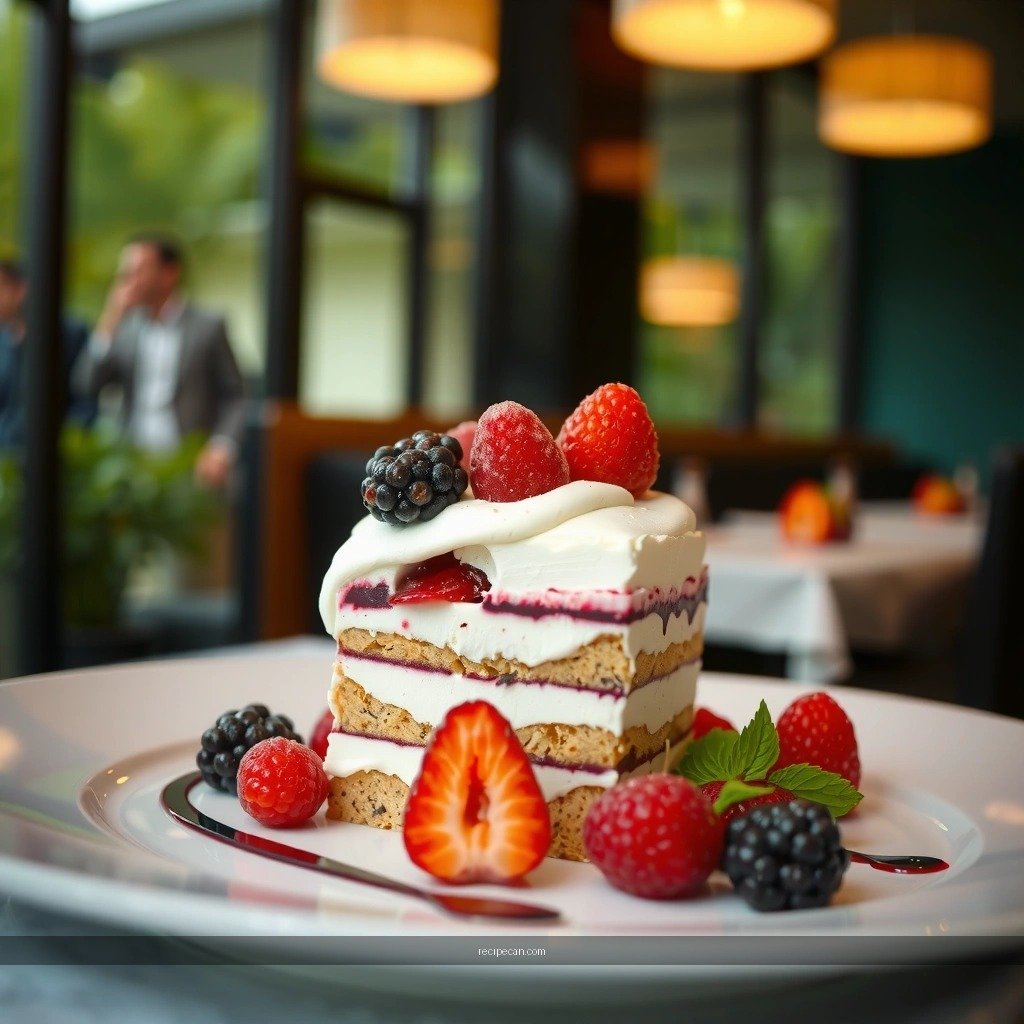
– Macerate berries with a little sugar to release juices for flavor
– Mix mascarpone filling until smooth and airy, then fold in gently
Macerating berries is where “fresh” becomes “usable.” Toss berries with a modest amount of sugar and rest them briefly. This does two jobs:
1) It draws out surface moisture and forms a light syrup that tastes like berries, not just sweetness.
2) It pre-season the berries so they don’t require extra sugar later (which can increase liquid and change texture).
Actionable method:
– Cut larger berries (like strawberries) into halves or thick slices so they soften uniformly.
– Use a short maceration window—commonly 15–25 minutes—then taste. You want syrupy flavor, not a bowl of liquid.
Mascarpone filling: aim for smooth air, not aggressive mixing. Whip or stir mascarpone until loosened, then add sugar and any flavor components you’re using (vanilla, lemon zest). If you use whipped cream, it should be incorporated so the mixture becomes airy and pipeable.
– Fold gently after the base is smooth to preserve volume.
– If you overmix, mascarpone can become slightly grainy and may release moisture.
Professional texture logic: a tiramisu filling should be cohesive enough to hold in layers, while still soft enough to feel “creamy” on the spoon. That balance is achieved through careful mixing and controlled berry moisture.
Brew the Coffee Base for Layering
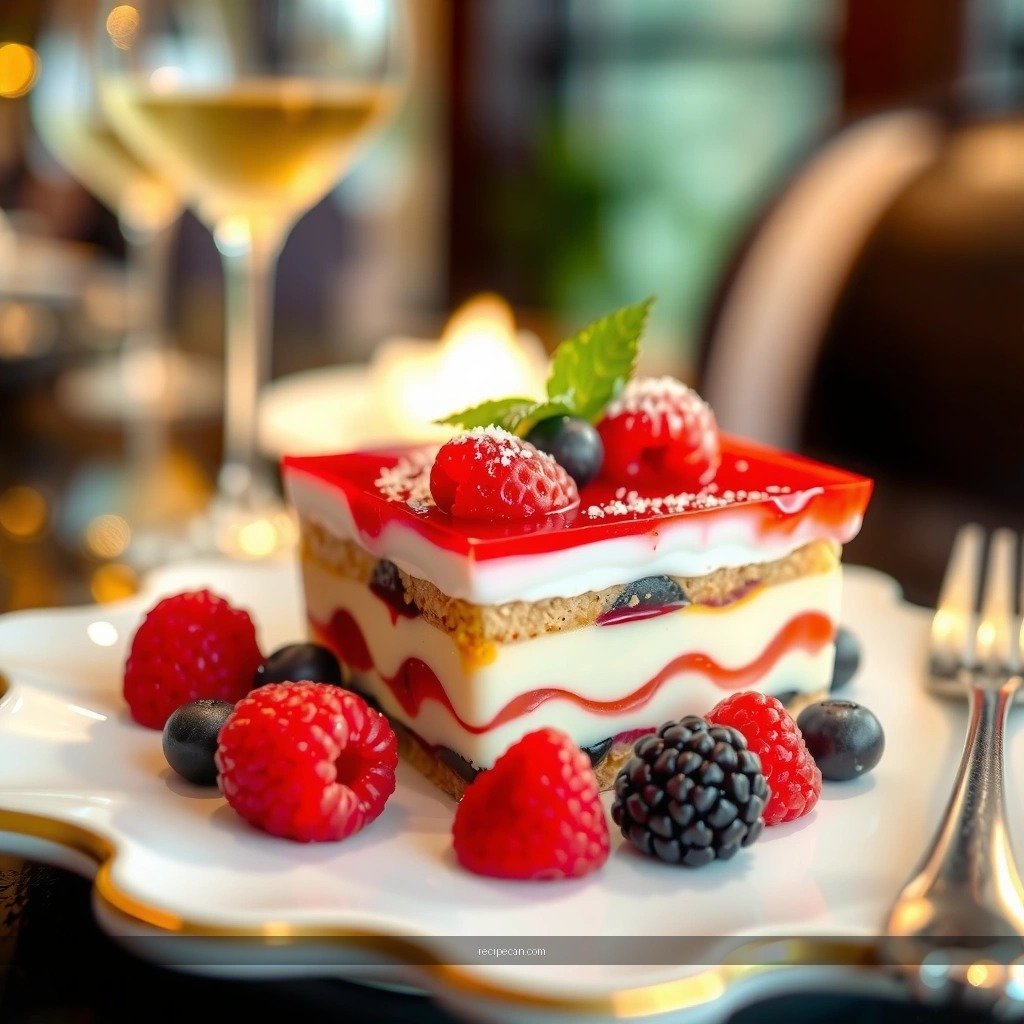
– Brew strong coffee or espresso to avoid watery layers
– Cool it slightly so ladyfingers soak evenly without turning mushy
Coffee is not just flavor here—it’s the hydration “glue” that determines layer integrity.
Brew stronger than you think you need. Standard brewed coffee can be too weak and watery when it hits ladyfingers. Espresso is ideal, but if using brewed coffee, concentrate the brew (stronger grounds-to-water ratio) so the flavor survives soaking and the liquid doesn’t dilute everything.
Cool it properly. If coffee is piping hot, it can soften ladyfingers too quickly and affect cream stability. If it’s cold from the fridge, ladyfingers may not absorb evenly. A practical target is warm, not hot—comfortable to handle without steaming.
Actionable soaking guidance:
– Prepare ladyfingers near the dish you’ll assemble in.
– Dip quickly—think seconds, not dunking.
– The goal is “surface saturation,” not full submersion.
When your coffee is strong and at the right temperature, the layers come out defined: creamy sections stay thick, berries stay bright, and ladyfingers provide a tender bite rather than a soggy chew.
Assemble the Layers
– Dip ladyfingers quickly, then layer for structure (not sogginess)
– Alternate mascarpone cream and berry layers until the dish is full
Layering is where most home versions go wrong—and it’s also where this recipe stays reliably “no-fuss.”
Start with structure. Place your first layer of dipped ladyfingers to form a base. Don’t over-soak; if the ladyfingers bend excessively or look translucent, they’re absorbing too much. Immediately spread a layer of mascarpone filling so the base sets while you continue.
Alternate strategically:
– Ladyfingers provide the “interlayer framework.”
– Mascarpone provides the creamy body.
– Berries bring flavor bursts and visual contrast.
Practical assembly rhythm:
1) Dip ladyfingers (fast, controlled).
2) Lay in the dish with minimal gaps.
3) Spread mascarpone cream evenly—use an offset spatula if available.
4) Add berries in an even layer, but avoid pooling excess syrup.
5) Repeat until full.
How to prevent berry bleed:
– Spoon berries out of their juices rather than pouring everything.
– If you love the syrup flavor, you can drizzle a small amount lightly over a layer—but keep it modest so the dessert doesn’t become “juicy” rather than “layered.”
This alternating method is more than aesthetics—it supports even chilling. When layers are evenly distributed, the filling sets consistently and the slice holds.
Chill and Set for the Best Texture
– Refrigerate at least 4–6 hours (overnight is even better)
– Wait to serve until layers are set, and top with extra berries if desired
Chilling is the transformation step. Even a perfectly assembled berry tiramisu won’t deliver the ideal mouthfeel until it hydrates and firms properly.
Recommended timeline:
– Minimum: 4–6 hours for a workable set.
– Best results: overnight (8–12 hours).
Why it works: during refrigeration, the mascarpone filling firms slightly, coffee moisture redistributes into the ladyfingers, and berry syrup integrates without liquefying the structure.
Serving discipline matters. Wait to serve until the dessert is fully set. If you rush the chill time, the layers can appear soft or unstable. Once set, you can garnish with fresh berries on top for brightness and texture contrast.
If you’re portioning for an event or family meal, cut with a sharp knife and wipe between slices for clean edges. Keeping the tiramisu cold while serving will preserve structure.
Serving Tips and Variations
– Add a touch of vanilla or lemon zest to brighten the berry flavor
– Swap berries as desired and consider a light dusting of cocoa on top
Flavor brighteners (small additions, big impact):
– Vanilla: Complements mascarpone’s sweetness and rounds berry acidity.
– Lemon zest: Adds a fresh aromatic lift that makes berries taste more vibrant. Use it sparingly so it doesn’t overpower the delicate mascarpone profile.
Berry swaps (manage moisture, not just taste):
– Raspberries release juice quickly—use a short maceration and reserve any extra syrup.
– Blueberries hold shape longer; you can use slightly longer maceration if needed.
– Blackberries are more robust—often they pair beautifully with a touch of lemon zest.
Cocoa topping (classic identity, subtle finish):
Even in a berry-focused dessert, a light dusting of cocoa maintains the tiramisu identity. Dust right before serving to preserve texture and prevent cocoa from absorbing moisture too early.
Texture variations to consider:
– Add a thin layer of berry compote if you prefer a more “saucy” flavor—just keep it thick enough to avoid pooling.
– Use a mixture of berries for better color and flavor complexity, rather than relying on a single variety.
The strength of this recipe is that it’s forgiving: you can adapt berries and garnish, but the core method—strong coffee, quick dipping, gentle filling, controlled maceration, and overnight chilling—determines success.
Make this berry tiramisu recipe by layering mascarpone cream, soaked ladyfingers, and sweet berries, then chilling until perfectly set. Gather your ingredients, assemble with quick dipping, and serve cold—then try a new berry combination next time for a fresh twist.
Frequently Asked Questions
What’s the best berry tiramisu recipe for beginners?
A beginner-friendly berry tiramisu recipe uses store-bought or quick espresso-style coffee, simple mascarpone, and a no-fuss berry compote. Start by making a quick mix of berries with a little sugar and lemon, then fold it lightly into the mascarpone for a balanced berry tiramisu flavor. Dip ladyfingers briefly in coffee (don’t soak them) and layer evenly so the dessert sets properly in the fridge.
How do you make berry tiramisu without soggy layers?
To avoid soggy tiramisu, dip ladyfingers in coffee for just 1–2 seconds per side so they stay firm. Use a thickened berry mixture (cook berries down slightly) so excess liquid doesn’t bleed into the layers. Chill the assembled dessert for at least 4–6 hours—overnight is even better—so the mascarpone mixture absorbs moisture without turning watery.
Why does berry tiramisu sometimes taste too tart or watery?
Tartness usually comes from under-sweetened berries or using overly sharp lemon in the compote, so adjust sugar gradually to taste. Watery tiramisu often happens when fresh berries release too much juice—cook the berries until they reduce, then cool fully before layering. If you’re using very juicy berries, drain them briefly or fold them in sparingly rather than adding extra liquid.
Which berries are best for tiramisu—fresh or frozen?
Both fresh and frozen work well, but frozen berries are often easier because they’re consistent and readily available year-round. If using frozen, thaw and drain them (or cook them briefly) to prevent extra liquid, then let the mixture cool before assembling. For the best presentation, choose a mix like raspberries, blueberries, and strawberries, and keep the compote thick for a creamy berry tiramisu texture.
How long should berry tiramisu chill before serving?
Berry tiramisu needs at least 4 hours in the refrigerator to set the layers and improve flavor. For the best results, chill overnight so the ladyfingers fully hydrate in the coffee without becoming mushy and the berry tiramisu taste melds together. Serve cold and garnish with fresh berries right before serving for the most vibrant look and flavor.
References
- Google Scholar Google Scholar
https://scholar.google.com/scholar?q=berry+tiramisu+recipe - Google Scholar Google Scholar
https://scholar.google.com/scholar?q=berry+tiramisu+with+fresh+berries - https://scholar.google.com/scholar?q=mascarpone+egg+dessert+food+science+tiramisu Google Scholar
https://scholar.google.com/scholar?q=mascarpone+egg+dessert+food+science+tiramisu - Tiramisu
https://en.wikipedia.org/wiki/Tiramisu - Mascarpone
https://en.wikipedia.org/wiki/Mascarpone - Lady finger
https://en.wikipedia.org/wiki/Ladyfinger - Strawberry
https://en.wikipedia.org/wiki/Strawberry - https://en.wikipedia.org/wiki/Raspberry
https://en.wikipedia.org/wiki/Raspberry - Blueberry
https://en.wikipedia.org/wiki/Blueberry - Tiramisu | Meaning, Ingredients, Origin, Desserts, & Taste | Britannica
https://www.britannica.com/topic/tiramisu