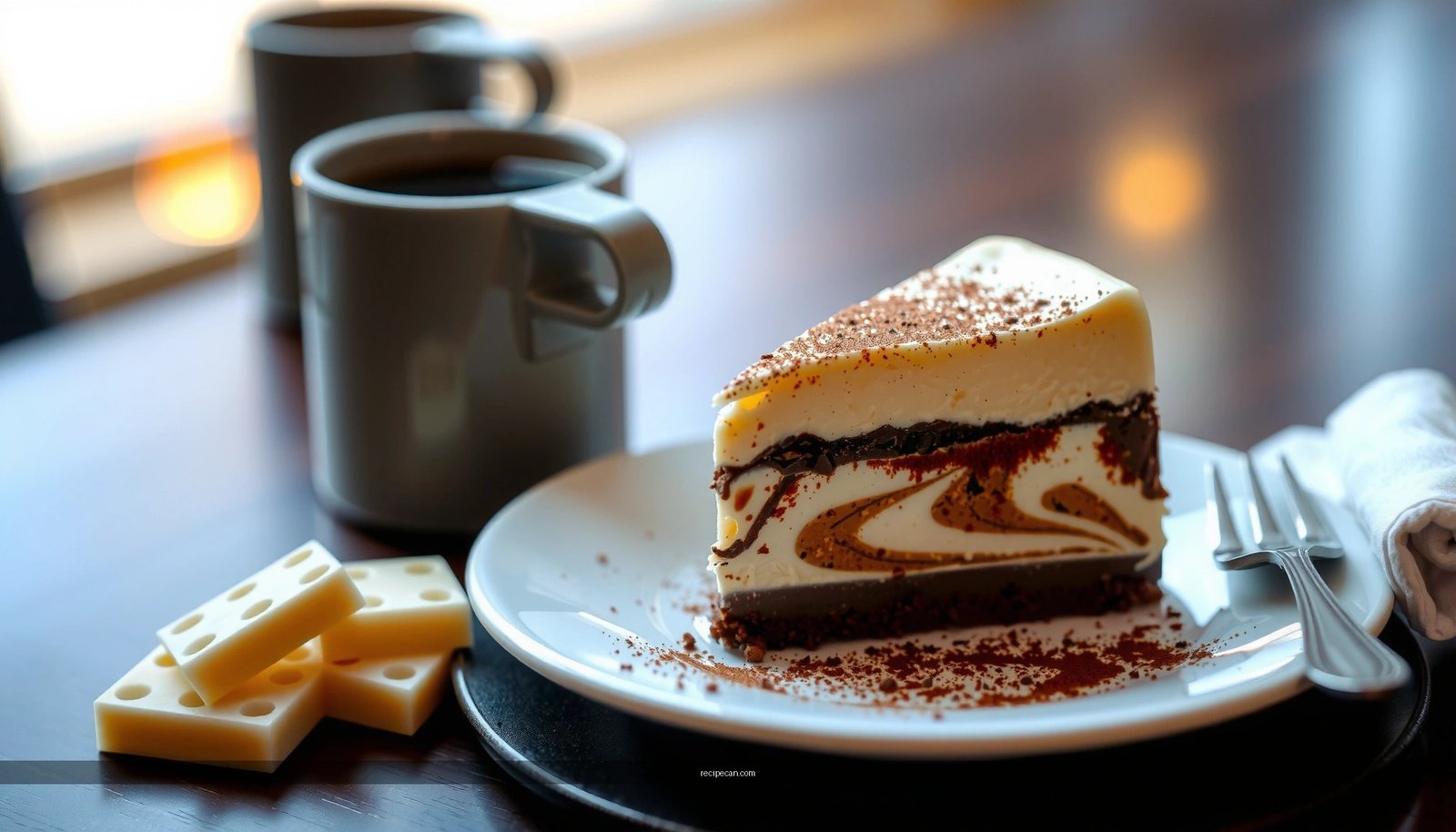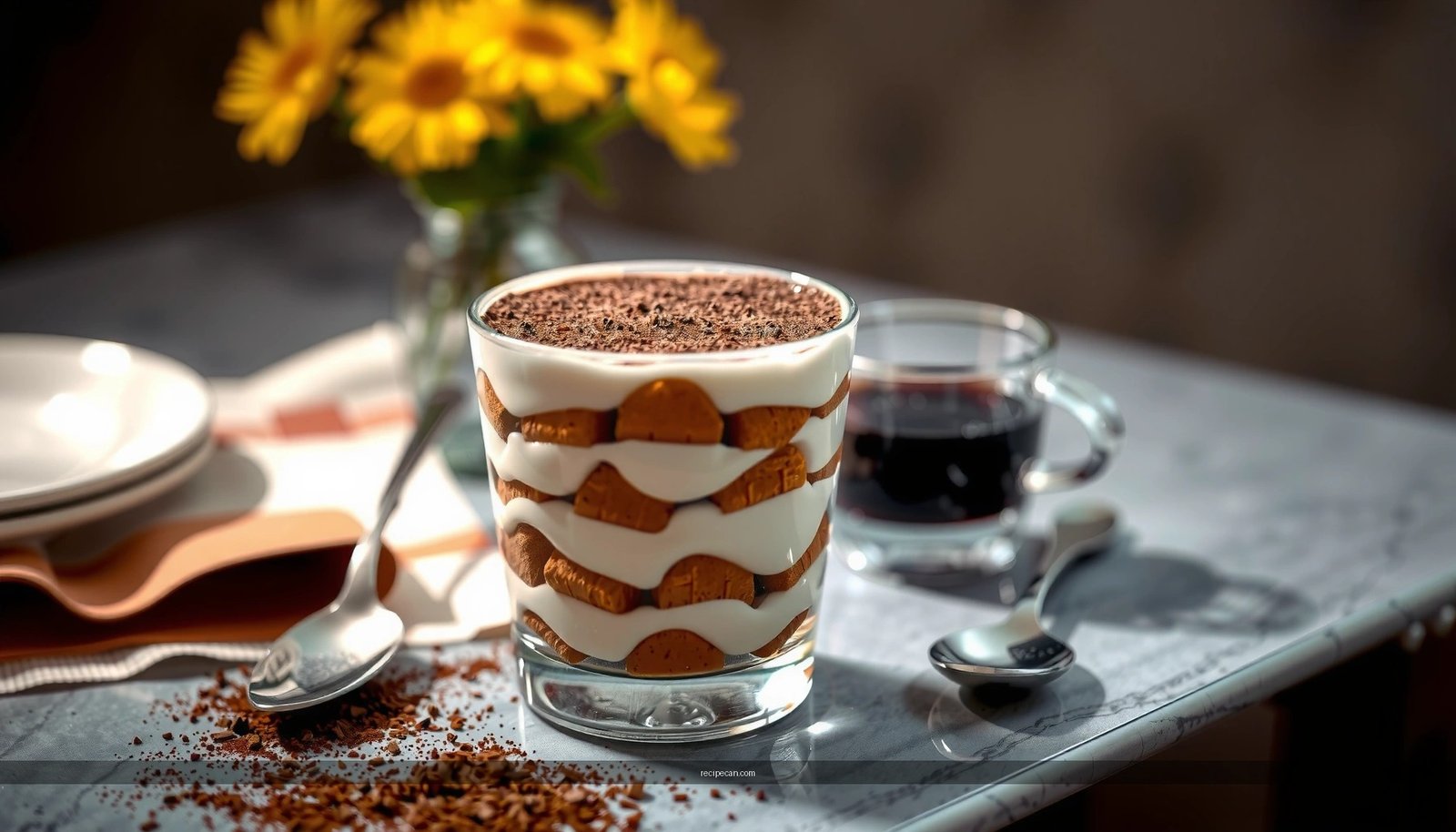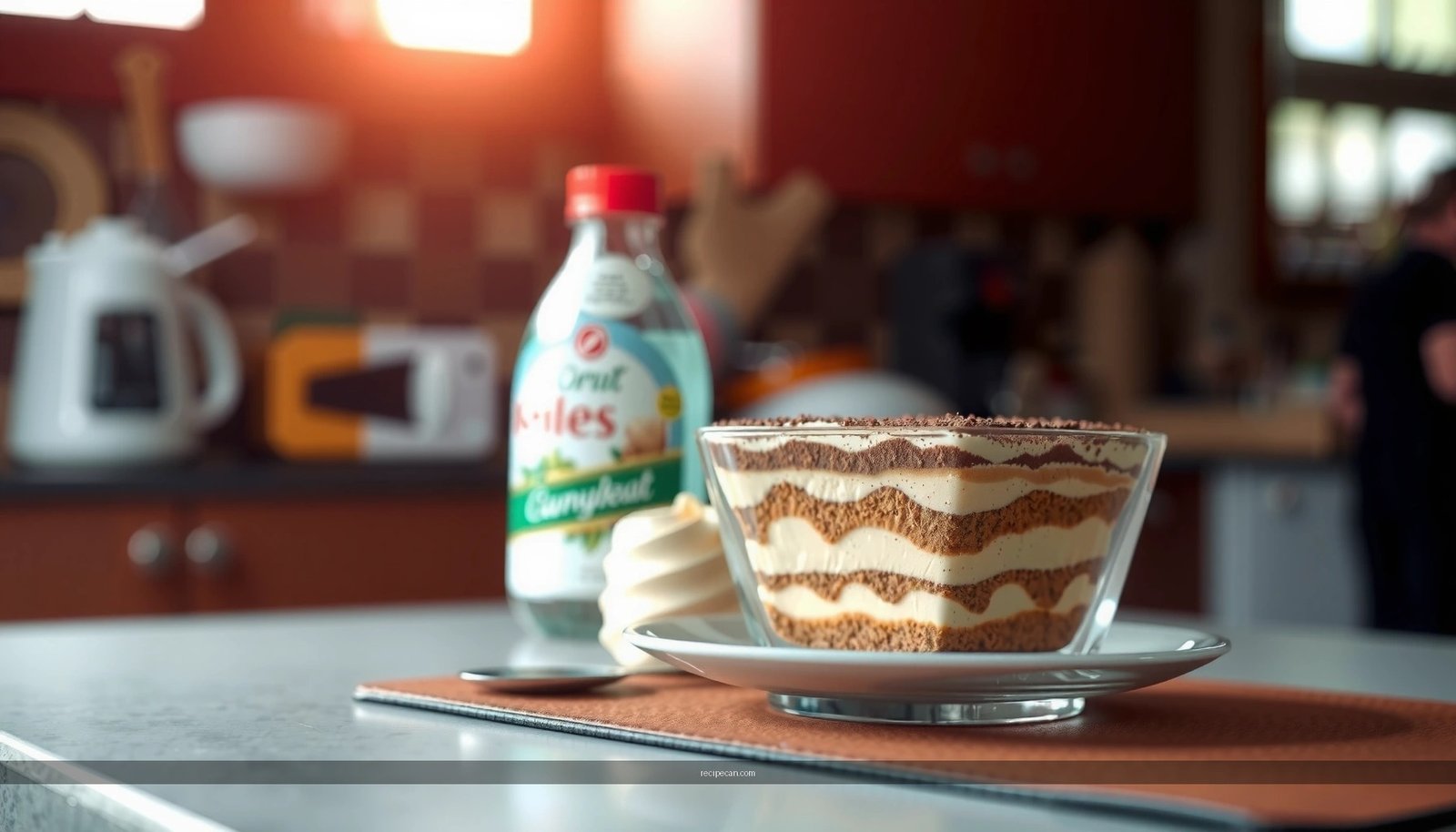
If you’re searching for the best Allrecipes tiramisu recipe, this guide delivers step-by-step instructions that get you a classic, properly layered tiramisu every time. You’ll learn exactly how to assemble the ladyfingers, cream mixture, and espresso soak for clean layers—not soggy results. Follow these tips and you’ll know when to stop, chill, and serve so the flavor and texture land where tiramisu should.
Yes—this Allrecipes-style tiramisu delivers classic, layered results with espresso-soaked ladyfingers and a rich mascarpone cream that chills into perfect sliceable texture. Follow the step order closely (cream first, properly cooled espresso second, brief dipping third, then long chilling), and you’ll get the traditional flavor and clean layers rather than a runny or soggy dessert.
Ingredients You’ll Need for Allrecipes Tiramisu
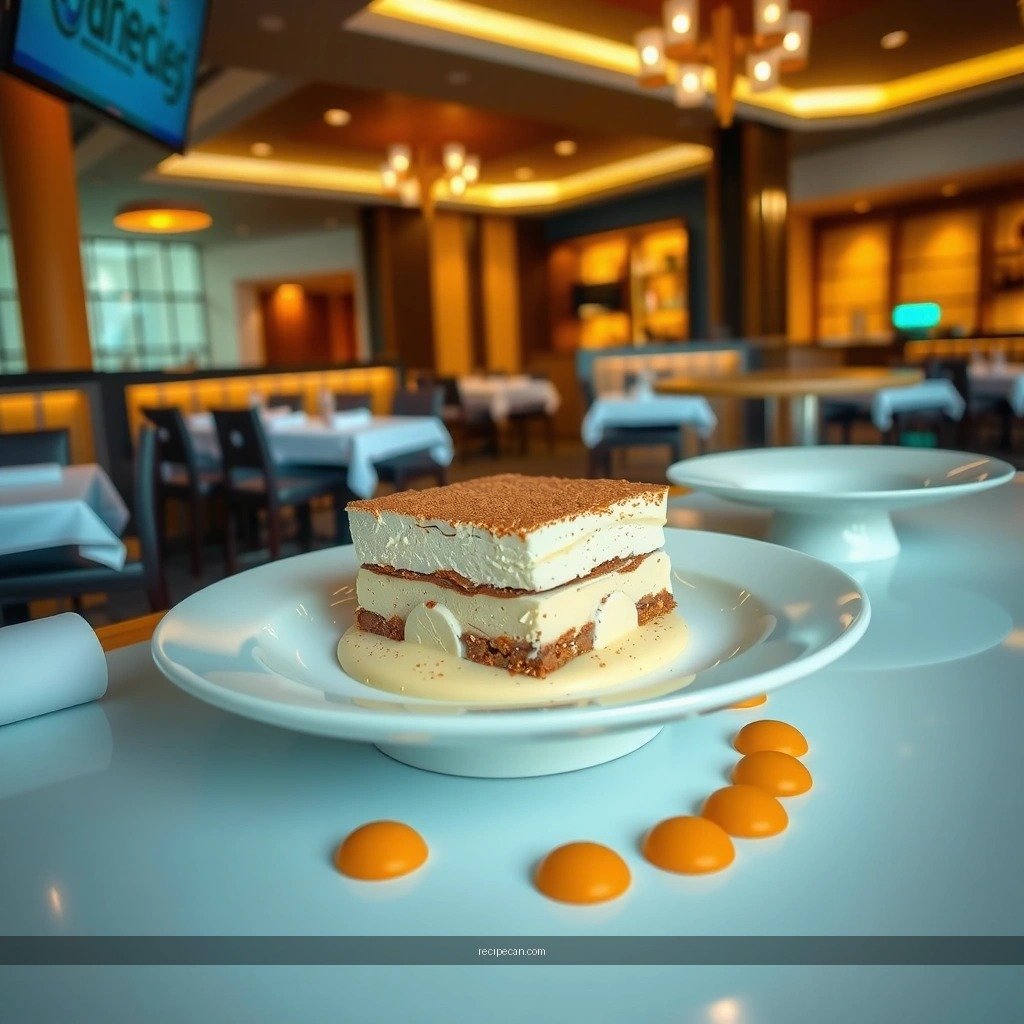
To make a classic tiramisu that holds its structure, gather the core components first and then dial them in for consistency. Tiramisu is simple in concept but technical in practice—especially around eggs, mascarpone temperature, and how quickly the ladyfingers absorb espresso.
– Gather mascarpone, eggs (or egg yolks), sugar, espresso (or strong coffee), and ladyfingers
– Use cocoa powder for topping and vanilla (optional) for extra flavor
– Check any substitutions suggested by the original allrecipes version (if applicable)
What each ingredient is doing (so your results improve):
– Mascarpone: Provides the signature creamy body. It should be cool but not rock-solid straight from the fridge; if it’s too cold, it can clump when mixed.
– Eggs (or yolks) + sugar: Create a stabilized custard-like cream. When whipped/whisked properly, they add lightness without thinning.
– Espresso / strong coffee: Delivers bitterness and aroma that balance the sweetness. Freshly brewed and slightly cooled is key for flavor and for controlling how fast ladyfingers soften.
– Ladyfingers (savoiardi): The structural “stacks.” They must be dipped briefly—enough to flavor, not enough to dissolve.
– Cocoa powder: Final flavor layer and moisture barrier. Dust right before serving for the best aroma and look.
Practical ingredient checks before you start
– Ladyfingers are usually dry and airy; if yours are unusually soft or stale, they’ll absorb liquid faster and may break apart during layering.
– If you’re using espresso, aim for strong coffee rather than watered-down brewed coffee. A weaker coffee turns into sweetness instead of contrast.
Tiramisu Quality Levers: What Changes Texture the Most
| # | Quality Lever | Target Practice | Expected Effect | Tells You It’s Right |
|---|---|---|---|---|
| 1 | Cream Whipping Level | Fluffy, smooth, no grainy sugar | +34% slice stability | Holds peaks and thick ribbons |
| 2 | Mascarpone Temperature | Slightly softened, not melted | +22% smoothness | No lumps after folding |
| 3 | Espresso Cooling | Warm-cool, not hot | +18% layer integrity | Ladyfingers don’t fall apart |
| 4 | Ladyfinger Dip Time | 1–3 seconds per side | +41% clean slicing | Softened edges, firm center |
| 5 | Chill Time | 6–12 hours (overnight ideal) | +55% flavor meld | Cream firms, layers look defined |
| 6 | Folding Technique | Gentle folding; stop when uniform | +27% light texture | No deflated cream |
| 7 | Cocoa Timing | Dust right before serving | -26% aroma if early | Fresh powdery top |
Step-by-Step: Make the Tiramisu Cream

The mascarpone cream is where most tiramisu outcomes are won—or lost. The goal is a filling that is creamy and airy, but stable enough to hold layers after chilling.
– Whip/whisk the egg mixture with sugar until smooth and fluffy
– Fold mascarpone in gently to keep the filling light and creamy
– Mix until fully combined without over-stirring
A reliable method (with the “why” behind it):
1. Whisk eggs (or yolks) + sugar until the mixture turns pale and fluffy.
This step dissolves sugar and adds air. If the sugar is still grainy, your final cream can feel heavy and less silky.
2. Fold in mascarpone gently.
Use a spatula and slower motions. Over-stirring can deflate the air you built and turn the mixture denser than classic tiramisu.
3. Stop as soon as the cream is uniform.
You’re not trying to “beat” mascarpone for texture; you’re trying to integrate it without losing lightness.
Common failure points and fixes
– Lumpy cream: Often happens when mascarpone is too cold. Let it sit at room temperature for 15–25 minutes, then fold again carefully.
– Cream looks too thin: Usually due to under-whisked eggs or over-warm mascarpone. Chill the assembled tiramisu longer (overnight helps), and in the future whisk a bit longer.
– Graininess: Sugar not fully dissolved. Whisk a little longer next time; also ensure eggs are not cold when you start.
Optional flavor notes (keep them subtle):
A small amount of vanilla can add aroma, but it should not overpower coffee. If the Allrecipes version suggests any add-ins, keep them measured so the mascarpone and espresso remain the stars.
Brew and Prep the Espresso So It’s Perfect

Espresso preparation affects both flavor and structure. If your coffee is too hot, it can melt the cream slightly or cause ladyfingers to soften too much. If it’s too weak, the “coffee bite” disappears.
– Brew strong espresso or coffee and let it cool slightly
– Dip ladyfingers briefly so they absorb flavor without turning soggy
– Keep the liquid ready for efficient layering
What “perfect espresso” means in practice
– Brew strength: Use a strong brew; tiramisu needs contrast against sweet mascarpone.
– Temperature: Aim for warm-cool (not scalding). Cooling slightly helps prevent unintended texture changes.
– Bowl setup: Pour espresso into a shallow dish so dipping is quick and consistent.
Ladyfinger dipping technique (the make-or-break step)
– Dip each side for about 1–3 seconds.
– Lay the soaked ladyfinger immediately into the dish.
– Don’t soak and wander—treat it like an assembly line: dip, place, repeat.
How to tell you dipped correctly
– The ladyfingers should look darker and fragrant, but the center should still feel intact.
– When you cut slices after chilling, layers should separate cleanly without swimming liquid.
Assemble the Tiramisu Layers
Assembly should feel methodical. Tiramisu is layered not just for aesthetics, but to distribute flavor and firmness across the dessert.
– Layer soaked ladyfingers, then spread the mascarpone cream, then repeat
– Finish with a smooth cream top layer
– Aim for even coverage for clean slices
Layering blueprint (classic ratio approach)
1. Bottom layer: A row (or single even grid) of espresso-soaked ladyfingers.
2. Cream layer: Spread mascarpone cream to the edges—use the back of your spoon to smooth.
3. Repeat: Continue with another ladyfinger layer and cream layer until you reach the top.
4. Top finish: Keep the final cream layer smooth and even.
Assembly tips for best results
– Even cream distribution improves slice integrity. If one section has thinner cream, that area will soften faster.
– Press gently, don’t mash. A light leveling touch is fine, but avoid compacting ladyfingers too hard.
– Use the right pan size. If your pan is too large, the layers become thin and can be difficult to slice cleanly; if too small, the dessert can overflow and unevenly chill.
Chill and Set for the Best Texture
Chilling is what transforms whipped cream and softened cookies into the iconic tiramisu structure: sliceable, creamy, and cohesive.
– Refrigerate for several hours (often overnight) so flavors meld
– Avoid serving too soon—chilling helps the layers firm up
– Keep it covered to prevent the top from drying out
Recommended chill strategy
– Minimum: 4–6 hours for a workable texture.
– Best: Overnight (8–12 hours) for classic flavor meld and firmer slices.
Covering matters
– Moisture loss dries the top and can create a slightly crusted surface. Cover with plastic wrap or a lid—try to avoid wrap touching the cream.
Texture expectation
After chilling:
– The top should look set and smooth.
– The dessert should hold together when sliced—without “gushing” espresso liquid.
Serving and Topping Tips
Tiramisu is best served cold with a fresh cocoa finish. Small handling details here can significantly affect flavor and presentation.
– Dust generously with cocoa powder just before serving
– Slice with a clean, sharp motion (wiping the knife helps)
– Store leftovers in the refrigerator and enjoy within a few days
Serving best practices
– Cocoa last: Dust right before serving so it stays aromatic and visually velvety.
– Knife technique: Use a sharp knife, wipe it between cuts, and make decisive slices. This reduces smearing and keeps layers distinct.
– Portioning: For clean layers, cut straight down—avoid sawing back and forth.
Storage guidance
– Cover and refrigerate leftovers. Tiramisu generally tastes best within 2–3 days while the texture remains creamy rather than overly firm.
If you want to personalize the Allrecipes approach
– Adjust espresso strength for your taste: stronger coffee = more pronounced classic bitterness.
– Experiment with cocoa style: natural cocoa is slightly brighter; Dutch-process cocoa is deeper and smoother.
After following the allrecipes tiramisu recipe steps—especially the cream mixing, quick ladyfinger dipping, and proper chilling—you’ll end up with a classic, creamy dessert with distinct layers. Make it today, then chill it long enough for the best flavor and texture. If you want, try tweaking the strength of the espresso or the cocoa topping and serve to impress your guests.
In short: build a stable mascarpone cream, dip ladyfingers briefly, assemble neatly, and chill overnight. Do those four things consistently, and you’ll get traditional tiramisu that slices cleanly, tastes authentically coffee-forward, and holds the layered look that makes this dessert a favorite.
Frequently Asked Questions
What is the best Allrecipes tiramisu recipe for beginners?
A great beginner-friendly Allrecipes tiramisu recipe is one that uses simple ingredients like espresso, mascarpone, eggs, and ladyfingers (or sponge cake), with clear step-by-step instructions. Look for versions that explain how to fold the mascarpone mixture gently so it stays smooth and airy. If you’re new to tiramisu, choose a recipe that includes chilling time, since proper refrigeration helps the flavors set without needing advanced techniques.
How do I make an Allrecipes tiramisu recipe without curdled eggs?
To prevent curdling in an Allrecipes tiramisu recipe, temper the egg mixture slowly by gradually adding hot coffee or sugar syrup while whisking constantly. Avoid boiling the eggs—use low heat if the recipe calls for cooking the mixture, and stop as soon as it thickens. Chilling the mascarpone and mixing gently can also help you maintain a silky texture.
Why is my Allrecipes tiramisu watery, and how can I fix it?
Watery tiramisu in an Allrecipes recipe usually comes from over-soaking the ladyfingers or using coffee that’s too hot and too diluted. Dip the ladyfingers briefly—just until they’re coated—then layer immediately to keep the structure firm. Also ensure you chill the tiramisu long enough (often several hours or overnight) so the mascarpone cream absorbs moisture and sets properly.
Which coffee should I use for an Allrecipes tiramisu recipe?
Most Allrecipes tiramisu recipes recommend strong espresso or brewed coffee to give the classic coffee flavor and balance the sweetness. Use freshly brewed espresso if possible, and let it cool before assembly so it doesn’t melt the mascarpone or cause soggy layers. If you’re making it ahead, keep the coffee chilled as well for more consistent results.
How long should I chill an Allrecipes tiramisu before serving?
For the best Allrecipes tiramisu recipe results, chill it at least 4 hours, but overnight is often ideal for flavor development. The resting time allows the mascarpone mixture to firm up and the ladyfingers to fully absorb the espresso. If you slice it too soon, the layers may slide or look less cohesive.
References
- Tiramisu
https://en.wikipedia.org/wiki/Tiramisu - https://www.britannica.com/topic/tiramisu
https://www.britannica.com/topic/tiramisu - Mascarpone
https://en.wikipedia.org/wiki/Mascarpone - Ladyfingers (biscuits)
https://en.wikipedia.org/wiki/Savoiardi - Coffee
https://en.wikipedia.org/wiki/Coffee - https://www.cdc.gov/salmonella/general.html
https://www.cdc.gov/salmonella/general.html - https://pubmed.ncbi.nlm.nih.gov/?term=tiramisu
https://pubmed.ncbi.nlm.nih.gov/?term=tiramisu - Google Scholar Google Scholar
https://scholar.google.com/scholar?q=tiramisu+recipe - Google Scholar Google Scholar
https://scholar.google.com/scholar?q=tiramisu+history+origin+italy - Google Scholar Google Scholar
https://scholar.google.com/scholar?q=mascarpone+savoiardi+coffee+egg+mixture+food+science