Want an easy jello pudding pop recipe with foolproof step-by-step popsicle instructions? This guide gives you the exact method to turn Jell-O pudding into creamy, bite-sized pudding pops—no guesswork, no complicated prep. If you want fast results and consistent texture, this is the winning approach.
Make creamy Jello pudding pops by whisking instant Jello pudding with cold milk (or water, per the box), pouring into popsicle molds, and freezing until firm—no baking required. You’ll get smooth, kid-friendly pops with straightforward steps, predictable freezing time, and simple ways to customize flavors and textures.
Gather Your Ingredients and Supplies
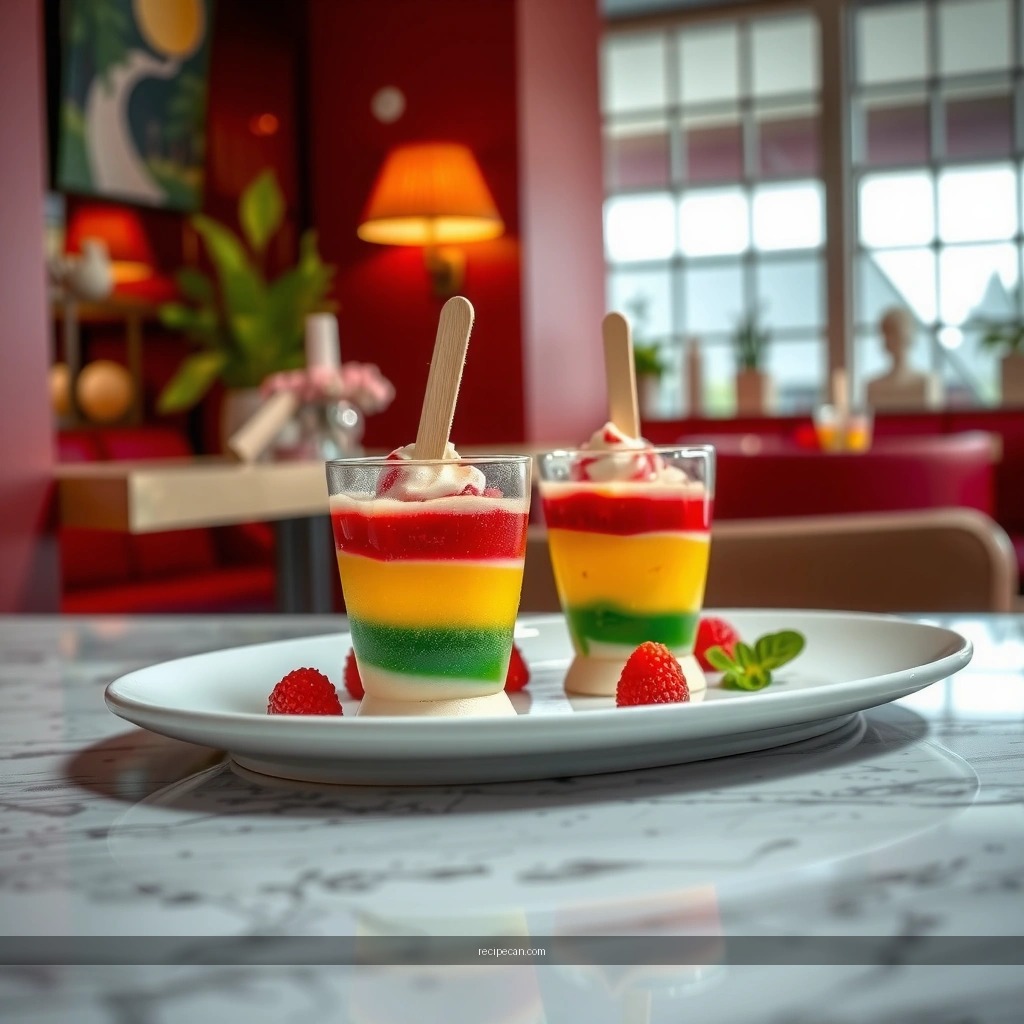
To make Jello pudding pops that set cleanly and taste “fresh frozen,” start by matching the ingredients to the box directions and assembling the right tools. Because this is a no-bake recipe, your results depend heavily on correct liquid ratios and consistent mixing.
Ingredients
– Jello instant pudding mix: Choose the flavor you want (vanilla, chocolate, butterscotch, cheesecake, etc.).
– Cold liquid per the box: Most instant pudding recipes are designed for either cold milk or water. Using cold milk generally yields a richer, creamier texture, while water produces a lighter pop.
– Optional flavor enhancers:
– Vanilla extract (if you want to deepen vanilla flavor—use sparingly, about 1/4 to 1/2 tsp per batch)
– Sweet cream or whipped topping (for a “dessert-style” pop—add only if the base recipe allows it without becoming too loose)
Add-ins (optional, but highly recommended for variety)
– Vanilla wafers or cookie crumbs for a crunch layer
– Fresh fruit (berries, diced mango) or fruit puree
– Chocolate chips for texture
– Crushed pretzels or graham crackers for a sweet-salty profile
Supplies
– Popsicle molds (with or without handles/sticks)
– Mixing bowl and whisk or spoon
– Measuring cup (helpful for accurate liquid)
– Spatula (for scraping the bowl to avoid dry clumps)
– Small funnel or measuring pitcher (optional, but it prevents spills when pouring)
> Pro tip: If you’re planning to unmold cleanly, check whether your molds are silicone or hard plastic. Silicone generally releases more easily without excessive warming.
Instant Pudding Mix Liquid Choices & Expected Pops Texture (Typical Box Ratios)
| # | Pudding Mix Liquid | Typical Result | Best For | Freeze Behavior |
|---|---|---|---|---|
| 1 | Cold Milk (box “milk” directions) | Richer, more dessert-like mouthfeel | Creamy classic pudding pops | Firm sets with smooth scoop |
| 2 | Water (box “water” directions) | Lighter, less creamy but still smooth | Fruitier flavors and lighter treats | Sets cleanly; can soften faster |
| 3 | Milk + 1–2 tsp cream-style thickener (optional) | More body for chunky add-ins | Cookie/crumb “studded” pops | Best for preventing sink-and-float |
| 4 | Milk + whipped topping fold-in (optional) | Extra creaminess; softer bite | “Frozen dessert” style pops | Can stay softer; may require longer freeze |
| 5 | Water + fruit puree (use sparingly) | More intense fruit flavor; higher chance of looseness | Bright, tangy pops | May need extra chilling for firm release |
| 6 | Milk (no add-ins) | Most predictable texture and structure | Beginner-friendly classic recipe | Most reliable unmolding |
| 7 | Milk (with chocolate chips) | Great contrast of creamy base + bits | Chocolate pudding pops | Solid sets if chips are folded well |
Mix the Jello Pudding Base
The base is the heart of any Jello pudding pops recipe. Since instant pudding relies on proper thickening, your goal is uniform texture—thick enough to hold add-ins, but smooth enough to pour cleanly.
1. Measure your liquid exactly. Use the amount listed on the pudding box for either milk or water. Even small deviations can affect freezing texture.
2. Add liquid first, then pudding mix. This reduces lumps and helps the powder hydrate evenly.
3. Whisk until smooth (usually 2 minutes). Whisk briskly, scraping the bowl bottom and sides so no dry pockets remain.
4. Stop when it looks thick and glossy. Overmixing won’t necessarily “break” pudding, but it can create extra air and a slightly different texture after freezing.
5. Let it thicken briefly before filling (optional but helpful). If you’re using molds with narrower openings or you want fewer mix-in sink issues, give the mixture 5–10 minutes to slightly set up.
Texture troubleshooting
– Too runny to pour cleanly? Your liquid ratio may be off, or the pudding wasn’t fully whisked. Chill briefly for 10–15 minutes, then try again.
– Lumpy pudding? Keep mixing for another 30–60 seconds; if lumps persist, let it sit 5 minutes—some lumps hydrate as they rest.
Fill and Assemble the Pudding Pops
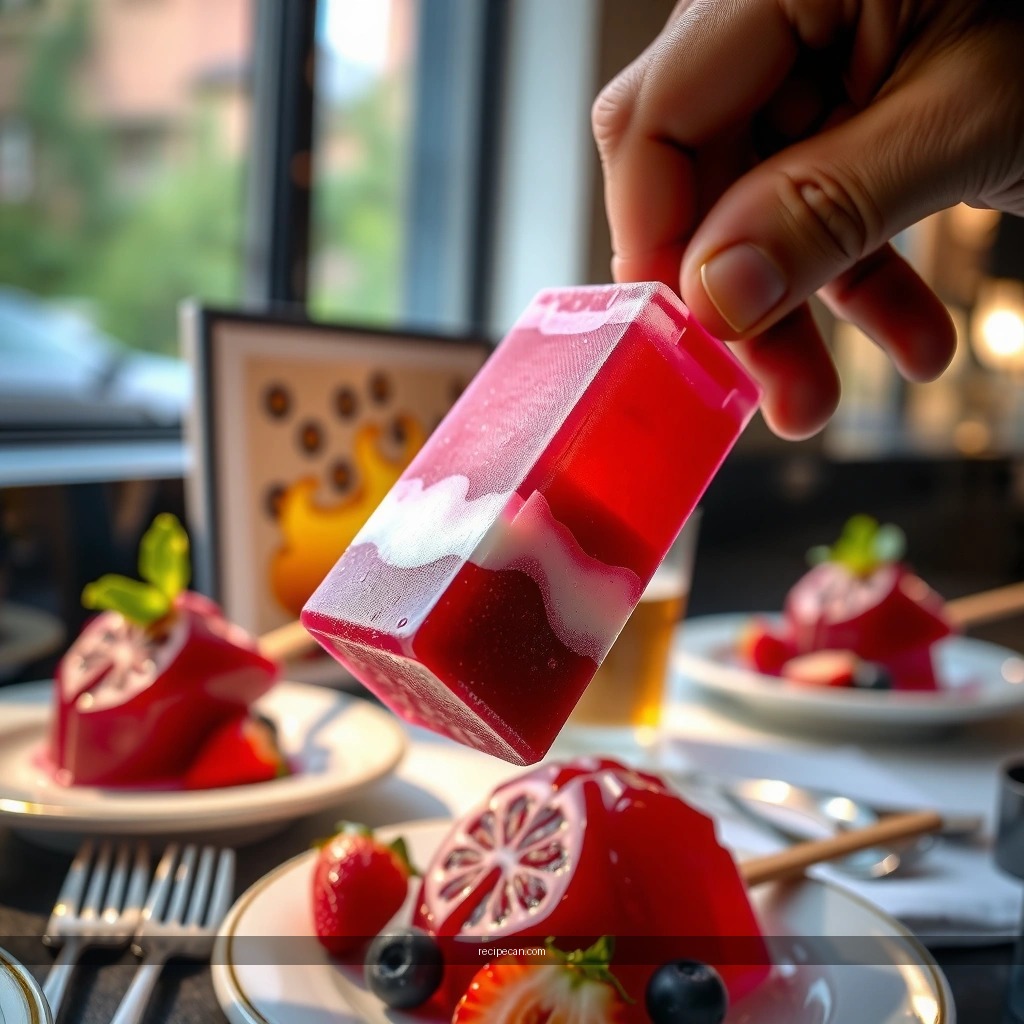
Filling is where “easy homemade” turns into professional-looking pops. Pour carefully, and if you’re adding mix-ins, distribute them in a way that looks good when unmolded.
1. Stir the pudding base once after your brief rest, then pour evenly into molds.
2. Leave a little headspace at the top (commonly 1/4 to 1/2 inch, depending on mold size). This prevents overflow when the mixture expands slightly as it freezes.
3. Insert sticks correctly if your molds require you to add them at this stage. Ensure they’re straight to avoid tilted pops.
4. Add-ins (two reliable approaches):
– Even distribution: Fold mix-ins in and pour immediately so they don’t settle.
– Swirl method: Spoon small streaks of flavored puree or denser ingredients (like melted chocolate) and swirl gently with a toothpick—don’t over-stir or you’ll blend everything.
Best practices for mix-ins
– Cookie crumbs: Use finely crushed pieces so they don’t clog mold openings.
– Fruit: Pat fresh fruit dry to reduce excess water.
– Chocolate chips: Slightly cool melted chocolate before mixing, and use a moderate amount to avoid streaking.
If your molds are hard plastic and you struggle with release later, consider lining the interiors with a thin film of neutral oil (sparingly). For silicone molds, this usually isn’t necessary.
Freeze Until Fully Set
Freezing is not one-size-fits-all. Mold size, freezer temperature, and added ingredients all influence freeze time—so the goal is to set firmly without freezing too long that it becomes brittle.
1. Freeze undisturbed. Don’t move the molds repeatedly; consistent freezing helps structure.
2. Typical freeze time: 4–6 hours for most standard popsicles. Thicker molds can take closer to 6–8 hours.
3. Test one pop before committing to full extraction. Run warm (not hot) water over the outside of one mold for 10–20 seconds and try gently removing. If it slides out cleanly, the rest will likely be ready.
4. Avoid “half-thaw” handling. If you take them out briefly and put them back in multiple times, you can create texture issues like icy surfaces.
Storage-first tip
If you’re not serving immediately, keep them in the freezer in a way that prevents them from absorbing odors and moisture.
Mold & Serve Outcomes (What to Expect)
| # | Scenario | Recommended Freeze | Texture Quality |
|---|---|---|---|
| 1 | Silicone molds, milk base, no mix-ins | 4–5 hours | ★★★★★ smooth |
| 2 | Hard plastic molds, milk base, cookie crumbs | 5–7 hours | ★★★★☆ structured |
| 3 | Water base with fruit puree | 7–8 hours | ★★★☆☆ may soften |
| 4 | Milk base + chocolate chips | 5–6 hours | ★★★★☆ rich contrast |
| 5 | Milk + whipped topping fold-in | 6–8 hours | ★★★☆☆ softer melt |
Unmold, Serve, and Store Properly
The difference between “tastes great” and “looks professional” is how you unmold and store. Jello pudding pops are sensitive to temperature changes, so handle them efficiently.
Unmolding
– Silicone molds: Usually just flex the mold and pull gently from the stick.
– Hard plastic molds: Warm the outside under lukewarm running water for 10–20 seconds, then try again.
– If a pop sticks, don’t force it—give it another short warm pass.
Serving
– For best texture, serve straight from the freezer.
– Let pops sit 1–2 minutes at room temperature only if your guests struggle to bite into very firm pops.
Storing
– Store in an airtight container or a freezer bag to prevent freezer burn.
– Keep a layer of parchment between pops if they tend to stick together.
– Quality is typically best within 1–2 weeks for creamy consistency (longer may still be safe, but texture can degrade).
> Food safety note: If your kitchen is warm and pudding sat out too long during mixing, discard rather than freeze. Pudding base uses perishable dairy (if you used milk).
Flavor Variations to Try
One of the best things about a Jello pudding pops recipe is how easily you can customize it without changing the core method. Start with the base, then choose one variation per batch to keep textures consistent.
1. Fruit-flavored pudding pops
– Use flavored pudding mix (strawberry, banana cream, lemon) or fold in a small amount of fruit puree.
– For clean texture, avoid adding large amounts of watery fruit. Use thicker purees or diced fruit patted dry.
2. Cookie crunch and graham-style pops
– Mix in finely crushed vanilla wafers or graham cracker crumbs.
– For even distribution, add crumbs after the pudding has thickened slightly (after the 5–10 minute rest).
3. Chocolate or layered pudding pops
– Make two batches (for example vanilla and chocolate pudding) and layer them in molds.
– Let the first layer freeze partially (about 1–2 hours) before adding the second to reduce mixing between layers.
4. Swirl “dessert” pops
– Swirl in a small amount of thick chocolate sauce or strawberry jam diluted just enough to spoon.
– Swirl gently with a toothpick, aiming for streaks rather than full blending.
5. “Creamsicle” style
– Use vanilla pudding and add a tiny amount of orange zest plus a small splash of orange juice or flavored syrup—go easy to avoid loosening the base.
After mixing and freezing, you’ll have creamy, spoonable Jello pudding pops turned into easy homemade popsicles. Start with the basic recipe, then try one simple variation to make them your own—make a batch today and store the rest for a quick summer treat later.
In summary, the key to great Jello pudding pops is correct mixing (use the box liquid amounts, whisk until smooth, and rest briefly), careful filling (even pour, headspace, and thoughtfully added mix-ins), and reliable freezing (often 4–6 hours, tested by a warm-water unmolding check). Once you master the process, flavor tweaks—fruit, cookie crunch, or chocolate layering—let you create a consistent homemade dessert with minimal effort.
Frequently Asked Questions
What ingredients do you need for a classic Jello pudding pop recipe?
A typical Jello pudding pop recipe uses flavored JELL-O pudding (often instant), milk (or the liquid listed on your pudding mix), and sometimes a splash of vanilla for extra flavor. Many people also add a thickening step by using less milk than the box suggests for more spoonable, “pudding-like” pops. If you want layered flavor, choose two pudding flavors and prepare them separately before freezing.
How do you make Jello pudding pops without them getting icy or grainy?
For smooth Jello pudding pops, use cold milk and mix the pudding thoroughly until the powder is fully dissolved. Avoid over-freezing and don’t use too much liquid—using the amount recommended on the JELL-O pudding directions helps reduce iciness. When filling molds, tap them gently to release air bubbles, and freeze long enough to set firmly but not so long that texture degrades.
Why do my homemade pudding pops separate or look watery?
Separation usually happens when the pudding isn’t mixed completely, the wrong milk-to-pudding ratio is used, or the pops aren’t chilled immediately after filling. Make sure you stir until thick, then pour into molds right away and freeze without leaving the mixture at room temperature. If you’re experimenting with substitutions (like thicker dairy or non-dairy milk), follow tested proportions so the pudding sets properly.
What’s the best mold type and freezing time for easy Jello pudding pop release?
Silicone molds are often the best option because they release cleanly without cracking the pudding. If you’re using plastic molds, briefly run the outside under warm water (5–10 seconds) to loosen before pulling. Freeze your Jello pudding pops until solid—typically 4–8 hours depending on mold size—so they don’t smear when removed.
Which flavors work best for a Jello pudding pop recipe?
Classic flavors like vanilla, chocolate, and banana are reliable for a smooth, crowd-pleasing Jello pudding pop. Fruity options such as strawberry or cherry can taste great, especially if you use a pudding flavor that matches your mix-ins. For a fun twist, try combining pudding flavors in layers or add crushed cookies, fruit puree, or mini chocolate chips—just keep mix-ins small so the pops freeze evenly.
References
- Google Scholar Google Scholar
https://scholar.google.com/scholar?q=jello+pudding+pop+recipe - Google Scholar Google Scholar
https://scholar.google.com/scholar?q=gelatin+pudding+dessert+recipe - Google Scholar Google Scholar
https://scholar.google.com/scholar?q=popsicle+food+safety+milk+dairy+freezing - Jell-O
https://en.wikipedia.org/wiki/Jell-O - Gelatin
https://en.wikipedia.org/wiki/Gelatin - Pudding
https://en.wikipedia.org/wiki/Pudding - Popsicle
https://en.wikipedia.org/wiki/Popsicle - https://www.cdc.gov/foodsafety/keep-food-safe.html
https://www.cdc.gov/foodsafety/keep-food-safe.html - https://www.fda.gov/food/food-safety-modernization-act-fsma/food-safety-basics-refrigeration
https://www.fda.gov/food/food-safety-modernization-act-fsma/food-safety-basics-refrigeration - https://pubmed.ncbi.nlm.nih.gov/?term=gelatin+dessert
https://pubmed.ncbi.nlm.nih.gov/?term=gelatin+dessert