This chocolate cottage cheese pudding recipe delivers a creamy, spoonable dessert that actually tastes like chocolate pudding—not tangy cottage cheese—thanks to the right blend and sweetening. If you want a simple, easy method with minimal prep and maximum richness, this is the clear winner. You’ll get a reliable texture every time, whether you serve it immediately or chill it for a firmer set.
This chocolate cottage cheese pudding is a fast, spoonable dessert that delivers a rich cocoa flavor with minimal effort—just blend, sweeten, chill, and serve. By using cottage cheese as the base and controlling blend time plus chilling, you can reliably achieve a smooth texture (or a thicker style) without baking.
Ingredients You’ll Need

– Cottage cheese, cocoa powder, and sweetener (sugar or maple syrup)
– Vanilla extract and a pinch of salt for richer flavor
– Optional add-ins like chocolate chips or instant pudding mix
The strength of this recipe is its simplicity: cottage cheese provides creaminess and protein, cocoa brings bold chocolate taste, and a sweetener rounds everything out. For best results, choose a cottage cheese style that matches your texture preference:
– Cream-style cottage cheese tends to blend into a naturally smoother pudding.
– Curdier cottage cheese still works well, but it may require a longer blend time (or a quick pulse plus a thicker-chill approach).
Cocoa powder quality matters. Dutch-process cocoa is deeper and less acidic, often yielding a more “brownie-like” chocolate profile. Natural cocoa can taste a bit sharper; however, that tanginess is usually corrected by adding a little extra sweetener or using a touch more vanilla.
Salt may feel like a minor addition, but it’s one of the highest-impact flavor boosters in chocolate desserts. Even a small pinch helps cocoa taste more rounded instead of flat.
For optional add-ins, think in terms of function:
– Chocolate chips add pockets of chocolate and a slightly richer mouthfeel.
– Instant pudding mix can stabilize the pudding texture (especially if your cottage cheese is looser or your cocoa is extra dry).
To help you dial in consistent results, here’s a practical reference table for texture planning based on common blend/chill settings:
Blend & Chill Settings for Chocolate Cottage Cheese Pudding (Texture Outcomes)
| # | Blend Method | Blend Time | Chill Time | Texture Rating | Spoonability Score (1–10) |
|---|---|---|---|---|---|
| 1 | Hand mash + whisk | 2 min | 2 hr | ★★★☆☆ | 6 |
| 2 | Pulse blender (curdy-friendly) | 20–30 sec | 2 hr | ★★★★☆ | 7 |
| 3 | Blender until just smooth | 45 sec | 2–3 hr | ★★★★☆ | 8 |
| 4 | High-speed blender (smooth) | 60–75 sec | 3 hr | ★★★★★ | 9 |
| 5 | Blend + brief scrape-down | 75–90 sec | 3–4 hr | ★★★★★ | 10 |
| 6 | Strain after blending | 60 sec | 4 hr | ★★★★★ | 10 |
| 7 | Blend + instant pudding mix | 60 sec | 4 hr | ★★★★☆ | 9 |
How to Make Chocolate Cottage Cheese Pudding
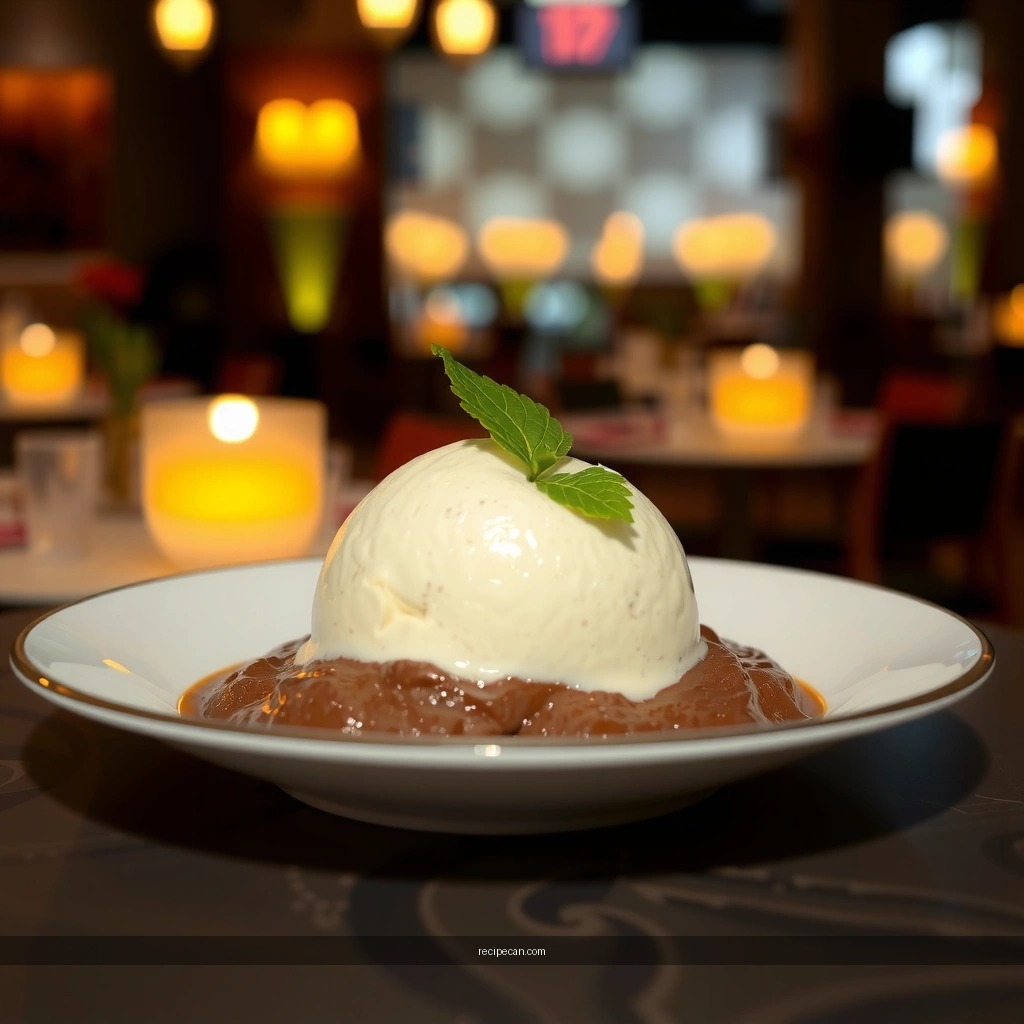
– Blend cottage cheese until smooth (or pulse briefly for a thicker texture)
– Mix in cocoa, sweetener, and vanilla until fully combined
– Taste and adjust sweetness or cocoa before chilling
The process is straightforward, but a few execution choices determine whether your pudding turns out silky or slightly grainy.
1. Blend the cottage cheese first.
Start by blending until smooth. This reduces the chance that cocoa clumps or that curds remain after you add dry ingredients.
2. Add dry ingredients gradually.
Stir in cocoa powder and salt, then blend or whisk just enough to fully dissolve cocoa. If you dump cocoa in all at once and don’t mix well, you’ll get streaks and a slightly gritty finish.
3. Sweeten to taste.
Sweeteners behave differently:
– Maple syrup adds moisture and a subtle caramel note.
– Granulated sugar dissolves reliably and keeps the flavor clean.
4. Finish with vanilla.
Vanilla doesn’t just add sweetness—it improves cocoa aroma and makes the overall flavor feel more “dessert-like.”
5. Taste before chilling.
If it tastes slightly too intense right now, chilling will often mellow the flavor. But if it tastes noticeably under-sweet or too cocoa-forward, adjust now so the dessert is balanced when it firms up.
Get the Right Texture (Smooth vs. Thick)
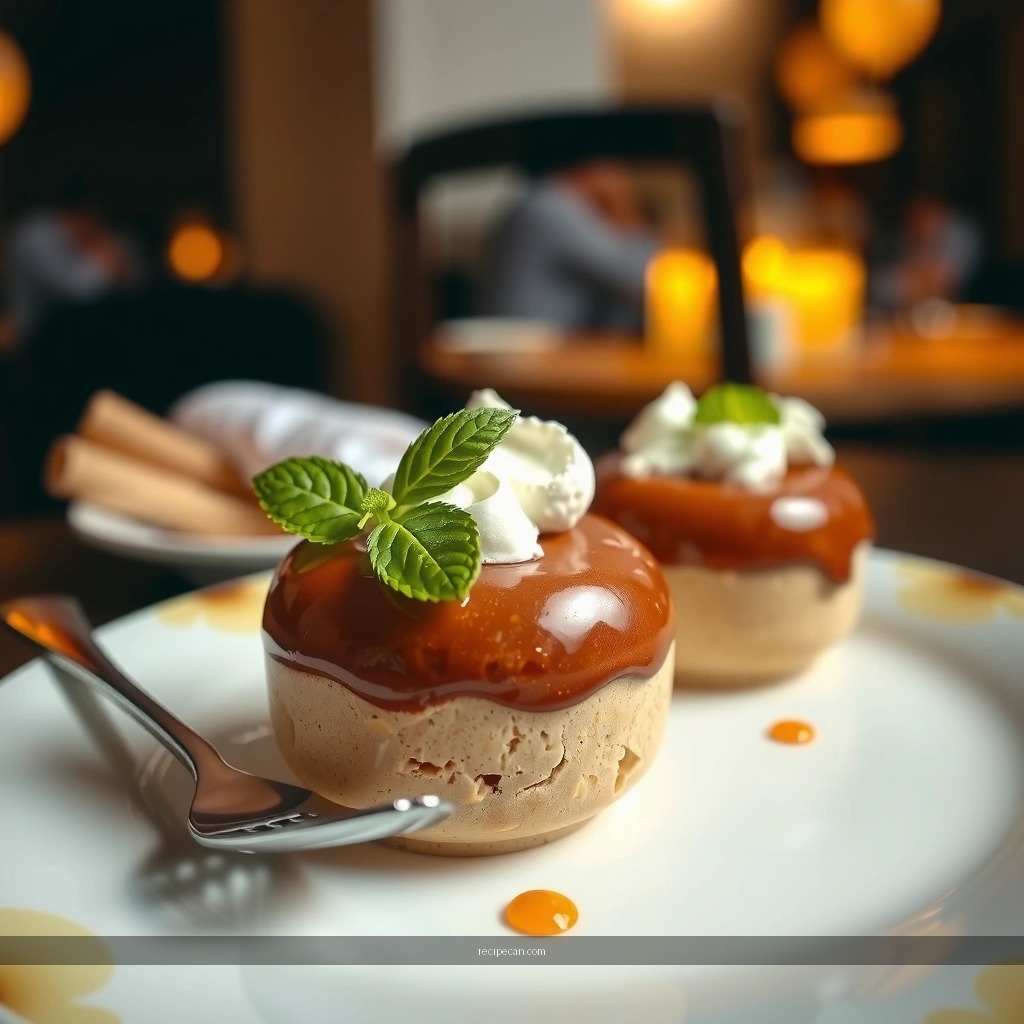
– For extra-smooth pudding, blend longer and strain if needed
– For thicker pudding, use less liquid and chill longer
– For lighter pudding, add a small splash of milk and blend again
Texture is the main variable in cottage cheese pudding, and it’s controllable. Here’s a practical way to think about it:
Smooth and spoonable (dessert-café style)
– Blend longer until the mixture looks glossy and uniform.
– If you’re sensitive to any curd bits, strain the blended base through a fine mesh sieve.
– Chill at least 1–2 hours, but 3–4 hours yields a more cohesive set.
Thick and spoonable (sturdy, “cream-custard” feel)
– Use less added liquid (or omit any milk entirely).
– Pulse instead of blending continuously, so you preserve some body.
– Chill longer—thickness often improves meaningfully as the mixture hydrates and sets.
Lighter and more mousse-like
– Add a small splash of milk (start with 1 teaspoon at a time).
– Blend again briefly to re-emulsify.
– Chill, but be mindful that longer chilling will also thicken it.
A helpful rule: adjust after you blend and before you chill. Once the pudding is set, changing texture becomes more about re-blending and warming slightly rather than straightforward correction.
Flavor Variations to Try
– Add chocolate chips or a spoonful of nut butter for extra depth
– Swap cocoa for hot chocolate mix for an easier flavor boost
– Try a mocha version with espresso powder and extra vanilla
Chocolate cottage cheese pudding is highly adaptable because the base is mild and creamy. You can shift it from “classic chocolate” to something more complex without changing the core method.
1) Chocolate chips for texture contrast
Add 2–4 tablespoons of mini chocolate chips after blending. They hold their shape and create a more indulgent mouthfeel.
2) Nut butter swirl (peanut, almond, or hazelnut)
Stir in 1–2 tablespoons of nut butter. Nut butter also adds fat, which can make the pudding taste smoother and more “ganache-adjacent.”
3) Hot chocolate mix for convenience
If you want a faster flavor profile, swap cocoa powder for a packet of hot chocolate mix. Choose unsweetened or lower-sugar options if you’re watching sweetness, and reduce additional sweetener accordingly.
4) Mocha version with espresso powder
Add a pinch of espresso powder (start small), plus an extra half teaspoon of vanilla. Espresso doesn’t make it taste like coffee ice cream—it usually intensifies chocolate notes and makes the dessert taste more dimensional.
These variations are also great for batch cooking: make one base, then portion into bowls and flavor each one differently.
Serving and Storage Tips
– Chill at least 1–2 hours for best thickness and flavor
– Serve in cups and top with whipped cream, berries, or sprinkles
– Store covered in the fridge up to 3–4 days (stir before serving)
Best serving timing
Even though you can eat it right away, chilling improves both texture and taste. During chilling, cocoa hydrates and the mixture thickens into a cohesive custard-like consistency.
Serving ideas that match texture
– Whipped cream works especially well for the smoother version.
– Berries (strawberries, raspberries, cherries) cut through cocoa richness with brightness.
– Sprinkles are a simple way to add visual appeal and a playful crunch—particularly for kid-friendly lunches or party snacks.
Storage and reheating approach
Store the pudding in covered containers in the fridge for up to 3–4 days. Before serving, stir well, because separation can occur slightly as it sits—this is normal and usually fixes with a quick stir.
Avoid freezing unless you specifically test a method, because cottage cheese texture can change after thawing (it may become more watery or grainy).
Troubleshooting Common Issues
– If it tastes too tangy, add more sweetener or vanilla
– If it’s too thick, blend in a teaspoon of milk at a time
– If it’s too thin, chill longer or add a small amount of cocoa/instant mix
Even with a reliable recipe, cottage cheese brands vary in water content and curd texture. Use these targeted fixes:
– Problem: It tastes too tangy
Likely due to curdiness or natural cocoa acidity.
Fix: Add more sweetener and/or vanilla (start with small increments like 1–2 teaspoons). Salt can also help—just don’t overdo it.
– Problem: It’s too thick
Maybe your cottage cheese is extra low in moisture or you used too little liquid.
Fix: Blend in 1 teaspoon of milk at a time until smooth. Re-chill if needed.
– Problem: It’s too thin
Cocoa doesn’t fully hydrate yet, or your cottage cheese is very loose.
Fix: Chill longer first (often 1–2 extra hours). If it still won’t set, stir in a small amount of instant pudding mix or add a bit more cocoa to help absorb moisture.
Think of troubleshooting as calibration, not failure. The pudding is forgiving, and minor tweaks usually yield an excellent result.
This chocolate cottage cheese pudding recipe delivers a rich, creamy dessert with minimal effort—just blend, mix, and chill for the best results. With a few texture controls (blend time, chilling duration, and tiny liquid adjustments), you can consistently land on exactly the spoonable consistency you want, then customize the flavor with chips, nut butter, or mocha notes for an easy treat you’ll look forward to all week.
Frequently Asked Questions
What is a chocolate cottage cheese pudding and how does it taste?
Chocolate cottage cheese pudding is a creamy dessert made by blending cottage cheese with cocoa powder, sweetener, and flavorings until smooth. The result is a pudding-like texture that’s richer than a typical protein snack while still staying light. When blended well, the cottage cheese flavor is mild, and the dessert tastes like a chocolate pudding or mousse with a slightly tangy finish.
How do I make a chocolate cottage cheese pudding recipe perfectly smooth?
Use a blender or food processor to puree the cottage cheese until there are no visible curds. For extra smoothness, choose small-curd cottage cheese or let the cottage cheese sit at room temperature for 10–15 minutes before blending. If you want a thicker, custard-like consistency, add a spoonful of cornstarch or let it chill longer in the fridge to set.
Why does my chocolate cottage cheese pudding turn out grainy, and how can I fix it?
Graininess usually happens when the cottage cheese isn’t blended long enough or when large curds are used. To fix it, re-blend the mixture and strain it through a fine mesh sieve if needed, then chill again. Also avoid overcooking if you’re using a heat-based method, because high heat can make dairy curds more noticeable.
What’s the best way to thicken chocolate cottage cheese pudding without using gelatin?
Chill time is the easiest no-gelatin option—pudding thickens as it cools and the proteins set. For a more reliable thick texture, consider adding cornstarch (mixed with a little cold milk or water first) or using instant pudding mix for a classic set. Start with small amounts, then adjust based on how thick you like your chocolate pudding.
Which ingredients make the richest chocolate cottage cheese pudding flavor?
For deep chocolate flavor, use unsweetened cocoa powder and consider adding a small amount of melted dark chocolate or espresso powder to enhance richness. Sweetness can be balanced with vanilla extract and a pinch of salt, which helps the cocoa taste more intense. If you prefer a silky dessert, use a neutral sweetener like honey or maple syrup and blend thoroughly to create a smooth chocolate cottage cheese pudding texture.
References
- Cottage cheese
https://en.wikipedia.org/wiki/Cottage_cheese - Pudding
https://en.wikipedia.org/wiki/Pudding - Chocolate pudding
https://en.wikipedia.org/wiki/Chocolate_pudding - Custard
https://en.wikipedia.org/wiki/Custard - https://en.wikipedia.org/wiki/Tempering_(cooking
https://en.wikipedia.org/wiki/Tempering_(cooking - Google Scholar Google Scholar
https://scholar.google.com/scholar?q=chocolate+cottage+cheese+pudding+recipe - Google Scholar Google Scholar
https://scholar.google.com/scholar?q=cottage+cheese+pudding+protein+gelation - Google Scholar Google Scholar
https://scholar.google.com/scholar?q=cottage+cheese+dessert+chocolate+formulation - https://pubmed.ncbi.nlm.nih.gov/?term=milk+protein+gelation+pudding
https://pubmed.ncbi.nlm.nih.gov/?term=milk+protein+gelation+pudding - https://www.fda.gov/food/buy-store-serve-safe-food/keeping-food-safe-temperatures
https://www.fda.gov/food/buy-store-serve-safe-food/keeping-food-safe-temperatures