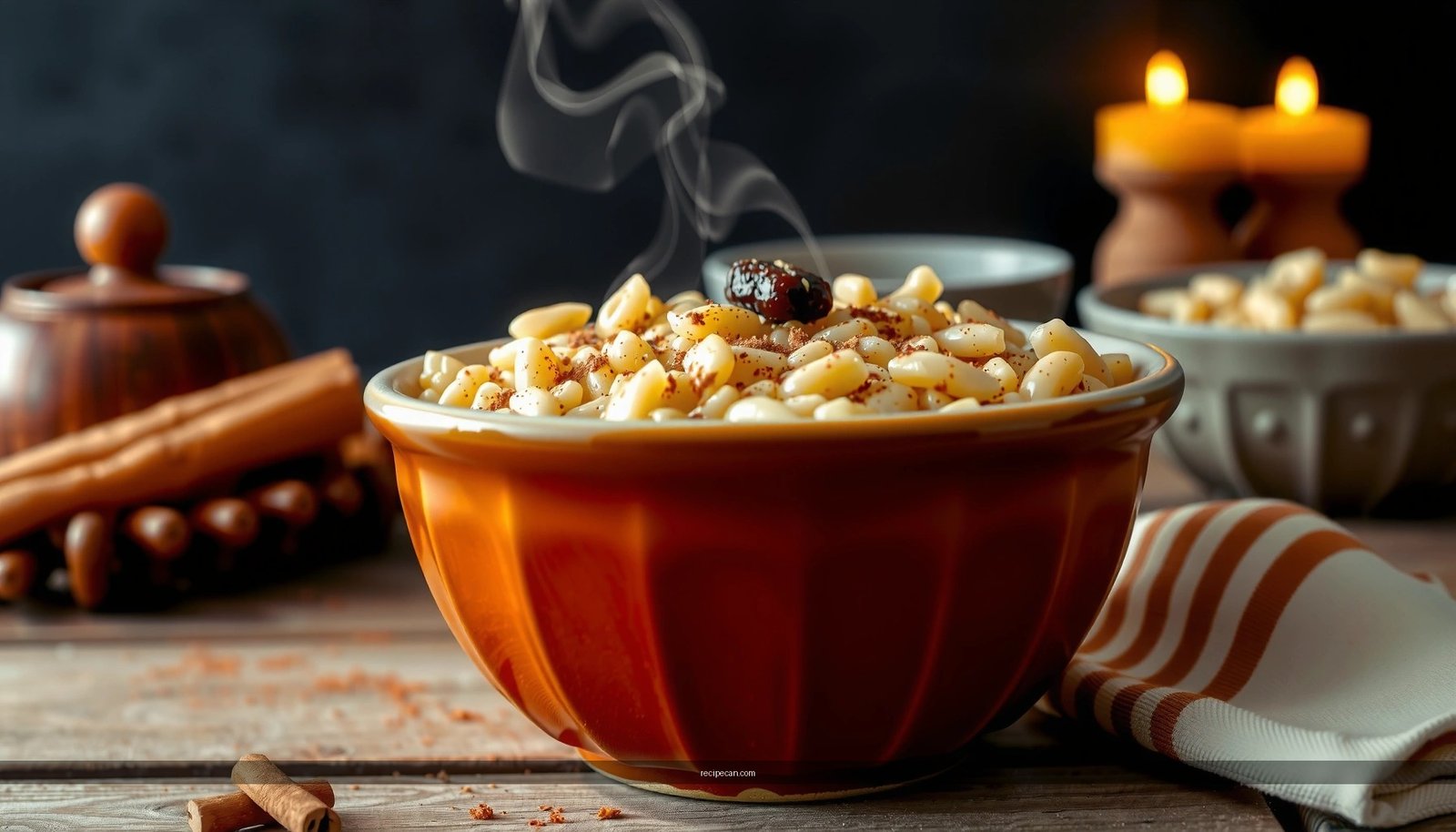
Get a Puerto Rican rice pudding recipe that delivers a truly creamy, cinnamon-rich finish every time, with the flavor and texture that matter most in a classic comfort dessert. This step-by-step method answers whether you’ll end up with thick, spoonable rice pudding—or watery results—so you can serve it at peak consistency. Expect clear instructions, precise timing, and the reliable shortcuts that keep the rice tender and the cinnamon flavor bold.
You can make Puerto Rican rice pudding by slowly simmering rice in milk until it turns creamy and spoonable, then layering in warm cinnamon (often with a hint of vanilla) for a classic, comforting finish. Below you’ll find precise cook-time guidance and texture cues so your pudding thickens properly instead of turning watery or grainy—whether you serve it warm or chilled.
What Makes Puerto Rican Rice Pudding Unique
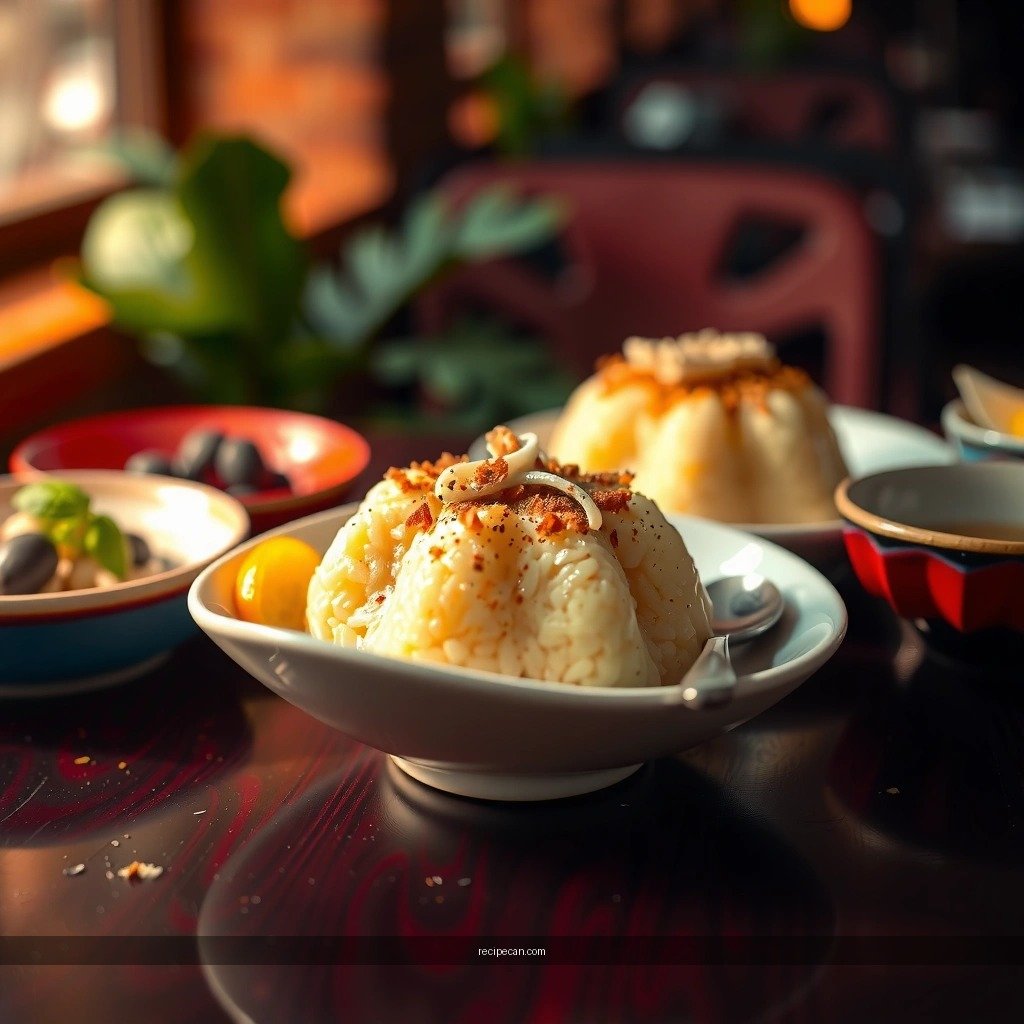
Puerto Rican rice pudding (often enjoyed as a cozy dessert in homes and during festive seasons) is built on a simple but exacting technique: patience with simmering and consistent agitation to release starch from the rice. That released starch is what transforms basic ingredients—rice and dairy—into a dessert that feels velvety rather than porridge-like.
What sets this style apart is the way flavor is introduced and balanced:
– Slow cook for creaminess: The rice is cooked until tender, and then the mixture continues to simmer so the starch thickens the milk.
– Cinnamon as the signature note: Cinnamon is not merely sprinkled at the end; it’s integrated so it warms the entire pudding.
– Sweetness that doesn’t overpower: Puerto Rican rice pudding is typically sweet, but its character depends on warm spice and dairy richness rather than overly sugary profiles.
– Optional vanilla depth: Vanilla is commonly used to round out cinnamon’s aroma and make the dessert taste “baked,” even though it’s stovetop-made.
A helpful way to think about it is this: the rice pudding is essentially a controlled starch-thickened custard, achieved without eggs.
Ingredients You’ll Need
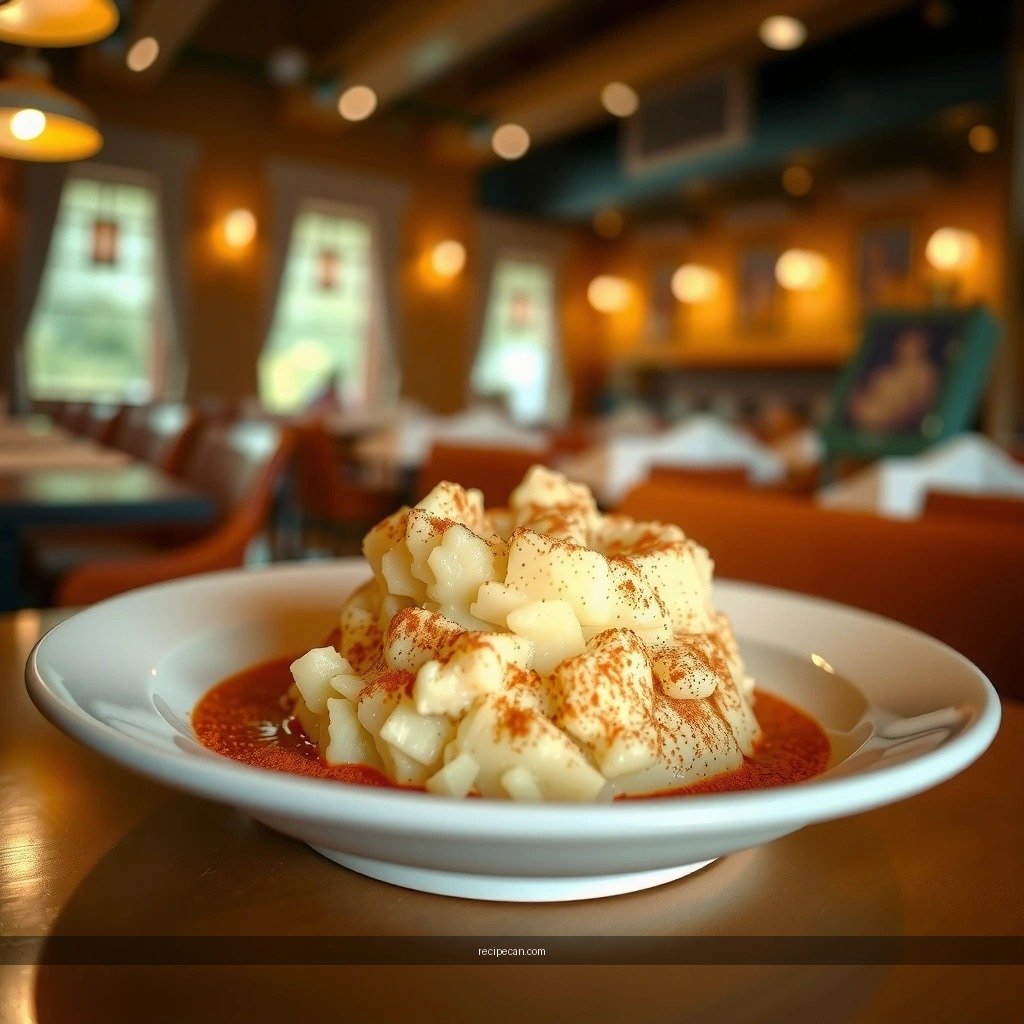
To get authentic “creamy, cinnamon-rich” results, you’ll want ingredients that support both texture and flavor.
– Long-grain rice (e.g., Carolina or similar): Starch release is steady and the pudding stays spoonable instead of gummy.
– Milk and/or evaporated milk: A blend often produces the richest texture. Evaporated milk increases body and helps stabilize creaminess.
– Sugar: Added after the rice begins to soften (rather than at the very start) to avoid slowing tenderization.
– Cinnamon: Ground cinnamon is typical; it should perfume the pudding, not just taste like a topping.
Flavor and balance (recommended)
– Vanilla extract (optional): Adds aromatic warmth.
– A pinch of salt: Salt heightens cinnamon and prevents sweetness from tasting flat.
– Raisins: Classic, plump burst-of-sweetness. If using, soak briefly in warm water to reduce chewy dryness.
– Additional cinnamon for garnish: Toasted cinnamon can intensify the aroma right before serving.
– Nutmeg (optional): Often pairs well with cinnamon for a subtle “holiday” profile.
Quick Reference: Ingredient-to-Texture Expectations
A key analytical point: rice pudding thickness is mainly determined by starch release and final simmer time, not by adding flour or eggs. This recipe is designed to thicken through natural starch.
Expected Texture Targets for Puerto Rican-Style Rice Pudding
| # | Cook Stage (Approx.) | Goal Texture | How It Should Look | Reliability Score | Risk if Missed |
|---|---|---|---|---|---|
| 1 | After 10 minutes | Milk stays thin | Rice grains visible, not fully softened | ★★★★★ | Watery end result |
| 2 | After 20 minutes | Begins to thicken slightly | Coating forms on spoon | ★★★★☆ | Starch not developed enough |
| 3 | After 30 minutes | Creamy, spoonable | Thick ribbons when spoon lifted | ★★★★☆ | Rice may feel undercooked |
| 4 | After 35 minutes (typical) | Thick but still pourable | Slow drip; surface smooth | ★★★★★ | Overly tight texture if overcooked |
| 5 | After resting 10–15 min | Sets further | Thickness increases; no separation | ★★★★★ | Runny pudding if under-simmered |
| 6 | Chilled (up to 4 hrs) | Spoonable, custard-like | Holds shape on spoon | ★★★★☆ | Grainy texture if rice not tender |
| 7 | Reheated next day | Creaminess restored | Smooth, no lumps after stirring | ★★★☆☆ | Separation if reheated fast |
Step-by-Step Cooking Instructions
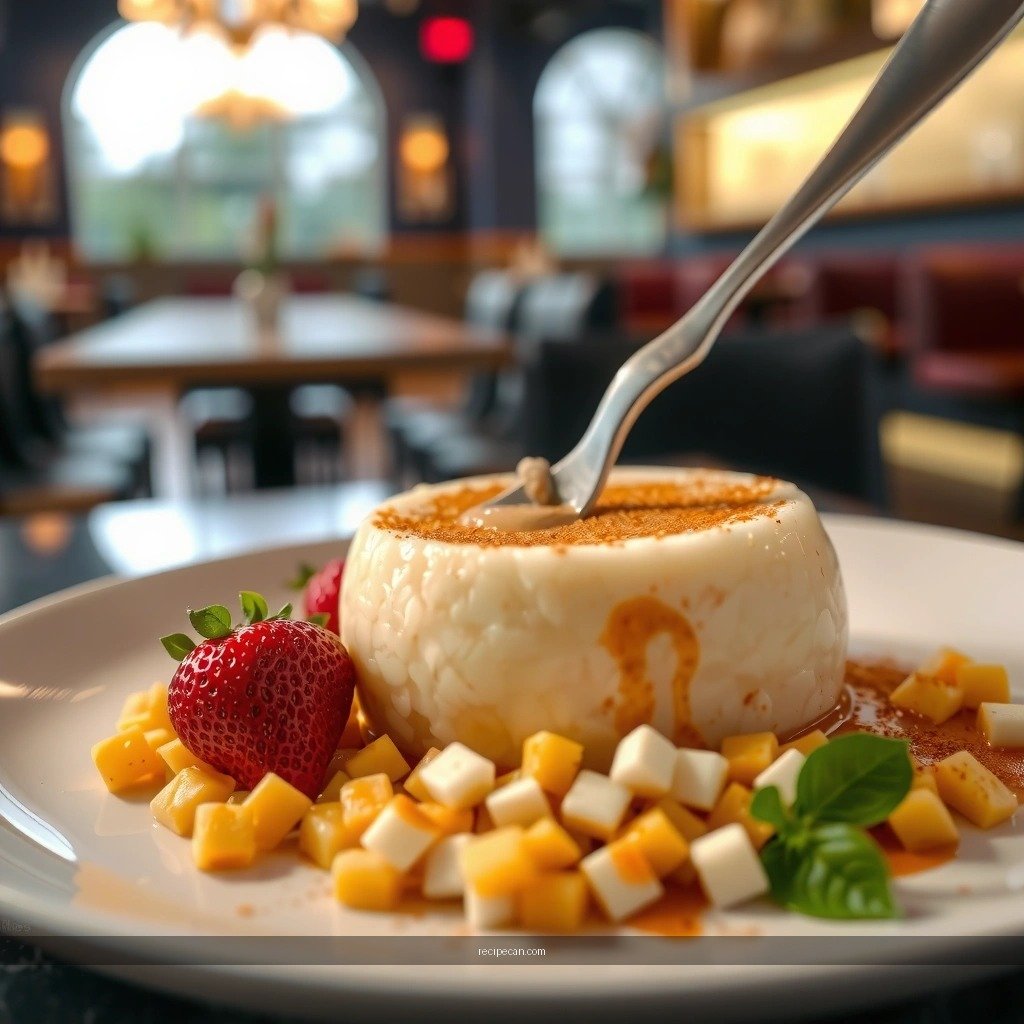
This section focuses on the exact method and the “why” behind each move, so you can troubleshoot with confidence. The most common failure modes—scorching, uneven thickening, and graininess—are all preventable.
1) Build the base
– In a heavy-bottom pot, combine milk (and evaporated milk if using) with long-grain rice.
– Bring to a gentle simmer, then reduce to low-to-medium low so it simmers steadily.
Texture principle: Boiling aggressively breaks down dairy consistency and can lead to scorching; a gentle simmer encourages even starch release.
2) Simmer with frequent stirring
– Cook for about 25–35 minutes, stirring often—especially along the edges and bottom.
– Use a wooden spoon or heat-safe spatula to scrape the bottom.
Timing cue: At around 20 minutes, the mixture should start to coat a spoon slightly.
3) Add sugar and spice at the right time
– Once the rice is visibly tender (and the mixture has begun to thicken), stir in:
– sugar
– ground cinnamon
– optional vanilla
– pinch of salt
Stir continuously for 2–4 minutes so the sugar dissolves and cinnamon blooms.
4) Finish to the correct thickness
– Continue simmering until the pudding becomes thick but still pourable—think “custard that will set more when rested.”
– Turn off heat and let it rest 10–15 minutes.
Final cue: When you drag a spoon through the pot, the line should hold briefly before slowly filling in.
Optional classic “Puerto Rican touch”
Some versions are finished with a slightly deeper spice profile (extra cinnamon or a touch of nutmeg). Add only a small amount—you can always adjust after the pudding sits.
Achieving the Perfect Creamy Texture
Creamy rice pudding is not accidental—it’s the result of controlling three variables: heat intensity, stirring pattern, and simmer duration.
Maintain a gentle simmer
– Keep the liquid at a stable simmer, not a rolling boil.
– If bubbles become too aggressive, reduce heat—scorching and uneven texture are the likely outcomes.
Keep stirring for even thickening
Starch thickens at different rates depending on where it hits heat. Stirring:
– prevents sticking (the biggest risk with milk)
– ensures the pudding thickens uniformly
– helps dissolve sugar and distribute cinnamon
If you need a practical stirring cadence: stir every 1–2 minutes, and scrape the bottom more frequently during the last 10 minutes.
Use resting time as part of the recipe
Even after you turn off the heat, the pudding continues to thicken as starch hydrates fully and the mixture cools slightly. A 10–15 minute rest improves spoonability and smoothness.
Common fix if it’s too thick: whisk in a splash of milk and warm gently.
Common fix if it’s too thin: simmer a few more minutes, stirring constantly, until it reaches the spoon-coating stage.
Serving Suggestions and Flavor Variations
Puerto Rican rice pudding is flexible—served warm, it tastes like a comforting rice-and-milk dessert; served chilled, it becomes custard-like and spoonable.
Serve warm or chilled
– Warm (same day): Creamiest “just cooked” texture, cinnamon aroma most pronounced.
– Chilled (recommended for structure): Thick, dessert-custard consistency that holds on a spoon.
Flavor variations to customize
– Raisins: Add for classic pops of sweetness. Stir in after the rice is tender so they plump rather than harden.
– Toasted cinnamon: Finish with a light dusting or stir cinnamon into a small portion of warm sugar before adding to intensify fragrance.
– Vanilla-forward: Add 1–2 teaspoons vanilla extract for a richer aroma that complements cinnamon.
– Citrus zest (optional): A tiny amount of orange or lime zest can brighten sweetness—use sparingly so it doesn’t overpower tradition.
Practical guidance: If you’re adding raisins or extra spice, taste near the end of cooking. Cinnamon can intensify as the pudding rests, especially when chilled.
Storage and Reheating Tips
Proper storage helps maintain the pudding’s creamy integrity and reduces separation.
Refrigerate correctly
– Cool to room temperature, then store in an airtight container.
– Refrigerate for up to several days (typically 3–4 days for best quality).
Reheat gently to restore creaminess
Milk-based desserts can tighten in the fridge. To bring it back:
– Reheat on low heat
– Add a splash of milk (start with 1–2 tablespoons per serving)
– Stir frequently until smooth
Avoid high heat, which can cause dairy separation or a “skin” texture.
Freezing note (if needed)
Freezing can alter texture slightly, making it less silky after thawing. If you choose to freeze:
– portion first
– thaw in the refrigerator
– reheat slowly with extra milk and stirring
Puerto Rican rice pudding is all about slow simmering, frequent stirring, and flavoring with cinnamon until thick and silky. Follow the steps, watch for the pudding’s texture, and then chill or serve warm—then make it your own with simple variations like raisins or extra cinnamon. If you aim for a gentle simmer and trust the spoon-coating and resting cues, you’ll consistently get the creamy, cinnamon-rich result that defines this beloved dessert.
Frequently Asked Questions
What is a traditional Puerto Rican rice pudding recipe, and how is it different from other rice puddings?
A traditional Puerto Rican rice pudding (often similar to arroz con dulce) is typically made with arroz, milk, sugar, and warm spices, then flavored with ingredients like cinnamon and vanilla. Many versions also include raisins and sometimes a touch of coconut or citrus zest for a brighter, sweeter profile than plain stovetop rice pudding. The result is a creamy, fragrant dessert with a distinctly Caribbean flavor.
How do you make Puerto Rican rice pudding recipe creamy without it turning watery?
To get creamy Puerto Rican rice pudding, use the right rice-to-liquid ratio and simmer gently so the rice starches thicken the mixture. Stir frequently during cooking, and avoid high heat that can separate milk and leave the pudding watery. If it seems loose near the end, keep simmering until the mixture coats the back of a spoon, then let it rest—this thickens as it cools.
Why do people add cinnamon and vanilla to Puerto Rican rice pudding recipe?
Cinnamon and vanilla are classic warm flavor boosters that complement the creamy texture of Puerto Rican rice pudding. They add depth and a fragrant aroma that makes the dessert feel more “homemade” and holiday-like. For best results, add cinnamon during simmering and add vanilla near the end to preserve its flavor.
Which rice works best for a Puerto Rican rice pudding recipe—short grain or long grain?
Short-grain rice is usually the best choice for a Puerto Rican rice pudding recipe because it releases more starch and creates a thicker, creamier texture. Long-grain rice can work, but it may stay firmer and produce a less pudding-like consistency. If you want an extra creamy mouthfeel, choose a starchy short-grain variety and cook it until very tender.
What’s the best way to serve and store Puerto Rican rice pudding recipe so it tastes great the next day?
Puerto Rican rice pudding is often served warm or chilled, and both ways are delicious—chilling helps it set into a thicker dessert. Store leftovers in an airtight container in the refrigerator for up to 3–4 days. When reheating, add a splash of milk or water and warm gently, stirring to restore the creamy consistency.
References
- https://en.wikipedia.org/wiki/Arroz_con_dulce
https://en.wikipedia.org/wiki/Arroz_con_dulce - Arroz con dulce – Wikipedia, la enciclopedia libre
https://es.wikipedia.org/wiki/Arroz_con_dulce - Puerto Rican cuisine
https://en.wikipedia.org/wiki/Puerto_Rican_cuisine - Rice pudding
https://en.wikipedia.org/wiki/Rice_pudding - Arroz con leche
https://en.wikipedia.org/wiki/Arroz_con_leche - List of rice dishes
https://en.wikipedia.org/wiki/List_of_rice_dishes - https://www.britannica.com/topic/rice-pudding
https://www.britannica.com/topic/rice-pudding - Google Scholar Google Scholar
https://scholar.google.com/scholar?q=puerto+rican+arroz+con+dulce+recipe - Google Scholar Google Scholar
https://scholar.google.com/scholar?q=puerto+rico+rice+pudding+arroz+con+dulce - Google Scholar Google Scholar
https://scholar.google.com/scholar?q=traditional+puerto+rican+desserts+arroz+con+dulce