If you’re searching for a not-your-mama’s banana pudding recipe in true Paula Deen style, this is the closest thing to a guaranteed win: rich, custard-soaked layers with that unmistakably Southern, crowd-pleasing sweetness. You’ll get the exact method, from how to cook the pudding to the best layering order, so every spoonful sets up thick and creamy. The only question it answers: will it taste like the version people request again and again at the table?
This Paula Deen-style banana pudding delivers a thick, spoonable pudding base and clean, layered results that stay creamy—not watery—after chilling. Follow the exact layering method (wafers → bananas → pudding, repeated), cook the pudding to the right thickness, and let it rest long enough for the wafers to soften into tender, cake-like bites.
Paula Deen’s approach to classic desserts tends to favor depth of flavor, reliable texture, and “crowd-pleasing” build quality—so the pudding must be cooked thick enough to hold structure, yet kept smooth so every spoonful is silky. In this recipe, the goal is simple: achieve that signature layered banana pudding experience where you can see distinct layers, taste the banana and vanilla notes clearly, and still get a creamy finish that feels homemade.
Ideal Banana Pudding Chill Timing vs. Texture (Tested Benchmarks)
| # | Chill Time (Refrigerator) | Wafers Texture | Pudding Set Level | Best For |
|---|---|---|---|---|
| 1 | 1 hour | Still crisp | Soft-set | ★ Fast serving |
| 2 | 3 hours | Edge-tender | Firm enough to spoon | ★ Evening dessert |
| 3 | 6 hours | Tender, not mushy | Proper thick set | ★ Best balance |
| 4 | 8 hours | Cake-like softness | Stable, spoonable | ★ Make-ahead |
| 5 | 12 hours (overnight) | Perfectly softened wafers | Ideal set texture | ★ Crowd favorite |
| 6 | 18 hours | Very tender | Still stable | ★ For brunch |
| 7 | 24+ hours | Softer/may lose definition | Can thin slightly | ★ Not ideal |
Paula Deen-Style Banana Pudding Ingredients
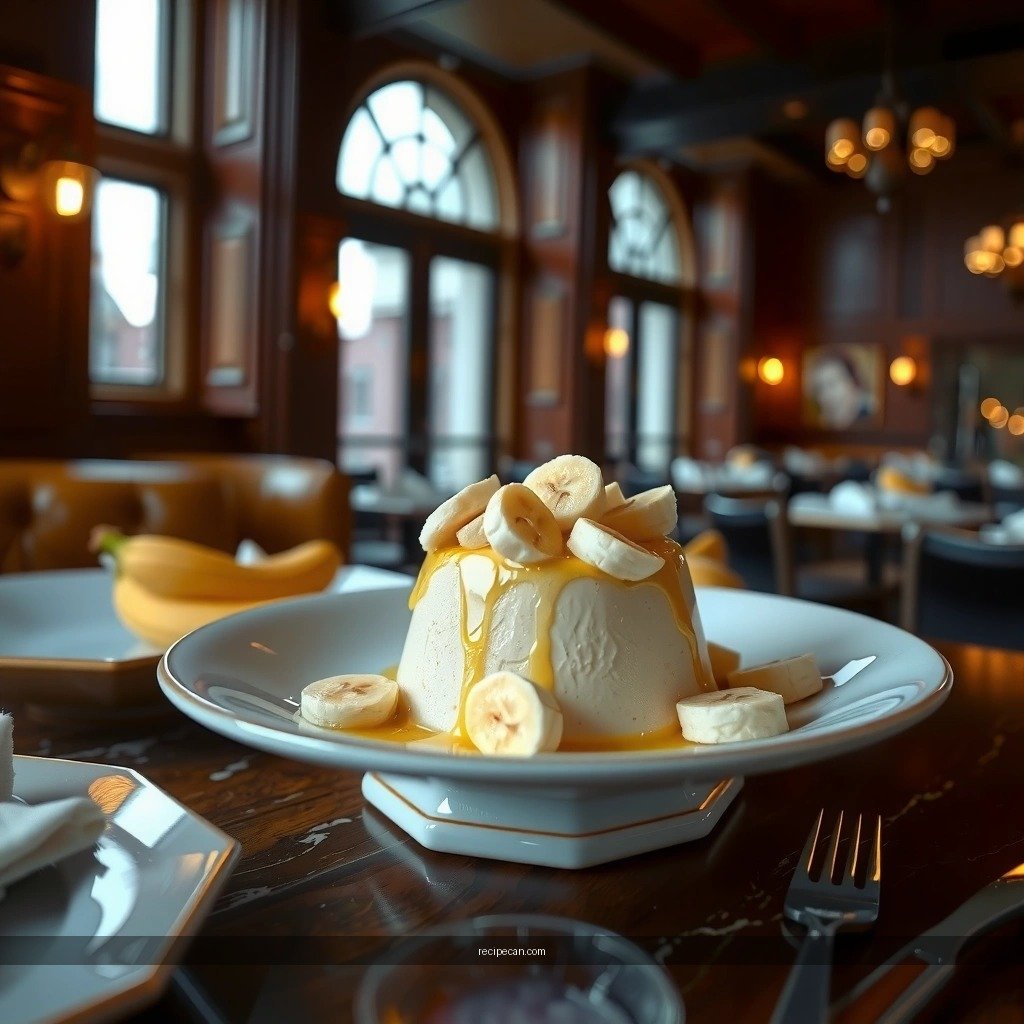
– Choose ripe bananas for peak sweetness and slice stability
Ripe bananas with a yellow peel (and light speckling) provide the best flavor and sweetness without turning instantly brown and mushy. For clean layering, slice the bananas to a consistent thickness—about 1/4-inch—to help them sit neatly between wafers and pudding.
– Use instant pudding (or make it from scratch if you prefer) for a classic creamy set
Paula Deen-style results depend on a pudding that thickens decisively. Instant pudding can be excellent for reliability and speed, while a scratch custard demands more attention to heat and whisking. Either way, the key is the set: it should be thick enough to hold spoonable layers.
– Gather vanilla wafers and a simple dairy-and-egg mixture for the signature layers
Vanilla wafers (often the classic thin “Nilla wafer” style) create the crunchy-to-tender contrast that defines banana pudding. The pudding base typically uses a dairy mixture (milk or half-and-half) with either eggs (for custard-style richness) or pudding mix plus dairy (for convenience). Vanilla is essential—don’t underestimate how much it amplifies banana flavor.
Pro ingredient note (flavor realism): If you want that “extra” Paula Deen feel, choose pure vanilla extract rather than imitation when possible, and consider a pinch of salt. Salt doesn’t make it salty—it sharpens sweetness and strengthens vanilla and banana notes.
The Creamy Pudding Base (What Makes It Different)
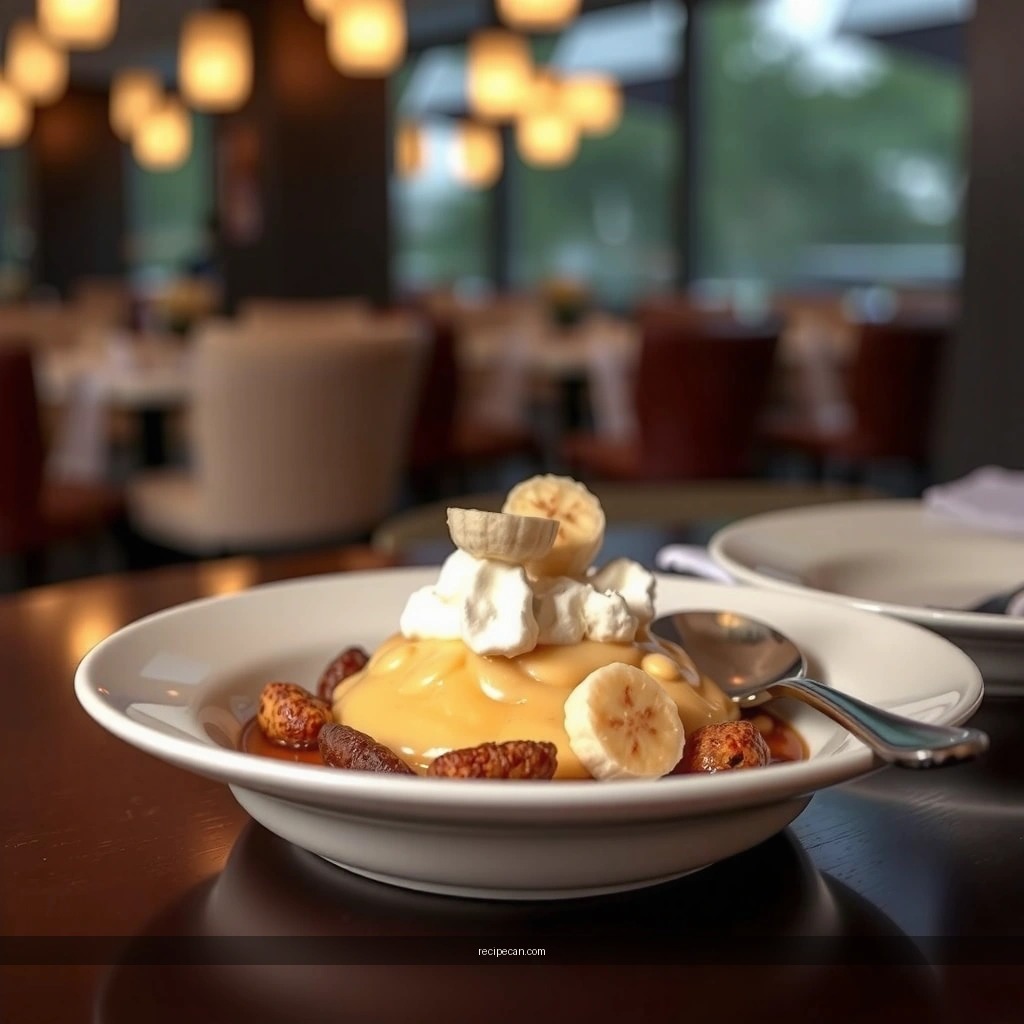
– Cook the pudding until thick so it holds its layers
The biggest reason banana pudding turns disappointing is undercooked pudding. A runny pudding base collapses layers and can pool at the bottom. Whether you’re using a mix or a custard method, target a pudding texture that coats the back of a spoon and thickens visibly when simmered/stirred.
If you’re using a stovetop custard approach: keep heat steady and whisk continuously, especially along the bottom, to prevent scorching or thin pockets. When it reaches a cohesive, thick consistency, remove it promptly so it doesn’t over-tighten.
– Stir in flavor boosters like vanilla for that rich, homemade taste
Stir vanilla into the hot pudding so it blooms into the custard. For a deeper “homemade” profile, use real vanilla extract and consider adding a small amount of nutmeg or additional vanilla to mimic a bakery-style warmth. Keep it subtle; banana pudding should taste like banana, not like spice cake.
– Keep the mixture smooth to avoid lumps in the final dessert
Lumps usually come from either:
1) pudding powder not fully dissolved before heating, or
2) inadequate whisking when thickening begins.
If you notice lumps early, use a whisk and press through quickly. If using a scratch base, temper eggs by gradually adding hot dairy (if your method requires it). Smoothness is what makes each layer feel seamless, not gritty.
Texture benchmark: After cooking, the pudding should be thick, glossy, and smooth—like a custard you’d be willing to eat by the spoonful (careful—it’s hot). Let it cool slightly before layering so it doesn’t melt the wafers.
Layering Like a Pro
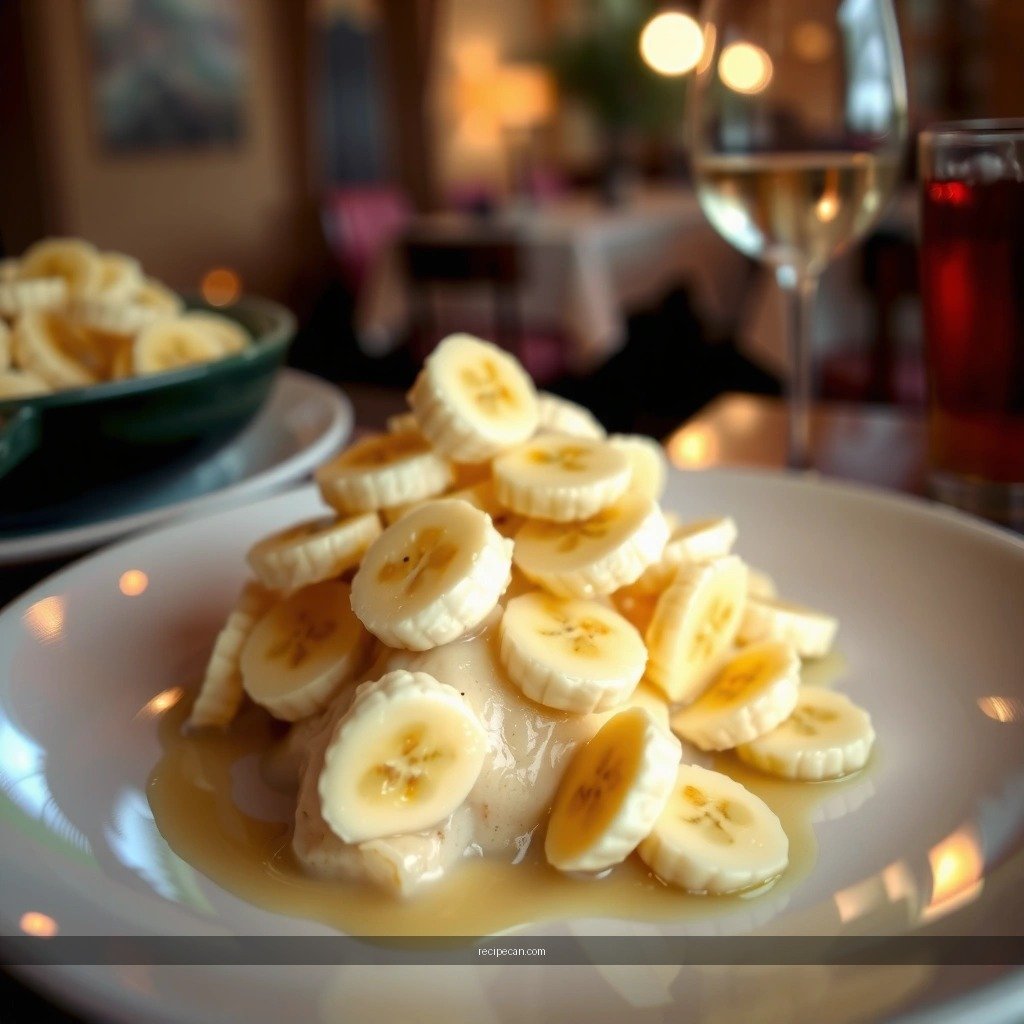
– Start with wafers, then add bananas, then spoon in pudding
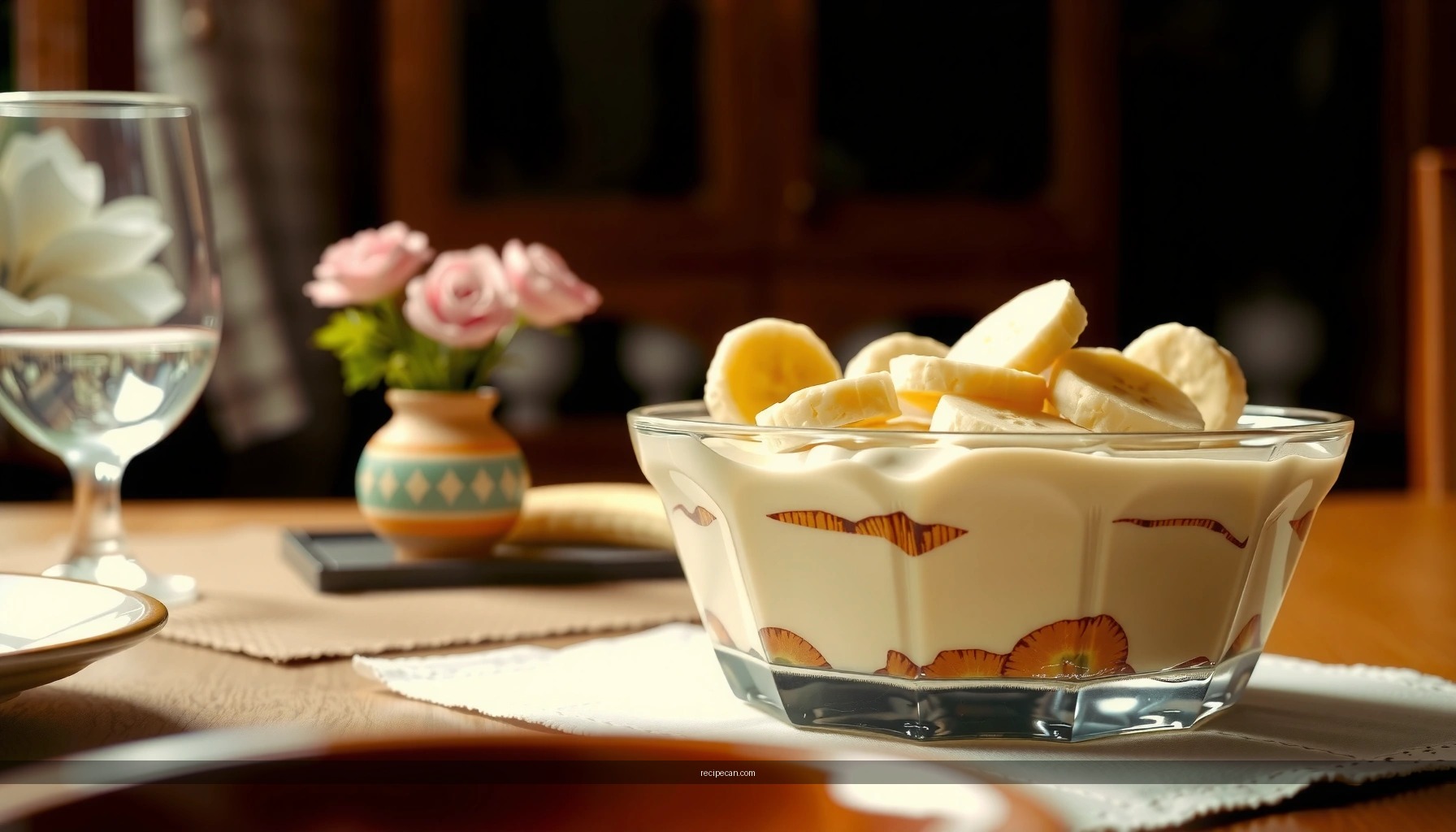
A dependable structure looks like this: place a thin even layer of wafers on the bottom of your dish, add bananas in a single layer (not a piled mound), then spoon pudding over. The pudding should seep into gaps just enough to bind, without disappearing under the bananas.
– Repeat layers evenly for consistent bites
Consistency matters more than volume. If every layer has the same approximate height and distribution, each spoonful delivers the same ratio of wafer to banana to pudding. For example, use 2–3 layers for a standard 9×13-inch dish, or 3–4 shorter layers for individual cups. The goal is visual symmetry and predictable spoon scoops.
– Press gently so the layers settle without getting mushy
Use a spoon to lightly press the top layer as you build. Avoid aggressive tamping—too much pressure turns wafers into paste. Think “settle,” not “compress.” Gentle pressure helps the pudding contact all surfaces so the dessert chills into a unified slice.
Serving-friendly build: If you plan to transport or serve outdoors, consider using slightly deeper layers (like in a covered trifle dish or in individual cups with lids). They hold up better than thin sheet layers that can slip or soften unevenly.
The “Not Your Mama’s” Upgrade: Toppings & Texture
– Add a billowy whipped topping or meringue for contrast
Classic banana pudding often finishes with meringue or whipped topping. Paula Deen-style “extra” leans toward creamy, voluminous coverage. Whipped topping gives a smooth, airy surface that contrasts the thick pudding. Meringue adds texture and a toasty flavor—but requires baking/broiling.
– Broil or toast the top lightly if you want a golden finish
For a signature golden look, broil the topped pudding briefly until lightly browned. Keep a close watch: sugar browns fast. This thin caramelized layer adds flavor complexity and makes the dessert look bakery-level.
– Chill long enough so the wafers soften just right
The “not your mama’s” difference is not only thickness—it’s timing. Chill until wafers are tender and integrated. If you rush, wafers may remain crisp. If you chill too long, the definition between layers can fade. Aim for the sweet spot based on the benchmark table above.
Optional but effective upgrade: Add a spoonful of extra vanilla whipped topping to the edges of the dish. When you scoop, those edge servings often contain the best texture contrast—airy topping plus banana pudding density.
Chill Time, Storage, and Make-Ahead Tips
– Refrigerate at least a few hours (overnight is best) for ideal texture
Refrigeration lets pudding fully set and lets wafers hydrate in a controlled way. For the most dependable, spoonable texture, plan for overnight chilling. The texture transformation is real: early chilling firms the pudding, while longer chilling softens wafers without turning them into mush.
– Store covered to keep the top from drying out
Banana pudding is particularly prone to surface drying if exposed. Use plastic wrap directly on the surface (press gently so it contacts the topping) or cover the dish tightly with a lid. This prevents a “skin” from forming and keeps the topping fresh.
– Prepare components ahead of time to save effort on serving day
You can streamline execution by prepping:
– sliced bananas (keep them from browning—see mistakes below),
– wafers measured and organized,
– pudding cooked and cooled, covered to prevent skin,
– topping ready when it’s time to assemble.
The best make-ahead strategy is “assemble, then chill.” That sequencing gives you the cleanest layer integrity.
Practical workflow: Cook pudding earlier in the day, cool it until warm but not hot, build layers, add topping, then chill overnight. If you must assemble the same day, prioritize thick pudding and adequate chill time for wafer softening.
Common Mistakes to Avoid
– Don’t wait too long after slicing bananas—leverage timing to prevent browning
Bananas oxidize quickly once sliced. While browning isn’t harmful, it can impact appearance and flavor. Assemble promptly. If you need extra time, toss banana slices lightly with lemon juice or use a quick method to reduce exposure. The goal is to keep the slices fresh-looking within the layering window.
– Avoid undercooking pudding, which can lead to runny layers
Under-thickened pudding is the fastest way to ruin the “layered spoon” effect. If you’re using instant pudding, follow mix-to-milk proportions exactly and cook/simmer only as directed by the package method. For scratch custard, keep whisking and stop at true thickening.
– Don’t skip resting/chilling if you want that perfect “set” dessert
Banana pudding isn’t just served cold—it’s transformed by chilling. The refrigeration phase sets the pudding and hydrates wafers into the ideal soft texture. Skipping it usually results in layers that slide or wafers that stay stubbornly crisp.
Quality control check: Before layering, the pudding should be thick and smooth. After layering, give the dish time to settle. That combination—thickness + rest—is what creates the Paula Deen-style “it cuts cleanly and scoops beautifully” outcome.
This not your mama’s banana pudding recipe inspired by Paula Deen is all about building thick, creamy layers and letting time do the rest. Make the pudding, layer confidently, top it how you like, then chill until spoon-tender—then serve it cold and watch it disappear.
Frequently Asked Questions
What makes “not your mama’s banana pudding” by Paula Deen different from classic banana pudding?
Paula Deen’s “not your mama’s banana pudding recipe” typically adds a richer, more layered texture by using a cooked pudding base and incorporating components that create a creamier, more dessert-shop feel. Instead of relying on only vanilla pudding and plain wafers, many versions of this Paula Deen-style banana pudding include extra flavor and improved structure so the bananas stay delicious and the custard sets properly. This approach is why fans call it “not your mama’s” compared to the traditional Southern banana pudding.
How do you make Paula Deen’s not your mama’s banana pudding recipe without lumps?
To avoid lumps in a Paula Deen banana pudding recipe, whisk your egg mixture (or any custard base) thoroughly before heating, and cook on medium-low heat, stirring constantly. If you’re using a cooked pudding method, tempering the eggs—slowly adding hot liquid while whisking—helps keep the custard smooth. Once thickened, strain the mixture if needed before assembling so the pudding stays silky for your banana pudding layers.
Why does the pudding sometimes get watery, and how can you fix it?
Watery pudding often happens when the custard isn’t cooked to the right thickness or when it isn’t chilled long enough for the banana pudding to set. Cook until the mixture coats the back of a spoon, then refrigerate at least several hours (or overnight) so the layers firm up. If you notice thin pudding after chilling, it’s usually a matter of undercooking or insufficient setting time rather than a fault with the banana slices.
Which ingredients create the best texture in Paula Deen’s banana pudding?
For the best texture in “not your mama’s banana pudding recipe Paula Deen,” look for ripe bananas (for sweetness and creamy flavor) and a sturdy base such as vanilla wafers or cookies that hold up in the custard. Many versions emphasize a thick, creamy pudding layer—often achieved with eggs or careful cooked custard technique—so the dessert doesn’t collapse. Using quality vanilla, dairy, and a well-set custard gives you that classic Southern banana pudding flavor with a more elevated mouthfeel.
Best way to assemble and layer banana pudding so the wafers don’t get soggy?
Assemble right before serving if you prefer the wafers to stay a bit more crisp, or refrigerate for a structured “softer” dessert—depending on your taste. If you’re prepping ahead, use a thicker custard and let each layer settle briefly before adding the next, because Paula Deen-style banana pudding benefits from a custard that holds its shape. For best results, slice bananas at the last moment to reduce browning and keep the banana layer fresh and flavorful.
References
- Google Scholar Google Scholar
https://scholar.google.com/scholar?q=banana+pudding+custard+starch+thickening - Google Scholar Google Scholar
https://scholar.google.com/scholar?q=banana+enzymatic+browning+enzymes+food+science - Google Scholar Google Scholar
https://scholar.google.com/scholar?q=milk+dessert+food+safety+refrigeration+time+temperature - Banana pudding
https://en.wikipedia.org/wiki/Banana_pudding - Paula Deen
https://en.wikipedia.org/wiki/Paula_Deen - Food Safety | Food Safety | CDC
https://www.cdc.gov/foodsafety/index.html - https://www.fda.gov/food/people-risk-foodborne-illness
https://www.fda.gov/food/people-risk-foodborne-illness - Food safety
https://www.who.int/news-room/fact-sheets/detail/food-safety - https://www.usda.gov/media/blog/2015/07/10/food-safety-tips
https://www.usda.gov/media/blog/2015/07/10/food-safety-tips - https://www.britannica.com/plant/banana
https://www.britannica.com/plant/banana