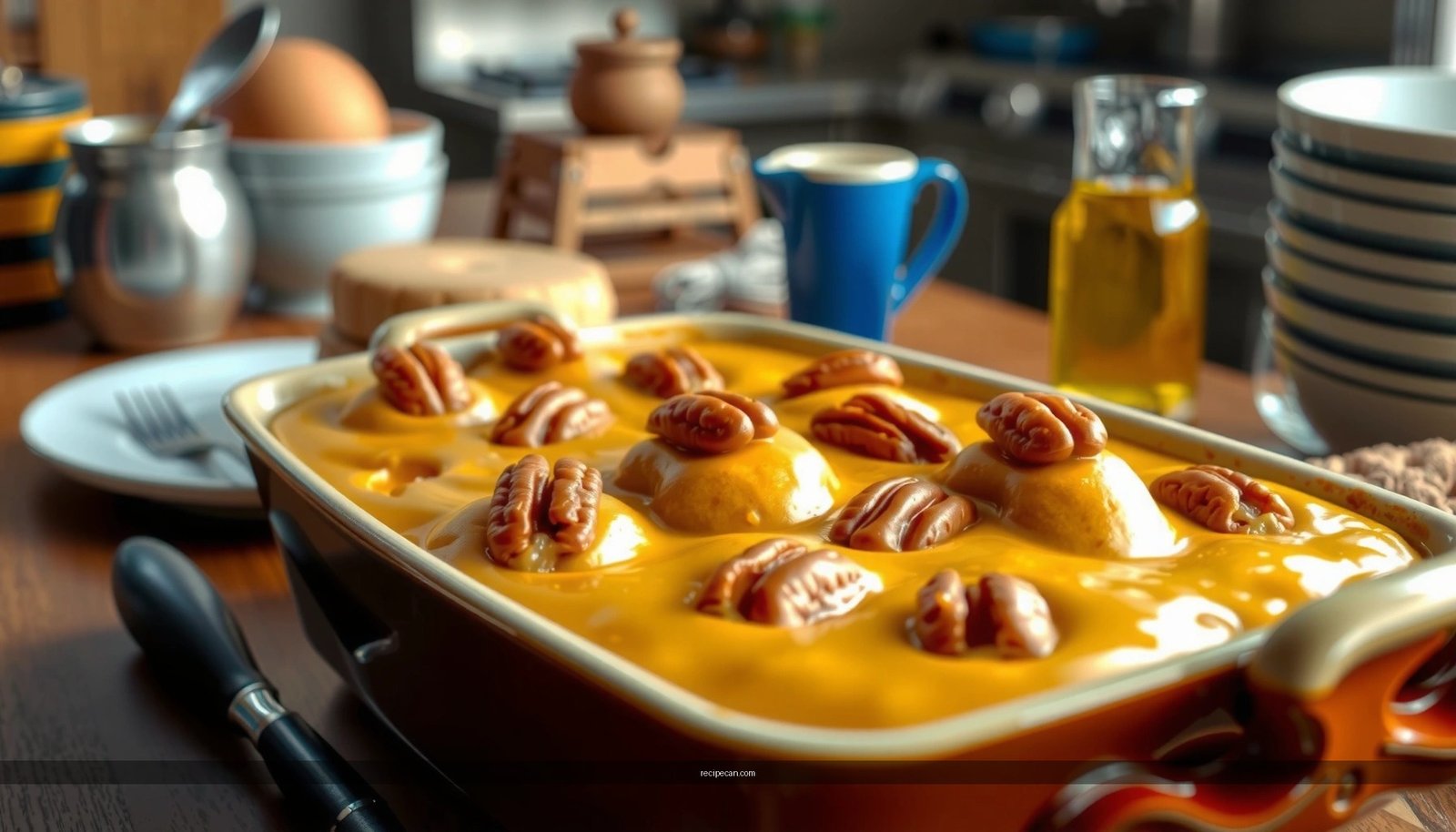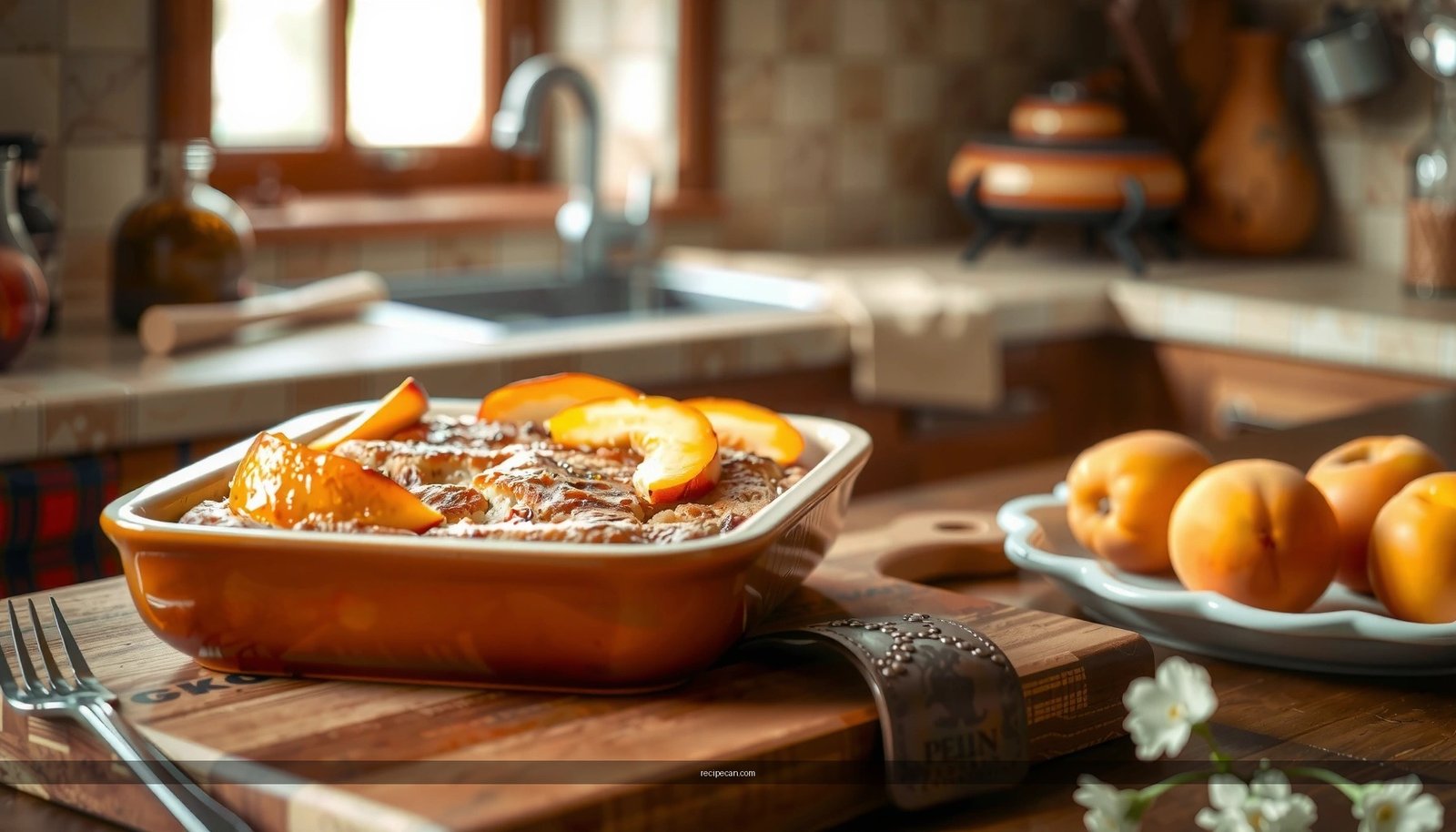
This rice custard pudding recipe delivers the creamy, tender dessert you want—without long cook times or complicated steps. It answers the key question of how to make rice custard pudding that turns silky and spoonable every time, not gritty or watery. Follow it and you’ll get a reliably smooth custard with perfectly cooked rice.
Make rice custard pudding by simmering rice until tender, then stirring it into warm milk with sugar and eggs (or a cornstarch-based substitute) to create a silky, custard-like finish. This recipe focuses on the key technique—controlling simmer time and heat—so your pudding stays creamy (not watery) and spoon-coats with a tender, flavorful bite.
Ingredients You’ll Need for Rice Custard Pudding
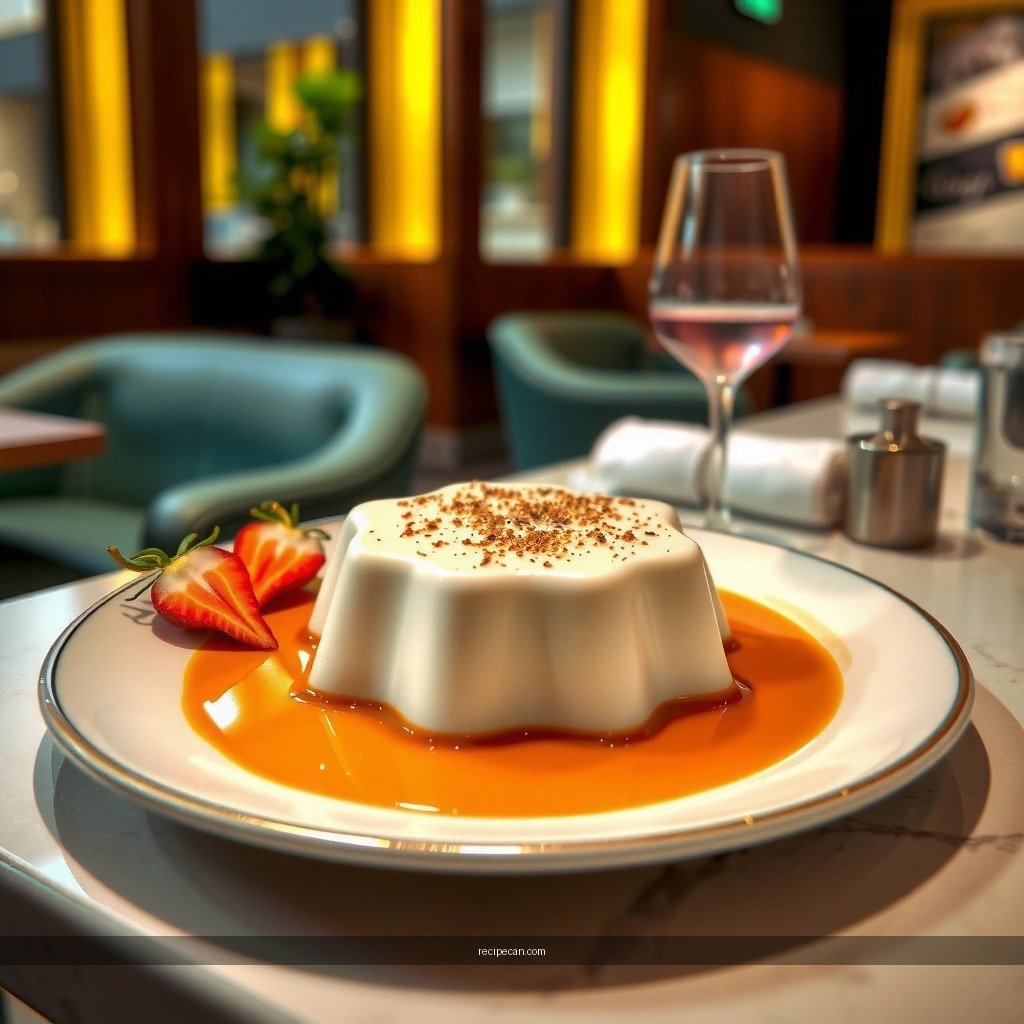
– Use short- or medium-grain rice for the creamiest pudding texture
– Gather milk, sugar, eggs (optional swap), and flavorings like vanilla and cinnamon
– Choose add-ins (raisins, nutmeg, lemon zest) based on your preference
Rice custard pudding succeeds when starch from the rice and proteins from the custard base work together. For the best results, start with short- or medium-grain rice (often labeled “dessert rice” or “risotto-style” rice). These varieties release starch more readily than long-grain rice, which helps thicken the pudding naturally and gives that classic, tender mouthfeel.
Here’s a dependable ingredient set for a standard household batch (about 4–6 servings):
– Rice: 3/4 cup short- or medium-grain rice
– Whole milk: 3 1/2 cups (for a rich, creamy custard)
– Sugar: 1/2 cup (adjust to taste)
– Eggs (optional): 2 large eggs for a classic custard finish
– Vanilla extract: 1–2 teaspoons
– Ground cinnamon: 1/2–1 teaspoon (plus a pinch for topping if desired)
– Salt: 1/8 teaspoon (balances sweetness and improves flavor clarity)
– Add-ins (optional): 1/3 cup raisins, 1/4–1/3 cup toasted nuts, lemon zest from 1 lemon, or a pinch of nutmeg
Egg vs. cornstarch substitute (choose your approach):
– If you prefer a traditional custard texture, use eggs. Eggs thicken gently when tempered and heated slowly.
– If you want an egg-free method, use cornstarch (or a cornstarch alternative such as arrowroot) to thicken the warmed milk. The texture will still be creamy and spoonable, with slightly less “classic custard” richness than eggs.
Practical nutrition and sweetness guide (what changes the texture)
The biggest texture drivers are the type of rice and the thickener choice (eggs vs. cornstarch). The table below compares how common ingredient choices influence final pudding texture and perceived richness.
Texture & Performance Impact of Key Ingredients
| # | Ingredient Choice | Best For | Expected Texture | Heat Sensitivity | Result Score |
|---|---|---|---|---|---|
| 1 | Short-/Medium-grain rice | Classic creamy spoon-coat | Silky, tender, cohesive | Low–Medium | ★★★★☆ |
| 2 | Long-grain rice | Firmer bite | Softer but less creamy | Medium | ★★★☆☆ |
| 3 | Eggs (tempered) | Traditional custard depth | Creamy, custard-like | Medium | ★★★★☆ |
| 4 | Cornstarch slurry (egg-free) | Consistent thickening | Smooth, pudding-thick | Low | ★★★★☆ |
| 5 | Low-fat (2% or skim) milk | Lighter dessert | Creamy but less rich | Medium | ★★★☆☆ |
| 6 | Whole milk + pinch of salt | Balanced sweetness | Round flavor, stable thickness | Low | ★★★★★ |
| 7 | High-added sugar (≥3/4 cup) | Dessert-forward sweetness | Thicker at first, can soften later | Medium | ★★★☆☆ |
Step-by-Step Instructions (Cook to the Perfect Texture)
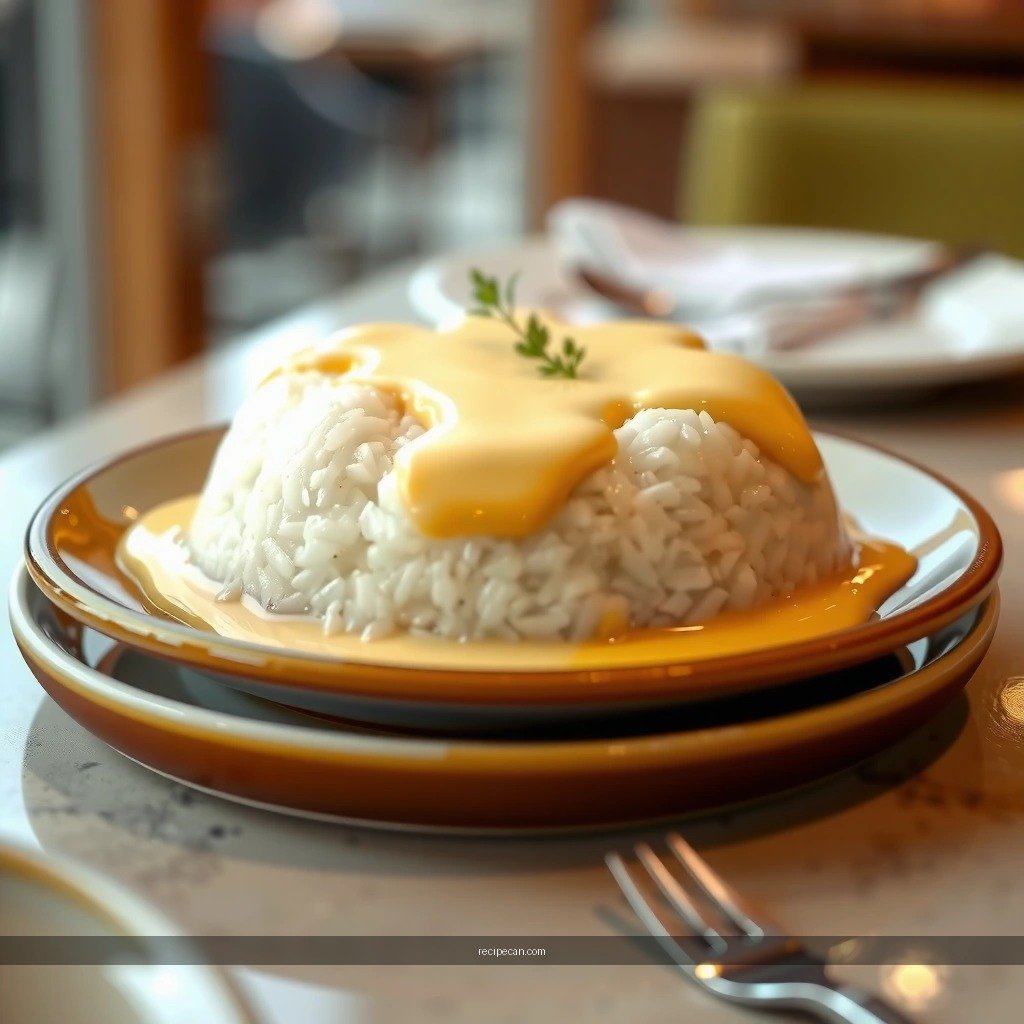
– Simmer the rice until soft and thickened before you add custard ingredients
– Heat milk and sugar gently, then temper eggs (if using) to avoid scrambling
– Stir continuously until the mixture coats a spoon and turns custard-thick
Follow this method for consistent, creamy rice custard pudding:
1) Cook the rice to the right stage
1. In a saucepan, combine 3/4 cup rice with 1 1/2 cups water and a pinch of salt.
2. Bring to a simmer, then reduce heat to low.
3. Cook until rice is very tender and the water is mostly absorbed—often 15–20 minutes depending on rice type.
4. Stir occasionally to prevent sticking, but don’t over-stir; you want some starch release to help thicken.
Why this matters: Once the rice is already soft and slightly thick, you avoid the common problem where the pudding looks done on the surface while the center remains undercooked or watery.
2) Warm the milk with sugar and flavor
5. In a separate pot or in the same saucepan (depending on your setup), warm 3 1/2 cups milk with sugar over low to medium-low until steaming and the sugar dissolves—about 3–5 minutes.
6. Add vanilla, cinnamon, and any other warm spices (like nutmeg).
3) Thicken with eggs (classic method) or cornstarch (egg-free method)
If using eggs:
7. In a bowl, whisk 2 eggs.
8. Temper: slowly whisk in 1/2 cup of the warm milk mixture into the eggs to raise the temperature gradually.
9. Pour the egg mixture back into the saucepan while stirring continuously.
10. Cook until the pudding thickens to the point where it coats a spoon (typically 2–4 minutes on gentle heat). Do not boil.
If using cornstarch substitute:
7. Mix 2 tablespoons cornstarch with 2–3 tablespoons cold milk to form a smooth slurry.
8. Pour slurry into the warmed milk while whisking.
9. Cook on low until thickened and glossy, 1–3 minutes, then stir in the cooked rice.
4) Combine and finish
10. Add the cooked rice to the thickened milk base and stir until evenly distributed.
11. Simmer very gently for 1–3 minutes if needed for thickness.
12. Turn off heat and let the pudding rest 5–10 minutes to firm up.
How to Achieve the Best Creamy Custard Consistency
– Keep the heat low to medium to prevent curdling and separation
– Let it thicken off-heat for a few minutes for smoother results
– Adjust thickness with a splash of milk or a bit more time simmering
Rice custard pudding is partly science: starch gelatinization from rice, plus protein coagulation from eggs (or thickening from cornstarch). The texture you want—creamy, tender, and not watery—depends on timing and temperature.
Keep heat gentle (especially with eggs)
When eggs are used, curdling can happen if the mixture becomes too hot too fast. Aim for a steamy simmer, not a rolling boil. A good operational rule: if you see bubbles rapidly breaking the surface, reduce heat.
Use “rest time” to your advantage
Even after the mixture looks thick, it will continue to set as it rests. Let it sit off the burner for 5–10 minutes, stirring once halfway through. This yields a smoother custard texture and reduces the risk of overcooking.
Adjust thickness with intent
If your pudding is too thick:
– Stir in 1–3 tablespoons warm milk at a time until silky.
If it’s too thin:
– Simmer gently 2–5 minutes longer, stirring often.
– If you need a faster fix, whisk in a small amount of cornstarch slurry (only if you’re not using eggs, or if your base is stable and not curdled).
Flavor Variations and Serving Ideas
– Add cinnamon, nutmeg, or vanilla for classic custard flavor
– Stir in raisins or toasted nuts for extra texture and sweetness
– Serve warm or chilled; top with fruit, caramel, or a light sprinkle of cinnamon
Once you master the base, rice custard pudding is extremely flexible. Consider these tested variations:
Classic warm-spice custard (most “comfort”)
– Add more cinnamon (up to 1 teaspoon)
– Include a pinch of ground nutmeg
– Finish with vanilla at the end for bright aroma
Raisin-forward pudding
– Stir in 1/3 cup raisins during the combination step so they soften evenly.
– Optional upgrade: soak raisins in warm water or rum substitute for 10 minutes, then drain.
Citrus twist (brighter, dessert-like aroma)
– Stir in lemon zest right after turning off heat.
– Serve with berries or a light dusting of cinnamon.
Nutty texture
– Fold in toasted almonds, pistachios, or walnuts after thickening.
– Nuts add a pleasant crunch contrast, especially in chilled pudding.
Serving ideas (use texture contrast)
– Warm: top with cinnamon or a small spoon of fruit preserves
– Chilled: top with fresh berries, sliced peaches, or caramel sauce
– For special occasions: serve in small ramekins and sprinkle cinnamon on top right before serving
Storage and Reheating Tips
– Store in an airtight container in the fridge for up to 3–4 days
– Reheat gently on low heat or microwave in short bursts, stirring often
– For best texture, cool fully before covering and refrigerating
Rice custard pudding thickens further when chilled. That’s normal—rice starch continues to absorb liquid over time. For best results:
1. Cool completely before storing (about 30–60 minutes).
2. Transfer to an airtight container to prevent skin formation and odor absorption.
3. Refrigerate up to 3–4 days.
Reheating:
– Stovetop: warm on low heat, stirring frequently, and add a splash of milk if needed.
– Microwave: heat in 20–30 second bursts, stir between bursts, and stop once it’s just warm.
If the pudding seems tight, a teaspoon or two of milk usually restores a creamy consistency.
Troubleshooting Common Issues
– If it’s too runny, simmer a little longer or add a small cornstarch slurry
– If it’s grainy, reduce heat and temper eggs more carefully next time
– If it curdles, blend briefly and reheat gently to smooth out
Even experienced cooks run into texture problems. Here are reliable fixes:
Problem: Pudding is too runny
Likely causes: undercooked rice, insufficient simmer time, or heat too low during thickening.
Fix: simmer gently 2–5 minutes longer. If using an egg-free version, add a small cornstarch slurry (start with 1 teaspoon cornstarch mixed with 1 tablespoon cold milk).
Problem: Pudding is grainy
Likely causes: overheating eggs, or eggs not tempered gradually.
Fix for next time: lower the heat and temper eggs more slowly.
Possible fix now: strain through a fine sieve or blend briefly, then reheat gently while stirring.
Problem: Pudding curdled (egg-based)
Likely causes: egg proteins coagulated too aggressively.
Fix: blend briefly (carefully, in batches if hot), then reheat on low heat until smooth again. Add a tablespoon of milk to loosen if needed.
Wrap-Up: Make It This Week
Whip up this rice custard pudding by cooking the rice until tender, then combining it with warm milk and a custard base for a creamy finish. Focus on low, steady heat (especially with eggs), allow a brief off-heat rest, and use simple thickness adjustments as needed. Once you try the base recipe, customize it with cinnamon, raisins, citrus zest, or nuts—and enjoy it warm or chilled throughout the week.
Frequently Asked Questions
What is a rice custard pudding, and how is it different from regular custard?
Rice custard pudding is a creamy dessert made by cooking rice in milk (often with sugar and vanilla) and then combining it until the mixture becomes custard-like. Unlike classic custard that’s thickened mainly with eggs, rice custard relies on rice starch and slow simmering to achieve a creamy texture. Some recipes also include eggs or cornstarch for extra thickness.
How do you make rice custard pudding without it becoming watery or grainy?
Use the right rice—short-grain or medium-grain rice works best because it releases starch for a smoother, creamier pudding. Simmer gently and stir often so the milk reduces and the rice softens evenly, then let the pudding rest a bit after cooking to thicken as it cools. If it’s watery, simmer 5–10 minutes more; if it’s grainy, cook a little longer or blend a portion and stir it back in.
Why does rice custard pudding taste better when it’s chilled, and how should you store it?
Chilling allows the milk and rice starch to continue thickening, which improves the custard texture and helps flavors like vanilla or cinnamon fully develop. Refrigerate rice custard pudding in an airtight container for up to 3–4 days, and reheat gently with a splash of milk if you prefer it warm. Stir after reheating to keep the pudding from tightening or separating.
Which rice is best for a creamy rice custard pudding—long-grain or short-grain?
Short-grain rice is usually the best choice because it becomes tender and releases more starch, creating that classic creamy rice pudding texture. Long-grain varieties stay separate and can turn out less custard-like unless you cook them longer and adjust with thickening. If you only have long-grain rice, look for a recipe that specifies a longer simmer and possibly an egg or cornstarch step for extra creaminess.
What are the best flavor add-ins and spices for rice custard pudding?
Traditional additions include vanilla, cinnamon, nutmeg, and a pinch of salt to balance sweetness and make the rice custard taste richer. You can also stir in raisins, toasted coconut, citrus zest, or a bit of butter for extra depth, depending on your preferences. For a restaurant-style finish, top with caramel, fruit compote, or a light dusting of cinnamon right before serving.
References
- Google Scholar Google Scholar
https://scholar.google.com/scholar?q=rice+custard+pudding+recipe - Google Scholar Google Scholar
https://scholar.google.com/scholar?q=rice+pudding+custard+recipe - Google Scholar Google Scholar
https://scholar.google.com/scholar?q=homemade+rice+pudding+custard+recipe - Rice pudding
https://en.wikipedia.org/wiki/Rice_pudding - Custard
https://en.wikipedia.org/wiki/Custard - https://en.wikipedia.org/wiki/Pudding_(food
https://en.wikipedia.org/wiki/Pudding_(food - https://www.britannica.com/topic/rice-pudding
https://www.britannica.com/topic/rice-pudding - https://www.theguardian.com/food/shortcuts/2014/may/02/how-to-make-rice-pudding
https://www.theguardian.com/food/shortcuts/2014/may/02/how-to-make-rice-pudding - rice custard pudding recipe – Search results
https://en.wikipedia.org/wiki/Special:Search?search=rice+custard+pudding+recipe - https://www.ncbi.nlm.nih.gov/search/research-articles/?term=rice+custard+pudding+recipe
https://www.ncbi.nlm.nih.gov/search/research-articles/?term=rice+custard+pudding+recipe