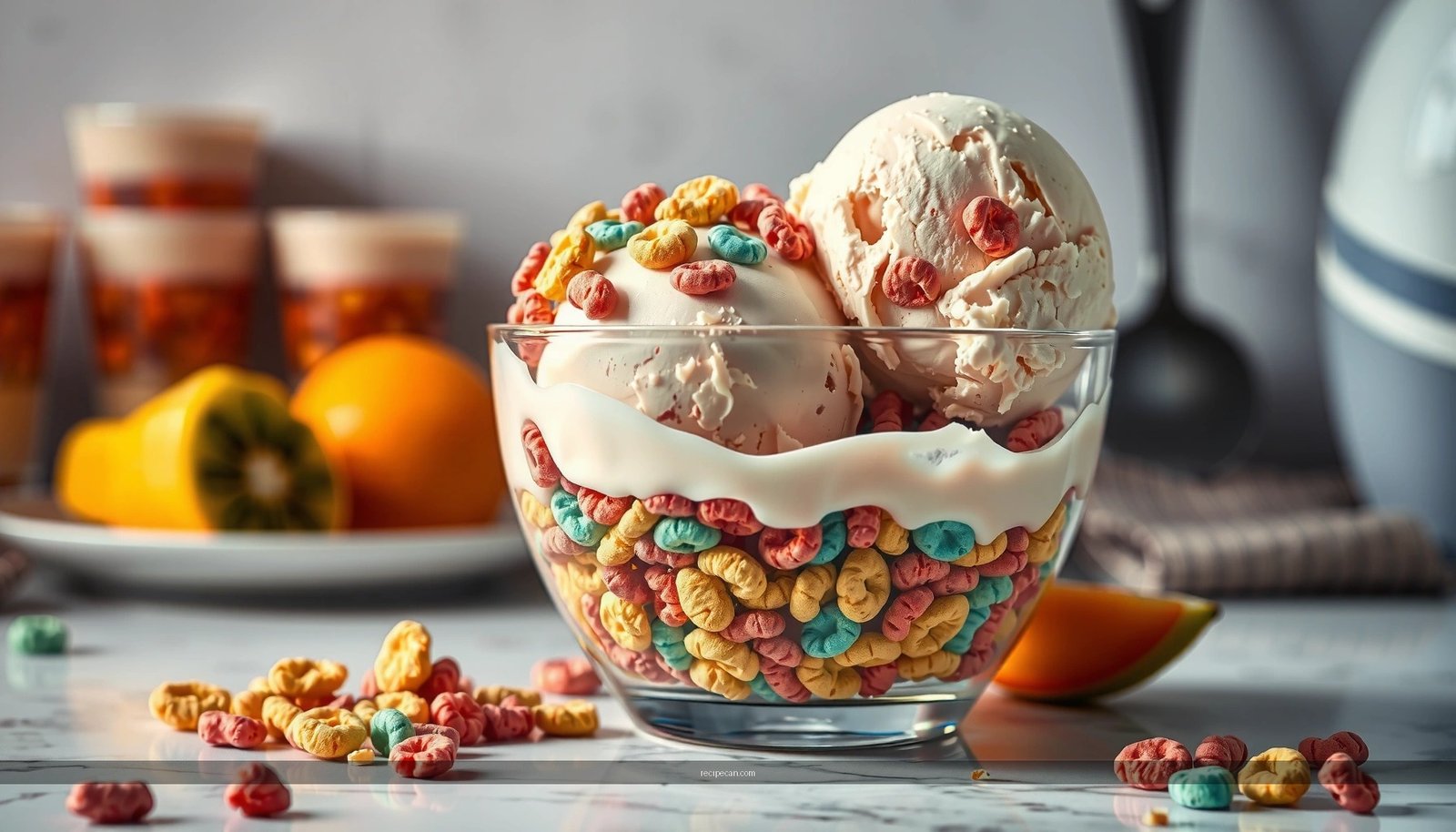
Looking for a Fruity Pebbles ice cream recipe that’s creamy and packed with real cereal crunch? This recipe delivers the clear winner: a smooth, scoopable base folded with vibrant Fruity Pebbles for maximum texture in every spoonful. You’ll be able to make it fast with easy steps—no complicated techniques, just consistently great results.
Make Fruity Pebbles ice cream by steeping the cereal in a milk-and-cream base, churning it until creamy, and folding in extra Fruity Pebbles after churning to preserve crisp, colorful bites. This method delivers the signature fruity flavor you expect from the cereal while keeping a balanced texture—smooth from the custard-style base and crunchy from the later cereal addition.
Ingredients You’ll Need
To make a creamy, scoopable Fruity Pebbles ice cream at home, you’ll need simple pantry ingredients plus the cereal. The most important decision here is not the flavoring—it’s how you use the cereal. In this recipe, cereal participates in two different roles: flavor infusion (steeped) and crunch (folded in after churning).
Core ingredients (classic flavor profile)
– Fruity Pebbles cereal: provides the bright fruity flavor and colorful crunch
– Milk: adds body and helps the custard base churn smoothly
– Heavy cream: responsible for richness and the “ice cream” mouthfeel
– Sugar: balances bitterness and improves softness
– Vanilla extract: rounds out the cereal flavor and improves perceived sweetness
Optional add-ins (for improved structure and maximum crunch)
– Fine salt: a small amount sharpens sweetness and makes fruity notes taste more vivid
– Extra Fruity Pebbles pieces: adds additional texture contrast—especially if you like visible, crunchy bites
For best results, choose cereal that’s fresh and not overly crushed in the box; you want some pieces large enough to remain distinct after folding.
What Affects Fruity Pebbles Ice Cream Texture the Most (Home Test Bench)
| # | Factor | Typical Home Range | Impact on Flavor | Impact on Crunch |
|---|---|---|---|---|
| 1 | Cereal steep time (min) | 15–30 | ★ ★ ★ ★ ★ (high) | ★ ★ (low) |
| 2 | Boiling the dairy | Yes/No | ★ ★ ★ (muted) | ★ (drops) |
| 3 | Cereal folded in after churning | Yes/No | ★ ★ ★ (strong) | ★ ★ ★ ★ ★ (maximum) |
| 4 | Total sugar (tbsp) | 6–10 | ★ ★ ★ ★ (sweet balance) | ★ ★ (can soften if high) |
| 5 | Vanilla amount (tsp) | 1–2 | ★ ★ ★ ★ (rounds fruit) | ★ (neutral) |
| 6 | Base chilling time (hours) | 4–12 | ★ ★ ★ (better flavor hold) | ★ ★ ★ ★ (smaller ice crystals) |
| 7 | Post-churn freeze duration (hours) | 6–24 | ★ ★ ★ ★ (flavor meld) | ★ ★ ★ (best within first 2 weeks) |
Prep the Fruity Pebbles Flavor
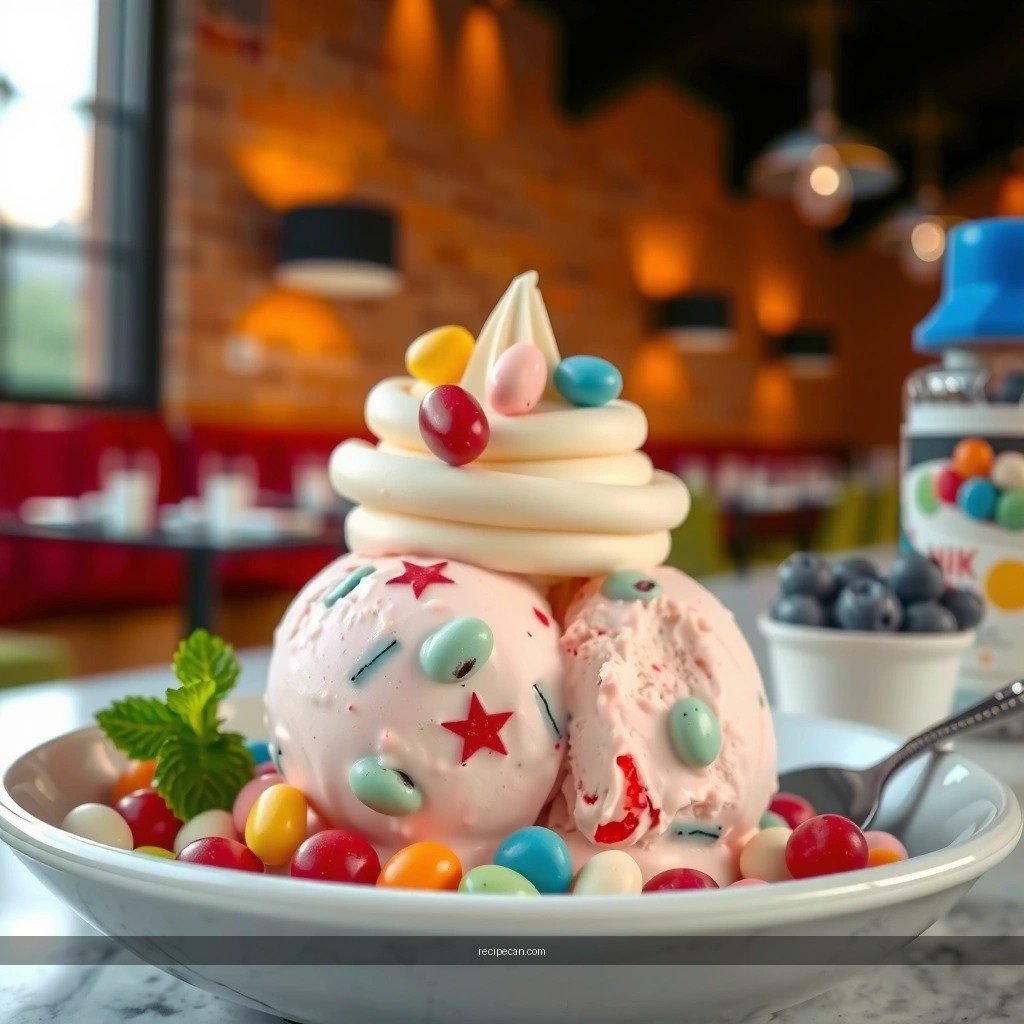
Creating the signature fruity flavor is the most process-driven part of this Fruity Pebbles ice cream recipe. The goal is to transfer flavor from cereal into dairy without turning the cereal into soggy solids.
1) Crush for better infusion
– Crush about half of your cereal into smaller pieces (not powder).
– This increases surface area, so the milk and cream pick up the fruity sweetness faster and more evenly.
2) Heat gently—no boiling
– Combine milk + heavy cream in a saucepan and warm over medium-low.
– Add sugar and stir until dissolved.
– Heat only until the mixture is steamy and the sugar is clear—do not boil. Boiling can dull flavor and increase the odds of texture problems (including a grainier base).
3) Steep to build flavor
– Add the crushed cereal to the warmed dairy and let it steep.
– Keep the heat low enough that the mixture stays barely warm; you want infusion, not cooking.
4) Taste-check approach (optional but smart)
If you’re aiming for a strong “cereal-forward” flavor, take a spoonful after steeping and cool it slightly. If it tastes mild while warm, it usually will taste mild once churned—so steep a bit longer or crush more cereal next time.
Professional tip: If you’re using a fine strainer, strain the base as soon as it hits your desired intensity; the cereal continues to release flavor over time even while cooling.
Make the Ice Cream Base
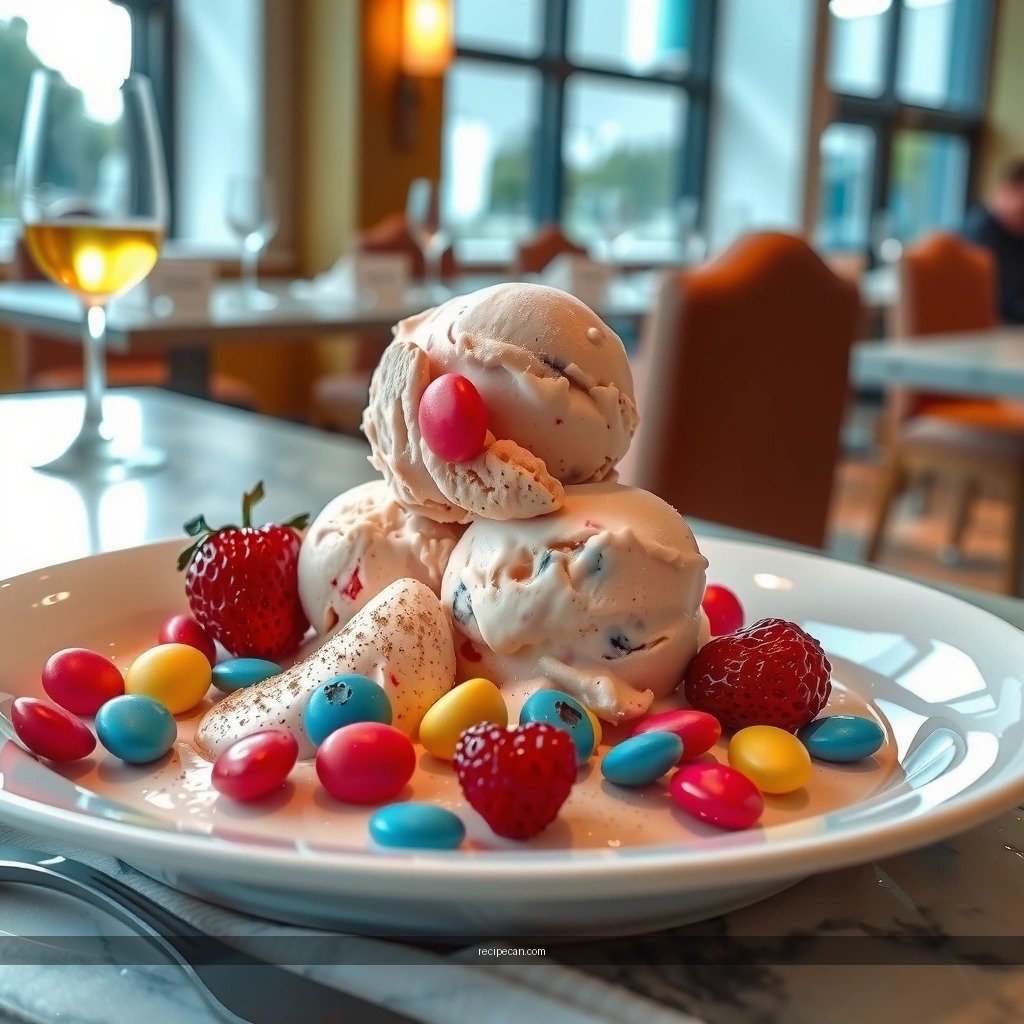
Once the cereal flavor is in the dairy, the base needs to become smooth, stable, and ready for churning.
1) Stir in vanilla after infusion begins
– Stir in vanilla while the base is still warm.
– Vanilla helps “lock in” perception of fruitiness—because it adds aromatic depth, not just sweetness.
2) Strain for a clean custard-like texture
For a smoother mouthfeel, strain the mixture to remove cereal solids. This prevents the base from becoming overly thick or pasty.
– Use a fine mesh strainer.
– Press gently with a spoon to extract liquid without forcing too much sediment through.
3) Chill completely
– Refrigerate until thoroughly cold, ideally 4–12 hours.
– Cold base temperature helps your ice cream maker churn efficiently, producing smaller ice crystals (which equals smoother texture).
4) Understand the balance you’re engineering
You’re building a two-texture system:
– Steeped cereal → contributes flavor (and slight color), but you remove most solids via straining.
– Folded cereal after churning → contributes crunch and visible bites, staying crisp longer because it hasn’t been exposed to full freezing-churn cycles.
That division is the difference between “tastes like cereal” and “tastes like cereal with crunch.”
Churn to Get the Creamy Texture
Now you convert the flavored base into scoopable ice cream—this is where aeration and controlled freezing matter.
1) Churn according to your machine
– Pour the chilled base into your ice cream maker.
– Follow the manufacturer’s timeline and settings.
Most machines vary; what’s consistent is the endpoint: soft-serve stage. That’s the moment when the texture is creamy but still loose enough to fold in crunch without melting it away.
2) Watch the viscosity, not the clock
– If your base thickens quickly, you may be close to ready before the timer ends.
– Your target is a texture that looks like soft serve—spreadable, not liquid.
3) Avoid over-churning
Over-churning can make ice cream denser and sometimes reduces the ability of later mix-ins to distribute evenly. It can also push the mix closer to a “set” texture before you fold in cereal.
4) Fold carefully when you add cereal
When the churn ends, transfer the ice cream to a mixing bowl and work efficiently. You’re aiming for even distribution without compressing or crushing the cereal pieces.
Churn Endpoint Targets for Scoopable Fruity Pebbles Ice Cream
| Stage | Visual/Texture Check | Action |
|---|---|---|
| Early | Mixture is still fluid with light thickening at the sides | Continue churning |
| Mid | Creamy ribbon forms; spoon leaves soft trails | Check every 2–3 minutes |
| Soft-Serve Target | Holds peaks briefly; texture is thick but not fully frozen | Stop churning and fold mix-ins |
| Late | Texture becomes grainy or too dense; mix looks “set” | Avoid—next batch churn less |
Add Crunch at the Right Time
This step is what makes your ice cream feel unmistakably “Fruity Pebbles.”
1) Fold in extra cereal after churning
– Reserve some cereal (preferably larger pieces).
– Fold it into the churned base gently.
– The cereal stays crisp longer because it isn’t strained or overcooked during steeping and isn’t subjected to extended churn freezing.
2) Use the right amount
– If you add too much cereal, the ice cream can feel heavy and freeze with an overly crunchy, uneven bite.
– If you add too little, the ice cream may taste smooth but lack that signature colorful crunch.
A practical range is “enough to see bites in every spoonful.” Visually, you want cereal pieces distributed—not clustered.
3) Freeze to set the texture
Transfer the ice cream into a container, smooth the top, and freeze until firm—usually several hours.
4) Manage how fast crunch changes
Crunch will gradually soften as time passes in the freezer (moisture and temperature cycles affect cereal texture). For the best experience, plan to eat within a short window for peak “snap.”
Storage and Serving Tips
Even the best Fruity Pebbles ice cream recipe can lose quality if stored incorrectly.
Storage
– Store in an airtight container to reduce ice crystal formation and protect the cereal crunch.
– Keep freezer temperature stable (avoid frequent door openings when possible).
Serving
– Let the ice cream sit at room temperature for 5–10 minutes before scooping.
– This short soften time improves scoopability and helps the cereal’s flavor come through more vividly.
Quality timeline (what to expect)
– Best crunch is typically earlier in the storage window.
– Flavor continues to meld over time, so it may taste slightly more cohesive after a day, but crunch usually declines gradually.
Customization ideas that won’t break the texture
– Add a small pinch of salt during the steeping phase for a brighter fruit profile.
– Increase cereal amount in the fold-in stage to boost crunch, but keep it balanced so the base remains easy to scoop.
Decision Guide: How to Adjust Your Fruity Pebbles Ice Cream
| # | Goal | What to Change | Expected Result |
|---|---|---|---|
| 1 | Stronger cereal flavor | Steep 5–10 minutes longer | More “Fruity Pebbles” taste |
| 2 | Smoother mouthfeel | Strain through fine mesh | Less graininess |
| 3 | More crunch | Fold in an extra 1/4 cup cereal | More visible bites |
| 4 | Prevent cereal sogginess | Avoid adding cereal before chilling/steeping | Preserves crispness |
| 5 | Better scooping | Soften 5–10 minutes before serving | Creamier scoop |
| 6 | Avoid icy texture | Chill base fully before churning | Finer ice crystals |
| 7 | Balance sweetness | Add a pinch of salt during steeping | Fruit tastes brighter |
Enjoy your homemade Fruity Pebbles ice cream by infusing the base with crushed cereal, churning until creamy, and folding in extra cereal for that signature crunch. If you have an ice cream maker, make this your next frozen-project—and feel free to customize the amount of cereal folded in to control how colorful and crisp your scoops turn out.
In conclusion, this Fruity Pebbles ice cream recipe succeeds because it uses cereal strategically: steeping creates a strong fruity flavor in the base, while adding extra cereal after churning protects crunch and gives you consistent colorful bites. Follow the gentle heating, strain-and-chill workflow, churn to soft-serve texture, and freeze properly for a dessert that’s both creamy and satisfyingly crunchy.
Frequently Asked Questions
What ingredients do I need for a fruity pebbles ice cream recipe?
You’ll typically need heavy cream, whole milk, sugar, egg yolks (optional for custard-style richness), vanilla extract, and crushed Fruity Pebbles cereal. For best flavor and texture, crush the cereal coarsely so it doesn’t fully dissolve and you still get bits in every bite. If you want a more vibrant “Fruity Pebbles” taste, consider adding a small amount of sweetened condensed milk or a pinch of salt to balance sweetness.
How do I make fruity pebbles ice cream without an ice cream maker?
Start by heating milk, cream, and sugar until the sugar dissolves, then stir in vanilla and let the base cool completely. Whisk in crushed Fruity Pebbles, pour into a shallow container, and freeze, stirring every 30–45 minutes for the first 2–3 hours to prevent large ice crystals. Once it thickens, let it firm up for several hours, then scoop and serve.
Why do my fruity pebbles ice cream batches taste icy or lack flavor?
Icy texture usually comes from not chilling the base long enough or skipping regular stirring during freezing, which affects the size of ice crystals. Weak flavor often happens if the cereal isn’t steeped or mixed thoughtfully—try crushing and folding it in after the base is chilled, or steeping cereal in warm dairy briefly and straining if you want a stronger aroma. Using the right fat ratio (heavy cream plus milk) also helps the fruity pebbles ice cream recipe feel creamy instead of flat.
What’s the best way to prevent the cereal from getting soggy in ice cream?
Add Fruity Pebbles near the end—after the ice cream base is fully chilled—so the cereal has less time to absorb liquid before freezing. Use crushed cereal, but not too fine; coarse crumbs hold texture better than powder. You can also reserve a portion of cereal to fold in during the final churn or after the base partially freezes, depending on your method.
Which method works best—custard-style or no-churn for a fruity pebbles ice cream recipe?
A custard-style fruity pebbles ice cream (using egg yolks) tends to be smoother and more “ice-cream shop” like, because the eggs help thicken and create a stable texture. No-churn versions are faster and easier, but they require careful freezing and stirring to avoid iciness. If you want the creamiest results, choose the custard-style approach; if you want convenience, go no-churn and keep the cereal addition timing in mind.
References
- Ice cream
https://en.wikipedia.org/wiki/Ice_cream - Custard
https://en.wikipedia.org/wiki/Custard - https://nchfp.uga.edu/how/freeze/ice_cream.html
https://nchfp.uga.edu/how/freeze/ice_cream.html - https://www.fda.gov/food/foodborne-pathogens
https://www.fda.gov/food/foodborne-pathogens - https://pubmed.ncbi.nlm.nih.gov/?term=ice+cream+stabilizers+review
https://pubmed.ncbi.nlm.nih.gov/?term=ice+cream+stabilizers+review - https://pubmed.ncbi.nlm.nih.gov/?term=ice+cream+freezing+mechanism+structure
https://pubmed.ncbi.nlm.nih.gov/?term=ice+cream+freezing+mechanism+structure - Google Scholar Google Scholar
https://scholar.google.com/scholar?q=fruity+pebbles+ice+cream+recipe - Google Scholar Google Scholar
https://scholar.google.com/scholar?q=cereal+milk+ice+cream+recipe - Google Scholar Google Scholar
https://scholar.google.com/scholar?q=ice+cream+science+and+formulation+stabilizer+overrun - https://www.sciencedirect.com/topics/food-science/ice-cream
https://www.sciencedirect.com/topics/food-science/ice-cream