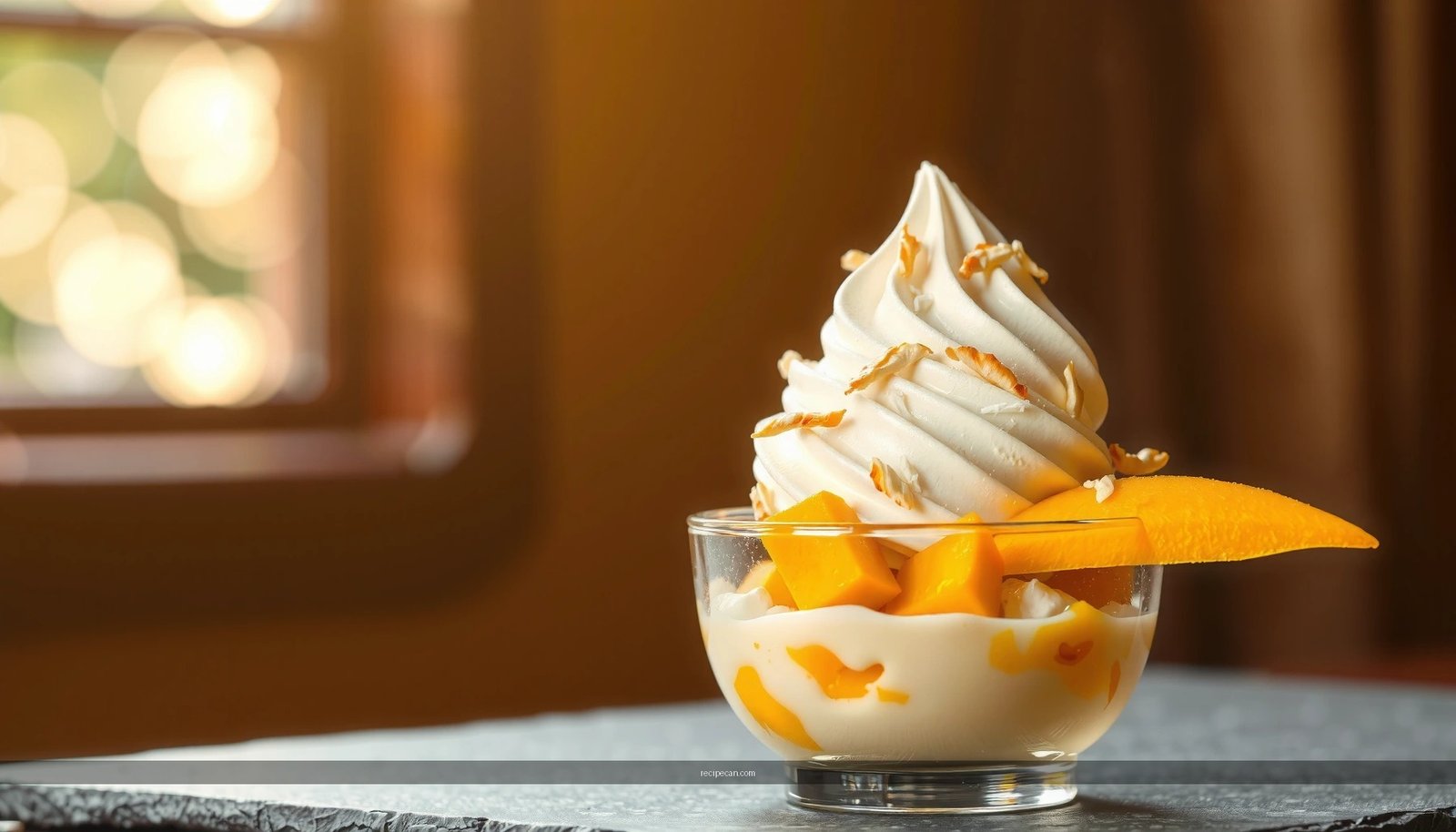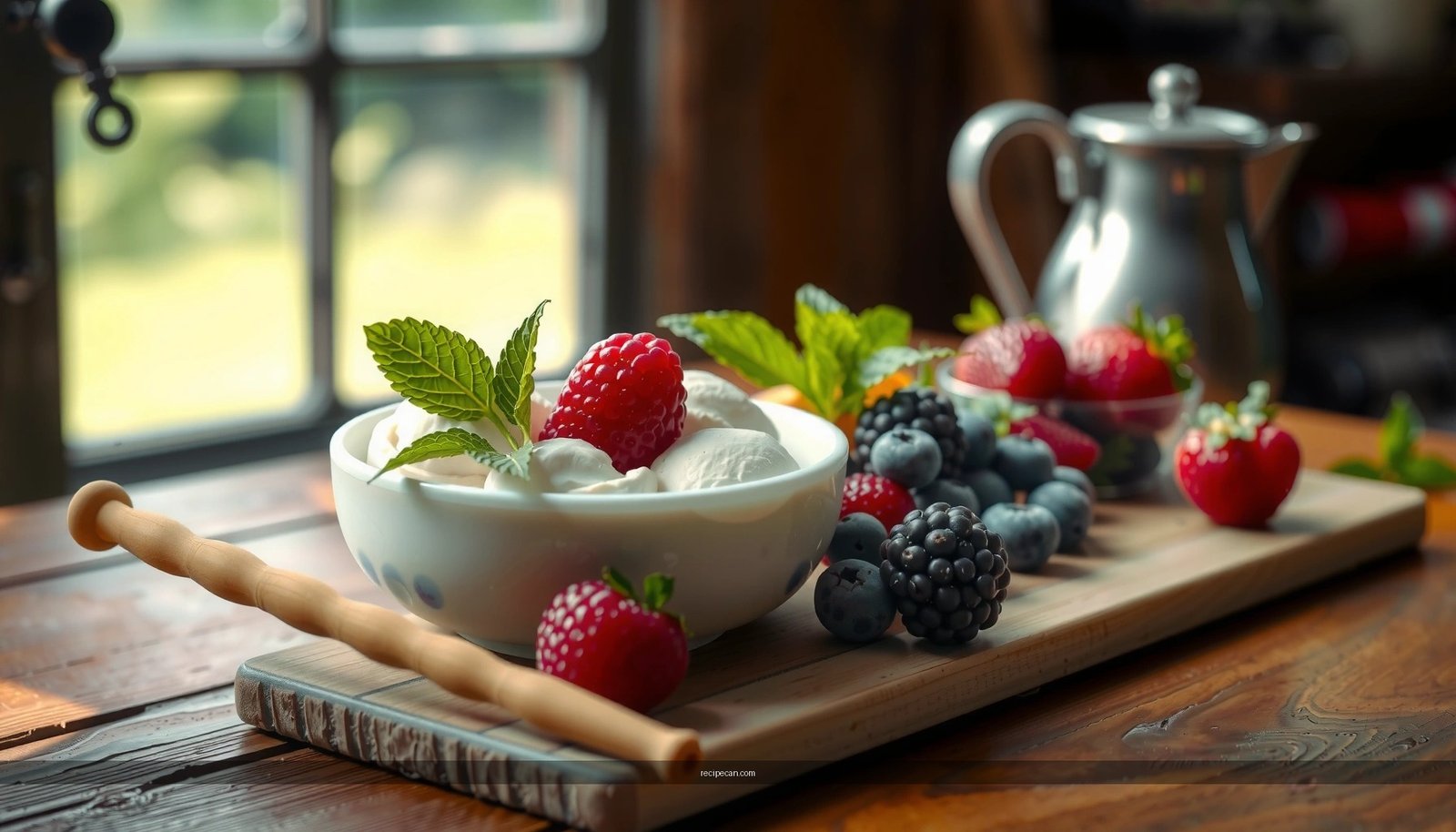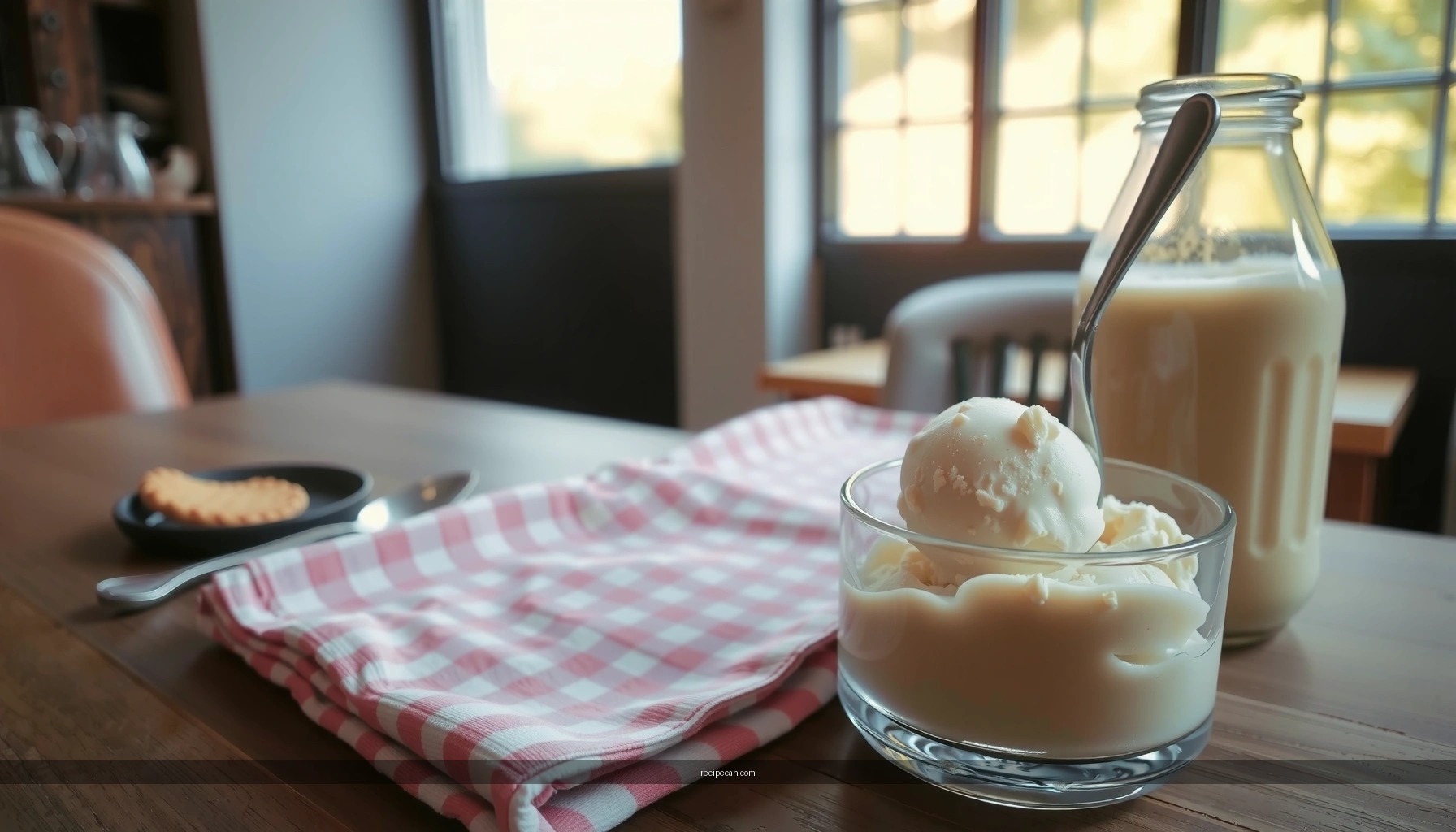
Craving a malted milk ice cream recipe you can make at home and actually nail? This creamy, classic homemade version delivers that distinctive malted flavor with a smooth, scoopable texture—no shortcuts needed. Follow this step-by-step method and you’ll know exactly what to do for the thick churn, the perfect sweetness, and the signature malt finish.
Make malted milk ice cream at home by building a custard base with whole milk, cream, sugar, egg yolks, and malted milk powder—then churn and freeze until scoopable. The key to the signature sweet-malty flavor is dissolving the malt thoroughly in a properly cooked custard and chilling the base completely before churning.
Gather Ingredients and Malted Flavor
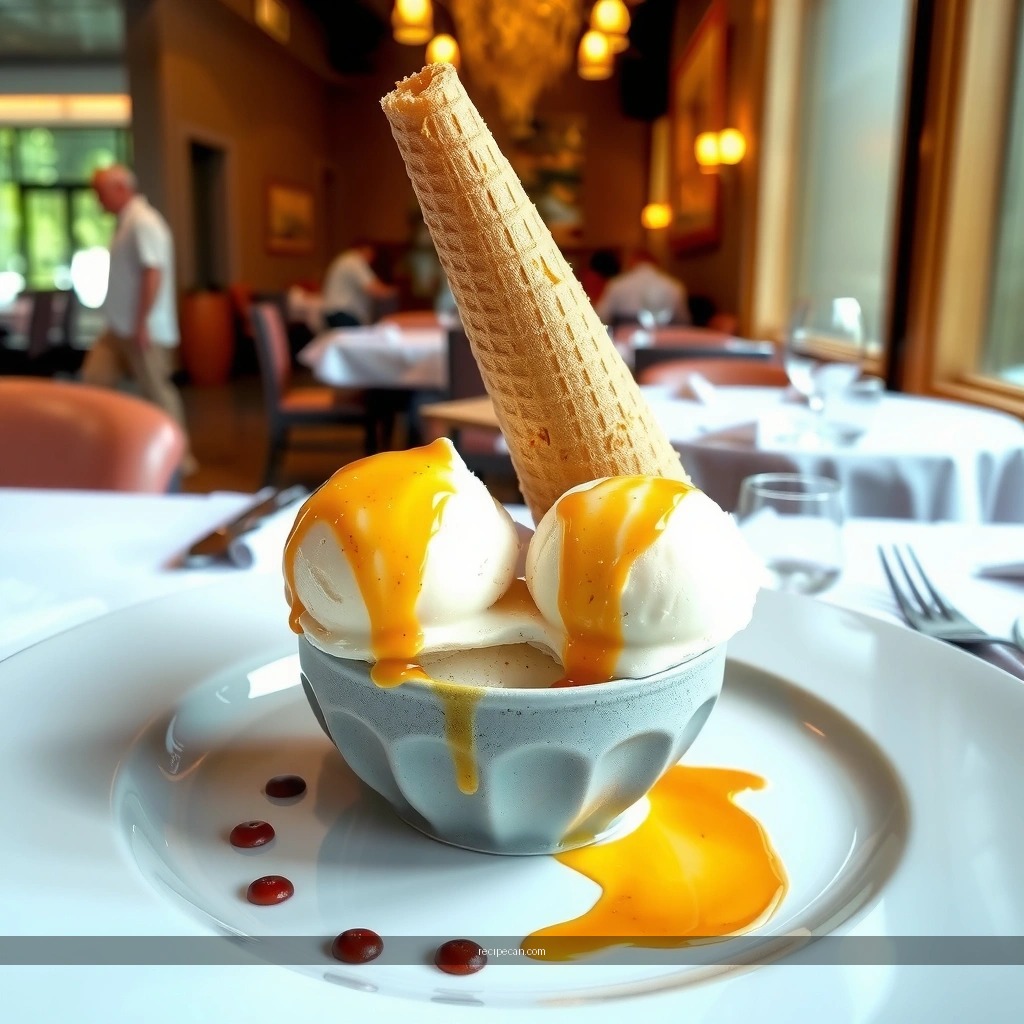
To get a “classic” malted milk ice cream taste, your ingredient choices matter as much as your technique. Malted milk powder (often labeled malted milk) is the flavor engine; everything else is there to support its caramel-like sweetness, cocoa depth, and toasted grain notes.
– Use malted milk powder for the classic taste
Look for a malted milk powder with a straightforward ingredient list (malt, wheat, milk solids, and sometimes vanilla or cocoa). Typical use for a small-batch custard is 1/2 cup (about 50–60 g), but you can adjust based on how strong you want the flavor.
– Choose whole milk and heavy cream for a rich, creamy texture
Whole milk provides flavor and body, while heavy cream supplies fat for a smooth scoopable texture. Higher fat content helps reduce iciness and improves mouthfeel.
– Add sugar and vanilla to balance the malt
Sugar doesn’t just sweeten; it also improves freezing characteristics and helps keep the ice cream from becoming rock hard. Vanilla rounds out malt’s toasted notes and makes the flavor feel more “baked” and dessert-like.
Recommended ingredient set (about 1 quart / 1 liter):
– 2 cups (480 ml) whole milk
– 1 cup (240 ml) heavy cream
– 3/4 cup (150 g) granulated sugar (adjust slightly for preference)
– 1/2 cup (50–60 g) malted milk powder
– 5 large egg yolks
– 1–2 tsp vanilla extract (or 1 tsp vanilla paste)
– Pinch of fine salt
Make the Custard Base
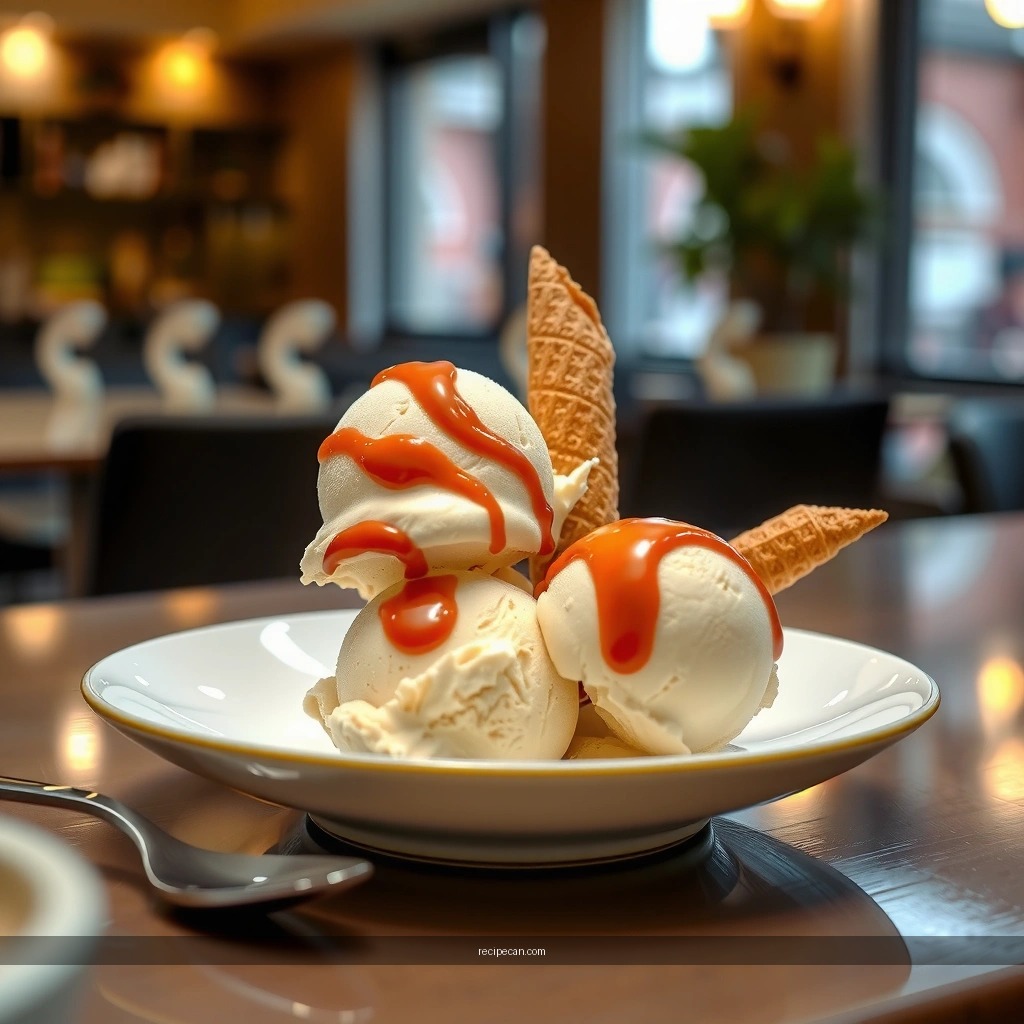
A classic malted milk ice cream relies on a cooked custard base, because gentle heat thickens egg yolks and helps create a stable, creamy texture. This is also where you prevent grainy malt flavors: you want the malted milk powder to dissolve fully.
– Heat milk, cream, and sugar until steaming but not boiling
Start by warming milk, cream, and sugar. When the mixture steams and looks glossy around the edges, it’s ready. Avoid boiling—rapid heat can scramble egg yolks later.
– Whisk egg yolks separately, then temper and cook until thickened
Whisk yolks until smooth (no streaks). Temper by slowly drizzling a small amount of the hot dairy into the yolks while whisking constantly. Return everything to the pot and cook over medium-low, stirring continuously with a spoon or silicone spatula. You’re aiming for a custard consistency that coats the back of a spoon.
– Stir in malted milk powder until fully dissolved
Once the custard is thickened, remove from heat and whisk in malted milk powder and vanilla. Stir until completely smooth—this matters for both flavor distribution and texture. If you notice any undissolved specks, keep whisking until they disappear.
Custard doneness guide (practical and reliable):
– Temperature: 170–175°F (77–79°C) for a thickened custard
– Visual: it should coat the spoon; if you run a finger through the custard on the back of the spoon, the line should hold briefly
Ingredient Strength Snapshot (How Malt Powder Changes Profile)
To help you choose the right malt intensity for your palate, here’s a practical comparison of malted milk powder levels commonly used in custard-style homemade ice creams.
Malted Milk Powder Levels for Classic Custard-Style Ice Cream (Per ~1 Quart)
| # | Malted Milk Powder (g) | Flavor Intensity | Typical Notes | Overall Score |
|---|---|---|---|---|
| 1 | 45 g (about 1/2 cup minus) | Mild | Creamy, lightly toasted | ★★★★☆ |
| 2 | 50 g (baseline classic) | Balanced | Sweet-malty, cookie-like depth | ★★★★★ |
| 3 | 55 g | Pronounced | Toasted malt finish, richer aroma | ★★★★★ |
| 4 | 60 g | Bold | Strong malt, slightly more sweetness | ★★★★☆ |
| 5 | 65 g | Very strong | Deep malt, can feel heavy to some | ★★★☆☆ |
| 6 | 35 g (light) | Subtle | Milk-forward, less malt identity | ★★★☆☆ |
| 7 | 70 g | Over-malted | Can taste grainy if not dissolved fully | ★★☆☆☆ |
Chill for Maximum Creaminess
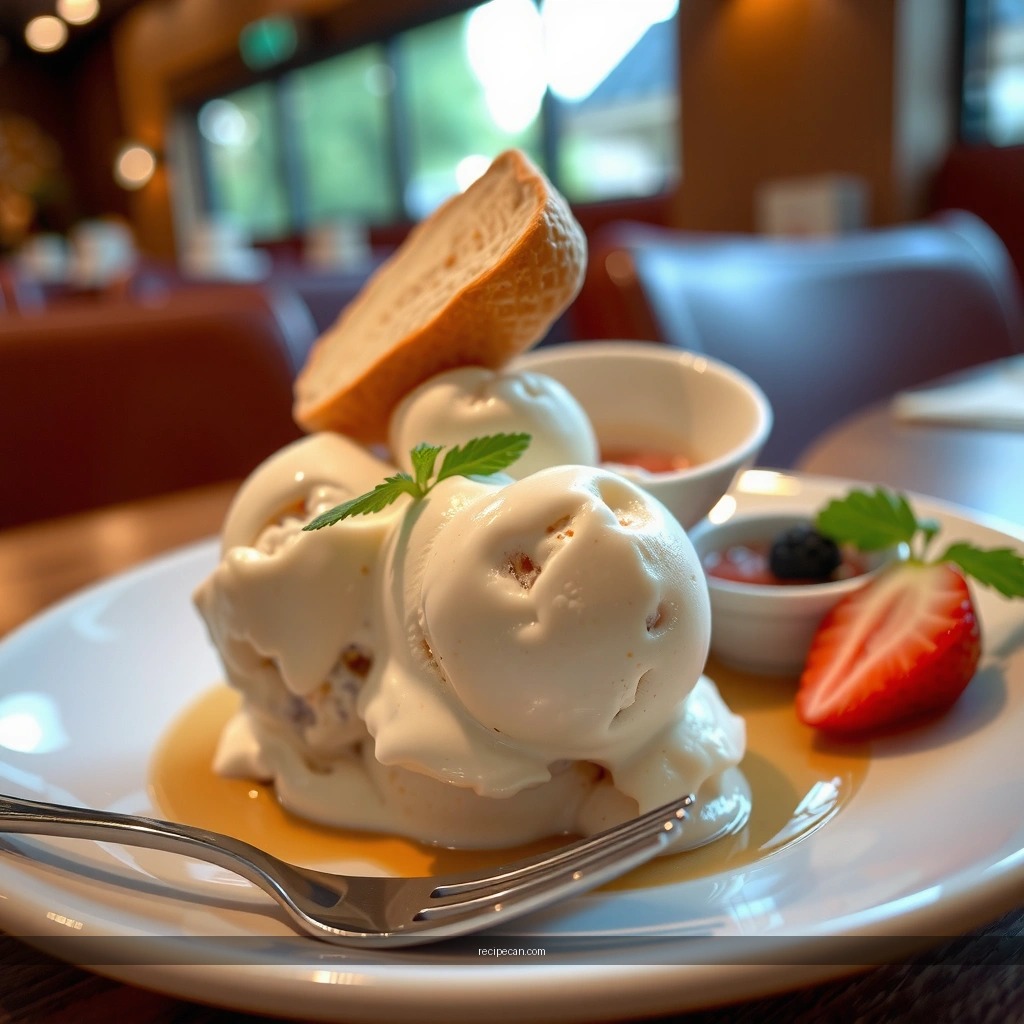
Even the best custard will churn poorly if it isn’t chilled. This step determines how efficiently your ice cream maker can freeze the base and how small the ice crystals will be.
– Refrigerate the base until completely cold
Chill until the custard is 40°F / 4°C or lower. Ideally, refrigerate at least 4 hours, and overnight is even better for consistency.
– Cover to prevent a skin from forming
Place plastic wrap directly on the surface (or use a lid). A skin won’t ruin flavor, but it can create lumps that affect texture.
– Chilling improves churn performance and final texture
Cold base freezes faster and forms a smoother emulsion. That’s the difference between “soft, scoopable classic” and “icy and dry.”
Professional tip: If you have time, strain the custard before chilling to remove any accidental egg curdling. This small step improves uniformity and helps the malted flavor taste cleaner.
Churn and Freeze to Set
Once your base is cold, the rest is process control: churn enough to thicken, then freeze to stabilize structure for scooping.
– Churn according to your ice cream maker’s timing
Follow your machine’s guidance. Many churners take 20–30 minutes, but the target is thickness—your ice cream should look like soft-serve when it’s ready.
– Freeze until firm, usually 2–4 hours
Transfer to a freezer-safe container and let it set until firm. For best results, freeze overnight before serving if you have the time.
– For smoother scoops, pack into a container and press plastic wrap directly on the surface
This minimizes air exposure and reduces freezer burn, which can create off-flavors and icy edges.
Quality checks during freezing:
– If the ice cream is too soft after 2 hours, it likely needs more time or the base was not cold enough before churning.
– If it’s hard and chalky, you may have churned too briefly or your freezer temperature runs colder than typical.
Optional Mix-Ins and Serving Tips
Malted milk ice cream is delicious on its own, but the flavor profile pairs naturally with chocolate and crunchy malt-forward textures. The goal is to complement the custard, not overwhelm it.
– Consider crushed malted cookies or chocolate chunks
Crushed malted cookies intensify the “nostalgia” factor, while chocolate chunks add contrast that makes malt taste even sweeter.
– Serve slightly softened for the best scoop and flavor
Let it sit at room temperature 3–8 minutes before scooping. This improves aromatics and smoothness.
– Store airtight to prevent freezer burn and icy edges
Press plastic wrap directly on the surface (or use an airtight lid). Keep it toward the back of the freezer where temperatures fluctuate less.
When to add mix-ins:
Add most mix-ins during the final minutes of churning so they distribute evenly without sinking or becoming overly hard.
Troubleshooting Common Issues
Homemade custard ice cream is forgiving, but predictable outcomes depend on a few critical variables: custard thickness, base temperature, churn time, and freezing.
– If it’s too soft: churn longer or freeze longer
Soft ice cream usually means not enough time in the machine or insufficient firming in the freezer. Also verify your freezer is at a true ice-cream temperature (commonly 0°F / -18°C).
– If it tastes weak: add a bit more malted milk powder to taste
Malt intensity can vary by brand. Next batch, increase malted milk powder by 1–2 tablespoons (about 5–10 g), and dissolve it fully into the hot custard.
– If it’s icy: ensure the base is fully chilled before churning
If the base is warm, the churner forms larger ice crystals, leading to a rougher texture. Next time, chill longer—overnight is ideal.
Additional diagnostic note:
If you taste “eggy” flavors, the custard may have been cooked too hot. Aim for thickened custard without boiling; strain if needed for a smoother finish.
Homemade malted milk ice cream is all about a well-cooked custard base, thorough chilling, and proper freezing. Follow these steps, then customize with mix-ins if you like—make your next batch this weekend and enjoy a true classic from your own freezer.
Frequently Asked Questions
What is the best malted milk ice cream recipe for a creamy texture?
A great malted milk ice cream recipe typically uses a custard base (milk, cream, egg yolks, sugar) so the ice cream turns out dense and scoopable. Use malted milk powder in the custard and let it fully dissolve, then chill the base thoroughly before churning. Adding a small amount of cornstarch or reducing the base slightly can help prevent iciness and improve creaminess.
How do you make malted milk ice cream without egg yolks?
You can make a no-egg malted milk ice cream by using a Philadelphia-style method: heat milk and sugar just enough to dissolve the malted milk powder, then combine with heavy cream. For stability, consider adding a spoonful of cornstarch slurry (cornstarch mixed with cold milk) while heating. After chilling the base well, churn until thick and freeze to set for the best scoop.
Why does my malted milk ice cream taste grainy, and how can I fix it?
Graininess usually comes from malted milk powder that didn’t fully dissolve or from churning a base that wasn’t strained and properly chilled. Make sure the malted milk powder dissolves completely during heating, and consider straining the custard for a smoother malt flavor. Also chill the base until it’s very cold (ideally several hours or overnight) before churning.
Which malted milk powder brand or type works best in ice cream?
Most malted milk ice cream recipes work well with classic malted milk powder (the sweet, cocoa- and malt-forward kind), because it dissolves easily and delivers a rich malt flavor. Choose a finely milled powder for smoother results and stronger taste, and avoid malt powders that are labeled as instant beverage mixes with different texture or additives if you can. If you’re adjusting sweetness, taste the base and tweak sugar accordingly since brands vary in intensity.
How long should you churn and freeze malted milk ice cream for the best results?
In most home churners, malted milk ice cream takes about 20–30 minutes, but stop when it reaches a thick, soft-serve consistency. Freeze the churned ice cream in an airtight container for at least 4 hours to firm up and develop a smoother mouthfeel. For best texture, let it sit at room temperature for 3–5 minutes before serving so the malt flavor and creaminess stand out.
References
- https://scholar.google.com/scholar?q=malted+milk+ice+cream+recipe Google Scholar
https://scholar.google.com/scholar?q=malted+milk+ice+cream+recipe - Google Scholar Google Scholar
https://scholar.google.com/scholar?q=malted+milk+powder+ice+cream+formulation - Google Scholar Google Scholar
https://scholar.google.com/scholar?q=ice+cream+manufacture+overrun+homogenization+review - Malted milk
https://en.wikipedia.org/wiki/Malted_milk - Ice cream
https://en.wikipedia.org/wiki/Ice_cream - https://www.britannica.com/topic/malted-milk
https://www.britannica.com/topic/malted-milk - eCFR :: 21 CFR Part 135 — Frozen Desserts
https://www.ecfr.gov/current/title-21/chapter-I/subchapter-B/part-135 - https://pubmed.ncbi.nlm.nih.gov/?term=malted+milk+ice+cream
https://pubmed.ncbi.nlm.nih.gov/?term=malted+milk+ice+cream - https://pubmed.ncbi.nlm.nih.gov/?term=ice+cream+manufacture+review
https://pubmed.ncbi.nlm.nih.gov/?term=ice+cream+manufacture+review - PMC Home
https://pmc.ncbi.nlm.nih.gov/?term=ice+cream