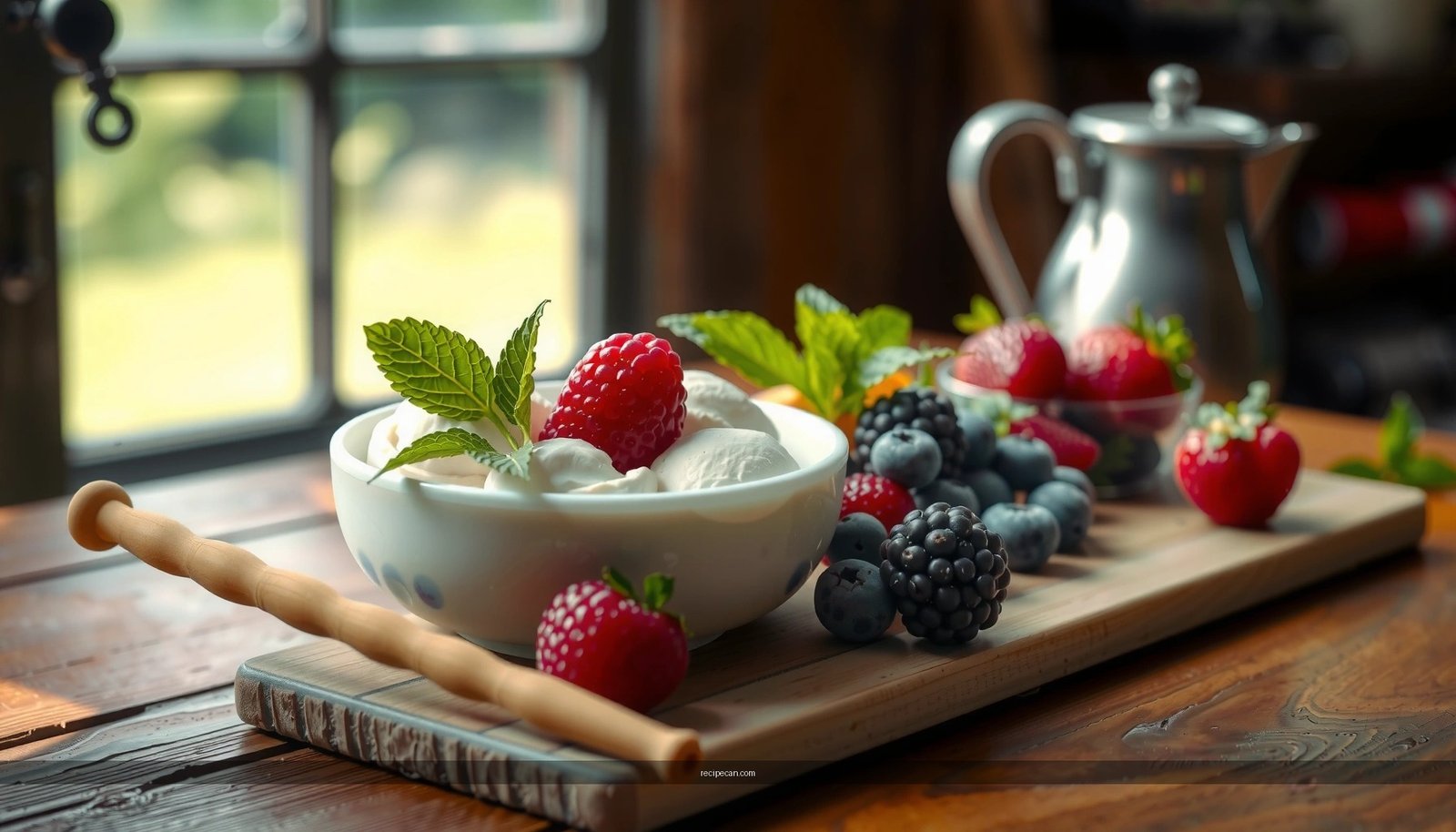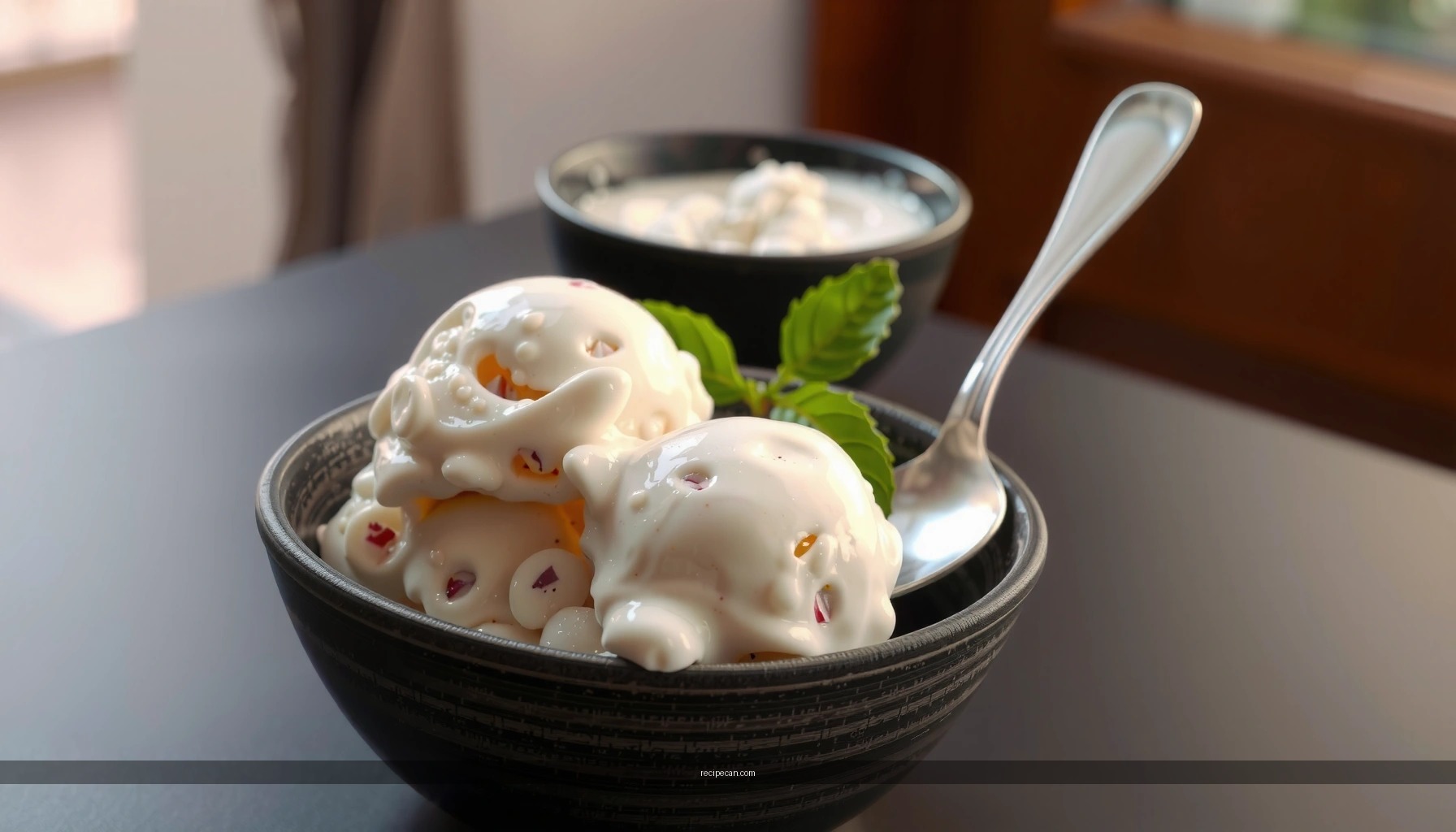
Get a creamy, fruity litchi ice cream recipe that actually delivers the right texture—no complicated machine tricks required. This step-by-step method answers how to turn fresh or canned litchis into a smooth, scoopable frozen dessert with balanced sweetness. If you want the easiest way to nail classic litchi flavor at home, this is the one.
Make litchi ice cream by blending litchi into a smooth purée, combining it with cream, milk, and sugar, then churning and freezing until scoopable. This step-by-step method delivers a silky, fruity texture—without curdling, graininess, or overly icy results—even if you’re using canned litchi.
Ingredients for Litchi Ice Cream
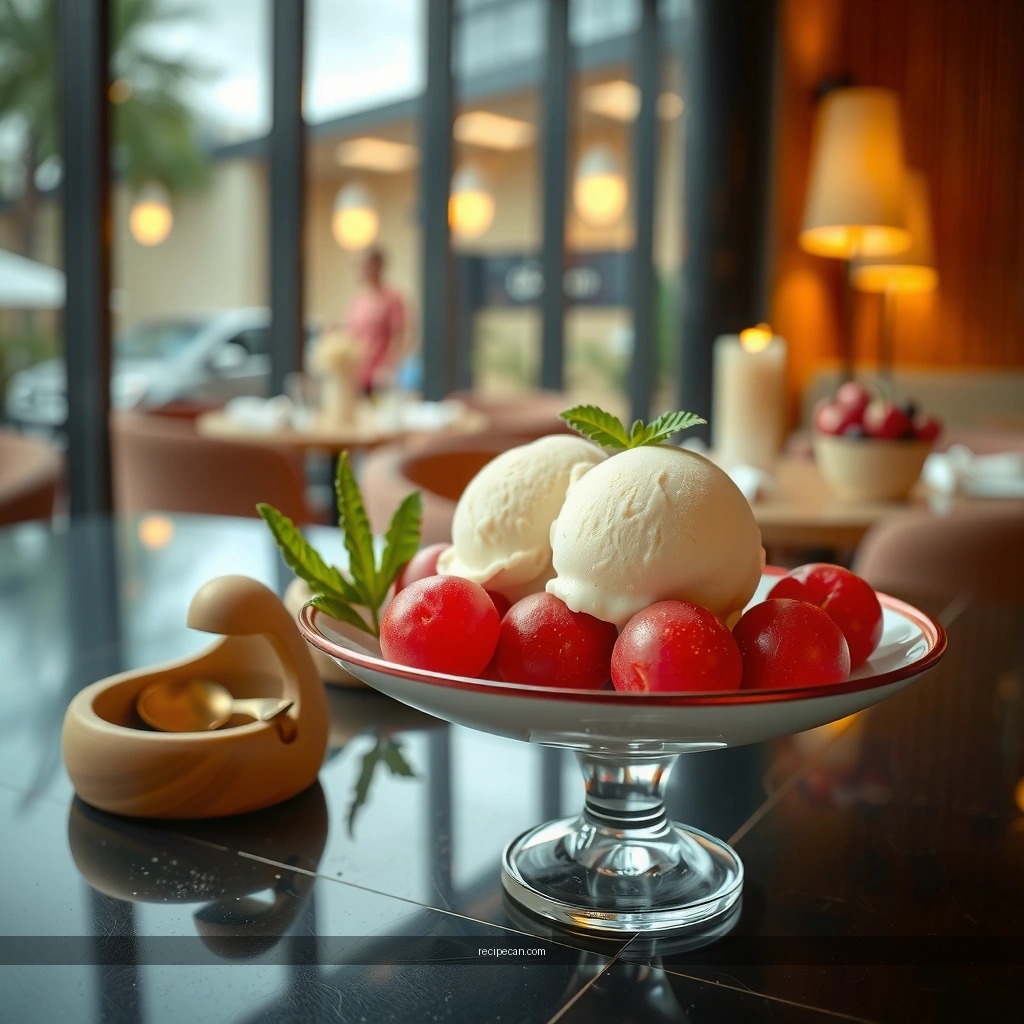
– Fresh or canned litchi (plus optional syrup for extra sweetness)
– Cream, milk, sugar (or condensed milk), and a pinch of salt
To keep the flavor bright and the texture creamy, you’re balancing three functions: fruit sweetness, dairy body, and stabilization through fat and sugar. Litchi is naturally aromatic but not always uniform in sweetness—fresh fruit can range from floral to tart depending on variety and ripeness, while canned litchi syrup can be sweeter and more concentrated.
A practical ingredient approach:
– Litchi (fresh or canned): Fresh gives peak perfume; canned is convenient and consistent. If using canned, you can often replace some added sugar with the syrup.
– Heavy cream (or thick whipping cream): Provides fat for smooth mouthfeel and helps slow ice crystal formation.
– Milk: Lightens the base and supports a softer, more scoopable texture.
– Sugar: Lowers the freezing point so the ice cream stays tender.
– Pinch of salt: Intensifies fruit flavor and prevents the dairy from tasting flat.
– Optional condensed milk: Adds sweetness plus extra dairy solids, which improves body and scoopability.
Typical Sweetness Levels of Litchi Preparations (Practical Kitchen Range)
| # | Litchi Option | Typical Added Sweetness Needed | Flavor Profile | Recommendation |
|---|---|---|---|---|
| 1 | Fresh litchi (ripe) | Low (about 15–25% of your total sugar) | Bright, floral, lightly tart | Best for a “natural” taste |
| 2 | Fresh litchi (less ripe) | Medium (about 25–35% more sugar) | More tart, less rounded sweetness | Add sugar gradually to avoid over-sweetening |
| 3 | Canned litchi (in water) | Medium (use full sugar amount) | Concentrated fruit, mild sweetness | Reliable for consistent batches |
| 4 | Canned litchi (in syrup) | Low (reduce added sugar by ~25–40%) | Dessert-like sweetness, softer acidity | Use syrup to boost aroma and sweetness |
| 5 | Litchi purée (store-bought) | Variable (check label; often needs 10–20% less sugar) | Consistent, sometimes less “fresh” aroma | Great for time-saving |
| 6 | Frozen litchi (thawed) | Medium (use sugar per taste) | Fruit-forward, slightly more muted | Best off-season option |
| 7 | Litchi + extra syrup (optional boost) | Low (cap at 1–2 tbsp syrup per batch) | More candy-like, richer aroma | Use sparingly to avoid heaviness |
Preparing Litchi Purée

– Blend litchi until smooth, then strain if you want zero bits
– Taste and adjust sweetness before mixing with dairy
Start by removing the seeds (fresh) or draining well (canned). Then blend until the mixture becomes fully smooth. Straining is optional, but it’s the simplest way to guarantee a premium texture—especially if you prefer a “restaurant-smooth” scoop.
Key technique considerations:
1. Blend thoroughly: Litchi flesh can have small fiber-like bits. If you leave them, they may create a gritty mouthfeel once frozen.
2. Strain strategically:
– If you’re using an ice cream maker and want a silkier finish, strain for best results.
– If you like visible fruit specks, skip straining and simply blend longer.
3. Taste before dairy: Litchi sweetness changes your required sugar. Adjust sweetness at the purée stage so you don’t have to guess later.
4. Control acidity: Litchi is mildly acidic. Too much added sweetener without tasting can make the ice cream taste “flat” instead of “fresh.”
A reliable workflow is to blend purée, strain (optional), then add sugar gradually while tasting—aiming for a flavor that tastes slightly sweeter than you’d normally want, since freezing dulls sweetness perception.
Mixing and Chilling the Base

– Combine purée with cream, milk, and sugar until fully smooth
– Chill the mixture for 2–4 hours for a better churn and texture
Once your purée is smooth and sweetened to taste, combine it with dairy:
– Mix cream + milk first so the liquids emulsify evenly.
– Add sugar and stir until dissolved.
– Fold in the purée and whisk until the base looks uniform.
Why chilling matters (and why 2–4 hours is not arbitrary):
– Fat needs time to re-solidify slightly for better churn stability.
– Flavor develops as sugar dissolves fully and fruit aroma distributes.
– Cold base reduces the time the ice cream machine spends working—leading to finer texture.
Analytical guidance:
– If your base is too warm, you risk longer churn time and larger ice crystals.
– If your base is too cold (e.g., overnight straight from the fridge without mixing), you may churn longer than necessary. The goal is consistently cold, not frozen.
If you want extra richness, condensed milk can replace part of the sugar and some dairy. Condensed milk increases dairy solids, which often improves body and reduces icy texture—useful for serving straight from a freezer.
Churning the Ice Cream
– Churn according to your ice cream maker’s instructions
– Stop when thickened to soft-serve consistency
Churning is where you build the structure: air incorporation + small ice crystals = smooth scooping. Follow your ice cream maker’s instructions closely, but use the texture as your stop signal.
What “correct” looks like:
– The mixture should resemble soft-serve—thick, aerated, and hold gentle peaks.
– The color should look slightly lighter than your base, with a thicker, creamy body.
– If it’s still very fluid, churn a bit more; if it’s very stiff, you may have over-churned (depending on your machine).
Operational tips:
– Ensure your bowl is fully frozen per manufacturer guidance (especially for compressor-less models).
– Keep the lid on during churning to maintain temperature stability.
– If you’re adding any flavor boosts (like lime zest), do so near the end so aromatics stay vivid.
The success formula here is consistency: churn at the correct temperature, stop at soft-serve thickness, and then let the freezer finalize the scoop-ready texture.
Freezing to Set the Texture
– Transfer to a container and freeze 4–6 hours
– Press parchment on top to reduce ice crystals
After churning, move quickly to prevent melting and refreezing cycles. Then set the texture properly:
1. Transfer to a freezer-safe container.
2. Press parchment directly onto the surface to limit direct air exposure.
3. Freeze 4–6 hours until firm and scoopable.
Why parchment helps:
– Ice crystals form more readily when the surface is exposed to air and temperature fluctuations.
– Covering the surface reduces dehydration and helps preserve a creamy top layer—especially noticeable if you serve later or store leftovers.
Best practice for portioning:
– For frequent scoops, consider freezing in a shallow layer (faster set, easier scooping).
– If you’re serving at an event, set a clear timeline: churn, freeze, then test scoop firmness before guests arrive.
Serving Tips and Variations
– Garnish with extra diced litchi or a drizzle of litchi syrup
– Try adding lime zest, vanilla, or a splash of condensed milk for richness
Serving is where your litchi ice cream becomes an experience. The fruit’s floral profile pairs well with bright citrus, warm vanilla notes, and caramel-like dairy sweetness.
High-impact serving ideas:
– Diced litchi + syrup drizzle: Adds freshness and glossy aroma contrast.
– Lime zest: Brightens the finish and makes the litchi flavor feel more “alive.” Add zest sparingly so it doesn’t overpower.
– Vanilla: Rounds the dairy and enhances perceived sweetness without making the base heavy.
– Condensed milk splash (optional swirl): For a richer dessert-style profile.
If you want a more “gourmet” dessert build:
– Serve with toasted coconut flakes for texture.
– Pair with a simple fruit salad (mango or pineapple works well) to maintain a tropical theme.
– Add a light cookie crumble if you want crunch—just keep it minimal so it doesn’t force the ice cream to become icy around the edges.
Below is a feature-focused guide to help you choose the right batch approach depending on your priorities:
Litchi Ice Cream Base Choices: What They Optimize
| # | Version | Texture Index | Fruit Aroma | Ease | Best For |
|---|---|---|---|---|---|
| 1 | Fresh litchi + strained purée | 9.5/10 | ★★★★★ | Moderate | Smooth, premium texture |
| 2 | Canned litchi in syrup + reduced sugar | 9.0/10 | ★★★★☆ | Easy | Fast, consistent batches |
| 3 | Canned litchi in water + full sugar | 8.6/10 | ★★★☆☆ | Very Easy | Reliable results for beginners |
| 4 | Condensed milk + cream (less sugar) | 9.2/10 | ★★★★☆ | Easy | Extra scoopability from freezer |
| 5 | Unstrained purée (fruit-speck style) | 8.2/10 | ★★★★★ | Very Easy | Textured, artisanal feel |
| 6 | Vanilla + lime zest (aroma-forward) | 8.9/10 | ★★★★★ | Moderate | Dessert menus & special servings |
| 7 | No sugar added to base (using only syrup) | 6.8/10 | ★★★☆☆ | Easy | Avoid if you want ideal scoopability |
Litchi ice cream is simple: make a smooth litchi purée, mix it with creamy dairy, churn until soft-serve thick, then freeze until set. If you follow the chilling and freezing steps—and taste the fruit purée to calibrate sweetness—you’ll consistently get a silky, scoopable texture with a vibrant, fruity finish.
Frequently Asked Questions
What are the best ingredients for a litchi ice cream recipe?
A classic litchi ice cream recipe starts with fresh or canned litchis (peeled and pureed), heavy cream, milk, sugar, and egg yolks (for a custard-style base). You can also add a pinch of salt, vanilla extract, and lemon juice to brighten the flavor of the litchi. If you want a smoother texture, strain the litchi puree to remove any fiber before mixing it into the ice cream base.
How do you make litchi ice cream without eggs at home?
To make an egg-free litchi ice cream, simmer milk, cream, sugar, and litchi puree just until the sugar dissolves, then cool completely before churning. For extra creaminess without eggs, you can add a small amount of cornstarch slurry (mixed with cold milk) and heat briefly to thicken. Churn in an ice cream maker, then freeze until firm; this method keeps your litchi ice cream texture smooth and scoopable.
Why does my litchi ice cream become icy, and how can I prevent it?
Icy ice cream is usually caused by not chilling the base long enough or not having enough stabilizing sugar and fat in the mix. Use fully chilled litchi ice cream base (ideally 4–6 hours in the fridge) before churning, and consider adding a little extra sugar or a spoon of glucose/honey for better freezing performance. Also, avoid over-freezing too quickly or repeatedly thawing and refreezing, which can worsen ice crystals.
Which method works best—churned or no-churn litchi ice cream?
Churned litchi ice cream typically gives the smoothest texture because the ice cream maker breaks up ice crystals during freezing. No-churn litchi ice cream can work well for convenience, but it may be icier unless you use condensed milk or sweetened condensed coconut milk to improve body. If you’re aiming for a “gelato-like” litchi ice cream recipe result, a churned method is usually the best choice.
Best way to store homemade litchi ice cream so it stays creamy?
Store your homemade litchi ice cream in an airtight container, pressing a piece of parchment or plastic wrap directly against the surface to reduce ice formation. Keep it in the coldest part of the freezer and avoid frequent temperature changes for the creamiest litchi flavor. For best quality, eat within 2–3 weeks; after that, freezer burn and texture changes may reduce the smoothness of your litchi ice cream recipe.
References
- Google Scholar Google Scholar
https://scholar.google.com/scholar?q=lychee+ice+cream+recipe - Google Scholar Google Scholar
https://scholar.google.com/scholar?q=lychee+sorbet+ice+cream+recipe - Google Scholar Google Scholar
https://scholar.google.com/scholar?q=fruit+ice+cream+lychee+freezing+technique - Lychee
https://en.wikipedia.org/wiki/Lychee - Ice cream
https://en.wikipedia.org/wiki/Ice_cream - Sorbet
https://en.wikipedia.org/wiki/Sorbet - Gelato
https://en.wikipedia.org/wiki/Gelato - Custard
https://en.wikipedia.org/wiki/Custard - https://www.britannica.com/plant/lychee
https://www.britannica.com/plant/lychee - Ice cream | Definition, History, & Production | Britannica
https://www.britannica.com/topic/ice-cream