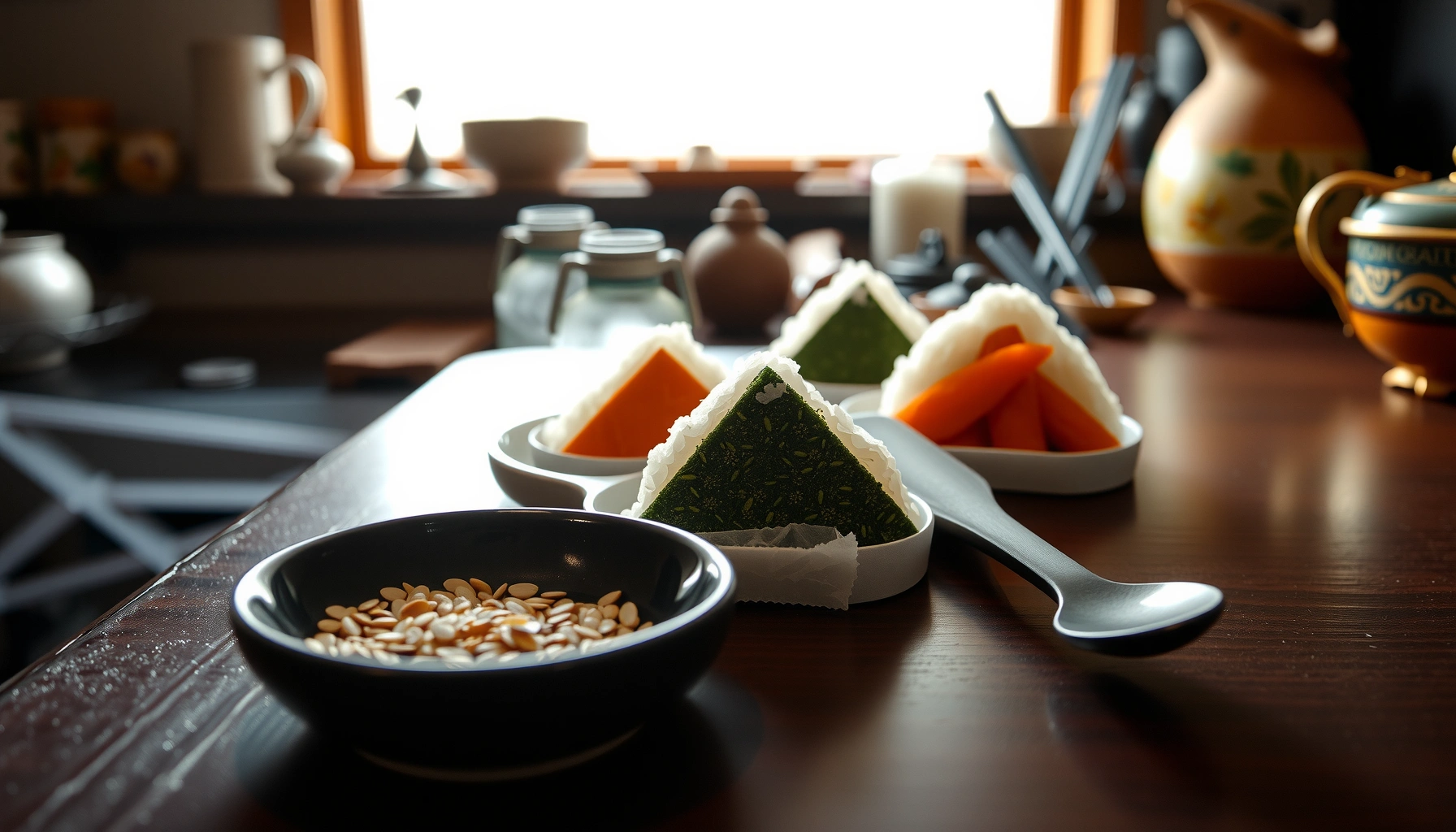
This Japanese rice balls recipe shows you exactly how to make onigiri at home with fluffy, hold-together rice and the right shaping technique. Follow the step-by-step method and you’ll get clean, bite-sized triangles (or your preferred form) with flavor-packed fillings that stay intact. If you want onigiri that look right and don’t fall apart, this is the only process you need.
You can make Japanese rice balls (onigiri) at home by molding warm, seasoned Japanese short- or medium-grain rice into triangles (or spheres) and sealing in a savory filling—then adding nori right before eating for best texture. Follow the rice-to-filling-to-wrap flow in this guide and you’ll reliably produce onigiri that hold their shape, taste authentically “made-in-Japan,” and pack well for lunch.
What You Need for Japanese Rice Balls
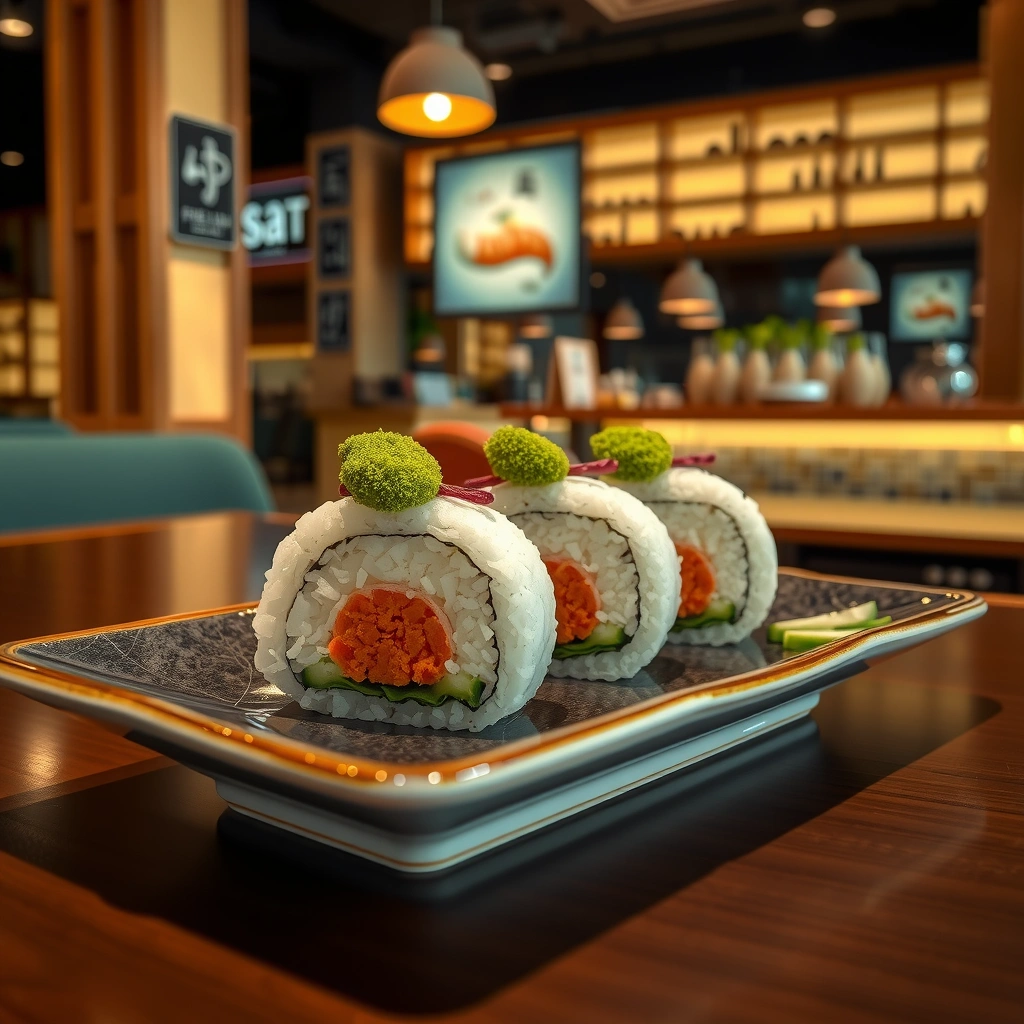
Onigiri is deliberately simple, but the ingredient choices affect texture more than most people expect. The goal is sticky, springy rice that compresses cleanly without turning gluey or falling apart.
Start with the right rice and build outward:
– Use short- or medium-grain Japanese rice for the best sticky texture
Look for “Japanese rice,” “short-grain,” or “medium-grain.” These varieties develop the clingy starch structure that keeps onigiri cohesive even after handling.
– Gather nori sheets, salt, and your chosen fillings (e.g., salmon, tuna, umeboshi)
Nori adds aroma and a subtle sea flavor. Salt can be used as a direct seasoning or as part of a quick furikake-style profile.
– Have simple tools ready: a bowl of water, spoon, and plastic wrap (optional)
– Bowl of water: keeps your hands from sticking (and helps the rice slide off without tearing).
– Spoon: for portioning consistent rice.
– Plastic wrap: optional, but helpful for clean molding and tidy cleanup—especially if you’re making many onigiri.
How to choose fillings: Classic onigiri fillings are either salty/umami (fish, soy-based seasoning) or bright/acidic (umeboshi, pickles). This contrast helps the rice taste lively instead of one-note.
Common Onigiri Fillings: Flavor Profile, Handling, and Best Use
| # | Filling | Flavor Profile | Texture/Handling | Ease (★) | Consistency Risk |
|---|---|---|---|---|---|
| 1 | Salted salmon (salmon + salt) | Salty, ocean umami | Flaky and dry—easy to portion | ★★★ | Low |
| 2 | Salmon mayo | Creamy, savory | Moist—best as a tight core | ★★★★ | Medium |
| 3 | Tuna mayo | Savory, mild sweetness | Sticky—works well with small portions | ★★★★ | Medium |
| 4 | Spicy tuna (mayo + chili) | Heat-forward, umami | Saucy—use as a thin, centered layer | ★★★ | High |
| 5 | Umeboshi (pickled plum) | Bright, tangy, salty | Firm and concentrated—very packable | ★★★★★ | Low |
| 6 | Kombu tsukudani (seaweed in soy) | Deep umami, soy-sweet | Thick—great as a spooned center | ★★★★ | Low |
| 7 | Furikake (no-filling topping) | Seasoned, multi-note | Dry sprinkle—easy and consistent | ★★★★★ | Low |
How to Cook and Season the Rice
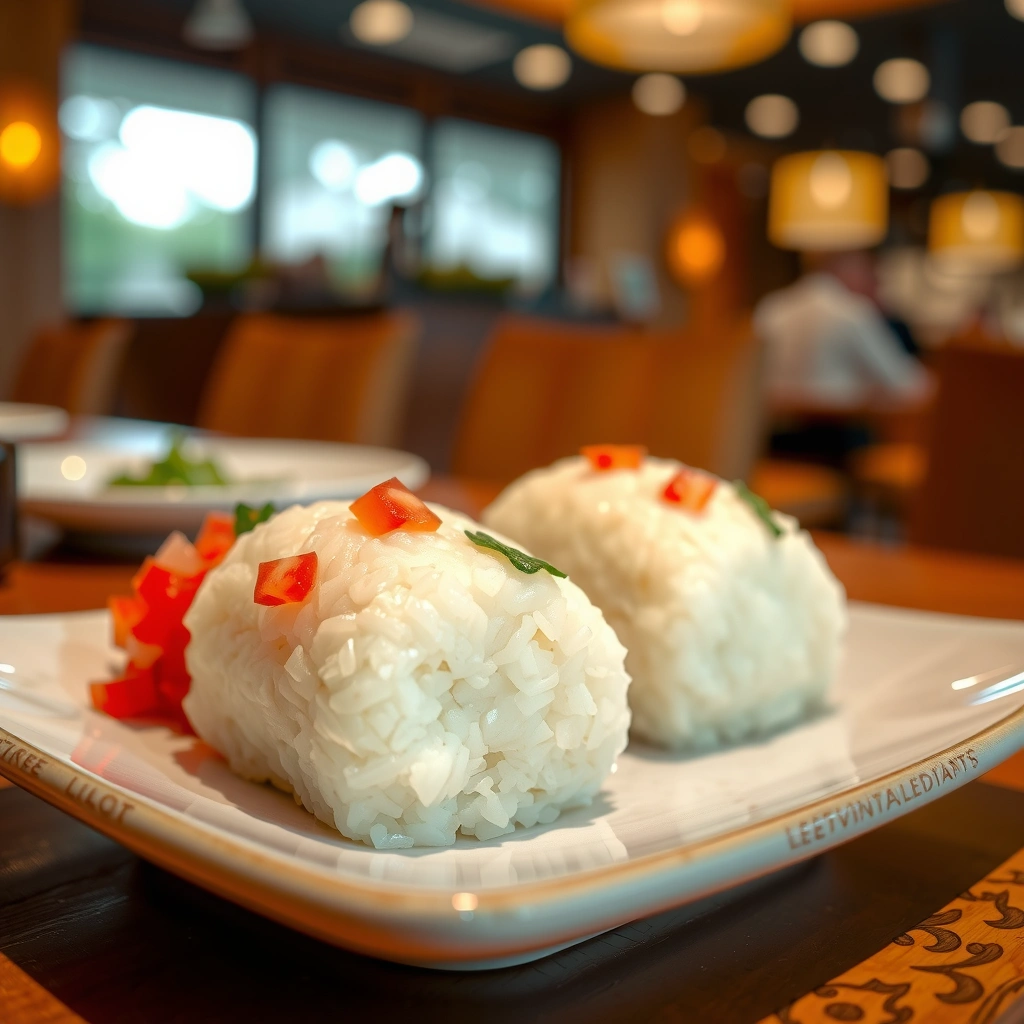
The rice is the engine of every Japanese rice balls recipe. If your rice is too dry, your onigiri will crumble. If it’s too wet or under-seasoned, it will feel flat and lose structure.
Key steps that matter:
– Cook rice until tender and let it steam slightly for easier shaping
After cooking, allow the rice to rest so excess surface moisture settles and the interior becomes cohesive. If you rush to shape immediately, rice may stick too aggressively or break apart.
– Season with salt or furikake for classic Japanese rice balls flavor
Traditional onigiri often uses a light salt seasoning (either mixed into the rice or added while molding). Furikake is a practical shortcut, delivering seaweed, sesame, and savory notes in one go.
– Keep rice warm to prevent it from cracking when molding
Onigiri rice “sets” as it cools. Warm rice compresses smoothly; colder rice tends to form micro-cracks that weaken the triangle/sphere.
Practical seasoning guidance (so you don’t overdo it):
– For salt-forward rice, start conservatively—add a pinch, mix well, then taste.
– If using furikake, follow package guidance and consider that fillings like mayo or pickles may already bring salt and tang.
Analytical note: seasoning affects not only flavor but also stickiness perception. Salt can intensify rice flavor even at low amounts, which is why lightly seasoned rice paired with strong fillings is often more balanced than heavily salted rice alone.
Shaping Perfect Onigiri (Rice Balls)
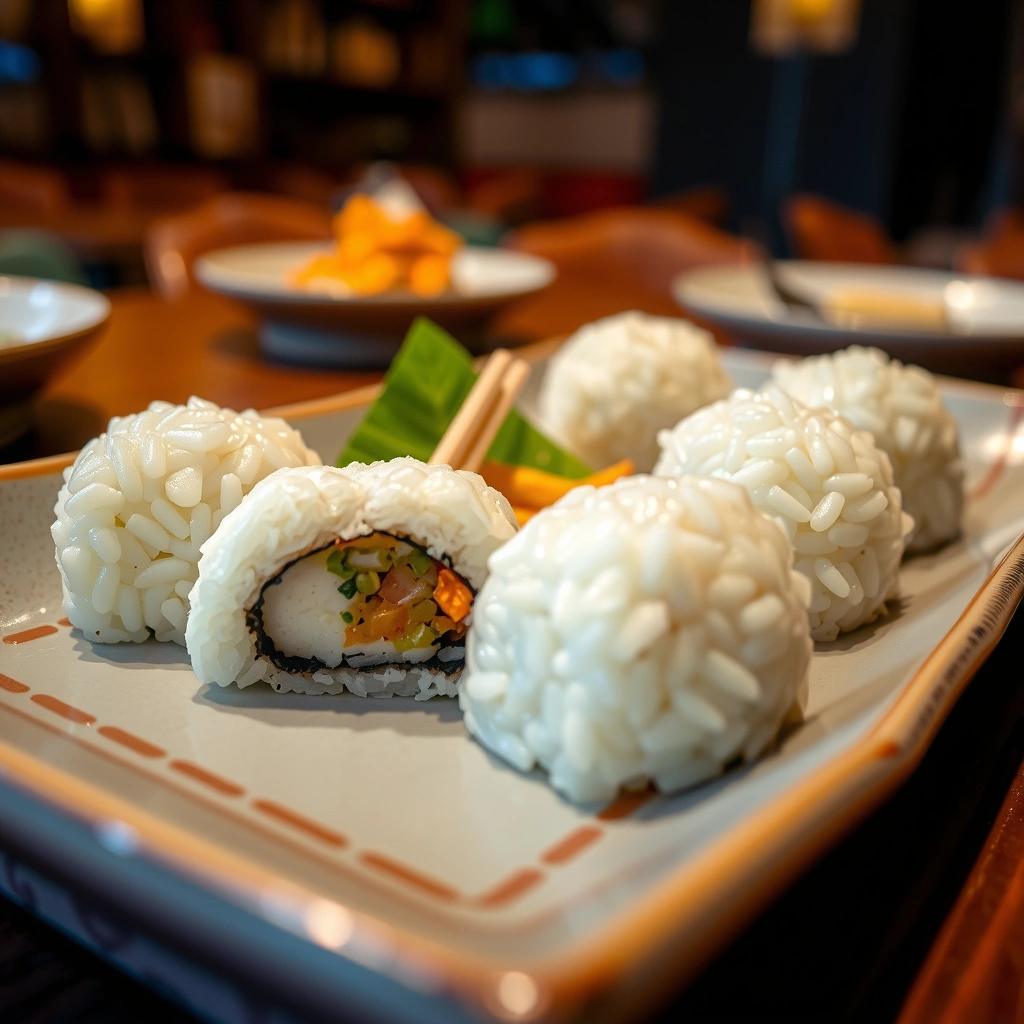
Shaping is where most at-home attempts go wrong—but it’s also where technique creates repeatable results. The objective is compression with restraint: enough to hold shape, not so much that the rice turns dense or splits.
– Wet your hands to avoid sticking and pinch rice into even portions
Keep a bowl of water nearby. You want damp hands—not dripping. That slight moisture helps rice release cleanly and reduces tearing.
– Form triangles or spheres gently, compressing just enough to hold shape
Triangles are iconic because they’re efficient for packing and easy to hold. Spheres are great if you prefer faster shaping or want a more traditional “festival-style” look.
– Add a small thumb indentation for fillings, then seal the rice
Create a shallow pocket, place filling, and compress around it to seal. If the filling is oily (like mayo), keep the amount modest so it doesn’t slick the surface.
Triangle method (reliable and beginner-friendly):
1. Portion rice (roughly golf-ball to small fist size, depending on your preference).
2. Shape into a rough triangle.
3. Use your thumb to make a small indentation.
4. Add filling.
5. Fold rice over, then use your palms to refine triangle edges.
Why warm rice matters here: when rice cools, starch alignment changes and the surface can crack. Cracks aren’t just cosmetic—they allow moisture loss and filling seepage over time.
Classic Fillings and Variations
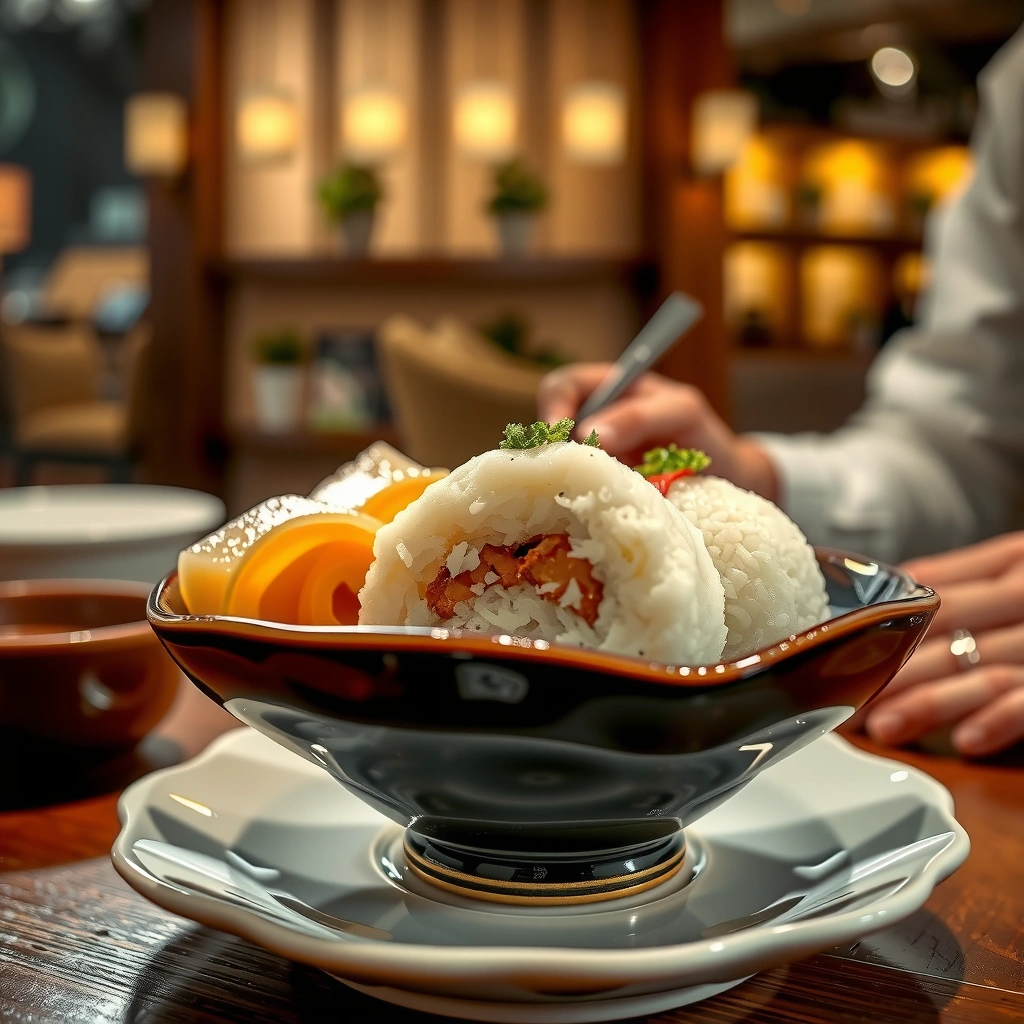
Onigiri fillings tend to cluster into a few categories: salty fish, creamy savory spreads, and bright pickles. Mixing categories creates more interesting flavor arcs than sticking to one style.
– Salmon mayo or grilled salted salmon for a rich, savory bite
Salmon mayo is forgiving because the oil helps the filling feel cohesive. Grilled salted salmon offers a drier, flakier bite that’s excellent for travel.
– Tuna mayo or spicy tuna for a bolder flavor
Tuna mayo provides comfort-food familiarity; spicy tuna increases aroma and heat. If you use spicy tuna, consider keeping the filling less saucy to reduce texture risk.
– Umeboshi (pickled plum) for a bright, traditional option
Umeboshi cuts through the mildness of rice with tangy salt and a clean finish. It’s also one of the easiest fillings to control because it stays firm.
Variation ideas that still feel “onigiri-authentic”:
– No-filling “furikake” onigiri: stir furikake into rice, mold, and top with extra flakes before serving.
– Seaweed-centered options: thick kombu tsukudani or sesame-based seasonings work as a compact core.
Serving strategy for best eating experience: If you’re packing for later, choose fillings that resist moisture leakage (like umeboshi or thick, soy-based fillings). For immediate eating, creamy fillings are excellent—just mold carefully and wrap cleanly.
How to Wrap and Serve
Packaging isn’t an afterthought; it’s part of the eating quality. Nori should be crisp and aromatic when you bite, not soggy or wilted.
– Wrap with nori right before eating to keep it crisp
For lunch, you can pack nori separately and wrap at the destination.
– Pack tightly for lunch or travel, and store properly to prevent dryness
Wrap onigiri in a way that minimizes air exposure. Rice dries quickly at room temperature, especially if you’re in a dry climate.
– Serve with soy sauce, miso soup, or a side of pickles
These pairings amplify umami and refresh the palate. If your onigiri filling is already salty, consider a lighter side (like miso soup rather than extra soy).
Texture management tip: If you need to transport onigiri and wrap with nori beforehand, consider using a barrier method—pack rice and nori in separate layers, then assemble at the last moment.
Common Mistakes to Avoid
Most onigiri problems come from three root causes: rice temperature, moisture balance, and seasoning control. Fix those and nearly everything improves.
– Over-salting the rice can overpower the filling—start lightly
Many fillings are already salty (salmon seasonings, pickles, soy-based items). If the rice tastes aggressively salty on its own, it will dominate the filling.
– Shaping cold rice leads to cracks, so work while warm
Work in batches. If your rice cools, re-warm gently (or keep it covered and insulated) rather than pushing through with dry, cracked rice.
– Leaving nori unwrapped too long makes it soggy—add at the end
Nori is sensitive to humidity. Wrap right before eating, or store in a separate compartment until you’re ready.
Quick diagnostic:
– If onigiri falls apart → rice likely cooled too much or wasn’t sticky enough.
– If onigiri feels gummy/dense → rice may be over-compressed or too wet.
– If onigiri loses flavor → seasoning is too light or furikake-to-filling balance is off.
Warm, well-seasoned rice and quick shaping are the keys to a great Japanese rice balls recipe. Follow the rice, filling, and nori-wrapping steps above, then try one classic variation first and build from there—make a batch today and tweak the fillings to your taste.
As you refine your technique, you’ll notice that consistency comes less from fancy ingredients and more from temperature control and proportion: warm rice, modest filling amounts, and clean sealing. Once you master those fundamentals, onigiri becomes an easy, repeatable meal prep staple—perfect for busy weekdays, travel, and anyone who wants confident homemade Japanese flavor.
References
- Onigiri
https://en.wikipedia.org/wiki/Onigiri - おにぎり
https://ja.wikipedia.org/wiki/おにぎり - Google Scholar Google Scholar
https://scholar.google.com/scholar?q=japanese+rice+ball+onigiri+recipe - Google Scholar Google Scholar
https://scholar.google.com/scholar?q=omusubi+onigiri+rice+ball+preparation+study - Google Scholar Google Scholar
https://scholar.google.com/scholar?q=onigiri+rice+ball+food+safety+storage - https://www.bbc.co.uk/food/recipes/onigiri_71310
https://www.bbc.co.uk/food/recipes/onigiri_71310 - Buses in Japan
https://www.japan-guide.com/e/e2015.html - Google Scholar Google Scholar
https://scholar.google.com/scholar?q=japanese+rice+balls+recipe - japanese rice balls recipe – Search results
https://en.wikipedia.org/wiki/Special:Search?search=japanese+rice+balls+recipe - https://www.ncbi.nlm.nih.gov/search/research-articles/?term=japanese+rice+balls+recipe
https://www.ncbi.nlm.nih.gov/search/research-articles/?term=japanese+rice+balls+recipe