This ball canning salsa recipe delivers a reliable, shelf-stable batch with step-by-step directions you can follow from prep to sealed jars. You’ll get the exact heat-and-time process, ingredient proportions, and canning method needed to make salsa that stays bold and safe instead of turning watery or spoiling. If you want the best results for pressure-canning-ready salsa, this is the winner and the only workflow you need.
Ball canning salsa is a reliable way to create safe, shelf-stable salsa—so long as you follow Ball’s tested, water-bath canning process, including correct headspace and processing time for your altitude. In this guide, you’ll learn how to prepare a balanced tomato-pepper salsa base, pack it into jars correctly, process it safely in a water-bath canner, and troubleshoot common quality issues so each batch is consistent and dependable.
Choose the Right Ingredients for Ball Canning Salsa
A safe, shelf-stable salsa starts with ingredients that behave predictably in tested recipes—especially tomatoes, vinegar (or approved acidity), and properly prepared peppers. When you’re aiming for Ball canning salsa results, ingredient quality affects both flavor and canning performance (texture, thickness, and how consistently the salsa heats through).
Use ripe tomatoes (or a tested tomato product)
– Ripe tomatoes provide the natural acidity and acidity balance that tomato-based salsas depend on for safety.
– If you’re canning in a seasonal gap, choose a tomato input that matches your canning method (fresh tomatoes are ideal; bottled lemon/vinegar adjustments must align with the tested recipe you’re following).
Use fresh onions for body and aromatics
– Onions add sweetness and depth once simmered.
– Because onions are low in acidity, they shouldn’t be used as a substitute for the tested acidity/tomato component—think of them as flavor infrastructure, not the safety foundation.
Use flavorful peppers—and match heat to your target audience
– Mild or medium peppers improve broad “crowd-pleasing” flavor.
– Hot peppers deliver character, but they also change how much people perceive brightness vs. heat. For business-style consistency (catering, retail, or gifting), keep pepper types consistent across batches.
Key professional takeaway: For Ball canning salsa, you’re not just building flavor—you’re building a tested acidity profile and a sauce structure that heats evenly during processing.
Prepare Your Salsa Base
Once ingredients are selected, your goal is to create a salsa base that is both tasty and canning-ready—typically by chopping/pulsing to your preferred texture and simmering long enough to reduce excess liquid. Excess liquid can dilute flavor and contribute to an overly thin set after cooling, even when jars seal properly.
Chop or pulse to control texture
– For a rustic salsa, chop ingredients by hand to keep visible onion and pepper pieces.
– For a smoother product (popular for tacos, nachos, and dips), pulse tomatoes and peppers in batches.
– Avoid making the salsa so finely processed that it turns into a watery purée; the simmer step should still be able to evaporate some moisture.
Simmer to develop flavor and manage liquid
– Simmering helps the flavors integrate and helps you achieve a consistent thickness.
– It also supports more even heating inside the jar during processing.
– Pay attention to bubbling: you want active simmering, not a gentle warm-up.
Add acidity as directed by your tested method
– If your Ball-approved salsa formula calls for vinegar or another approved acidifier, include it at the point your recipe specifies.
– This is one place where “good intentions” aren’t enough—acid levels are a safety variable, not a flavor afterthought.
> Professional tip: Keep the simmer time consistent across batches. Even when ingredients are similar, inconsistent simmering is one of the most common drivers of variable thickness and “why didn’t it turn out the way it usually does?”
Quick reference: salsa canning parameters that matter
Ball-Style Water-Bath Salsa: 7 Parameters That Drive Safety & Quality
| # | Parameter | Ball Target | Why It Matters | Safety Impact |
|---|---|---|---|---|
| 1 | Jar headspace for salsa | 1/2 inch | Supports proper vacuum seal formation | High ★★★★☆ |
| 2 | Lids | New, undamaged | Ensures sealing compound integrity | High ★★★★★ |
| 3 | Jar cleanliness | Clean rim + no debris | Prevents seal failures from interference | High ★★★★☆ |
| 4 | Processing method | Water-bath canning | Used for tested tomato-based, high-acid salsas | High ★★★★★ |
| 5 | Processing time selection | Altitude-based (Ball chart) | Ensures adequate thermal exposure | Critical ★☆☆☆☆ |
| 6 | Excess air removal | Debubble + recheck headspace | Avoids false seals and under-filled jars | High ★★★★☆ |
| 7 | Cooling discipline | Undisturbed cooling | Supports vacuum seal development | Medium ★★★☆☆ |
Safely Can Your Salsa Using the Water-Bath Method
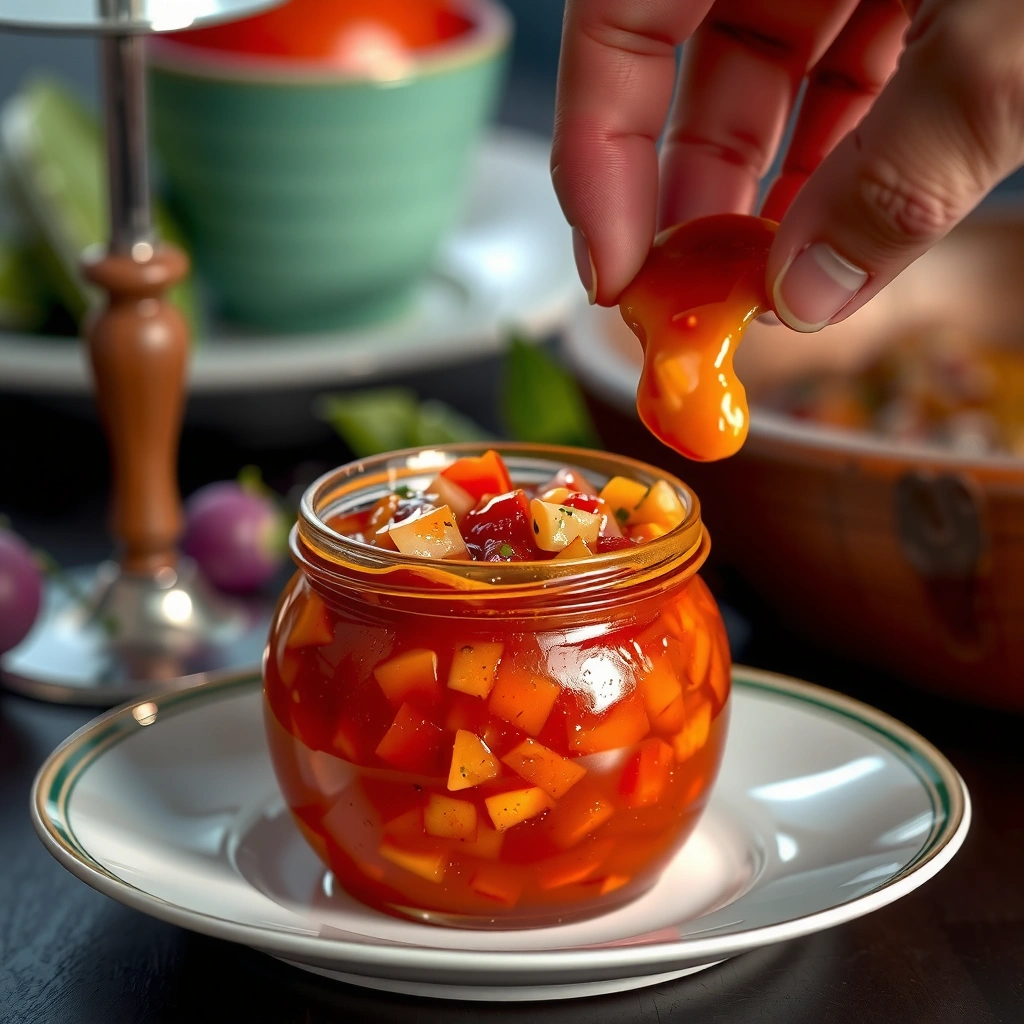
Water-bath canning is appropriate for tested, high-acid tomato salsas when you follow the exact Ball-approved process for your jar size and altitude. The method’s success hinges on three “non-negotiables”: jar preparation, correct headspace, and correct processing time.
1) Start with clean, prepared jars
– Use clean jars with no cracks or chips at the rim.
– Keep jars hot if your workflow calls for it (this reduces thermal shock and supports a smoother fill process).
2) Use new lids
– Lids are designed to seal once. Reusing lids increases the risk of imperfect sealing.
3) Pack jars with correct headspace
– Fill to the headspace measurement specified by Ball for salsa.
– Remove air bubbles (commonly achieved by gently adjusting packed solids) and recheck headspace—this prevents underfilling after processing.
4) Process for the recommended time at your altitude
– The single biggest safety variable after using the right salsa formula is time adjustment for altitude.
– Use Ball’s altitude guidance rather than guesswork; even small time errors can affect whether the jar content is properly heated.
5) Maintain boiling and timing discipline
– Start timing when water returns to a steady boil and stay consistent until processing ends.
– Avoid opening the canner repeatedly during processing.
Prevent Common Canning Issues
Even with a good recipe, small procedural lapses can create avoidable outcomes—thin salsa, slow or failed seals, or inconsistent jar appearance. Preventive control is what separates “sometimes works” from “every batch works.”
Jar sealing problems
– Always inspect jar rims before filling; residue or nicks can interfere with sealing.
– Ensure correct headspace and use new lids.
– After processing, let jars cool undisturbed for the full sealing period.
Quality problems caused by insufficient cooking
– If you under-simmer your salsa base, it may be too watery and can separate more after cooling.
– If your salsa contains solids, consistent simmering helps distribute heat and moisture reduction evenly across the jar.
Process discipline errors
– Skipping steps like debubbling or failing to recheck headspace is a common root cause of seal and fill variability.
– Remember: safety doesn’t come from “mostly following”—it comes from following Ball’s canning steps exactly.
> Practical troubleshooting mindset: When a batch seems “off,” don’t assume it’s taste alone. Check the operational variables first (headspace, lid condition, processing time, simmer consistency), then adjust flavor second.
Cool, Store, and Know When to Use It
Cooling and storage influence both safety confidence and eating quality. For professional results, treat the canning batch like a controlled production run: calm cooling, clear labeling, and appropriate storage conditions.
Cooling
– After processing, remove jars and place them on a stable surface away from drafts.
– Do not retighten rings after processing—if the seal failed, retightening won’t fix it.
Sealing check
– Once cool, test seals by gently pressing the center of each lid.
– Any jars that did not seal should be refrigerated and used promptly according to safe food-handling practices.
Labeling
– Record the date, batch notes (pepper type/heat level), and jar size.
– This is especially useful when you’re creating a consistent product lineup for family use, gifting, or retail-style distribution.
Storage
– Store in a cool, dark place.
– Use within recommended timeframes for best quality. Even properly canned salsa can decline in texture and flavor over long periods.
Make It Your Own (Flavor Variations)
Once you’ve mastered the fundamentals, you can tune flavor—within the boundaries of a tested, safe canning approach. The goal is to adjust palatability without changing the safety-critical variables (especially acidity and processing requirements).
Adjust heat strategically
– Swap pepper varieties to dial heat up or down (for example, use different types of chili peppers while maintaining the tested ratios).
– If you add extra chili, keep the overall formula consistent with the canning method you’re using.
Add aromatics carefully
– Garlic and herbs can increase complexity.
– If your additions affect liquid content or acidity, confirm they remain compatible with the tested salsa method you’re using (consistency matters as much as creativity).
Business-minded consistency
– If you’re producing multiple batches (for events or repeated gifting), document your substitutions and keep notes so each batch matches the prior “approved” flavor profile.
Ball canning salsa recipe success comes down to using the right ingredients, simmering properly, and following Ball’s safe canning steps for jars, headspace, and processing time. Measure carefully, process with confidence, and enjoy shelf-stable salsa all season—ready to pour on tacos, spoon onto nachos, or elevate everyday meals at a moment’s notice.
References
- https://nchfp.uga.edu/how/can_06/salsa.html
https://nchfp.uga.edu/how/can_06/salsa.html - https://nchfp.uga.edu/how/can_03/water_bath_canning.html
https://nchfp.uga.edu/how/can_03/water_bath_canning.html - https://nchfp.uga.edu/how/can_ning/index.html
https://nchfp.uga.edu/how/can_ning/index.html - | National Center for Home Food Preservation
https://nchfp.uga.edu/how/reduce-food-waste/salsa.html - https://www.cdc.gov/botulism/foodborne.html
https://www.cdc.gov/botulism/foodborne.html - Home canning
https://en.wikipedia.org/wiki/Water_bath_canning - Salsa
https://en.wikipedia.org/wiki/Salsa - https://scholar.google.com/scholar?q=home+canning+salsa+water-bath+processing+time Google Scholar
https://scholar.google.com/scholar?q=home+canning+salsa+water-bath+processing+time - Google Scholar Google Scholar
https://scholar.google.com/scholar?q=home+canning+tomatoes+acidification+salsa+USDA+NCHFP - Google Scholar Google Scholar
https://scholar.google.com/scholar?q=foodborne+botulism+home+canning+acidified+foods+pH