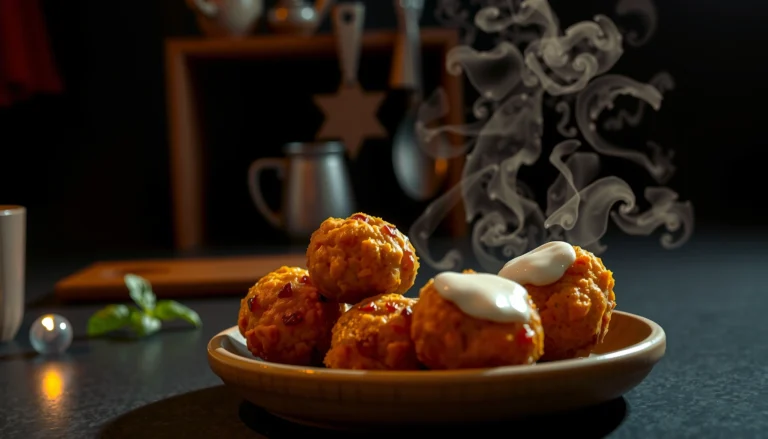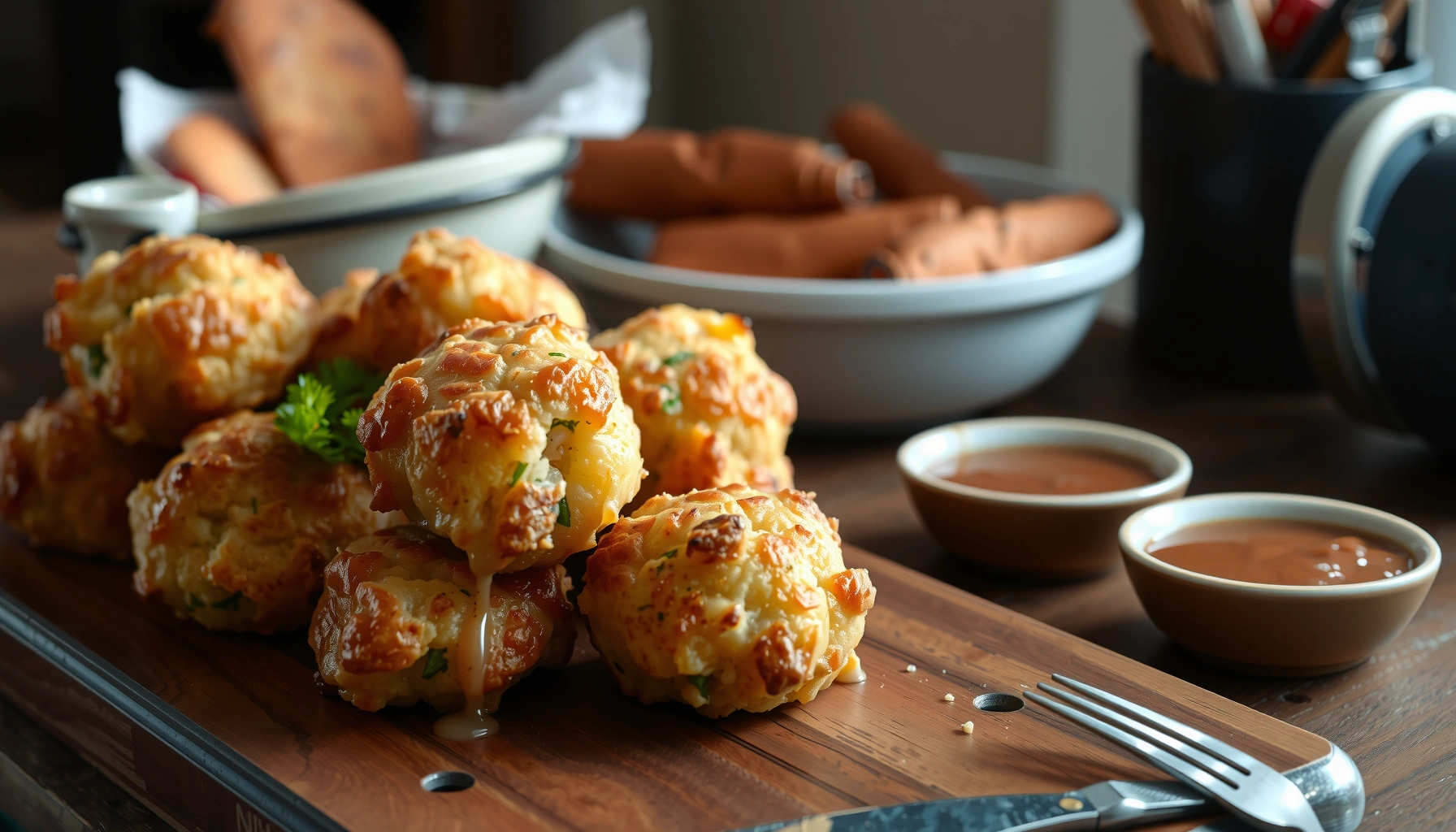
Learn how to make classic, crispy crab balls from scratch with a straightforward recipe that delivers the crunch every time. This guide answers the key question—how to form the balls and fry them so the outside turns golden and shatteringly crisp while the crab stays tender. Follow the steps and you’ll have restaurant-style crab balls that hold their shape and taste fully seasoned, not bland.
Crab balls are easy to make by mixing lump crab meat with seasonings, binding the mixture, shaping it into balls, and frying (or baking) until golden and crisp. In this recipe, you’ll learn the exact ingredients, how to form the best texture, and the best cooking method for tender centers.
—
Ingredients for Crab Balls
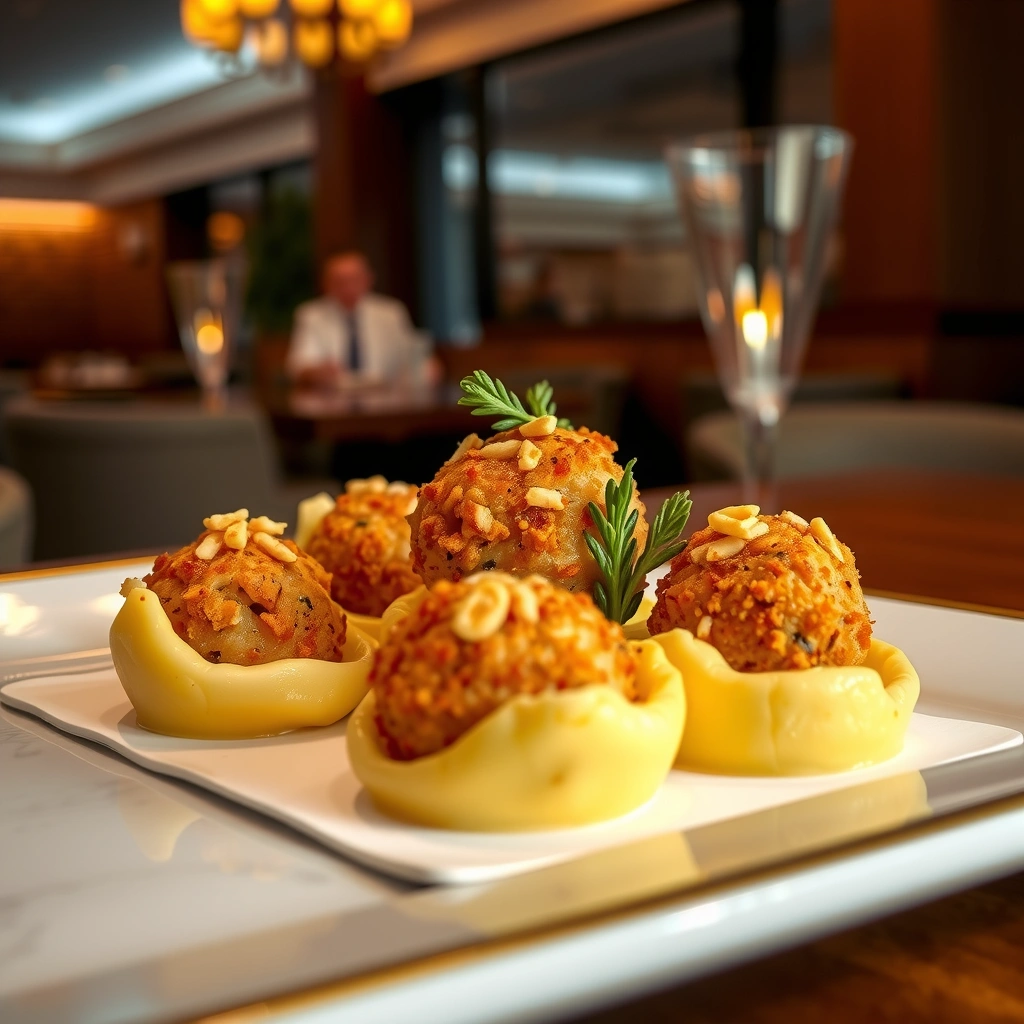
The best classic crab balls start with crab meat that’s sweet, intact, and properly drained. Lump crab meat (or a mix of lump and jumbo lump) delivers the most satisfying texture—distinct flakes that hold together when bound and still feel tender once cooked.
Here’s what to plan for:
– Use lump crab meat (or a mix) for the best flavor and texture
Aim for fresh refrigerated crab or well-drained pasteurized crab. Excess moisture is the enemy of crisping, so drain any liquid carefully.
– Combine seasonings, breadcrumbs, and a binder (like egg)
Seasoning provides depth, breadcrumbs provide structure, and egg helps the mixture “set” so the balls don’t fall apart.
– Optional additions: Old Bay, parsley, garlic, and a splash of lemon
Old Bay is the traditional shortcut to a balanced seafood flavor profile. Parsley adds brightness, garlic provides a savory edge, and lemon keeps the result from feeling heavy.
For a practical, consistent base recipe (about 18–22 crab balls), use:
– 1 lb (450 g) lump crab meat, picked over for shell fragments
– 1 large egg, lightly beaten
– 1 cup panko breadcrumbs (or plain breadcrumbs)
– 2–3 tbsp mayonnaise (optional but helpful for richness and tenderness)
– 1–1½ tbsp Old Bay (to taste)
– 1–2 tbsp chopped parsley
– 1 small clove garlic, finely grated or minced (optional)
– 1 tsp Dijon mustard (optional, for tang)
– 1 tsp lemon juice plus a little zest (optional)
– Salt and black pepper to taste
– For coating: panko or flour (see cooking section)
Crab Ball Texture: Ingredient Roles at a Glance
If you want crisp outside + tender inside, you need the roles to be correct: binder for cohesion, breadcrumbs for structure, and careful heat control for browning without drying.
Crab Ball Doneness Targets by Cooking Method (Food-Safe & Crisping Focus)
| # | Method | Cook Temperature | Typical Time | Best Crisping Notes | Outcome Rating |
|---|---|---|---|---|---|
| 1 | Shallow Fry (1/2 inch) | 350°F / 177°C | 3–4 min total | Golden crust fast; watch closely | 9.2 ★ |
| 2 | Deep Fry | 360°F / 182°C | 2–3 min total | Crispest exterior; avoid crowding | 9.5 ★ |
| 3 | Oven Bake (Dry Heat) | 425°F / 218°C | 14–18 min | Requires space + flipping | 7.8 ★ |
| 4 | Air Fry (High Heat) | 400°F / 204°C | 10–14 min | Good crisp; spritz oil helps | 8.6 ★ |
| 5 | Sauté + Cover Briefly | 325°F / 163°C* | 6–8 min total | Less crisp, more even interior heat | 6.9 ★ |
| 6 | Broil Finish (After Bake) | High (500–550°F) | 1–3 min extra | Boosts browning; watch closely | 8.1 ★ |
| 7 | Par-Fry Then Bake | 325°F / 163°C + 400°F / 204°C | 2 min + 10–12 min | Best control for large batches | 8.9 ★ |
Note: “325°F” under sauté/cover reflects effective surface heat rather than deep-fry oil temperature.
—
How to Prepare the Crab Mixture
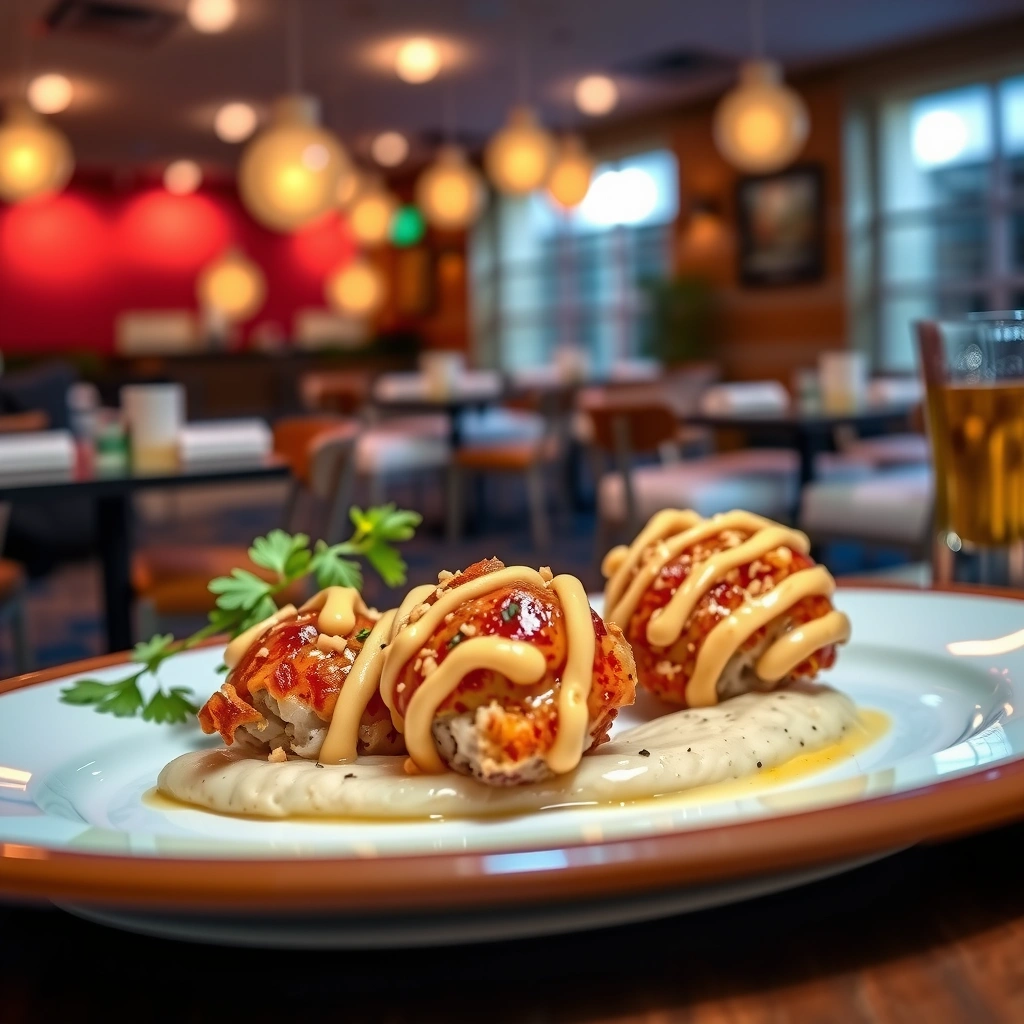
This is the step where classic crab balls are won or lost. Overworking the crab breaks down the meat, weeps moisture, and leads to a dense or soggy result. The goal is a mixture that holds together without turning into paste.
– Gently mix crab with seasonings to avoid breaking up the meat
Fold in seasonings (Old Bay, pepper, garlic, parsley) first. Then add the egg and optional mayonnaise. Mix just until the binder is evenly distributed.
– Add breadcrumbs gradually to reach the right hold-and-shape consistency
Breadcrumbs absorb moisture and create the “crisp lattice” that forms the crust. Start with about three-quarters of your breadcrumbs, then add more only if the mixture is too soft.
– Target feel: when pressed, it should hold shape and not crumble apart.
– Chill the mixture briefly so the balls stay together
Refrigerate for 20–30 minutes. This firms the egg and lets breadcrumbs hydrate slightly—improving both texture and browning.
Practical Consistency Check
If you’re unsure, test with a small patty or a single ball. Cook it and evaluate:
– If it spreads: add 1–2 tbsp breadcrumbs.
– If it feels dry or crumbly: add 1–2 tsp mayonnaise or a tiny splash of lemon juice (for balance) and re-chill.
—
Shape and Coat the Crab Balls
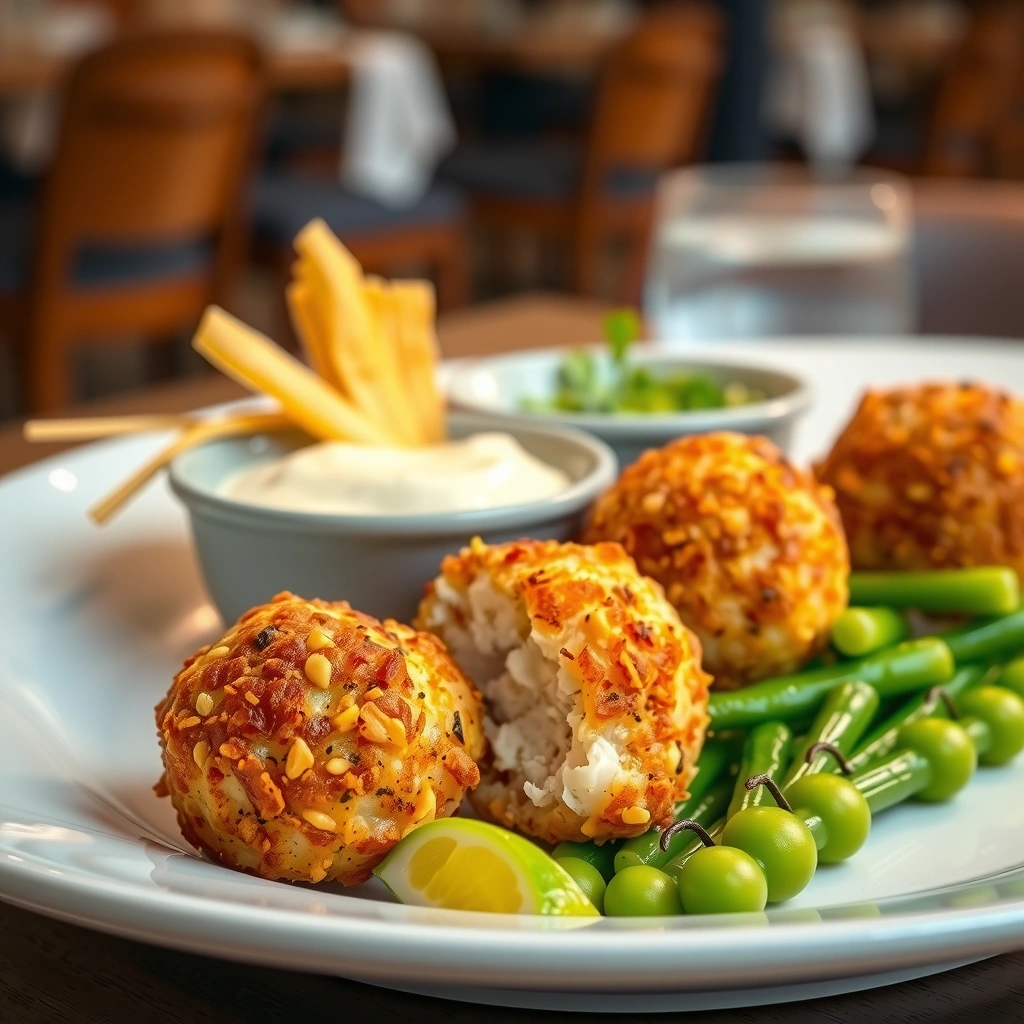
Consistent size helps the outside crisp before the inside overcooks. At the same time, you want to keep visible crab texture—those flakes are what make crab balls satisfying.
– Scoop and roll into evenly sized balls for consistent cooking
Use a cookie scoop or weigh them if precision matters. A common target is **2 tablespoons per ball** (roughly golf-ball to large walnut size).– Lightly coat with breadcrumbs or flour for extra crispiness
A light dredge is typically enough. For frying, panko provides crunch; for baking/air frying, a thin coating plus a spritz of oil often performs best.
– Handle gently to keep the crab pieces intact
Roll with minimal pressure. If the mixture sticks to your hands, lightly dampen fingers or dust hands with a bit of flour.
Coating Strategy (What Works Best)
– For maximum crunch: panko coating, then rest 5 minutes before cooking.
– For extra browning in the oven: a flour-dust layer can help create a faster crust.
—
Cooking Methods: Frying vs. Baking
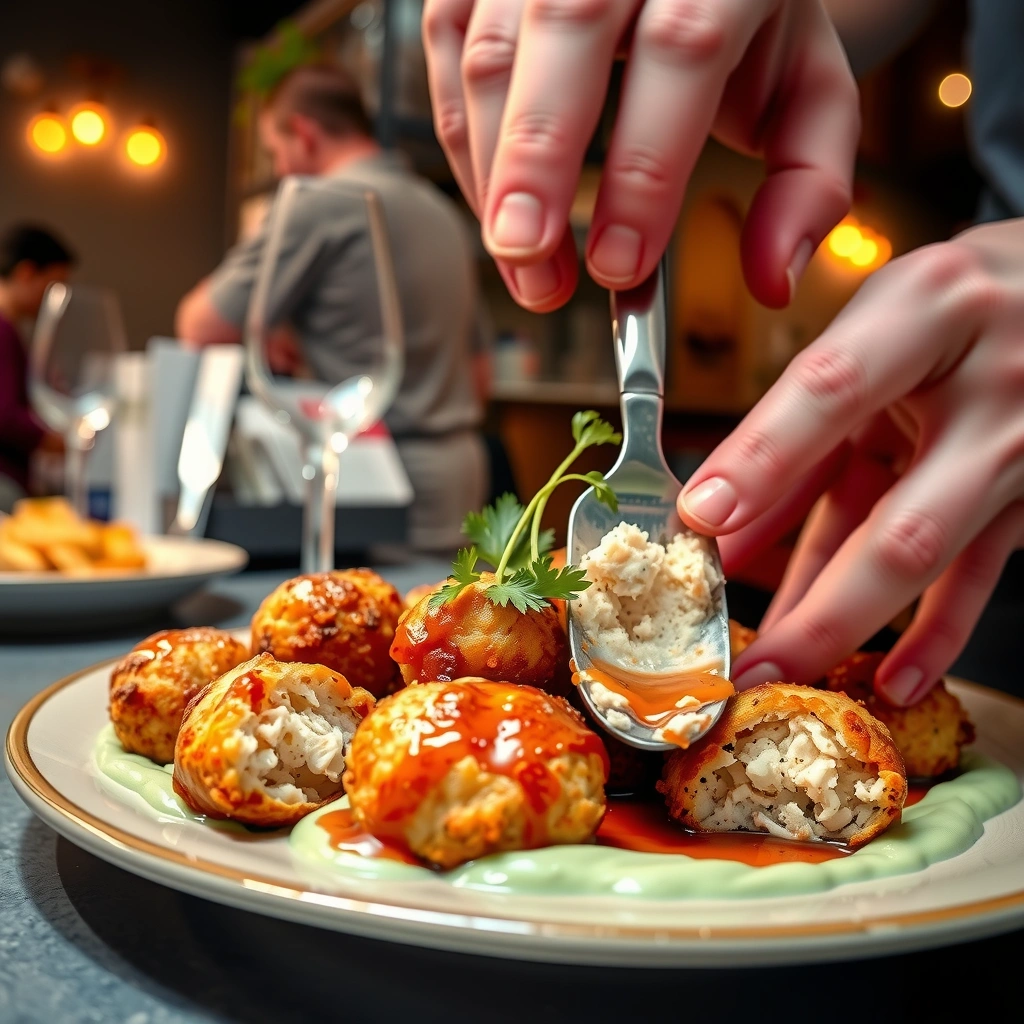
Both methods can produce tender centers and crispy outsides—your choice depends on time, equipment, and how much crisp you want.
– Fry in hot oil until crisp and browned on the outside
Use a neutral oil (canola, peanut, or sunflower). Heat the oil until it’s consistently hot—typically 350–360°F (177–182°C). Fry in small batches to prevent temperature drop.
– Bake at a high temperature for a lighter option
Preheat thoroughly and arrange balls on a lined sheet with space between them. Bake at 425°F / 218°C, flipping once halfway.
For better crisp: use a wire rack if you have one, so air circulates beneath.
– Flip or rotate as needed for even browning
Crab balls brown on contact points first. Flipping helps achieve an even golden exterior and improves overall texture uniformity.
—
Tips for Crispy, Flavorful Results
Crispness is controlled as much by technique as by ingredients. These adjustments address the most common failure points: blandness, falling apart, and soggy crust.
– Don’t overmix—keep the crab texture light and chunky
The moment the mixture becomes cohesive paste, you’ve gone too far. Fold and stop.
– Maintain oil temperature (for frying) to prevent sogginess
Temperature swings cause the exterior to absorb oil rather than crisp. Use a thermometer if you can. If bubbles around the ball are slow and oily, the oil is likely too cool.
– Taste and adjust seasoning before shaping
Crab meat varies in salinity. A quick taste of a spoonful of the raw mixture (carefully) can guide whether you need more Old Bay, pepper, or lemon brightness.
Bonus Flavor Lever: Balance the Crab
Old Bay delivers classic seafood flavor, but crab balls can become one-note if lemon and herbs aren’t used thoughtfully. A small splash of lemon juice often lifts the savory profile and improves “restaurant-style” complexity.
—
Serving Ideas and Storage
Crab balls are ideal appetizers because they’re flavorful, shareable, and easy to plate with dips. Pairing is also part of “serving crispness”—the right sauces keep them tasting fresh instead of heavy.
– Serve with remoulade, cocktail sauce, or tartar sauce
– Remoulade: creamy with tang—great for rich crab balls.
– Cocktail sauce: bright and peppery—cuts through richness.
– Tartar sauce: classic and familiar; slightly sweet pickles complement Old Bay.
– Pair with fries, slaw, or a simple salad
A crunchy slaw adds contrast. For a lighter plate, serve with lemony greens and a vinaigrette.
– Store leftovers refrigerated and reheat until warmed through
Store in an airtight container in the refrigerator for **up to 3 days**. Reheat in an oven or air fryer (rather than a microwave) to recover crispness.– Reheat target: warm throughout + re-crisp the exterior for 6–10 minutes depending on size and your appliance.
Make-Ahead Notes
If you’re preparing for guests, shape and coat the balls earlier, then refrigerate until cooking. Chilling overnight can actually improve hold, provided the mixture isn’t too wet.
—
Crab balls are all about the right balance of crab, seasoning, binding, and crisp cooking—so you get tender centers with a golden exterior. Follow the steps for mixing, shaping, and choosing your preferred method (fry or bake), then serve hot with your favorite dipping sauce; try them next for an appetizer or seafood night at home.
References
- Google Scholar Google Scholar
https://scholar.google.com/scholar?q=crab+balls+recipe - Google Scholar Google Scholar
https://scholar.google.com/scholar?q=crab+cake+recipe+carbohydrate+protein+crab+meat - Google Scholar Google Scholar
https://scholar.google.com/scholar?q=seafood+croquettes+crab+recipe - Crab cake
https://en.wikipedia.org/wiki/Crab_cake - https://www.theguardian.com/food/2010/aug/05/crab-cakes-recipe
https://www.theguardian.com/food/2010/aug/05/crab-cakes-recipe - https://cooking.nytimes.com/recipes/1017623-crab-cakes
https://cooking.nytimes.com/recipes/1017623-crab-cakes - https://www.fda.gov/food/people-risk-foodborne-illness/how-prevent-foodborne-illness
https://www.fda.gov/food/people-risk-foodborne-illness/how-prevent-foodborne-illness - https://www.cdc.gov/foodsafety/foodborne-germs.html
https://www.cdc.gov/foodsafety/foodborne-germs.html - https://pubmed.ncbi.nlm.nih.gov/?term=crab+meat+foodborne+illness
https://pubmed.ncbi.nlm.nih.gov/?term=crab+meat+foodborne+illness - crab balls recipe – Search results
https://en.wikipedia.org/wiki/Special:Search?search=crab+balls+recipe