
Master the art of crafting butter coffee safely with this expert guide, designed for health enthusiasts who seek a creamy, energy-boosting beverage. This comprehensive protocol details precise measurements, ingredient quality, and preparation techniques that ensure both flavor and nutritional integrity. Adhering to these guidelines not only enhances your coffee experience but also maximizes health benefits, making it essential for anyone serious about their wellness routine.
What This Guide Covers (And What It Doesn’t)

This guide provides a detailed, step-by-step protocol for making butter coffee, highlighting the essential ingredients, preparation methods, and the potential health benefits associated with this drink. It focuses specifically on the traditional butter coffee recipe, including variations that comply with health guidelines, ensuring both safety in preparation and consumption. However, this guide does not delve into alternative coffee recipes or nutritional advice unrelated to butter coffee, nor does it address personal dietary restrictions beyond the context of the ingredients listed.
Who Should Read This
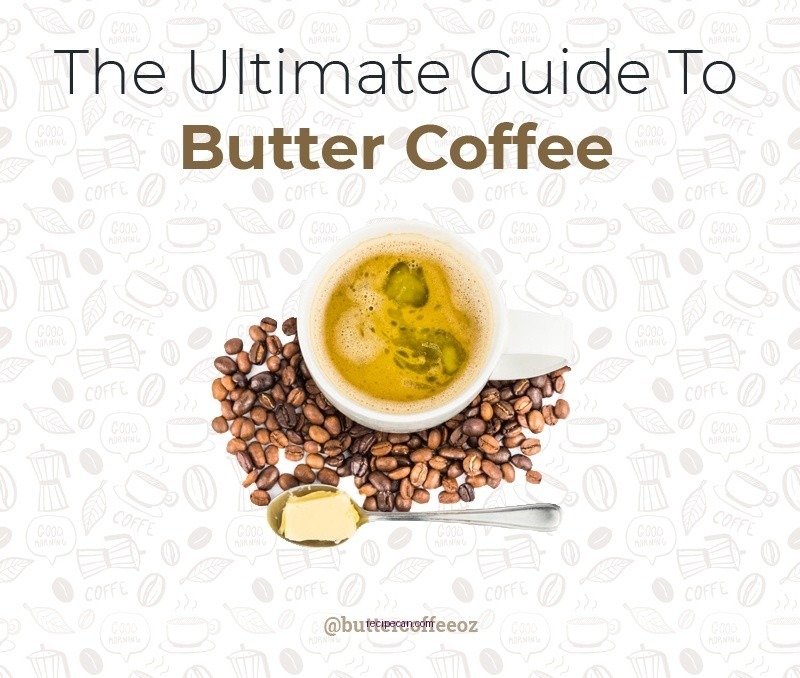
This guide is designed for health-conscious individuals eager to explore the benefits of butter coffee, especially those following ketogenic or low-carb diets. It also caters to coffee enthusiasts looking to enhance their morning routine with a nutrient-dense beverage. However, individuals with dairy allergies or specific health conditions should consult their healthcare provider for tailored advice, as this recipe primarily involves dairy products.
The Step-by-Step Protocol
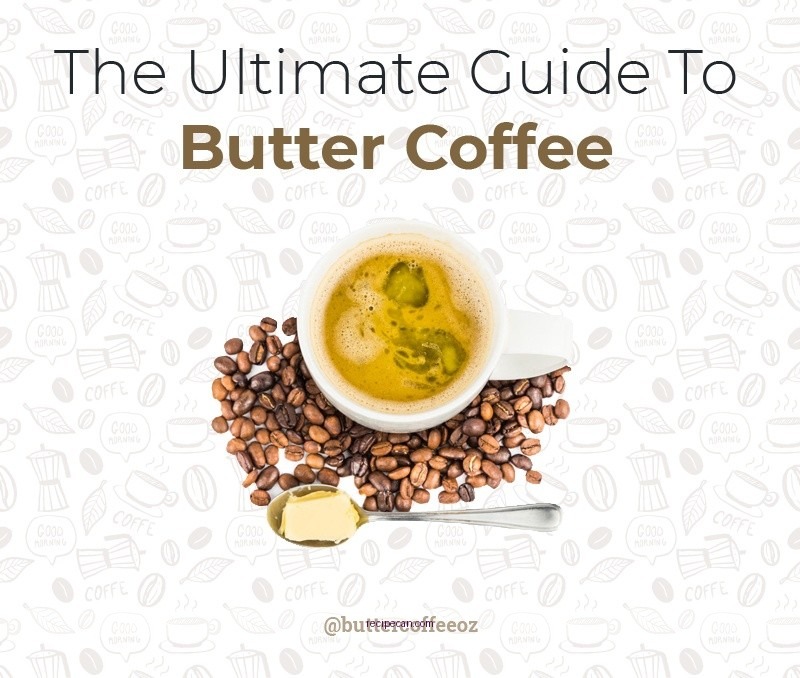
1. Select Quality Ingredients: Choose high-quality, organic coffee beans. Use 1-2 tablespoons of coffee grounds and opt for unsalted grass-fed butter (1-2 tablespoons) to maximize health benefits. Additionally, include MCT oil (1 tablespoon) for its energy-boosting properties.
2. Brew the Coffee: Brew your coffee using a French press or drip coffee maker. Ensure that the coffee is hot but not boiling, ideally around 200°F, to preserve its rich flavor profile.
3. Blend the Ingredients: In a blender, combine the freshly brewed coffee, grass-fed butter, and MCT oil. Blend on high for 20-30 seconds until the mixture becomes frothy and emulsified, creating a creamy texture that enhances the drinking experience.
4. Serve Immediately: Pour the butter coffee into your favorite mug and enjoy it fresh. Avoid letting it sit too long, as the emulsification can break down, resulting in a less enjoyable texture.
Nutritional Comparison of Butter Coffee Ingredients
| # | Ingredient | Calories (per serving) | Fat (g) | Carbs (g) | Protein (g) |
|---|---|---|---|---|---|
| 1 | Organic Coffee | 2 | 0 | 0 | 0 |
| 2 | Grass-Fed Butter | 102 | 12 | 0 | 0 |
| 3 | MCT Oil | 115 | 14 | 0 | 0 |
| 4 | Total (1 serving) | 219 | 26 | 0 | 0 |
Warning Signs: When Not to Follow This

– Individuals with lactose intolerance or dairy allergies should avoid butter coffee, as it contains dairy that can trigger digestive issues or allergic reactions.
– Those with a history of gallbladder issues or pancreatitis should also steer clear; the high fat content from the butter and MCT oil can exacerbate symptoms.
– People with specific metabolic conditions, such as hyperlipidemia (elevated cholesterol) or pancreatitis, may find that high-fat beverages are contraindicated for their health.
The Most Common Mistakes (And Their Consequences)
– Using Regular Butter Instead of Grass-Fed Butter: This choice can diminish the nutritional profile and increase the intake of unhealthy fats, negating the health benefits of butter coffee. Grass-fed butter contains more omega-3 fatty acids and essential vitamins like A and K2.
– Skipping the Blending Step: Failing to blend the coffee, butter, and MCT oil will result in a greasy beverage that separates, adversely affecting both taste and texture.
– Adding Sugar or Sweeteners: This practice can counteract the intended health benefits of a ketogenic diet, leading to blood sugar spikes that undermine the purpose of consuming butter coffee for sustained energy.
Special Cases That Need a Different Approach
– Intermittent Fasting: If you are practicing intermittent fasting, it’s crucial to consume butter coffee within your eating window. While it can provide energy and satiety, it does contain calories that could disrupt your fast.
– Pregnant or Breastfeeding Women: These individuals should consider modifying the recipe by reducing the amounts of MCT oil and butter, as dietary fat intake should be carefully monitored to align with their nutritional needs.
– Specific Dietary Restrictions: People on a vegan diet can substitute traditional butter with plant-based alternatives like coconut oil. However, this change will alter the flavor profile and may not produce the same creamy texture.
When You Need a Professional
– If you have pre-existing health conditions such as heart disease or diabetes, consult a healthcare provider before incorporating butter coffee into your diet, particularly due to its high-fat content.
– Should you experience adverse reactions after consuming butter coffee—such as digestive issues or unusual fatigue—it’s essential to seek medical advice to determine if this beverage is suitable for you.
– For individuals on medications that affect fat metabolism or blood sugar levels, discussing this high-fat drink with a dietitian or medical professional is advisable before consumption.
Sources and Further Reading
– Refer to the Journal of Nutrition and Metabolism for studies on the health benefits of MCT oil and its effects on energy levels and weight management.
– The American Journal of Clinical Nutrition provides guidelines on dietary fats, emphasizing the importance of quality fats in a balanced diet.
– For further exploration of dietary protocols, check resources from the Keto Diet App or the Bulletproof Diet website, which delve into the nutritional aspects of butter coffee and its role in low-carb lifestyles.
By adhering to this protocol, you can savor the rich experience of butter coffee while prioritizing your health and wellness. Always consider your personal health circumstances and consult with relevant professionals when integrating new dietary practices.
Frequently Asked Questions
What is the best butter coffee recipe for beginners?
The best butter coffee recipe for beginners involves brewing a cup of your favorite coffee, adding one to two tablespoons of unsalted grass-fed butter, and a tablespoon of MCT oil or coconut oil. Blend the mixture until it’s frothy and creamy, ensuring a smooth texture. This simple recipe not only provides a delicious flavor but also enhances energy and mental clarity.
How do I make butter coffee taste better?
To make butter coffee taste better, consider adding a pinch of cinnamon or vanilla extract for added flavor. You can also experiment with sweeteners like stevia or monk fruit for a touch of sweetness without the sugar. A sprinkle of cocoa powder can enhance the taste while providing additional health benefits.
Why should I include butter in my coffee?
Including butter in your coffee can provide sustained energy, thanks to the healthy fats that help to stabilize blood sugar levels. Additionally, butter coffee is rich in antioxidants and can promote mental clarity, making it a great choice for those following a low-carb or ketogenic diet. This combination of flavors and nutrients can support a productive morning routine.
Which type of butter is best for butter coffee?
The best type of butter for butter coffee is unsalted grass-fed butter, as it contains higher levels of omega-3 fatty acids and vitamins compared to regular butter. Grass-fed butter also enhances the flavor and provides additional health benefits. Avoid using margarine or processed butter alternatives, as they may contain unhealthy trans fats.
Can I make butter coffee without a blender?
Yes, you can make butter coffee without a blender by using a frother or whisk to mix the ingredients. Simply brew your coffee, add the butter and oil, and then vigorously whisk until well combined and frothy. While blending creates a creamier texture, whisking can still provide a satisfying result for a quick and easy butter coffee.
References
- Dave Asprey
https://en.wikipedia.org/wiki/Butter_coffee - Caffeine Intake During Pregnancy and Neonatal Anthropometric Parameters – PMC
https://www.ncbi.nlm.nih.gov/pmc/articles/PMC6520888/ - https://www.mayoclinic.org/healthy-lifestyle/nutrition-and-healthy-eating/expert-answers/butter-coffee/faq-20468827
https://www.mayoclinic.org/healthy-lifestyle/nutrition-and-healthy-eating/expert-answers/butter-coffee/faq-20468827 - Butter Coffee: Recipe, Benefits, and Risks
https://www.healthline.com/nutrition/butter-coffee - https://www.bbc.com/future/article/20200108-the-surprising-science-of-butter-coffee
https://www.bbc.com/future/article/20200108-the-surprising-science-of-butter-coffee - https://www.sciencedirect.com/science/article/abs/pii/S2212267219301945
https://www.sciencedirect.com/science/article/abs/pii/S2212267219301945 - Checking your browser – reCAPTCHA
https://www.ncbi.nlm.nih.gov/pmc/articles/PMC6046761/ - Google Scholar Google Scholar
https://scholar.google.com/scholar?q=butter+coffee+recipe - Google Scholar Google Scholar
https://scholar.google.com/scholar?q=butter+coffee+health+benefits - Google Scholar Google Scholar
https://scholar.google.com/scholar?q=butter+coffee+nutrition