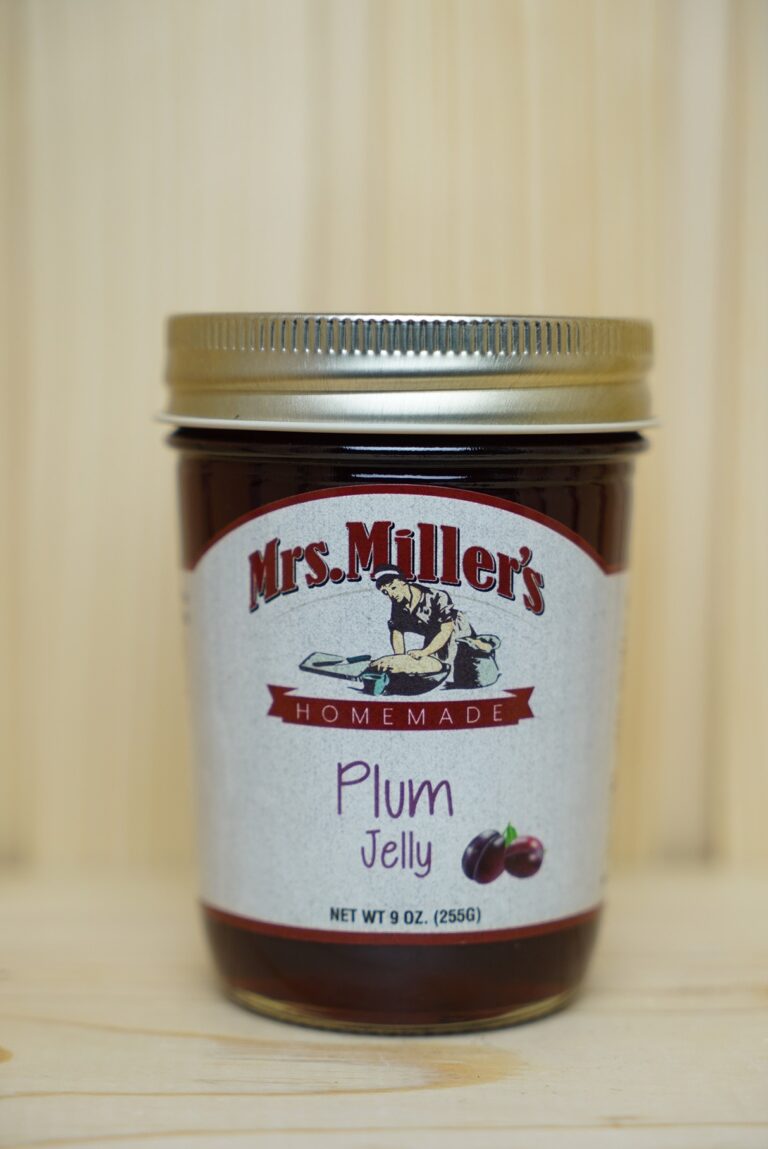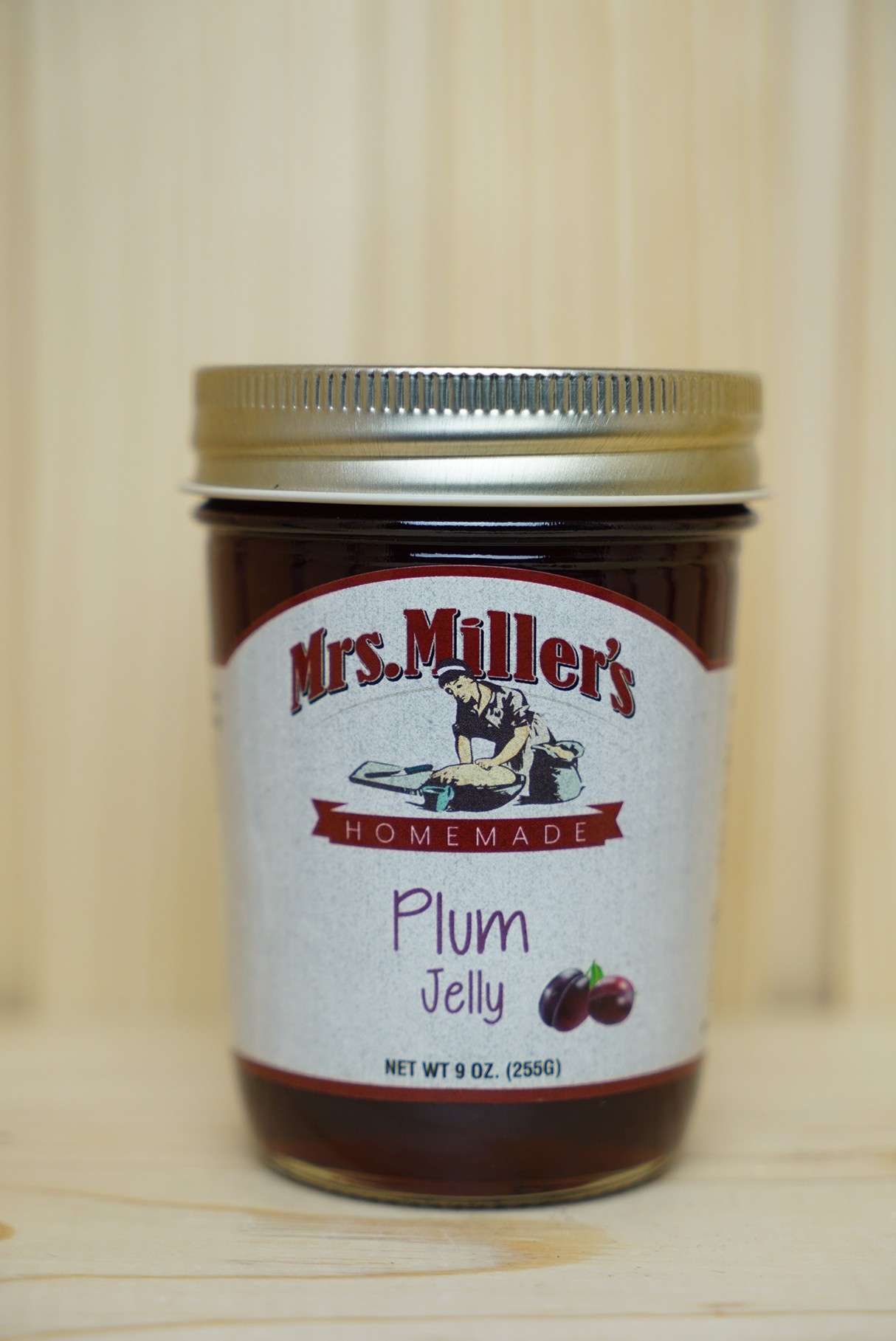
Making plum jelly with pectin safely requires precise techniques and attention to detail. This complete guide provides step-by-step instructions and expert tips to ensure your jelly not only tastes delicious but is also safe for preservation. Proper protocol is essential to avoid spoilage and ensure food safety, making this guide invaluable for both novice and experienced canners.
What This Guide Covers (And What It Doesn’t)
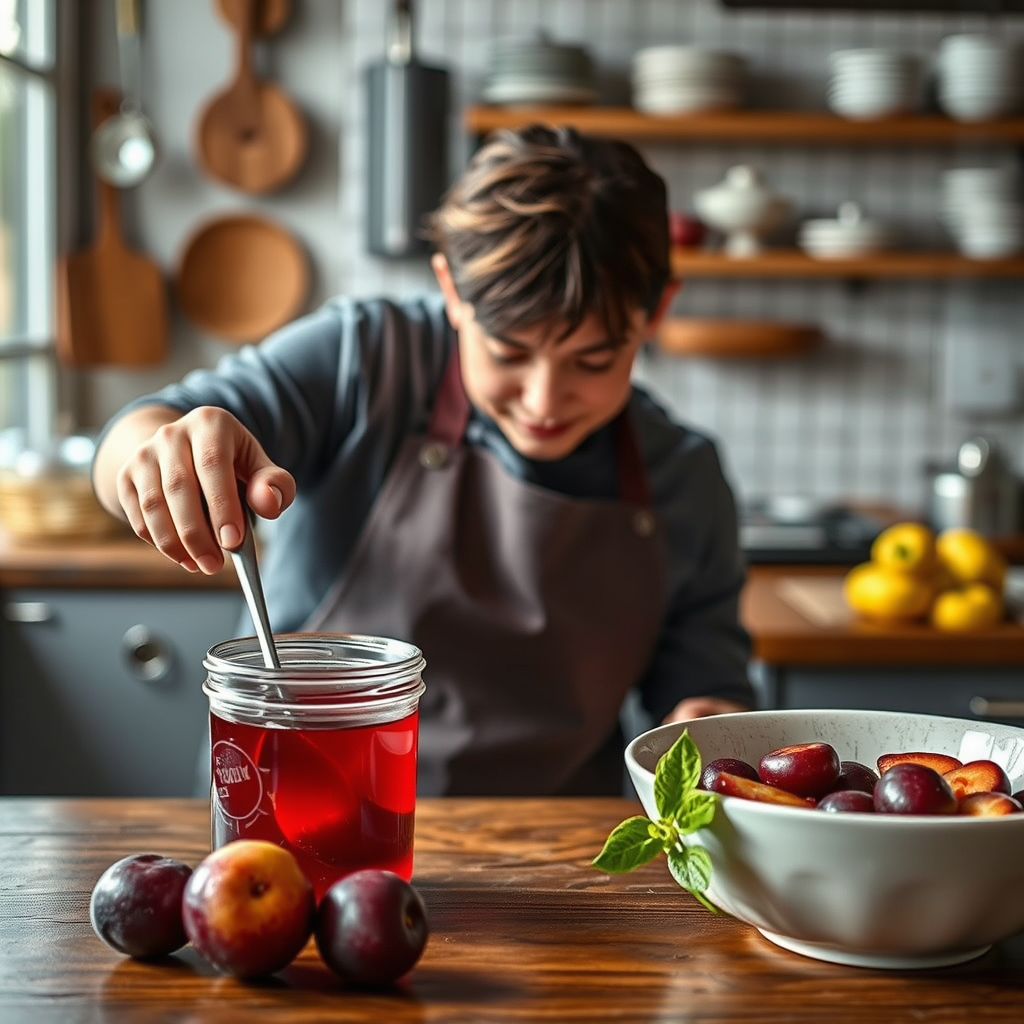
This guide offers a thorough, step-by-step approach to crafting plum jelly with pectin, highlighting precise ingredient measurements, essential equipment, and crucial safety precautions. It emphasizes the use of commercially available pectin, including both liquid and powdered options, to help readers achieve consistent results. However, it does not address alternative preservation methods such as water bath canning for other fruit preserves or jams that do not utilize pectin, nor does it explore non-jelly recipes or variations that feature different fruits.
Who Should Read This
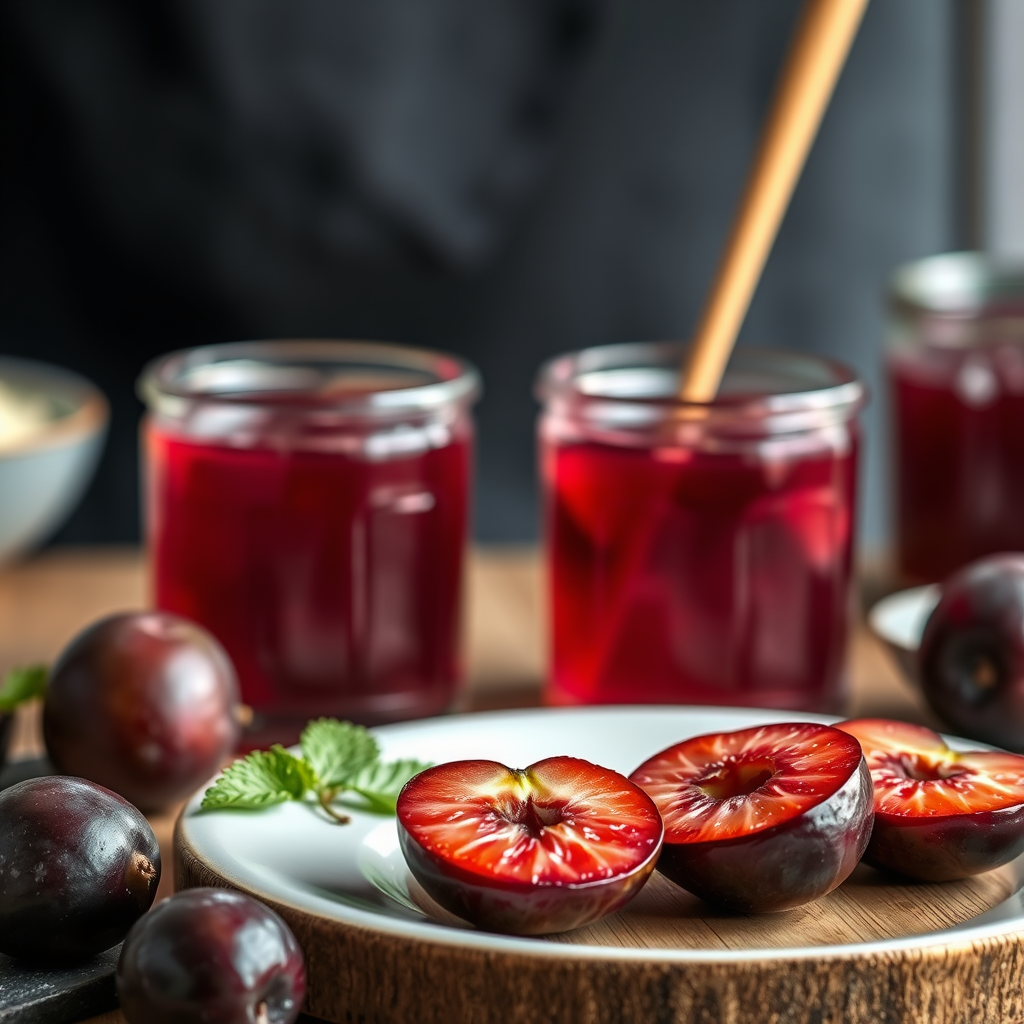
This guide is perfect for home cooks, from beginners to those with intermediate experience in food preservation, as well as anyone eager to make fruit preserves with a particular interest in pectin’s role in jelly-making. Readers should possess a basic understanding of kitchen safety, including how to sanitize jars and equipment properly to ensure food safety. While familiarity with common kitchen terms, such as simmering, boiling, and canning, is assumed, prior experience with jelly-making is not necessary.
The Step-by-Step Protocol
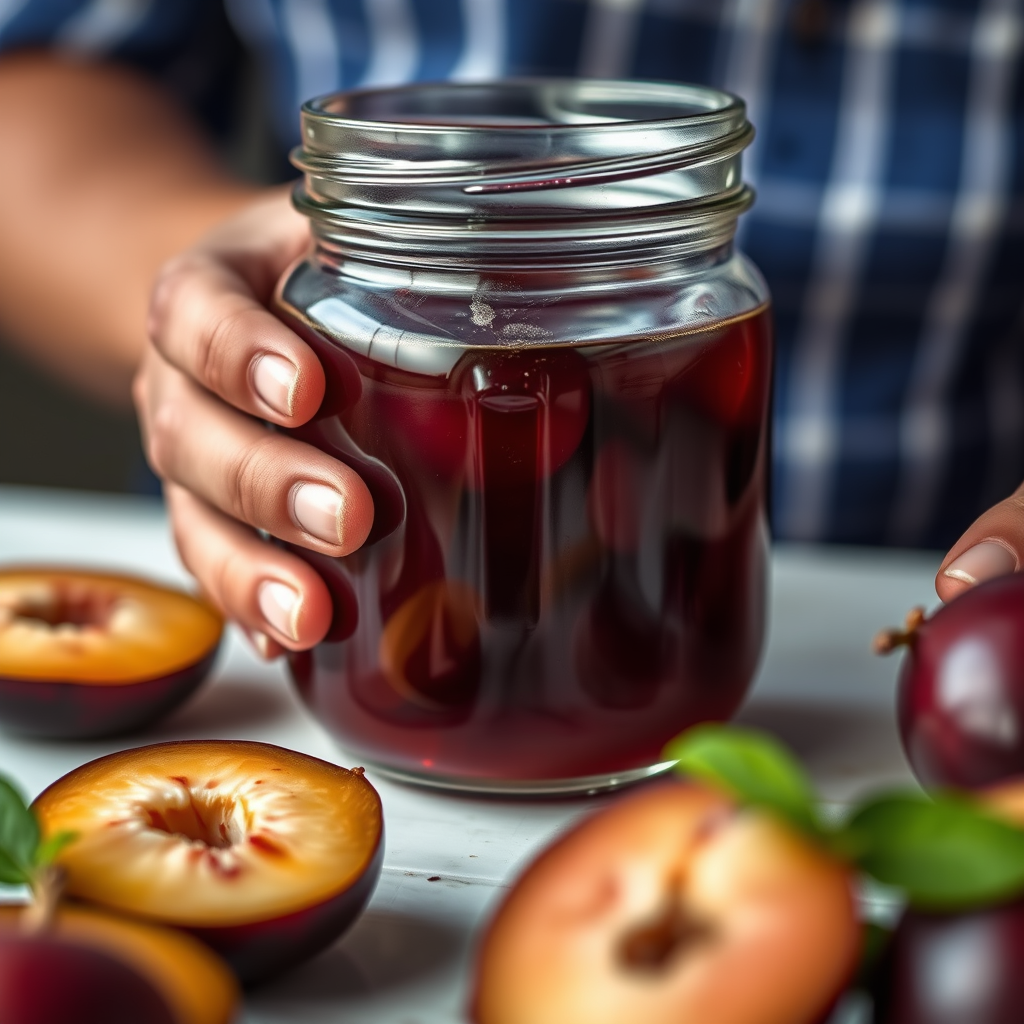
1. Gather Ingredients and Equipment:
– You will need:
– 4 cups of ripe plums (pitted and chopped)
– 1 cup of water
– 1 package (1.75 oz) of powdered pectin
– 5 cups of granulated sugar
– Ensure you have sterilized canning jars and lids.
2. Prepare the Plums:
– Wash the plums thoroughly under running water.
– Pit and chop the plums into small pieces. Measure out exactly 4 cups of the chopped plums and place them into a large saucepan.
3. Cook the Plum Mixture:
– Add 1 cup of water to the saucepan with the plums.
– Bring the mixture to a boil over medium heat.
– Once boiling, reduce the heat and simmer for 10-15 minutes, mashing the plums periodically with a potato masher or spoon to extract the juice.
4. Strain and Combine Ingredients:
– Pour the cooked plums through a fine mesh strainer or cheesecloth to extract the juice, discarding the solids.
– Measure out 4 cups of the extracted juice and return it to the saucepan.
– Stir in the powdered pectin thoroughly. Bring the mixture to a rolling boil.
5. Add Sugar and Boil:
– Once the mixture reaches a boil, quickly stir in 5 cups of granulated sugar.
– Return to a full rolling boil for 1 minute, stirring constantly until the sugar is completely dissolved and the mixture is well combined.
6. Test for Set and Pour into Jars:
– Perform a gel test by placing a spoonful of jelly on a cold plate.
– If it holds its shape after a minute, it is ready for jarring. If not, continue boiling for another minute and test again.
– Once set, pour the hot jelly into prepared jars, leaving ¼ inch of headspace at the top.
7. Seal and Process:
– Wipe the rims of the jars with a clean cloth to remove any residue.
– Apply the lids securely and process the jars in a boiling water bath for 5-10 minutes to ensure a proper seal.
Plum Varieties Best for Jelly (2024)
| # | Plum Variety | Sugar Content (g) | Acidity (%) | Best for Jelly |
|---|---|---|---|---|
| 1 | Santa Rosa | 10 | 0.61 | Yes |
| 2 | Damson | 9 | 0.75 | Yes |
| 3 | Satsuma | 11 | 0.69 | Yes |
| 4 | Black Amber | 10 | 0.65 | Yes |
| 5 | Redheart | 12 | 0.70 | Yes |
| 6 | Greengage | 8 | 0.60 | No |
| 7 | Mirabelle | 7 | 0.68 | No |
Warning Signs: When Not to Follow This
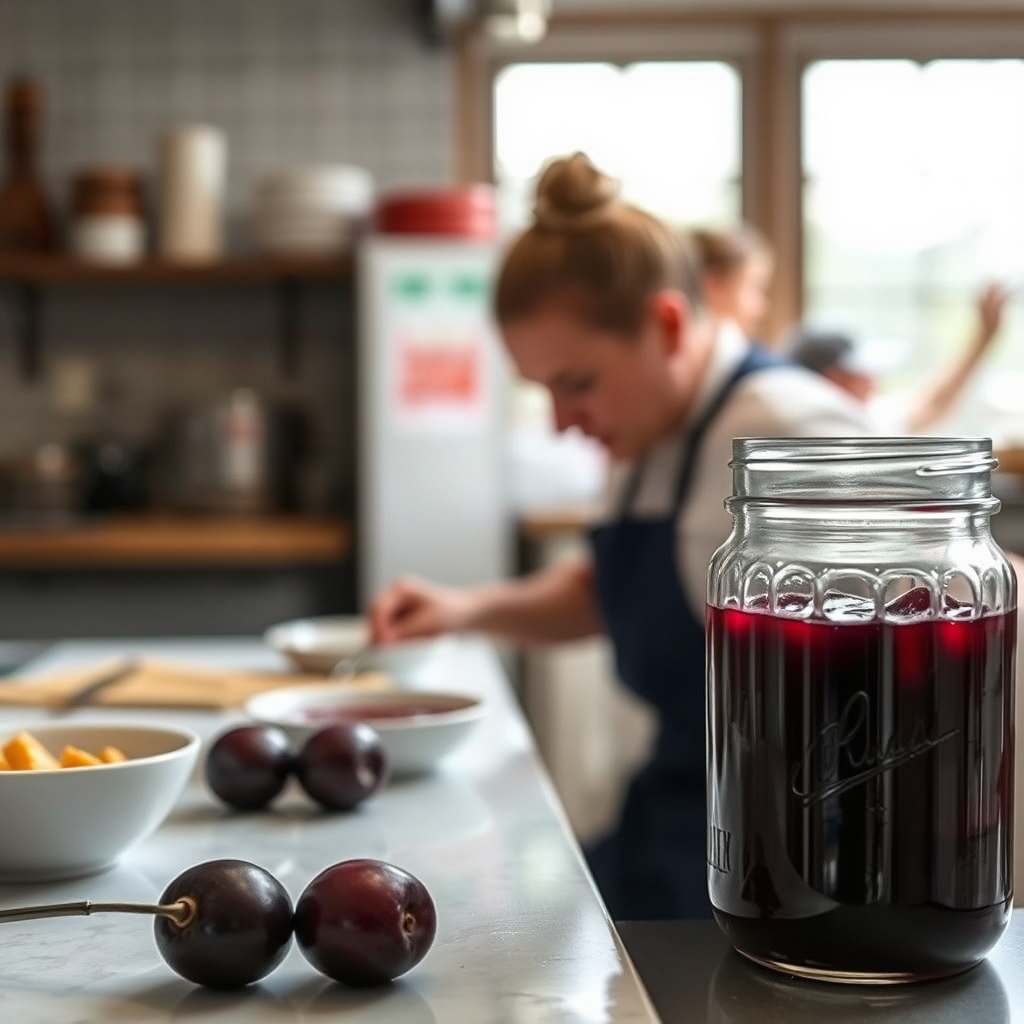
– Do not attempt this recipe if your plums show signs of mold, spoilage, or excessive softness, as these factors can compromise the quality and safety of the jelly.
– If you cannot find pectin or if it is past its expiration date, do not proceed, since it is vital for achieving the correct gel consistency.
– Avoid making this jelly recipe if you are uncertain about proper canning techniques or lack the necessary equipment for a secure seal, as improper sealing can lead to spoilage.
The Most Common Mistakes (And Their Consequences)
– A common error is inaccurate sugar measurement, which can result in jelly that fails to set properly, yielding a syrupy consistency instead of a firm jelly. Always use a measuring cup for precise results.
– Skipping the gel test before pouring into jars often leads to disappointment; if the jelly hasn’t reached the right temperature or consistency, it can spoil or fail to set. Always conduct a test before jarring.
– Failing to sterilize jars and lids adequately can introduce bacteria, leading to spoilage and potential food safety hazards. Ensure jars are boiled for at least 10 minutes prior to use.
Special Cases That Need a Different Approach
– If using low-sugar or sugar-free pectin, follow the specific instructions on the package, as the ratio of sugar to fruit juice may differ and influence the gelling process.
– For those living at high altitudes, adjusting processing times may be necessary to ensure proper sealing; consult a reliable altitude-adjusting guide for canning.
– If you prefer a spiced plum jelly, consider adding spices like cinnamon or cloves during the boiling process, but be cautious not to alter the basic pectin-sugar ratio significantly.
When You Need a Professional
– If you are inexperienced with canning and feel uncertain about any part of the process, especially regarding sterilization and sealing techniques, seek guidance from a local extension service or a certified canning expert.
– If you notice any signs of spoilage, such as off smells or bubbling in sealed jars after processing, discard immediately and consult a food safety expert to understand the risks involved.
– For those with food allergies or sensitivities, particularly to pectin or fruit, it is advisable to consult with a dietitian or food safety professional before attempting this recipe.
Sources and Further Reading
– USDA Complete Guide to Home Canning: A key resource for canning safety and guidelines, available online.
– Ball Blue Book of Canning and Preserving: A trusted source for home canning recipes and techniques, including pectin use.
– National Center for Home Food Preservation: Provides research-based recommendations on preserving foods safely, including jelly-making with pectin.
By following this detailed guide, you can create delicious plum jelly with pectin while ensuring safety and quality throughout the process. Happy preserving!
Frequently Asked Questions
What ingredients are needed for a plum jelly recipe with pectin?
To make plum jelly with pectin, you will need ripe plums, granulated sugar, water, and fruit pectin. It’s essential to choose the right type of pectin, such as liquid or powdered, depending on your preference. Additionally, having lemon juice on hand can help enhance the flavor and acidity of the jelly.
How do I prepare plums for making jelly with pectin?
First, wash the plums thoroughly and remove any stems. Cut them in half and pit them, then place the plum halves in a large pot with a little water. Simmer the plums until they are soft, then mash them to release juices. Strain the mixture through a fine mesh sieve or cheesecloth to obtain the plum juice needed for your jelly.
Why is pectin important in a plum jelly recipe?
Pectin is a natural gelling agent that helps the jelly set properly, ensuring a smooth and spreadable texture. Without it, your plum jelly may turn out runny and fail to achieve that desired consistency. Commercial pectin products are specifically designed to work with high-sugar recipes, making them ideal for plum jelly.
What is the best method to ensure my plum jelly sets properly with pectin?
To ensure your plum jelly sets properly, follow the instructions on your pectin package closely, especially regarding the sugar-to-pectin ratio and cooking times. It’s crucial to bring the mixture to a full rolling boil to activate the pectin, and testing for doneness can be done using the spoon test or temperature check (around 220°F or 104°C).
Which types of pectin are best for a plum jelly recipe?
The best types of pectin for a plum jelly recipe are either liquid pectin or powdered pectin. Liquid pectin is often easier to use and can be added at the end of cooking, while powdered pectin requires mixing with sugar before cooking. Both types can yield excellent results, so choose based on your preference and availability.
References
- Jelly
https://en.wikipedia.org/wiki/Jelly - https://www.extension.purdue.edu/extmedia/FS/FS-7-W.pdf
https://www.extension.purdue.edu/extmedia/FS/FS-7-W.pdf - https://www.foodsafety.gov/food-safety-charts/jelly-jam-and-preserve-safety
https://www.foodsafety.gov/food-safety-charts/jelly-jam-and-preserve-safety - https://www.nutrition.gov/topics/food-safety/preserving-foods/jams-jellies
https://www.nutrition.gov/topics/food-safety/preserving-foods/jams-jellies - https://www.mayoclinic.org/healthy-lifestyle/nutrition-and-healthy-eating/in-depth/jams-and-jellies/art-20045309
https://www.mayoclinic.org/healthy-lifestyle/nutrition-and-healthy-eating/in-depth/jams-and-jellies/art-20045309 - Google Scholar Google Scholar
https://scholar.google.com/scholar?q=plum+jelly+recipe+with+pectin - Google Scholar Google Scholar
https://scholar.google.com/scholar?q=pectin+in+fruit+jelly+recipes - Google Scholar Google Scholar
https://scholar.google.com/scholar?q=homemade+plum+jelly+pectin - https://pubmed.ncbi.nlm.nih.gov/19501923/
https://pubmed.ncbi.nlm.nih.gov/19501923/ - https://www.sciencedirect.com/topics/food-science/jelly
https://www.sciencedirect.com/topics/food-science/jelly