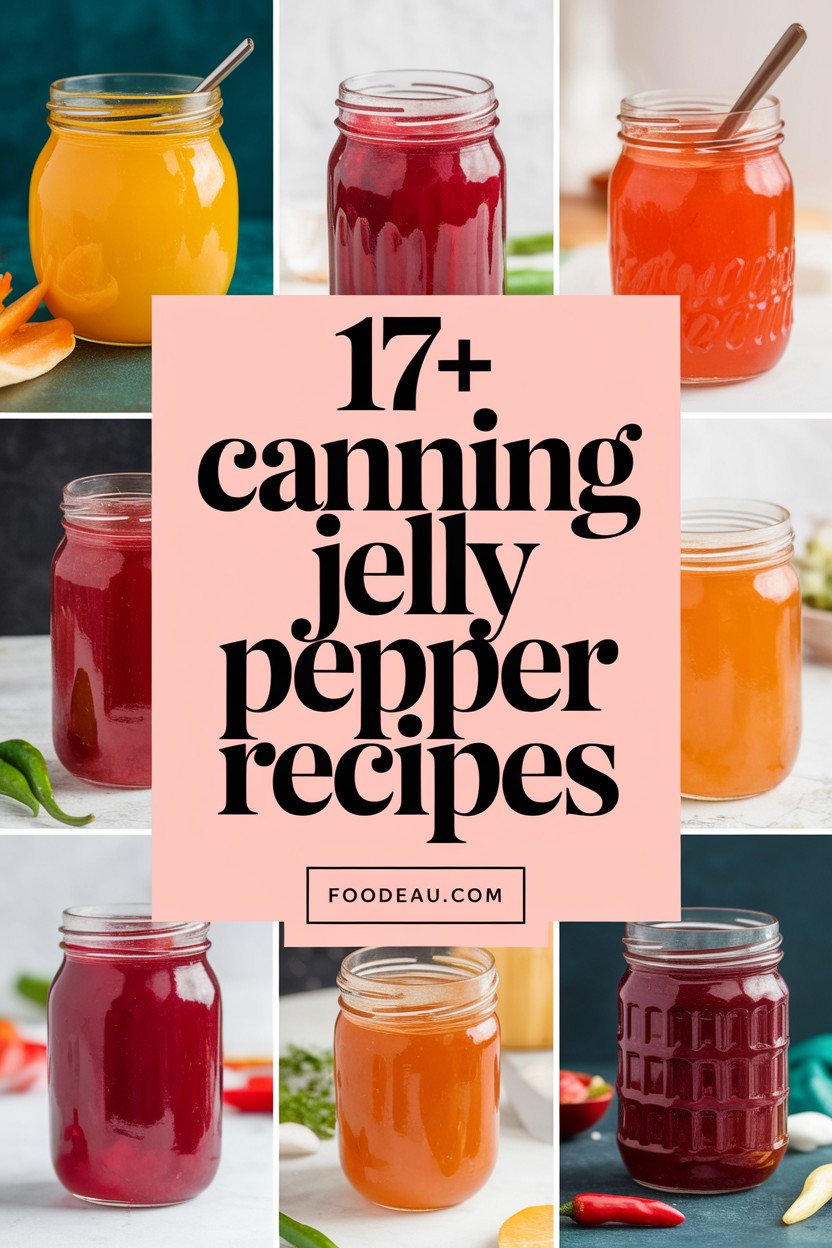
This complete guide to safely canning pepper jelly provides expert protocols that ensure your preserves are both delicious and safe for long-term storage. By adhering to tested recipes and proper canning techniques, you can avoid common pitfalls that jeopardize food safety and flavor. Whether you’re a seasoned canner or a novice, following these guidelines will help you create vibrant, shelf-stable pepper jelly that highlights the best of your harvest.
What This Guide Covers (And What It Doesn’t)
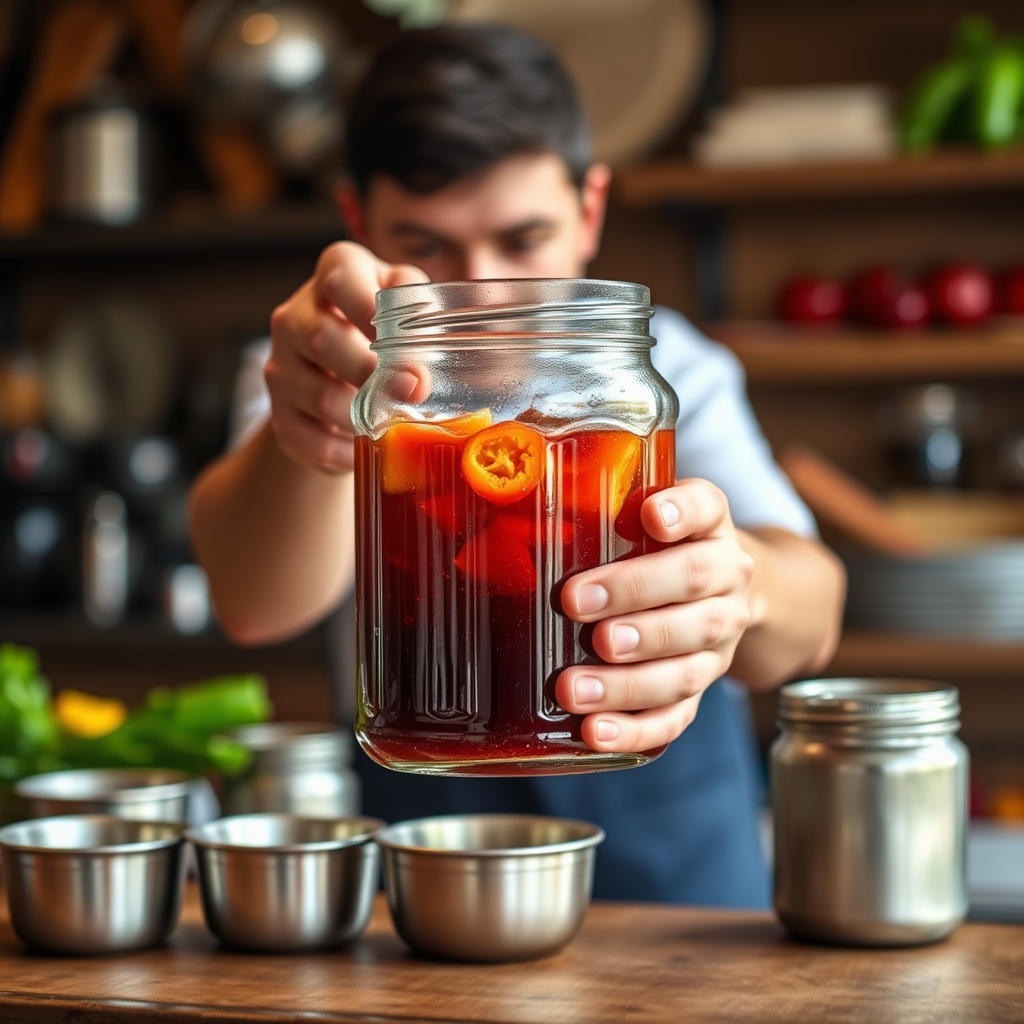
This guide offers a comprehensive, step-by-step recipe for canning pepper jelly, detailing the necessary ingredients, equipment, and essential safety measures for successful preservation. It delves into the science of canning, highlighting the required acidity levels for safe preservation and the importance of using tested recipes. While the focus is on traditional pepper jelly, this guide does not include variations like fruit-infused jellies or low-sugar alternatives; readers interested in those should refer to specialized resources.
Who Should Read This
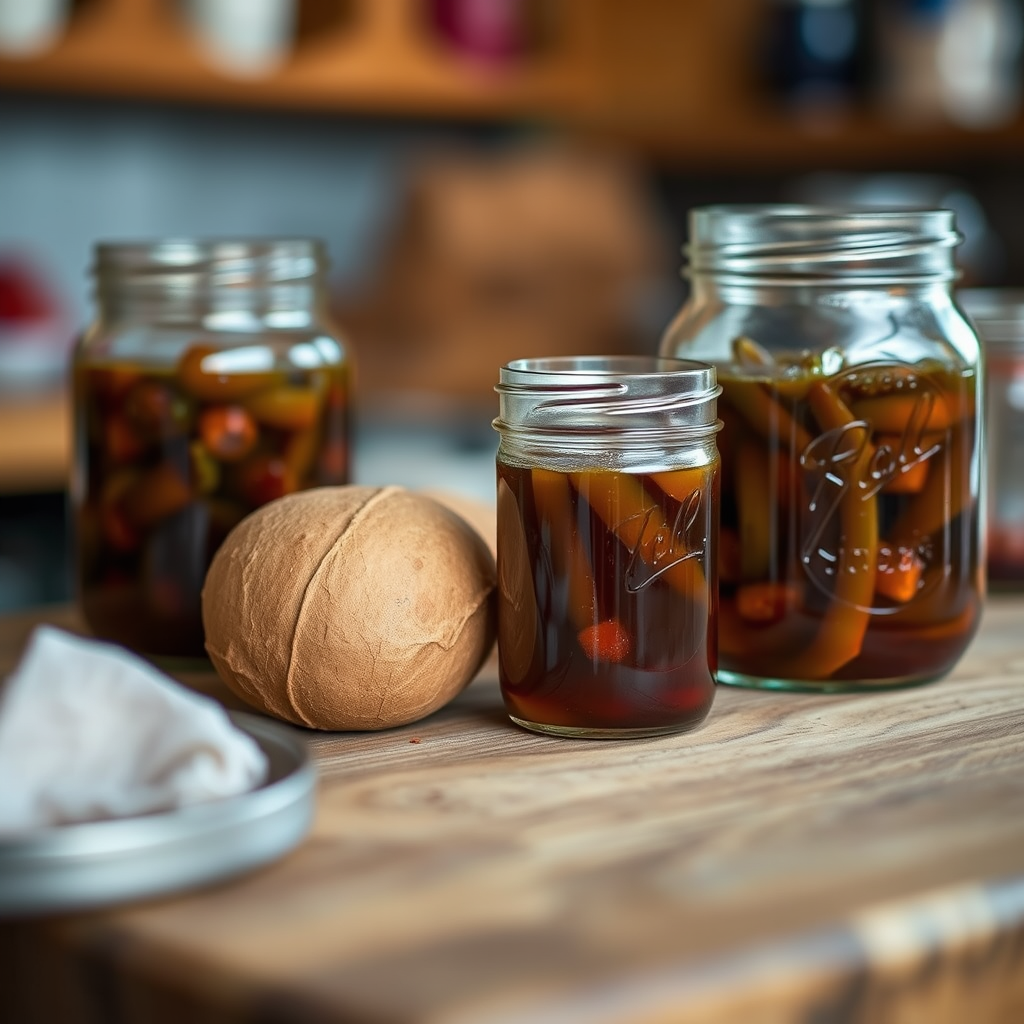
Designed for home canners with a basic understanding of food preservation techniques, this guide is ideal for those eager to enhance their food storage skills, particularly in preserving seasonal peppers. Beginners who are entirely new to canning should first familiarize themselves with general canning principles and safety guidelines before attempting this recipe.
The Step-by-Step Protocol
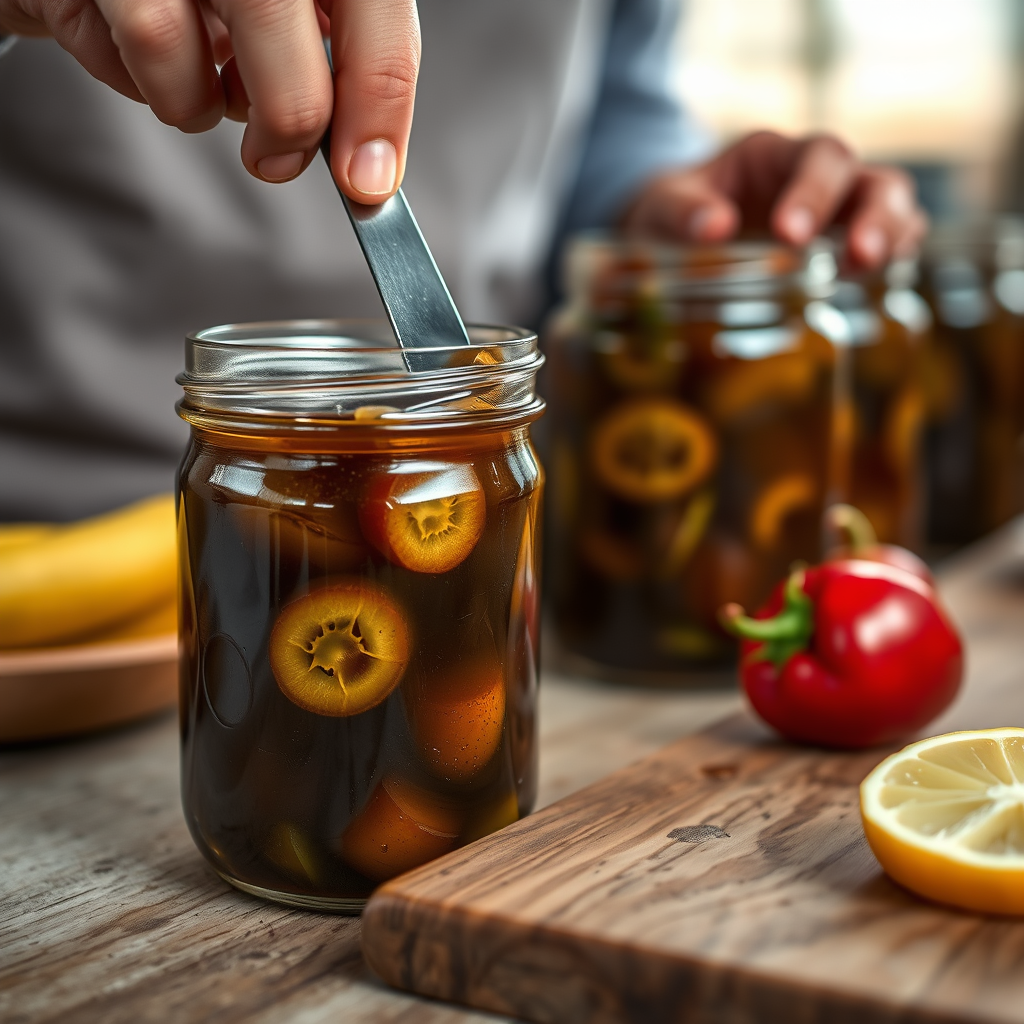
1. Gather Ingredients and Equipment: Collect the following:
– 2 cups of finely chopped sweet or hot peppers (red, green, or a combination)
– 2 cups of apple cider vinegar (5% acidity)
– 5 cups of granulated sugar
– 1 package (1.75 oz) of powdered pectin
Ensure you have the following canning equipment:
– Canning jars (8-ounce size recommended)
– Canning lids and bands
– Water bath canner
– Jar lifter
– Large pot for cooking the jelly
– Ladle and measuring cups
2. Prepare Jars: Sterilize your canning jars by submerging them in boiling water for 10 minutes. Keep the jars warm until you are ready to fill them to prevent thermal shock and breakage.
3. Cook the Jelly: In a large pot, combine the finely chopped peppers and apple cider vinegar. Bring this mixture to a rolling boil. Once boiling, add the sugar all at once, stirring continuously until it is completely dissolved. Afterward, bring the mixture back to a rolling boil and quickly stir in the powdered pectin. Continue boiling for 1-2 minutes until the jelly reaches the desired consistency (a temperature of 220°F or 105°C is ideal).
4. Fill and Process Jars: Using a ladle, carefully fill the prepared jars with hot jelly, leaving approximately 1/4-inch headspace. Wipe the rims of the jars with a clean, damp cloth to remove any residue. Place the lids on the jars, securing them with bands until fingertip-tight. Process the jars in a boiling water bath for 5-10 minutes, adjusting the time based on your altitude (see below for specific adjustments).
5. Cool and Store: Once processed, carefully remove the jars from the water bath using a jar lifter and place them on a clean towel to cool. Allow the jars to sit undisturbed for 24 hours. After cooling, check seals by pressing down on the center of each lid; if it doesn’t pop back, the jar has sealed properly. Store sealed jars in a cool, dark place. Unsealed jars can be reprocessed or refrigerated for immediate use.
Acidity Levels Required for Safe Canning
| # | Ingredient | Required pH Level | Acidity Source | Notes |
|---|---|---|---|---|
| 1 | Apple Cider Vinegar | < 4.6 | Acetic Acid | Commonly used for jellies |
| 2 | Lemon Juice | < 2.0 | Citric Acid | Used for additional acidity |
| 3 | Tomatoes | < 4.6 | Citric Acid | Ensure proper acidification |
| 4 | Peppers | 4.6 – 5.0 | Natural Acids | Varies by pepper type |
| 5 | Sugar | N/A | N/A | Used for sweetness and preservation |
| 6 | Pectin | N/A | N/A | Provides gelling properties |
| 7 | Salt | N/A | N/A | Optional for taste |
Warning Signs: When Not to Follow This
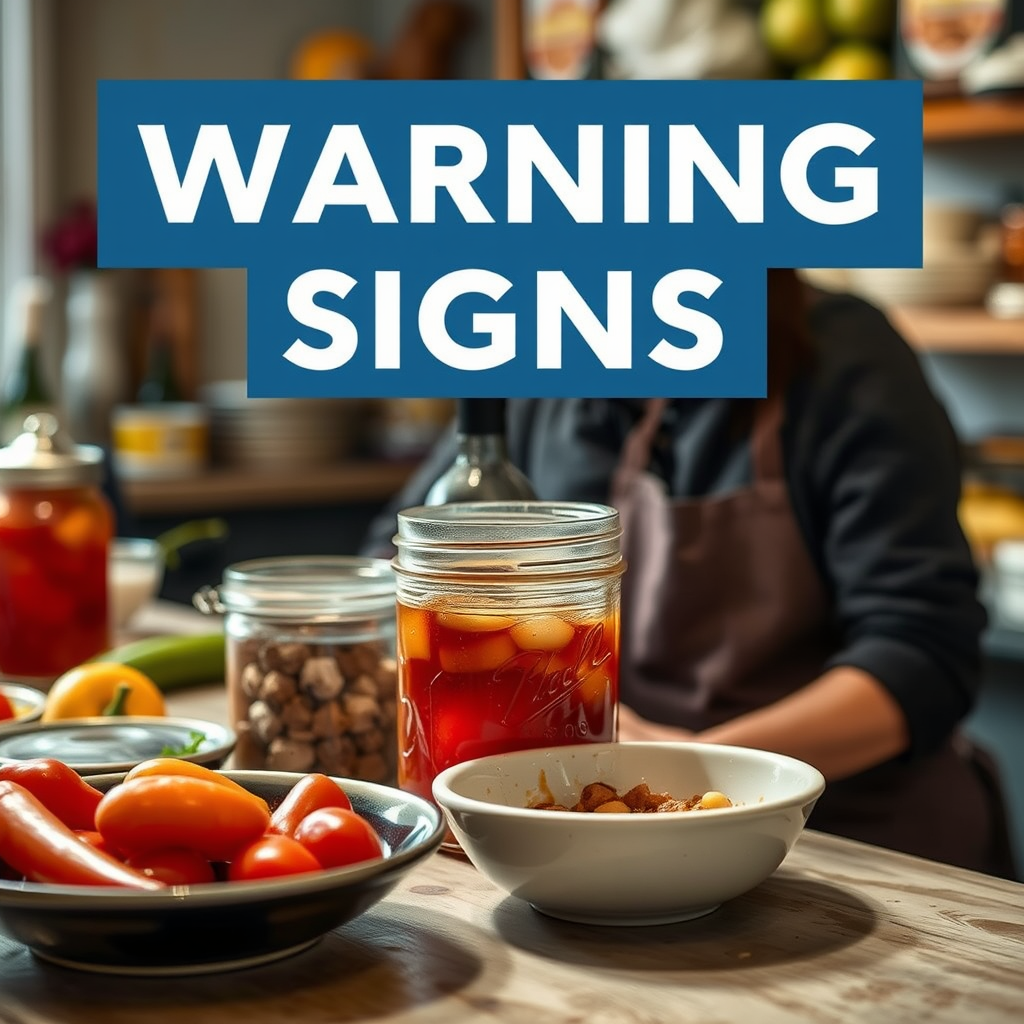
Be cautious if the peppers exhibit any signs of spoilage, such as mold, discoloration, or an off smell; do not proceed with the recipe, as these factors may compromise safety. Additionally, avoid canning if you lack access to a reliable source of high-acid vinegar, as this acidity is crucial for preventing bacterial growth. If you do not have the proper canning equipment (e.g., a water bath canner), refrain from trying to can the jelly, as improper processing can lead to spoilage.
The Most Common Mistakes (And Their Consequences)
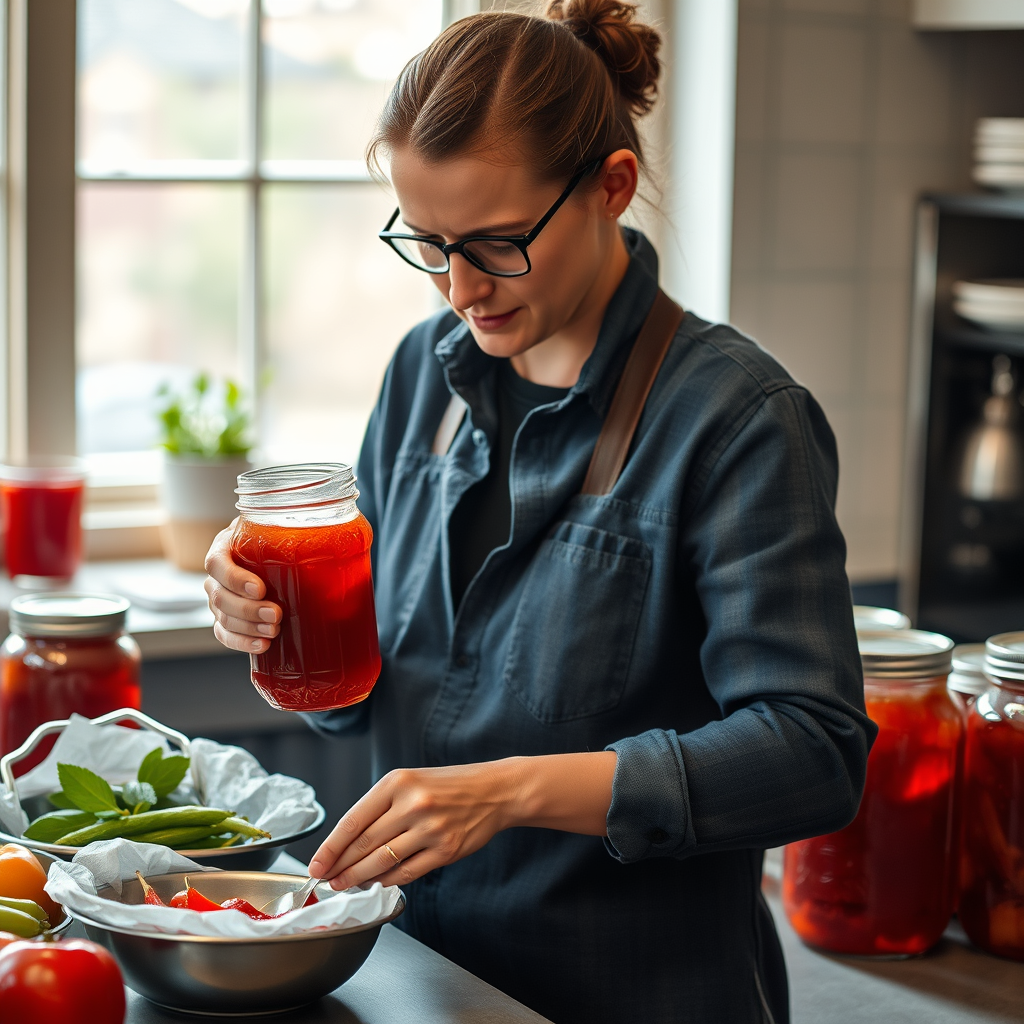
Using low-acid ingredients, like certain sweet peppers, without adequate acidification can encourage the growth of harmful bacteria, including botulism. Always ensure that your recipe incorporates high-acid ingredients to maintain safety. Furthermore, skipping the water bath canning process or failing to process for the recommended time can result in jars that do not seal properly, risking spoilage. Adhere to the specified processing time based on your altitude. Lastly, inaccuracies in measuring ingredients, particularly sugar and pectin, can lead to improper jelly consistency, resulting in syrupy or overly firm jelly. Precise measurements are crucial for success.
Special Cases That Need a Different Approach
For those with dietary restrictions, such as individuals requiring low-sugar options, a specialized low-sugar pectin must be used, necessitating adjustments to the recipe. Follow the manufacturer’s instructions when substituting traditional pectin. If using unconventional peppers, like ghost peppers or other extremely hot varieties, consider adjusting the vinegar and sugar ratio to maintain balance and safety. A higher sugar content may be necessary to offset the heat. Additionally, when canning at high altitudes, adjust processing times according to local elevation recommendations. Generally, increase processing time by 1 minute for every 1,000 feet above sea level.
When You Need a Professional
If you are uncertain about the acidity of your ingredients or have never canned before, consult a local extension service for guidance on safe preservation techniques. They can provide valuable resources and education. In cases of allergic reactions or health concerns related to specific ingredients, seeking advice from a healthcare professional before consuming home-canned products is essential. For example, an allergy to certain peppers can lead to serious reactions. If you encounter any issues with jar seals or spoilage after canning, it’s crucial to contact a food safety expert for advice on proper disposal and future canning practices. Do not consume any sealed jars that show signs of spoilage.
Sources and Further Reading
– National Center for Home Food Preservation: Offers comprehensive guidelines on safe canning practices and tested recipes for various jellies and preserves.
– USDA Complete Guide to Home Canning: Provides detailed information on safe canning processes, including acidity requirements and processing times.
– Ball Blue Book Guide to Preserving: A reputable resource for home canners that includes a variety of tested recipes and techniques for canning fruits, vegetables, and jellies.
By following this expert guide on canning pepper jelly, you can ensure a safe and delicious outcome that preserves the vibrant flavors of your peppers. Food safety is paramount; always prioritize proper techniques to enjoy your homemade preserves.
Frequently Asked Questions
What ingredients do I need for a basic pepper jelly recipe for canning?
To make a basic pepper jelly for canning, you will need 1 cup of finely chopped sweet peppers, 1 cup of finely chopped hot peppers, 1 cup of apple cider vinegar, 5 cups of granulated sugar, and 1 packet of pectin. This combination will create a sweet and spicy jelly that’s perfect for spreading on crackers or adding to recipes.
How do I properly can pepper jelly to ensure it is safe for long-term storage?
To safely can pepper jelly, start by sterilizing your jars and lids in boiling water. After cooking your jelly mixture and achieving the desired consistency, pour it into the hot, sterilized jars, leaving about 1/4 inch of headspace. Seal the jars with lids and process them in a boiling water bath for 5 to 10 minutes to eliminate bacteria and ensure a proper seal.
Why is my pepper jelly too runny and how can I fix it?
If your pepper jelly turns out too runny, it may be due to insufficient pectin or cooking time. To fix it, you can reheat the jelly, add more pectin according to the package instructions, and boil it for a few more minutes until it reaches the desired thickness. Always do a gel test by placing a spoonful on a cold plate to check its consistency before canning again.
What is the best type of peppers to use for making pepper jelly?
The best types of peppers for making pepper jelly include a mix of sweet bell peppers for flavor and color, along with hot peppers like jalapeños or habaneros for heat. This combination not only balances sweetness and spiciness but also creates a visually appealing jelly with vibrant colors. Experimenting with different pepper varieties can yield unique flavor profiles.
Which recipes can I pair with homemade pepper jelly for entertaining?
Homemade pepper jelly pairs well with a variety of dishes for entertaining, including cream cheese and crackers, grilled meats, or as a glaze for roasted vegetables. It can also be drizzled over charcuterie boards or used in sandwiches to add a sweet and spicy kick. Consider serving it alongside soft cheeses for a delightful appetizer option.
References
- Fruit preserves
https://en.wikipedia.org/wiki/Jam - https://www.uga.edu/extension/food-safety-preservation/preservation/preserving-jams-jellies/
https://www.uga.edu/extension/food-safety-preservation/preservation/preserving-jams-jellies/ - https://extension.psu.edu/jam-and-jelly-recipes
https://extension.psu.edu/jam-and-jelly-recipes - https://nchfp.uga.edu/how/can_06/jelly.html
https://nchfp.uga.edu/how/can_06/jelly.html - https://www.foodsafety.gov/food-safety-charts/preserving-jams-and-jellies
https://www.foodsafety.gov/food-safety-charts/preserving-jams-and-jellies - https://www.michigan.gov/mdard/0,4610,7-125-1560_61113_61129-415817–,00.html
https://www.michigan.gov/mdard/0,4610,7-125-1560_61113_61129-415817–,00.html - Google Scholar Google Scholar
https://scholar.google.com/scholar?q=pepper+jelly+recipe+canning - Google Scholar Google Scholar
https://scholar.google.com/scholar?q=pepper+jelly+preservation - Google Scholar Google Scholar
https://scholar.google.com/scholar?q=home+canning+recipes - https://pubmed.ncbi.nlm.nih.gov/24663363/
https://pubmed.ncbi.nlm.nih.gov/24663363/