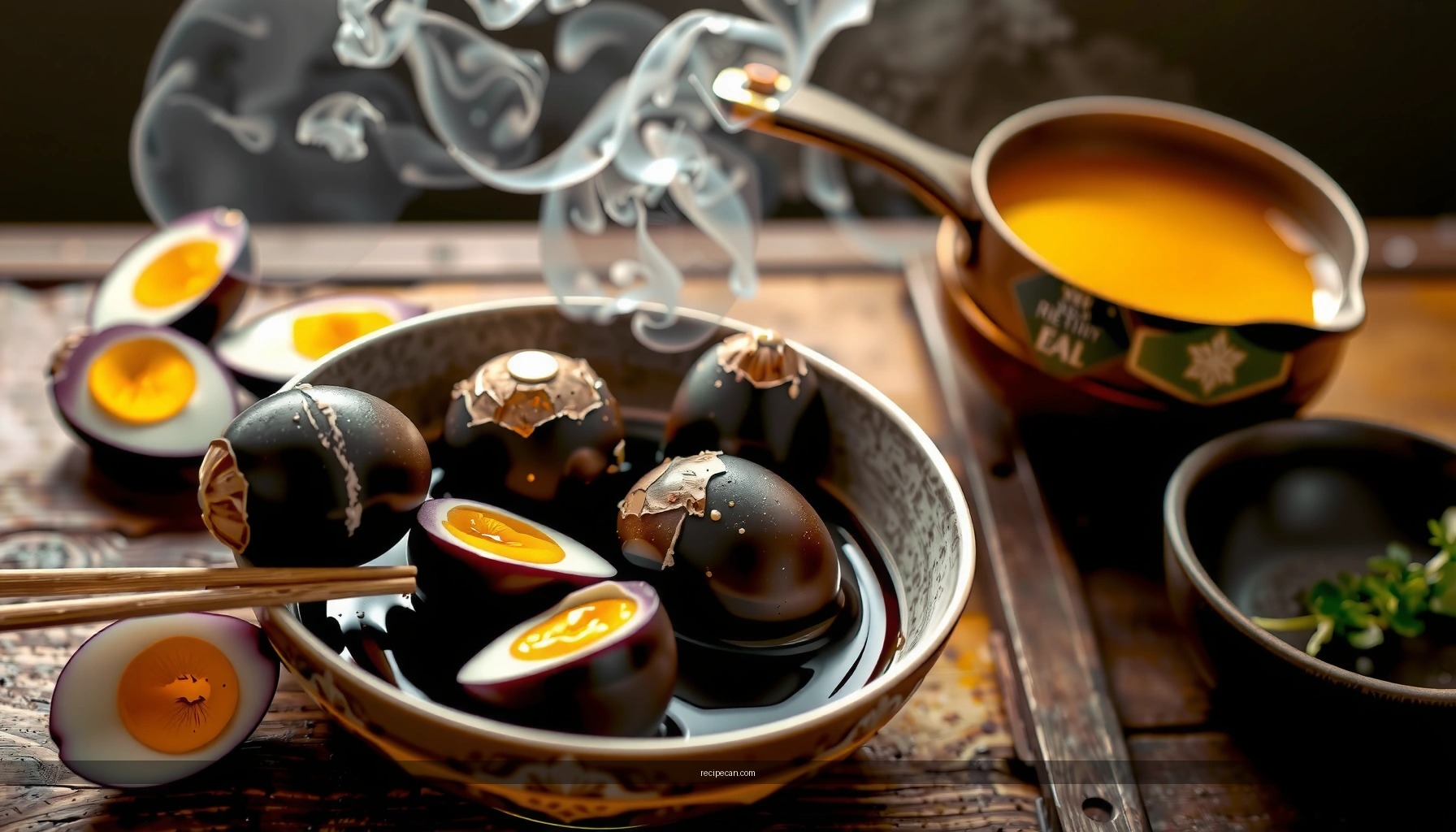
Want a tea egg recipe that actually delivers tender jammy yolks and deep tea flavor? This step-by-step guide shows the fastest way to make delicious tea eggs at home, including the tea and spice mix that coats the eggs evenly. You’ll get a clear method for getting that signature marbled “cracked shell” look without guesswork.
Tea eggs are easy to make at home: hard-boil eggs, then simmer them in a strong black tea and soy-based marinade until the shells absorb savory, aromatic flavor. With the right tea strength, a balanced soy-spice blend, and gentle simmering, you can achieve the classic marbled look and a deeply seasoned center—perfect for ramen, snack boards, or meal prep.
Ingredients for Tea Eggs
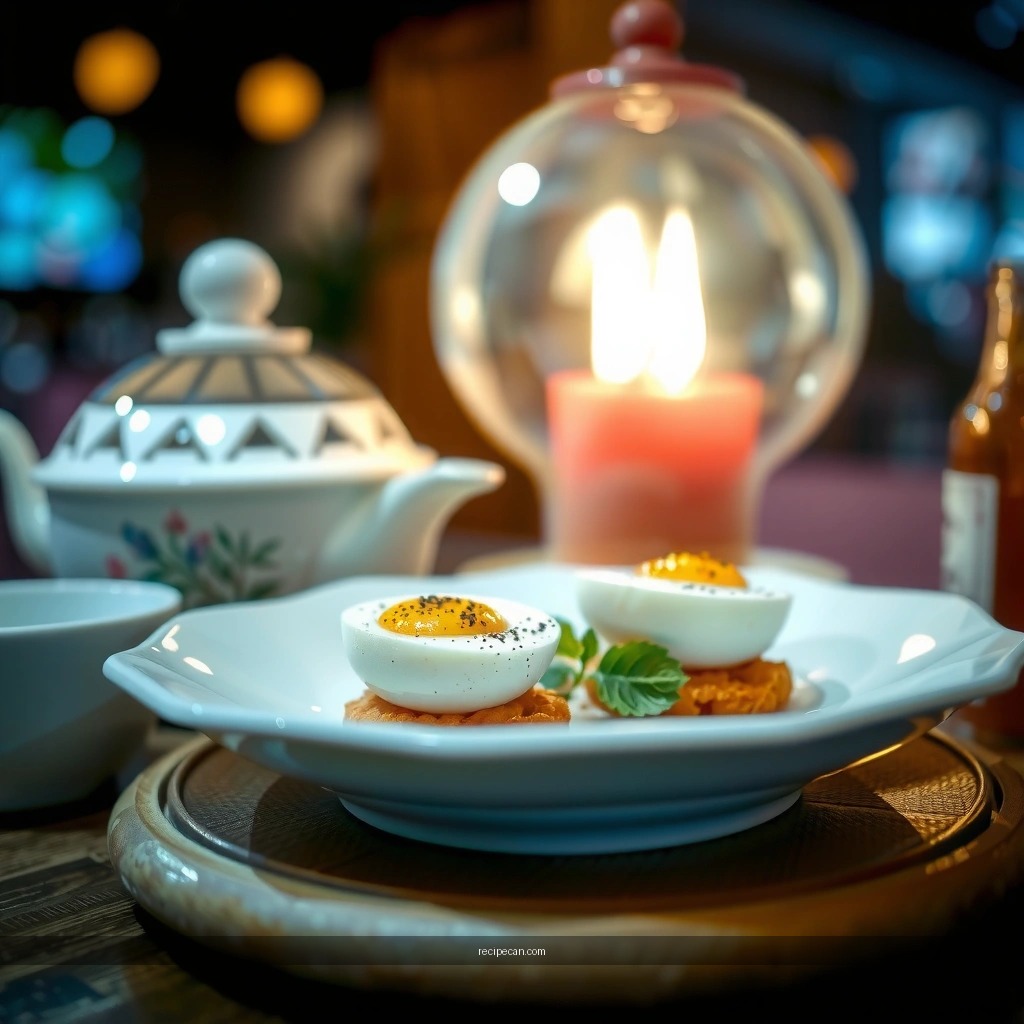
– Hard-boiled eggs, soy sauce, and black tea form the base flavor
– Add spices like star anise, cinnamon, and garlic for deeper aroma
To make high-quality tea eggs (often called “marinated tea eggs” or “lu cha dan” in Chinese cuisine), focus on flavor extraction and shell penetration. The eggs don’t “soak” like meat; instead, the marinade works through micro-cracks and the porous shell surface, especially if you gently create a marbled effect.
Core ingredients (for about 6–8 eggs):
– Eggs: 6–8 large eggs
– Black tea: 2–3 tablespoons loose leaf black tea *or* 4–6 tea bags (strong is essential)
– Soy sauce: 1/2 cup (light or a mix of light + dark works well)
– Water: 2 cups (to build the marinade)
– Sugar (optional but recommended): 1–2 tablespoons (rounds out the soy’s saltiness and improves color)
– Salt (optional): only if you need to adjust after simmering
Aromatics & spices (classic profile):
– Star anise: 1–2 pods (licorice warmth)
– Cinnamon stick: 1 small piece (sweet-bitter depth)
– Garlic: 3–4 cloves, smashed (boosts savory aroma)
– Ginger: 1–2 thick slices (clean, peppery lift)
– Sichuan peppercorns (optional): 1/2 teaspoon for subtle citrusy fragrance
– Crushed white pepper (optional): 1/4 teaspoon
Why black tea matters: Green tea and herbal teas can taste pleasant, but black tea is the reliable choice for the iconic tea-egg color and tannic backbone. Tannins also interact with soy flavors to produce the signature savory “tea-braised” character.
Tea Egg Flavor Targets by Marinade Time
| # | Marinade Step | Simmer Time | Expected Color | Soy-Savory Intensity |
|---|---|---|---|---|
| 1 | Quick soak (no overnight) | 30 minutes | Light tan ★★☆☆☆ | Moderate |
| 2 | Classic simmer | 45–60 minutes | Golden brown ★★★★☆ | High |
| 3 | Deep flavor build | 75–90 minutes | Deep mahogany ★★★★★ | Very high |
| 4 | Post-simmer steep | 2–4 hours in fridge | Even marbling ★★★★☆ | High |
| 5 | Overnight steep | 10–14 hours | Classic tea-egg finish ★★★★★ | Very high |
| 6 | If marinade is too salty | Use 3/4 cup soy + 1.25 cup water | Still strong ★★★★☆ | Over-salty risk ↓ |
| 7 | If tea is too weak | Increase tea to 3 tbsp / 6 bags | Color improves ★★★★★ | Flavor balance ↑ |
How to Hard-Boil the Eggs
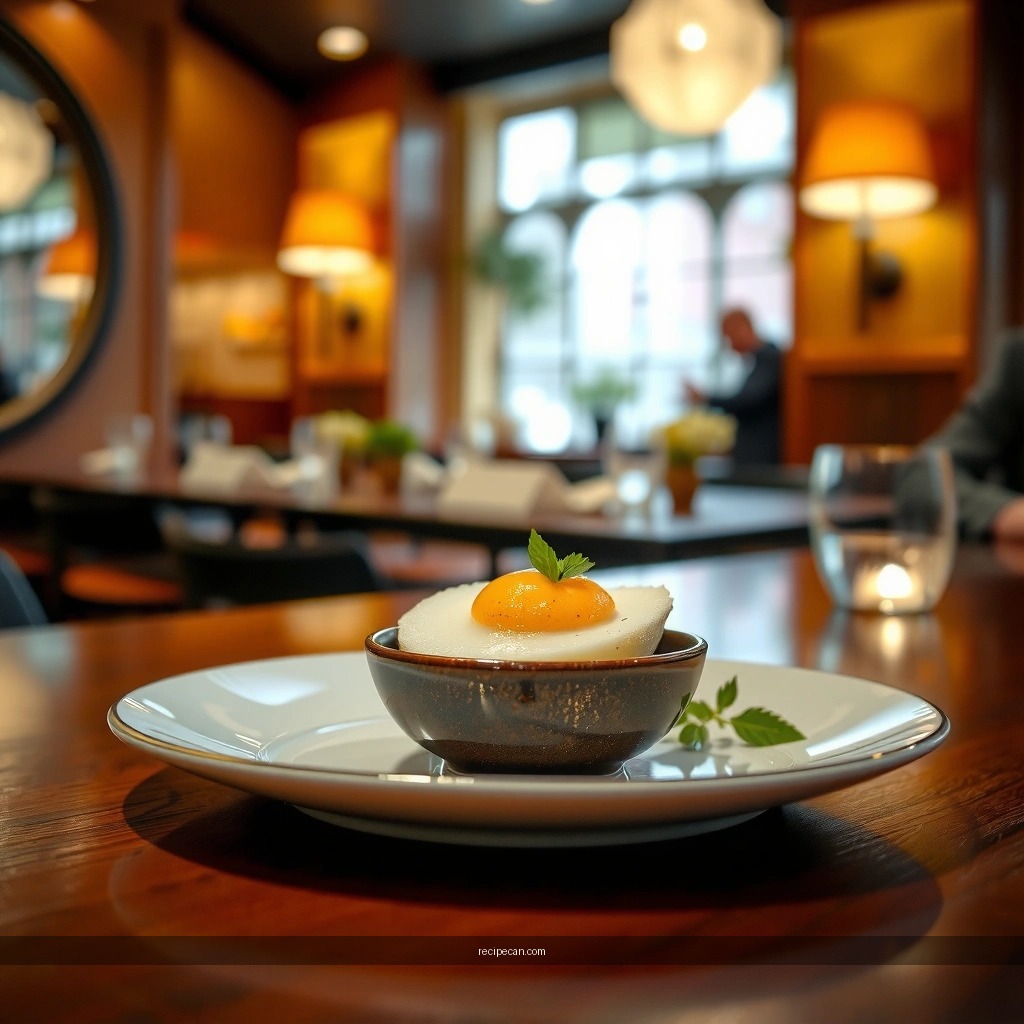
– Boil until fully cooked, then cool and peel gently
– Peel carefully (or partially) to help the marinade soak in better
Hard-boiling is where many tea eggs either succeed—or fall short. If eggs are undercooked, watery, or overcooked, the yolk texture changes and the final eating experience is compromised.
Recommended hard-boil method (consistent results):
1. Place eggs in a saucepan and cover with cold water by about 1–2 inches.
2. Bring to a boil over medium-high heat.
3. Once boiling, reduce to a steady simmer and cook 9–12 minutes depending on desired yolk:
– 9–10 minutes: jammy center (tea flavor still works, but texture differs)
– 11–12 minutes: classic firm center suitable for slicing
4. Immediately transfer eggs to a bowl of ice water for 5–10 minutes to stop cooking and make peeling easier.
Peeling approach for better flavor absorption:
– For traditional “marbled” tea eggs, peel gently but leave some shell pieces behind or lightly crack the shell first.
– The goal is not to remove everything perfectly; it’s to create entry points for marinade.
– If peeling fully is your preference, use a fork to create tiny hairline cracks after peeling and before simmering.
Food-safety note: Keep eggs refrigerated promptly after peeling and simmering, especially if you plan to steep them overnight.
Make the Tea and Soy Marinade
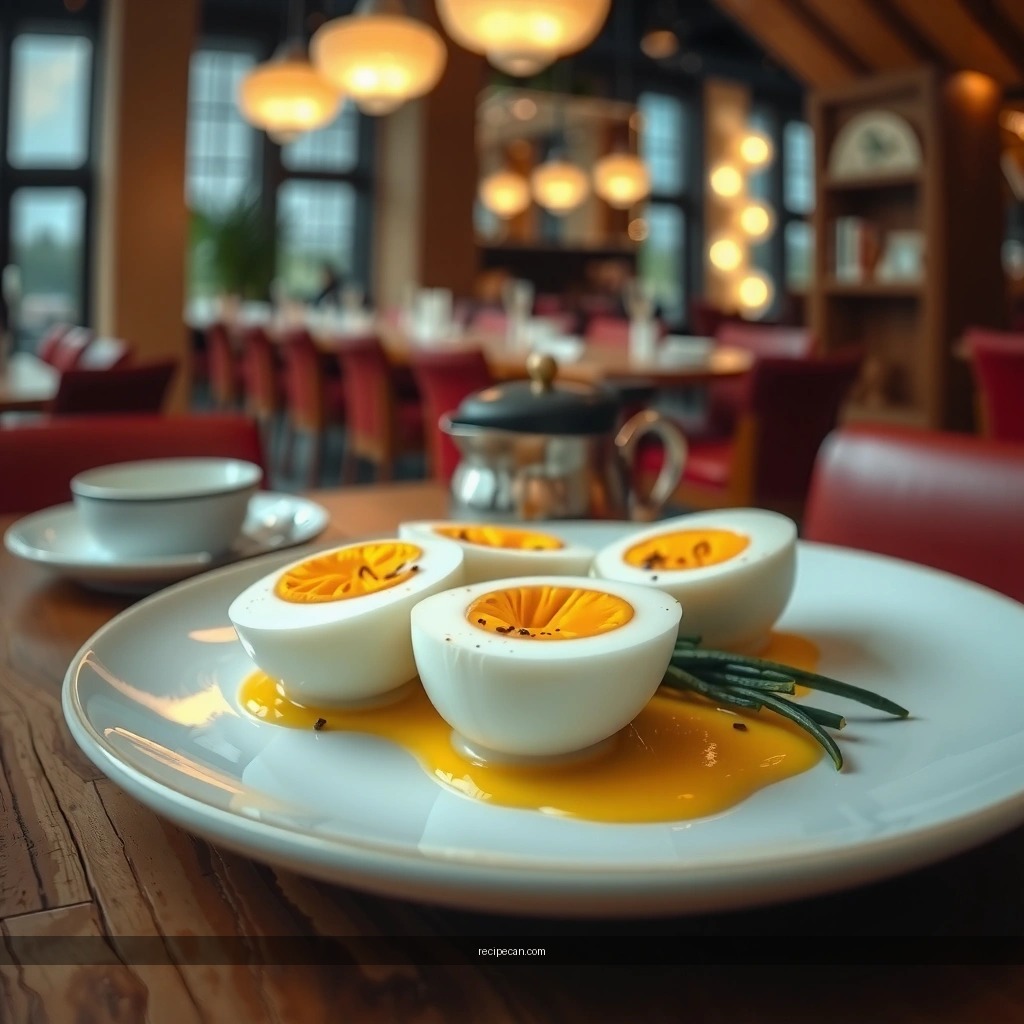
– Combine soy sauce, water, and brewed strong black tea
– Add aromatics and spices, then bring the mixture to a gentle simmer
Your marinade is the engine of the recipe. It should taste balanced before it ever meets the eggs: savory from soy, aromatic from spices, and lightly sweet or tea-forward depending on your preferences.
Marinade build (6–8 eggs):
1. Brew strong black tea:
– If using loose tea: steep 3 tbsp in hot water for 5–8 minutes, then strain.
– If using tea bags: use 4–6 tea bags and steep until the liquid is dark and concentrated.
2. In a pot, combine:
– Soy sauce: 1/2 cup
– Brewed tea: from your concentrate (aim for about 2 cups total liquid with water adjustments)
– Water: as needed
– Sugar (optional): 1–2 tbsp
3. Add aromatics and spices:
– Star anise: 1–2
– Cinnamon stick: 1 piece
– Garlic: smashed cloves
– Ginger: slices
– Optional: peppercorns, white pepper
Bring the mixture to a gentle simmer, not a hard boil. A hard boil can make eggs tough over time and can create bitterness from spices if they’re overheated.
Analytical tip: Tannins from tea can taste more astringent if the tea is weak or simmered too aggressively. Using a gentle simmer and steeping long enough improves clarity and reduces harshness.
Simmering the Tea Eggs
– Submerge eggs in the marinade and simmer for flavor absorption
– For more taste, simmer longer or refrigerate and steep overnight
Simmering is where the marbled look develops and the interior flavors intensify. The best approach is controlled heat and adequate contact time.
How to simmer:
1. Place peeled (or lightly cracked) eggs into the pot.
2. Ensure eggs are fully submerged.
3. Simmer on low to medium-low for 45–90 minutes, maintaining a gentle bubble.
4. Turn off heat and let eggs cool in the marinade for at least 30 minutes.
For peak flavor (recommended):
– Refrigerate eggs in the marinade and steep overnight (10–14 hours).
– The fridge steep allows flavors to diffuse steadily without overcooking the eggs.
How to tell it’s working:
– The whites should take on a uniform tea-brown hue.
– The yolk should show a slightly darker, tea-speckled appearance.
– The marinade should taste integrated—not sharp or overly salty.
Operational guidance for meal prep: If you plan to serve later, steep overnight and portion as needed. Tea eggs keep well because they remain in a salted, spiced liquid environment.
Tips for Best Color and Flavor
– Use strong black tea for the classic tea-egg color
– Keep the heat gentle to maintain texture and prevent toughness
Achieving “restaurant-style” tea eggs is mostly about controlling two variables: tea concentration and heat profile.
Color drivers:
– Tea strength: Darker tea concentration produces deeper marbling. If your tea eggs turn out pale, increase tea or steep longer before adding eggs.
– Soy ratio: Soy contributes both color and savory depth. If the marinade is too dilute, color will be weak.
– Steeping time: Simmering creates the initial infusion; overnight steeping evens out the flavor and deepens the color.
Texture protection:
– Use a low, gentle simmer.
– Avoid boiling after eggs are already cooked—overcooked whites become rubbery and yolks can turn crumbly.
– Don’t rush cooling; ice bath helps maintain peel integrity and prevents texture degradation.
Flavor calibration:
– Want sweeter, more “braised” notes? Add 1 tbsp sugar next batch.
– Want a more savory, less sweet profile? Reduce sugar and consider slightly increasing ginger or garlic.
– For a warmer spice character, increase star anise by 1/2 pod, but don’t overwhelm—tea eggs should feel aromatic, not perfumed.
Storage and Serving Suggestions
– Store in the marinade in the fridge for up to several days
– Serve as a snack, in ramen, or sliced in rice and noodle bowls
Tea eggs are ideal for planning ahead because their flavor improves with time in the marinade.
Storage:
– Cool eggs completely, then store in an airtight container submerged in marinade.
– Refrigerate for up to 4–5 days for best quality and flavor.
– Keep eggs covered with marinade to maintain color and prevent dryness at the surface.
Serving ideas:
– Snack: Serve chilled or room temperature with pickled vegetables or a light dipping sauce.
– Ramen upgrade: Slice in half and add to broth-based ramen right before serving for aroma and visual contrast.
– Rice and noodles: Quarter or slice and place over warm rice, congee, or noodle bowls.
– Bento-friendly: Pack with soy-glazed vegetables and chili oil for an easy, balanced meal.
Best practice: If serving from the fridge, let eggs sit at room temperature for 10–15 minutes to reduce the “cold tea” aroma and enhance savory perception.
Tea egg recipe success comes down to strong tea, a balanced soy-spice marinade, and simmering long enough for flavor to soak in. Make this at home, adjust the spices to your taste, and steep extra time for even better results—then serve your tea eggs right away or pack them for later.
Frequently Asked Questions
What is a tea egg recipe and why is it so popular?
A tea egg recipe is a Chinese-style marinated egg where boiled eggs are cracked and simmered with black tea, soy sauce, and spices for deep flavor. It’s popular because the tea and seasonings seep into the egg whites, creating a savory, slightly sweet, aromatic taste with a “marbled” look. Many people also like it as an easy meal-prep snack because the eggs hold flavor well in the fridge.
How do you make tea eggs that actually soak up flavor?
Start by boiling the eggs until fully set, then gently crack the shells all over—aim for spiderweb cracks rather than fully peeling. Simmer the cracked eggs in a mixture of black tea, soy sauce, and aromatics (like star anise, cinnamon, garlic, or ginger) for 20–40 minutes. For best results, let the eggs cool in the marinade and refrigerate for several hours so the tea egg seasoning penetrates more evenly.
Which black tea is best for tea eggs?
Black tea is essential for a traditional tea egg recipe because it adds color and tannins that balance the soy sauce. Lapsang souchong or strong Chinese black tea are common choices for a richer, darker flavor, but any flavorful black tea works if it’s strong. Avoid flavored teas with heavy added sugar or strong fruit flavors, since they can overpower the savory marinade.
Why do my tea eggs taste bland even after simmering?
Bland tea eggs usually come from either weak seasoning or insufficient time for the eggs to absorb the tea soy flavors. Make sure your marinade includes enough soy sauce, tea, and spice, and use high-heat simmering to develop flavor before adding the eggs (or simmer together long enough). Also, don’t skip soaking—cooling and refrigerating the eggs in the marinade is key for maximum flavor penetration.
What’s the best way to store and reheat tea eggs?
Store tea eggs in an airtight container with the marinade so they stay moist and flavorful, and refrigerate for up to 3–5 days. Reheat gently in a small pot with a little leftover marinade, or enjoy them cold since they often taste even better after chilling. If the eggs lose intensity, a quick rest in warm marinade for 5–10 minutes can help revive the flavor.
References
- Tea egg
https://en.wikipedia.org/wiki/Tea_egg - Projects – National Center for Home Food Preservation
https://nchfp.uga.edu/how/pickle/eggs.html - https://www.fsis.usda.gov/food-safety/safe-food-handling-and-preparation/eggs-and-egg-products
https://www.fsis.usda.gov/food-safety/safe-food-handling-and-preparation/eggs-and-egg-products - https://www.fda.gov/food/foodborne-pathogens/salmonella
https://www.fda.gov/food/foodborne-pathogens/salmonella - https://www.cdc.gov/salmonella/general.html
https://www.cdc.gov/salmonella/general.html - https://www.who.int/news-room/fact-sheets/detail/food-safety
https://www.who.int/news-room/fact-sheets/detail/food-safety - Google Scholar Google Scholar
https://scholar.google.com/scholar?q=tea+egg+recipe - Google Scholar Google Scholar
https://scholar.google.com/scholar?q=tea+eggs+soy+sauce+marinade - Google Scholar Google Scholar
https://scholar.google.com/scholar?q=tea+polyphenols+marinated+eggs - https://en.wikipedia.org/wiki/Soy_sauce
https://en.wikipedia.org/wiki/Soy_sauce