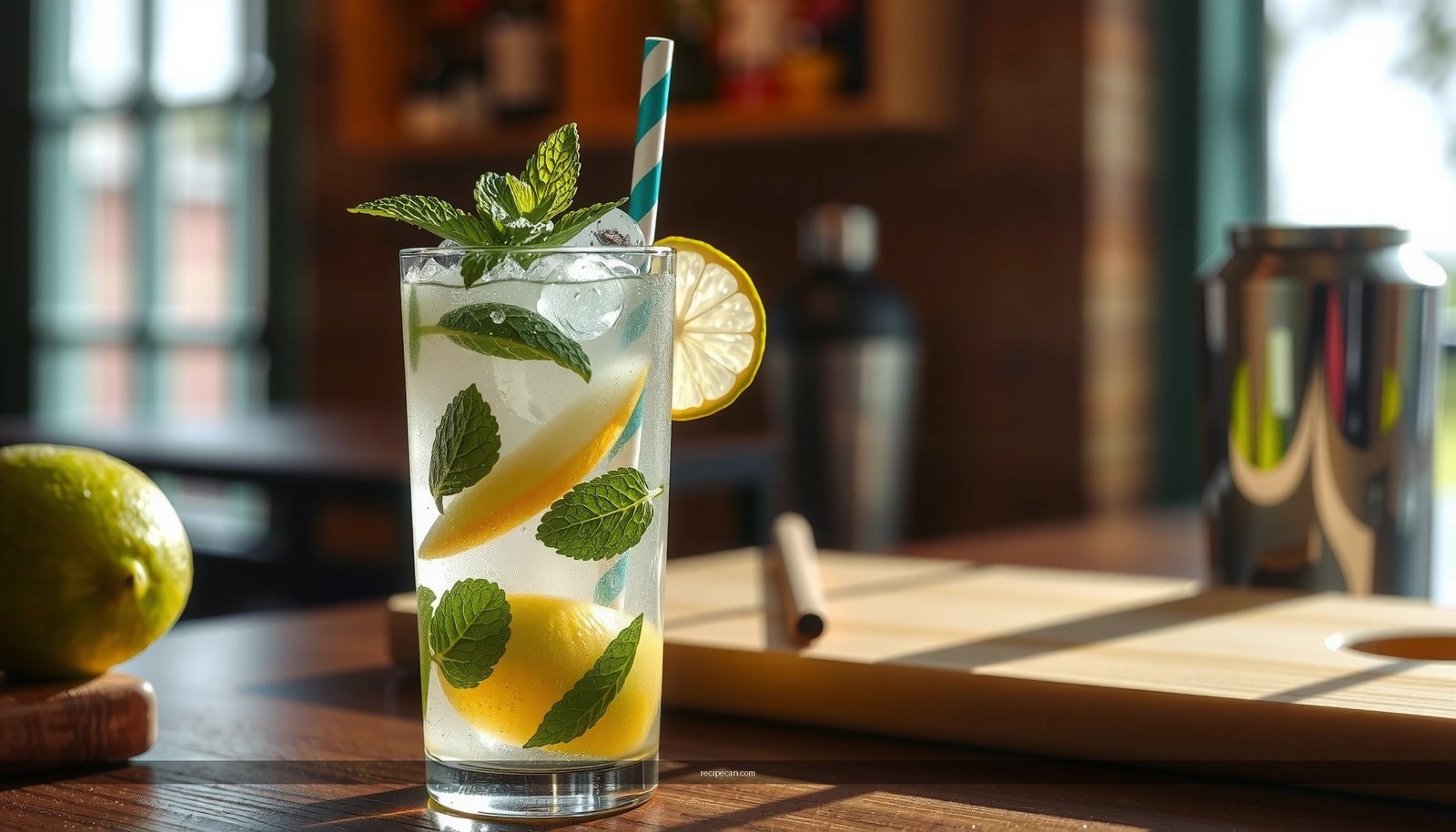
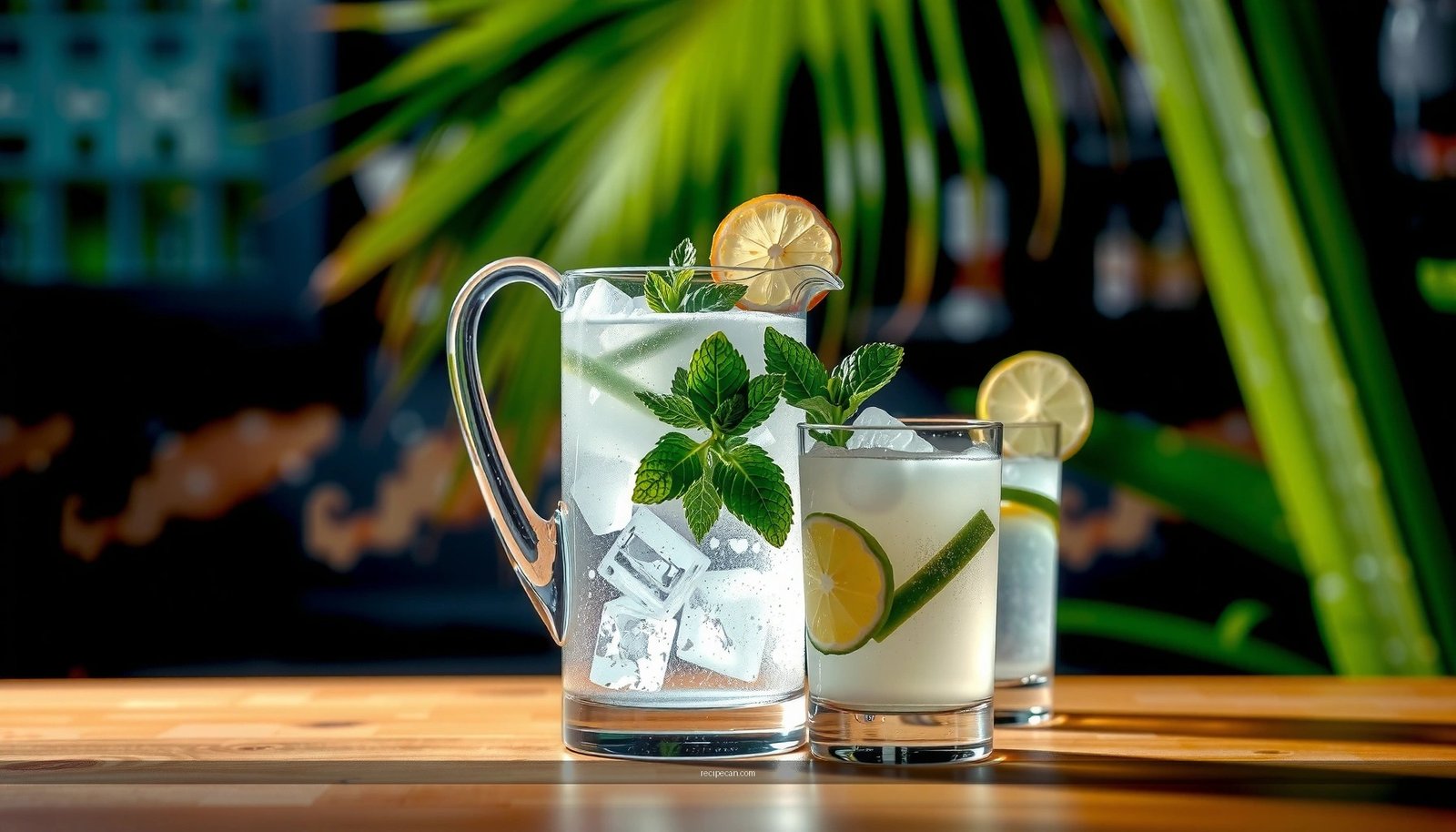
This real mojito recipe gives you the classic, fresh mojito you’re actually after—bright lime, clean mint, and just enough rum to taste premium instead of sweet. You’ll get exact steps for muddling mint correctly, balancing syrup and lime juice, and topping with the right amount of soda so the drink stays crisp to the last sip. If you want a true classic mojito rather than a sugary mock-up, this is the version to follow.
The real mojito recipe is simple: muddle fresh mint and lime with sugar, then top with white rum and soda water. If you follow a few precision cues—gentle muddling, correct lime-sugar blending, and adding soda last—you’ll produce a classic mojito with bright citrus, crisp bubbles, and a clean, minty finish.
Choose the Right Ingredients
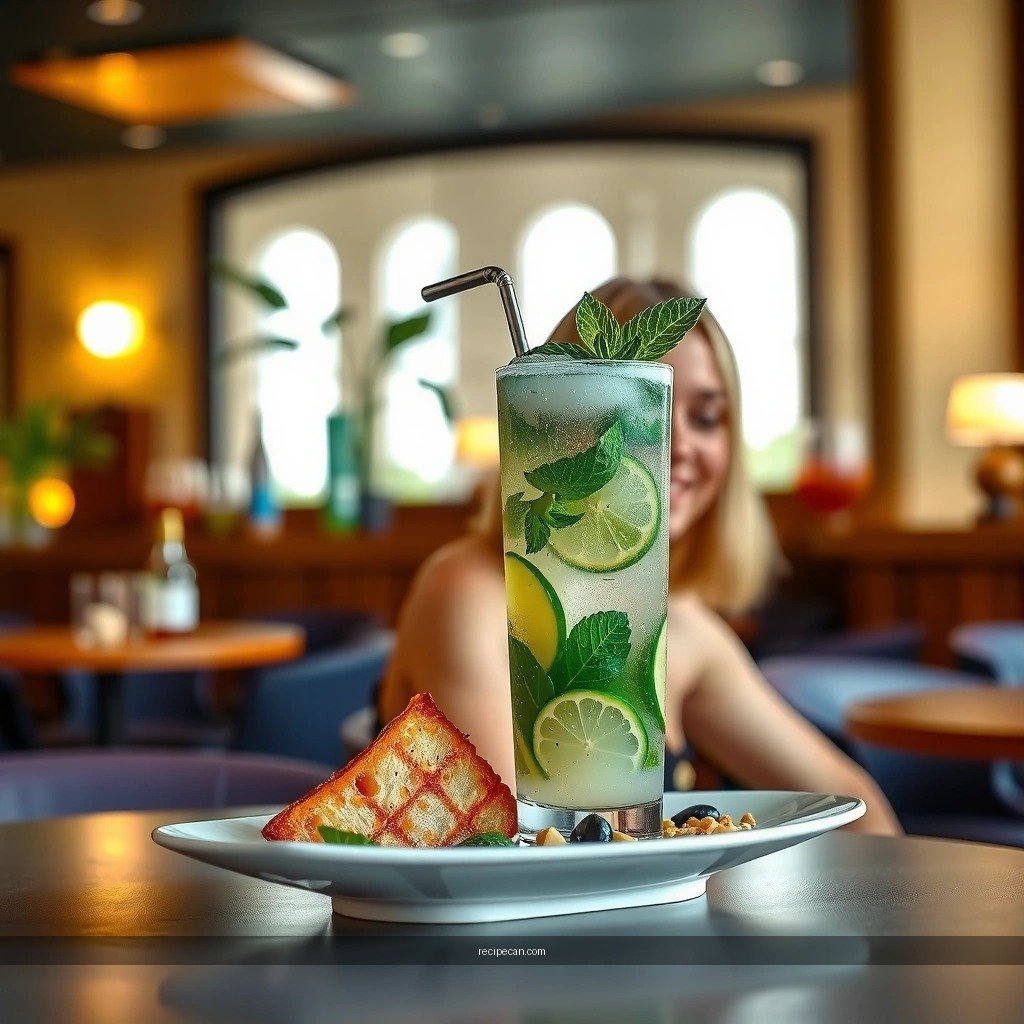
A classic mojito is built on three pillars—fresh mint, fresh lime, and quality white rum—plus carbonation from soda water. When any one of these is subpar, the drink’s balance collapses: the mint turns flat, the lime tastes dull or overly acidic, and the rum can dominate or taste “hot.”
Use fresh mint leaves (avoid dried mint for best flavor)
Fresh spearmint is the traditional choice because it delivers a fragrant, cooling aroma rather than a resinous or herbal bitterness. Look for leaves that are vibrant green and not bruised. Even if dried mint is convenient, it won’t release the same volatile oils that create that signature mojito “lift” on the nose.
Choose fresh limes and good white rum for a clean, classic taste
Use *fresh* limes, not bottled lime juice. Bottled juice often tastes one-dimensional and can make the drink feel harsh or overly sharp. For rum, choose an unaged or lightly aged white rum (sometimes labeled “silver” or “light”). It keeps the spotlight on lime and mint instead of adding oak, vanilla, or smoky notes.
If you want to standardize flavor like a professional bar team, think in terms of “clean base + aromatic top.” White rum is the clean base; lime and mint are the aromatic top.
Typical Mojito Flavor Drivers (Measured by Sensory Impact)
| # | Flavor Driver | Typical Role | Best Practice | Impact Rating |
|---|---|---|---|---|
| 1 | Fresh Mint (Spearmint) | Aroma & cooling | Use 8–12 leaves | ★★★★★ |
| 2 | Lime Juice (Fresh) | Brightness & structure | Use 1/2–3/4 lime | ★★★★☆ |
| 3 | Granulated Sugar | Sweetness & balance | Dissolve fully with lime | ★★★★☆ |
| 4 | White Rum | Clean alcoholic backbone | Use 45–60 ml (1.5–2 oz) | ★★★☆☆ |
| 5 | Cold Soda Water | Carb lift & crisp finish | Add last, very cold | ★★★★☆ |
| 6 | Ice Quality | Dilution & temperature | Use plenty of fresh ice | ★★★☆☆ |
| 7 | Muddling Intensity | Mint extraction vs bitterness | Gentle press, minimal tearing | ★★☆☆☆ |
Muddle Mint, Lime, and Sugar Correctly
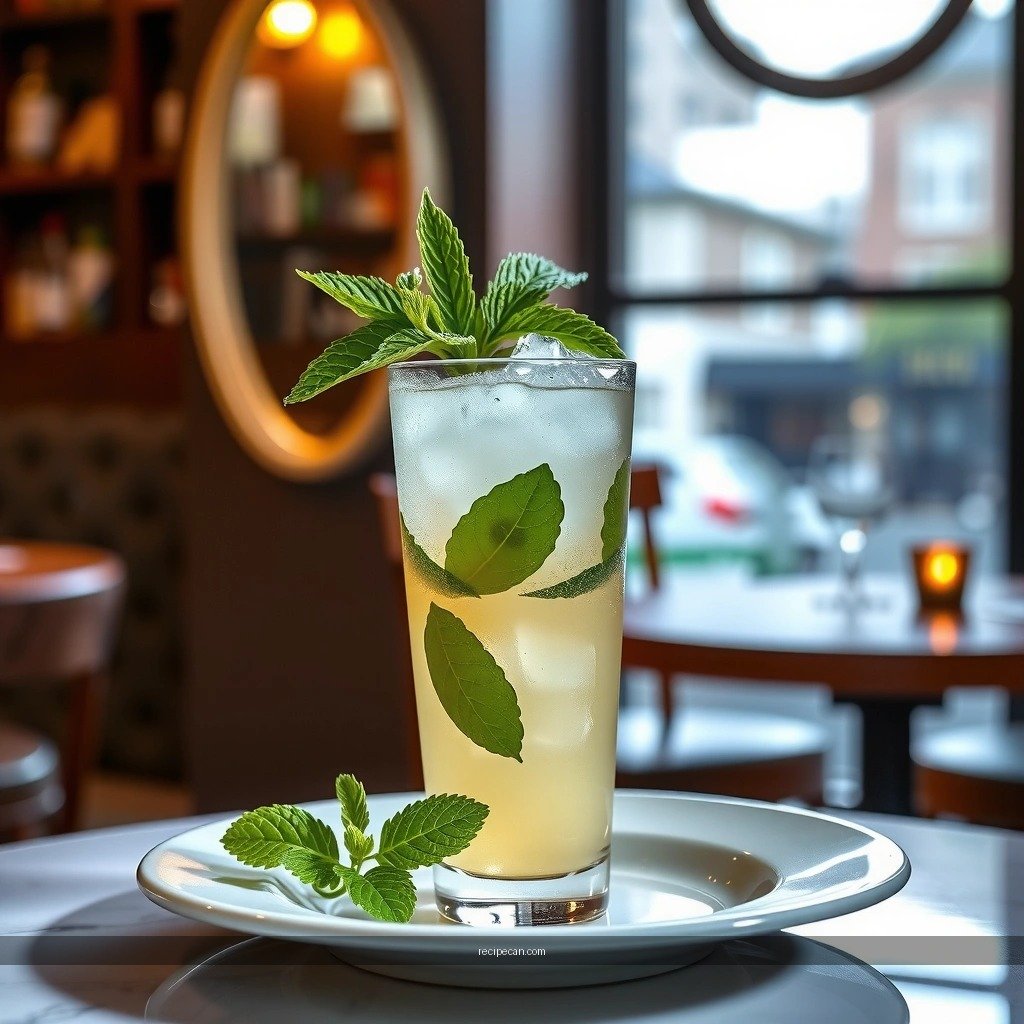
Muddling is where the mojito becomes either world-class or disappointingly bitter. The goal isn’t to pulverize mint leaves—it’s to release mint oils and help dissolve sugar so the drink turns cohesive rather than gritty or sharply acidic.
Muddle gently to release mint oils without tearing leaves too aggressively
Press lightly with a muddler or the back of a spoon. Stop as soon as the leaves become fragrant and slightly bruised. Over-muddling tears the leaves and can pull chlorophyll and bitter compounds into the liquid, making the mojito taste “green,” harsh, or medicinal.
Dissolve sugar with lime juice so it blends smoothly into the drink
Sugar should not remain as crystals. When you muddle lime juice with sugar, you’re creating a quick syrup that distributes sweetness evenly. A practical benchmark: after muddling, the mixture should look slightly cloudy and feel less “sandy” if you taste carefully. If you want extra precision, muddle 20–30 seconds with moderate pressure, then let the mixture sit for a minute while you assemble ice and rum—this gives time for further dissolution.
Professional takeaway: treat muddling as flavor activation, not crushing.
Add Rum and Build the Mojito
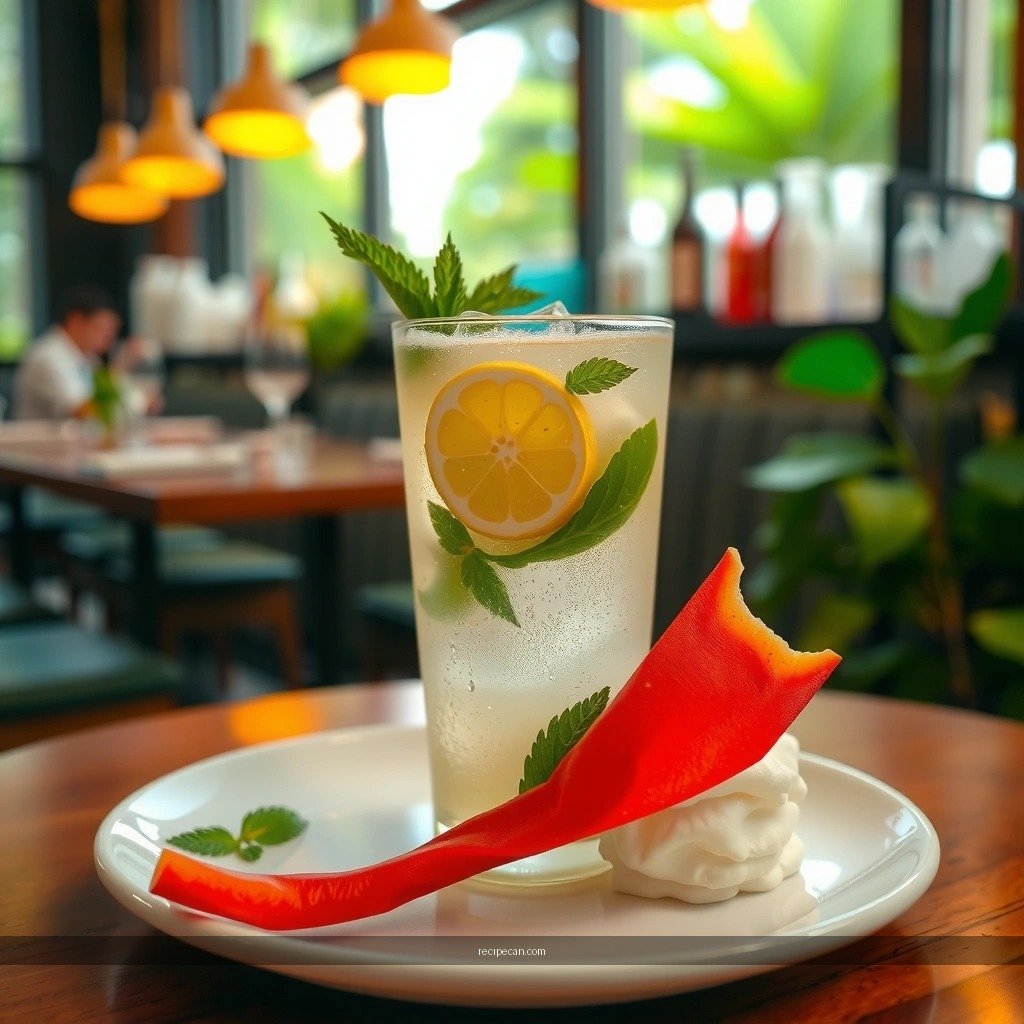
Once your mint-lime-sugar base is ready, the structure of the drink needs to stay clean. The rum should integrate, but you don’t want to overwork the mixture—soda addition happens last for a reason.
Fill the glass with ice before adding rum
A highball glass filled with ice helps keep the mojito cold immediately, reduces excessive dilution later, and protects carbonation once soda goes in. If you add rum to warm glassware, the drink warms too quickly and the mint aroma fades.
Stir briefly to combine rum with the muddled lime-mint mixture
Add your measured white rum over the ice and stir gently just 5–10 seconds. This is enough to distribute the citrus and mint without turning the base cloudy from heavy agitation. You’re aiming for consistent flavor distribution, not a full vortex.
At this stage, stop and assess: the base should smell strongly of mint and lime, and it should taste bright but not finished yet. The soda water will lift flavors and soften edges.
Top with Soda Water (Keep It Fizzy)

Carbonation is a defining characteristic of the classic mojito. Soda water isn’t just “more liquid”—it’s what gives the drink its airy, crisp mouthfeel and accentuates the minty top note.
Add cold soda water last for the best carbonation
Pour soda water slowly over the back of a spoon or along the inside of the glass to preserve bubbles. Cold soda holds carbonation longer; adding it early guarantees faster fizz loss.
Adjust sweetness and lime balance to taste
Before serving, taste once (carefully) and refine:
– Too sour? Add a small pinch of sugar or a quick splash of simple syrup (ideally minimal so you don’t make it syrupy).
– Too sweet? Add a few drops of lime juice or a touch more soda.
– Too flat? It may be under-chilled or under-carbonated—use colder soda and ensure you added it last.
A common professional technique is to adjust in tiny increments, because lime and sweetness swing quickly in a small drink.
Garnish and Serve Like a Pro
Garnish in a mojito is not decoration—it’s part of the aroma delivery. The right presentation makes the drink feel “finished,” and it signals how it should taste.
Garnish with extra mint sprigs and a lime wedge
Place a fresh mint sprig where the guest will see it, and lightly express the oils by tapping it against your hand or the glass rim before dropping it in. Add a lime wedge for visual appeal and for fine tuning at the table.
Serve immediately in a highball glass over plenty of ice
Mojitos don’t wait well. The mint aroma and carbonation fade as time passes. For best results, build right before serving and serve with enough ice that the drink remains cold from first sip to last.
If you’re hosting, pre-chill your glasses, pre-measure rum, and have soda and limes ready so assembly is fast and consistent.
Quick Troubleshooting Tips
Even experienced makers run into the same issues. Here’s how to diagnose quickly and correct without starting over.
If it tastes flat, add more lime or chill ingredients further
“Flat” usually means either:
– not enough lime brightness (the sugar and mint dominate), or
– drink temperature is too high (aroma and fizz fade).
Use colder ice and soda, and add a few drops of fresh lime juice. If you used warm ingredients, re-ice the glass with fresh cubes.
If it tastes too strong, reduce rum and increase soda water
If the rum heat or alcohol intensity overwhelms the lime and mint:
– reduce the rum slightly on the next attempt (for example, scale down from 60 ml to 45 ml), and
– increase soda water to keep dilution gentle and mouthfeel crisp.
Think of “strength” as a combination of alcohol perception and temperature/dilution—adjust both for best results.
When you follow these steps—fresh mint, gentle muddling, balanced lime-sugar, then rum and soda—you’ll get a real mojito that’s bright, fragrant, and perfectly fizzy. Make it tonight using fresh ingredients, and if you want, try a quick tweak (more lime, more mint, or a touch more soda) to match your preferred strength.
In conclusion, the classic mojito is a straightforward recipe with a few high-impact techniques: select fresh mint and lime, muddle gently to activate mint oils without bitterness, dissolve sugar into lime juice for balance, and add cold soda last to preserve carbonation. Master those steps and you’ll reliably produce a crisp, aromatic mojito that tastes like the real thing—every time.
Frequently Asked Questions
What is the real mojito recipe (and what makes it “real”)?
A real mojito recipe is built on fresh mint, lime juice, sugar, white rum, crushed ice, and soda water—no bottled “mojito mix.” The key is muddling gently to release mint oils without turning the leaves bitter, then topping with club soda for the signature mojito fizz. Using fresh lime juice and quality white rum is what keeps the flavor crisp and authentic.
How do you make a real mojito at home without it tasting bitter?
Use fresh mint leaves and muddle lightly—press just enough to bruise the mint and release aroma, not shred it. Add freshly squeezed lime juice and sugar (or simple syrup) before adding rum, then stir thoroughly and top with cold soda water. If you’ve over-muddled, the quickest fix is to add a bit more lime juice and soda to balance the bitterness and re-stir.
Which rum should you use for an authentic mojito—light, white, or dark?
For the most real mojito taste, choose white rum or “light” rum, since it keeps the drink clean and lets lime and mint dominate. Dark rum will shift the flavor toward caramel and molasses notes, which is not typical for a classic Cuban-style mojito. If you only have aged rum, use a lighter pour and expect a less traditional profile.
Why does my mojito go flat or taste too strong, and how can I prevent it?
Mojitos can go flat when the crushed ice melts too quickly or when soda water isn’t added last. Build the drink with plenty of cold crushed ice, then add soda right before serving and stir gently so the bubbles stay active. To avoid a too-strong mojito, measure your rum (typically 2 oz / 60 ml) and keep lime and sugar balanced with enough ice dilution.
What is the best way to balance mint, lime, sugar, and soda in a real mojito?
Start with fresh lime juice and sugar dissolved before mixing, because undissolved sugar can make the mojito taste uneven. Aim for a bright citrus base (lime leads, mint follows), then finish with soda water to lighten and lift the flavor. Taste as you go: if it’s too tart add a touch more sugar or simple syrup; if it’s too sweet add more lime or extra soda.
References
- Mojito
https://en.wikipedia.org/wiki/Mojito - https://www.britannica.com/recipe/mojito
https://www.britannica.com/recipe/mojito - Mojito – IBA
https://iba-world.com/cocktail/mojito/ - Mojito recipe | Good Food
https://www.bbcgoodfood.com/recipes/mojito - https://scholar.google.com/scholar?q=real+mojito+recipe+mint+lime+rum+sugar Google Scholar
https://scholar.google.com/scholar?q=real+mojito+recipe+mint+lime+rum+sugar - Google Scholar Google Scholar
https://scholar.google.com/scholar?q=mojito+recipe+proportions+classic+cocktail - Google Scholar Google Scholar
https://scholar.google.com/scholar?q=mojito+cocktail+lime+mint+rum+simple+sirup+method - https://pubmed.ncbi.nlm.nih.gov/?term=mint+lime+rum+cocktail
https://pubmed.ncbi.nlm.nih.gov/?term=mint+lime+rum+cocktail - https://www.ncbi.nlm.nih.gov/pmc/?term=alcohol+cocktails+health+effects
https://www.ncbi.nlm.nih.gov/pmc/?term=alcohol+cocktails+health+effects - Alcohol Use | Alcohol Use | CDC
https://www.cdc.gov/alcohol/index.htm