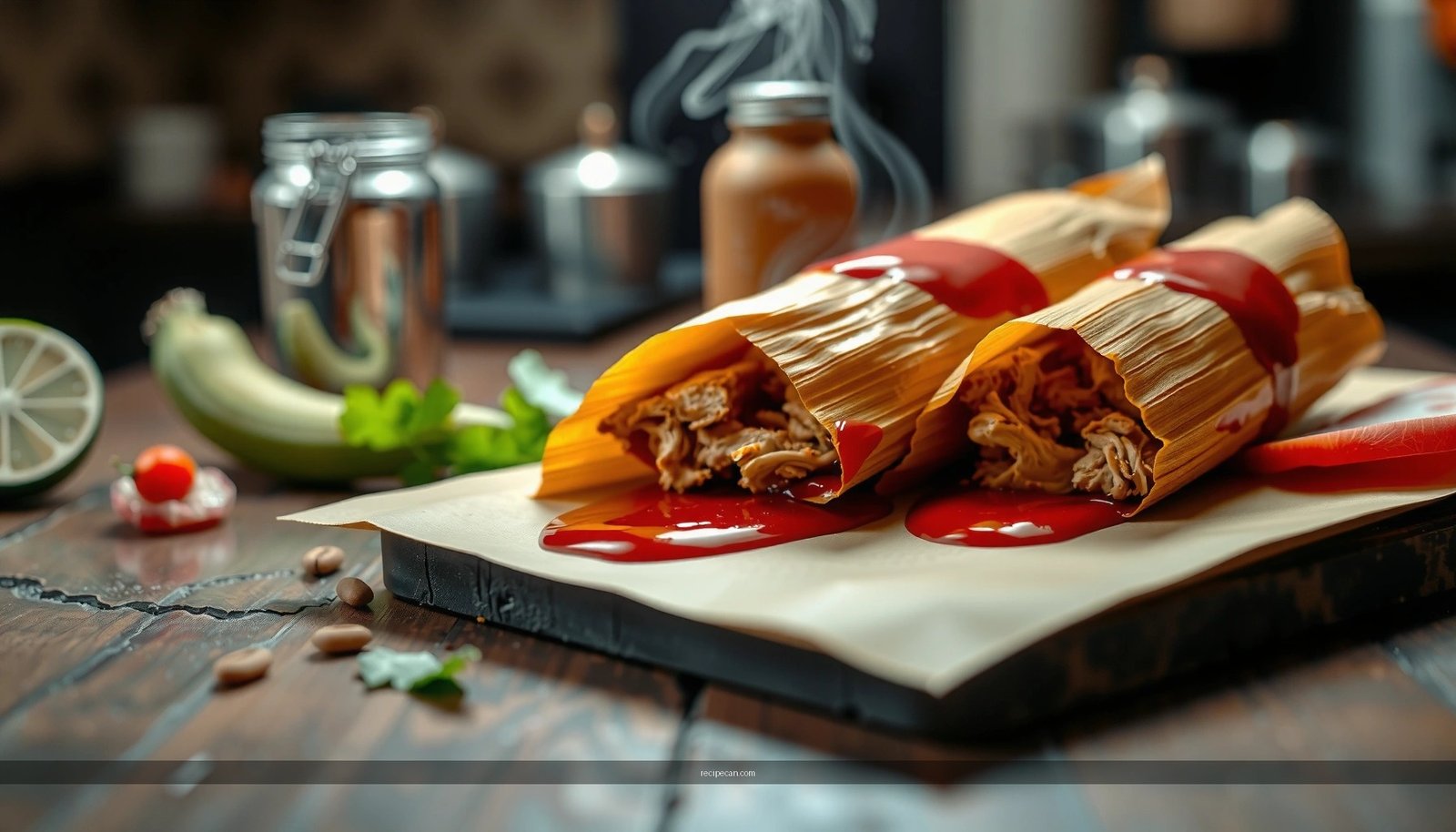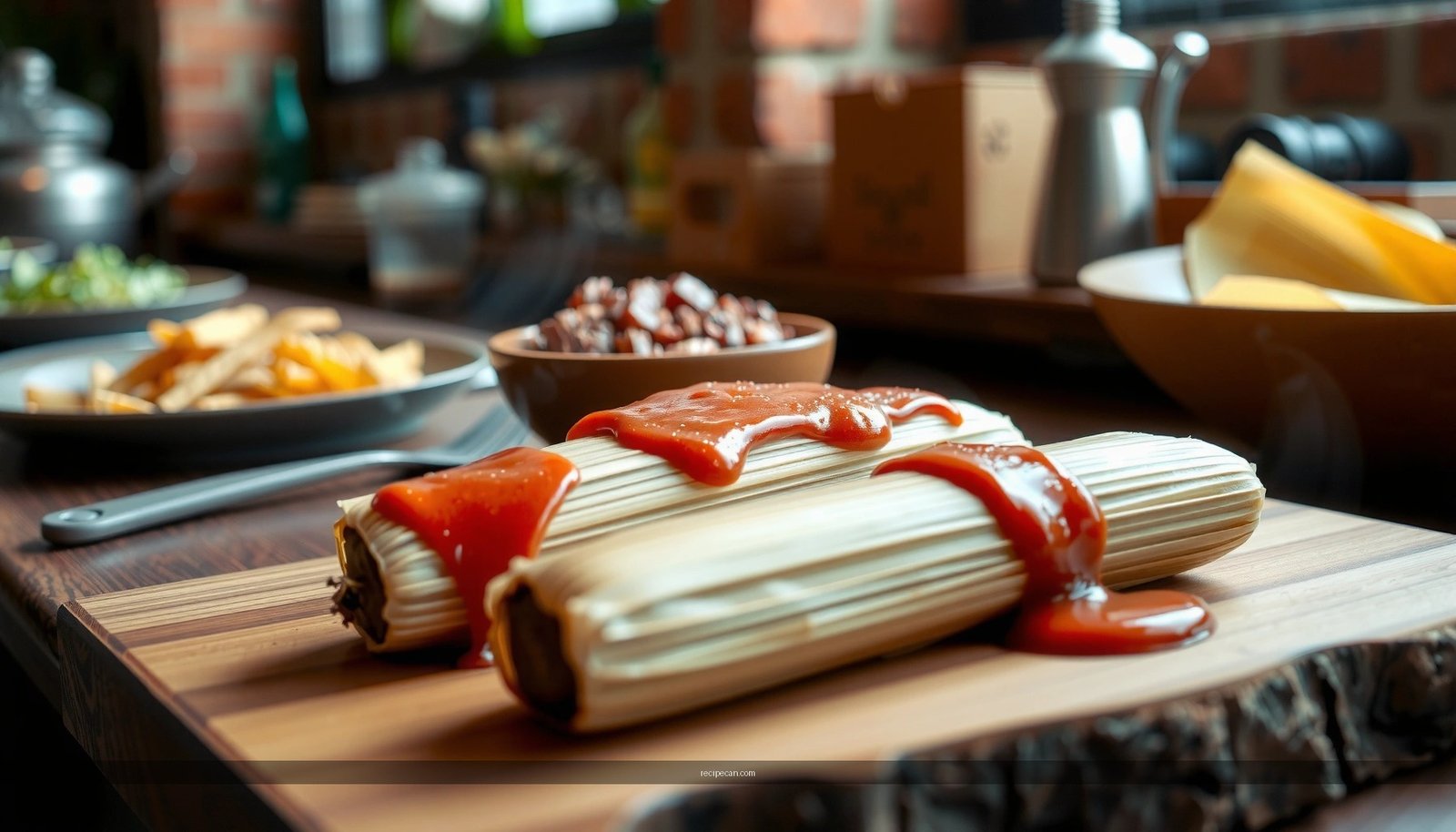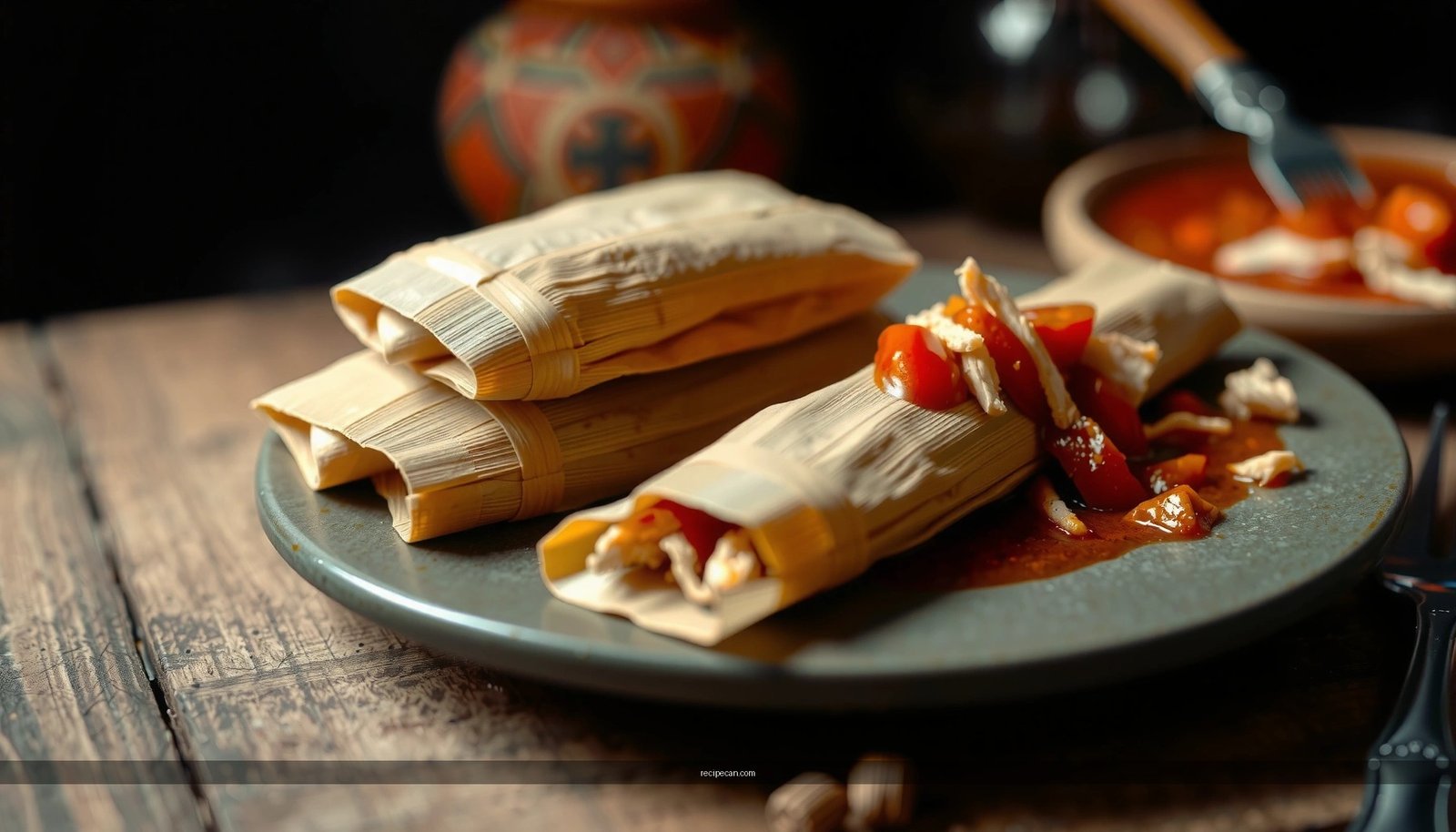
Get a tamales guatemaltecos recipe that delivers authentic results—tender masa, flavorful fillings, and the right fold every time. This guide answers how to make Guatemalan tamales from scratch, including masa preparation, filling choices, wrapping, and steaming. If you want the closest thing to a traditional home-cooked tamal without guesswork, follow the steps exactly and you’ll know it’s done when it peels cleanly.
Make tamales guatemaltecos by crafting a richly seasoned masa, cooking a thick traditional filling, and then steaming everything until the corn husks peel easily; do it patiently and you’ll get the soft, authentic texture people look for. In this guide, you’ll learn the key ingredients, assembly technique, and practical steaming timing so your tamales hold together, taste balanced, and deliver that unmistakable Guatemalan-style flavor.
Ingredients for Tamales Guatemaltecos
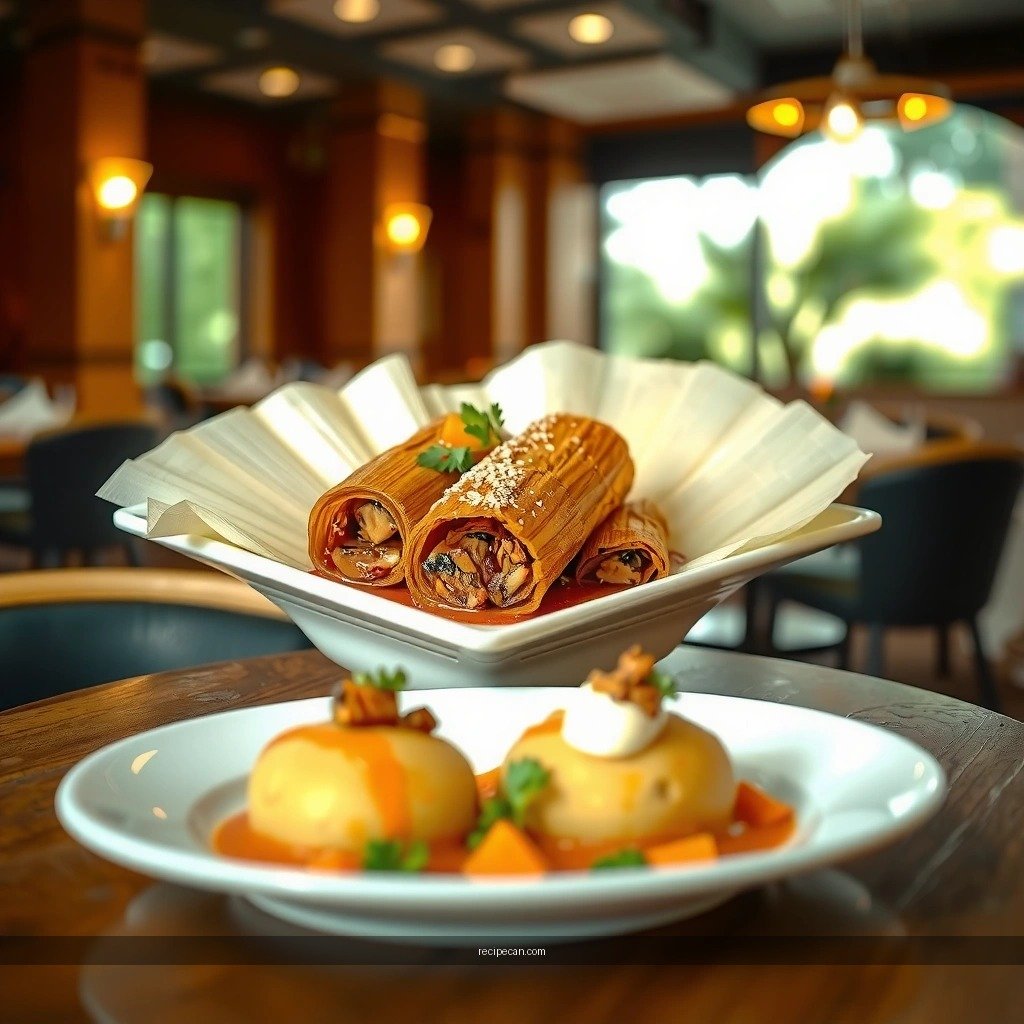
Authentic tamales are less about a single “special” ingredient and more about the ratio and cooking method: well-seasoned corn masa, a properly thick filling, and steady steam heat. Below is a dependable ingredient framework you can scale for family cooking or meal prep.
Masa ingredients (rich texture)
– Corn masa (nixtamalized, for tamales): The base that defines flavor and texture. Look for masa specifically labeled for tamales where possible.
– Broth (chicken or meat): Replaces plain water with flavor, helping the masa taste complete even before filling.
– Fat (traditional options):
– Lard for classic richness, or
– Vegetable shortening for a lighter flavor profile, or
– Unsalted butter if you’re aiming for a more approachable taste (not as traditional).
– Salt: Critical for “masoning” the masa—tamales should taste satisfying even when you eat a small portion of masa alone.
– Optional but common for balance: A small amount of ground annatto (for color) or mild aromatics depending on your family’s style.
Filling ingredients (classic flavor)
Guatemala has regional variations, but the foundation is consistent: cooked meat, tomatoes or tomato-based sauce, aromatics, and spices—thick enough to stay in the masa.
– Meat (chicken or pork), cut into chunks or shredded after cooking
– Tomatoes (fresh/blended or canned crushed): Provide acidity and body.
– Aromatics: Onion and garlic are common; some cooks add cilantro or green onions.
– Spices: Cumin, black pepper, and mild chili (often guajillo/pasilla-style) depending on heat preference.
– Stock/broth: To prevent the filling from drying out as it reduces.
– Salt: Season to taste once the filling thickens.
> Tip for authenticity: Many Guatemalan tamales use a filling that is reduced until thick, so the masa doesn’t become gummy from excess liquid during steaming.
Quick reference: “What kind of tamal are you making?”
Different fillings and masa seasoning create noticeably different results. Use the table below to sanity-check how your choices will affect texture, flavor intensity, and doneness expectations.
Guatemalan Tamale Style Guide (Typical Results)
| # | Tamal Style | Filling Thickness | Masa Seasoning Focus | Steaming Target | Expected Outcome |
|---|---|---|---|---|---|
| 1 | Chicken & Tomato | Thick-reduced (spoon stands) | Balanced salt + broth aroma | 90–120 min | Soft masa, clean peel |
| 2 | Pork & Tomatillo/Green Salsa | Dense, not watery | Mild sweetness + salt | 100–130 min | Rich bite, firm structure |
| 3 | Chili-Spiced Chicken | Thick with visible oil | Salt-forward (masa can be plain) | 95–125 min | Pronounced aroma, deeper flavor |
| 4 | Vegetarian Beans (Guatemalan-inspired) | Very thick, mash-friendly | Broth + salt + cumin | 85–110 min | Comforting texture, mild heat |
| 5 | Extra-Fat Classic (for events) | Medium-thick, reduced sauce | Salt + broth aroma | 110–140 min | Very tender, melt-in-mouth feel |
| 6 | Dry-Rubbed Pork (less sauce) | Thick, paste-like | Slightly less salt (meat is salty) | 100–120 min | Can feel denser if oversteamed |
| 7 | High-Liquid Filling (avoid) | Watery or thin | Salt can’t fix texture | Up to 140 min | Risk of gummy masa |
Prepare the Masa
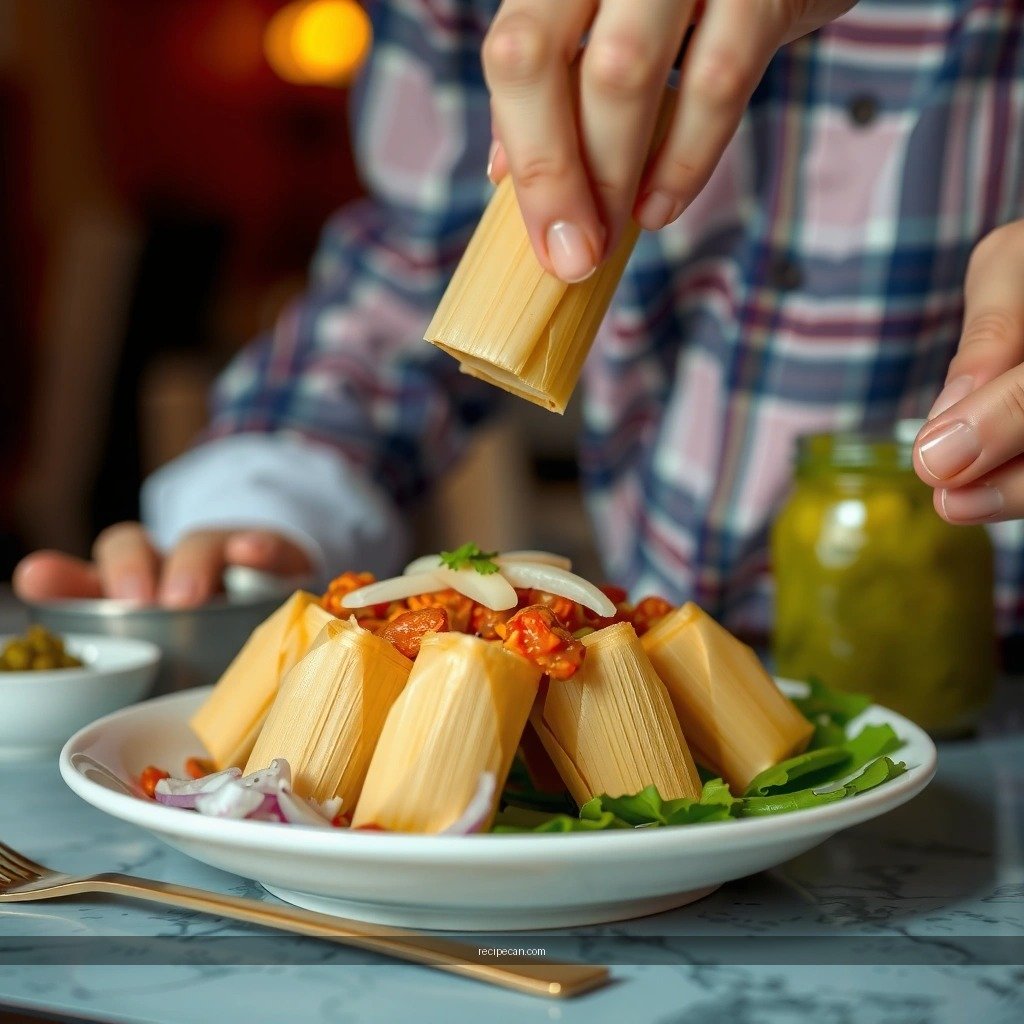
A great masa is the difference between “good tamales” and tamales guatemaltecos that taste genuinely authentic. The goal is smooth, spreadable dough that clings to the husk without tearing and cooks evenly.
1. Start with warm broth
Warm broth blends more smoothly with masa and fat, preventing lumps. Add it gradually to control thickness.
2. Cream or melt the fat, then incorporate
Fat contributes both flavor and a tender crumb. If using lard or shortening, ensure it’s soft enough to mix evenly. Stir until the masa becomes uniform and glossy.
3. Season like you mean it
Tamales should be seasoned even when you taste a small amount of masa on its own. Use salt as your primary lever, because broth flavor can vary by brand or homemade intensity.
4. Check texture: “spreadable, not runny”
If your masa is too stiff, it may dry during steaming and feel heavy. If too loose, it will thin out and cook unevenly. Aim for a texture that spreads in a thin layer and holds shape.
Professional benchmark: Your masa should spread without cracking, and when you spoon a bit onto a plate, it should flatten slowly rather than spread like soup.
Common masa troubleshooting
– Lumpy masa: Broth may have been cold or fat not fully incorporated. Warm slightly and whisk vigorously.
– Bland masa: Under-salted. Add salt in small increments and taste again.
– Greasy or separated masa: Too much fat or overheating. Remix thoroughly; if needed, reduce fat slightly next batch.
Make the Guatemaltecan Filling
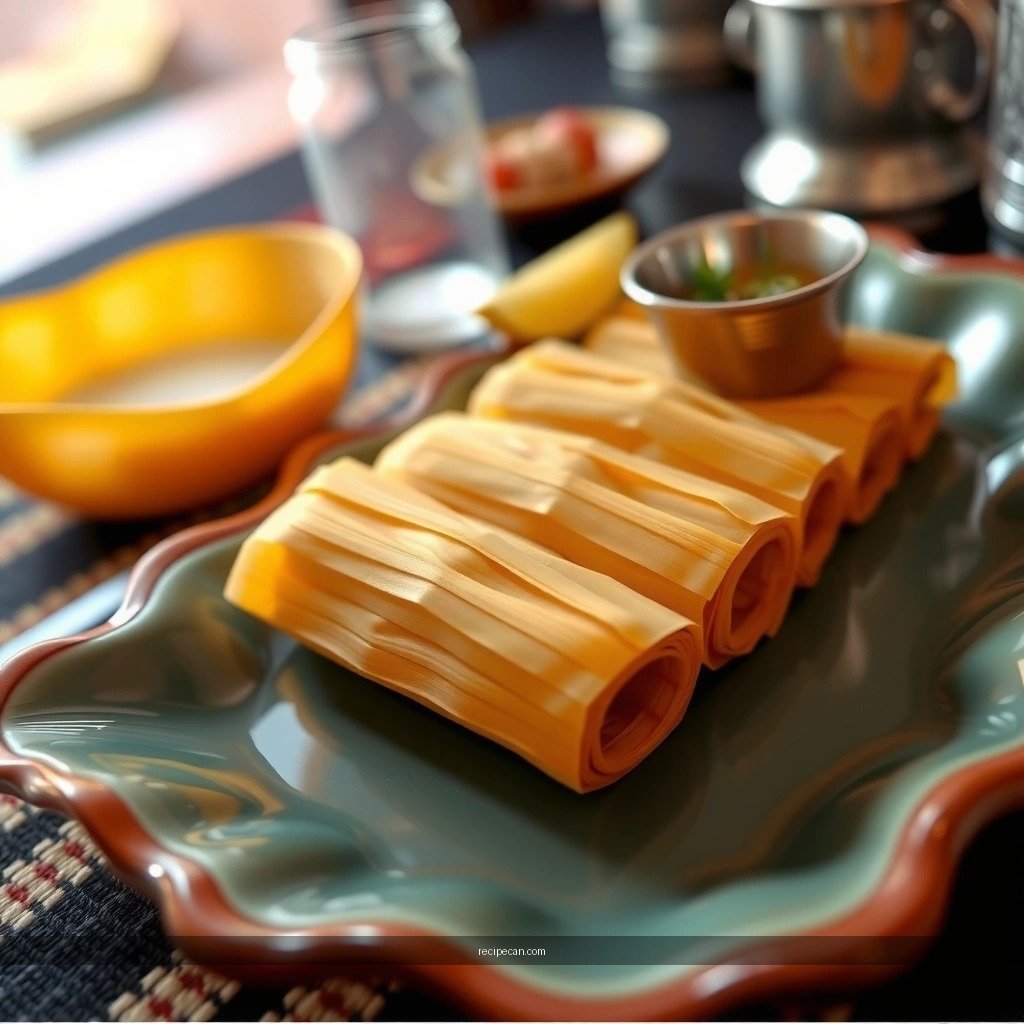
The filling must be flavorful and—equally important—thick enough to steam without soaking the masa. Many home cooks undercook the sauce, which is why tamales can turn out soft on the inside but mushy or uneven.
1. Cook the meat with aromatics first
Sauté onion and garlic until fragrant, then brown the meat lightly (especially if using pork). This builds depth before tomatoes go in.
2. Add tomatoes and spices, then reduce
Simmer until the tomato base thickens and coats the meat. This reduction step concentrates flavor and removes excess water that would otherwise steam into the masa.
3. Adjust seasoning at the right time
Season after reduction, not just at the beginning. As the sauce reduces, flavors intensify. Taste, then correct salt, cumin, black pepper, and chili heat.
4. Cool slightly before assembly
Warm filling is fine, but extremely hot filling can melt fat from the masa and make assembly messy. Let it rest until it’s easy to spoon and hold its shape.
Best practice: If your filling looks glossy and thick enough that a spoon leaves a brief trail, you’re close. If it looks thin like soup, keep simmering.
Assemble the Tamales
Assembly is where quality shows: tight folds, even masa thickness, and consistent filling portions lead to tamales that steam uniformly and peel cleanly.
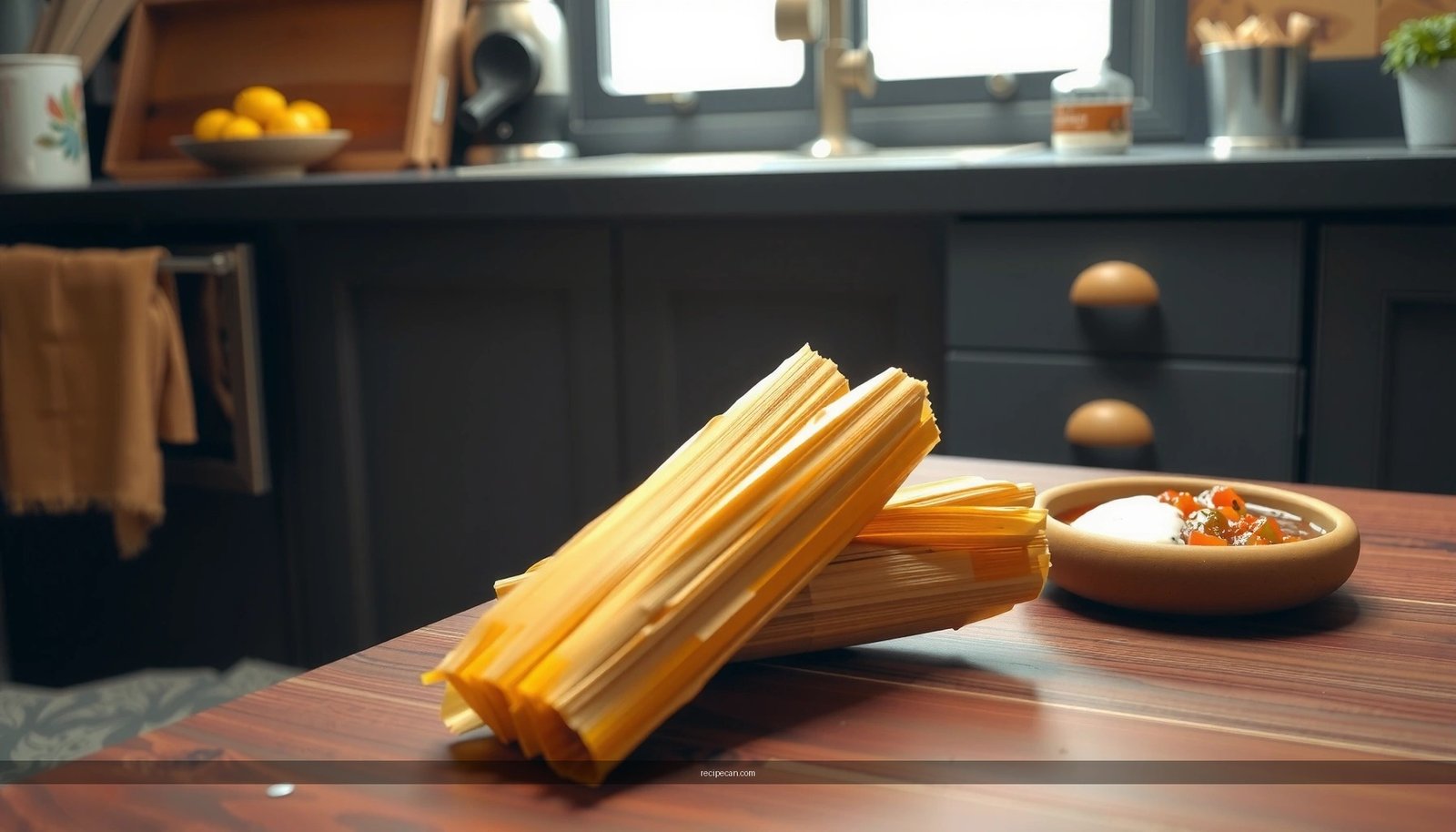
1. Prepare the husks
Soak corn husks in warm water until pliable. Trim any brittle edges so your folds are clean.
2. Spread masa evenly
Use a spoon or small spatula to spread a thin, even layer over the husk. Leave space near the edges so the masa doesn’t leak during steaming.
3. Add filling in a controlled amount
Place a line or small mound of filling in the center—enough to flavor each bite, but not so much that the tamal bursts when folded.
4. Fold tightly and secure
Fold according to your style (and the husk size). Secure with natural ties or kitchen string. The tighter the seal, the more even the steam penetration.
Quality checkpoint: When held, the tamal should feel cohesive—not sliding, spilling, or sagging. A clean fold reduces the risk of gummy masa and uneven cook.
Steam the Tamales
Steaming is the technical heart of the recipe. Authentic tamales require steady heat—not a furious boil, and not a weak simmer that drags cooking time and leaves the masa under-set.
1. Set up your steamer correctly
– Use a pot with a tight-fitting lid and a steaming rack.
– Ensure water stays simmering underneath without flooding the tamales.
2. Maintain steady simmering heat
You want gentle, consistent steam. Too much boiling can cause husks to shift and tamales to cook unevenly. Too little heat prolongs steaming and can dry the exterior.
3. Steam until masa sets and husks peel
Timing depends on tamal size and filling density. Most tamales guatemaltecos cook in a 90–130 minute range. Larger tamales may need closer to 2 hours; smaller ones may be done earlier.
4. Test for doneness
– One tamal test is your best tool.
– The masa should be firm, not wet or paste-like.
– The husk should peel more easily, indicating the masa has cooked through.
Operational tip for batch cooking: Rotate the tamales partway through steaming if your steamer has hot spots, especially during large-volume cooks.
Timing reality check: what “done” looks like
If your first test tamal feels dense or sticky, steam longer. If the husk peels too easily and the masa looks dry, you may have oversteamed—adjust next time with shorter total time and more precise heat control.
Serving and Storage Tips
The final step is preserving texture and flavor. Tamales are famously forgiving, but the best eating experience depends on reheating method.
Serve for authenticity
– Salsa (fresh or roasted) to brighten the tomato-based filling.
– Pickled onions for acidity and crunch.
– Warm broth or a light consommé-style accompaniment if you want a restaurant-style, Guatemalan-inspired bowl meal.
Cool, store, and reheat properly
– Cool completely before storing to prevent condensation that can soften the husk and masa.
– Refrigerate in a sealed container for up to several days (commonly 3–4 for best quality).
– Freeze for longer storage if you wrap well to prevent freezer burn.
Reheating options
– Best texture: Re-steam until hot throughout. This keeps the masa tender and the husk pliable.
– Convenient option: Microwave, but use short bursts and cover to retain moisture. Expect slightly softer texture than steaming.
Flavor upgrade idea: Reheat tamales and serve with freshly warmed salsa—this boosts aroma and makes the tamal taste “made today,” even when it wasn’t.
—
Tamales guatemaltecos are all about well-seasoned masa, a properly cooked filling, and steady steaming. Follow the sections above to build masa with balanced broth and salt, reduce the tomato-based filling until thick, assemble with a tight fold, and steam until the masa is set and the husk peels easily. Once you nail those fundamentals, you’ll be able to repeat authentic results for chicken, pork, or any filling family tradition you love—then serve right away or store and reheat for reliable, comforting meals.
Frequently Asked Questions
What is the best way to make tamales guatemaltecos with masa that stays firm and flavorful?
Start with fresh, well-mixed masa (nixtamalized corn dough) and season it properly with salt and fat, typically lard or recado-style flavorings. Make sure the masa is beaten until light and spreadable, so it steams evenly and doesn’t turn gummy. Use good broth or seasoned water for mixing and assemble tamales guatemaltecos with consistent thickness for a firm texture.
How do you properly prepare the corn husks (or banana leaves) for tamales guatemaltecos?
Soak corn husks in warm water until pliable, then trim thick edges so the tamal wraps close neatly. If the recipe uses banana leaves, wipe and soften them so they don’t tear and wrap around the masa securely. Proper preparation helps prevent sticking, ensures the tamales guatemaltecos release cleanly, and results in a better steamed presentation.
How do you steam tamales guatemaltecos to avoid undercooked masa or watery filling?
Arrange tamales upright or stacked so steam circulates, and keep a steady simmer without letting the pot run dry. Cook until the masa feels set and the tamal pulls together without wet spots, usually requiring consistent steaming time. If your filling is watery, thicken it first (for example by simmering the sauce) so the filling stays rich rather than leaking into the masa.
Why do tamales guatemaltecos taste different from Mexican tamales, and what should you use for authentic flavor?
Tamales guatemaltecos often rely on regional recados and local ingredients, which can differ from the spices and preparations used in other countries. Use seasonings typical of Guatemalan-style fillings—such as toasted chilies, aromatic herbs, garlic, and a well-balanced sauce—to build depth in the masa and filling. Choosing the right peppers and broth is key to getting that authentic, savory flavor people expect.
Which fillings work best for tamales guatemaltecos, and how do you choose one for your taste?
Popular tamales guatemaltecos fillings include chicken with a seasoned sauce, pork in recado, and sometimes turkey or vegetables depending on the region. If you want a richer, more traditional flavor, choose fillings with slow-simmered sauce rather than plain meat alone. For dietary or preference needs, you can also adapt with cheese, beans, or spiced vegetables, but keep the filling thick so the tamal steams properly.
References
- Tamale
https://en.wikipedia.org/wiki/Tamale - https://es.wikipedia.org/wiki/Tamal_guatemalteco
https://es.wikipedia.org/wiki/Tamal_guatemalteco - Guatemalan cuisine
https://en.wikipedia.org/wiki/Guatemalan_cuisine - Gastronomía de Guatemala – Wikipedia, la enciclopedia libre
https://es.wikipedia.org/wiki/Gastronom%C3%ADa_de_Guatemala - https://es.wikipedia.org/wiki/Tamal_negro
https://es.wikipedia.org/wiki/Tamal_negro - https://www.britannica.com/topic/tamale
https://www.britannica.com/topic/tamale - Google Scholar Google Scholar
https://scholar.google.com/scholar?q=tamales+guatemaltecos+receta - Google Scholar Google Scholar
https://scholar.google.com/scholar?q=guatemalan+tamales+traditional+preparation - Google Scholar Google Scholar
https://scholar.google.com/scholar?q=tamale+guatemala+masa+nixtamal+corn+husk+wrapping - Google Scholar Google Scholar
https://scholar.google.com/scholar?q=tamales+guatemaltecos+recipe