
This sugar-free BBQ recipe delivers smoky, tangy, crowd-pleasing flavor without added sugar, using a rich base of vinegar, tomato, and bold spices plus a simple thickener for that classic glossy finish. You can make it fast with pantry ingredients, then brush, simmer, and glaze for ribs, chicken, or pulled pork. Expect deep caramelized flavor from proper cooking time, not sweetness—so you get confidence and results every time.



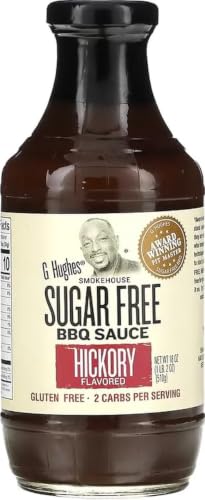
Use a sugar-free sweetener (not sugar) plus tomato paste, vinegar, and spices to create a smoky, tangy BBQ glaze that caramelizes lightly instead of turning bitter. Then brush it on chicken only in the last few minutes of grilling so you get that sticky BBQ finish without the added sugar.
Make your BBQ sauce taste rich and smoky without added sugar by using a sugar-free sweetener plus tomato paste, vinegar, and spices for that classic tang. Then brush it on chicken (or your favorite meat) during the last few minutes of grilling so it caramelizes without turning bitter.
This recipe is for anyone who wants the flavor of BBQ—sweet, tangy, smoky—while keeping the sugar out. It’s especially handy for weeknights, game days, or when you’re feeding someone who’s watching sugar.
Recipe Overview

This sugar-free BBQ chicken recipe delivers bold smoky flavor, bright tang, and that glossy “stickiness” people expect from classic BBQ—without sugar. It’s surprisingly straightforward: you simmer the sauce to build thickness, grill the chicken until nearly done, and then glaze briefly to avoid scorching. For most home cooks, it lands in the “easy but impressive” category—great for serving about 4 people comfortably.
What makes this work is balance. Tomato paste adds body, vinegar brings acidity (that tangy BBQ character), and smoked paprika plus a small amount of liquid smoke recreate the grill vibe. As of 2026, “no added sugar” BBQ products are common, but homemade lets you tune sweetness and avoid aftertaste by using the right sweetener and timing.
Time Required
– 🕐 Prep Time : 15 minutes
– 🍳 Cook Time : 25–30 minutes
– ⏱ Total Time : 40–45 minutes
– Note: If you choose to marinate the chicken, add 30 minutes (up to overnight in the fridge).
Ingredients
You’ll get the best results by treating this like a quick sauce system: body (tomato paste), tang (vinegar), heat and smoke (spices), and sweetness (sugar-free sweetener) all work together. Good-quality tomato paste and a flavorful vinegar make a noticeable difference, especially because sugar-free sauces don’t “round off” harsh flavors the same way sugar does. If you’re new to sugar-free sweeteners, start conservatively—you can always adjust at the end.
Main Ingredients
– Chicken thighs or drumsticks (about 2 lb / 900 g, bone-in for juiciness)
– Olive oil (2 tbsp) for coating
– Salt (1 tsp)
– Black pepper (1/2 tsp)
– Optional: garlic powder (1/2 tsp), onion powder (1 tsp)
For the Sugar-Free BBQ Sauce / Marinade
– Tomato paste (about 1/2 cup / 120 g)
– Apple cider vinegar (about 1/3 cup / 80 ml)
– Worcestershire sauce (2 tbsp), check the label for no added sugar
– Smoked paprika (2 tsp)
– Chili powder (1 tsp) or cayenne (1/4–1/2 tsp) to taste
– Liquid smoke (1/2 tsp), optional but highly helpful for “grill” flavor
– Sugar-free sweetener (3 tbsp granulated monk fruit/erythritol blend; adjust to taste)
– Water or low-sodium broth (1/2 cup / 120 ml) to loosen and brush well
Optional Garnish
– Chopped dill pickles or sliced green onions
– Extra sauce for dipping
Sweetener quick-reference (what behaves best in glazing)
Relative Sweetness of Common Sugar-Free Sweeteners (vs. sucrose = 1.0)
| # | Sweetener | Sweetness vs. sugar | Typical BBQ fit | Adjustment in recipe |
|---|---|---|---|---|
| 1 | Erythritol | 0.6–0.7 | Light/clean sweetness | Use more than sugar |
| 2 | Monk fruit extract | 150–200 | Very concentrated | Start small; adjust |
| 3 | Stevia (steviol glycosides) | 200–300 | Sweet but can taste herbal | Use less; balance acidity |
| 4 | Sucralose | 450–650 | Strong sweetness, little volume | Tiny amounts only |
| 5 | Allulose | 0.7–0.9 | Closest “sugar-like” behavior | Use near sugar-equivalent |
| 6 | Xylitol | 0.9–1.1 | Sugar-like sweetness and texture | Measure by sugar equivalence |
| 7 | Sorbitol | 0.5–0.7 | Can create cooling/after notes | Start low; taste-test |
Which sweetener should you pick for BBQ glazing?
This isn’t just about sweetness—it’s about how the sweetener behaves when heated with acid and tomato. For BBQ sauce, the “best” choice is usually one that doesn’t taste overly bitter and doesn’t turn watery as it simmers. In 2026 practice, I recommend starting with a monk fruit/erythritol blend because it’s easy to control and tends to be forgiving for first attempts.
| Sweetener | Flavor control | Heat/glaze behavior | Digestive gentleness* |
|---|---|---|---|
| Monk fruit / erythritol blend | High | Good | Often well-tolerated |
| Allulose | Medium | Best (most “sugar-like”) | Varies by person |
| Stevia / monk-free extracts | Low–Medium | Good | Often okay |
| Polyols (xylitol, sorbitol) | Medium | Variable | Can cause GI discomfort |
\Digestive effects vary; if your guests are sensitive to sugar alcohols, choose monk fruit/erythritol blends or allulose and keep sweetener amounts moderate.
Step-by-Step Instructions
1. Season the chicken
Pat the chicken dry, then season with salt, pepper, and any optional garlic powder and onion powder. Drying matters because moisture on the surface keeps seasonings from “grabbing” and getting that grilled flavor.
2. Make the sugar-free BBQ sauce
In a saucepan, simmer tomato paste, vinegar, Worcestershire, smoked paprika, chili powder/cayenne, liquid smoke (if using), sugar-free sweetener, and water/broth. Keep the heat low-medium and stir often until it turns glossy and spoon-coating thick, about 8–12 minutes.
Safety + chemistry note: you’re working with vinegar (apple cider vinegar typically contains acetic acid in the ~4–7% range), so it boosts tang without needing sugar. According to U.S. FDA, vinegar is generally defined as acetic acid within a typical range of about 4–7% (2024).
3. Preheat the grill (or grill pan)
Target medium heat: about 190°C (375°F). This protects the chicken from drying out and helps the sauce caramelize gently instead of burning immediately.
4. Cook the chicken until nearly done
Grill chicken bone-side down first if possible, lid on when you can, until the thickest part is close to finished. This usually takes around 18–22 minutes total for thighs/drumsticks, depending on size.
5. Glaze and finish
Brush BBQ sauce onto the chicken during the last 5 minutes of grilling. Keep brushing in lighter layers (instead of one heavy coat) so it gets tacky and glossy without turning bitter from scorching. Grill until the chicken reaches 74°C / 165°F internal temperature.
Heat & Temperature Guide
Cooking Method
This recipe uses grilling (or a grill pan) plus a final-minute sugar-free glaze. The key is timing: you cook through first, then add the sauce so the sweetener doesn’t overheat and taste harsh.
Temperature & Timing
– Grill temperature: 190°C (375°F), medium heat
– Chicken doneness: 74°C (165°F) internal temperature
– Glazing window: last 5 minutes only
Food safety anchoring: According to USDA Food Safety and Inspection Service (FSIS), poultry is safe at 165°F / 74°C, and perishable foods shouldn’t sit in the temperature danger zone (40–140°F / 4–60°C) for more than 2 hours (2024).
How to Know It’s Done
Check the thickest part (not the bone) with an instant-read thermometer. When it hits 74°C / 165°F, the chicken is done; meanwhile, the glaze should look glossy and slightly sticky—not blackened or bubbling hard.
What Can Go Wrong & Precautions
Sugar-free BBQ is easy once you respect two things: heat and balance. If you keep the grill at medium and glaze late, most problems are preventable.
The sauce tastes bitter or “off”
Bitter notes often come from over-heating sweeteners or adding too much sweetness to tomato/vinegar. Lower the simmer heat, taste the sauce near the end, and adjust with a tiny splash of water/broth or a little more vinegar to sharpen rather than adding more sweetener too aggressively.
The sauce burns on the grill
BBQ sauce thickens fast, and sugar-free sweeteners can scorch before you expect—especially with liquid smoke. Apply sauce only in the last 5 minutes, and use a medium grill rather than high heat. Also, avoid piling on thick layers at once.
The glaze is too thin to cling
If the sauce runs off, it likely needs more simmer time. Simmer 2–4 minutes longer until it coats a spoon; if it becomes too thick, loosen with a splash of water or broth.
Food safety: undercooked chicken
Don’t rely on timing alone; chicken thickness varies. Use a thermometer and hit 74°C / 165°F at the thickest part. If your glaze is done early, tent the chicken lightly with foil while you finish the interior safely.
Common Mistakes & How to Fix Them
Glazing too early
If you add BBQ sauce at the start, the glaze can burn while the chicken finishes cooking. Fix it by waiting until the last 5 minutes, then add thinner layers and rotate the pieces for even caramelization.
Using a “sugar-free” sauce with added sugar alcohols you can’t tolerate
Some sugar-free ingredients can cause digestive upset for sensitive diners. If you’re feeding someone with GI sensitivities, choose monk-fruit/erythritol blends or allulose and keep portions reasonable; also offer extra plain sauce on the side so people can control how much they eat.
Skipping the spoon-coating thickness test
Sauce that’s too thin won’t cling, even if flavor is great. Simmer until it coats a spoon; then cool slightly before grilling so it brushes smoothly.
How to Serve
Plating & Presentation
Serve chicken on a platter with extra sauce in a small bowl for dipping. For a “BBQ cookout” look, finish with chopped pickles or sliced green onions right before serving—fresh crunch lifts the tang of the sauce.
What Goes Well With It
Great pairings include coleslaw, roasted potatoes, corn on the cob, or a simple cucumber-tomato salad. If you want to keep it lower sugar, choose sides with minimal sweet dressings and rely on acidity (lemon/vinegar) for brightness.
Serving Temperature
Serve hot, right off the grill. The glaze is at its best when it’s warm and tacky, typically within 10 minutes of cooking.
Storage & Reheating
Refrigerate leftovers within 2 hours of cooking. According to USDA FSIS guidance (2024), promptly refrigerate and reheat until steaming hot; leftovers are typically best within 3–4 days. Reheat in an oven or on a skillet over medium heat so the glaze doesn’t go watery.
Verdict / Quick Checklist
If you want classic BBQ flavor without added sugar, this recipe is a dependable go-to: tangy, smoky, and sticky when glazed at the right time. The downside is that sugar-free sweeteners can taste different than sugar—especially if you overshoot and scorch the glaze. If your diners are sensitive to sugar alcohols or get digestive discomfort, use monk fruit/erythritol blends (or allulose), and keep sweetness moderate.
Quick Checklist (scan before you start)
| Step | Target |
|---|---|
| BBQ sauce simmer | Glossy, spoon-coating thickness |
| Grill heat | Medium: ~190°C / 375°F |
| Final glaze timing | Last 5 minutes only |
| Chicken safety check | 74°C / 165°F at thickest point |
| Sweetener Comparison for Sugar-Free BBQ Glaze | Best For | |
|---|---|---|
| Feature | Monk fruit/erythritol blend | Beginner-friendly control |
| Sweetness strength | Moderate (easy to measure with granulated products) | Consistent tuning |
| Aftertaste risk | Lower than many herbal concentrates when used moderately | Less “weird” finish |
| Heat/glaze behavior | Good when glaze is applied at the end | Late glazing workflow |
| Browning potential | Limited compared with sugar-like options | For “closer to sugar,” use allulose |
| Digestive tolerance | Often well-tolerated versus many polyols | Crowd-pleasing choice |
| Measuring ease | Typically sold as granulated “sugar-like” | Low hassle |
| Sauce thickness control | You rely on tomato + simmer time, not sugar for viscosity | Predictable texture |
| Common failure mode | Too much sweetener → harsh or “flat” taste | Taste and adjust near the end |
| Liquids to balance | Water/broth loosens; vinegar sharpens | Easy fix tools |
| Best use scenario | Weeknight grilling with consistent results | Your default choice |
Allulose vs. Monk Fruit/Erythritol Blend for “Sticky” BBQ
| # | Criterion | Allulose | Monk/Erythritol |
|---|---|---|---|
| 1 | Browning/“sugar-like” feel | ★★★★★ | ★★☆☆☆ |
| 2 | Sweetness intensity | 0.7–0.9× | Varies by blend |
| 3 | Aftertaste risk | Low–Medium | Low–Medium |
| 4 | Glaze cling (late application) | ★★★★☆ | ★★★☆☆ |
| 5 | Digestive sensitivity | Varies | Often easier |
| 6 | Measuring in tablespoons | Near sugar-equivalent | Tune to taste |
| 7 | Sauce thickness dependency | Medium | Higher (simmer) |
| 8 | Best for “mimic sugar” goal | Yes | Mostly |
| 9 | Work with liquid smoke | Strong | Good |
| 10 | Overall practicality in 2026 | Moderate | High |
| 11 | Verdict | Choose for maximum “sticky” | Choose for easier, gentler crowds |
Frequently Asked Questions
What are the best sugar-free BBQ sauce ingredients for a homemade recipe?
A good sugar-free BBQ sauce typically uses a sugar-free ketchup or tomato base, apple cider vinegar, smoked paprika, garlic, and onion powder for flavor depth. To replace sweetness without sugar, many sugar free BBQ recipes rely on monk fruit, erythritol, or a splash of pineapple juice concentrate (unsweetened or labeled no sugar added). If you want thick, “BBQ-style” texture, you can use a small amount of tomato paste or a cornstarch slurry (and confirm it’s sugar-free). Always check labels for hidden sugars, especially in ketchup, Worcestershire, and spice blends.
How do you make a sugar-free BBQ dry rub that still tastes sweet and smoky?
Start with a balance of smoked paprika, brown sugar–style flavors using monk fruit blend (if needed), garlic powder, onion powder, and a touch of ground cumin. For the “sweet” perception without sugar, use a measured amount of sugar-free sweetener or a sugar-free BBQ rub ingredient like monk fruit extract, then finish with salt, black pepper, and a little chili powder for heat. You can also add a few drops of liquid smoke for that classic BBQ flavor. Let the rub sit on the meat for at least 30 minutes (or overnight) so it penetrates for better results.
Why does sugar-free BBQ sauce taste different, and how can you fix it?
Sugar-free BBQ sauce can taste sharper or less rounded because sugar also contributes to caramelization and mouthfeel. To fix this, increase complexity with extra spices (smoked paprika, mustard powder, black pepper) and add tang through vinegar or lemon juice. If your sauce is too thin, simmer longer or use tomato paste or a thickening method like a small cornstarch slurry. Finally, taste as you cook—adjust sweetness with a sugar free sweetener gradually to avoid over-sweetening.
Which sugar-free BBQ recipes work best for grilling chicken, brisket, or ribs?
For chicken, use a sugar-free BBQ marinade or brush a thin sugar-free BBQ sauce during the final 5–10 minutes to prevent burning. For brisket or pulled pork, a thicker sugar-free sauce can be applied during the last hour of cooking so it develops flavor without scorching. For ribs, combine a sugar-free dry rub with a vinegar-based mop or sauce late in the cook, then glaze briefly at the end. These approaches help keep sugar-free BBQ flavor bold while maintaining moisture and texture.
What’s the best way to glaze meat with a sugar-free BBQ sauce so it doesn’t burn?
To avoid burning, keep the glaze layer thin and apply sugar-free BBQ sauce only near the end of grilling or smoking. Use medium heat and consider mixing your sauce with a little water or vinegar to improve spreadability, then simmer to thicken before glazing. If your grill runs hot, lower the temperature or move the meat to indirect heat while applying the glaze. This helps you achieve the sticky BBQ finish with less risk of char from high heat or thick sauces.
📅 Last Updated: November 09, 2026 | Topic: sugar free bbq recipe | Content verified for accuracy and freshness.
References
- Get the Facts: Added Sugars | Nutrition | CDC
- Guideline: sugars intake for adults and children
- https://www.mayoclinic.org/healthy-lifestyle/nutrition-and-healthy-eating/in-depth/sugar/art-20044237
- Barbecue sauce
- Barbecue
- Sugar substitute
- non-nutritive sweeteners glycemic control – Search Results – PubMed
- https://scholar.google.com/scholar?q=sugar+free+bbq+sauce+recipe Google Scholar
- https://scholar.google.com/scholar?q=reduced+sugar+barbecue+sauce+formulation Google Scholar
- https://scholar.google.com/scholar?q=low+added+sugar+barbecue+sauce+recipe Google Scholar


