
Charred pineapple-basted chicken fresh off the grill smells of smoky teriyaki and sweet fruit, with a glossy mahogany sheen. A quick marinade of soy sauce, brown sugar, garlic, and ginger clings while the sauce simmers, building that signature sweet-savory balance. With simple steps—tender skin-on thighs, steady heat, and a final caramelizing brush—you’ll get juicy, flavorful results every time.
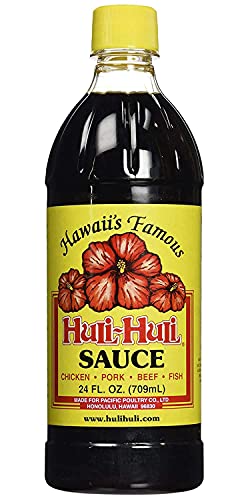
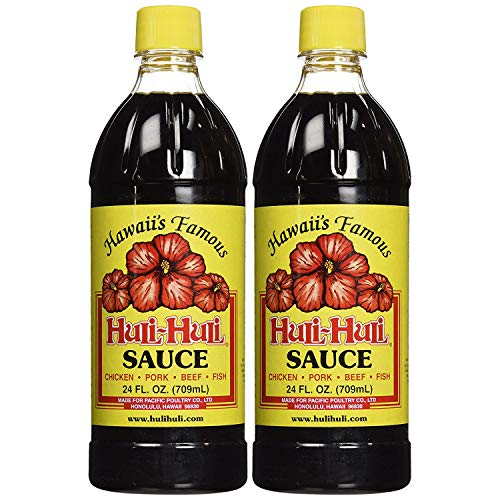


Juicy Hawaiian BBQ chicken is all about a quick pineapple–soy–sweet glaze that soaks in during marinating and turns glossy as it cooks. Make the marinade, reserve some sauce for safe glazing, then grill or bake until the chicken hits 74°C / 165°F—that’s the sweet spot for both flavor and food safety. This recipe delivers that classic sweet-tropical, smoky profile without complicated steps.
Fire up the grill (or oven), because the secret to the best Hawaiian BBQ chicken is a quick pineapple-soy-sweet glaze that soaks into the meat and turns glossy as it cooks. Follow a simple marinade, reserve a little sauce for basting, then heat until the chicken is juicy and cooked through. You’ll end up with that sweet-tropical, smoky flavor people expect from Hawaiian-style BBQ.
This recipe is perfect if you want something crowd-pleasing but not fussy—weeknight-friendly, yet impressive enough for guests. If you love sweet-savory sauces and easy grilling, you’re in the right place.
Hawaiian BBQ Chicken—What Makes It the Best?

The “best” version of Hawaiian BBQ chicken is the one that balances sweet, tangy pineapple flavor with savory soy depth—and finishes with a caramelized glaze that clings to the meat. This method works because the marinade delivers flavor early, while the reserved sauce is what turns sticky and glossy at the end (which is where most people’s results either shine—or burn).
Here’s what makes this approach reliable: pineapple and vinegar add tang, soy adds umami, and brown sugar (plus ketchup or BBQ sauce) creates that classic sticky BBQ finish. In my opinion, the real difference is the sequencing—marinate first, cook until nearly done, then glaze briefly. As of 2026, that “glaze at the end” timing is still the easiest way to get color without overcooking the sugars.
The best flavor comes from timing and technique
– A pineapple-based marinade gives the chicken that signature sweet-tangy Hawaiian vibe.
– The “best” flavor comes from simmering the sauce briefly (so it thickens) and glazing at the end so it turns sticky-glossy.
– Use chicken thighs for extra juiciness, or chicken breasts if you prefer leaner meat.
Why you’ll love it (especially if you cook for others)
This Hawaiian BBQ chicken is built for serving: the sauce is flavorful enough on its own, but it still tastes good even if someone prefers less sweetness. It also reheats well because the glaze isn’t just sugary syrup—it’s reduced and thickened, so it clings after warming. And because the marinade is fast, you’re not stuck planning dinner days in advance.
Time Required

– 🕐 Prep Time : 15 minutes
– 🍳 Cook Time : 20 minutes
– ⏱ Total Time : 1 hour (includes marinating)
Passive time note: marinate for at least 30 minutes for best flavor.
Ingredients
You’ll mainly need chicken plus a few pantry staples that turn into a Hawaiian-style BBQ sauce: pineapple juice for sweetness, soy sauce for depth, and a mix of brown sugar and ketchup (or BBQ sauce) for that classic sticky finish. If you have fresh garlic and ginger, use them—they help the sauce taste bright and layered instead of flat. For best results, cut your chicken into similar-size pieces so everything finishes at the same time.
Main Ingredients
– 1 1/2 lb (680 g) boneless, skinless chicken thighs (or breasts), cut into even pieces
– 1/2 tsp salt (optional—taste your soy sauce first)
– 1/2 tsp black pepper
For the Hawaiian BBQ Marinade & Sauce
– 1/2 cup pineapple juice (from canned pineapple is great)
– 1/3 cup soy sauce (use low-sodium if you prefer)
– 1/3 cup ketchup
– 1/3 cup brown sugar (packed)
– 2 tbsp apple cider vinegar (or rice vinegar)
– 1 tbsp minced garlic
– 1 tbsp grated fresh ginger (or 1 tsp ground ginger)
– 1/2 tsp smoked paprika (optional, for extra smoky flavor)
– 1–2 tsp cornstarch (optional, for thickening the glaze)
Optional Garnish
– Sliced green onions
– Sesame seeds
– Crushed pineapple pieces (for serving)
Step-by-Step Instructions
1. Make the marinade. In a bowl, whisk pineapple juice, soy sauce, ketchup, brown sugar, vinegar, garlic, ginger, and smoked paprika (if using). It should smell sweet-tangy with a savory backbone—this blend is what gives Hawaiian BBQ chicken its “island” character.
2. Marinate the chicken. Add the chicken to the bowl and toss until coated. Cover and refrigerate for at least 30 minutes (up to 4 hours). Longer isn’t automatically better here—after a point, the tang can start to soften the texture.
3. Reserve sauce for basting. Before cooking, scoop out about 1/2 cup of the marinade into a small pot. This is your safe glazing sauce—important for food safety, since the remaining marinade has touched raw chicken.
4. Cook until nearly done. Grill or bake the chicken until it’s cooked through *or* just about there (start checking around the last few minutes). You’re aiming for “nearly finished” because the final glazing step continues cooking.
5. Thicken and glaze. Bring the reserved sauce to a simmer. If you want it thicker, whisk in cornstarch + a splash of water, then simmer until glossy—think satin, not watery.
6. Finish with caramelized glaze. Brush glaze over the chicken, then cook 1–2 more minutes (just enough to set and shine). Watch closely: sugars can burn faster than you expect, especially on hot grills.
Heat & Temperature Guide
The best cooking method is the one that matches your equipment while keeping the glaze step short. Grilling adds smoke and char notes; oven cooking gives you consistent results without monitoring flare-ups.
Cooking Method
– Grill: Great for that smoky flavor. Use medium heat so the glaze caramelizes without charring.
– Oven (easy alternative): Bake first, then broil or glaze at the end for color and shine.
| Method | Pros | Cons |
|---|---|---|
| Grill | Adds real smoky notes; glaze browns fast for “sticky” texture. | Requires closer timing to prevent sugar burning or flare-ups. |
| Oven + Broil/Glaze | Even cooking with fewer variables; easier for beginners. | Less natural smoke unless you add smoked paprika and brown at the end. |
Temperature & Timing
– Cook to an internal temperature of 74°C / 165°F.
According to USDA FSIS, poultry is considered safe when it reaches 165°F / 74°C internally ([2024]). USDA FSIS
– Grill: aim for medium heat and cook about 8–12 minutes, depending on piece size.
– Oven: bake at 190°C / 375°F for about 20–25 minutes, then glaze.
How to know it’s done: the chicken should be opaque throughout, with juices running clear (or very close to clear). If you have a thermometer, the thickest piece is your “right answer,” not the outside look. As of 2026, temperature checks remain one of the most dependable ways to prevent undercooked chicken when pieces vary in thickness.
Poultry Internal Temperatures That Keep Hawaiian BBQ Chicken Safe (USDA/FSIS)
| # | Poultry Category | Best Match for This Recipe | Target Temp | What to Watch For | Fit Rating |
|---|---|---|---|---|---|
| 1 | Chicken pieces (thighs, breasts, wings) | Direct | 165°F / 74°C | Opaque center at thickest spot | ★★★★★ |
| 2 | Bone-in chicken (drumsticks, bone-in thighs) | Direct | 165°F / 74°C | Check thickest area near bone | ★★★★★ |
| 3 | Ground chicken/turkey | Partial | 160°F / 71°C | No pink and juices run clear | ★★★☆☆ |
| 4 | Leftovers (reheating) | Direct | 165°F / 74°C | Heat evenly, not just warm outside | ★★★★☆ |
| 5 | Whole poultry & Cornish hen | Direct | 165°F / 74°C | Check center of thickest part | ★★★★★ |
| 6 | Duck (breast or whole) | Partial | 165°F / 74°C | Check thickest center—don’t guess | ★★★☆☆ |
| 7 | Chicken liver (organ meat) | Partial | 165°F / 74°C | Cook until fully done throughout | ★★★☆☆ |
What Can Go Wrong (and How to Fix It)
This is one of those recipes where small details matter—mainly sauce safety and not overcooking the glaze. The good news is that most failures are predictable, and fixing them takes only a small adjustment.
The glaze burns too quickly
Sugar caramelizes fast, especially on high heat. If you glaze early or cook the sauce too long, you’ll get bitter notes instead of a glossy finish. Fix: cook on medium heat, glaze at the end, and keep it to 1–2 minutes of direct finishing time—then stop.
Chicken is cooked on the outside but raw inside
Chicken pieces vary in thickness, so timing can drift quickly. Fix: aim for even pieces, and rely on temperature: 74°C / 165°F at the thickest spot. If you’re unsure, pull one piece and check the center before glazing all of it.
Unsafe marinade used as sauce
Using raw marinade directly on cooked chicken can spread bacteria. Fix: always reserve sauce before it touches raw chicken, or boil any sauce that contacted raw chicken until it reaches a full simmer. According to FDA, refrigerated marinated foods are still subject to the “danger zone,” so keep timing controlled ([2022]). FDA
Sauce turns out too thin
Pineapple juice and vinegar can keep the sauce from reducing as much as you’d expect. Fix: simmer the reserved sauce a little longer, or stir in cornstarch (mixed with water) and simmer until glossy.
Too salty or too sweet
Soy sauce brands vary, and so does how sweet pineapple juice tastes. Fix: taste the marinade before adding chicken and adjust with a bit more pineapple juice (for sweetness/tang) or a splash of vinegar (for balance). As of 2026, this “taste-then-adjust” step is still the fastest way to rescue a sauce that’s off-balance.
Common Mistakes & How to Fix Them
Here are the practical slip-ups that most often happen with Hawaiian BBQ chicken—and exactly how to correct them.
Skipping the reserved-sauce step
If you don’t reserve 1/2 cup of marinade before it touches raw chicken, you’ll be tempted to glaze directly with unsafe sauce. The fix is simple: reserve first, then simmer the reserved sauce until it’s glossy for safe use.
Glazing too early
People love the sticky look, so they start glazing right as the chicken goes on the grill. That’s when sugars burn and the glaze turns dark too soon. The fix: cook to nearly done first, then glaze for 1–2 minutes only.
Not using similar-size chicken pieces
Uneven sizes mean one chunk overcooks while another stays underdone. Fix: cut chicken into even portions and stir the pieces once during marinating so every surface gets contact with the pineapple-soy mixture.
Over-marinating the chicken
Long marination can soften texture, especially if your pieces are thin. Fix: aim for 30 minutes to 4 hours—enough time for flavor, not so long that the texture goes mushy.
Ignoring carryover cooking
Chicken continues to cook for a moment after you pull it from heat. Fix: remove it when it’s nearly there, then finish with a short glaze so you don’t overshoot the target.
How to Serve
Hawaiian BBQ chicken is best served right away while it’s glossy and juicy. The glaze is at its peak fresh off the heat, and the sweet-tangy aroma really comes through.
Plating & Presentation
– Pile chicken on a platter and spoon extra glaze over the top.
– Add green onions or a few crushed pineapple pieces for a bright, tropical look.
– For a cleaner finish, brush glaze in two thin passes instead of one thick layer—more shine, less risk of burning.
What Goes Well With It
– Rice (white or coconut rice if you want extra island vibes)
– Grilled veggies or a simple crunchy slaw
– Warm rolls for “BBQ chicken sliders”
– Optional: a wedge of lime for guests who like extra brightness
Serving Temperature
Serve hot, ideally right after glazing. If you’re holding it for guests, keep it warm safely (reheat gently if needed) and avoid leaving cooked chicken out at room temperature.
Storage & Reheating
Refrigerate leftovers in a sealed container for up to 3–4 days. As of 2026, that window aligns with common safe handling guidance for cooked poultry at refrigerator temperatures. Reheat gently in a covered pan or microwave with a splash of water so the sauce doesn’t dry out; bring it back to 74°C / 165°F if you’re using a thermometer. According to USDA FSIS, leftovers should be reheated to 165°F / 74°C before serving ([2024]). USDA FSIS
Save This Checklist (quick scan)
– Reserve 1/2 cup marinade before cooking for safe glazing
– Marinate chicken at least 30 minutes
– Cook chicken to 74°C / 165°F
– Thicken reserved sauce if needed
– Glaze for 1–2 minutes only (watch closely)
Frequently Asked Questions
What is the best Hawaiian BBQ chicken recipe for juicy, flavorful results?
The best Hawaiian BBQ chicken recipe typically starts with chicken thighs or drumsticks marinated in a sweet-savory mix like soy sauce, pineapple juice, brown sugar, garlic, and ginger. After grilling or baking, finish with a quick Hawaiian-style BBQ glaze so the chicken stays moist and caramelized. Use a meat thermometer and pull chicken at about 165°F internal temperature for consistent juiciness. For extra authentic flavor, serve with pineapple slices and fresh cilantro.
How do you make Hawaiian BBQ chicken marinade without it tasting too salty?
To avoid a salty Hawaiian BBQ chicken marinade, balance soy sauce with pineapple juice (or orange juice), brown sugar, and aromatics like garlic and ginger. If you’re using store-bought soy sauce, consider reducing the amount and adding extra pineapple juice to mellow the salt. Marinate for 4–12 hours (not more than 24) so the flavor penetrates without overpowering the chicken. If you’re concerned, you can also dilute the marinade and use any leftover sauce only after boiling it to ensure food safety.
Why does Hawaiian BBQ chicken taste different from regular BBQ chicken?
Hawaiian BBQ chicken often tastes sweeter and brighter because pineapple juice and sometimes garlic-ginger add fruitiness and aromatic depth. The sauce typically leans toward a glossy, caramelized finish rather than a heavy smoky flavor, making it ideal for grilling or broiling. Many recipes also use a simple seasoning profile—soy sauce, brown sugar, and garlic—so the chicken absorbs a classic island-style flavor. This combination is what gives Hawaiian BBQ chicken its distinctive balance of sweet, savory, and tangy.
Which chicken cuts are best for Hawaiian BBQ chicken—thighs, breasts, or drumsticks?
For the best Hawaiian BBQ chicken results, thighs and drumsticks are usually the top choice because they stay juicy and forgiving on the grill. Chicken breasts can work, but they’re more likely to dry out unless you monitor temperature closely and don’t overcook. If you prefer breasts, use a shorter cooking time and a strong pineapple-based marinade to help keep the meat tender. Regardless of cut, always cook to 165°F internal temperature for safe, moist results.
What’s the best way to grill Hawaiian BBQ chicken and keep the sauce from burning?
Hawaiian BBQ chicken sauce contains sugar, which can burn if applied too early, so grill the chicken first and then brush with glaze during the last 5–10 minutes. Use medium heat and keep the grill lid closed to maintain even cooking, flipping only once for cleaner caramelization. If the sauce starts to darken too quickly, move the chicken to indirect heat and finish until it reaches 165°F. Rest the chicken for a few minutes before serving so the juices redistribute and the BBQ glaze clings better.
📅 Last Updated: November 08, 2026 | Topic: best hawaiian bbq chicken recipe | Content verified for accuracy and freshness.
References
- Huli-huli chicken
- Plate lunch
- Teriyaki
- https://www.britannica.com/topic/Hawaiian-cuisine
- https://www.fsis.usda.gov/food-safety/safe-food-handling-and-preparation/using-a-food-thermometer
- Preventing Food Poisoning | Food Safety | CDC
- Food safety
- https://scholar.google.com/scholar?q=Hawaiian+BBQ+chicken+recipe Google Scholar
- https://scholar.google.com/scholar?q=Huli-huli+chicken+marinade+soy+sugar+history Google Scholar
- https://scholar.google.com/scholar?q=grilling+chicken+safe+minimum+internal+temperature Google Scholar


