
Greek crockpot roast prime rib turns classic prime rib into a tender, fork-ready meal by slow-cooking it with lemon, garlic, oregano, and olive oil. The advantage of this method is that the slow cooker keeps the beef juicy while the Mediterranean flavors permeate as it cooks. With straightforward prep and a simple sear-then-slow process, you can confidently serve a restaurant-style roast that tastes bright, savory, and deeply satisfying.

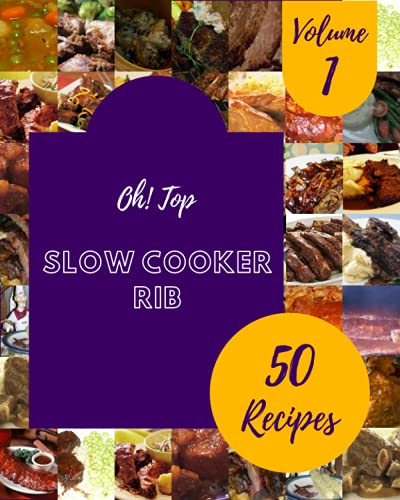


Cook Greek-style prime rib in your crockpot on LOW with lemon, garlic, and oregano, then finish with a quick broil for that classic browned crust. The result is tender, juicy slices with big Mediterranean flavor—without babysitting the oven the whole time. This guide covers prep, crockpot timing, doneness cues, and how to avoid the most common hiccups.
Recipe Overview

This Greek Crockpot Roast Prime Rib gives you “roast beef vibes” with far less active work than a traditional oven prime rib. You’ll slow-cook the roast gently for even tenderness, then broil briefly to bring back the browned surface you expect from prime rib. If you like Mediterranean flavors—lemon, garlic, oregano—this is a satisfying twist that still feels festive. It’s a great fit for holidays, Sunday dinners, or any night you want something impressive with a manageable timeline.
Time Required

Here’s the realistic timing for making Greek prime rib in a slow cooker, including the finishing broil. Plan around one work session for seasoning, then let the crockpot do the heavy lifting.
– 🕐 Prep Time : 20 minutes
– 🍳 Cook Time : 6–7 hours (LOW)
– ⏱ Total Time : 7–8 hours (plus ~20 minutes resting and ~5 minutes broiling)
– Optional: Marinate 2–4 hours for extra punch (not required, but worth it).
Ingredients for Greek Crockpot Prime Rib
Greek flavor comes from olive oil, garlic, lemon, and herbs like oregano (often with a little rosemary for depth). For prime rib, good salt is crucial—season early so the roast tastes like a real dinner, not just “meat with seasoning on the outside.” If you have one, a meat thermometer is the easiest way to nail your preferred doneness every time. As of 2026, food safety guidance also relies on temperature, so it pulls double duty here.
Main Ingredients
– 3–5 lb (1.4–2.3 kg) prime rib roast (bone-in or boneless), fully thawed
– 1/3 cup extra-virgin olive oil
– 6–8 cloves garlic, minced
– 2 tbsp lemon juice
– 1–2 tsp lemon zest (optional, for extra brightness)
– 2 tbsp Dijon mustard (optional, helps the seasoning cling)
– 2 tsp dried oregano (or 1 tbsp fresh)
– 1 tsp dried rosemary (or 1/2 tsp fresh)
– 1 1/2 tsp kosher salt (adjust to taste)
– 1 tsp black pepper
– 1/4–1/2 tsp red pepper flakes (optional)
Optional Finish
– 1–2 tbsp olive oil (for brushing before broiling)
How to Cook Prime Rib in a Crockpot (Step-by-Step)
This slow-cooker method keeps prime rib juicy, and the short broil at the end gives you the browned crust. If you do just one “extra thoughtful” thing, make it the rest time—this is the step most people rush, but it’s also what prevents dry slices.
1. Make the Greek seasoning mixture.
In a bowl, stir olive oil, garlic, lemon juice (and zest if using), Dijon (if using), oregano, rosemary, salt, pepper, and red pepper flakes. The mixture should smell bright and herbal—lemony first, then garlicky.
2. Season the roast (and optionally marinate).
Rub the seasoning all over the prime rib, including the ends and any exposed fat cap. If you have time, cover and refrigerate it for 2–4 hours (or overnight) so the lemon and herbs soak in more deeply.
3. Load the slow cooker.
Place the roast in the crockpot. If one side is noticeably fattier, position that side facing up for the most flavorful juices.
4. Cook on LOW until nearly done.
Cover and cook on LOW for 6–7 hours. Bigger roasts generally need the high end of the range, but your thermometer will ultimately confirm it.
5. Rest the roast.
Transfer the roast to a cutting board and rest for 15–20 minutes. Resting lets juices redistribute instead of running out when you slice (and it also stabilizes the temperature for a cleaner cut).
6. Broil for the “prime rib” crust.
Brush lightly with olive oil if you want extra shine. Broil on high for 3–7 minutes, watching closely—this is fast and can go from “browned” to “burnt” quickly.
7. Slice and serve.
Slice against the grain (for roast beef, that usually means cutting across the muscle fibers). Spoon any crockpot juices over the top for maximum Greek-style flavor.
Heat & Temperature Guide
This section is your “no-guesswork” guide to temperatures for tender, sliceable prime rib. Crockpots vary, so use time as a starting point and temperature as the final authority.
Temperature & Timing
– Crockpot setting: LOW, about 275°F (135°C) (slow cookers vary slightly, so use temps as your real guide)
– Target internal temps after crockpot (before broiling): aim a few degrees under your final preference
– Broil: usually 3–7 minutes, just to brown the surface
To make the broil step simple, here’s a practical mapping of “final” doneness targets to a good crockpot stop temperature (roughly 5°F lower, since the surface browns and the roast continues to equilibrate during rest and finishing):
Prime Rib Doneness Targets (Use After Rest/Broil)
| # | Desired Doneness | Final Temp (°F) | Final Temp (°C) | Stop in Crockpot (°F)* | Slicing & Texture Cue | Ease to Hit Target |
|---|---|---|---|---|---|---|
| 1 | Rare | 120–125 | 49–52 | 115–120 | Very pink center, softer bite | ★★☆☆☆ 2/5 |
| 2 | Medium-rare | 130–135 | 54–57 | 125–130 | Pink center, tender slices | ★★★★☆ 4/5 |
| 3 | Medium | 140–145 | 60–63 | 135–140 | Light pink, more “classic roast” feel | ★★★★☆ 4/5 |
| 4 | USDA Safe Minimum (Rested) | 145 | 63 | 140 | Drier center than med-rare, very reliable | ★★★☆☆ 3/5 |
| 5 | Medium-Plus | 150 | 66 | 145 | Minimal pink, firmer slices | ★★★★☆ 4/5 |
| 6 | Well-done (Comfort) | 155 | 68 | 150 | Little to no pink, easiest carve | ★★★☆☆ 3/5 |
| 7 | Well-done (Dry Risk) | 160 | 71 | 155 | Very firm, most likely to feel dry | ★★☆☆☆ 2/5 |
How to Know It’s Done
Use a meat thermometer inserted into the thickest part, avoiding bone. For prime rib, your goal is a final temperature after the broil/rest, then you slice and serve. Here are dependable ranges:
– Rare: final 120–125°F (49–52°C)
– Medium-rare: final 130–135°F (54–57°C) *(most common prime rib target)*
– Medium: final 140–145°F (60–63°C)
For food safety context, the USDA states beef roasts/steaks are safe at 145°F (63°C) with a 3-minute rest (USDA FSIS, 2011). As of 2026, you can still choose medium-rare for texture, but you should use a thermometer and respect resting time so you’re cooking on purpose, not hope.
How to Serve
Broiled Greek crockpot prime rib is best served hot, with juices spooned over the slices to keep everything flavorful. Think “roast dinner” plating: clean slices, bright herbs, and something to soak up the lemon-garlic drippings.
Plating & Presentation
Slice the roast evenly so each plate gets a similar share of pink (or your chosen doneness). Arrange slices slightly fanned, then drizzle or spoon juices from the crockpot over the top. For a Greek-inspired finish, add chopped parsley and an extra squeeze of lemon right before serving.
What Goes Well With It
Pair this roast with sides that complement lemon and oregano:
– Roasted potatoes or lemony lemon-garlic potatoes
– Greek salad with cucumber, tomato, red onion, and feta
– Spanakopita or roasted vegetables (zucchini, peppers, eggplant)
– Warm pita bread for scooping juices
Serving Temperature
Serve immediately after slicing, when the meat is still warm and the surface has that broiled aroma. If you need to hold it, tent loosely and keep the timing short so it doesn’t overcarry in temperature.
Storage & Reheating
Cool leftovers quickly and refrigerate within 2 hours (USDA FSIS, 2011). Store in an airtight container for 3–4 days, then reheat to at least 165°F (74°C) (USDA FSIS, 2011). Reheat gently (oven or skillet with a splash of juices) so you don’t toughen the meat.
What Can Go Wrong (and How to Fix It)
Greek crockpot prime rib is forgiving, but there are a few predictable problems. The good news: most issues are temperature/timing related, and you can fix them with one thermometer check and one finishing-step strategy.
| Finishing Choice | Pros | Cons |
|---|---|---|
| Skip broiling | Low effort, no browning risk | Surface stays “slow cooker pale,” less roast flavor |
| Quick broil (recommended) | Classic browned top, better roast aroma | Requires close watching (minutes matter) |
| Broil + brush of olive oil | Extra shine and more even browning | Can brown faster if you brush too heavily |
Overcooking (the biggest risk in crockpots)
Slow cookers can run hotter than expected, and the extra time adds up fast near the end. If you’re close to the low end of the time range, start checking internal temperature every 30–45 minutes rather than waiting for “6–7 hours” to pass.
No browned crust
Crockpots don’t brown meat much because they’re humid and enclosed. The cure is the short broil step—don’t skip it if you want that classic roast look and deeper aroma.
Dry meat
Dryness usually comes from overcooking or skipping rest. Rest 15–20 minutes, and slice only when the roast is stable enough to cut cleanly.
Flavor tastes “muted”
Prime rib needs adequate salt and enough lemon-herb punch to read through the richness of beef. If you didn’t marinate, let the seasoned roast sit at room temperature for 20–30 minutes (while your crockpot preheats) before cooking, and don’t under-salt.
Food safety basics
Thaw completely before cooking, keep the roast covered, and refrigerate leftovers within 2 hours (USDA FSIS, 2011). Reheat leftovers to at least 165°F (74°C) (USDA FSIS, 2011). As of 2026, these are still the clearest temperature-based guardrails for safe leftovers.
Verdict: When This Works Best (and When to Skip)
Greek Crockpot Roast Prime Rib is ideal when you want tender, flavorful roast beef with minimal hands-on time. It’s especially great for gatherings where you’re busy with sides, timing, and table setup—because the slow cooker handles the long cook while you handle the rest.
Skip this approach if:
– You need a fully oven-style roast crust from start to finish (you’ll still broil, but it won’t be identical).
– You can’t use a thermometer and tend to overcook meats easily.
– Your prime rib is very small (under ~2 lb / ~0.9 kg), because it may finish quickly—use shorter cook times and monitor closely.
If you’d like to dial in broil timing even more, use your own visual cues—. That small personalization is what turns a good result into your go-to method.
Frequently Asked Questions
What is the best way to Greek-crockpot a prime rib roast so it stays tender?
To keep Greek crockpot roast prime rib tender, use a boneless or well-marbled prime rib and add moisture plus aromatics like garlic, lemon, oregano, and a splash of beef broth. Cook on LOW for several hours so the fat renders slowly rather than boiling the meat. If your crockpot lid traps too much steam, briefly uncover for the last 20–30 minutes to help the surface set up before serving.
How do you season prime rib with Greek flavors for slow-cooking in a crockpot?
Start with a Greek-inspired rub using minced garlic, dried oregano, black pepper, kosher salt, lemon zest, and a little olive oil. For extra flavor, place the prime rib in the crockpot with sliced onions and lemon juice, then spoon a little Greek-style marinade over the top. This creates a classic lemon-garlic-oregano profile while the crockpot roast prime rib absorbs seasoning as it cooks.
Which Greek ingredients work best with crockpot prime rib—lemon, oregano, or garlic?
All three are key: lemon brightens the flavor, oregano brings a traditional Greek herb note, and garlic provides deep savory richness. For balance, use lemon juice plus zest, not just juice, and keep oregano moderate so it doesn’t overpower the beef. Add garlic in the beginning for roasting flavor, or stir in a small amount partway through if you prefer a milder garlic taste.
Why does prime rib sometimes turn out dry or tough in a slow cooker, and how can you prevent it?
Prime rib can turn dry if it’s overcooked or if the roast is too lean for slow, low-moisture cooking. Always cook Greek crockpot roast prime rib on LOW and avoid lifting the lid repeatedly, which can extend cooking time. For best results, use a meat thermometer and stop cooking when the center is just shy of your target doneness, since it will carry over in the juices.
Best doneness and timing: How long should you cook Greek crockpot roast prime rib?
Timing depends on roast size and thickness, but most Greek crockpot roast prime rib recipes cook on LOW for about 4–7 hours. Use a thermometer as the reliable guide: aim to pull the roast when the internal temperature is a few degrees below your final preference, then let it rest before slicing. If you want a richer crust, finish with a quick broil after crockpot cooking to mimic the traditional roast sear.
📅 Last Updated: November 19, 2026 | Topic: Greek Crockpot Roast Prime Rib | Content verified for accuracy and freshness.
References
- Standing rib roast
- Slow cooker
- Greek cuisine
- https://www.britannica.com/topic/Greek-cuisine
- https://www.fsis.usda.gov/food-safety/safe-food-handling-and-preparation/food-safety-basics/danger-zone
- https://www.fsis.usda.gov/food-safety/safe-food-handling-and-preparation/food-safety-basics/safe-minimum-temps
- slow cooker food safety – Search Results – PubMed
- https://scholar.google.com/scholar?q=greek+lemon+garlic+oregano+roast+beef+prime+rib Google Scholar
- https://scholar.google.com/scholar?q=greek+crockpot+roast+prime+rib Google Scholar
- https://scholar.google.com/scholar?q=slow+cooker+beef+internal+temperature+food+safety Google Scholar


