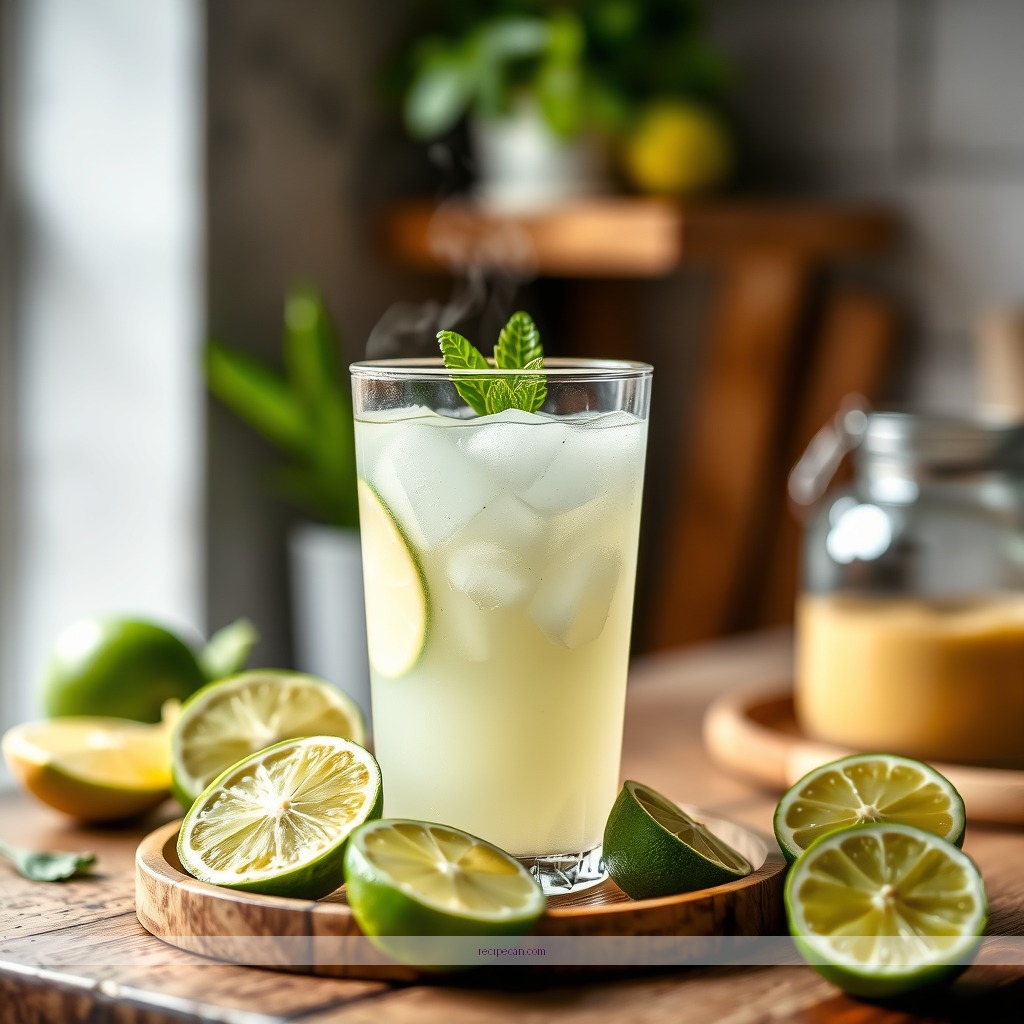
A simple fresh lime juice recipe is your secret weapon for vibrant flavor in cocktails, dressings, and marinades. This guide reveals the quickest and easiest method to extract the zesty essence of lime at home, ensuring you always have fresh juice on hand. Say goodbye to store-bought alternatives and discover how effortless it is to elevate your culinary creations with homemade lime juice.
Making fresh lime juice is incredibly easy and refreshingly delicious! In just a few simple steps, you can enjoy a zesty drink that brightens up any occasion. This recipe will guide you through the process, whether you’re looking to quench your thirst or add a citrus kick to your dishes. Fresh lime juice is not only a delightful beverage on its own, but it also serves as a versatile ingredient in cocktails, marinades, and salad dressings.
Recipe Overview
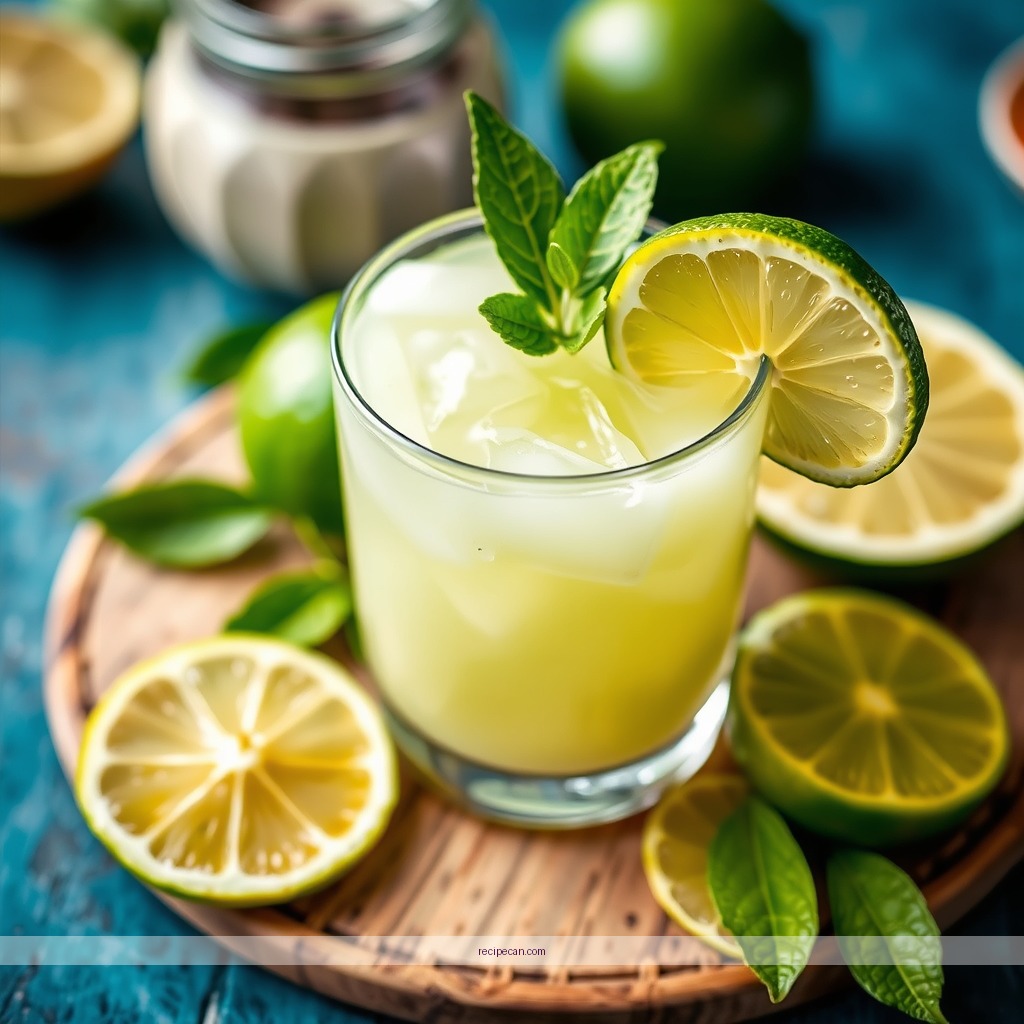
Fresh lime juice is a versatile and vibrant addition to beverages and recipes alike. It’s perfect for summer cocktails, marinades, or even just to sip on its own. This recipe is straightforward and quick, making it a great choice for anyone wanting to enhance their culinary creations with minimal effort. Expect to make about 1 cup of lime juice, enough for several servings. Whether you’re hosting a gathering or simply looking to elevate your everyday meals, fresh lime juice is an essential component in your kitchen arsenal.
Time Required

– 🕐 Prep Time : 5 minutes
– ⏱ Total Time : 5 minutes
Ingredients
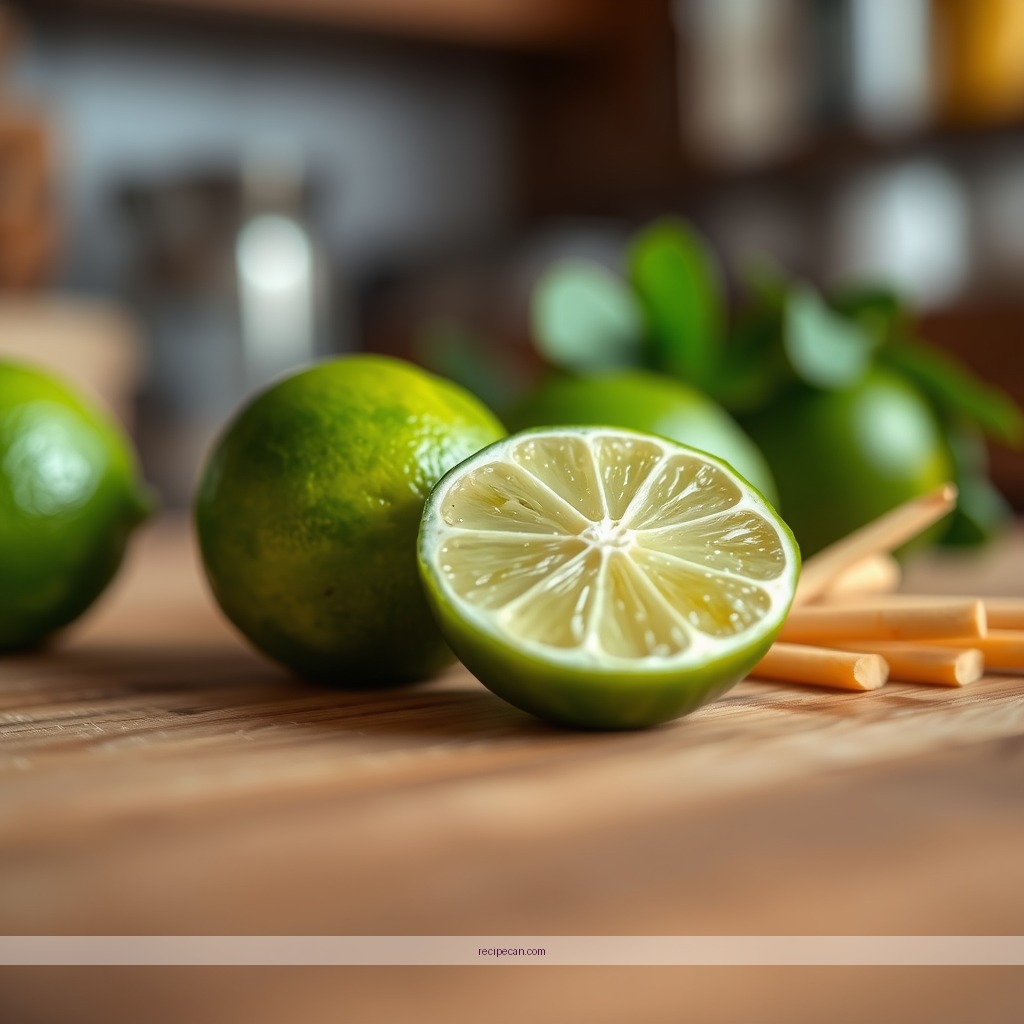
Fresh limes are the star of this recipe, providing that distinct tangy flavor. The quality of your limes can greatly impact the taste, so opt for juicy, vibrant green limes. If you don’t have limes on hand, you can substitute with fresh lemons for a different citrus twist. Freshly squeezed lime juice is a flavor enhancer that can transform a dish or drink, making it a must-have ingredient.
Main Ingredients
– 4-6 medium-sized fresh limes
Optional Garnish
– Lime slices or wedges for serving
Step-by-Step Instructions

1. Choose Your Limes: Select limes that feel heavy for their size, indicating juiciness. Rolling them on the counter with your palm helps release their juices, making extraction much easier.
2. Cut the Limes: Slice the limes in half crosswise. Use a sharp knife to ensure clean cuts, as this will help maximize juice extraction.
3. Juice the Limes: Utilize a citrus juicer or reamer to extract the juice from the lime halves. If you don’t have a juicer, squeezing them by hand is perfectly acceptable; just be ready for a bit of pulp!
4. Strain (Optional): If you prefer smooth juice without pulp or seeds, pour the juice through a fine mesh strainer into a measuring cup or bowl. This step ensures a silky finish, ideal for cocktails or dressings.
5. Taste and Adjust: Give your juice a taste. If you want it sweeter, you can add a bit of sugar or simple syrup, stirring until dissolved for a balanced flavor.
Heat & Temperature Guide
Cooking Method
This recipe doesn’t involve cooking, but understanding how to extract juice effectively is crucial. The method relies on manual juicing, which maximizes flavor.
Temperature & Timing
Since this is a raw juice recipe, no cooking temperatures are involved. Just make sure your limes are kept at room temperature for easier juicing.
How to Know It’s Done
Your lime juice is ready once you’ve extracted all the liquid from the limes, and it should have a bright green color and a tart aroma, signaling freshness.
What to Avoid & Precautions
Making fresh lime juice is simple, but there are a few common pitfalls to avoid to ensure you get the best flavor and texture.
Overripe Limes
Avoid using limes that feel light or have dark spots. Overripe limes may yield less juice and possess a less vibrant flavor.
Not Rolling the Limes
Many people skip the rolling step. This is crucial for loosening the juice inside, so don’t rush through it!
Pulp and Seeds
If you dislike pulp, be diligent about straining your juice to eliminate any unwanted bits.
Common Mistakes & How to Fix Them
Mistakes can happen, but they are easily fixable. Here are a few common ones:
Not Using Fresh Limes
Using bottled lime juice can result in a flat flavor. Always strive for fresh limes for the best taste.
Forgetting to Taste
Many forget to taste their juice before serving. A quick taste can help you adjust sweetness and acidity, ensuring the best flavor.
Skipping the Straining Step
If you don’t strain the juice, you might end up with a gritty texture that can detract from your drink or dish. Always strain if you prefer a smoother result.
How to Serve
Fresh lime juice can be enjoyed in a variety of ways.
Plating & Presentation
Serve the juice in chilled glasses, garnished with lime slices or wedges for a beautiful presentation.
What Goes Well With It
Pair fresh lime juice with cocktails like margaritas or mojitos, or mix it with sparkling water for a refreshing drink. It also works beautifully as a marinade for meats or in salad dressings.
Serving Temperature
Freshly squeezed lime juice is best served chilled or at room temperature, depending on your preference and the dish it accompanies.
Storage & Reheating
Store any leftover lime juice in an airtight container in the refrigerator for up to a week. If you want to keep it longer, consider freezing it in ice cube trays for easy use later.
Top 7 Lime Juice Brands by Popularity (2024)
| # | Brand | Popularity Rating | Flavor Profile | Usage |
|---|---|---|---|---|
| 1 | Nellie & Joe’s | ★★★★☆ | Tart, Fresh | Cocktails, Cooking |
| 2 | ReaLime | ★★★★☆ | Zesty, Bright | Beverages, Dips |
| 3 | Simply Limeade | ★★★☆☆ | Sweet, Tangy | Drinks, Desserts |
| 4 | Lakewood Organic | ★★★☆☆ | Natural, Clean | Cooking, Marinades |
| 5 | Tropicana | ★★☆☆☆ | Sweet, Mild | Beverages |
| 6 | Kirkland Signature | ★★★☆☆ | Balanced, Bright | Cocktails, Cooking |
| 7 | Frescolita | ★★★★☆ | Crisp, Clean | Beverages, Desserts |
Making fresh lime juice is not only a simple process but also a delightful way to elevate your meals and drinks. Enjoy the vibrant flavor and versatility this juice brings to your kitchen! Now that you have the recipe, why not give it a try and brighten up your next gathering? Whether you’re mixing cocktails, whipping up a marinade, or simply enjoying a refreshing drink, fresh lime juice is a fantastic addition to your culinary repertoire.
Frequently Asked Questions
What are the best limes to use for fresh lime juice?
The best limes for fresh lime juice are Persian limes, also known as Tahiti limes, due to their juiciness and mild flavor. Key limes can also be used for a more tart and aromatic juice, but they are smaller and yield less juice. Choosing limes that are firm and heavy for their size ensures maximum juice extraction.
How do I extract juice from limes efficiently?
To efficiently extract juice from limes, roll the limes on a countertop with your palm before cutting them in half; this helps to break down the fibers and release more juice. Using a handheld juicer or reamer can make the process easier and ensure you get every drop of juice from the fruit. Always use fresh limes for the best flavor in your recipes.
Why is fresh lime juice better than bottled lime juice?
Fresh lime juice is better than bottled lime juice because it has a brighter, more vibrant flavor and contains no preservatives or artificial additives. The freshness of the juice enhances cocktails, marinades, and dressings, providing a zesty taste that bottled alternatives cannot replicate. Plus, fresh lime juice retains more nutrients and beneficial compounds.
What are some popular recipes that use fresh lime juice?
Popular recipes that use fresh lime juice include classic cocktails like margaritas and mojitos, as well as dressings for salads and marinades for grilled meats. You can also use fresh lime juice to elevate desserts like key lime pie or to add a zesty flavor to salsas. The versatility of lime juice makes it a staple in many cuisines.
Which tools are necessary for making fresh lime juice at home?
To make fresh lime juice at home, you’ll need a sharp knife to cut the limes in half, a citrus juicer or reamer for optimal extraction, and a measuring cup to collect the juice. Optional tools include a microplane for zesting and a strainer if you want to remove pulp and seeds. Having these tools on hand will simplify the juicing process and enhance your culinary experience.
References
- Lime
https://en.wikipedia.org/wiki/Lime - https://www.sciencedirect.com/topics/food-science/lime-juice
https://www.sciencedirect.com/topics/food-science/lime-juice - Checking your browser – reCAPTCHA
https://www.ncbi.nlm.nih.gov/pmc/articles/PMC6194158/ - Physical fitness of Ghanaian physiotherapists and its correlation with age and exercise engagemen…
https://www.ncbi.nlm.nih.gov/pmc/articles/PMC5759891/ - https://www.britannica.com/plant/lime-fruit
https://www.britannica.com/plant/lime-fruit - Google Scholar Google Scholar
https://scholar.google.com/scholar?q=fresh+lime+juice+recipe - Google Scholar Google Scholar
https://scholar.google.com/scholar?q=lime+juice+health+benefits - Google Scholar Google Scholar
https://scholar.google.com/scholar?q=lime+juice+nutritional+information - Checking your browser – reCAPTCHA
https://www.ncbi.nlm.nih.gov/pmc/articles/PMC6266079/ - Healthy diet
https://www.who.int/news-room/fact-sheets/detail/healthy-diet