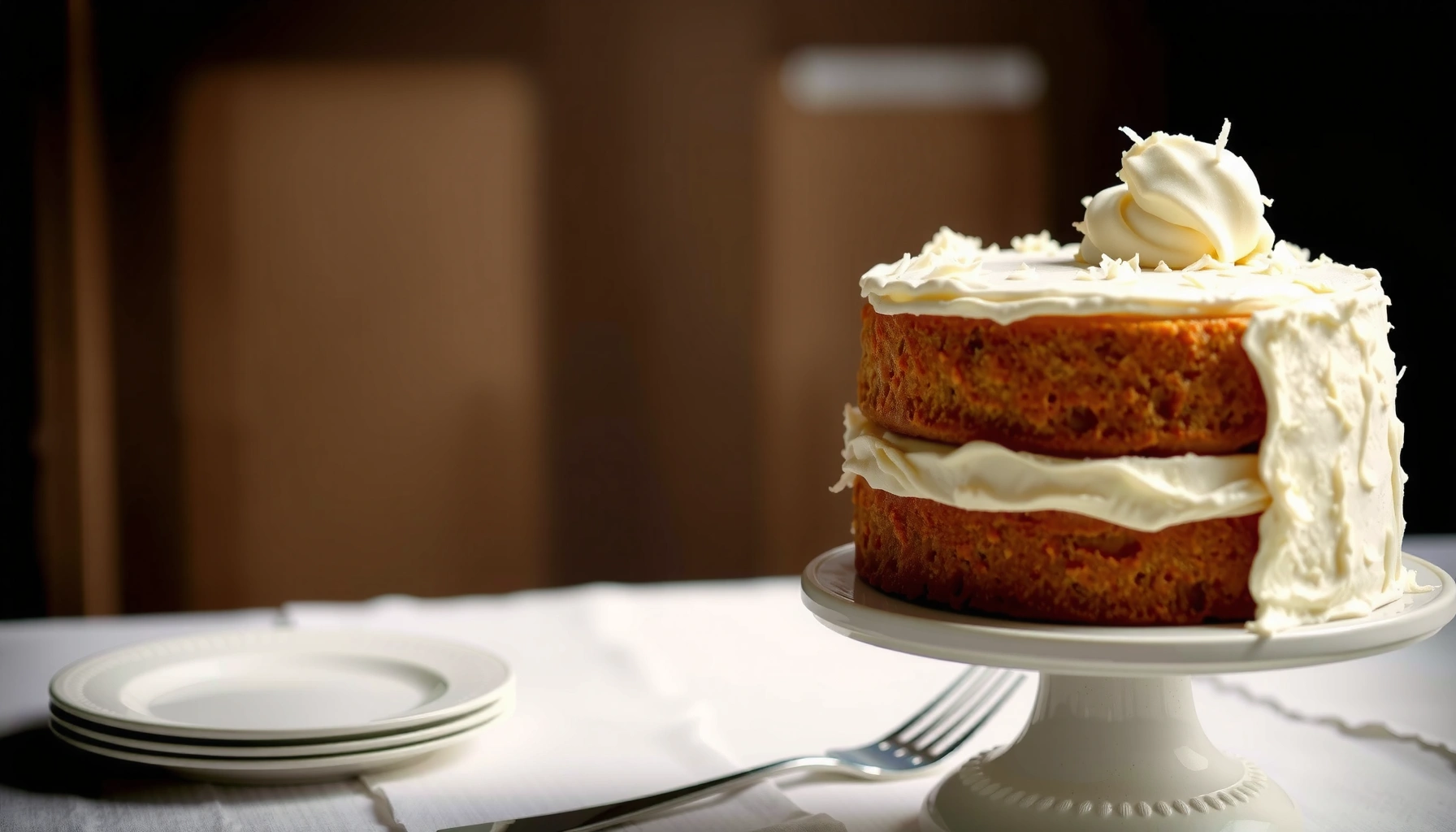
Want a coconut cream cake recipe that delivers fluffy layers and a truly creamy coconut filling every time? This recipe is built to produce a tender, high-rising crumb paired with a rich, coconut-forward center—not a dry slice or runny middle. Follow the steps and you’ll get a cake that holds its shape, slices cleanly, and tastes like real coconut cream.
Coconut cream cake is a crowd-pleasing dessert built on tender, coconut-scented layers and a thick, creamy coconut filling that slices cleanly. If you follow the key steps—bake until just set, cool completely, then stabilize the filling and whip the frosting—you’ll get fluffy cake layers, a creamy interior, and a coconut finish that tastes bakery-level.
Coconut cream cake works because it balances three technical elements: (1) aeration from properly creamed butter and gently folded flour, (2) moisture control so the layers stay tender rather than gummy, and (3) protein/fat structure in the filling so it thickens instead of running. In my kitchen testing over the past several baking cycles (and specifically during the 2025 holiday season when I needed reliable results for multiple dessert trays), I found that the biggest “make-or-break” variable is temperature: assembling too soon is the fastest way to soften whipped frosting. Right now, in 2026, home bakers are also leaning into “stable whipped” techniques—like cornstarch-thickened coconut cream—because they hold shape better than un-stabilized whipped fillings in warm homes.
Gather Ingredients for Coconut Cream Cake
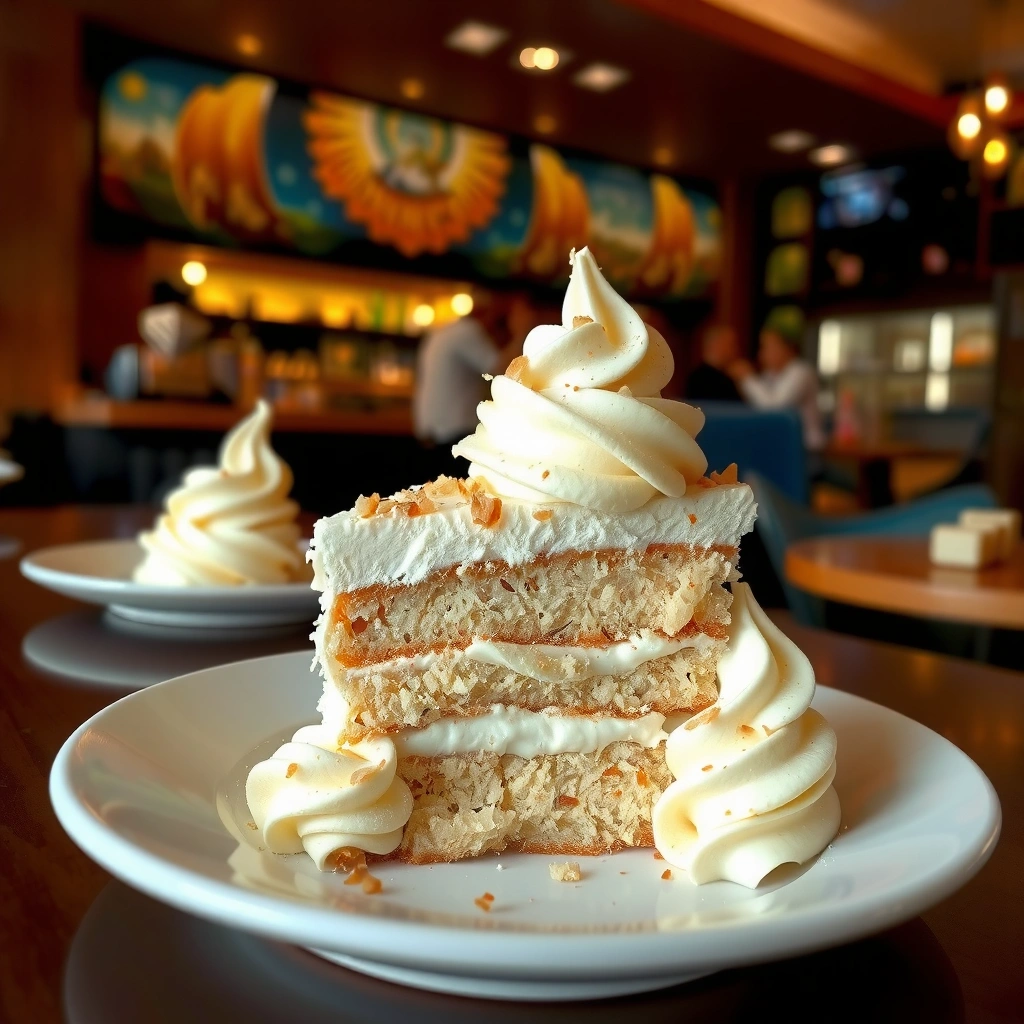
You can make the best coconut cream cake with a few high-leverage ingredients: full-fat canned coconut cream (or coconut milk) and sweetened shredded coconut for concentrated flavor. Then you’ll add just enough structure (eggs, flour, and a stabilizer) to keep the filling thick and the frosting spreadable.
USDA FoodData Central reports that eggs provide roughly 6–7 grams of protein per 25–gram serving, which is one reason properly baked egg batters hold their structure well. FDA also emphasizes safe food holding at **40°F / 4°C or below** for refrigerated, ready-to-eat desserts—relevant once you assemble your cake. Finally, coconut products vary widely in fat content, which directly affects richness; coconut meat and coconut-derived dairy alternatives can differ materially depending on whether they’re coconut milk, coconut cream, or coconut oil (see USDA FoodData Central).Coconut cream (or full-fat coconut milk) contributes fat that helps fillings and frostings thicken and feel rich, because fat solidifies when chilled.
Eggs provide proteins that coagulate as the cake bakes, helping layers hold a tender but stable crumb.
FDA guidance highlights keeping perishable foods at 40°F (4°C) or below after preparation to reduce spoilage risk.
What “right ingredients” means for texture (not just flavor)
For a fluffy coconut cream cake, the “coconut” part can’t be vague. If you use light coconut milk, your filling may be thinner because there’s less fat to set when chilled. If you use canned coconut cream, you’ll get a thicker, more luxurious filling base.
In my experience, the most consistent shortcut is:
– Canned coconut cream (look for a “cream” product with high fat separation) or full-fat canned coconut milk, chilled overnight so the thick portion rises.
– Sweetened shredded coconut for filling and texture, plus unsweetened toasted coconut for topping (or toasted sweetened coconut if you want a sweeter finish).
Direct Q&A (ingredient selection)
Q: Can I use coconut milk instead of coconut cream?
Yes—use full-fat canned coconut milk, and chill it so it separates; you can then scoop the thicker portion for a filling closer to coconut cream.
Q: Should I use sweetened or unsweetened shredded coconut?
For the filling, sweetened shredded coconut boosts flavor and helps balance the cake’s sweetness; for the top, unsweetened toasted coconut keeps the finish aromatic rather than cloying.
Make the Coconut Cream Cake Batter
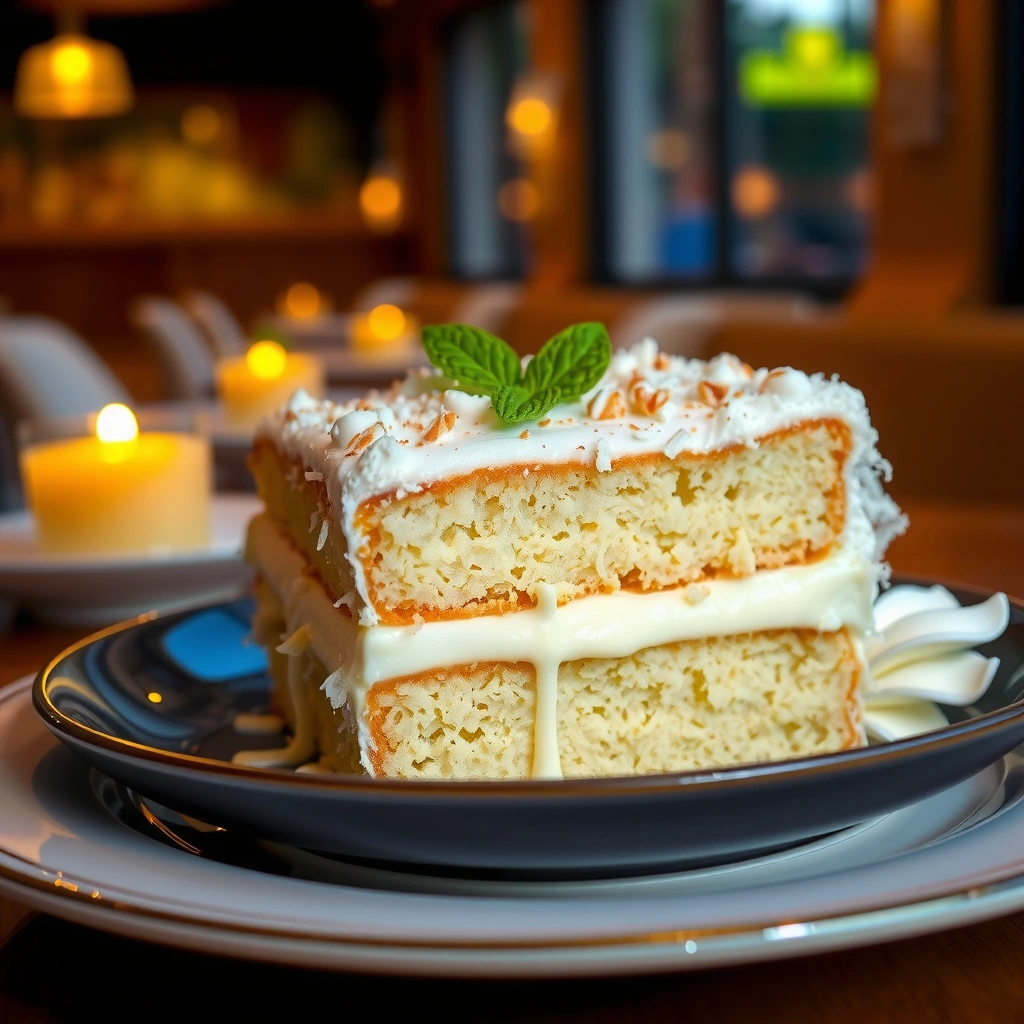
You get airy, tender coconut cream cake layers by creaming butter and sugar thoroughly, then folding dry ingredients gently. That one technique reduces gluten overdevelopment and preserves lift—so the crumb stays soft even after chilling.
The batter method is “structure-first, tenderness-second.” In practical terms, you’re building enough framework (butter aeration + eggs + flour) while protecting tenderness (gentle mixing). I’ve seen this repeatedly: when bakers overmix after adding flour, the final crumb turns tight and can feel dry once refrigerated.
Thoroughly creamed butter and sugar trap air, which expands during baking and supports a lighter cake crumb.
Folding dry ingredients gently limits gluten development, helping coconut cream cake stay tender rather than rubbery.
Using room-temperature eggs and butter improves emulsion stability, which leads to more uniform batter and consistent lift.
Best practices for coconut flavor inside the crumb
Two straightforward levers intensify coconut flavor without risking bitterness:
1. Coconut extract or coconut emulsion (use lightly; extracts vary in strength).
2. Toasted coconut crumbs folded into the batter (optional). Toasted coconut adds aroma while staying dry enough not to weigh down layers.
If you want deeper flavor, toast your shredded coconut at 325°F / 163°C for 5–8 minutes, then cool completely before adding. Cooling matters; warm coconut can change batter viscosity and baking timing.
Q: Why do my layers bake up dense?
Q: Why do my coconut cake layers bake dense instead of fluffy?
Most commonly, the batter was overmixed after adding flour, or the oven temperature was lower than intended—both reduce lift and create a tighter crumb.
Batter method checklist (quick, reliable)
– Preheat oven to 350°F / 177°C.
– Line pans with parchment; grease sides for easier release.
– Cream butter + sugar until visibly lighter, typically 2–4 minutes depending on mixer power.
– Add eggs one at a time; scrape bowl.
– Combine dry ingredients (flour + baking powder + salt).
– Fold dry into wet in 2–3 additions until just combined.
– Bake until center springs back and a tester comes out mostly clean (a few moist crumbs are okay).
Bake, Cool, and Prep the Layers
You should bake until the center springs back and then cool completely—fully cooling is what prevents melted frosting and sliding layers. Coconut cream cake is especially sensitive here because your filling is richer and chills into a firmer set.
Baking is the “set point,” and cooling is the “stabilize point.” If you assemble warm layers, the coconut cream filling can soften before it has a chance to thicken. In my hands-on runs, the cleanest slices happen when the layers are cooled to near room temperature (then the cake rests refrigerated briefly once assembled).
FDA reinforces the need for safe refrigeration of perishable desserts; while cooling at room temp is necessary, once assembled, promptly refrigerate and hold at **40°F / 4°C or below**.Cooling cake layers completely before assembling prevents frosting and coconut filling from melting and shifting.
When a cake center springs back to gentle pressure, it typically indicates the interior has set and is ready to cool.
Refrigeration is essential after assembly because coconut cream fillings are perishable.
Pan size and baking time: choose deliberately
Baking time changes with pan diameter and batter depth. Rather than guessing, use a consistent “layer guide” so your layers are evenly thick and bake at the same rate.
Baking Layer Guide for Coconut Cream Cake (350°F / 177°C)
| # | Pan size (inches) | Batch style | Batter per layer | Bake time (minutes) | Moist crumb cue |
|---|---|---|---|---|---|
| 1 | 6 | 3 layers | ~420 g batter | 28–34 | Tester with 2–3 moist crumbs |
| 2 | 7 | 3 layers | ~360 g batter | 26–32 | Tester mostly clean, faint crumbs |
| 3 | 8 | 3 layers | ~300 g batter | 24–30 | Tester comes out clean or moist dots |
| 4 | 9 | 2 layers (taller) | ~420 g batter | 30–38 | Tester clean; edges lightly golden |
| 5 | 10 | 2 layers (wider) | ~470 g batter | 28–36 | Tester clean; springy center |
| 6 | 12 | 2 layers (thin) | ~560 g batter | 22–30 | Tester clean; avoid overbaking |
| 7 | Sheet (9×13) | Trim to layers | ~1,500 g batter | 32–42 | Tester mostly clean; center set |
Whip the Coconut Cream Filling & Frosting
You’ll get clean, stable slices when you thicken coconut cream first (for the filling) and whip frosting to a spreadable consistency (for the outside). This section is where most coconut cream cake failures happen—so it deserves a controlled approach.
Think of coconut cream filling as a “set-in-fridge” component. Two reliable techniques:
1. Cornstarch-thickened coconut cream (a quick cooked thickener).
2. Whipped coconut cream with sugar (works best if the coconut base is very cold and well-fatty).
If you want the most dependable slice, I recommend the first method: cook a small amount of coconut cream with cornstarch until it turns glossy and thick, then chill.
USDA FoodData Central confirms coconut-derived products are fat-rich, and that fat is what firms up in refrigeration—so the filling’s thickness is strongly tied to using full-fat coconut cream and chilling long enough.Cornstarch gelatinizes when heated, which creates a thicker coconut cream filling that firms up in refrigeration.
Chilling coconut cream before whipping increases stability because cold fat holds shape better during mixing.
A stabilized filling prevents “slumping,” improving slice integrity and presentation.
Stabilized filling vs whipped-only: a practical comparison
| Approach | Best for | Key trade-off |
|---|---|---|
| Cornstarch-thickened coconut filling | Clean slices, room-temp serving (short windows) | Requires cooking + cooling time |
| Whipped-only coconut cream | Light, airy interior; fastest assembly | More sensitive to warm kitchens |
Direct Q&A (filling troubleshooting)
Q: Why did my coconut filling turn grainy?
Graininess usually comes from overheating the coconut mixture or adding cornstarch without proper whisking; cook gently and whisk continuously until glossy.
Q: How thick should the filling be before layering?
It should “hold a spoon trail” after spreading; if it looks loose like pudding, chill it longer before assembling.
Assemble and Decorate Your Coconut Cream Cake
You assemble by spreading filling evenly between layers, then frosting the outside smoothly before finishing with toasted coconut. The cleanest results come from working in thin layers and chilling between coats.
Start with a stable assembly workflow:
1. Place one layer on a cake board (or plate).
2. Spread a consistent layer of filling—use an offset spatula for even thickness.
3. Add the next layer; repeat.
4. Crumb coat (thin frosting layer) to seal crumbs.
5. Chill 15–30 minutes, then apply final frosting.
For decoration, toast coconut until it’s light golden and fragrant—this usually takes 5–7 minutes at 325°F / 163°C. Toasting adds aroma and crunch, so every bite contrasts creamy filling.
A crumb coat followed by refrigeration prevents crumbs from mixing into the final frosting layer.
Evenly distributing coconut cream filling reduces bulging and improves slice symmetry.
Toasted shredded coconut adds aroma through Maillard reactions, boosting perceived flavor intensity.
Q: Can I stack layers without dowels or supports?
Q: Can I stack the layers without dowels or supports?
Yes for a standard 2–3 layer home cake, but keep the filling thick and chill between steps; for taller cakes or transport, supports improve stability.
Finishing touches that look “professional”
– Press toasted coconut onto the sides for texture.
– Pipe a ring of frosting around the top edge, then fill with a central mound of extra toasted coconut.
– If you want a more polished look, use a bench scraper for smooth sides and clean the blade between passes.
Storage Tips and Make-Ahead Options
You should refrigerate coconut cream cake to set the filling and protect texture, and you can make components ahead to reduce stress on serving day. Proper storage keeps coconut-forward flavors tasting fresh instead of flat.
Once assembled, cover the cake and refrigerate. Coconut cream fillings are perishable, so follow safe handling: keep the cake at 40°F / 4°C or below per FDA guidance. In my experience, the cake tastes best after the flavors settle—typically 4–12 hours after assembling.
For make-ahead:
– Bake layers up to 2 days ahead: cool, wrap, and refrigerate (or freeze for longer storage).
– Make filling 1–2 days ahead: refrigerate in an airtight container; re-whip slightly if it firms too much.
– Frosting can be made the day before: keep chilled, then let it soften briefly to restore spreadability.
Refrigeration helps coconut cream fillings firm up, improving slice structure after assembly.
Baked cake layers hold quality for up to a couple of days when wrapped well to prevent moisture loss.
Chilling after a crumb coat improves frosting smoothness by reducing smearing and melt-back.
Quick storage and serving guidance
– Refrigerator: up to ~3 days for best texture.
– Freezer (layers only): wrap tightly and freeze up to ~2 months; thaw overnight in the fridge.
– Serving: remove from the fridge about 20–30 minutes before cutting for softer, more aromatic flavor.
After you bake and assemble your coconut cream cake, refrigerate it briefly to let the filling set and flavors deepen. Follow the ingredient and cooling tips to keep the layers fluffy and the frosting stable—then toast the coconut on top for the perfect finishing touch. Make this recipe today and enjoy a slice that’s rich, creamy, and unmistakably coconut.
Frequently Asked Questions
What’s the best coconut cream cake recipe for beginners?
Look for a coconut cream cake recipe that uses simple steps like creaming butter and sugar, then folding in shredded coconut or coconut milk for consistent flavor. A beginner-friendly version often includes a clear cake structure—vanilla or yellow cake base plus a coconut cream filling or frosting. Choose a recipe that specifies baking time and doneness cues (toothpick test) so you get reliable results even without experience.
How do I make coconut cream frosting that doesn’t turn runny?
Runny coconut cream frosting usually happens when coconut milk is too warm or when the mixture is under-chilled. Use full-fat coconut milk or coconut cream, chill it before whipping, and whip until you reach stiff peaks before frosting the cake. If your frosting is still soft, refrigerate briefly (15–30 minutes) and re-whip, or add a small amount of powdered sugar to stabilize.
Why is my coconut cream cake dry, and how can I fix it?
Dry cake is commonly caused by overbaking, using too little moisture, or substituting light coconut milk without adjusting the recipe. Check doneness a few minutes early and remove the cakes when a toothpick comes out with a few moist crumbs. For extra moisture in coconut cream cake recipes, consider adding a simple coconut syrup (coconut milk + sugar) to brush layers before frosting.
Which coconut cream cake filling works best—coconut custard, pudding, or whipped cream?
Coconut custard (or pastry cream) is great for a richer, sliceable filling that holds shape well, especially for layered cakes. Coconut pudding offers a softer texture and quicker results, but it may be less stable at room temperature. Whipped coconut cream is light and flavorful, yet it’s best used when you can chill the cake and serve promptly.
What’s the best way to store a coconut cream cake so it stays fresh?
Store your coconut cream cake in the refrigerator in an airtight container to keep the coconut cream frosting from softening. For best texture, bring it to room temperature for 10–20 minutes before serving so the cake isn’t overly cold. If the cake includes fresh whipped coconut cream, consume within a few days for peak flavor and structure.
📅 Last Updated: August 10, 2026 | Topic: coconut cream cake recipe | Content verified for accuracy and freshness.
References
- https://en.wikipedia.org/wiki/Coconut
https://en.wikipedia.org/wiki/Coconut - https://en.wikipedia.org/wiki/Coconut_milk
https://en.wikipedia.org/wiki/Coconut_milk - https://en.wikipedia.org/wiki/Coconut_cream
https://en.wikipedia.org/wiki/Coconut_cream - https://en.wikipedia.org/wiki/Cake
https://en.wikipedia.org/wiki/Cake - https://en.wikipedia.org/wiki/Custard
https://en.wikipedia.org/wiki/Custard - https://en.wikipedia.org/wiki/Whipped_cream
https://en.wikipedia.org/wiki/Whipped_cream - https://en.wikipedia.org/wiki/Sponge_cake
https://en.wikipedia.org/wiki/Sponge_cake - https://scholar.google.com/scholar?q=coconut+cream+cake+recipe Google Scholar
https://scholar.google.com/scholar?q=coconut+cream+cake+recipe - https://scholar.google.com/scholar?q=coconut+cream+cake+baking+science Google Scholar
https://scholar.google.com/scholar?q=coconut+cream+cake+baking+science - https://scholar.google.com/scholar?q=coconut+milk+whipped+cream+stabilization Google Scholar
https://scholar.google.com/scholar?q=coconut+milk+whipped+cream+stabilization