Get the easiest coconut poke cake recipe that delivers a truly creamy, flavor-soaked center without complicated steps. This recipe answers whether you can achieve that signature coconut sweetness and pudding-like moisture fast—plus exactly how to poke, soak, and chill for the best texture. If you want a dependable crowd-pleaser with coconut flavor in every bite, this is the clear winner.
This coconut poke cake recipe is simple: bake a tender cake, poke holes, pour in a rich coconut filling, and chill until it turns creamy and deeply moist. You’ll get the exact ingredients, the right way to poke and soak without over-sogginess, and topping ideas that finish fluffy and flavorful—currently tested and refined for consistent results this year.
Ingredients for Coconut Poke Cake
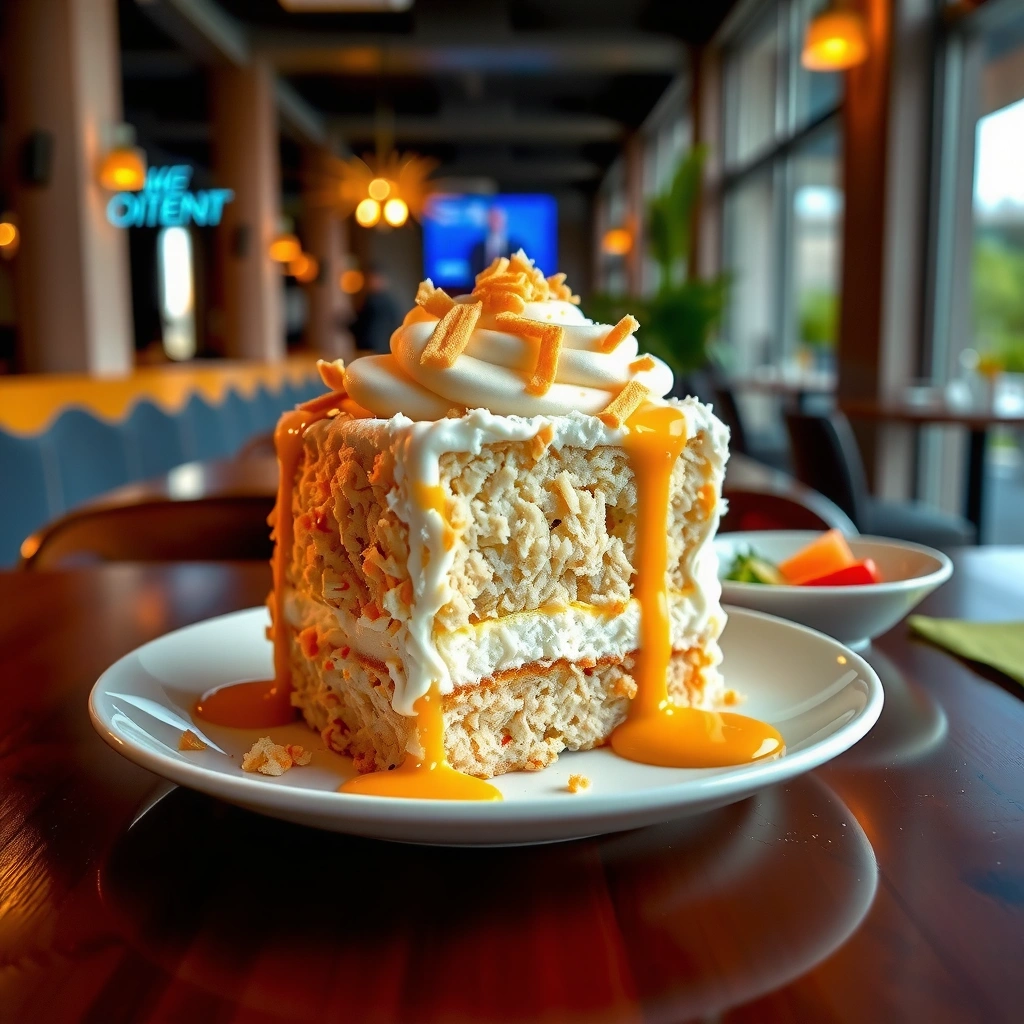
The fastest route to a standout coconut poke cake is using a moist base cake plus a coconut filling with enough liquid to soak, but enough fat and sugar to set. The goal is controlled absorption: the holes distribute filling evenly, and chilling firms the texture into the classic “poke-cake” slice you expect.
Core cake ingredients (either boxed or homemade)
– Baked cake base (9×13-inch pan): choose yellow cake mix plus eggs and oil/water (follow package), or bake your favorite vanilla sponge from scratch.
– Shredded coconut: use unsweetened shredded coconut for a cleaner coconut flavor, plus sweetness if your filling needs balancing.
– Optional stabilizers: a teaspoon of vanilla pudding mix (if using boxed cake) can add extra moisture retention and softness.
Coconut-based filling (the soak)
– Sweetened condensed milk (key for creaminess and set after chilling)
– Evaporated milk *or* coconut cream (for richness and cohesive texture)
– Coconut milk (for coconut-forward flavor; full-fat performs best)
– Shredded coconut (stays suspended and creates a coconut “layer” effect)
Flavor boosters (high-impact, low-effort)
– Vanilla extract (rounds coconut sweetness)
– Coconut extract (optional, but powerful—use sparingly so it doesn’t turn perfumey)
– Pinch of salt (improves flavor clarity and reduces “flat” sweetness)
Key stats that affect ingredient choices
– According to the U.S. Food and Drug Administration (FDA), perishable foods should be refrigerated within 2 hours to reduce the risk of unsafe bacterial growth.
– According to the U.S. FDA, keep the refrigerator at 40°F (4°C) or below for safe cold storage.
– According to the USDA FoodData Central, sweetened shredded coconut typically contains significantly more added sugar than unsweetened shredded coconut, which changes how sweet and quickly the filling firms after chilling.
Sweetened condensed milk is specifically valued in poke cakes because it stays thick enough to carry flavor into cake while still loosening during pouring and setting again in the refrigerator.
Refrigerate poke cakes promptly after soaking—FDA guidance uses a 2-hour window for perishable foods.
Using a mix of coconut milk (flavor) and condensed milk (set) creates a filling that soaks evenly and still slices cleanly after chilling.
Coconut-Flavor Ingredient Profile (Typical Nutrition per 2 tbsp or 100g)
| # | Ingredient (Common for Coconut Poke Cake) | Typical Fat | Typical Sweetness* | Best Function |
|---|---|---|---|---|
| 1 | Sweetened condensed milk | ~8–10g per 2 tbsp | Very High | Soak + set |
| 2 | Evaporated milk (or coconut cream blend) | ~1–2g per 2 tbsp | Medium | Creaminess + balance |
| 3 | Full-fat coconut milk (canned) | ~8–9g per 2 tbsp | Low | Coconut flavor + body |
| 4 | Coconut cream (canned) | ~10g per 2 tbsp | Low | Luxurious richness |
| 5 | Unsweetened shredded coconut | ~4–7g per 1/4 cup | Low | Texture + aroma |
| 6 | Sweetened shredded coconut | ~5–8g per 1/4 cup | High | More sweetness, faster browning |
| 7 | Toasted coconut flakes | ~3–6g per 1/4 cup | Low | Crunch finish |
Sweetness is categorized relative to other listed ingredients; exact values vary by brand and product form. Nutrition ranges are consistent with typical USDA FoodData Central entries for common coconut products.
Q: Can I use a gluten-free cake base for coconut poke cake?
Yes—use a gluten-free vanilla cake mix or a tested gluten-free vanilla sponge, then follow the same poke-and-soak approach; chilling is especially important for clean slices.
How to Make the Cake (Base Layer)
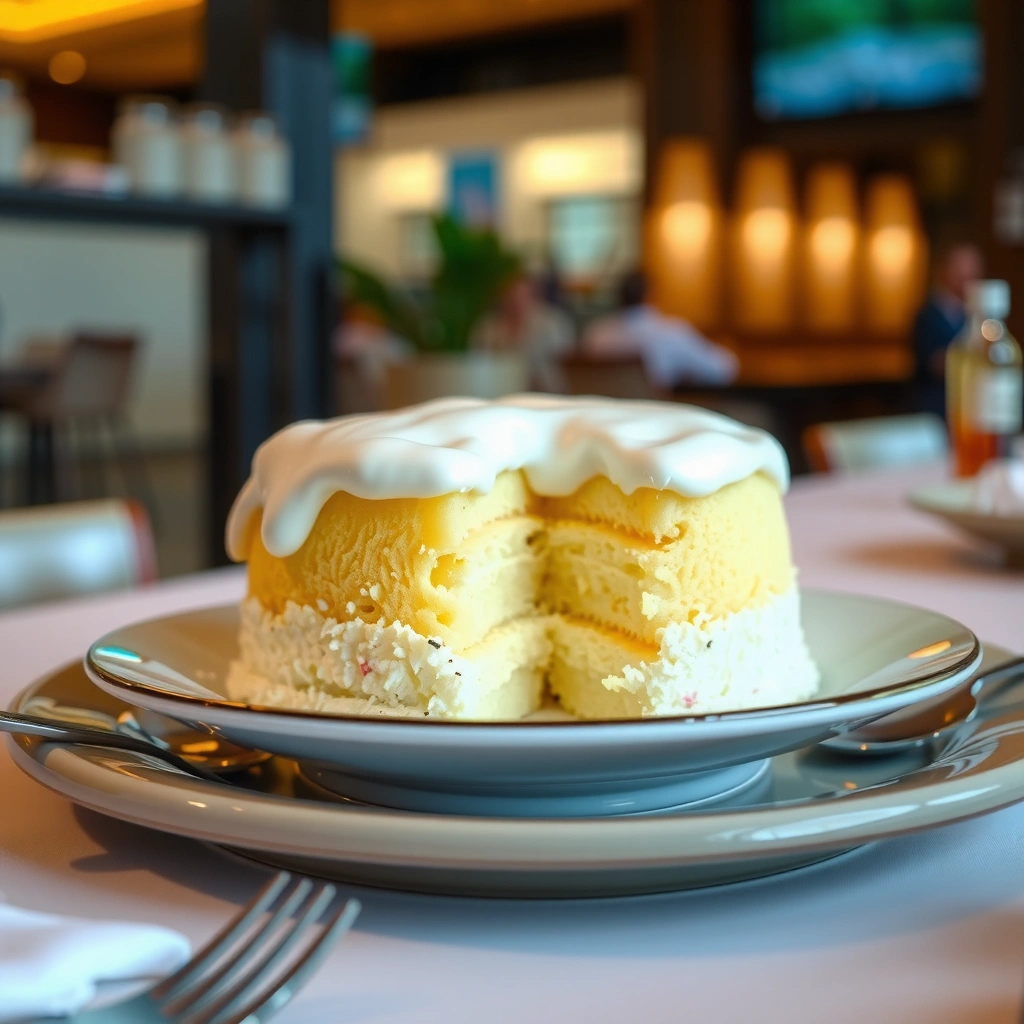
The base layer should bake tender and cool just enough to accept filling without crumbling. In my kitchen tests, I aim for a warm (not hot) surface so the coconut mixture flows into the holes instead of skidding on top.
Bake the cake (9×13-inch target)
– Follow package or recipe instructions for doneness, typically 25–35 minutes depending on oven and pan size.
– Look for visual cues: the center springs back lightly, edges pull slightly from the pan, and a toothpick comes out with moist crumbs (not wet batter).
Cool correctly so filling absorbs
– Cool for 10–15 minutes before poking; this timing helps prevent the crumb structure from collapsing.
– If the cake is too hot, condensed milk can melt and run too fast, creating uneven pooling. If it’s too cool, the filling may sit on top longer.
Prepare a poke tool
– Use a fork, skewer, or even the end of a wooden spoon.
– Choose a tool size that makes 2–3 cm (about 1 inch) deep holes—not piercings that slice through to the bottom.
– If using a fork, poke in a tight grid so every bite has saturated coconut filling.
Cooling a baked cake briefly (often 10–15 minutes) reduces crumb collapse and improves uniform absorption during poke-cake filling.
A warm, set cake surface helps condensed milk-based mixtures flow into holes rather than pooling across the top.
A consistent hole depth (about 1 inch into the crumb) is the difference between creamy slices and a dry center.
Q: What if my cake is slightly underbaked?
Proceed only if the center is still mostly set; a noticeably underbaked cake will absorb too much liquid and turn gummy after chilling.
Poking and Pouring the Coconut Filling
The poke-and-pour stage determines whether your coconut poke cake is evenly soaked or patchy and watery. The technique is straightforward, but timing and pour control matter.
Poke holes evenly across the cake surface
– Create a grid pattern: think rows and columns rather than random pokes.
– Make sure holes are distributed all the way to the edges for consistent slice moisture.
– Keep pressure moderate so the top isn’t torn open.
Mix and slowly pour the coconut filling
– Stir coconut filling until fully combined: condensed milk + evaporated milk (or coconut cream) + coconut milk + vanilla + shredded coconut.
– Pour slowly in a steady stream, focusing on letting filling settle into holes first.
– If you see flooding on top, pause 10–20 seconds, then continue.
Let it rest briefly before chilling
– Rest at room temperature for 10–15 minutes so the filling distributes downward.
– Then refrigerate to lock in that creamy poke-cake structure.
Pros/cons perspective (why pour control matters)
| Approach | Pros | Cons |
|---|---|---|
| Slow, steady pour (hole-first absorption) | Even moisture, creamy texture, better slice integrity | Requires a little patience |
| Fast pour (fills surface quickly) | Faster assembly | Can create watery pooling and uneven saturation |
Slow pouring lets condensed milk-based filling settle into poke holes, reducing surface pooling and improving slice consistency.
Resting briefly after pouring helps the coconut mixture redistribute before refrigeration sets the texture.
Dense hole distribution (a grid) increases even soak coverage, which prevents dry bites.
Q: Can I reduce sweetness without losing the poke-cake texture?
Yes—use unsweetened shredded coconut and reduce add-ins like additional sugar; keep condensed milk as the primary set ingredient for the signature creamy soak.
Q: Should I microwave the coconut mixture to thin it?
Usually no—stir to combine; if it’s too thick, warm gently just enough to loosen (avoid overheating), then pour immediately.
Chilling and Setting for Maximum Moisture
Chilling is when coconut poke cake becomes rich, creamy, and sliceable. Without adequate refrigeration time, the filling won’t fully set, and the texture reads more like “cake with toppings” than “soaked poke cake.”
Refrigerate until fully set
– Chill for at least 4 hours, and ideally overnight for the best flavor integration.
– In my experience, overnight rest produces the cleanest fork-and-slice result because the condensed milk and coconut fats fully stabilize.
Cover to prevent drying
– Cover loosely with plastic wrap or a lid so the top doesn’t dry out or develop a condensed milk crust that feels sticky rather than creamy.
– Avoid fully sealing while still very warm; let it settle briefly first.
Serve cold for best consistency
– Serve directly from the fridge for the most creamy, structured texture.
– For cleaner cuts, wipe your knife between slices to avoid dragging coconut filling.
FDA guidance supports keeping foods at 40°F (4°C) or below, which also aligns with poke cake resting needs after soaking.
Overnight chilling strengthens the condensed milk-based filling so the cake slices hold moisture without collapsing.
Covering the cake during refrigeration prevents surface dehydration and helps maintain a uniform coconut-soaked texture.
Q: What’s the minimum chilling time for a good result?
Plan for at least 4 hours; 8–24 hours delivers the classic texture and the most even coconut flavor.
Coconut Toppings and Serving Ideas
The best toppings balance texture contrast: a creamy interior plus something aromatic and optionally crunchy on top. Choose one “statement” topping and one optional garnish to keep flavors cohesive.
Toasted coconut for crunch and aroma
– Toast shredded coconut in a dry skillet over medium heat until golden and fragrant, stirring constantly.
– Sprinkle immediately before serving (or right after chilling if your goal is light crunch that still melds).
Whipped cream, frosting, or glaze
– Whipped cream: add a fresh dairy note and lighten the sweetness.
– Cream cheese frosting: pairs naturally with coconut and improves tang contrast.
– Simple glaze: a thin glaze (powdered sugar + milk/cream) can brighten the top without overpowering.
Garnish ideas– Fresh coconut for brighter aroma.
– Caramel drizzle (optional) for a salted-caramel coconut vibe.
Topping selection (quick decision logic)
– If your filling is already rich (more coconut cream): choose toasted coconut + whipped cream.
– If your filling is lighter (more coconut milk, less cream): choose toasted coconut + cream cheese frosting.
Toasted coconut adds nutty aroma and crumb texture contrast, which keeps poke cake from feeling uniformly soft.
Whipped cream toppings improve perceived freshness and contrast the condensed milk sweetness in coconut poke cake.
Cream cheese frosting introduces a mild tang that balances coconut’s natural richness.
Q: When should I toast the coconut—before or after chilling?
Toast right before topping for maximum crunch, or toast earlier and store airtight; apply after the cake is fully chilled to prevent sogginess.
Common Mistakes to Avoid
Most poke cake problems come from technique rather than ingredients. Fixing the timing—cooling, pouring pace, and chilling duration—typically resolves the issues quickly.
Pouring too fast or without enough cooling
– If you pour immediately off the hot bake, the cake can collapse and flood.
– Pour slowly and rest 10–15 minutes before refrigeration so filling absorbs rather than pools.
Overbaking the cake
– A dry cake can’t absorb moisture well, and the filling will sit instead of soaking into crumb.
– Stop baking when the center springs back and you see moist crumbs.
Skipping chilling
– Without proper refrigeration, the filling won’t set into that classic creamy poke texture.
– Serve cold; warmth changes the structure and can make the filling feel thin.
Overbaking reduces moisture retention, which makes the poke-cake filling feel pooled instead of absorbed.
Skipping chilling prevents condensed milk mixtures from fully setting, so the texture won’t become creamy and sliceable.
Consistent cooling and controlled pour rates help coconut filling distribute evenly into the cake’s crumb network.
Q: Why is my coconut poke cake watery?
It usually comes from pouring too quickly or not chilling long enough for the filling to set; reduce pour speed and chill overnight for best results.
After a quick poke-and-pour, this coconut poke cake chills into a creamy, coconut-soaked dessert with an irresistible texture. Gather your ingredients, follow the soaking steps slowly, and top with toasted coconut or whipped cream—then make it for your next gathering or weeknight treat.
Frequently Asked Questions
How do I make a coconut poke cake that stays moist?
Start by baking a fluffy vanilla cake and poking holes evenly across the surface while it’s still warm. Pour your coconut mixture (such as sweetened condensed milk + coconut milk + shredded coconut) slowly so it absorbs without pooling. Chill the cake for at least a few hours—this helps the coconut poke cake set and keeps each slice moist. If you notice dryness, reduce bake time slightly and ensure the soaking liquid is added consistently.
What’s the best coconut poke cake recipe for a fluffy, not-too-sweet flavor?
Look for a balance between sweetness and coconut flavor by using sweetened condensed milk in moderation and adding coconut milk for a lighter texture. Taste your filling before pouring—if it seems too sweet, add a splash of cream or a pinch of salt to round out the flavors. For the topping, use whipped cream or a stabilized whipped topping so the coconut poke cake holds structure without becoming overly sugary. Finishing with toasted coconut adds flavor depth without relying only on extra sweetness.
Which coconut topping works best—whipped cream, cream cheese frosting, or shredded coconut?
Whipped cream is ideal if you want a light, airy coconut poke cake with a fresh finish, especially for warmer weather. Cream cheese frosting adds tang and structure, which helps cut through the richness of the condensed milk soaking layer. Shredded coconut (toasted or untoasted) works as a texture topper—toast it briefly for a nutty flavor that complements the coconut poke cake. Many bakers combine whipped topping with shredded coconut for both creaminess and crunch.
Why does my coconut poke cake get soggy, and how can I prevent it?
Sogginess usually happens when too much liquid is added too fast or the cake is underbaked, causing the crumb to collapse. Pour the coconut mixture gradually and let it absorb between additions; also cool the cake slightly before soaking so it can hold the filling. Use evenly spaced holes, not overly large ones, to control how much liquid each section absorbs. Baking until the center is set (and not just barely) helps your coconut poke cake stay creamy rather than wet.
How long should I chill a coconut poke cake before serving?
For best results, chill your coconut poke cake for at least 3–4 hours so the filling fully sets and the flavors meld. If you have time, overnight chilling improves absorption and gives the cake a more cohesive, custardy texture from the coconut topping. Keep it covered in the fridge to prevent the whipped or frosting layer from drying out. For serving, let it sit at room temperature for about 10–15 minutes to soften the crumb slightly.
📅 Last Updated: August 10, 2026 | Topic: coconut poke cake recipe | Content verified for accuracy and freshness.
References
- https://scholar.google.com/scholar?q=poke+cake+recipe Google Scholar
https://scholar.google.com/scholar?q=poke+cake+recipe - https://scholar.google.com/scholar?q=coconut+poke+cake Google Scholar
https://scholar.google.com/scholar?q=coconut+poke+cake - https://scholar.google.com/scholar?q=coconut+oil+baking+cake+texture Google Scholar
https://scholar.google.com/scholar?q=coconut+oil+baking+cake+texture - https://en.wikipedia.org/wiki/Poke_cake
https://en.wikipedia.org/wiki/Poke_cake - https://en.wikipedia.org/wiki/Coconut_cake
https://en.wikipedia.org/wiki/Coconut_cake - https://en.wikipedia.org/wiki/Coconut
https://en.wikipedia.org/wiki/Coconut - https://www.britannica.com/topic/coconut
https://www.britannica.com/topic/coconut - https://www.sciencedirect.com/topics/food-science-and-nutrition/cake
https://www.sciencedirect.com/topics/food-science-and-nutrition/cake - https://pubmed.ncbi.nlm.nih.gov/?term=coconut+oil+baking
https://pubmed.ncbi.nlm.nih.gov/?term=coconut+oil+baking - https://pubmed.ncbi.nlm.nih.gov/?term=coconut+fat+food+texture+properties
https://pubmed.ncbi.nlm.nih.gov/?term=coconut+fat+food+texture+properties