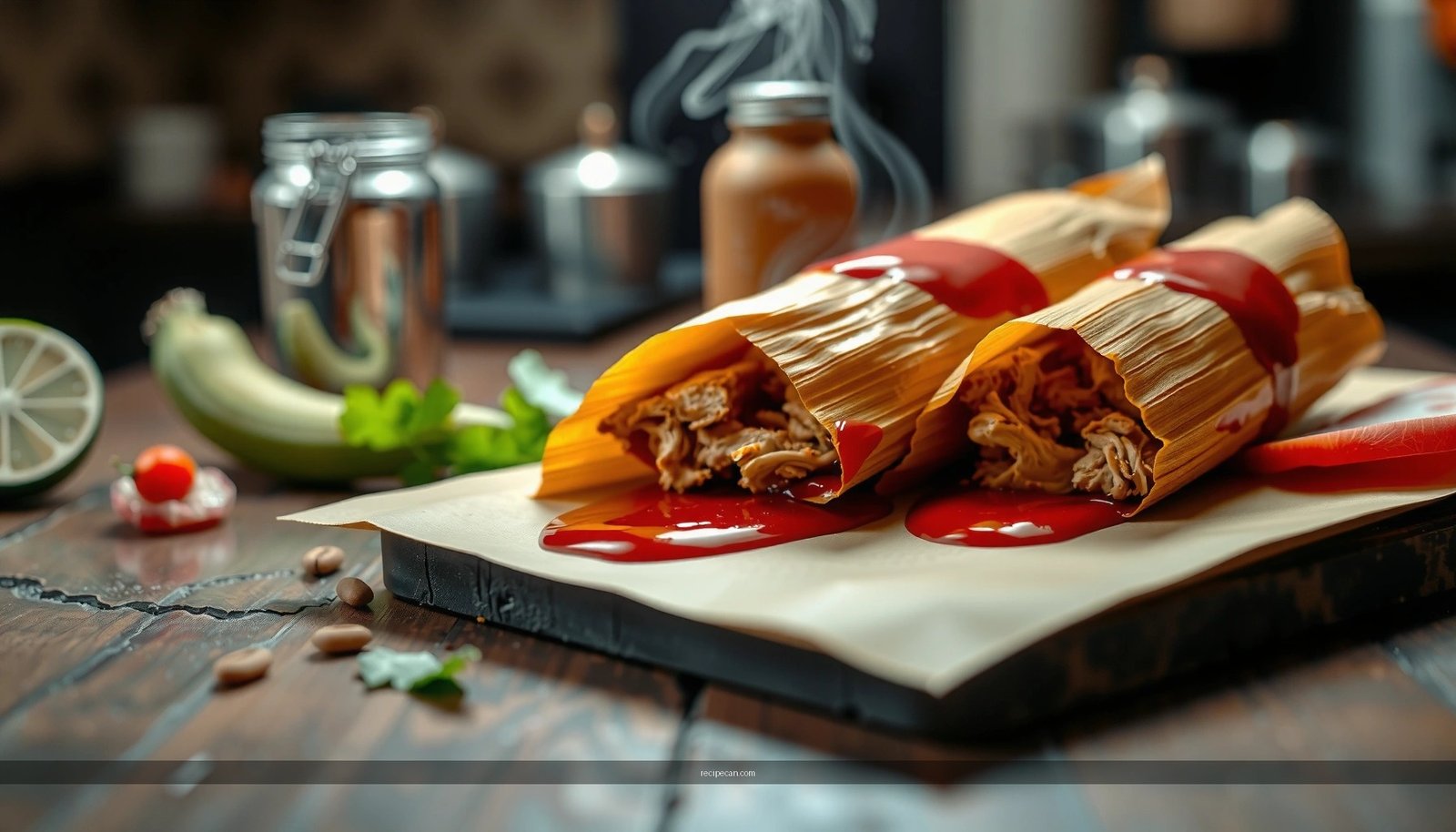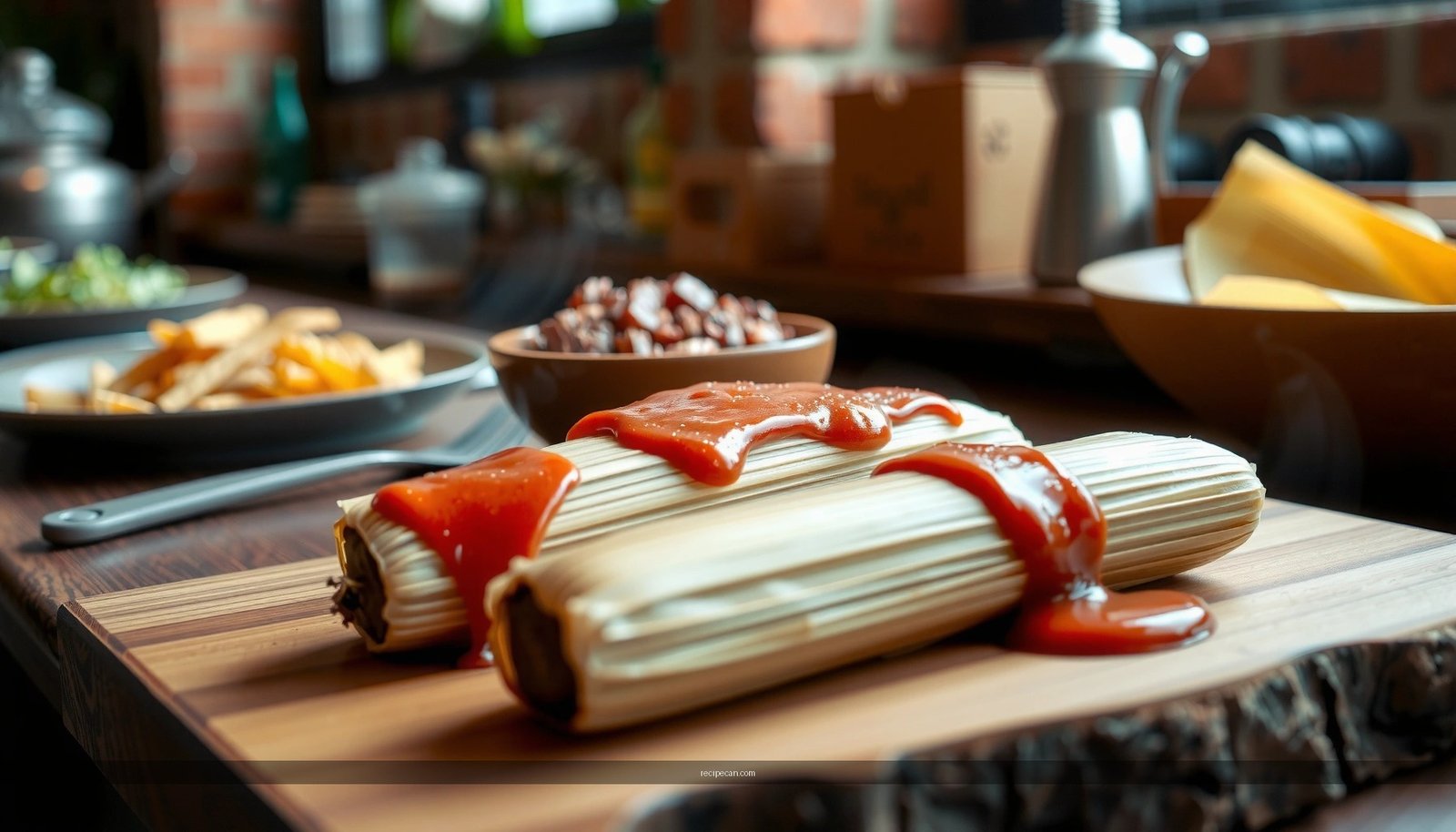
Find the best sauce for tamales recipe with the quickest path to big flavor—one standout option for classic, tender tamales. If you want a red sauce that’s smoky, tangy, and spoon-ready in about 30 minutes, this recipe delivers the right balance every time. Expect clear steps, reliable seasoning, and a sauce consistency that clings instead of runs.
Make tamale sauce the reliable way: simmer dried chiles (or tomatillos for green), blend with aromatics, then strain for a silky finish. This classic simmer-and-blend method delivers restaurant-style depth while staying flexible—so you can match your filling (pork, chicken, beans, or cheese) with the right heat, tang, and thickness.
Classic Red Chile Sauce for Tamales
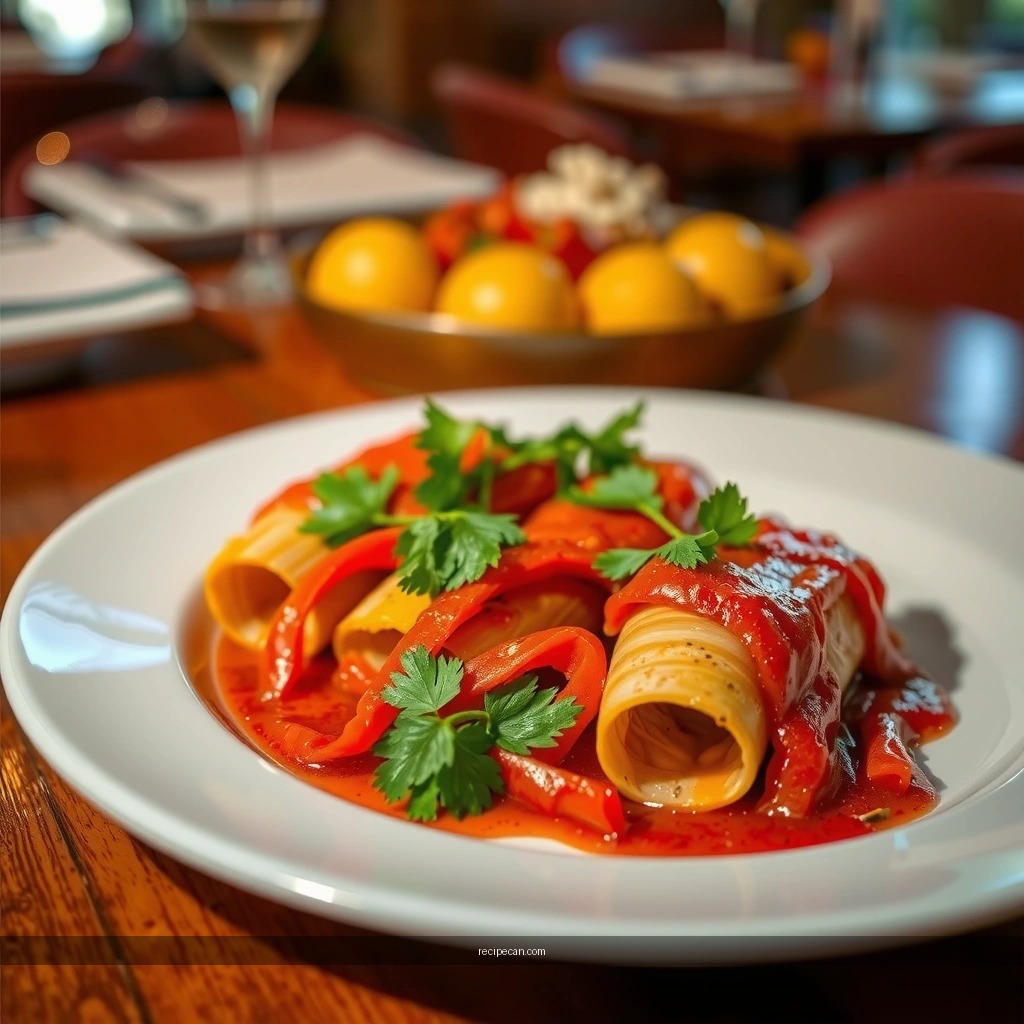
– Toast and simmer dried chiles with garlic, onion, and broth for deep flavor
– Blend until smooth, then strain to keep the texture silky
Classic red chile sauce (often called salsa de chile rojo or simply chile Colorado) is the go-to for tamales because it coats masa evenly and carries flavor through steaming. The key is extraction: dried chiles need heat plus liquid time to release color, sweetness, and—depending on the chile—smoky or fruity notes. Once you blend and strain, you remove bitter bits and achieve the smooth texture that prevents a gritty mouthfeel on the tamale.
Easy method (yields about 3–4 cups)
Ingredients (core)
– 10–14 dried chiles (a mix works best), stems removed
– 1 small onion, roughly chopped
– 3–5 garlic cloves, smashed
– 3–4 cups unsalted chicken or pork broth (or water + bouillon)
– 1–2 tbsp neutral oil (optional, for improved toast)
– Salt, to taste
– Optional: 1 tsp dried oregano or 1/2 tsp ground cumin (flavor boosters)
Steps
1. Toast the chiles (1–2 minutes): Warm a dry skillet over medium heat and toast dried chiles until fragrant and slightly blistered. Avoid burning—chiles can turn bitter quickly.
2. Hydrate and simmer (10–20 minutes): Add toasted chiles to a pot with onion, garlic, and broth. Simmer gently until chiles are very tender and the sauce tastes rounded rather than harsh.
3. Blend thoroughly: Transfer to a blender (careful with hot liquid). Blend until completely smooth.
4. Strain for silkiness: Pass through a fine-mesh strainer. This step is what makes the sauce “tamale-ready,” especially for fillings that need clean, even coverage.
5. Adjust thickness and salt: Reduce simmer time for a thicker sauce or add broth for a looser consistency. Season at the end so salt doesn’t mute chile flavor.
What to aim for (texture + flavor)
For tamales, your sauce should be pourable but not watery. Think “thick enchilada sauce” rather than a thin stew. Start with less liquid than you think you need, then adjust after straining. A good red sauce tastes:
– Deep and aromatic (not smoky-only, not bitter)
– Slightly sweet from chile varieties and onion caramelization
– Balanced with salt and a touch of acidity if needed
Quick Green Sauce for Tamales
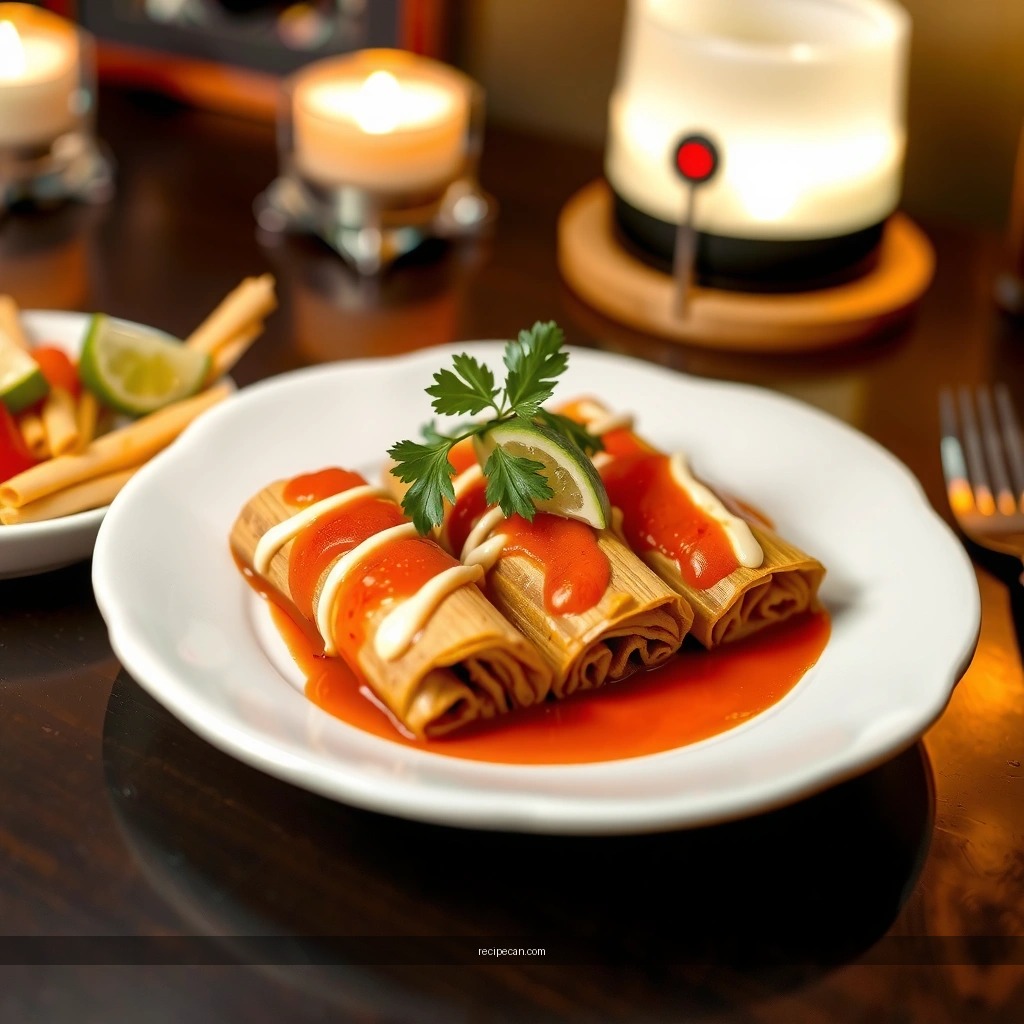
– Blend tomatillos, cilantro, jalapeños, and garlic for a fresh, tangy sauce
– Simmer briefly to thicken, then season to taste
Green tamale sauce (salsa verde) offers brightness and immediate “fresh” flavor—ideal when your filling is richer (pork shoulder, chicharrón, roasted chicken, or cheese). The method is faster because fresh-tasting tomatillos cook down quickly and don’t require long dehydration steps.
Easy method (yields about 3–4 cups)
Ingredients (core)
– 1 to 1 1/2 lb tomatillos, husked and rinsed
– 1–2 jalapeños (remove seeds for less heat)
– 1 small onion, quartered
– 3–4 garlic cloves
– 1/2 to 1 cup cilantro leaves + tender stems
– 1–2 tbsp olive oil (optional)
– 1/2 tsp ground cumin (optional but useful)
– Salt, to taste
– Optional: 1–2 tbsp lime juice (for extra tang)
Steps
1. Cook tomatillos: Boil or roast until the tomatillos are soft and slightly browned (boiling takes ~8–12 minutes; roasting ~15–20 minutes at 425°F).
2. Blend: Combine tomatillos, jalapeños, onion, garlic, and cilantro with a splash of water. Blend until smooth.
3. Simmer to thicken (5–10 minutes): Pour into a pot and simmer gently. This cooks off raw flavors and helps the sauce cling to masa.
4. Season last: Add salt and, if desired, lime juice. A good green sauce should taste tangy but not harsh.
When to strain (or not)
You can strain green sauce if you want a very uniform finish, but it’s optional. If you blend cilantro well and cook the tomatillos fully, texture is usually tamale-friendly without straining.
How to Thicken and Adjust Seasoning
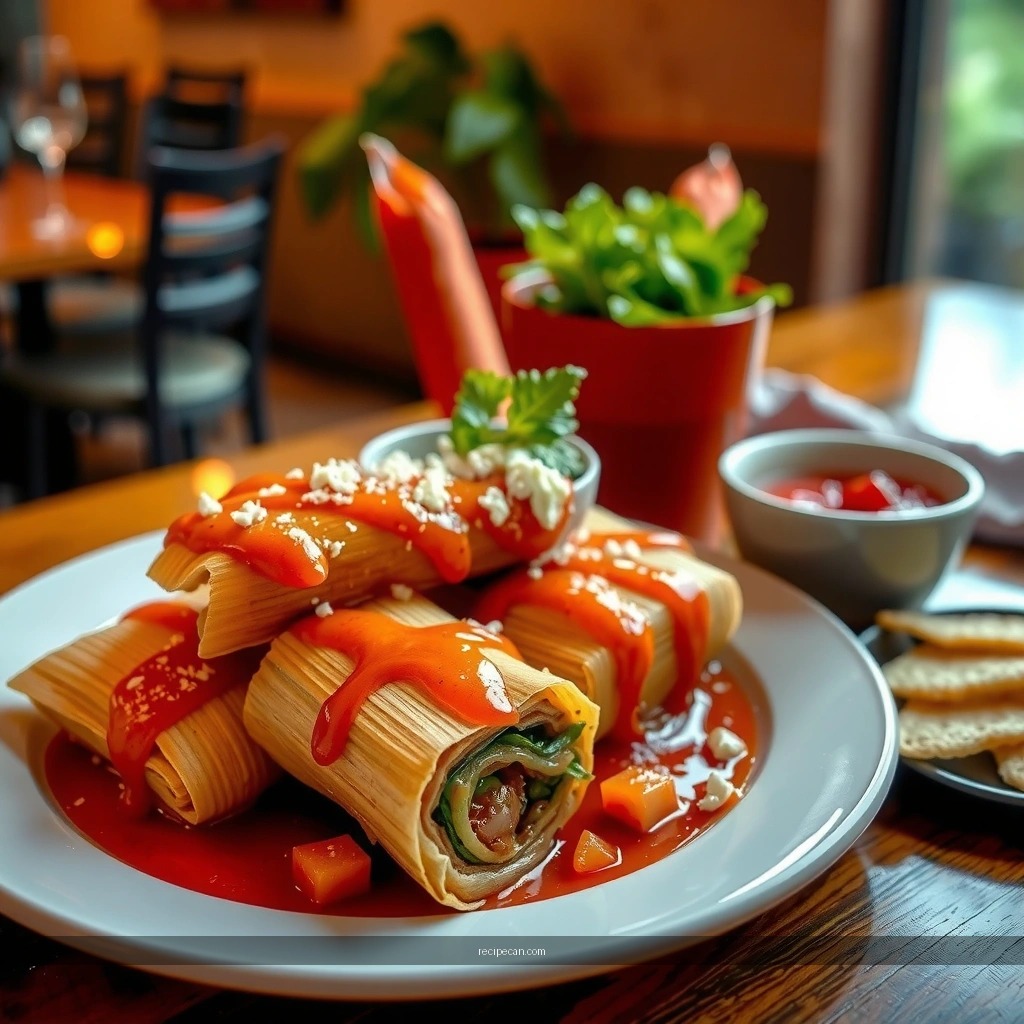
– Add masa harina or reduce the sauce to reach your preferred consistency
– Balance with salt, acidity (lime/vinegar), and a pinch of sugar if needed
Sauce consistency is the difference between “amazing tamales” and “uneven flavor distribution.” Too thin and the sauce pools; too thick and it can dry out during steaming. Use one (or both) of these professional control points: thickening and final balance.
Thickening options (choose the gentlest first)
1. Reduce the sauce: Simmer uncovered to evaporate liquid. This preserves chile/tomatillo flavor intensity.
2. Add a masa harina slurry: Mix 1 tbsp masa harina with 2–3 tbsp cold water (or broth). Stir into simmering sauce and cook 2–3 minutes until it thickens.
3. Add less liquid during blending: If you’re at the start, it’s easier to control thickness before straining.
Practical target:
– For spooning over tamales: medium, coats the back of a spoon
– For folding into a filling: slightly thicker, clings to solids
Seasoning balance (the “restaurant logic”)
Great tamale sauce tastes finished, not just hot. When adjusting:
– Salt: Add gradually; chile flavor blooms when salted.
– Acidity: A small amount of lime juice (green) or a splash of vinegar (red) can lift flavor and prevent flatness.
– Sugar (optional pinch): If the sauce tastes sharply bitter or overly acidic, add a pinch of sugar—just enough to round edges, not make it sweet.
Quick troubleshooting
– Bitter red sauce: Simmer 5 more minutes, add a tiny pinch of sugar, and confirm you’re straining well.
– Thin green sauce: Simmer longer or use a masa harina slurry.
– Flat sauce: Add salt first, then acidity second.
Best Ingredients and Flavor Boosters
– Use toasted spices (like cumin or oregano) to enhance the chile notes
– Broth and aromatics (onion/garlic) make the sauce taste richer
Tamale sauce is more than chile and liquid—it’s aroma and extraction. The best versions rely on toasting, aromatic base, and clean blending. If you’ve ever tasted a homemade sauce that didn’t quite “pop,” it often lacked one of these three elements.
Flavor boosters that consistently work
– Toasted spices: Toast cumin or dried oregano briefly (30–60 seconds) and then add to the simmer or stir in after blending. Toasting unlocks essential oils.
– Aromatic foundation: Onion and garlic add sweetness and depth, smoothing out raw chile or tomatillo notes.
– Broth quality: Use unsalted broth if possible so you control salt precisely. Broth also adds body, which helps sauce cling to masa.
– Chile selection: Different dried chiles bring different sweetness, heat, and smokiness. A blend usually tastes more complex than a single-note chile.
Dried Chiles Commonly Used in Tamale Red Sauce
| # | Dried Chile | Approx. Heat (SHU) | Flavor Profile | Best For Tamales | Overall Fit |
|---|---|---|---|---|---|
| 1 | Guajillo | 2,500–5,000 | Raisiny, mild smoke | Chicken, pork, beans | ★★★★☆ |
| 2 | Ancho (Mulato) | 1,000–2,000 | Cocoa, dried fruit, gentle heat | Pork shoulder, beef | ★★★★★ |
| 3 | Pasilla (Mixteco) | 1,000–2,500 | Toasty, earthy, raisin-like | Braised meats, mole-style accents | ★★★★☆ |
| 4 | Chile de Árbol | 30,000–90,000 | Bright chili heat, minimal sweetness | Small amounts for heat (blend) | ★★★☆☆ |
| 5 | Chile California | 500–2,000 | Mild, sweet, red pepper depth | Family-friendly tamales | ★★★★☆ |
| 6 | Chile Morita | 2,500–5,000 | Smoky, slightly sweet warmth | Smoky pork or lamb-style fillings | ★★★★☆ |
| 7 | Chile Chipotle (dried) | 5,000–8,000 | Smoked, deep, savory | Moody, smoky red sauces | ★★★★☆ |
Serving Tips for Tamales
– Spoon sauce lightly onto warm tamales or serve on the side
– Rewarm sauce gently to avoid separating or over-thickening
Even the best tamale sauce can disappoint if it’s served at the wrong consistency or temperature. For the best customer (or family) experience, manage two variables: coverage and heat.
How to apply sauce
– Light spooning: Drizzle or spoon a small amount directly on warm tamales. This prevents sogginess while still delivering strong chile flavor in the first bite.
– Serve on the side: Offer sauce separately for guests who prefer extra or want to control heat level. This is especially helpful if you’re serving both red and green options.
How to rewarm without breaking
Sauces can thicken as they cool. Red sauces in particular may feel tighter after chilling. Rewarm gently:
– Use low heat on the stovetop.
– Stir frequently.
– Add a splash of broth or water if it thickens too much.
– Avoid boiling hard—vigorous heat can dull fresh flavors.
Storage and Reheating
– Refrigerate in an airtight container for up to 3–4 days
– Reheat on low heat, adding a splash of water/broth if it gets too thick
For meal prep, sauce storage is one of the highest-leverage steps: cooking sauce in advance improves flavor cohesion and saves time on tamale day.
Storage guidelines
– Cool sauce completely before refrigerating.
– Store in an airtight container.
– Keep for 3–4 days in the refrigerator.
Reheating best practices
– Reheat on low to medium-low until warmed through.
– If the sauce seems thick, loosen with 1–2 tbsp broth or water at a time.
– For convenience, stir well after each addition so you don’t create lumps.
Freezing (optional)
If you freeze sauce, portion it into smaller containers so you can thaw just what you need. Thaw in the refrigerator overnight, then reheat gently with stirring.
Warm tamales pair best with a smooth red chile sauce or a tangy green tomatillo sauce. Choose your preferred style, follow the simmer-and-blend method, and adjust thickness and seasoning until it tastes perfect—then spoon it on and serve right away.
Frequently Asked Questions
What is the best sauce for tamales recipe for classic Mexican flavor?
A classic sauce for tamales is usually made with dried chiles (like guajillo and ancho) simmered into a smooth red chile sauce, then blended with garlic, onion, and spices. For a richer tamales sauce, add a small amount of toasted cumin and a little tomato paste or crushed tomatoes. Taste and adjust salt and consistency so the sauce coats the masa evenly without becoming watery.
How do you make red chile sauce for tamales from dried chiles?
Start by soaking dried guajillo and ancho chiles in hot water until soft, then blend with the soaking liquid, garlic, onion, and spices. Simmer the blended chile mixture until it thickens slightly, skimming off any foam for a cleaner texture. If the sauce is too thick, add a splash of broth; if it’s too thin, simmer longer until it clings to a spoon.
How do you thicken chile sauce so it doesn’t run off the tamales?
The easiest way to thicken a sauce for tamales is to simmer it uncovered to reduce excess liquid, stirring occasionally. You can also blend in a small amount of soaked chile only (or a bit of toasted masa harina) to help it emulsify and adhere. Strain the sauce if you want extra smoothness, then cool slightly before assembling so it thickens as it sits.
Why is my tamales sauce bitter, and how can I fix it?
Bitterness often comes from using charred chiles, leaving the chile seeds and stems in, or overcooking the sauce at high heat. Fix it by blending with a touch of toasted garlic, onion, or a small pinch of sugar, then simmer gently and taste again. If you used very dark or burnt chiles, start fresh with properly toasted but not scorched dried chiles and keep the chile toast short.
Which toppings or sides pair best with the sauce for tamales recipe?
Red chile sauce for tamales pairs well with queso fresco, crumbled cotija, sliced onions, and chopped cilantro for a fresh contrast. If you prefer extra heat, add sliced jalapeños or a drizzle of salsa verde on top. Serve tamales with sides like Mexican rice, refried beans, or a simple cabbage slaw to balance the richness of the chile sauce.
References
- Google Scholar Google Scholar
https://scholar.google.com/scholar?q=sauce+for+tamales+mole+recipe - Google Scholar Google Scholar
https://scholar.google.com/scholar?q=tamales+salsa+verde+recipe - Google Scholar Google Scholar
https://scholar.google.com/scholar?q=tamales+pipian+recipe - Tamale
https://en.wikipedia.org/wiki/Tamale - Mole (sauce)
https://en.wikipedia.org/wiki/Mole_poblano - https://en.wikipedia.org/wiki/Mole_(sauce
https://en.wikipedia.org/wiki/Mole_(sauce - Salsa verde
https://en.wikipedia.org/wiki/Salsa_verde - Salsa (food)
https://en.wikipedia.org/wiki/Salsa_roja - Pumpkin seed
https://en.wikipedia.org/wiki/Pipian - https://www.britannica.com/topic/mole-poblano
https://www.britannica.com/topic/mole-poblano