
Looking for recipes from cake mix that deliver quick, reliable desserts with the least effort? This guide picks the clear winner for busy bakers: mix-and-go cakes that transform into cookies, bars, and brownies in minutes. You’ll get straightforward methods and bake times that keep shortcuts from turning into disappointments—so you can decide what to make fast and get great results.


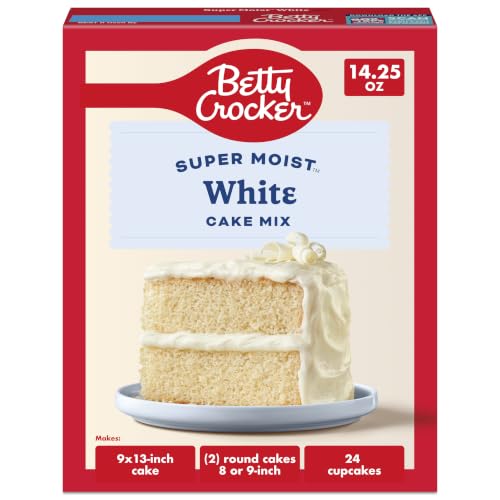

You can turn almost any cake mix into cookies, bars, muffins, and even a quick pudding by using the box’s egg + oil (and water, if listed) as your reliable “base,” then adding flavor mix-ins. The trick is to keep the base ratios consistent and bake by doneness cues—not just the clock.
If you’ve got a box of cake mix hiding in the pantry (and maybe zero patience for complicated recipes), this is for you. It’s also great when you want homemade taste without measuring every ingredient from scratch—just swap, mix, and bake.
What You Can Make with Cake Mix (Beyond Cake)

Cake mix is best when you treat it like a flexible batter base, not a single-purpose dessert. Decide what texture you want first (chewy, fudgy, or light), and then customize with mix-ins and toppings.
Cake mixes are designed so you can add mix-ins and still keep the same core liquid/egg ratios, which is why they convert well from cake to bars, muffins, and cookies.
Different dessert shapes (sheet-pan bars vs. muffin cups) change thickness, which is why the same mix can require different bake times even at the same oven temperature.
– Use cake mix to make cookies, brownies, bars, cupcakes, and muffins with simple add-ins
– Pick your “style” first: chewy (cookies), fudgy (bars/brownies), or light (cupcakes/muffins)
– Keep the box’s core mix ratios as your foundation, then customize the extras
1 Box Cake Mix Conversions: Typical Yields & Timing (US Pan Sizes)
| # | Dessert Format | Pan / Tin | Estimated Yield | Bake Temp | Bake Time Window | Reliability |
|---|---|---|---|---|---|---|
| 1 | Chocolate chip cookies | Baking sheet (lined) | 24 cookies | 350°F / 175°C | 9–12 min | ★★★★★ |
| 2 | Brownie-style bars | 9×13 in pan | 16 bars | 350°F / 175°C | 22–28 min | ★★★★☆ |
| 3 | Lemony bars | 8×8 in pan | 12 squares | 350°F / 175°C | 26–32 min | ★★★★☆ |
| 4 | Vanilla cupcakes | 12-cup muffin tin | 12 cupcakes | 350°F / 175°C | 16–20 min | ★★★★★ |
| 5 | Berry muffins | 12-cup muffin tin | 12 muffins | 375°F / 190°C | 15–19 min | ★★★★☆ |
| 6 | Crunchy cookie bars | 8×8 in pan | 9–12 bars | 350°F / 175°C | 18–23 min | ★★★★☆ |
| 7 | Quick mug pudding (baked) | 2–3 ramekins | 4 servings | 325°F / 163°C | 18–24 min | ★★★☆☆ |
Base Formula + Time Required
Use the box’s egg + oil (and water, if included) as your base formula every time—then adjust bake time based on thickness. This approach reduces surprises because cake mix is engineered with predictable structure-building ingredients.
When you follow the cake mix package directions for eggs and oil, you’re using the ratio the manufacturer designed for that batter’s rise and crumb.
As dessert thickness increases, the center takes longer to set—so checking a few minutes early helps prevent overbaking that turns crumb dry or dense.
– Start with the amounts on the cake mix box for eggs and oil/water (that’s your reliable base)
– Typical bake times vary by pan size and thickness, so plan to check a few minutes early
– Time to expect:
– 🕐 Prep Time : ~10–15 minutes for most cake-mix conversions
– 🍳 Cook Time : ~15–30 minutes depending on the dessert
– ⏱ Total Time : prep + cook + any cooling time (usually ~25–45 minutes total; bars need extra cooling for clean slicing)
Passive time note: Bars and cake-like bakes set as they cool; plan on at least 15–25 minutes before cutting.
Ingredients & Mix-Ins That Actually Change the Result
Use the cake mix as-is, and treat mix-ins as “flavor + texture” rather than extra volume. The biggest result changers are your mix-in choices (chips vs. fruit), your mixing time, and your bake doneness.
Overmixing batter develops gluten (the protein network in wheat-based flour), which can make the finished dessert taste heavy or dense.
For egg-based bakes, USDA food-safety guidance emphasizes cooking egg mixtures until fully set to reduce the risk of harmful bacteria.
– Use the cake mix as-is, then add mix-ins like chocolate chips, nuts, shredded coconut, berries, or cinnamon for flavor
– Upgrade texture with small swaps: add sour cream/yogurt for moisture or a touch of vanilla for depth (only as your box-style base allows)
– Optional toppings (glistening but easy): powdered sugar, frosting, glaze, or a simple whipped cream
Main Ingredients (use your box as the guide)
– Cake mix: 1 box (typically 15–16 oz; choose your flavor)
– Eggs: 3 large eggs (use your box’s exact number if different)
– Oil or butter: 1/2 cup (about 120 ml) vegetable oil (use your box’s exact amount if different)
– Water (if your box includes it): 1 cup (about 240 ml) water (only if your box instructs water)
– Optional flavor add-ins: choose 1–2
– Example options: 1 to 1 1/2 cups chocolate chips, 3/4 cup chopped nuts, 1 cup shredded coconut, 1 cup berries, 2 tsp cinnamon
Optional Mix-In Ideas (pick what matches your dessert style)
– Chewy cookies vibe: chocolate chips + a pinch of flaky salt
– Fudgy bars vibe: chocolate chips or cocoa-based mix-ins + chopped chocolate
– Lighter muffins/cupcakes vibe: berries (fold gently) or citrus zest
Step-by-Step: Turn Cake Mix into Desserts
Follow the same six-step workflow whether you’re making cookies, bars, or muffins: mix the base, add extras gently, portion evenly, bake to cues, then cool before cutting. That consistency is what keeps your results from swinging from batch to batch.
Mix until the batter is smooth but not “overworked”—stop as soon as you don’t see dry streaks to avoid a tougher crumb.
Uneven thickness is one of the fastest ways to end up with overbaked edges and an underbaked center.
1. Preheat and prep your pan: Set the oven to your cake mix’s temperature (commonly 350°F / 175°C). Line the pan with parchment (for bars) or grease lightly. This prevents sticking and makes doneness checks easier.
2. Mix the base: Combine the cake mix with the eggs and oil/butter (and water if required). Mix just until smooth—overmixing can make some bakes too dense.
3. Fold in your extras: Stir in chocolate chips, berries, or nuts last. Go gently so mix-ins don’t all sink to the bottom (especially fruit, which can bleed).
4. Portion for even baking:
– Cookies/muffins: use consistent scoops so bake time stays predictable.
– Bars: spread into a flat, even layer.
5. Bake, then check early: Start checking at the earliest end of your expected window (or 2–5 minutes before the box’s cake time). Doneness cues matter more than exact minutes.
6. Cool before cutting: Let bars and cake-like bakes cool so the crumb firms up. Cutting too early often makes everything look “wet,” even when it’s set.
Heat, Temperature & Doneness Cues (and why they work)
Use the box temperature as your starting point, because cake mix formulations bake differently across brands and flavors. Then use visual and texture cues to confirm the center is set.
For many cake-mix conversions, the center “finishes” as the bake cools, which is why pulling slightly early for moist bars can still work.
USDA food-safety guidance for egg dishes focuses on achieving proper doneness (fully set) rather than relying on time alone.
– Follow the box temperature as your starting point, because different cake mixes bake differently
– How to know it’s done:
– Cookies: edges look set and lightly browned; centers are just soft
– Bars/brownies: toothpick comes out with a few moist crumbs—not wet batter
– Muffins/cupcakes: tops spring back; toothpick in the center comes out clean or with a few crumbs
– If your dessert is thicker than the box “standard” cake, bake longer at the same temperature (don’t crank heat—this can dry the edges while leaving the center under-set)
What Can Go Wrong (and How to Fix It)
Most cake-mix conversions fail for a few predictable reasons: mixing too long, loading the batter with wet add-ins, or baking to the wrong doneness cue. Fixes are usually simple—reduce mix-in volume, adjust portion thickness, and shorten/extend bake time based on what the center is doing.
Verdict / Tip (including downsides)
– Best for: quick desserts, pantry baking, and people who want easy customization.
– Downsides to know: cake-mix flavor can taste “processed” if you skip flavor add-ins, and bake times can vary a lot with pan size/thickness.
– Who should skip this approach: if you need allergy-specific or ingredient-controlled baking (since cake mixes vary by brand), or if you can’t follow the box’s egg/oil instructions.
To keep the “why” clear, here’s a quick comparison of going by the box vs. freestyle baking:
| Approach | Pros | Watch-Outs |
|---|---|---|
| Follow box ratios (recommended) | More consistent rise and crumb; easier to troubleshoot density. | You still must adjust bake time by thickness. |
| Freestyle liquid/oil changes | You can chase specific textures. | Density, collapse, or dryness become harder to control across batches. |
Quick Checklist (scan & bake)
– [ ] Follow the box’s eggs + oil (don’t guess)
– [ ] Preheat fully and line/grease the pan
– [ ] Mix until combined—stop before it turns tough
– [ ] Check doneness a few minutes early
– [ ] Cool before slicing for cleaner texture
What Can Go Wrong (and how to fix it)
– Cake mix conversions are simple, but results can swing if you change pan size, mix duration, or mix-ins
– Use these fixes to rescue common issues without starting over
Dense texture (the #1 complaint)
If your dessert comes out dense, it’s usually overmixing, too much add-in (especially wet add-ins), or baking at too low heat for the thickness. Next time, mix only until streak-free, reduce fruit volume slightly, and portion to an even layer.
Dry edges + under-set center
This usually happens when the bake is too thick for the expected time. Keep the same temperature but bake longer, and check the center (toothpick crumbs vs. wet batter) rather than stopping when the edges look done.
Sunken mix-ins (chips sink; berries bleed)
Chips sinking can be normal early, but heavy additions often pull down. Toss add-ins with 1–2 teaspoons of the cake mix powder first, then fold gently.
Safety & storage pitfalls (eggs + toppings)
Egg-based bakes should be handled and stored carefully. According to USDA Food Safety guidance, eggs should not sit at room temperature longer than 2 hours; refrigerated eggs typically keep about 3–5 weeks past the pack date USDA (Food Safety & Inspection Service) egg handling/storage guidance (exact timing varies by jurisdiction/label). As of 2026, USDA and FDA guidance still emphasize refrigeration for reduced-risk storage.
How to Serve
Serve cake-mix conversions warm for cookies/muffins, and cool for bars so slices hold cleanly. Presentation is simple: a light dusting of powdered sugar, a drizzle of glaze, or a dollop of whipped cream instantly upgrades the “pantry dessert” feel.
Plating & Presentation
– Cookies: stack on a plate and add a few chocolate chunks on top for a “bakery” look
– Bars: cut with a sharp knife after cooling; wipe the blade between cuts
– Muffins/cupcakes: swirl frosting lightly or serve plain with lemon or chocolate glaze
What Goes Well With It
– Cookies: milk, coffee, or a scoop of vanilla ice cream
– Bars: hot tea, espresso, or fruit salad
– Muffins: yogurt, fresh berries, or a drizzle of honey-lemon
Serving Temperature
– Best texture:
– Cookies and muffins: warm or at room temp
– Bars: room temp (slicing quality) and slightly chilled if your add-ins are juicy
Storage & Reheating
– Store bars/cookies in an airtight container at room temperature for 2–3 days (extend if your mix-ins are shelf-stable like chocolate/nuts).
– If your dessert has dairy-based toppings (cream cheese frosting, whipped cream) or fresh fruit, refrigerate. Storage timelines vary by topping, so follow your frosting/topping guidance and local food-safety advice.
– Reheat cookies for 5–8 minutes at 300°F / 150°C to revive softness.
Sources
– Cake mix package directions (manufacturer instructions) for base ratios, oven temperature, and standard bake times
– USDA Food Safety and Inspection Service (FSIS) / USDA egg handling guidance (for egg storage/handling recommendations)
Recipes from cake mix are basically “use the box as your dependable base, then customize and bake smart.” Start with the egg/oil amounts listed on your cake mix, add 1–2 mix-ins for the flavor you want, and check doneness a few minutes early so you don’t overbake. If you want, tell me which cake mix flavor you have and what dessert you’re aiming for (cookies, bars, muffins, or something else), and we’ll map out the best conversion steps.
Frequently Asked Questions
What are the best recipes from cake mix that don’t taste “boxed”?
The best recipes from cake mix are the ones that add richness and texture—like using melted butter instead of oil, adding an extra egg, or mixing in sour cream or cream cheese. For upgrades, try turning cake mix into cookies, brownies, or cinnamon rolls and bake until the edges are slightly darker than you’d expect. You can also add vanilla, espresso powder, or chocolate chips to deepen flavor and reduce the “standard mix” taste.
How do you make cake mix cookies using simple pantry ingredients?
To make cake mix cookies, combine boxed cake mix with an egg and melted butter (or softened butter) until a thick dough forms, then chill for 15–30 minutes for better texture. Scoop onto a baking sheet, bake at 350°F (175°C) until the edges set, and let them cool fully to prevent crumbling. Flavor boosters like sprinkles, white chocolate chips, or a pinch of salt make these easy cake mix desserts taste homemade.
Why do cake mix brownies sometimes turn out cakey instead of fudgy?
Cake mix brownies can turn cakey because of too much liquid, overmixing, or baking too long. For fudgier brownies, use oil or butter in the recommended range, add an extra egg yolk for richness, and reduce bake time by a few minutes while the center is still slightly underdone. If your recipe calls for water, consider swapping part of it with milk or melted butter to enhance a denser crumb.
Which easy “cake mix to dessert” ideas work best for potlucks and parties?
For potlucks and parties, popular recipes from cake mix include sheet-pan cookie bars, layered trifle-style desserts, and “dump” style cobblers that bake in one dish. These cake mix desserts are portable, easy to portion, and can be customized with toppings like fresh berries, whipped cream, or glaze. Pick recipes that hold well at room temperature—like frosted bars or cookie bars—so they stay great when serving time runs late.
How can you turn cake mix into a quick cheesecake or mousse-style dessert?
To make a quick cheesecake-style dessert from cake mix, bake a simple cake-mix crust or use crushed cake mix cookies mixed with butter, then layer with a filling made from cream cheese, whipped topping, and a touch of vanilla. Chill until set for clean slices, or keep it as a mousse by folding in whipped cream for a lighter texture. This approach lets you use cake mix as a flavorful base while creating a creamy, bakery-style cheesecake dessert at home.
📅 Last Updated: October 28, 2026 | Topic: recipes from cake mix | Content verified for accuracy and freshness.
References
- Baking mix
- Cake
- Baking powder
- Sodium bicarbonate
- Cookie
- Brownie
- Cheesecake
- https://scholar.google.com/scholar?q=cake+mix+recipes Google Scholar
- https://scholar.google.com/scholar?q=boxed+cake+mix+ingredient+functionality Google Scholar
- https://scholar.google.com/scholar?q=convenience+foods+baked+goods+mixes+research Google Scholar


