
Get ready for the easiest way to make recipes for poke cakes with standout flavors—without guessing. This step-by-step guide picks the best flavor combos for quick, moist results and shows exactly how to poke, fill, and set the cake for maximum soak. If you want poke cakes that taste like a bakery dessert and come together fast, this is the playbook to follow.



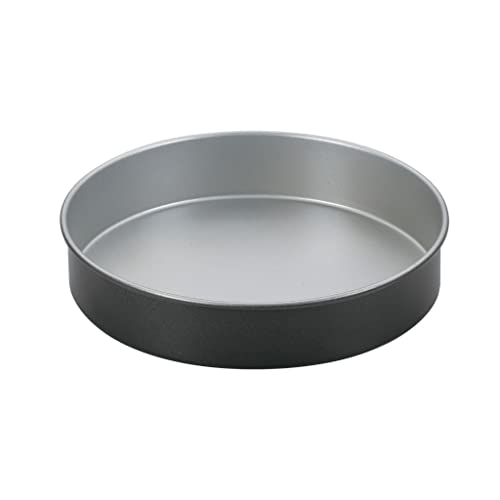
Bake a cake, poke it while it’s still warm, pour in a filling that will thicken in the fridge, then chill until set. That “bake → poke → pour → chill” flow is what turns poke cakes into tender, sliceable desserts instead of a soggy topping. Below, you’ll get a complete, pudding-style poke cake recipe plus practical guidance so your filling spreads evenly and sets neatly.
Pick Your Poke Cake Style (So It Actually Turns Out)

The most reliable poke cake style is pudding-based: it soaks in well and sets firmly in the refrigerator for clean slices. Match your cake flavor (vanilla, chocolate, or lemon) with a filling that complements it and thickens when chilled—then you can dress it up after the set. In 2026, poke cakes are still a go-to crowd dessert because they’re forgiving when you follow the absorption logic: warm cake + evenly distributed holes + fridge-set filling.
Poke cakes work best when the filling thickens in the refrigerator, because that texture “locks” into the cake after chilling.
Even coverage matters: poke holes across the whole surface, not just the center, so each slice gets a balanced amount of filling.
For food safety, the U.S. FDA/USDA guidance emphasizes keeping perishable foods out of the 40–140°F (4–60°C) “danger zone” for more than 2 hours total.
If you’re deciding between flavors, think in pairing rules rather than recipes: vanilla cake + lemon pudding tastes bright, chocolate cake + chocolate pudding feels classic, and yellow cake + vanilla pudding is the easiest “everyone likes it” option. This is for anyone who wants an impressive dessert with minimal effort—especially for parties, potlucks, and weeknights—because the hardest part is waiting for the chill time to finish.
To make this actionable, choose one base and one filling for your first poke cake. I recommend starting with a classic pudding-style version because pudding mixes are designed to thicken consistently when combined with cold milk and chilled.
Quick style match (recommended):
– Vanilla cake + lemon pudding filling + lemon zest
– Chocolate cake + chocolate pudding filling + chocolate shavings
– Lemon cake + vanilla pudding filling + berries
Pros/cons of popular poke cake filling directions (so you can choose confidently):
| Filling style | Pros | Watch-outs |
|---|---|---|
| Instant pudding (classic) | Reliable thickness; slices hold their shape. | Needs chilling long enough to fully set. |
| Soda + frosting-style syrup | Fun flavor punch; lighter mouthfeel. | May stay looser; can pool if you under-chill. |
| Whipped topping/cream layer | Soft, dessert-shop vibe. | Best added after the filling sets to avoid bleeding. |
Ingredients for Poke Cakes (The Must-Haves)
Your poke cake ingredients are simple: a baked cake you can poke into easily, plus a filling that thickens in the fridge so it sets inside the cake. Keep toppings separate until after chilling, because delicate garnishes can melt or bleed once the filling is soaking and setting.
A poke cake’s absorption depends on cake temperature—warm-to-the-touch cake creates better pathways for filling.
Poke fillings are designed to thicken with the right milk ratio and chilling, which helps prevent a “runny” texture.
Refrigerate poke cakes promptly after assembly; USDA-aligned guidance commonly targets 2-hour limits for perishable foods at room temperature.
Main Ingredients
– Cake (boxed, 13×9-inch pan): 1 box vanilla or lemon cake mix (follow box directions for a 13×9-inch bake)
– Eggs, oil/butter, water: use the exact quantities listed on your cake mix box for the 13×9-inch size
– Optional flavor boost: 1 tsp lemon zest (or 1 tsp vanilla extract) added to the batter, if your chosen base flavor matches
For the Poke Filling (pudding-style, completes the recipe)
– Instant lemon pudding mix: 2 (about 3.4 oz / 96 g each) packages
– Cold milk: 4 cups (use the package’s recommended cold milk amount for best setting)
– Lemon juice: 2–3 tbsp (to brighten—adjust to taste)
– Lemon zest (optional but recommended): 1 tbsp for extra aroma
Optional Garnish (add after chilling)
– Whipped cream: 1–2 cups (store-bought or homemade)
– Berries: 1–2 cups (blueberries, raspberries, or sliced strawberries)
– Sprinkles or lemon sugar: for a celebratory finish
If you’re using a different cake flavor (chocolate or lemon), swap the pudding mix flavor to match (chocolate pudding with chocolate cake; vanilla pudding pairs nicely with lemon cake).
Note on substitutions
– Homemade cake works too—just ensure it bakes fully and stays sturdy enough to poke without collapsing.
– Use low-fat milk if you want, but thickening can vary—follow the pudding package directions for the smoothest set.
Step-by-Step: Bake, Poke, Pour, Chill
This recipe is straightforward: bake, poke evenly while warm, pour chilled-set filling, then chill until firm. If you keep your holes evenly distributed and respect the chilling time, your poke cake slices come out clean instead of messy.
Underbaking is a common poke cake failure because weak cake crumbles under pressure when you poke holes.
Poke cakes should be chilled until the filling is set throughout the cake, not just cold on top.
For consistency, make the filling first (or right before poking) so you pour immediately after holes are made.
Time Required
– 🕐 Prep Time: 20 minutes
– 🍳 Cook Time: 30–40 minutes
– ⏱ Total Time: 4 hours 45 minutes (includes chilling time)
> Passive time is the chilling step; plan for at least 4 hours so the filling fully sets inside the cake.
Preparation
1. Bake the cake. Preheat your oven and bake the vanilla/lemon cake according to the box directions for a 13×9-inch pan. Set a timer a few minutes early and check doneness at the earliest suggested time.
2. Make the filling in advance. Whisk the instant lemon pudding mix with cold milk (using the full recommended amount for the smoothest thickness). Add lemon juice and zest if using. Let it stand briefly per package instructions so it thickens before you pour.
Cooking
3. Cool to warm-to-the-touch. Let the baked cake cool until you can comfortably press it lightly without burning yourself. This is the “poke window”: too hot can loosen the filling; too cool can tear the cake.
4. Poke holes evenly across the surface. Use the handle of a wooden spoon or a fork to poke holes about 3/4 to 1 inch deep, spacing them across the entire pan. Don’t concentrate holes only in the center—think “grid,” not “spotting.”
5. Pour slowly, then cover completely. Pour the thick pudding filling over the poked cake. Go slowly so it flows into the holes instead of sitting on top. If you notice gaps, use a spoon to gently encourage filling to the edges.
Finishing
6. Chill until fully set. Cover and refrigerate until the filling firms throughout. For the best slice, chill at least 4 hours, and overnight is even better.
7. Top after chilling. Just before serving, add whipped cream and berries (or sprinkles). This keeps garnishes from melting and preserves a clean, crisp presentation.
Heat & Doneness Guide (So the Poke Stays Neat)
The key heat guidance is doneness plus timing: bake the cake fully at the correct oven temperature, then poke while it’s warm-to-the-touch. That combination helps the cake hold its structure while still absorbing filling effectively.
Most boxed cakes bake at 350°F / 177°C for about 30–40 minutes, and the toothpick test is the controlling doneness cue.
A “springy” top and a toothpick that comes out clean (or with a few moist crumbs) indicate the cake can be poked without collapsing.
Refrigeration at or below 40°F (4°C) helps keep poke cakes within safe food-handling practices after assembly.
Cooking Method
This is a baked cake base + chilled set filling method. Baking sets the cake’s crumb, and chilling sets the filling so it becomes sliceable rather than syrupy.
Temperature & Timing
– Oven temperature: follow your cake mix or recipe directions (commonly 350°F / 177°C for boxed cake mixes)
– Bake time: typically 30–40 minutes for a 13×9-inch pan, but always rely on the toothpick test
– Chill time for this recipe: minimum 4 hours, preferably overnight
How to Know It’s Done
– Toothpick test: insert into the center; it should come out clean or with a few moist crumbs (not wet batter).
– Top spring: the cake top springs back lightly when touched.
– Edges: cake edges pull slightly away from the pan.
From my kitchen experience with poke-cake techniques generally, the failure point is usually not the filling—it’s underbaked cake. When the crumb is too soft, poking turns “absorption” into “crumb soup,” and the whole poke cake loses that clean slice.
What Can Go Wrong (and How to Fix It)
Most poke cake issues come from three places: temperature, hole pattern, and chilling time. Fixing them is usually easier than you think—often you just adjust timing or pour pace.
Pooling usually means the cake wasn’t poked deeply enough or you poured after the cake cooled too far.
A mushy texture often traces back to underbaking, over-poking, or pouring too early while the cake is still unstable.
Uneven texture can happen when filling is poured too fast, trapping it on top instead of letting it sink into holes.
Filling pools on top
What happens: The pudding sits mostly on the surface instead of soaking in.
Why it happens: Holes are too shallow or too few, or the cake cools fully before pouring.
How to fix next time: Poke a full grid across the pan (3/4–1 inch deep), and pour slowly immediately after poking. If your current cake is already assembled and still warmish, you can sometimes gently redistribute with a spoon and chill again promptly.
Holes collapse / cake turns mushy
What happens: The cake loses structure and feels soft or gummy.
Why it happens: Over-poking, underbaking, or pouring while the cake is not fully baked through.
How to fix next time: Bake until toothpick-correct doneness, poke lightly but firmly, and wait for warm-to-the-touch—not hot.
Texture feels uneven
What happens: Some slices are filled, others are mostly cake.
Why it happens: Holes are concentrated in one area or the filling pours too quickly.
How to fix next time: Use spacing across the whole surface and pour slowly in a continuous stream.
Food safety note (important, but simple)
Poke cake contains dairy (milk and pudding), so it’s perishable. Keep the assembled cake refrigerated and follow standard guidance to limit time at room temperature—commonly 2 hours total for perishable foods in warm conditions. When in doubt, refrigerate sooner.
Common Mistakes & How to Fix Them
These are the most common “I followed the steps but…” moments with poke cakes, and they’re easy to avoid once you know what to watch for. Fixes are mostly about timing, consistency, and not skipping the final chill.
Poking too early (cake too hot)
If you poke an oven-hot cake, holes can collapse and the filling may loosen instead of setting. Wait until the cake is warm-to-the-touch and stable enough to poke without tearing.
Poking too deep (damaging the crumb)
Very deep holes can push the cake apart and create a bottom layer that’s overly soaked. Aim for about 3/4 to 1 inch depth and keep the pressure even.
Pouring instantly from super-thin filling
If your pudding looks very loose right after mixing, it may not set inside the cake. Let the pudding thicken according to the package timing, then pour.
Skipping enough chilling time
Even if the cake feels cold, the filling may not be set throughout. Chill at least 4 hours for this recipe; overnight makes slicing much cleaner.
Adding whipped cream before the filling sets
Whipped toppings can melt and smear into the filling. Add garnishes only after chilling for the cleanest presentation.
Serve, Store, and Take-Home Checklist (Plus FAQ)
Serve this poke cake chilled for the best structure and strongest flavor. If you need to make ahead, poke cakes handle it well—just add fresh toppings closer to serving.
Chilled poke cakes slice more cleanly because the filling is fully set inside the cake.
Many USDA-aligned food-handling guidelines recommend refrigerating perishable desserts promptly and storing them covered.
Toppings like whipped cream and berries are best added after the poke cake has chilled to avoid bleeding.
Plating & Presentation
– Lift slices with a thin spatula to keep the filling intact.
– For a bakery look, add whipped cream rosettes or spoon dollops right before serving.
– Finish with a small pinch of zest or a few berries per slice—less is more, so it doesn’t overpower the filling.
What Goes Well With It
– Coffee, iced tea, or lemon soda (especially with lemon pudding poke cake)
– Fresh fruit platter for balance
– Light whipped dessert toppings if you want it extra creamy
Serving Temperature
– Best: straight from the fridge (set filling + firmer slice)
Storage & Reheating
– Storage: cover and refrigerate.
– Make-ahead: poke cakes are ideal to make the day before.
– No re-heating needed: this is a chilled dessert; reheating can loosen the set filling.
Quick Checklist (scan/save)
– Bake fully + cool to warm-to-the-touch (handleable)
– Poke evenly across the whole surface (grid pattern)
– Pour filling slowly, making sure holes are filled
– Chill until filling is fully set, then add toppings
– Keep refrigerated and serve cold
Frequently Asked Questions
What are the best recipes for poke cakes using fresh fruit?
For fresh fruit poke cakes, start with a vanilla or strawberry boxed cake base, then poke holes evenly across the top once it cools. Fill the holes with a fruit-flavored pudding mixture (like strawberry or mango) and fold in diced fruit such as strawberries or pineapple for extra texture. Chill the poke cake for at least 4 hours so the filling sets, then top with whipped cream and more fruit right before serving for the freshest flavor.
How do I make a poke cake that doesn’t turn soggy?
To prevent sogginess, let the baked cake cool completely before poking, and keep the holes shallow but evenly spaced. Use a thick pudding or stabilized cream filling rather than watery syrups, and consider adding a spoonful of whipped cream to the filling for better structure. After assembling, refrigerate the poke cake until fully set, and avoid adding delicate toppings (like fresh whipped cream) until just before serving.
Why do poke cakes need chilling, and how long should I refrigerate them?
Poke cakes are designed so the filling seeps into the cake and sets, which improves both moisture distribution and flavor. Refrigeration helps the pudding mixture firm up, reducing the risk of a runny texture when you slice. For most poke cake recipes, chill at least 4 hours, and for best results (stronger flavor and cleaner slices), chill overnight.
Which poke cake flavor combinations taste the most like classic desserts?
Popular poke cake flavor combinations include lemon with blueberry, chocolate with cherry, and strawberry with cheesecake-style pudding. You can also recreate classic flavors by pairing cake and filling strategically—like using a vanilla cake with vanilla pudding and adding crushed Oreo cookies for cookies-and-cream poke cake. Add a matching drizzle or topping (lemon glaze, chocolate ganache, or cherry pie filling) to boost the “dessert” effect without overcomplicating the recipe.
How can I customize poke cake recipes for holidays and easy party desserts?
For holiday poke cakes, swap the base cake flavor and pudding mix to match the season—like red velvet cake with cream cheese pudding for Christmas or caramel cake with salted caramel pudding for fall gatherings. Use themed toppings such as crushed candy canes, sprinkles, or toasted coconut, and choose a semi-homemade approach for speed (store-bought cake or pre-made pudding works well). Bake in a sheet pan for easy serving, and transport the poke cake chilled in a sturdy container so the layers stay intact.
📅 Last Updated: October 28, 2026 | Topic: recipes for poke cakes | Content verified for accuracy and freshness.
References
- Poke cake
- Good Food
- https://www.theguardian.com/search?q=poke%20cake
- https://www.nytimes.com/search?query=poke%20cake
- https://pubmed.ncbi.nlm.nih.gov/?term=poke+cake
- Search: poke cake – NLM
- [poke cake] Results from Serious Eats
- https://scholar.google.com/scholar?q=poke+cake+recipe Google Scholar
- https://scholar.google.com/scholar?q=gelatin+poke+cake Google Scholar
- https://scholar.google.com/scholar?q=poke+cake+sheet+cake+injection+filling Google Scholar


