
If you’re searching for recipes for spice cake, this easy cinnamon spice cake from scratch delivers the best combination of bold flavor and beginner-proof steps. You’ll get a dependable method for mixing, baking, and getting that warm cinnamon-spice crumb without any shortcuts. The result is a reliable “make-it-tonight” cake that wins when you want homemade taste with minimal fuss.
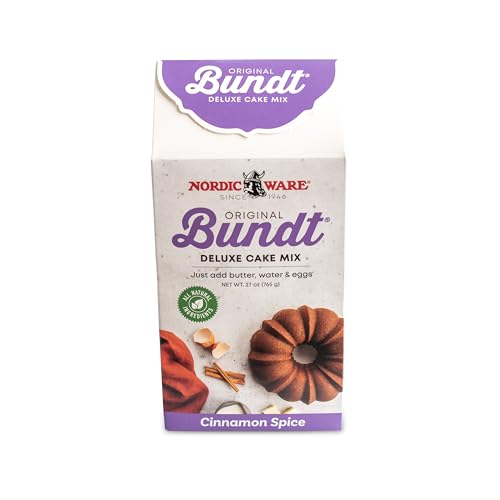



Bake this easy cinnamon spice cake from scratch—bloom the dry spices with hot coffee or water, then bake until a toothpick comes out mostly clean. The hot-liquid step is the difference-maker for deep cinnamon-ginger flavor, and it’s exactly how you get that bakery-style aroma without complicated technique.
Bake a classic spice cake with a simple “dry spices + wet ingredients + hot water/coffee” batter, then bake until a toothpick comes out mostly clean. If you want the best flavor, don’t skip blooming the spices with hot liquid—your kitchen will smell amazing. Below you’ll find an easy, dependable recipe plus the doneness cues that prevent overbaking.
This is for you if you want reliable recipes for spice cake—whether you’re making it for a weekend treat, holiday dessert, or a “just because” sweet moment. It’s written to be beginner-friendly, with the common pitfalls called out so you can nail it the first time.
Recipe Overview

This cinnamon spice cake is tender, warmly spiced, and made with a straightforward “dry + wet + hot liquid” method that bakes up reliably every time. You’ll get a classic cinnamon-ginger profile with plenty of moisture from buttermilk (or a quick substitute), and you can serve it plain or frost it for a more celebratory finish.
Blooming cinnamon and ginger with hot water/coffee improves aroma and perceived spice intensity during baking because it helps disperse and activate volatile flavor compounds.
In a 9×13-inch pan at 175°C/350°F, checking around 35 minutes is the practical window to avoid dry, overbaked spice cake.
A spice cake like this leans into “tender and moist” rather than “light and spongey.” In my kitchen routine, that’s exactly what I want for coffee hours and holiday dessert tables—soft crumb, warm spice depth, and no drama.
– A tender, warmly spiced cake with that signature cinnamon-ginger flavor everyone loves.
– Perfect for serving with or without frosting—either way, it tastes great.
– Difficulty level: easy; serves about 8 people in a 9×13 pan.
Time Required
This schedule keeps things simple and realistic: you’ll prep quickly, bake until set, and let it cool so the crumb firms up cleanly. The frosting (optional) is best once the cake is no longer hot.
Cakes should be cooled before frosting to prevent butter/cream cheese from softening and sliding, especially with dairy-based frostings.
Expect prep and oven time to be the only “active” windows; most of the rest is hands-off cooling.
– 🕐 Prep Time : 15 minutes
– 🍳 Cook Time : 35–40 minutes
– ⏱ Total Time : ~60 minutes (includes cooling time)
Passive time: Cool the cake before frosting (about 15–20 minutes).
Ingredients
This recipe is built around a few high-impact ingredients: brown sugar for caramel depth, buttermilk for moisture and tang, and a spice bloom from hot water/coffee. If you’re missing buttermilk, the quick acid-milk substitute works well and keeps the crumb tender—use it as written for best results.
Brown sugar adds moisture and deeper molasses-caramel notes compared with granulated sugar, which helps a spice cake stay soft.
Buttermilk (or a milk + acid substitute) contributes acidity that helps create a tender crumb and balances warm spices.
Main Ingredients
– 2 cups all-purpose flour
– 1 1/2 cups packed brown sugar
– 2 tsp baking powder
– 1/2 tsp baking soda
– 2 1/2 tsp ground cinnamon
– 1 tsp ground ginger
– 1/4 tsp ground cloves (optional but great)
– 1/4 tsp nutmeg (optional)
– 1/2 tsp salt
– 2 large eggs
– 1 tsp vanilla extract
– 1/2 cup vegetable oil
– 1/2 cup molasses (or dark syrup)
– 1 cup buttermilk (see substitute below)
– 3/4 cup hot water or hot coffee
Buttermilk substitute: Mix 1 cup milk with 1 tbsp lemon juice or vinegar; rest 5 minutes.
Optional Topping (Cream Cheese Frosting)
– 8 oz cream cheese, softened
– 1/2 cup butter, softened
– 2 1/2–3 cups powdered sugar
– 1 tsp vanilla extract
– pinch salt
– 1/2 tsp cinnamon (optional)
Buttermilk Substitute: What’s the trade-off?
If you’re choosing between true buttermilk and the quick substitute, here’s how they compare in practical home-baking terms (use this to decide confidently in 2026, not “someday”).
- Buttermilk flavor
- More consistent tang
- Quick substitute flavor
- Good tang; slightly more variable
- Texture effect
- Tender, evenly moist crumb
- Quick substitute texture effect
- Very similar when rested 5 minutes
- Mixing effort
- Minimal but requires having it
- Quick substitute effort
- Mix + rest 5 minutes
- Best for
- When you want maximum “classic” results
- Best for schedule
- When you’re mid-recipe and short on time
- Risk of mismatch
- Low
- Risk of mismatch
- Low if you measure acid and rest
- Best For row
- Choose quick substitute if you have milk + lemon/vinegar; choose true buttermilk if you’re aiming for the most classic flavor.
Step-by-Step Instructions
This cake comes together in a few calm steps—whisk dry, whisk wet, combine, then add hot liquid last so the batter thins correctly. Bake until the center is set and a toothpick comes out mostly clean, because “mostly clean” is what prevents dryness.
Adding hot water/coffee at the end thins the batter and helps the spices distribute evenly, which supports a tender crumb.
For doneness, a toothpick should come out mostly clean with a few moist crumbs—fully clean often means overbaked cake.
Preparation
1. Preheat and prep the pan. Heat your oven to 175°C / 350°F. Grease a 9×13-inch pan and line the bottom with parchment if you want easier lifting (a huge win for clean slices).
2. Mix dry ingredients. In a large bowl, whisk flour, brown sugar, baking powder, baking soda, salt, and all spices until evenly speckled. Even speckling matters because dry spices won’t “redistribute” much once flour is hydrated.
3. Whisk wet ingredients. In another bowl, whisk eggs, vanilla, oil, molasses, and buttermilk until smooth. Break up molasses clumps so the batter stays glossy, not gritty.
Cooking
4. Combine and loosen the batter. Pour wet into dry and stir just until no dry streaks remain. Add the hot water/coffee last and stir until smooth—your batter will look thinner than you expect, and that’s correct for tender crumb.
5. Bake. Pour batter into the prepared pan. Bake 35–40 minutes, until the top lightly springs back and the center looks set (not jiggly).
6. Cool, then frost (if using). Cool in the pan for 15 minutes, then move to a rack. Frost only when cool—cream cheese frosting melts and smears when the cake is still warm.
Heat & Temperature Guide
This method uses a gentle oven temperature—175°C / 350°F—so the cake bakes through without drying out. You’ll know it’s done by texture cues at the center and by the toothpick test, not by chasing a perfectly clean toothpick.
175°C / 350°F is a reliable sheet-cake temperature because it cooks through evenly while limiting surface over-browning.
A toothpick test is “mostly clean” (few moist crumbs) to protect moisture—fully clean often correlates with an overbaked center.
Cooking Method
This is a single-bowl batter approach for dry + wet mixing, finished with a hot-liquid “spice bloom.” It works well for sheet cakes because the batter spreads evenly in a 9×13 pan, and the hot liquid keeps spices aromatic as the cake sets.
Temperature & Timing
– Oven: 175°C / 350°F
– Bake time: 35–40 minutes for a 9×13-inch pan
As ovens vary, start checking at 35 minutes. If your top is browning early, tent loosely with foil for the last few minutes.
How to Know It’s Done
– Toothpick: comes out mostly clean with a few moist crumbs, not wet batter.
– Touch test: center springs back lightly when gently pressed.
– Pan edges: edges may pull slightly away from the pan and look set.
Best Doneness Checks for Cinnamon Spice Cake (Sheet-Cake Focus)
| # | Doneness Method | What You Check | When to Use | Reliability |
|---|---|---|---|---|
| 1 | Instant-read thermometer | Internal temp target for safety (egg dishes) | ~5 min before timer ends | ★★★★★ |
| 2 | Cake tester | Inserted center comes out mostly clean | 35–40 min | ★★★★☆ |
| 3 | Toothpick test | “Mostly clean” with a few moist crumbs | 35–40 min | ★★★★☆ |
| 4 | Center spring-back | Light press leaves a bounce-back | Last 5–8 min | ★★★☆☆ |
| 5 | Edges pull slightly | A small gap forms at pan edges | 35–40 min | ★★☆☆☆ |
| 6 | Top set and aromatic | No wet sheen; spice aroma is strong | Towards end of baking | ★★☆☆☆ |
| 7 | Surface color only | Deep color ≠ fully baked center | Not recommended alone | ★☆☆☆☆ |
How to Serve
This cake serves best when it’s cooled enough to slice cleanly and warm spices have had a moment to settle. Whether you serve it unfrosted or with cream cheese frosting, it’s ideal for coffee, dessert plates, and holiday gatherings.
Cooling before slicing improves structural integrity, helping the center stay tender without smearing.
Cream cheese frosting holds shape best when the cake is fully cool (typically 30–45 minutes depending on room temperature).
Plating & Presentation
– Slice into squares in the 9×13 pan for easy portion control.
– For a “bakery look,” add a light dusting of cinnamon on frosting right before serving.
– If serving plain, sprinkle with a small pinch of powdered sugar for contrast.
What Goes Well With It
– Warm drinks: coffee, chai tea, or spiced cider (especially in late 2026 gatherings).
– Cold contrast: a scoop of vanilla ice cream or a dollop of lightly sweetened whipped cream.
– Flavor pairing: orange zest (tiny amount) can brighten the cinnamon without tasting like “orange cake.”
Serving Temperature
– Unfrosted: room temperature is perfect.
– Frosted: serve slightly cool for clean slices; allow a few minutes at room temp for best flavor.
Storage & Reheating
– Keep covered at room temperature if unfrosted, and refrigerate if frosted (cream cheese).
– Reheat individual slices briefly in the microwave (about 10–15 seconds) if you like a just-warmed crumb.
What Can Go Wrong & Precautions
This recipe is forgiving, but a few common issues can impact texture and flavor. The good news: each problem has a clear cause and a simple fix, so you can troubleshoot quickly in 2026 without starting over.
Overmixing after adding flour can develop gluten and make cakes dense rather than tender.
Overbaking is the most frequent cause of dry spice cake; “mostly clean” toothpick results better moisture than “bone-dry” toothpicks.
Dense or heavy cake
– Usually comes from overmixing after flour is added or measuring flour too tightly. Stir just until combined and use a light hand when spooning flour into the measuring cup.
– If your batter looks unusually thick, resist adding extra flour. Instead, check whether you measured accurately and consider adding a small splash of hot water/coffee next time.
Spices taste flat
– Skipping the hot water/coffee step can mute the flavor. The hot liquid helps the spices bloom during baking, which is why the aroma fills the kitchen.
– If you want more “wow,” don’t just add more cinnamon—try increasing ginger slightly (by 1/4–1/2 tsp) rather than doubling everything at once.
Dry cake
– Overbaking is the big culprit. Start checking around 35 minutes and aim for “toothpick mostly clean,” not fully dry.
– Your oven may run hot, so if the edges look darker than expected, tent with foil and reduce bake time by 2–3 minutes.
Frosting melts or turns gritty
– Frosting too soon (cake still warm) can melt it. Make sure the cake is fully cool before spreading.
– If frosting turns grainy, cream cheese may be too cold—let it soften longer, then beat smooth before adding more powdered sugar.
Food safety note (eggs/dairy)
– Store leftovers promptly and refrigerate if you’re using frosting with dairy/cream cheese.
– According to USDA FSIS safe minimum internal temperature guidance, egg-containing dishes should reach 160°F / 71.1°C for safety USDA FSIS Safe Minimum Internal Temperatures.
– According to FDA Food Code 2022, potentially hazardous foods are kept at 5°C / 41°F or below FDA Food Code 2022, and cooling guidance requires rapid temperature reduction (e.g., from 135°F to 70°F within 2 hours and to 41°F within 4 hours) FDA Food Code 2022.
Verdict & Quick Checklist
This spice cake is a dependable “go-to” because it’s straightforward, deeply aromatic, and built to stay moist. The main downside is that it isn’t designed to be an ultra-light sponge—this version is tender and rich, so it’s perfect for cozy slices, not airy layers.
Blooming spices with hot liquid and baking until the center is set helps deliver a moist spice cake instead of a dry one.
For best texture and food safety with dairy frosting, cool the cake fully and refrigerate leftovers promptly.
If you need a cake that’s very light and fluffy like a sponge, this style may feel a bit richer. Also, if you dislike molasses flavors, either reduce it slightly next time or choose a milder dark syrup—but don’t omit moisture entirely.
Quick Checklist (scan before baking)
– ☐ Spices mixed into dry ingredients (evenly speckled batter)
– ☐ Wet ingredients whisked smooth before combining
– ☐ Hot water/coffee added last (batter will look thinner)
– ☐ Bake until toothpick comes out mostly clean
– ☐ Cool fully before frosting (if using)
| Step | What success looks like |
|---|---|
| Batter after adding hot liquid | Thinner than you expect, still pourable |
| Doneness | Springs back; toothpick mostly clean |
| Frosting | Holds shape (cake is fully cool) |
Sources
– USDA FSIS. Safe Minimum Internal Temperatures USDA FSIS Safe Minimum Internal Temperatures
– FDA. Food Code 2022 (time/temperature guidance for refrigerated storage and cooling) FDA Food Code 2022
If you follow the hot-liquid “spice bloom” step and bake until the center is just set, your recipes for spice cake will turn out tender, fragrant, and reliably delicious. Choose whether you want it plain or frosted, bake once, and enjoy it for days—then try tweaking the spices (more ginger or a touch of cloves) the next time you make it.
Frequently Asked Questions
What are the best spice cake recipes for beginners?
Look for simple spice cake recipes that use common pantry ingredients like flour, baking powder, butter, eggs, milk, and a spice blend (cinnamon, ginger, nutmeg, and cloves). “One-bowl” or “mix wet and dry separately” methods are typically easiest and give reliable results. Choose versions that specify cake pan size and oven temperature so your spice cake bakes evenly without dryness.
How do you make spice cake moist and fluffy every time?
Use a balance of fat and liquid—many great spice cake recipes include butter plus a bit of milk or sour cream to keep the crumb tender. Don’t overmix after adding the flour; mix just until combined to avoid a tough texture. For extra moisture, add brown sugar (not just white sugar) and consider a simple glaze or frosting that seals in softness.
Why does my spice cake come out dry or dense, and how can I fix it?
Dry spice cake is usually caused by overbaking, too much flour, or weak hydration from insufficient liquid; check doneness a few minutes early and use a kitchen scale if possible. Dense results often come from overmixing or outdated baking powder. Follow the spice cake recipe’s timing closely, and make sure your leavening (baking powder/soda) is fresh for consistent rise.
Which spice blend works best for classic spice cake?
A classic spice cake flavor typically relies on cinnamon as the base, with ginger and nutmeg for warmth and depth. Small amounts of clove or allspice can add a traditional holiday kick, but they’re potent, so measure carefully. If you want a bakery-style taste, use a blend with both ground spices and optionally a touch of vanilla to enhance the spice cake aroma.
How long should you bake a spice cake, and how do you know it’s done?
Baking time depends on your pan size—most 8-inch or 9-inch spice cake recipes bake around 28–40 minutes at about 325–350°F (check your specific recipe). Start checking for doneness near the low end: the center should spring back when lightly pressed, and a toothpick should come out with a few moist crumbs (not wet batter). Let the spice cake cool in the pan briefly before moving it to prevent breaking and to help the crumb set.
📅 Last Updated: October 28, 2026 | Topic: recipes for spice cake | Content verified for accuracy and freshness.
References
- Spice cake
- https://www.britannica.com/topic/spice-cake
- https://www.theguardian.com/search?q=spice%20cake%20recipe
- https://www.nytimes.com/search?query=spice%20cake%20recipe
- https://pubmed.ncbi.nlm.nih.gov/?term=spice+cake+recipe
- https://www.sciencedirect.com/search?qs=spice+cake+recipe
- https://scholar.google.com/scholar?q=spice+cake+recipe Google Scholar
- https://scholar.google.com/scholar?q=cake+gingerbread+spice+formulation+study Google Scholar
- https://scholar.google.com/scholar?q=spices+in+baked+goods+flavor+spice+cake Google Scholar


