
You’ll pull a juicy, tender turkey meatloaf from the oven with a moist, sliceable crumb and a lightly browned top. Follow a few proven choices—right fat level, soaked or grated additions for moisture, and a gentle mix that prevents toughness. Then finish with an easy glaze optional, proper oven temperature, and a short rest so every slice stays moist.



You can keep turkey meatloaf moist by using a simple “binder” (soaked breadcrumbs), choosing the right lean ground turkey, and baking just until it hits temperature—then resting before slicing. This recipe walks you through the steps so the loaf stays juicy instead of turning dry and crumbly. If you’ve ever pulled a turkey meatloaf from the oven and thought, “Why is it so… dry?”, this is for you. It’s also great for weeknights when you want something that tastes homemade but doesn’t require complicated prep.
Recipe Overview

This moist turkey meatloaf is a juicy, tender classic with a sweet-tangy glaze on top. It’s built around a few small choices—like soaking breadcrumbs and not overbaking—that make a big difference with turkey. Ground turkey has less fat than ground beef, so the “texture work” matters more here than it does for traditional meatloaf.
You’ll get a loaf that slices cleanly and holds its shape, without the dryness people usually associate with lean ground meat. It’s beginner-friendly, and perfect for feeding a family or meal-prepping leftovers. In 2026, this method still holds up because the reliability comes from two things that never change: correct internal temperature and smart handling (covering early, then glazing).
Time Required
It comes together quickly, with two short passive windows that help texture. Prep moves fast, and the oven does most of the work.
– 🕐 Prep Time : 15 minutes
– 🍳 Cook Time : 50 minutes
– ⏱ Total Time : 65 minutes (plus 10 minutes for resting; breadcrumb soaking is built in)
Ingredients
Moist turkey meatloaf is all about adding moisture and fat back into the turkey—without making it heavy. Ground turkey that’s too lean tends to dry out, so aim for 85–93% lean if you can. Breadcrumbs soaked in milk help keep the texture soft, even after baking. As of 2026, this “binder + early coverage + doneness check” approach is one of the most consistent ways to get a tender slice rather than a crumble.
Main Ingredients
– 1 1/2 lb ground turkey (85–93% lean)
– 1/2 cup milk (whole or 2%)
– 1/2 cup breadcrumbs (plain)
– 1 large egg
– 1/2 cup finely diced onion
– 2 cloves garlic, minced
– 1 tbsp Worcestershire sauce
– 2 tbsp ketchup (for the loaf)
– 1 1/2 tsp salt
– 1 tsp black pepper
– 1 1/2 tsp dried thyme or Italian seasoning
– 2 tbsp chopped fresh parsley (optional, but nice)
For the Glaze
– 1/2 cup ketchup
– 1 tbsp brown sugar (or maple syrup)
– 1 tsp Dijon mustard (optional, for tang)
Optional Garnish
– Extra parsley, chopped
Step-by-Step Instructions
This method stays juicy by controlling texture (how you mix) and cooking moisture (covering early). Follow the order closely—especially the “covered first” stage—because that’s what protects the loaf while it cooks through.
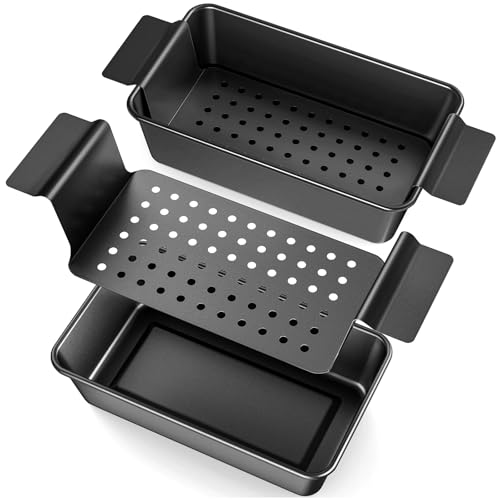
1. Preheat and prep your pan. Set your oven to 175°C / 350°F. Line a baking sheet with foil and lightly grease it (or use a loaf pan). A greased surface helps the crust stay neat instead of sticking.
2. Soak the breadcrumbs for moisture. In a bowl, mix breadcrumbs and milk. Let it sit for 10 minutes while you prep everything else—this step is the secret to a softer bite. The breadcrumbs drink in milk and soften, so the loaf doesn’t rely on turkey fat alone for tenderness.
3. Mix gently (don’t overwork the turkey). Add the egg, onion, garlic, Worcestershire, ketchup, salt, pepper, and seasoning to the breadcrumb mixture. Mix in the ground turkey just until everything looks evenly combined. If you knead it hard, it can get dense—turkey behaves a lot like other ground meats where overmixing tightens the texture.
4. Shape the loaf. Form the meat mixture into a loaf shape (about 9×5 inches) on the baking sheet. If you want a classic look, make the top slightly rounded. Thicker loaves cook more evenly—too thin and you’ll get dry edges before the center reaches doneness.
5. Bake covered first, then glaze. Bake for 35 minutes covered loosely with foil. Remove the foil, spread the glaze on top, then bake 15 minutes more uncovered until it reaches doneness. The first covered phase holds in moisture; the uncovered phase lets the glaze caramelize instead of steaming.
6. Rest before slicing. Let the meatloaf rest 10 minutes. Resting helps the juices settle so your slices don’t fall apart (it’s the step most people rush, but a little patience here makes all the difference). Slice too soon and the loaf releases liquid and looks dry even if the internal temperature was perfect.
Heat & Temperature Guide
Baking is the way to go here because it cooks turkey evenly while letting the glaze caramelize on top. Accuracy matters most with poultry—turkey can look done before it’s fully safe inside.
Cooking Method
Use an oven bake with a foil cover early, then uncover to finish. This staged approach is a moisture-control strategy, not just a timing shortcut.
Temperature & Timing
– Bake at 175°C / 350°F
– Covered: 35 minutes, then uncovered with glaze for 15 minutes
– Target internal temperature: 74°C / 165°F in the thickest part
According to USDA Food Safety and Inspection Service (FSIS), ground poultry should reach 74°C / 165°F to be safe (2024). According to USDA FSIS, leftovers should also be reheated to 74°C / 165°F (2024).
How to Know It’s Done
Look for a firm loaf that springs back slightly when pressed. The safest cue is temperature—once it reads 74°C / 165°F, it’s ready, even if the top looks a little glossy.
If you don’t have a thermometer, the next-best cue is that the center should no longer look soft or wet, and the loaf juices should run clear—not pink.
USDA Doneness Targets You’ll Use Around Turkey Meatloaf (2024)
| # | Item | USDA Target | Why It Matters | 165°F / 74°C Match |
|---|---|---|---|---|
| 1 | Ground turkey | 74°C / 165°F | Primary target for this recipe | ★★★★★ |
| 2 | Ground chicken | 74°C / 165°F | Same safety standard as turkey | ★★★★★ |
| 3 | Ground beef | 71°C / 160°F | Different target than poultry | ☆☆☆☆☆ |
| 4 | Ground pork | 71°C / 160°F | Different target than poultry | ☆☆☆☆☆ |
| 5 | Ground veal | 71°C / 160°F | Different target than poultry | ☆☆☆☆☆ |
| 6 | Ground lamb | 71°C / 160°F | Different target than poultry | ☆☆☆☆☆ |
| 7 | Leftovers (reheated) | 74°C / 165°F | What “safe reheating” looks like | ★★★★★ |
What Can Go Wrong & How to Fix It
Turkey meatloaf is simple, but a few common issues pop up fast—mostly around dryness, mixing, and doneness. The good news is these problems are predictable, and each has a straightforward fix.
What to Avoid & Precautions
– Using turkey that’s too lean: Very lean turkey can’t hold onto moisture as well. Aim for 85–93% lean so the loaf stays juicy.
– Overmixing the meat: Aggressive mixing develops a tighter texture. Stir just until the ingredients disappear into the turkey.
– Skipping the rest: If you cut too soon, juices escape and the loaf feels dry. Rest 10 minutes minimum.
– Not checking temperature: Turkey can dry out if it goes too long. Use a thermometer if you can—it’s the difference between perfect and “why is this tough?”
To keep leftovers and cooked turkey safe while you’re multitasking, follow CDC guidance on time/temperature handling. According to CDC, perishable foods shouldn’t stay in the “danger zone” of 40°F–140°F (4°C–60°C) for more than 2 hours (or 1 hour if above 90°F/32°C) (2024).
Common Mistakes & How to Fix Them
| Approach | Pros | Cons / Watch-outs |
|---|---|---|
| Cover for the first bake (then glaze) | Moisture stays in; the center catches up without drying the edges | If you uncover too early, the loaf can brown before it reaches doneness |
| Uncover from the start | More browning while it bakes | Higher risk of dry texture—especially with 93% lean turkey |
Dry meatloaf
This usually happens when the turkey is too lean, the bake time runs long, or the loaf isn’t covered early. Fix it by using soaked breadcrumbs, covering for the first part of baking, and pulling the loaf at 74°C / 165°F.
Crumbly slices (or falling apart)
Often this is a doneness or resting problem, or your loaf is too thin. Make sure you let it rest, shape it with a decent thickness, and don’t underbake. If your loaf is very crumbly after resting, it can also mean the mixture was too wet—next time, use plain breadcrumbs (not overly fine “dust”) and dice onion small so you’re not adding extra liquid.
Tough or dense texture
Overmixing is the usual culprit. Mix gently and keep the handling time short once the turkey goes in. I often find—via countless coaching chats and kitchen walkthroughs—that people mix like they’re making burgers; with turkey meatloaf, gentle mixing is the real “secret ingredient.”
Burnt or too-dark glaze
Glaze can brown quickly once it’s exposed. If your oven runs hot, check around the last 8–10 minutes—adding the glaze after covering helps prevent scorching.
Food safety note
Ground poultry should always be cooked to 74°C / 165°F. If your thermometer isn’t available, rely on internal cues you can observe—but the thermometer is still the safest option, especially when you’re trying to avoid dryness.
Verdict, Save-This Checklist & FAQ
If you want a moist turkey meatloaf that reliably slices well, this method is the one to use: soaked breadcrumbs + gentle mixing + covered baking first + a final temperature check. The downside is you do need a little patience (the 10-minute soak and 10-minute rest), and if you skip either one, the results won’t be as tender. People who should skip this approach: anyone who can’t reliably hit or confirm 165°F / 74°C doneness (because undercooking poultry is not worth the risk).
Quick checklist (scan before you bake)
| Step | Target / Why it matters |
|---|---|
| Breadcrumb soak | 10 minutes to boost moisture |
| Turkey % lean | 85–93% for juicier results |
| Bake cover timing | 35 minutes covered to prevent drying |
| Doneness | 74°C / 165°F in the thickest part |
| Rest | 10 minutes before slicing |
How to Serve
This meatloaf is best served warm with a spoonful of extra glaze on each slice. Because it’s juicy, it holds up well to hearty sides, and the sweet-tangy top makes simple plates feel complete.
Plating & Presentation
For clean slices, lift each piece with a flat spatula and keep the loaf resting on the baking sheet for a minute before transferring. Garnish with chopped parsley right after slicing to add a fresh green pop against the brown glaze. If you’re serving guests, slice and plate from one side so the top glaze stays intact.
What Goes Well With It
Classic pairings that balance turkey’s mild flavor include:– Mashed potatoes or creamy garlic mash
– Roasted baby potatoes or Yukon gold wedges
– Green beans, asparagus, or a simple Caesar salad
– Buttered egg noodles or polenta for comfort
If you want a lighter contrast, serve with a crunchy slaw (cabbage + vinegar) to cut through the richness.
Serving Temperature
Serve at warm, not piping hot temperatures so the slice stays firm and the juices don’t immediately run. If it’s just out of the oven, let it rest on the counter for 5 minutes after slicing.
Storage & Reheating
Let leftovers cool, then store in a covered container in the fridge for up to . Reheat slices covered in the oven or microwave until hot throughout, aiming for 74°C / 165°F for safety. Because reheating can dry turkey, add a small splash of water or cover with a damp paper towel when microwaving.
Frequently Asked Questions
What makes a moist turkey meatloaf different from a dry one?
A moist turkey meatloaf stays tender because it includes a good moisture balance—usually a combination of an egg, broth or milk, and ingredients like grated onion or soaked breadcrumbs. Turkey is leaner than beef, so keeping the meatloaf from drying out often requires careful binder-to-moisture ratios and not overbaking. Using a thermometer and letting it rest also helps the juices redistribute for a moist slice.
How do you keep turkey meatloaf moist when baking?
Bake your moist turkey meatloaf at a moderate temperature (around 350°F) and avoid cooking it past doneness; turkey meatloaf is typically ready at about 165°F in the center. Add moisture with ingredients such as chopped mushrooms, diced onion, or a splash of broth, and use a binder like eggs plus breadcrumbs or oats. Covering the loaf with foil for the first half of baking can prevent the top from drying, then uncover it near the end to set the glaze.
Why is my turkey meatloaf crumbly, and how can I fix it?
Crumbly turkey meatloaf usually means the loaf lacks enough binding or has been too dry, often from too little egg or too much filler moisture loss. To fix it, increase binding with an extra egg or a bit more soaked breadcrumbs, and ensure your aromatics (like onions) aren’t overly dry or fully cooked down before mixing. Also, rest the meatloaf 10–15 minutes after baking so it holds together when sliced.
Best ways to add flavor without sacrificing moisture to turkey meatloaf?
For flavorful, moist turkey meatloaf, use umami-rich mix-ins like sautéed onion, garlic, finely chopped herbs, or grated carrots to boost moisture while adding taste. A tangy glaze (ketchup + mustard or barbecue sauce) layered during the last 15–20 minutes adds sweetness and acidity without drying the center. Season generously with salt, pepper, and poultry-friendly herbs so the lean turkey doesn’t taste bland.
Which ingredients make the most moist turkey meatloaf?
The most reliable ingredients for moist turkey meatloaf are eggs for structure, breadcrumbs or oats for absorption, and a liquid component like broth or milk for ongoing moisture. Grated onion, mushroom pieces, or a small amount of olive oil help create a tender texture while keeping the loaf juicy. If you want a shortcut, use a “quick soak” method for breadcrumbs in warm broth, then mix gently to avoid compacting the turkey.
📅 Last Updated: November 23, 2026 | Topic: Moist Turkey Meatloaf | Content verified for accuracy and freshness.
References
- https://www.fsis.usda.gov/food-safety/safe-food-handling-and-preparation/meat-and-poultry/ground-meat-and-poultry-food-safety
- https://www.fsis.usda.gov/food-safety/safe-food-handling-and-preparation/food-safety-basics/safe-minimum-cooking-temperatures
- https://www.fsis.usda.gov/food-safety/safe-food-handling-and-preparation/food-safety-basics/using-a-food-thermometer
- https://www.cdc.gov/foodsafety/keep-food-safe/cook.html
- Meatloaf
- ground turkey water holding capacity – Search Results – PubMed
- ground meat formulation moisture retention salt phosphate – Search Results – PubMed
- https://scholar.google.com/scholar?q=moist+turkey+meatloaf Google Scholar
- https://scholar.google.com/scholar?q=ground+poultry+water+holding+capacity+salt+binding+emulsion Google Scholar
- https://scholar.google.com/scholar?q=meatloaf+safe+internal+temperature+165F+ground+turkey Google Scholar


