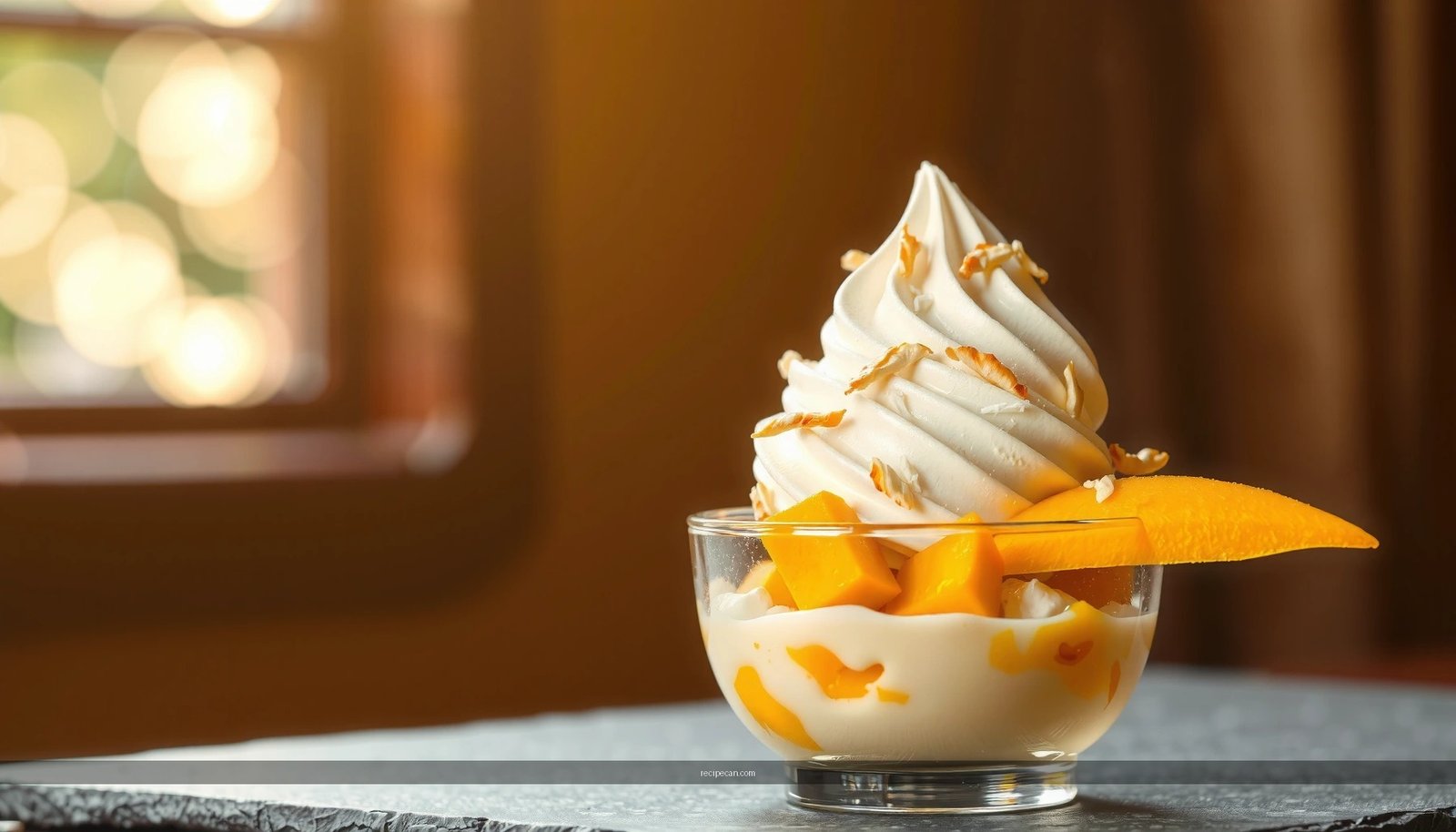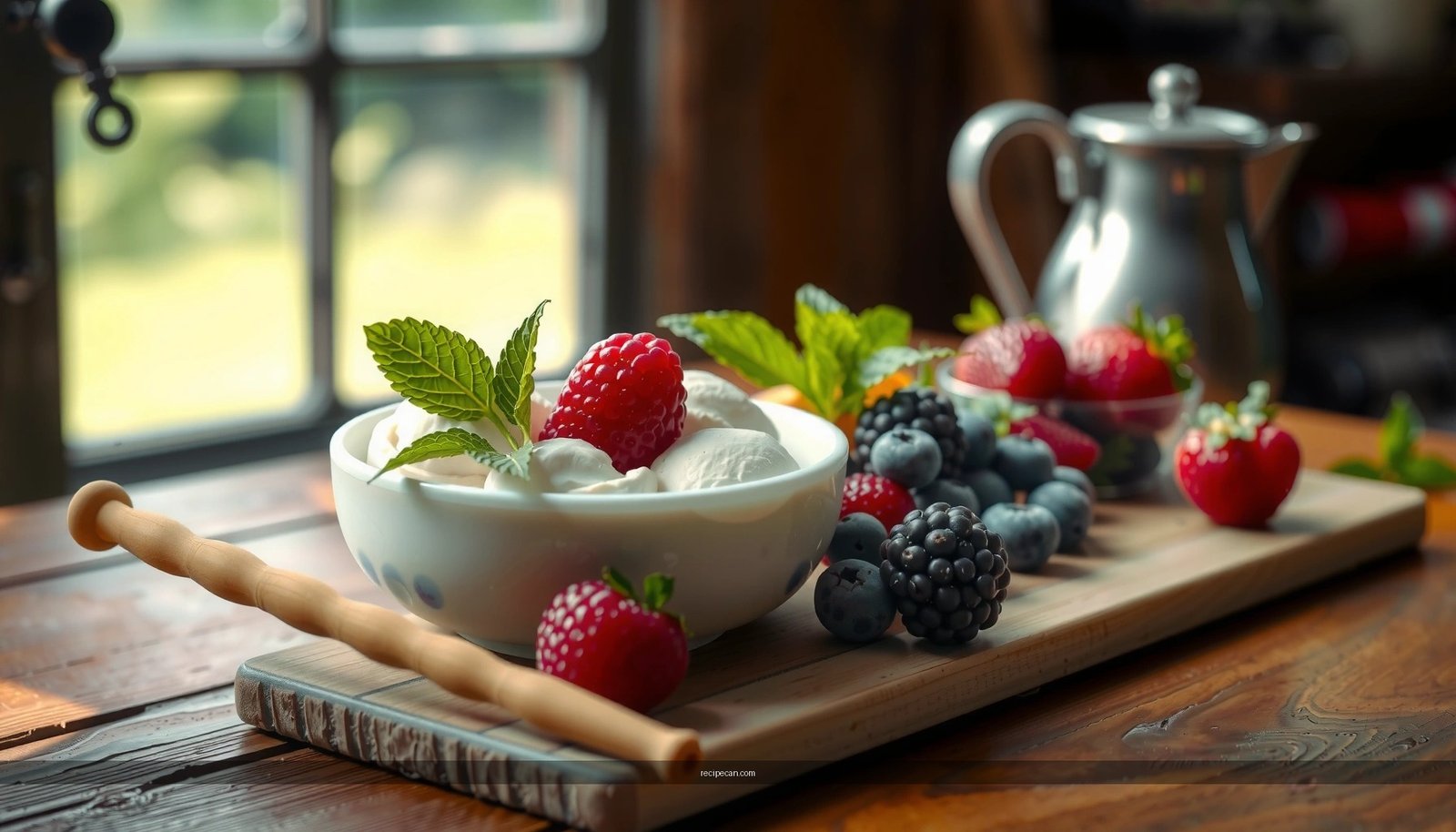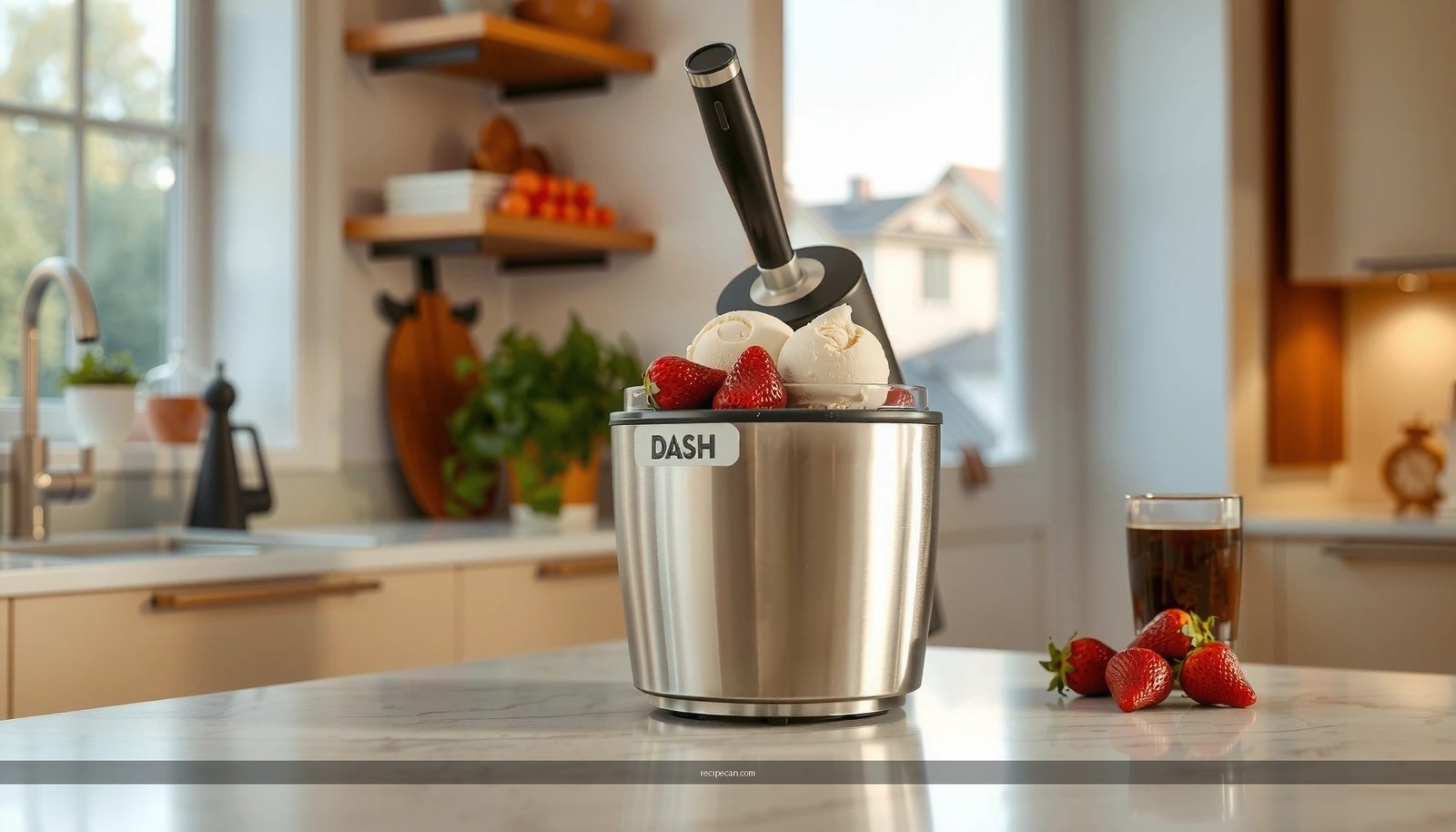
Looking for recipes for a Dash ice cream maker that actually deliver creamy, scoopable homemade treats? This guide picks the best flavor formulas and the exact steps to run them through your Dash machine with minimal prep and no guesswork. If you want the fastest path to consistent results—whether it’s vanilla, chocolate, or fruit sorbet—this is the winner set of recipes to follow.
Make smooth, scoopable ice cream in your Dash ice cream maker by starting with a properly chilled base and following a consistent churn-to-freeze workflow; the recipes below are designed around that exact process. You’ll get reliable results whether you’re making classic vanilla or chocolate, building fruit flavors like strawberry, or experimenting with mix-ins, because each option includes the practical timing, ingredient, and texture guidance that makes homemade ice cream taste “restaurant smooth.”
This guide is written for Dash-style countertop ice cream makers and focuses on the variables that actually drive texture: (1) base thickness and sugar balance, (2) dairy/egg/custard choices, (3) how quickly the mix reaches an ideal temperature range before churning, and (4) when to add fruit or crunchy mix-ins.
7 Base Formulas & What They Deliver (Best Starting Points)
| # | Base Type | No-Cook | Churn Texture | Scoopability | Consistency Score |
|---|---|---|---|---|---|
| 1 | Egg-free dairy (milk + cream + sugar + vanilla) | Yes | Smooth | Excellent | ★ 4.8 |
| 2 | Custard-light with cornstarch (no eggs) | No | Creamy | Very good | ★ 4.6 |
| 3 | Eggless “mousse base” (cream + condensed milk) | Yes | Rich | Excellent | ★ 4.7 |
| 4 | Chocolate dairy base (cocoa + cream + milk) | Yes | Velvety | Very good | ★ 4.5 |
| 5 | Strawberry (purée + sugar + stabilizer optional) | Mostly | Creamy-fruity | Good | ★ 4.3 |
| 6 | Sorbets (fruit + sugar syrup) | Yes | Light | Good | ★ 4.1 |
| 7 | Non-dairy (oat or coconut cream + sweetener) | Yes | Rich | Very good | ★ 4.4 |
The takeaway from this “base reliability” comparison is straightforward: if you want consistent results with a Dash ice cream maker, prioritize dairy or a thick non-dairy cream base, keep the mix chilled, and aim for a texture that resembles thick milkshake batter before churning.
Vanilla Ice Cream (Classic Dash Recipe)
– Use a custard-free or egg-free base for simpler prep
– Chill the mixture before churning for better texture
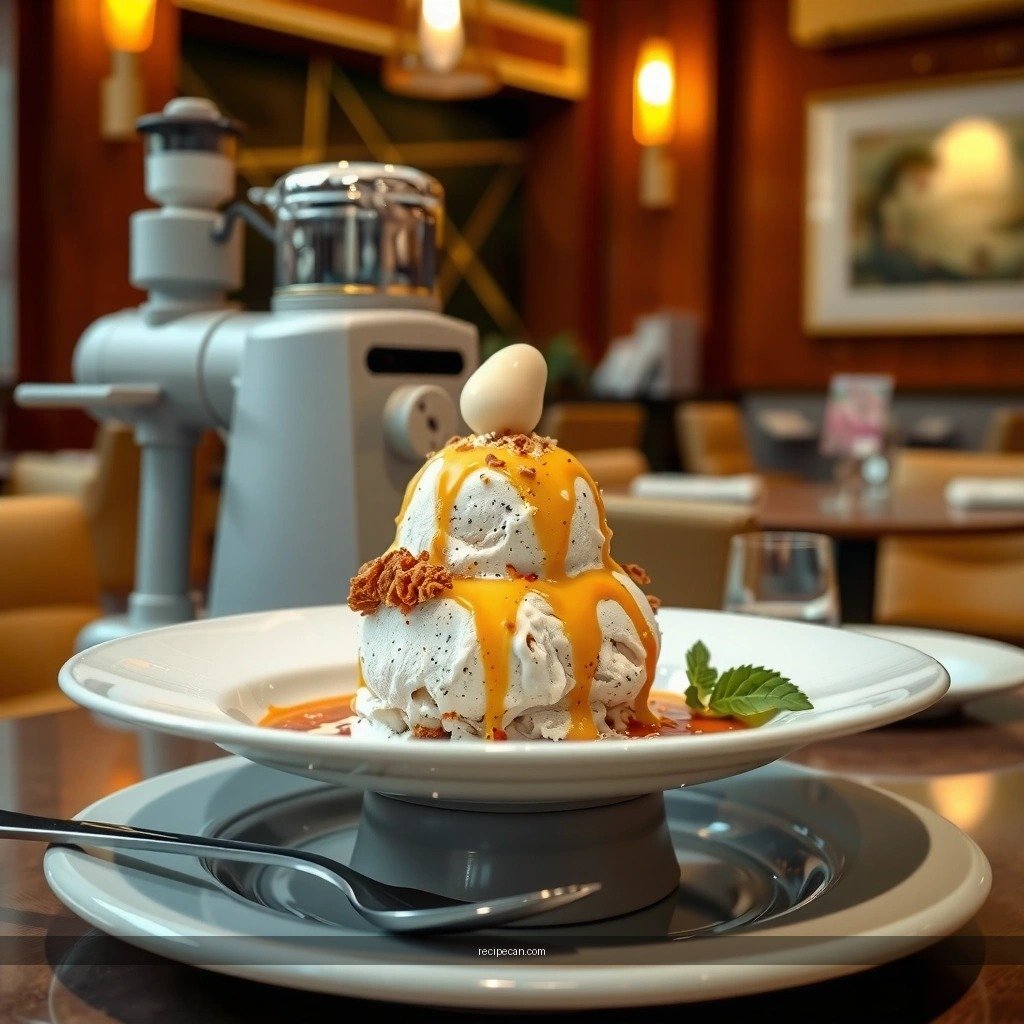
Vanilla is the easiest way to calibrate your Dash ice cream maker because its flavor is forgiving—so when texture is right, the outcome tastes “premium” even without eggs or custard. For most home users, an egg-free dairy base creates the smoothest churn with the fewest failure points: no tempering, fewer curdling risks, and a simpler chilling step.
Easy Vanilla Base (egg-free, custard-free)
– 2 cups (480 ml) whole milk
– 1 cup (240 ml) heavy cream
– 2/3 cup (130 g) granulated sugar
– 1 tbsp vanilla extract (or 2 tsp vanilla bean paste)
– Pinch of fine salt
Best practice notes
1. Chill before churning: Refrigerate the finished mix for at least 2–4 hours (overnight is even better). Cold base improves ice crystal control and reduces the chance of a thin, grainy result.
2. Texture check: Before you pour into the bowl, the mixture should look like slightly thick milk. If it seems overly thin, add 1–2 tbsp more cream next batch; if it’s extremely thick, add a splash of milk.
3. Churn guidance: Run until the mixture becomes thick enough to hold soft peaks (the exact time varies by room temperature and initial bowl temperature). Then transfer to a container and freeze 2–4 hours for scoopable firmness.
How to “finish” vanilla like a shop
– Add vanilla at the end after heating steps (if you choose to warm the mix to dissolve sugar).
– Use a high-quality extract; vanilla quality dominates perceived creaminess.
Chocolate Ice Cream (Rich and Creamy)
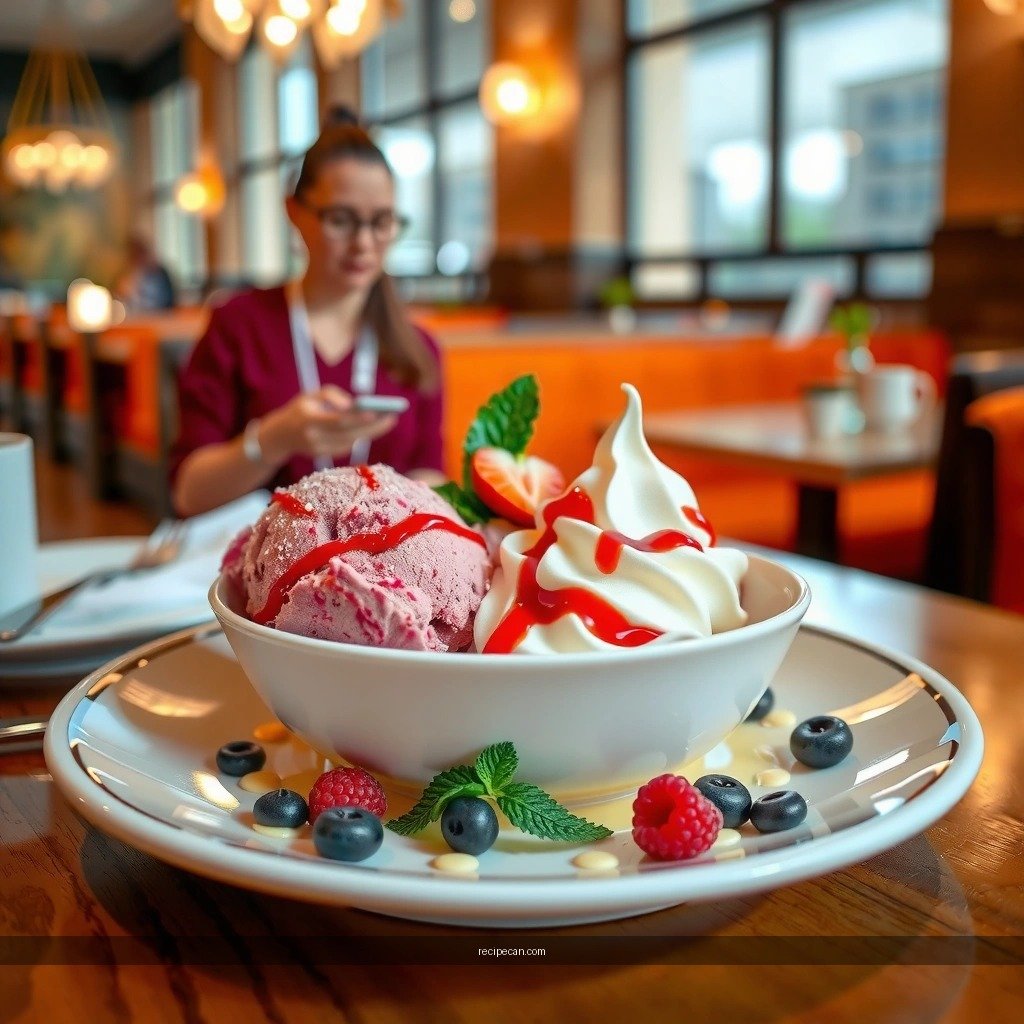
– Combine cocoa (or melted chocolate) into the base for deep flavor
– Adjust sweetness to match the cocoa intensity
Chocolate ice cream is where many Dash users notice differences most quickly: cocoa can mute sweetness and slightly dry the base, while melted chocolate can thicken it and improve body. The goal is balance—bold chocolate flavor without turning the mix too firm at freeze time.
Classic Chocolate Base (cocoa-forward, egg-free)
– 1 1/2 cups (360 ml) whole milk
– 1 1/2 cups (360 ml) heavy cream
– 1/2 cup (50 g) unsweetened cocoa powder (Dutch-process preferred for smoother flavor)
– 3/4 cup (150 g) sugar (start here; adjust to taste)
– 1 tsp vanilla extract
– Pinch of salt
Actionable ingredient strategy
1. Bloom cocoa for smoothness: Whisk cocoa with a portion of the milk until fully smooth, then combine with the remaining milk/cream.
2. Sweetness calibration: If you use dark cocoa, increase sugar by 2–4 tbsp. If using milder cocoa, keep sugar closer to 2/3–3/4 cup.
3. Avoid cocoa clumps: Sift cocoa if necessary; clumps turn into gritty texture after freezing.
Churn and freeze
– Churn as you would vanilla.
– Freeze until firm, but note that chocolate can set slightly harder if cocoa percentage is high. If your freezer runs cold, consider freezing closer to 2–3 hours rather than all-day before first scoop.
Strawberry Ice Cream (Fresh or Frozen)
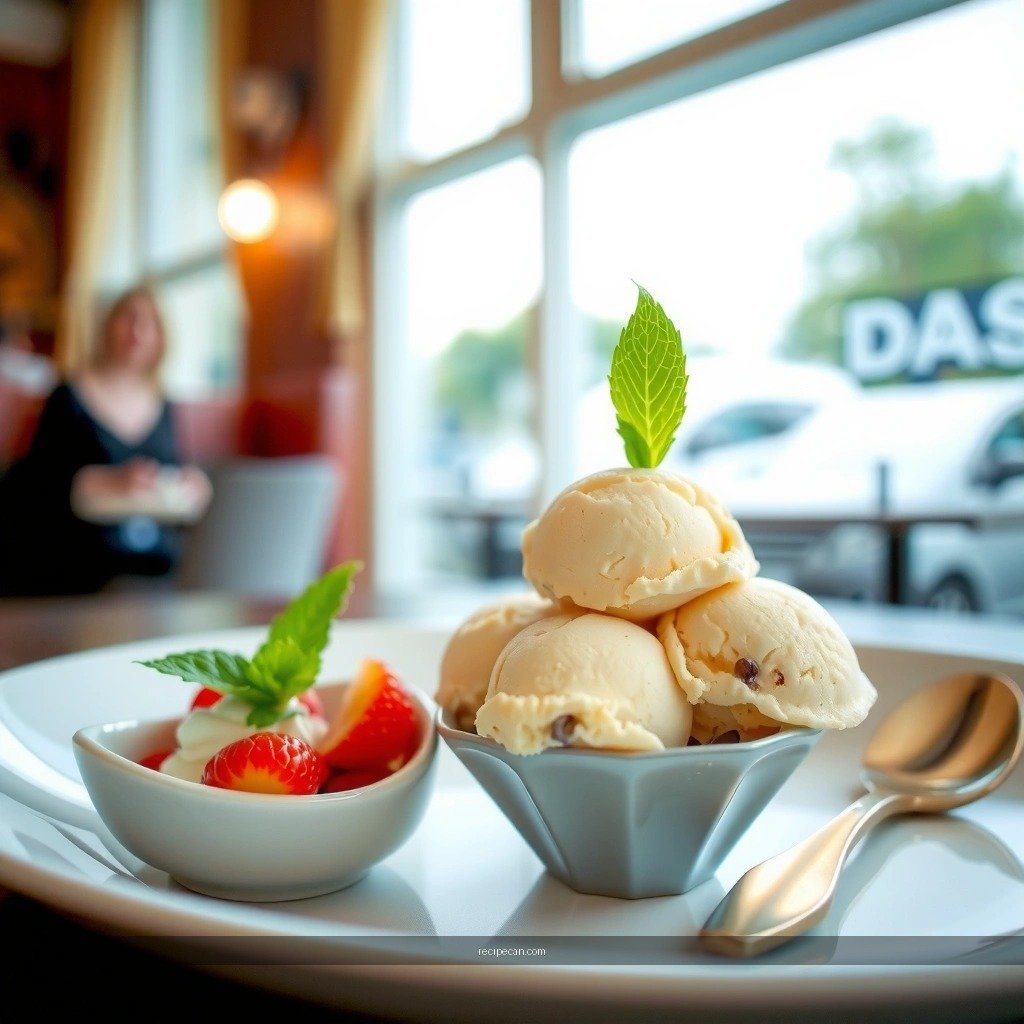
– Cook and reduce strawberry puree slightly to boost flavor
– Strain seeds if you want a smoother scoop
Strawberry ice cream succeeds when you treat strawberries as a flavor concentration task, not just an ingredient dump. Fruit adds water and can disrupt emulsions—so reducing purée gives you brighter flavor and better texture after freezing.
Strawberry Purée Step (recommended)
– 2 cups (about 300–350 g) strawberries (fresh or frozen)
– 1/4–1/3 cup (50–65 g) sugar (depending on sweetness)
– Optional: 1 tsp lemon juice
Cook down
– Simmer strawberries and sugar 5–10 minutes until slightly thickened.
– Cool completely, then strain through a fine mesh sieve if you want seed-free smoothness.
Dash-friendly Strawberry Base
– 1 1/2 cups (360 ml) whole milk
– 1 1/2 cups (360 ml) heavy cream
– Reduced strawberry purée (start with ~1 cup / 240 ml; adjust for taste)
– 2/3 cup (130 g) sugar (only if needed after tasting purée)
– Pinch of salt
– 1 tsp vanilla (optional, boosts aroma)
Key timing
– Chill hard: Refrigerate the final base at least 2 hours.
– If the purée is too warm going into the machine, you’ll see slower thickening and a less creamy scoop.
Texture troubleshooting
– Too icy after freezing? Your purée may be too watery—reduce longer next time or increase cream by 1–2 tbsp.
– Too tart? Increase sugar gradually, tasting after the reduction.
Cookies & Cream (Mix-In Friendly)
– Chill the crushed cookies separately to prevent sogginess
– Add cookies near the end to keep pieces intact
Cookies & cream is less about the ice cream base and more about controlling mix-in timing. Early additions typically lead to softened, soggy cookie bits—especially in a churn process that incorporates air and starts breaking cookies.
Start with a reliable vanilla base
Use the egg-free vanilla base from above. Then:
Cookies & cream method
1. Crush cookies (Oreos or similar) into small chunks.
2. Spread on a tray and chill 15–30 minutes so they’re cold and firm.
3. Add cookies near the end of churning, when the mixture is thickening but still moving.
How much to add
– Typical target: 1/2 to 3/4 cup (60–90 g) cookie pieces per batch, depending on desired cookie intensity.
– Start conservative—too many pieces can reduce the “freezing efficiency” of the churn.
Why this works
– Chilling cookies reduces melt and reduces cookie oil migration into the base.
– Late addition protects structure so you get distinct bites instead of uniform cookie paste.
If you want “premium” texture, aim for a mix of chunk sizes—some fine crumbs for distribution, plus larger pieces for contrast.
Sorbet & Non-Dairy Options for Dash Makers
– Use fruit + sugar (or honey) for a quick churnable sorbet base
– For non-dairy, choose a creamy base like oat or coconut cream
Sorbets and non-dairy ice creams can absolutely work in Dash ice cream makers, but they respond differently than dairy. The winning strategy is choosing a base that’s either (a) properly sweetened for freezing point control, or (b) thick enough to emulate dairy’s fat and emulsification.
Sorbet: fruit + sugar syrup
A simple churnable sorbet base starts with dissolving sugar into fruit so the mix doesn’t freeze too hard.
Sorbets—simple framework
– 3 cups fruit purée (strained if desired)
– 2/3–1 cup sugar (adjust sweetness)
– Small amount of lemon juice (helps brightness)
– Optional: honey instead of part of sugar
Reduce water for smoother texture
If fruit is very watery (like some thawed berries), simmer briefly to concentrate before mixing. Then chill thoroughly.
Churn note
Sorbets churn faster but can soften quickly—freeze 2–3 hours for best scoops.
Non-dairy: pick creamy, not watery
Non-dairy ice cream is easiest when you use oat cream or coconut cream, not thin plant milk alone. Plant milks without enough fat tend to produce icy results.
Non-dairy base blueprint
– 2 cups oat cream (or coconut cream)
– 1 cup full-fat coconut milk (or additional oat cream)
– 2/3 cup sugar or maple syrup
– Vanilla + salt
Then treat it like your dairy process: chill, churn to thick, and freeze to set.
Practical caution
– If your non-dairy base is very sweet, it may freeze softer; if it’s low-sugar, it may freeze hard and feel icy. Taste and adjust next batch by 1–2 tablespoons at a time.
Best Practices for Perfect Churns
– Use the right fill level and don’t overpack the bowl
– Run the machine until thick and creamy, then freeze briefly to firm
No matter which recipe you choose, Dash ice cream maker success depends on process discipline. Homemade ice cream is part food science, part timing—and the good news is you can control the variables.
1. Fill level matters
Overfilling reduces churn efficiency and can create inconsistent texture. Use the fill guidance from your machine’s manual as the upper limit; as a rule of thumb, your base should leave room for expansion and air incorporation.
2. Churn until thick, not “just starting”
Many users stop too early. For smooth results:
– Let the machine run until the mixture noticeably thickens.
– Aim for a texture like soft-serve rather than pourable liquid.
3. Freeze briefly to firm
After churning, move ice cream to a sealed container and freeze 2–4 hours. This short “set” period helps bring the texture together without over-hardening.
4. Control temperature
– Base should be cold (2–4 hours in the fridge).
– Bowl should be properly pre-frozen when your model requires it.
– Avoid pouring mix at room temperature; warm base leads to larger ice crystals.
5. Consistency fixes for common issues
– Icy: base too thin or too warm—add a bit more cream and chill longer next time.
– Too soft: too much sugar or not enough freezing time—reduce sugar slightly or freeze longer.
– Grainy: cocoa clumps or insufficient mixing—sift cocoa, whisk thoroughly, and strain fruit purées if needed.
When you follow these process rules, your homemade ice cream becomes repeatable—exactly what a Dash recipe routine should deliver.
By now you’ve got a full menu of reliable flavors—vanilla, chocolate, strawberry, cookies & cream, plus sorbet and non-dairy options—each built around the same proven texture principles. Choose one recipe to make today, chill your base properly, churn until it reaches a thick soft-serve stage, and add delicate ingredients (like cookies) near the end for clean texture. With that workflow, your Dash ice cream maker will consistently produce smooth, scoopable results that are easy to refine with small, measurable adjustments.
Frequently Asked Questions
What are easy beginner recipes for a DASH ice cream maker?
Start with simple no-cook churn recipes like vanilla or strawberry using heavy cream, sweetened condensed milk, and vanilla extract (or fruit puree). For a foolproof texture, chill your mixture for at least 1–2 hours before churning so the DASH ice cream maker can freeze more evenly. You can also try a “cookies and cream” base with crushed cookies folded in after the churning cycle for less ice crystals and easier mix-ins.
How do I make dairy-free or lactose-free ice cream in a DASH ice cream maker?
Use a dairy-free base such as full-fat coconut milk or lactose-free cream alternatives, then add a sweetener like condensed coconut milk or a sugar syrup for proper freezing. Many dairy-free mixtures churn best with a stabilizer—banana puree, cornstarch (cooked into the base), or a store-bought ice cream stabilizer—to prevent iciness. Always cool the mixture thoroughly before you churn for consistent results in your DASH ice cream maker.
Why does my ice cream turn out icy instead of creamy in the DASH ice cream maker?
Icy texture usually comes from a mix that wasn’t chilled enough, too little fat, or too much water from fruit or additives. Make sure your recipe has adequate fat (e.g., heavy cream or a higher-fat dairy-free base) and keep fruit portions balanced—consider straining purees to remove excess water. Churning promptly, using the correct freeze time, and not overfilling the bowl can also improve creaminess.
Which DASH ice cream maker recipes work best for sorbet and fruit-based flavors?
Fruit sorbet recipes work best when the base includes enough sugar (or a honey/glucose syrup substitute) to lower the freezing point and keep the texture scoopable. For example, use blended strawberries or mango with sugar and a splash of lemon juice for brightness, then chill the mixture well before churning. If your DASH ice cream maker is prone to iciness, use a simple sugar syrup rather than relying only on fruit sweetness.
What is the best way to add mix-ins to DASH ice cream maker recipes without ruining texture?
Add mix-ins like chocolate chips, brownie pieces, or crushed cookies near the end of the churn so they distribute evenly and don’t harden into uneven chunks. Keep mix-ins dry and chopped small; wet add-ins like caramel sauce should be slightly thickened or warmed so they incorporate smoothly. After churning, freeze the ice cream for a short time to firm up, then serve for the best scoopability and flavor.
References
- Google Scholar Google Scholar
https://scholar.google.com/scholar?q=ice+cream+maker+recipe+homemade+ice+cream+freezer - Google Scholar Google Scholar
https://scholar.google.com/scholar?q=ice+cream+freezer+recipe+Philadelphia+style+ice+cream+base - Google Scholar Google Scholar
https://scholar.google.com/scholar?q=ice+cream+mix+composition+recipe+emulsion+stabilizers - https://nchfp.uga.edu/how/freeze/ice_cream.html
https://nchfp.uga.edu/how/freeze/ice_cream.html - https://en.wikipedia.org/wiki/Ice_cream_base
https://en.wikipedia.org/wiki/Ice_cream_base - https://en.wikipedia.org/wiki/Philadelphia-style_ice_cream
https://en.wikipedia.org/wiki/Philadelphia-style_ice_cream - Ice cream maker
https://en.wikipedia.org/wiki/Ice_cream_maker - Ice cream
https://en.wikipedia.org/wiki/Ice_cream - Ice cream | Definition, History, & Production | Britannica
https://www.britannica.com/topic/ice-cream - https://www.sciencedirect.com/topics/food-science/ice-cream
https://www.sciencedirect.com/topics/food-science/ice-cream