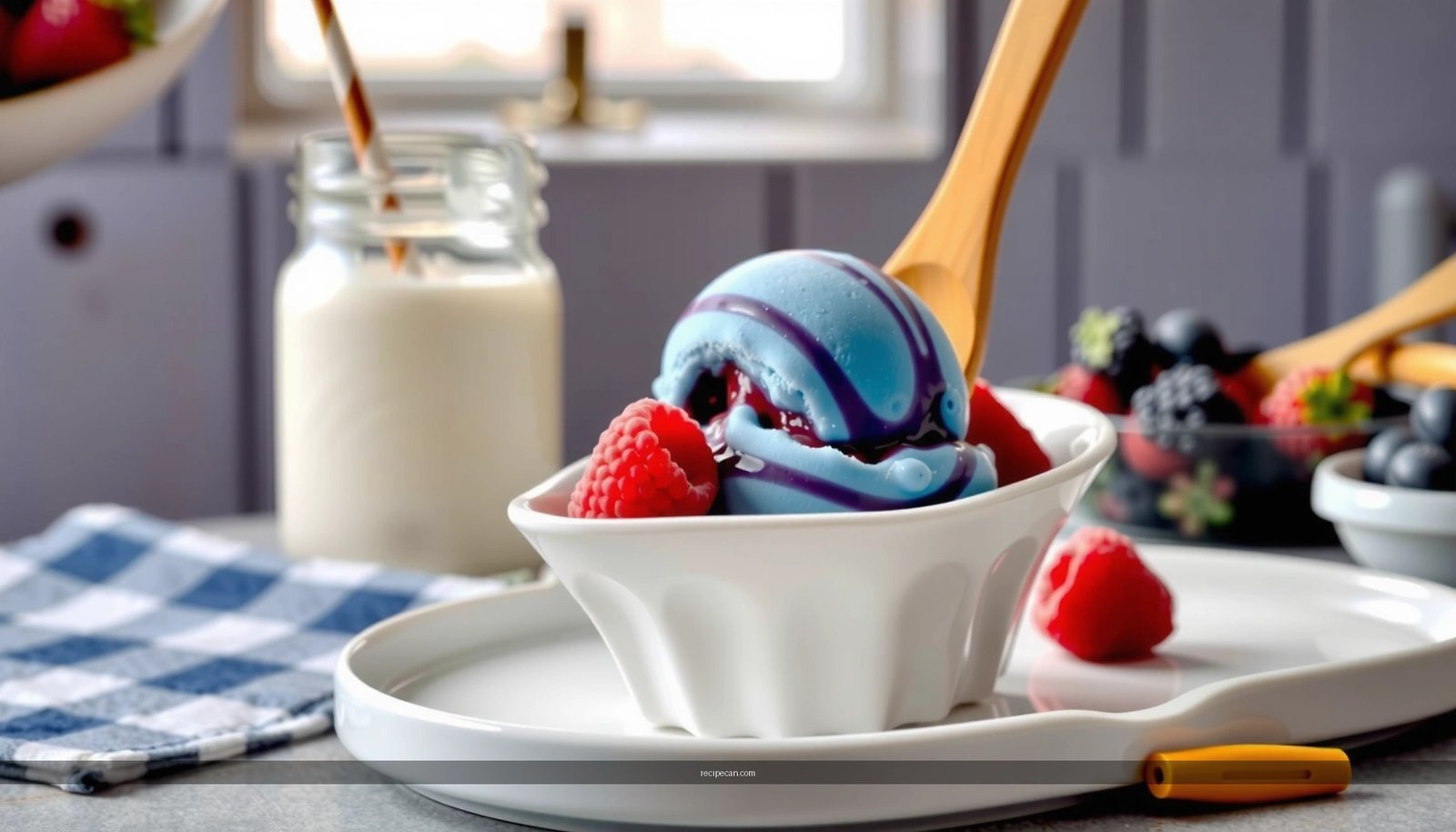
This blue raspberry ice cream recipe delivers the clear winner for a true homemade frozen treat: bright blue flavor and a smooth, scoopable texture without complicated equipment. You’ll learn exactly how to make it step by step, from the base to the churning-freezing process, so it sets up right every time. If you want easy results that taste like your favorite blue raspberry stand, this is the method to follow.
Make blue raspberry ice cream at home by blending a creamy custard-style base with blue raspberry flavor and a touch of blue food coloring, then churning and freezing until scoopable. In this recipe, you’ll get a reliable ingredient list, clear churning guidance, and practical tips to keep the texture smooth and the flavor bright—without icy “freezer-bite” results.
Ingredients for Blue Raspberry Ice Cream
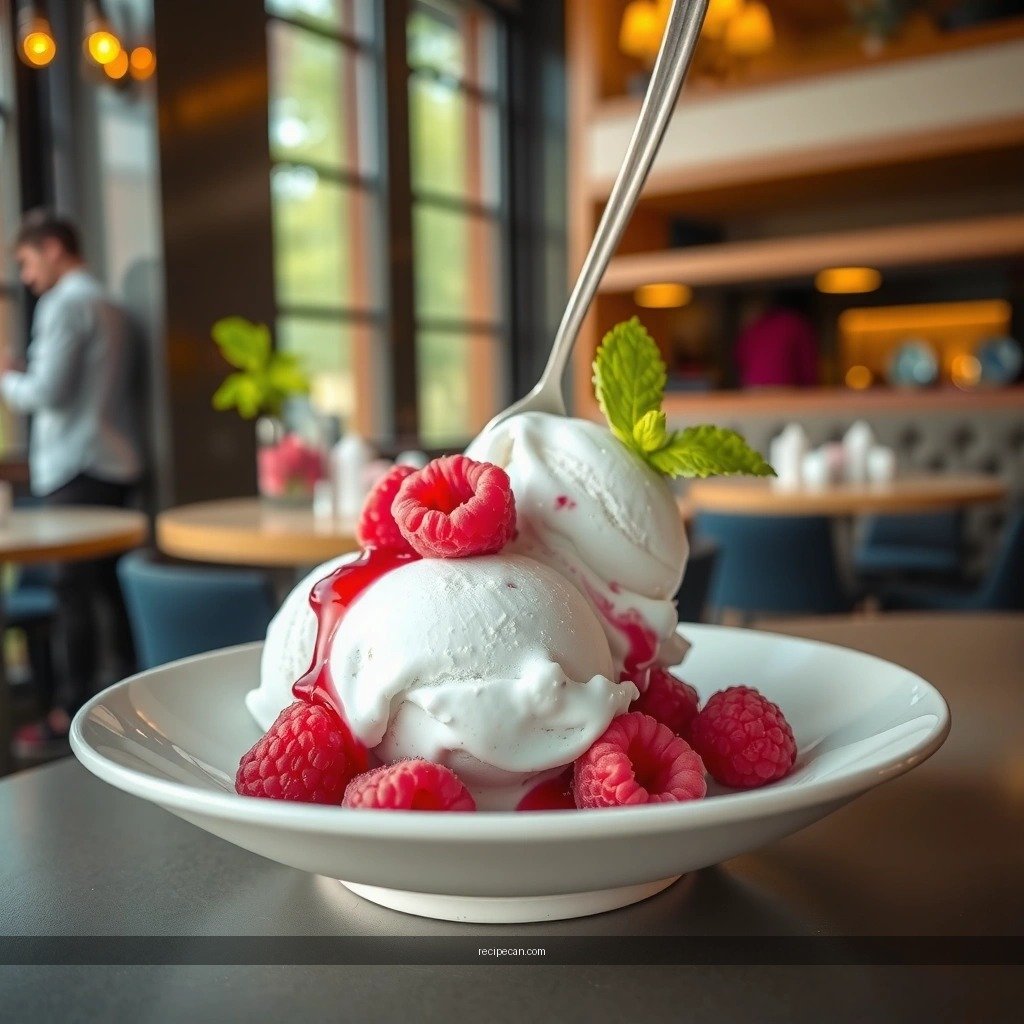
A classic blue raspberry ice cream profile is all about two things: a creamy dairy base and a sharp, candy-like fruit flavor balanced against sweetness. The “blue” look is cosmetic but iconic—use color sparingly so it doesn’t taste artificial.
– Heavy cream: Provides body and a lush mouthfeel.
– Milk: Lightens the base while still supporting a smooth churn.
– Sugar: Sweetens and helps prevent overly hard ice crystal formation in the freezer.
– Blue raspberry flavoring (extract or syrup): This is where the signature taste comes from.
– If using extract, it’s typically more concentrated—start with a smaller amount.
– If using syrup, you may need slightly less sugar overall because syrup often adds sweetness.
– Blue food coloring: A small amount for the vibrant, “candy” blue. Start light and adjust gradually.
If you want a more businesslike level of consistency (and reproducible results for gatherings), treat the flavoring as a “system input” and the sugar/color as “tuning knobs.” Changing one variable can shift both flavor perception and texture.
How to Tune Flavor Strength for Blue Raspberry Ice Cream
| # | Flavoring Type | Suggested Start | Sugar Adjustment | Texture Impact |
|---|---|---|---|---|
| 1 | Blue raspberry extract (concentrated) | 1 tsp per 1.5 cups dairy | No change | Smooth, low-ice risk |
| 2 | Blue raspberry syrup | 3–4 tbsp per 1.5 cups dairy | Reduce sugar by 1–2 tbsp | Slightly softer set |
| 3 | Blue raspberry emulsion | 1–1.5 tsp per 1.5 cups dairy | No change | Very stable flavor |
| 4 | Extract + pinch of citric acid | 1 tsp extract + 1/16 tsp citric | No change | Brighter “candy” tang |
| 5 | Double flavoring (stronger candy vibe) | 2× the recommended amount | Reduce sugar by 1 tbsp | Can taste “perfume-like” |
| 6 | Low-strength flavoring | +25% more than start | No change | May taste muted if underdone |
| 7 | Using flavor + extra vanilla | 1 tsp extract + 1/2 tsp vanilla | No change | More depth, less “flat” fruit |
Make the Ice Cream Base
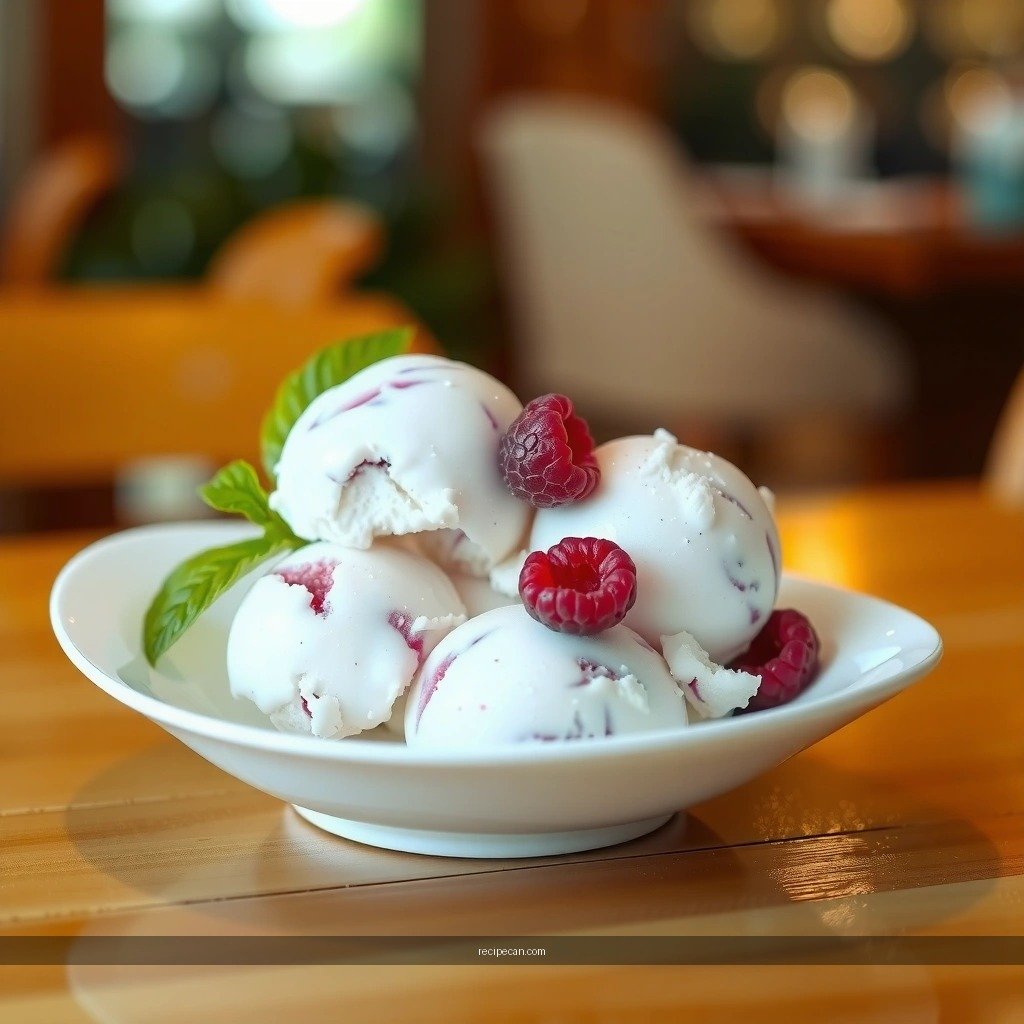
Before you churn, you want a base that’s well-dissolved, fully chilled, and evenly flavored—because your ice cream maker can’t fix uneven sugar or clumps of concentrated flavoring.
– Whisk sugar into the milk and dissolve fully
Sugar isn’t only for sweetness; it also affects how the mixture freezes. Dissolving it prevents graininess and helps produce a smoother texture. Whisk until the sugar disappears—no visible granules.
– Combine with cream
After the sugar dissolves, stir in heavy cream. This gives you a balanced fat-to-water ratio for a creamy churn.
– Stir in flavoring and color until evenly blended
Add your blue raspberry extract/syrup first, then adjust the blue food coloring in small increments. Color intensifies as the mixture chills and as ice crystals form, so “slightly under-blue” before freezing is usually the correct starting point.
Practical workflow tip: mix flavoring and color in a small cup with a spoonful of cold base, then pour it back in. This reduces the chance of concentrated dye pockets.
Churn Until Creamy and Thick
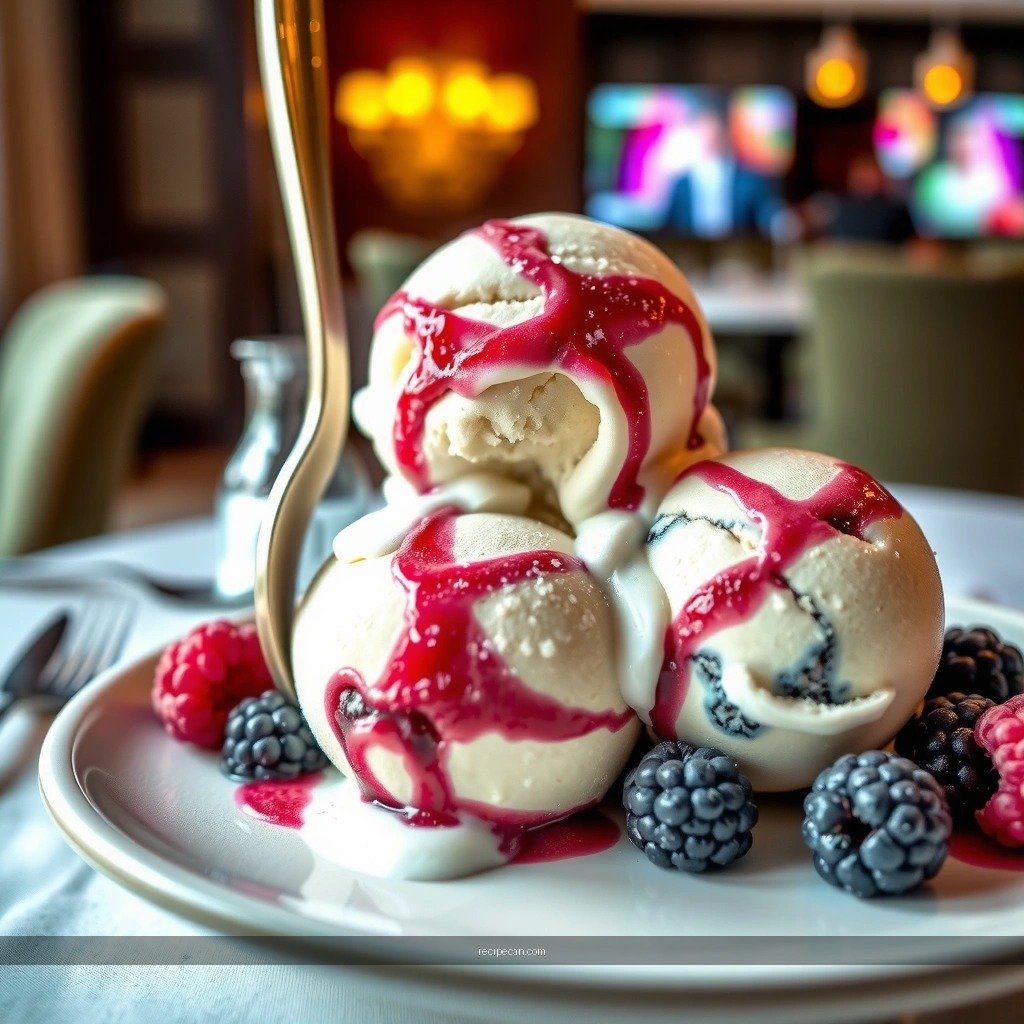
Churning is where the base becomes ice cream. The goal is to incorporate air and partially freeze the mixture so it becomes thick, scoopable, and stable.
– Chill the mixture thoroughly before churning for the best texture
Cold base churns more efficiently and prevents the machine from stalling or producing a loose output. Aim for several hours of refrigeration (or as the recipe directs in your prep plan).
– Churn until it reaches a soft-serve consistency
Most ice cream machines take roughly 20–40 minutes, but the real indicator is texture: it should look like soft-serve—thick enough to hold a line when scooped, not liquid.
Quality control perspective: if the churned mixture feels overly thick, you may have chilled too long or churned too hard; if it feels thin, increase your chill time next batch or churn a little longer. For blue raspberry specifically, over-churning can mute the perception of tangy flavor.
Freeze for Scoopable Texture
Churning alone won’t give scoopable ice cream—you still need a set period to lock in structure and refine texture.
– Transfer to a container and freeze until firm (usually 4+ hours)
During freezing, the mixture transitions from soft-serve to a dense scoop. Giving it enough time matters: underfreezing leads to a sticky, melty-in-the-bowl texture.
– Press parchment against the surface to reduce ice crystals
Ice crystals form when surface air warms the outer layer, increasing evaporation and creating a rougher top. Pressing parchment directly onto the surface creates a barrier and helps preserve a smoother finish.
If you’re serving later the same day, consider portioning into smaller containers. Smaller surface area improves freezing uniformity and makes “first scoop” quality closer to “last scoop.”
Flavor and Texture Tips
Blue raspberry is a flavor category where small adjustments matter. Candy flavors often rely on bright acidity and controlled sweetness to keep the palate refreshed instead of cloying.
– Adjust sweetness with more or less sugar depending on your flavoring strength
Many blue raspberry flavorings vary in intensity and sweetness. If your extract is very potent, you may only need the standard sugar; if your flavoring is mild, increasing sugar slightly can help it register. If your flavoring is syrupy, reduce sugar to avoid an overly sweet finish.
– For extra “candy” vibes, add a touch of sour element
A tiny amount of lemon juice or a small pinch of citric acid can make the flavor feel more like classic blue raspberry candy. Start small—you’re aiming for lift, not a lemon sorbet effect.
– Use color strategically
Blue food coloring doesn’t need to be intense to look bold once frozen. However, insufficient color can make the ice cream appear grayish or washed out, especially under warm indoor lighting.
Texture insight: fat content helps softness, sugar helps freeze resistance, and adequate chilling reduces uneven crystal formation. If you’ve ever had “icy” homemade ice cream, it’s usually a combination of insufficient sugar, under-chilling, or inadequate freeze time.
Storage and Serving Ideas
Even excellent ice cream can degrade if stored improperly. The good news: a few storage practices dramatically improve day-two quality.
– Store in an airtight container to prevent freezer burn
Freezer burn isn’t just about dryness—it creates off flavors and a grainy texture. Keep exposure to air minimal.
– Serve with whipped cream, sprinkles, or sugar-coated berries for contrast
Blue raspberry pairs well with creamy toppings and crunchy textures. Consider:
– Whipped cream to soften perceived tartness
– Sprinkles for visual fun and a textural “snap”
– Sugar-coated berries to add real fruit aroma and brightness
Serving timing matters: let the ice cream sit at cool room temperature for 3–8 minutes before scooping. This improves scoopability without turning it into a puddle.
Blue raspberry ice cream is easy to make: create a creamy flavored base, churn it cold, then freeze for a smooth, scoopable finish. Follow the tips for chilling and preventing ice crystals, and try topping it with your favorite fun add-ins—then make your next batch even better by tweaking the sweetness and color to taste.
Frequently Asked Questions
What’s the best blue raspberry ice cream recipe without artificial ingredients?
For a more natural blue raspberry ice cream recipe, use real raspberry or raspberry concentrate, plus a natural blue coloring option like butterfly pea flower extract or a small amount of spirulina (use sparingly for the right shade). Combine your base cream and sugar, then add raspberry flavoring along with a little lemon juice to boost the tangy “blue raspberry” taste. To thicken and smooth the texture, use egg yolks (custard-style) or cornstarch as a stabilizer. Chill the mixture thoroughly before churning for the best results.
How do I make blue raspberry ice cream at home without an ice cream maker?
Make a custard or simple base (cream, milk, sugar, and flavoring), then chill it completely so it churns smoothly. Pour the chilled mixture into a shallow container and freeze, then stir or whip every 30–45 minutes for the first 2–3 hours to prevent large ice crystals. Once it reaches a soft-scoop texture, let it firm in the freezer. This method works well for a homemade blue raspberry ice cream recipe even if you don’t have a machine.
Why does my blue raspberry ice cream turn icy or grainy?
Icey or grainy texture usually comes from insufficient chilling, incorrect sugar levels, or not using a stabilizer. Blue raspberry flavors can also be thin if you rely only on syrup; adding a touch of lemon juice and either a custard base (egg yolks) or a small amount of cornstarch helps create a smoother scoop. Make sure you churn at the correct time and temperature, and store the ice cream in an airtight container to reduce freezer dehydration. For best results, churn until it’s thick like soft-serve, then freeze promptly.
Which flavor ingredients give the best blue raspberry taste?
The classic “blue raspberry” profile is bright, tart, and candy-like, so use raspberry concentrate or raspberry syrup plus a citrus boost. A small amount of lemon juice or citric acid can mimic the tanginess people expect in blue raspberry ice cream. If you’re aiming for a stronger flavor, add a raspberry extract sparingly and balance sweetness carefully. These additions make your homemade blue raspberry ice cream taste more authentic rather than flat or overly sweet.
How do I prevent the blue color from fading in my blue raspberry ice cream?
Blue coloring can fade over time due to light exposure and ingredient chemistry, so keep your ice cream in an opaque, airtight container and store it in the coldest part of the freezer. If you’re using natural color sources, choose stable options (like butterfly pea flower extract) and avoid overly high heat after color is added. For the best hue, add color and flavoring after the base has cooled slightly, then chill thoroughly. With careful handling, your blue raspberry ice cream recipe will stay vibrant longer.
References
- Google Scholar Google Scholar
https://scholar.google.com/scholar?q=blue+raspberry+ice+cream+recipe - Google Scholar Google Scholar
https://scholar.google.com/scholar?q=ice+cream+custard+base+emulsion+stabilizers+freezing - Google Scholar Google Scholar
https://scholar.google.com/scholar?q=blue+raspberry+flavoring+food+dyes+colorant - Ice cream
https://en.wikipedia.org/wiki/Ice_cream - https://en.wikipedia.org/wiki/Blue_raspberry
https://en.wikipedia.org/wiki/Blue_raspberry - Raspberry
https://en.wikipedia.org/wiki/Raspberry - Ice cream | Definition, History, & Production | Britannica
https://www.britannica.com/topic/ice-cream - https://extension.umn.edu/food-and-nutrition/homemade-ice-cream
https://extension.umn.edu/food-and-nutrition/homemade-ice-cream - https://pubmed.ncbi.nlm.nih.gov/?term=ice+cream+stabilizers+emulsion+review
https://pubmed.ncbi.nlm.nih.gov/?term=ice+cream+stabilizers+emulsion+review - https://www.sciencedirect.com/topics/food-science/ice-cream
https://www.sciencedirect.com/topics/food-science/ice-cream