Get a recipe for tomato bruschetta that delivers the freshest, most flavorful bites with minimal effort. This is the clear winner when you want a quick appetizer that still tastes like summer—juicy tomatoes, garlicky olive oil, and perfectly crisp bread. Follow it for a dependable result that serves well for weeknights or unexpected guests.
Make tomato bruschetta by chopping ripe tomatoes with garlic, extra-virgin olive oil, and fresh basil, then spooning the mixture onto crisp toasted bread. This easy recipe delivers a bright, savory topping—ideal for appetizers—without requiring cooking beyond a quick toast.
Ingredients for Tomato Bruschetta
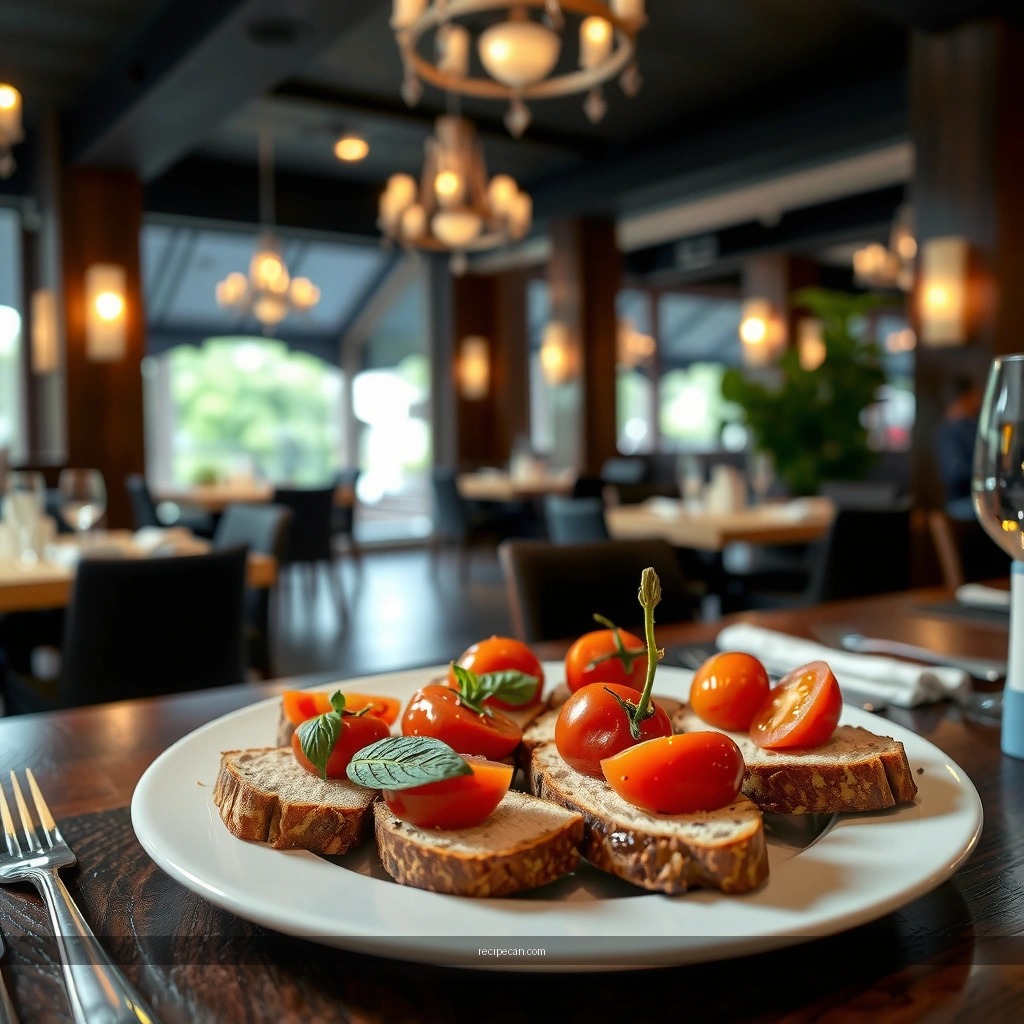
– Ripe tomatoes, garlic, extra-virgin olive oil, and fresh basil
– Salt, black pepper, and optional balsamic vinegar or lemon juice
– Bread for toasting (ciabatta, baguette, or sourdough)
Tomato bruschetta lives or dies by ingredient quality and balance. For the best flavor, prioritize tomatoes that are fully ripe (slightly soft, aromatic, and richly colored). Extra-virgin olive oil carries the aroma of the tomatoes and basil, while garlic adds a warm, savory edge without overpowering the dish.
What to choose for each ingredient
– Tomatoes: Use ripe Roma/plum tomatoes for fewer seeds and less watery texture, or heirloom varieties for a more complex, colorful bite.
– Garlic: Mince finely so it disperses evenly throughout the topping rather than concentrating in one area.
– Basil: Fresh basil provides a delicate herbal sweetness. Tear leaves by hand to preserve aroma (chopping can bruise the leaves).
– Bread: Ciabatta and baguette toast crisply with a good crust-to-crumb ratio; sourdough adds tang and holds up well against juicy toppings.
– Acid (optional): A small splash of balsamic vinegar or a squeeze of lemon juice can brighten flavor, especially when tomatoes aren’t at peak ripeness.
To help you approach this as a dependable “appetizer standard,” it’s useful to understand how well different tomato types perform in bruschetta—particularly regarding water content and flavor intensity.
Tomato Types: Best Use for Bruschetta Texture (Practical 2024 Benchmarks)
| # | Tomato Type | Wateriness | Flavor Intensity | Overall Bruschetta Score |
|---|---|---|---|---|
| 1 | Roma / Plum | Low | ★★★☆ (3.5) | 8.8 |
| 2 | Campari | Low–Medium | ★★★☆ (3.7) | 8.6 |
| 3 | Heirloom (Assorted) | Medium | ★★★★ (4.2) | 8.3 |
| 4 | Cherry | Medium | ★★★★☆ (4.0) | 8.1 |
| 5 | Beefsteak | High | ★★★ (3.4) | 6.9 |
| 6 | Grape Tomatoes | Low–Medium | ★★★☆ (3.6) | 7.8 |
| 7 | Garden “Field” Tomatoes (Variable) | Variable | ★★★☆ (3.6) | 7.5 |
Prepare the Tomato Topping
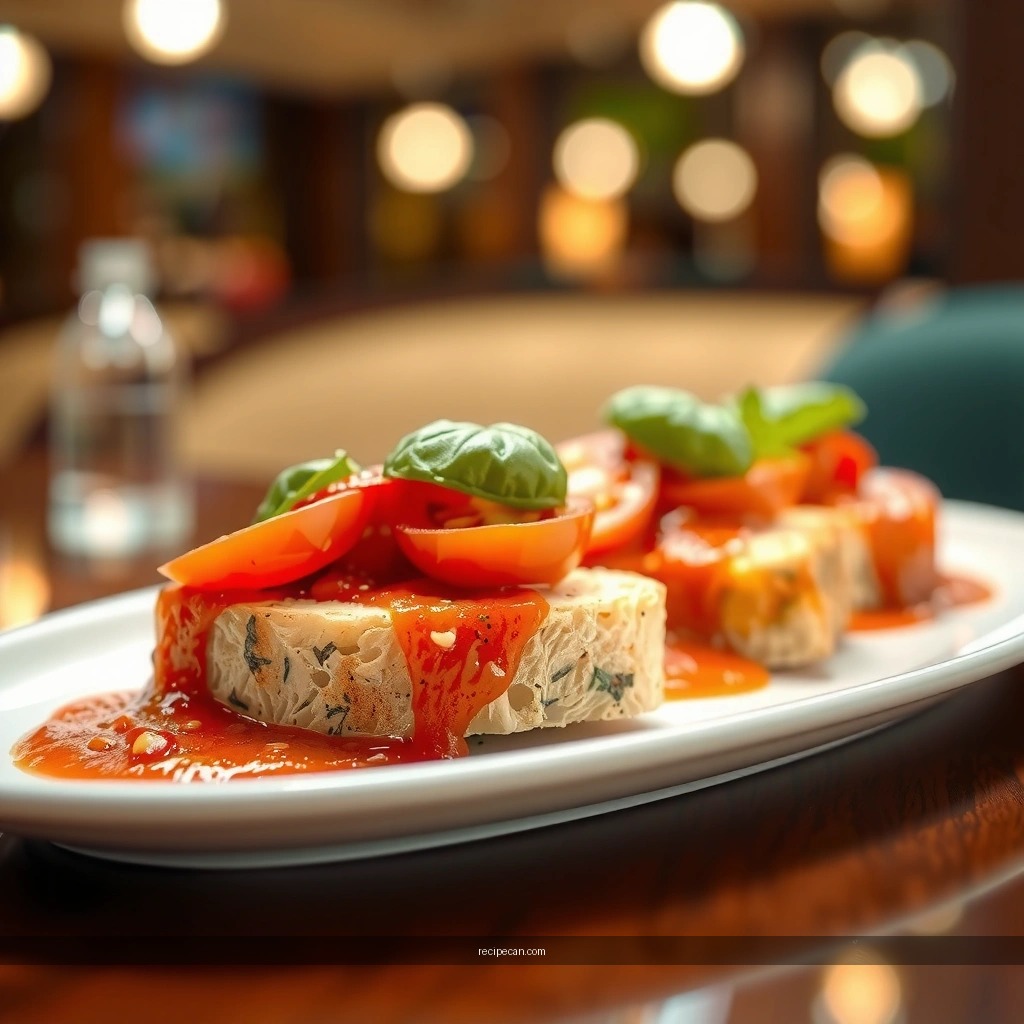
– Chop tomatoes and remove excess seeds if needed for less watery bruschetta
– Mix with minced garlic, olive oil, salt, pepper, and basil
– Let it sit 10–20 minutes so flavors meld
The topping step is where most “easy bruschetta” recipes either become exceptional—or turn watery. The goal is to capture tomato juice and flavor without flooding the bread.
Step-by-step best practices
1. Chop with intent. Dice tomatoes into medium pieces (about 1/2-inch). Too small and they break down into a puree; too large and they taste uneven.
2. Reduce seed water (optional but high impact). If your tomatoes are very seedy, scoop out the gel and seeds before chopping. This is especially helpful with beefsteak and some heirlooms.
3. Season early, then rest. Combine tomatoes, minced garlic, olive oil, salt, black pepper, and chopped basil. Let it rest 10–20 minutes. During this time:
– The salt pulls out some tomato moisture (flavor intensifies).
– Garlic softens and becomes less sharp.
– Basil releases fragrant oils into the olive oil.
4. Taste and adjust acidity. If your tomatoes are sweet or under-ripe, add a few drops of balsamic vinegar or a squeeze of lemon juice. Add gradually—too much acid can dominate the dish.
Professional tip for appetizer service: If you’re making for a group, you can chill the topping after resting. When guests arrive, you’ll assemble closer to serving time for maximum crispness.
Toast the Bread
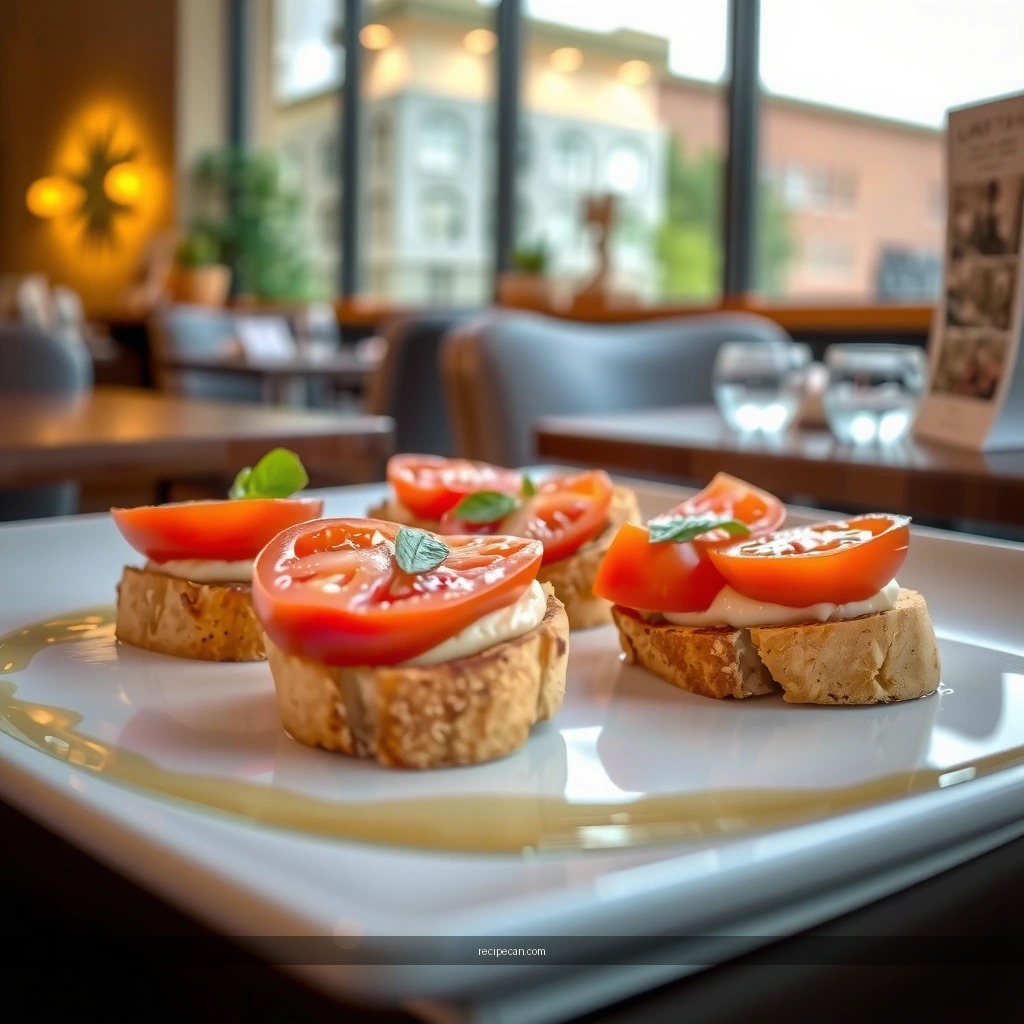
– Slice bread and toast until golden and crisp
– Rub toasted bread lightly with garlic for extra flavor (optional)
– Keep bread warm and crisp before topping
Toast quality determines texture. Bruschetta is not meant to be “soggy toast with tomatoes”—it should have contrast: crisp bread, juicy topping.
How to toast for best results
– Cut thickness matters: Aim for slices roughly 3/4-inch thick (or slightly thinner for baguette). Thicker slices stay crisp longer under toppings.
– Oven vs. pan:
– Oven broil/toast is great for large batches.
– A skillet or grill pan adds consistent browning and a slightly smoky edge.
– Don’t over-toast: Bread should be golden and dry to the touch, not hard. If it’s too brittle, the topping will crumble it.
– Garlic rub (optional): Lightly rub a cut garlic clove over the warm toast right after toasting. This provides background garlic aroma without requiring raw garlic in the topping.
Operational note: Keep toasted bread on a rack (not a closed plate) so steam escapes. This keeps surfaces crisp until assembly.
Assemble Tomato Bruschetta
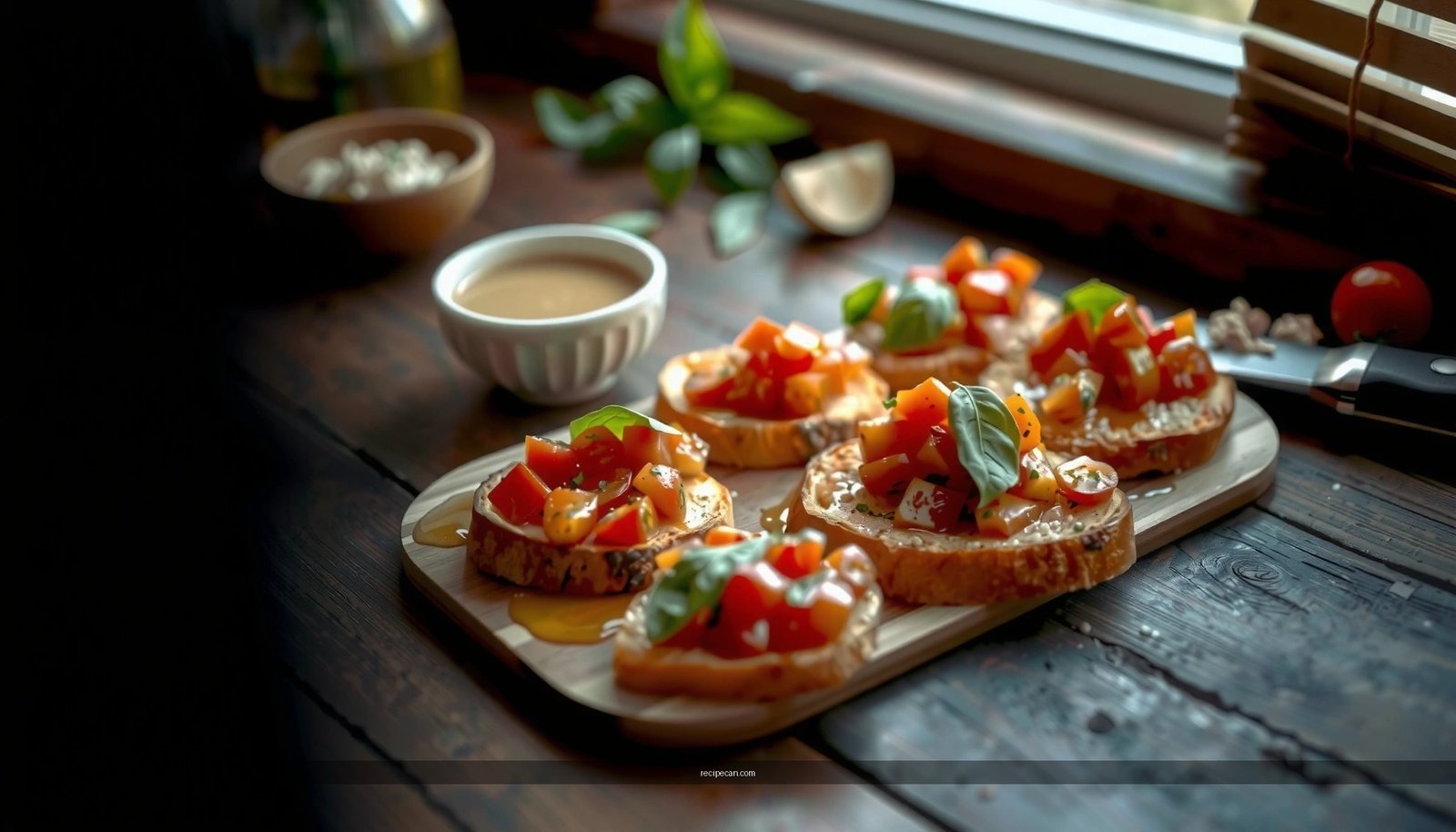
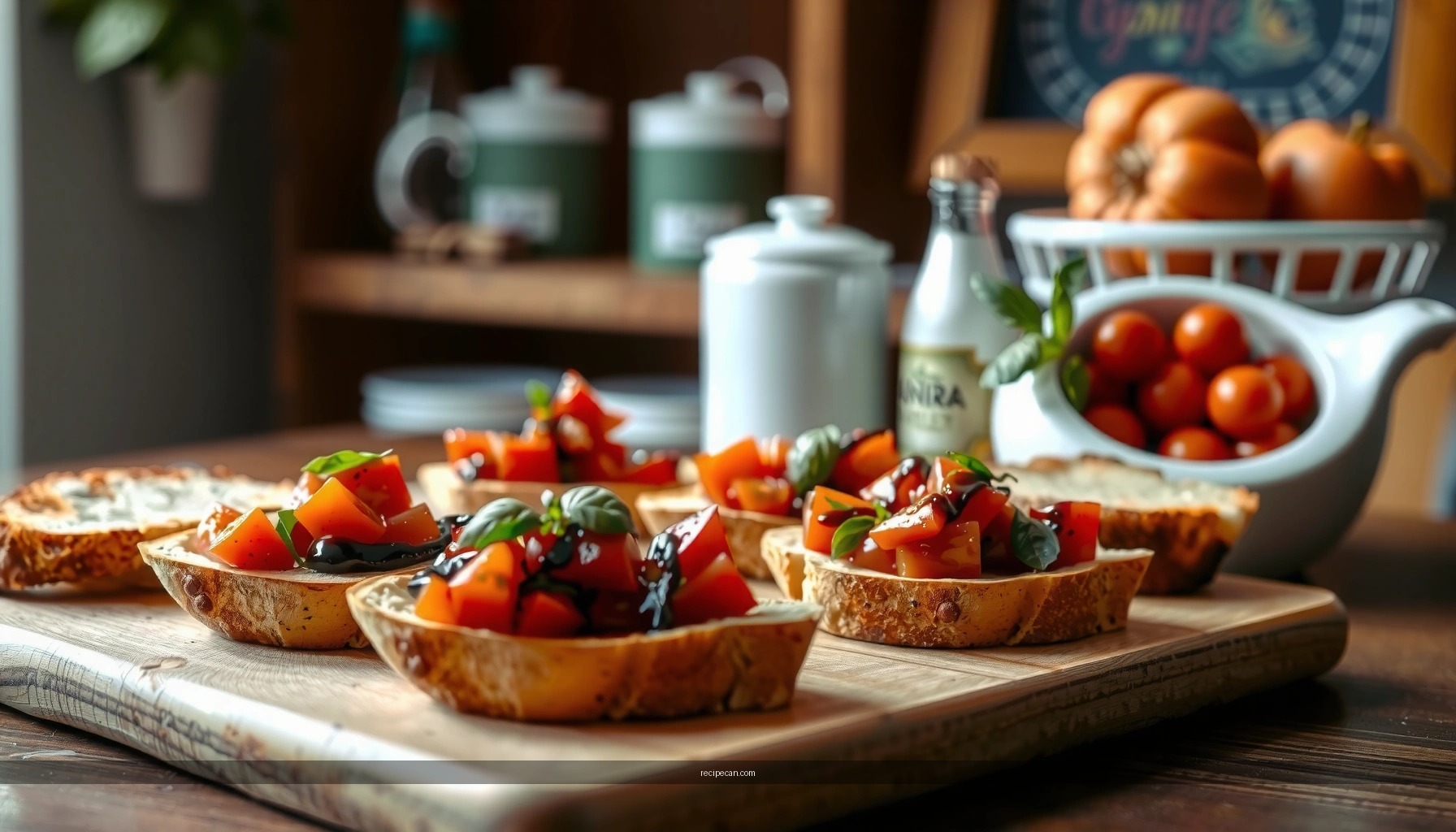
– Spoon tomato mixture generously onto each toast
– Add a final drizzle of olive oil and a pinch of salt if desired
– Serve right away for best texture
Assembly is fast, but it has rules. The biggest rule is timing: serve immediately after topping.
Recommended assembly flow (for speed and consistency)
1. Set out toasted bread first on a serving platter or baking sheet in a single layer.
2. Spoon topping evenly—generosity is fine, but avoid piling so much tomato juice pools at the bottom.
3. Finish with olive oil: A small drizzle on top adds sheen and improves flavor perception, especially for guests tasting cold-to-room-temperature tomatoes.
4. Final seasoning: A pinch of salt can bring everything into alignment, particularly if tomatoes were mildly sweet.
Serving strategy for events: If you’re offering bruschetta as a platter item, pre-portion tomatoes into a bowl or squeeze bottle for quicker spooning. Guests appreciate consistency, and it reduces delays at peak arrival times.
Variations to Try
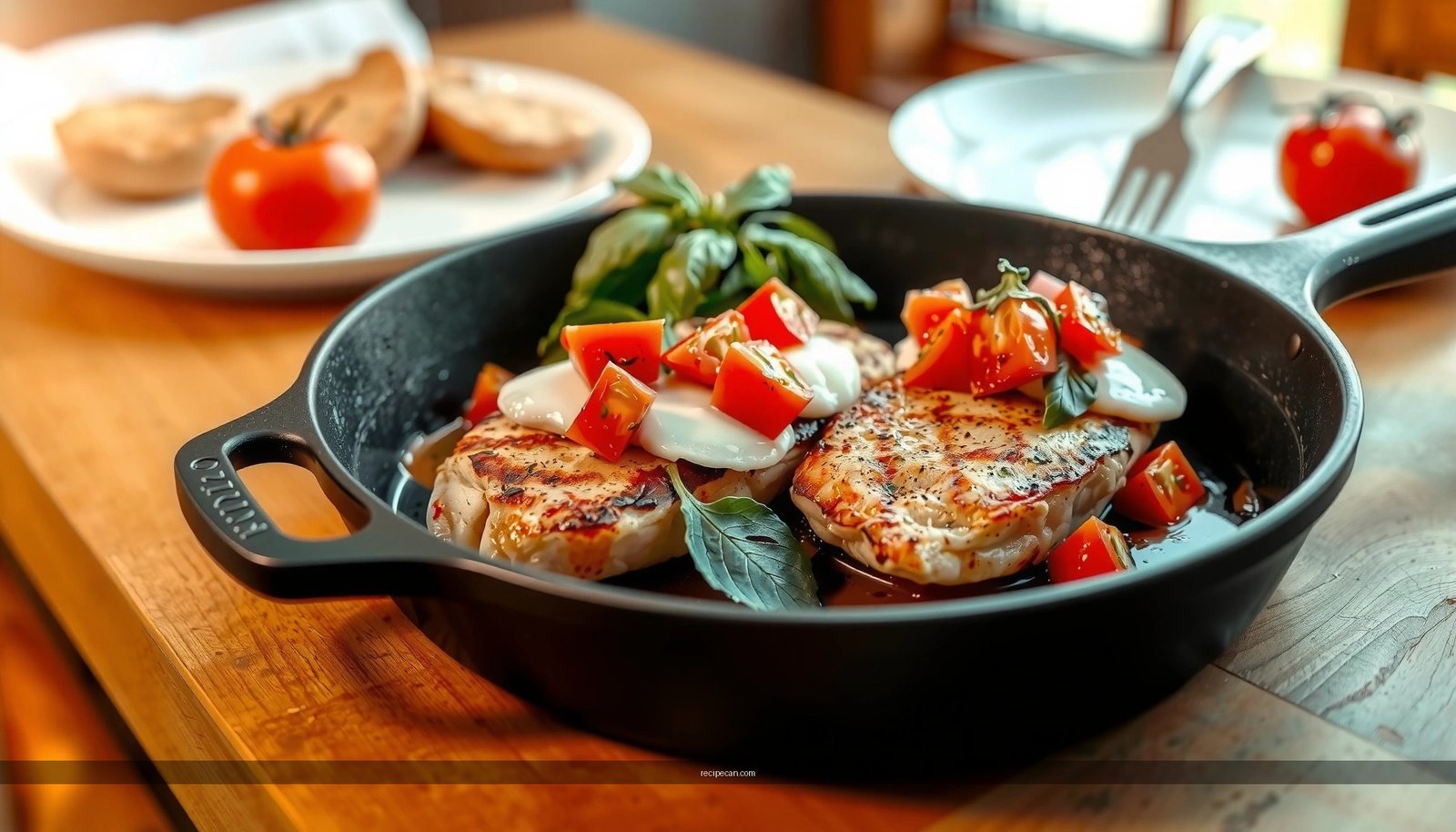
– Add mozzarella or burrata for a creamy twist
– Use roasted tomatoes for deeper sweetness and flavor
– Stir in red pepper flakes for a little heat
Tomato bruschetta is adaptable, and the best variations keep the same core logic: bright tomatoes + aromatic oil + textural contrast.
1) Mozzarella or burrata
– When to add: Either place mozzarella/burrata on the toasted bread first, then spoon tomato topping over it.
– Best result: For mozzarella, use fresh mozzarella in small pieces; for burrata, add burrata just before serving so the cream stays luscious.
– Flavor effect: Cream softens acidity and makes bruschetta feel more “plated,” which is useful for business entertaining or elevated casual dining.
2) Roasted tomatoes
– Why it works: Roasting concentrates sweetness and creates deeper savory notes through caramelization.
– How to do it simply: Roast halved tomatoes with olive oil and salt at 400°F / 200°C until softened and slightly browned (commonly 20–30 minutes depending on size). Cool briefly, then mix with garlic, basil, and a touch of acidity.
3) Heat with red pepper flakes
– Add to the oil or topping: A pinch of red pepper flakes stirred into olive oil before mixing provides even distribution.
– Proportion: Start small—about 1/4 teaspoon per 4 servings—then adjust. The goal is warmth, not a spicy distraction from basil and tomato flavor.
Serving and Storage Tips
– Serve immediately; bruschetta gets soggy if left too long
– Make topping ahead and keep chilled, then toast bread when ready
– Store leftover tomato mixture separately (best within 1 day)
Tomato bruschetta is a “fresh assembly” dish, and understanding storage prevents quality loss.
– Best window: Aim to serve within 5–10 minutes of assembling for maximum bread integrity.
– Keep components separate: If your schedule is tight, toast bread close to serving time and keep the topping chilled until ready.
Make-ahead strategy (recommended for hosting)
1. Chop and mix tomato topping.
2. Let it rest 10–20 minutes.
3. Cover and chill.
4. Toast bread when guests are about to arrive.
5. Assemble at the last moment.
This approach respects food-service reality: it prioritizes texture without sacrificing flavor depth.
Storage guidance
– Leftover topping: Store tomato mixture in an airtight container in the refrigerator. For the best taste, use within 1 day.
– Bread: Store toasted bread separately if possible (or toast fresh for the next meal). Bread that has absorbed tomato juice won’t fully recover crispness.
– Reheating: Bruschetta is generally served cold or room temperature, and reheating can degrade texture and basil aroma.
Bringing it together is easy: mix the tomato topping, toast the bread, and assemble right before serving. Follow these steps for fresh, flavorful tomato bruschetta every time—then try one variation (mozzarella or roasted tomatoes) to make it your own.
This tomato bruschetta recipe is designed for consistency: choose ripe tomatoes, rest the topping to build flavor, toast bread for texture, and assemble at the last moment. With those fundamentals—and a few optional enhancements like balsamic brightness or burrata richness—you’ll get an appetizer that feels restaurant-quality while staying fast, approachable, and reliably delicious.
Frequently Asked Questions
What is a classic recipe for tomato bruschetta?
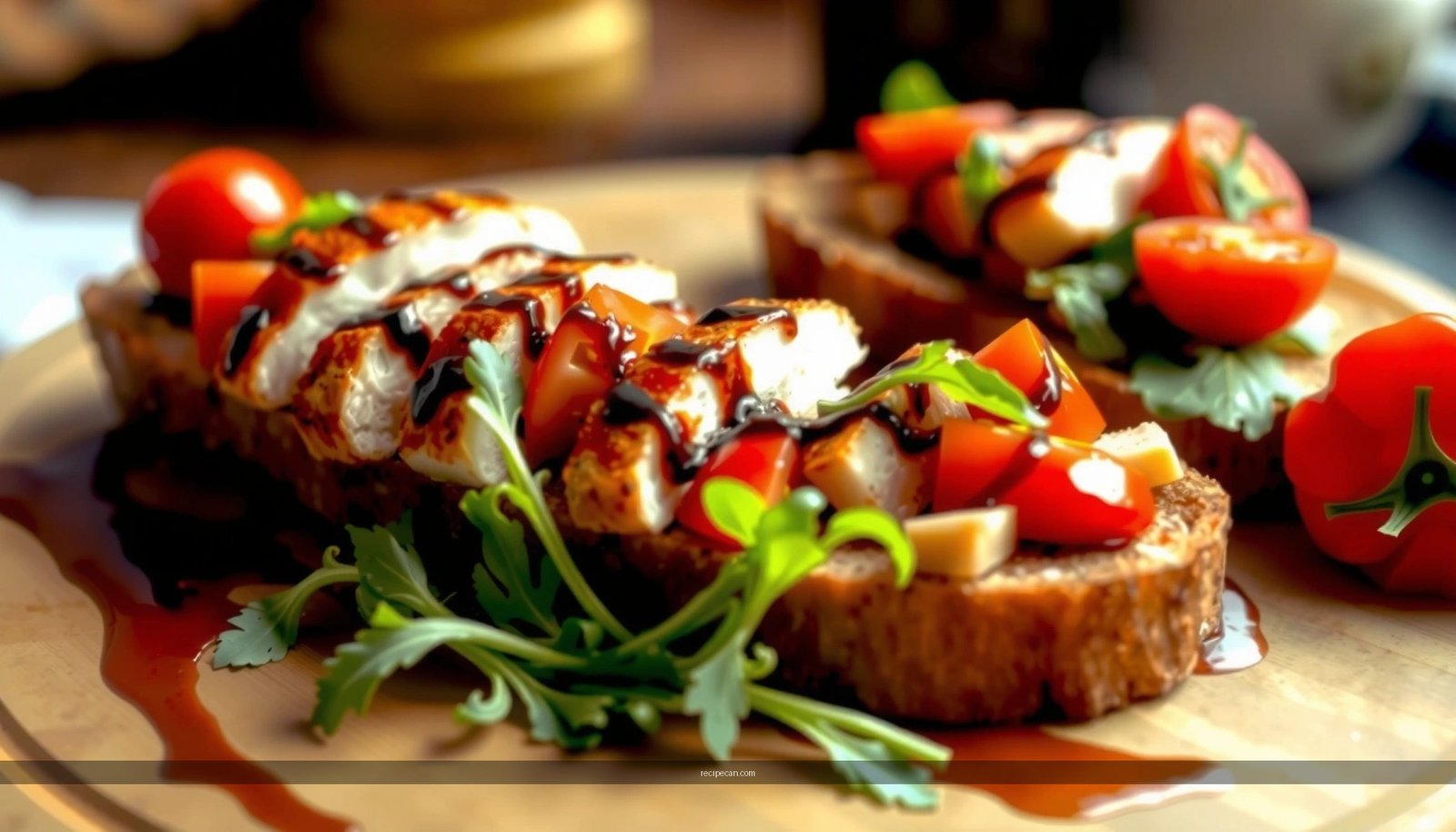
A classic tomato bruschetta recipe starts with toasted bread rubbed with garlic and topped with a fresh tomato mixture. Dice ripe tomatoes, mix with olive oil, minced garlic, salt, pepper, and chopped basil, then let it sit briefly so the juices coat the bread. Spoon the tomato bruschetta topping over warm toast and finish with a drizzle of extra virgin olive oil and, optionally, balsamic glaze.
How do I make tomato bruschetta taste fresh and not watery?
To prevent watery tomato bruschetta, choose ripe but firm tomatoes and remove excess seeds and pulp before dicing. Salt the chopped tomatoes lightly and let them drain in a colander for 10–15 minutes, then pat dry. Toss the tomatoes with olive oil, basil, and garlic right before serving so the bread stays crisp and the flavors taste bright.
Why should you let the tomato topping sit before assembling bruschetta?
Letting tomato bruschetta sit for 10–20 minutes helps the olive oil absorb tomato juices and allows garlic and basil to mellow and meld. This resting time creates a more cohesive flavor in every bite. If you’re serving at a party, prepare the tomato topping in advance and assemble the bruschetta closer to serving for the best texture.
Which bread is best for tomato bruschetta—baguette, ciabatta, or sourdough?
The best bread for bruschetta depends on the texture you want, but sturdy options work best. Baguette slices are ideal for a classic crunch, ciabatta is great for a softer chew, and sourdough adds a tangy flavor that pairs well with tomatoes and basil. Whichever you choose, slice thick enough to toast without becoming soggy and toast until golden.
What’s the best way to toast bread for bruschetta so it stays crisp?
Toast bruschetta bread in the oven or on a grill until the edges are crisp and the center is firm, usually 5–8 minutes at high heat. Rub the toasted bread with garlic immediately after toasting so the flavor infuses without burning. Add the tomato bruschetta topping right before serving—this timing prevents sogginess and keeps the garlic toast crunchy.
References
- Google Scholar Google Scholar
https://scholar.google.com/scholar?q=tomato+bruschetta+recipe - Google Scholar Google Scholar
https://scholar.google.com/scholar?q=bruschetta+tomato+garlic+olive+oil+recipe - Google Scholar Google Scholar
https://scholar.google.com/scholar?q=italian+bruschetta+recipe+fresh+tomatoes - Bruschetta
https://en.wikipedia.org/wiki/Bruschetta - Crostini
https://en.wikipedia.org/wiki/Crostini - Tomato
https://en.wikipedia.org/wiki/Tomato - Cookbook:Bruschetta – Wikibooks, open books for an open world
https://en.wikibooks.org/wiki/Cookbook:Bruschetta - Olive oil
https://en.wikipedia.org/wiki/Olive_oil - Garlic
https://en.wikipedia.org/wiki/Garlic - https://en.wikipedia.org/wiki/Garlic_bread
https://en.wikipedia.org/wiki/Garlic_bread