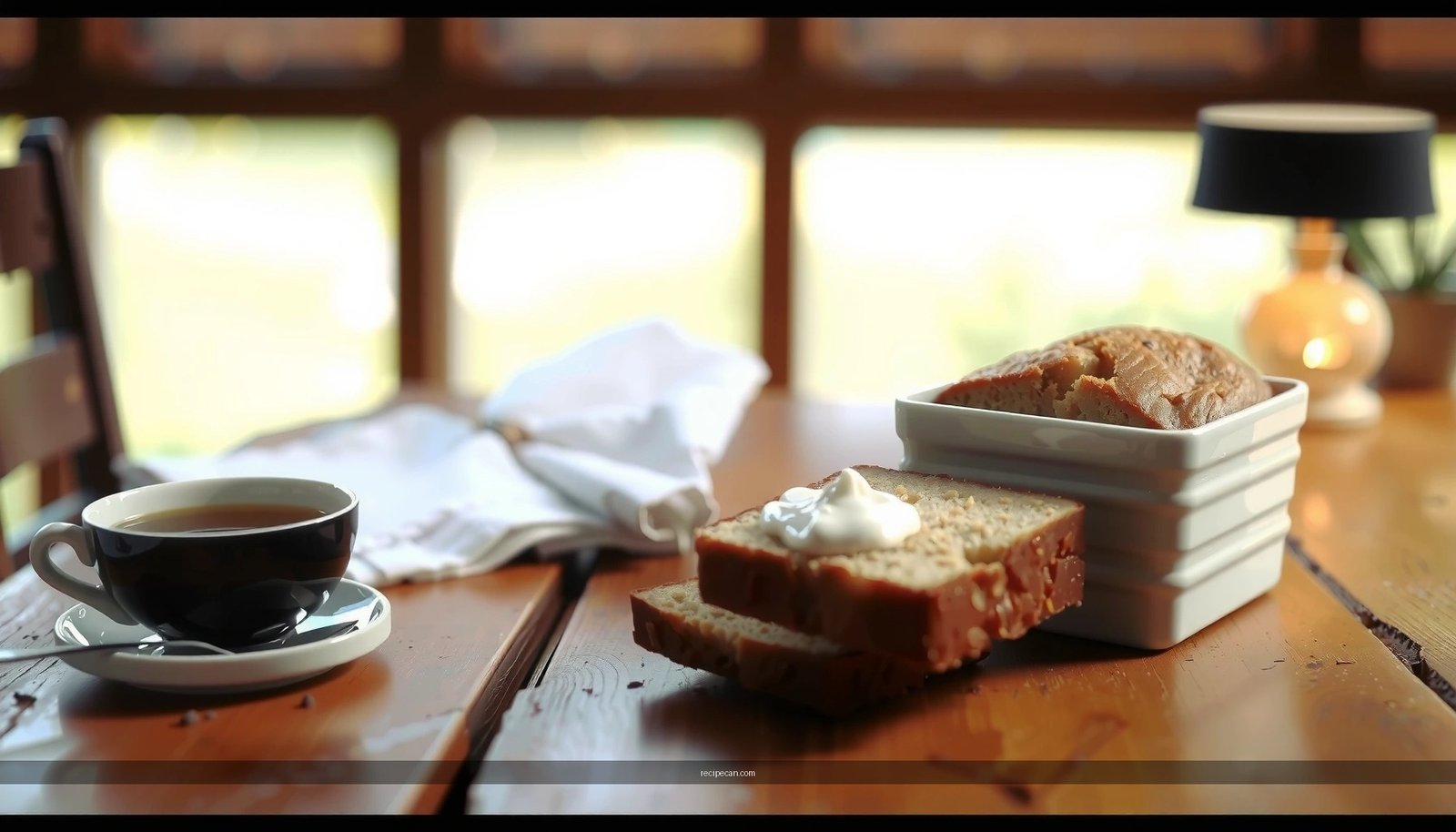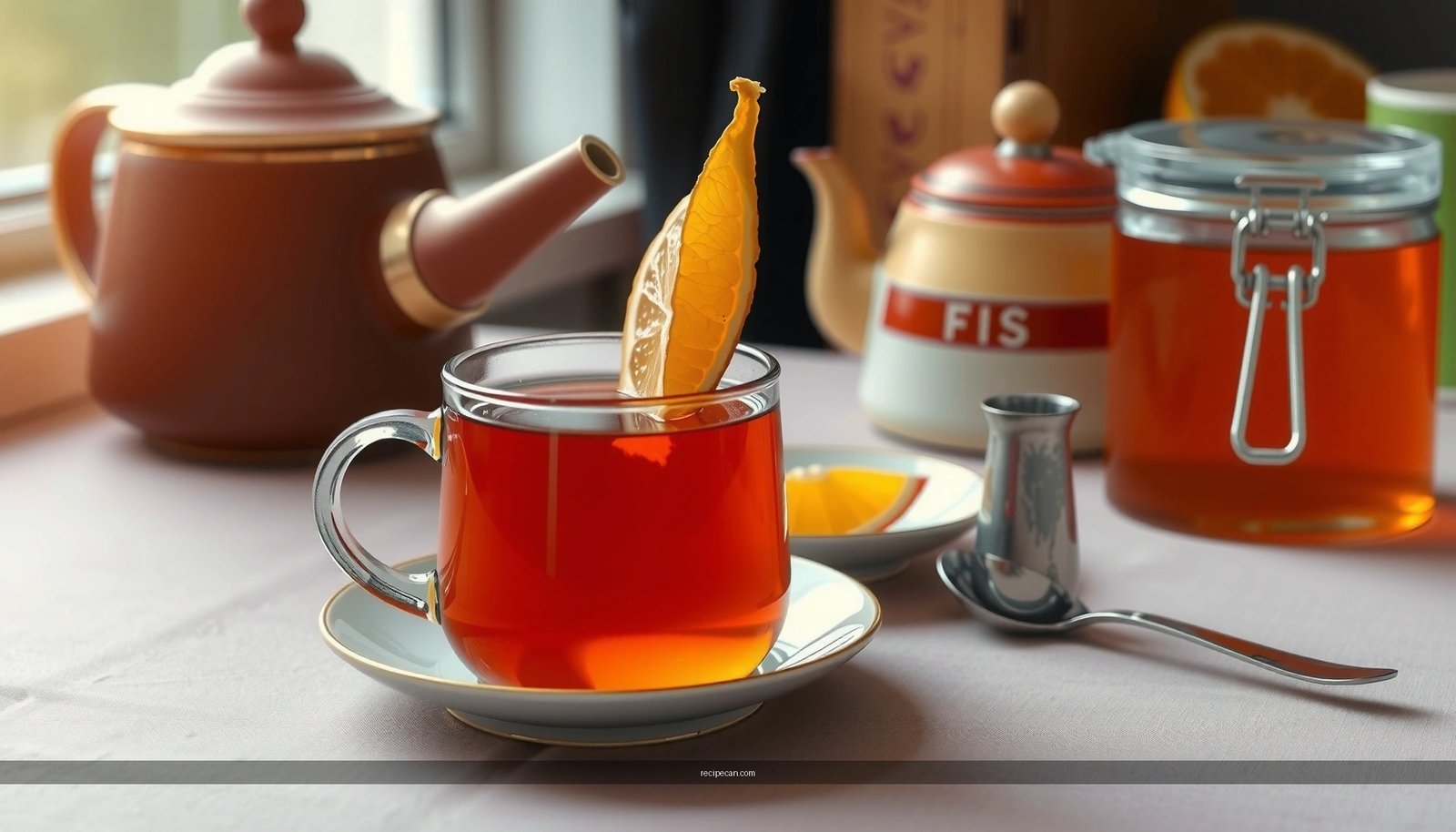
Get the Tokyo tea drink recipe you can make at home—easy, refreshing, and ready fast. This step-by-step guide answers the only question that matters: how to brew, sweeten, and chill Tokyo-style tea to taste right every time. If you want a crisp, cooling drink for warm days without complicated ingredients, this is the clear winner.
Brew your tea, chill it thoroughly, sweeten it lightly while warm, then pour it over ice with optional citrus or milk for a clean, café-style Tokyo tea drink at home. This recipe focuses on the simplest method, the most reliable tea-to-water ratio, and practical add-ins so you can match the flavor profile you want—crisp and grassy, roasted and cozy, or creamy and smooth.
In Tokyo, “tea drinks” often land somewhere between traditional brewing and modern cold beverages: the tea is brewed with intention, cooled fast enough to preserve aromatics, and balanced with modest sweetness rather than heavy syrup. The result is refreshing without tasting watery—provided you use the right ratio, chill properly, and sweeten at the right time.
Tea Serving Choices That Shape Tokyo-Style Iced Drinks (Practical Guide)
| # | Tokyo-Inspired Option | Best Tea Base | Target Brew Strength | Cold Sweetness Match |
|---|---|---|---|---|
| 1 | Classic Iced Green Tea | Sencha / Bancha | ★ ★ ★ ☆ | Low (1–2 tsp sugar/L) |
| 2 | Roasted Hojicha Iced Tea | Hojicha (stems/leaf) | ★ ★ ★ ★ | Low–Medium (2–4 tsp/L) |
| 3 | Yuzu-Pressed Iced Tea | Green tea | ★ ★ ★ | Low (1–3 tsp/L) |
| 4 | Lemon-Salted Iced Tea | Green tea | ★ ★ ☆ ★ | Very Low + pinch salt |
| 5 | Creamy “Tea Latte” Style | Hojicha or green | ★ ★ ★ ★ | Medium (3–6 tsp/L) |
| 6 | Ginger Iced Tea (Zing + Warm Notes) | Green or hojicha | ★ ★ ★ | Low–Medium (2–4 tsp/L) |
| 7 | Unsweetened “Tea-Forward” Cold Brew | Green / roasted | ★ ★ | 0 tsp (taste test advised) |
Choose Your Tokyo-Style Tea Base
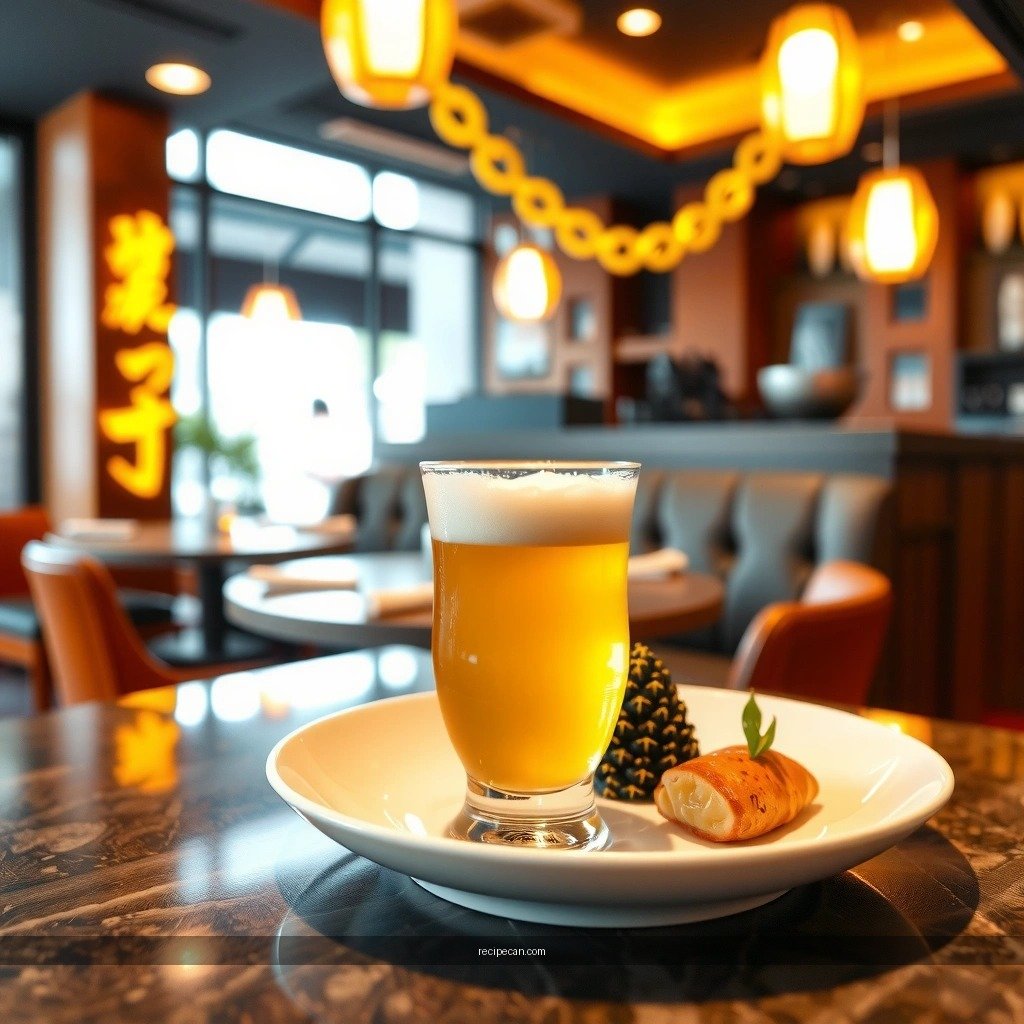
Tokyo-style iced tea drinks typically start with one of two Japanese-friendly directions: green tea for crisp brightness or hojicha for roasted comfort. The base you choose determines not only flavor, but also how easily the tea “holds up” when cooled and diluted by ice.
Green tea (sencha or bancha)
– Flavor: grassy, fresh, mildly vegetal, with a clean finish
– Works best for: citrus-forward versions (yuzu/lemon), lightly sweetened drinks, and “tea-forward” profiles
– Watch-outs: overbrewing or using too-hot water can push bitterness, which becomes more noticeable in cold beverages
Hojicha (roasted green tea)
– Flavor: toasted, nutty, caramel-like, less astringent
– Works best for: creamy or milk-based drinks, ginger pairings, and people who find green tea “too sharp”
– Benefit: hojicha is more forgiving—its roasted character tends to taste smoother even when chilled
Quality matters more than people expect. With iced tea, the aroma you brew is what you’ll taste later—there’s no “steam diffusion” to hide flaws. Use quality loose-leaf or a consistently dependable bottled/packaged brand, and keep the same tea for multiple test batches so you can adjust sweetness and strength with confidence.
Brew Like a Pro (Taste-Controlled)
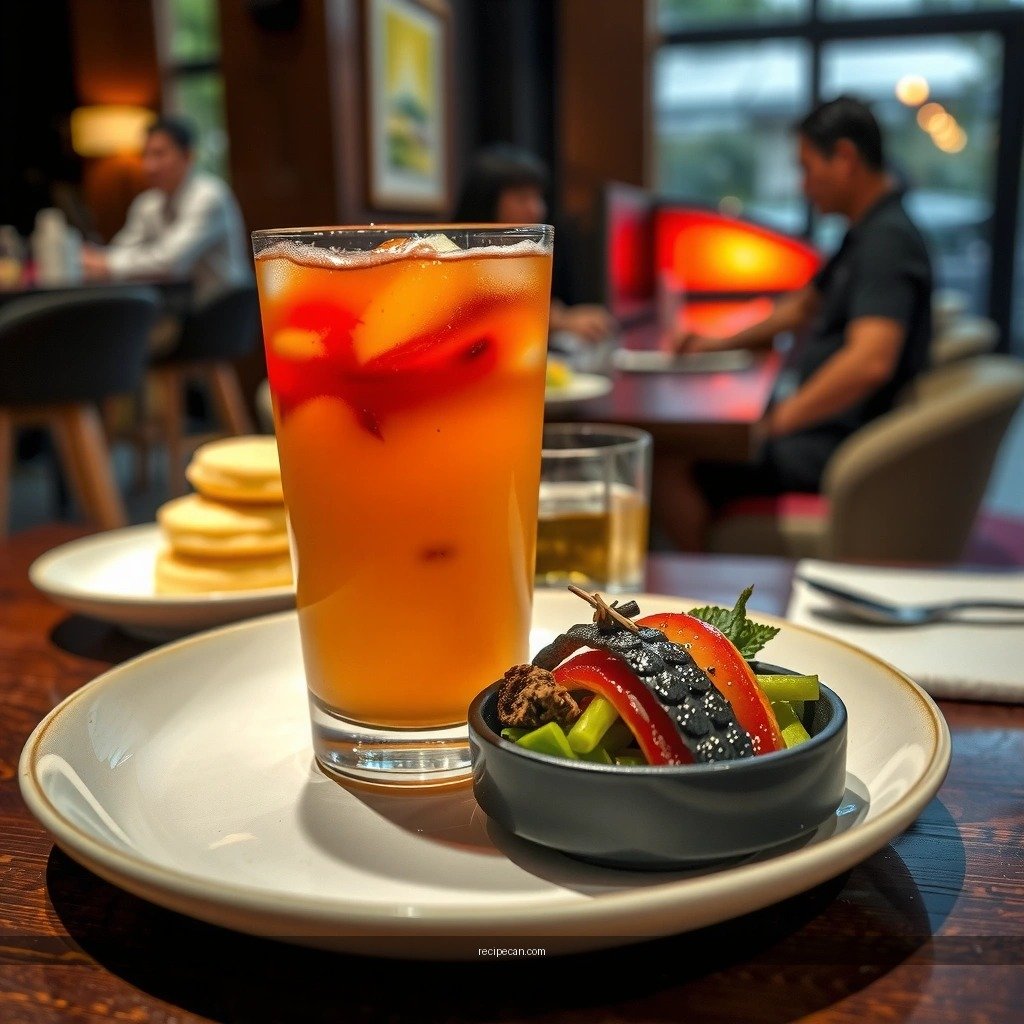
A Tokyo-style iced tea drink succeeds or fails on brew temperature, steep time, and tea-to-water ratio—because ice will dilute and cold will mute some aromatics. The simplest approach is to brew slightly stronger than you normally would, then chill fully.
Recommended brew parameters (per 500 mL / ~16.9 oz)
– Green tea (sencha/bancha)
– Water temperature: 70–80°C (158–176°F)
– Tea amount: 4–6 g loose leaf
– Steep time: 1.5–2.5 minutes
– Hojicha
– Water temperature: 90–95°C (194–203°F)
– Tea amount: 5–7 g loose leaf
– Steep time: 2–4 minutes
If you prefer a single “baseline,” start with 5 g tea per 500 mL for either base, then adjust by taste:
– Want more body? Increase tea amount by 0.5–1 g or steep 30–60 seconds longer
– Want less bitterness/astringency? Reduce steep time or drop temperature for green tea
Why temperature control matters
Green tea’s delicate compounds extract quickly and can turn harsh if the water is too hot or the steep is too long. Hojicha, on the other hand, is roasted, which reduces the perception of sharp bitterness and gives you more flexibility on temperature and timing.
Make it taste-controlled, not guesswork: Brew one small batch (e.g., 250 mL), taste it warm, then decide whether you need stronger tea or more sweetness before you scale up.
Sweeten and Flavor Options

The key Tokyo-inspired insight: sweeten while warm. Sugar (and honey) dissolves more readily in warm tea, and the sweetness integrates better with the tea’s flavor. In contrast, dissolving sweeteners in cold tea often leaves uneven pockets or dulls aroma.
How to sweeten
– Add honey or sugar after steeping, while the tea is still warm
– Start with modest amounts, then refine after chilling (because cold drinks taste less sweet)
A practical starting point for many iced tea drinks:
– Low sweetness: 1–2 tsp sugar (or equivalent honey) per 1 liter
– Medium sweetness: 2–4 tsp per 1 liter
– Milk/latte style: 3–6 tsp per 1 liter, depending on milk type and preference
Flavor boosters (add-ins with real impact)
You can layer flavor without overwhelming the tea:
– Lemon or yuzu: Use a few teaspoons of juice or 1–2 thin slices per serving
– Ginger: Add grated ginger (light infusion) or a small amount of ginger syrup—start minimal so it doesn’t dominate
– Pinch of salt: A tiny pinch can reduce bitterness perception and make green tea taste “cleaner”
– Note on acidity: Citrus brightens, but too much can make the tea taste metallic—balance with a slightly stronger brew or tiny sweetness increase
For a business-minded “consistency” mindset: decide on one citrus source (fresh lemon vs. bottled yuzu) and measure it by volume so the profile stays repeatable.
Chill and Build the Drink
Once brewed, cooling method is where many homemade recipes go wrong. If you skip proper chilling, you end up with tea that tastes muted and slightly “flat,” even if your brewing was excellent.
Two reliable options:
1. Chill fully before serving
– Let tea cool to room temperature
– Refrigerate until cold (typically 1–2 hours)
2. Brew ahead for best results
– Brew in the morning or day before
– Refrigerate overnight for a smoother, more integrated taste
Building the glass for a clean finish
– Fill a glass with ice
– Pour chilled tea over the ice
– Strain if you used loose leaf and don’t want any leaf particles
Pro tip: Use larger ice cubes if possible. They melt slower, maintaining flavor intensity longer—especially important for lower-sweetness drinks.
Add-Ins for the Right Texture
Tokyo iced tea drinks aren’t just about taste; they’re also about texture—whether you want crisp tea water, a bright citrus pop, or a creamy latte-like body.
Classic: plain or citrus-forward
– Plain iced tea: best for showcasing sencha/bancha character
– Light citrus: add lemon or yuzu right before serving for maximum aroma
“Tea latte” style (milk-based)
If you want that smoother, restaurant-style finish:
– Choose hojicha for the easiest, most forgiving creamy profile
– Optionally choose green tea for a lighter grassy latte
– Stir in milk/cream after pouring or mix into the tea while chilled—then adjust sweetness
Texture guidance:
– Whole milk/half-and-half: richer mouthfeel; slightly higher perceived sweetness
– Oat milk: creamy but can mute tea notes—compensate with slightly stronger tea
– Non-dairy creamers: often add sweetness; reduce sugar accordingly to avoid over-sweetening
Ginger and warming notes (served cold)
Cold ginger tea should still feel “clean,” not syrupy. Use restrained amounts—think “spark” rather than “spice tea.”
Serving Tips and Storage
Cold tea behavior is different from hot tea. Cold reduces perceived sweetness and aroma, so your “perfect” warm taste may feel less exciting after chilling.
Adjust after chilling (the correct order)
– Taste your chilled tea
– Adjust sweetness in small increments (especially if serving unsweetened to start)
A simple workflow:
1. Brew and strain
2. Sweeten lightly while warm
3. Chill completely
4. Taste and fine-tune sweetness/citrus/salt
Storage best practices
– Store in the refrigerator for up to 1–2 days
– Keep it covered to preserve aroma
– When serving again, re-ice—don’t repeatedly “top off” with more tea over melted ice, which dilutes flavor and can shift bitterness
If you’re preparing for guests, brew the base ahead and portion into bottles/canisters. Add ice and final citrus/milk only at serving time for best sensory quality.
[CONCLUSION PARAGRAPH – NO HEADING]
This Tokyo tea drink recipe is all about brewing the right tea base, sweetening thoughtfully, and building a perfectly chilled glass with your favorite add-ins. Brew once, experiment with small flavor tweaks, and enjoy a café-style tea drink at home—try your first version today and adjust to your ideal sweetness and texture.
Frequently Asked Questions
What is a classic Tokyo tea drink recipe and what ingredients do I need?
A popular Tokyo-style tea drink is a lightly sweetened milk tea or brewed iced tea served with a smooth milk base. You typically need strong brewed black tea (or hojicha), milk (or condensed milk), sugar or simple syrup, ice, and optional toppings like pearls. The key is balancing the tea strength with the sweetness so the Tokyo tea drink tastes aromatic, not bitter.
How do I make Tokyo iced tea at home without it tasting bitter?
Start with fresh, strong tea and control steep time—usually 3–5 minutes for black tea, or 1–2 minutes for hojicha depending on the leaf. Chill the tea quickly over ice or in the fridge so the Tokyo iced tea drink doesn’t keep extracting bitter flavors. Add sweetener after brewing (while it’s warm) and then let it cool before combining with ice and milk, if you’re making a milk tea version.
Why is hojicha often used in Tokyo tea drinks, and how does it change the flavor?
Hojicha is roasted green tea, which gives it a nutty, caramel-like aroma and a softer, less astringent taste than many green teas. That makes it a great choice for a Tokyo tea drink recipe when you want a smoother sip that doesn’t overpower milk or sweetness. If you’re sensitive to bitterness, switching to hojicha is an easy way to improve your results.
Which sweetener is best for a Tokyo milk tea—honey, sugar, or condensed milk?
Condensed milk is often the most “classic Tokyo milk tea” option because it creates a creamy texture and a deep sweetness. If you want a lighter, more floral profile, honey works well, but dissolve it fully in warm tea before chilling. Regular sugar or simple syrup is ideal for consistency and control, especially when you’re aiming for a specific sweetness level in your Tokyo tea drink.
What’s the best way to froth milk for a Tokyo tea drink, and do I need a frother?
For a café-style finish, you can use a handheld milk frother or a small whisk to aerate warmed milk until it looks slightly foamy. Aim for warm milk (not boiling) to keep the tea drink smooth and to prevent a “cooked” flavor when mixing. If you don’t have tools, shake hot milk vigorously in a jar with the lid on, then strain any bubbles for a cleaner Tokyo tea drink texture.
References
- Google Scholar Google Scholar
https://scholar.google.com/scholar?q=tokyo+tea+drink+recipe+matcha - Google Scholar Google Scholar
https://scholar.google.com/scholar?q=Japanese+tea+drink+recipe+genmaicha+preparation - Google Scholar Google Scholar
https://scholar.google.com/scholar?q=Japanese+tea+ceremony+matcha+whisking+method+study - Matcha
https://en.wikipedia.org/wiki/Matcha - Hōjicha
https://en.wikipedia.org/wiki/H%C5%8Djicha - Genmaicha
https://en.wikipedia.org/wiki/Genmaicha - East Asian tea ceremony
https://en.wikipedia.org/wiki/Tea_ceremony - https://en.wikipedia.org/wiki/Japanese_tea_culture
https://en.wikipedia.org/wiki/Japanese_tea_culture - https://www.britannica.com/topic/tea
https://www.britannica.com/topic/tea - https://pubmed.ncbi.nlm.nih.gov/?term=matcha+preparation
https://pubmed.ncbi.nlm.nih.gov/?term=matcha+preparation