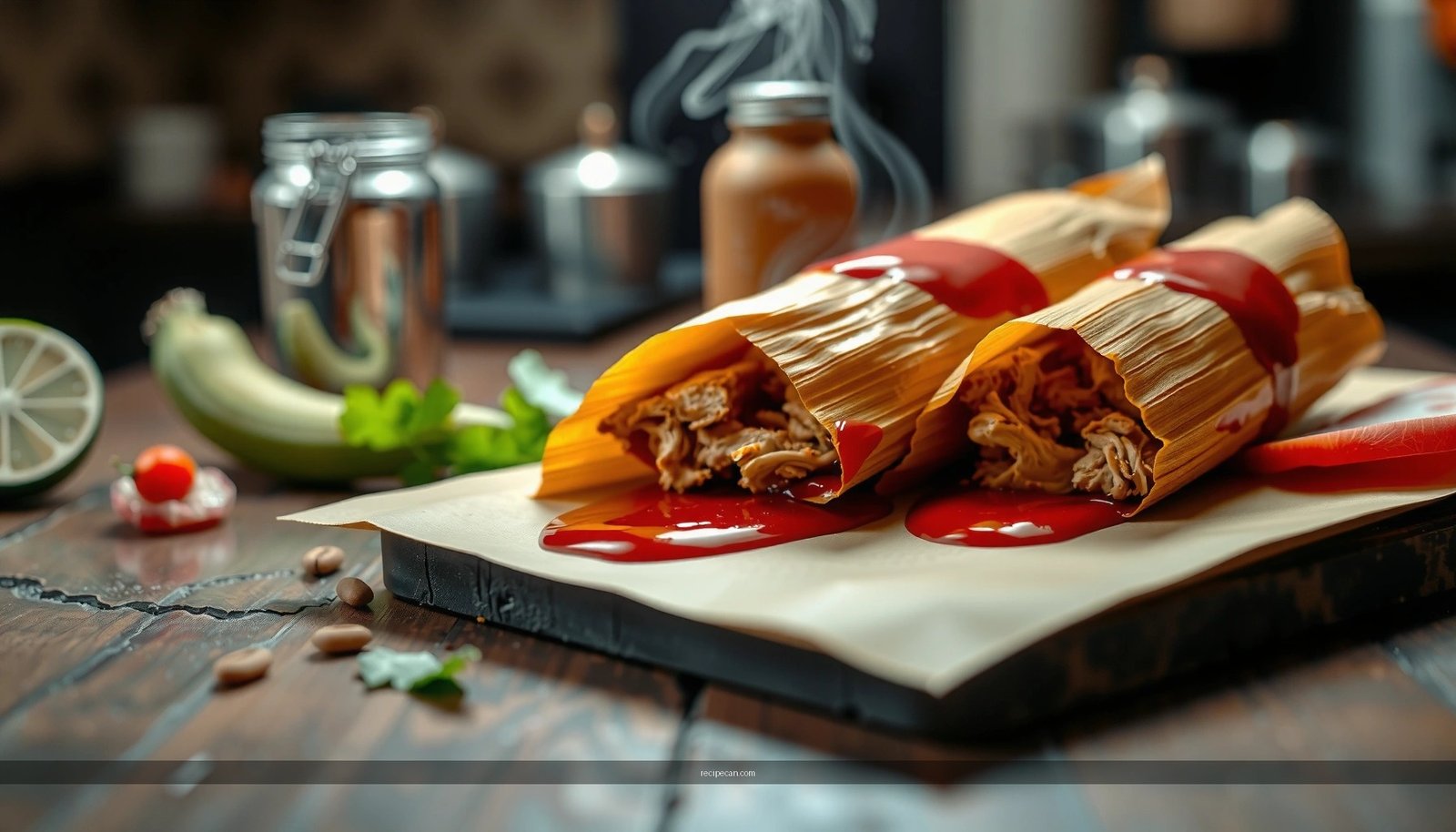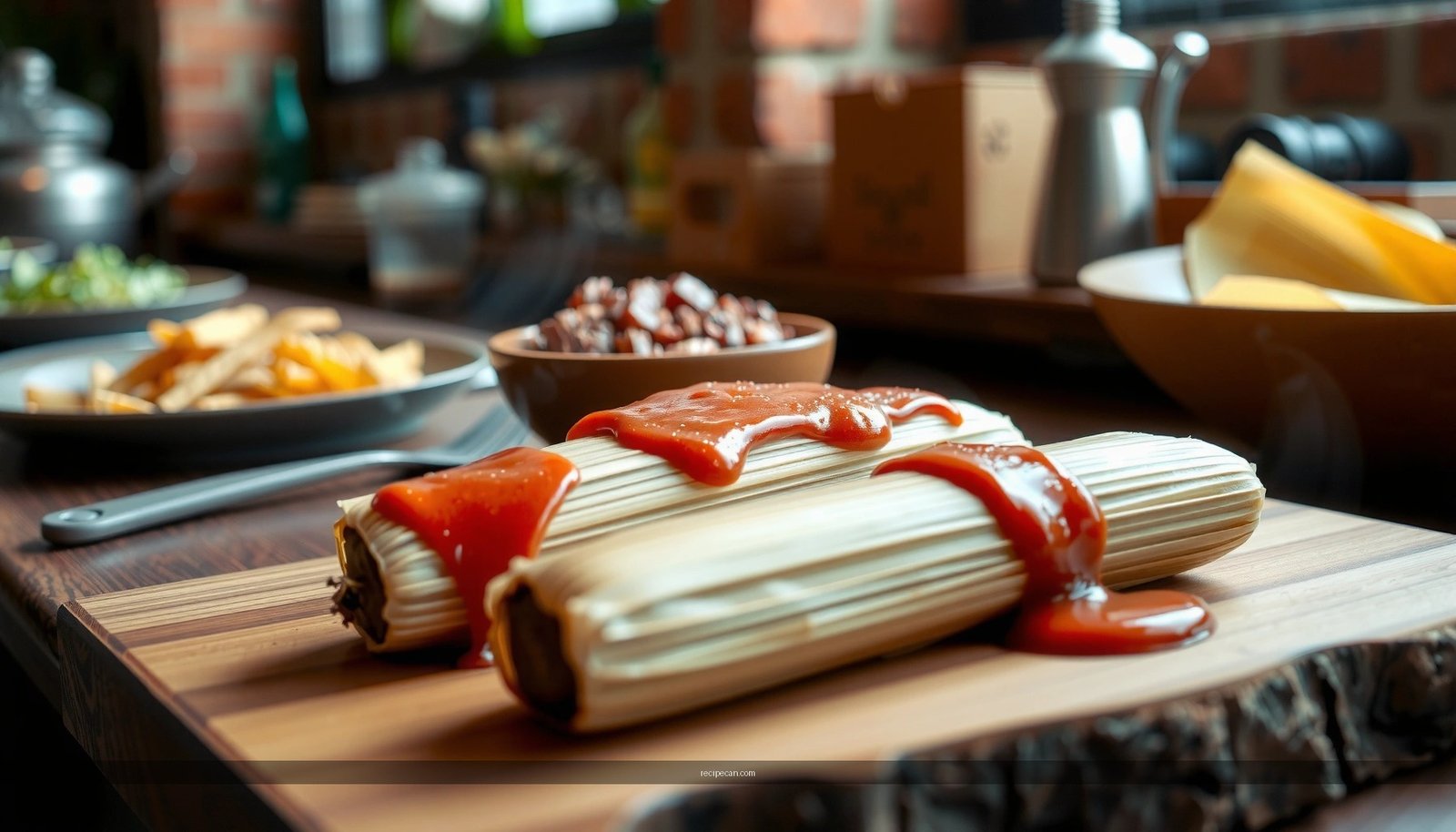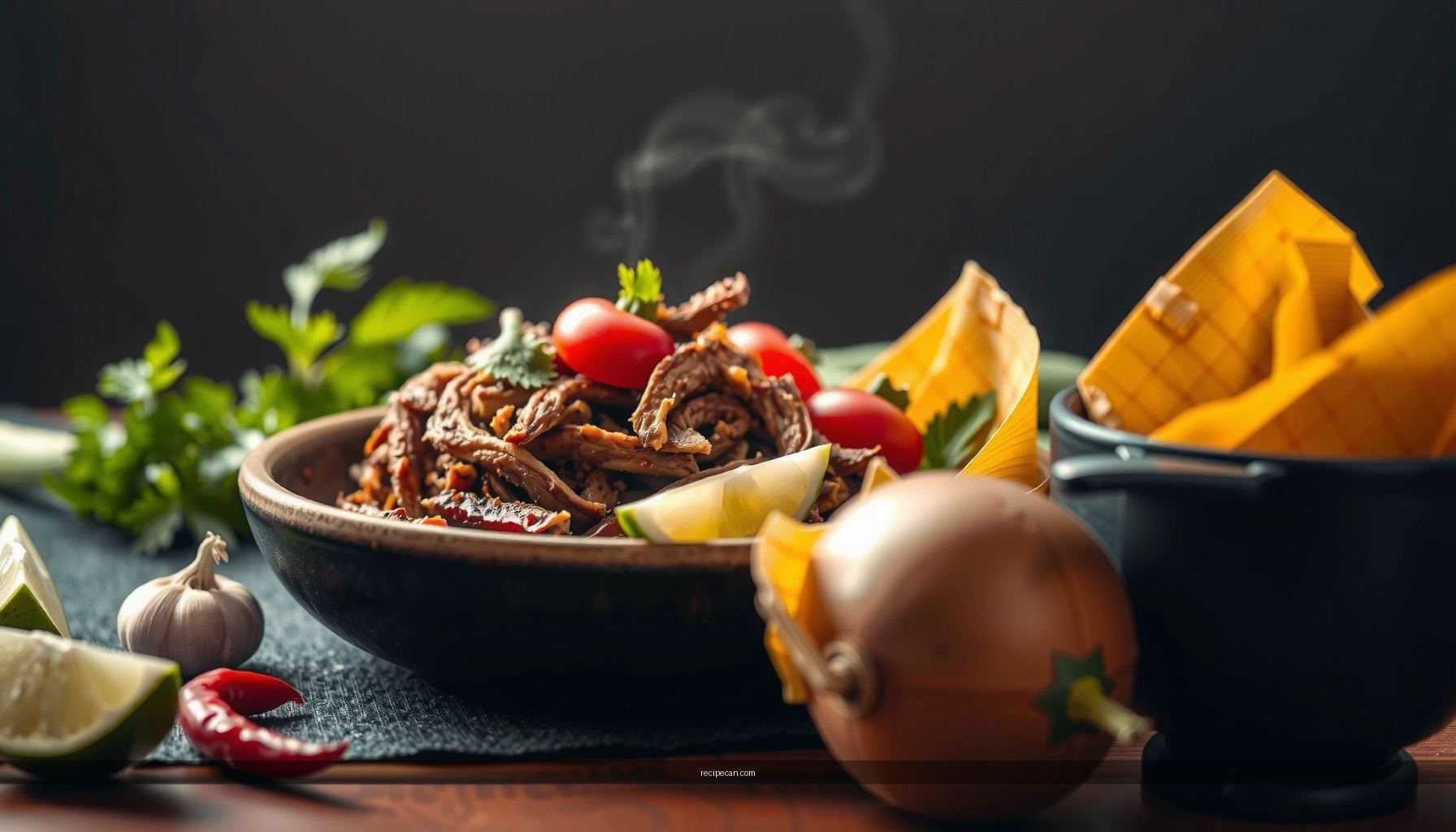
Find the best pork for tamale recipe—savory seasoned pork that tastes authentic and shreds cleanly every time. This guide shows exactly how to season, cook, and finish the pork so it delivers rich, tamale-ready flavor without guesswork. If you want tamales that hit with deep porky spice and perfect texture, this is the winner.
Simmer seasoned pork until it becomes tender enough to shred easily, then mix it with warm drippings and spices for a juicy tamale filling. This method is the reliable way to build authentic flavor while keeping your masa moist and cohesive—so every bite tastes balanced, not dry or bland.
Choose the Best Pork Cut
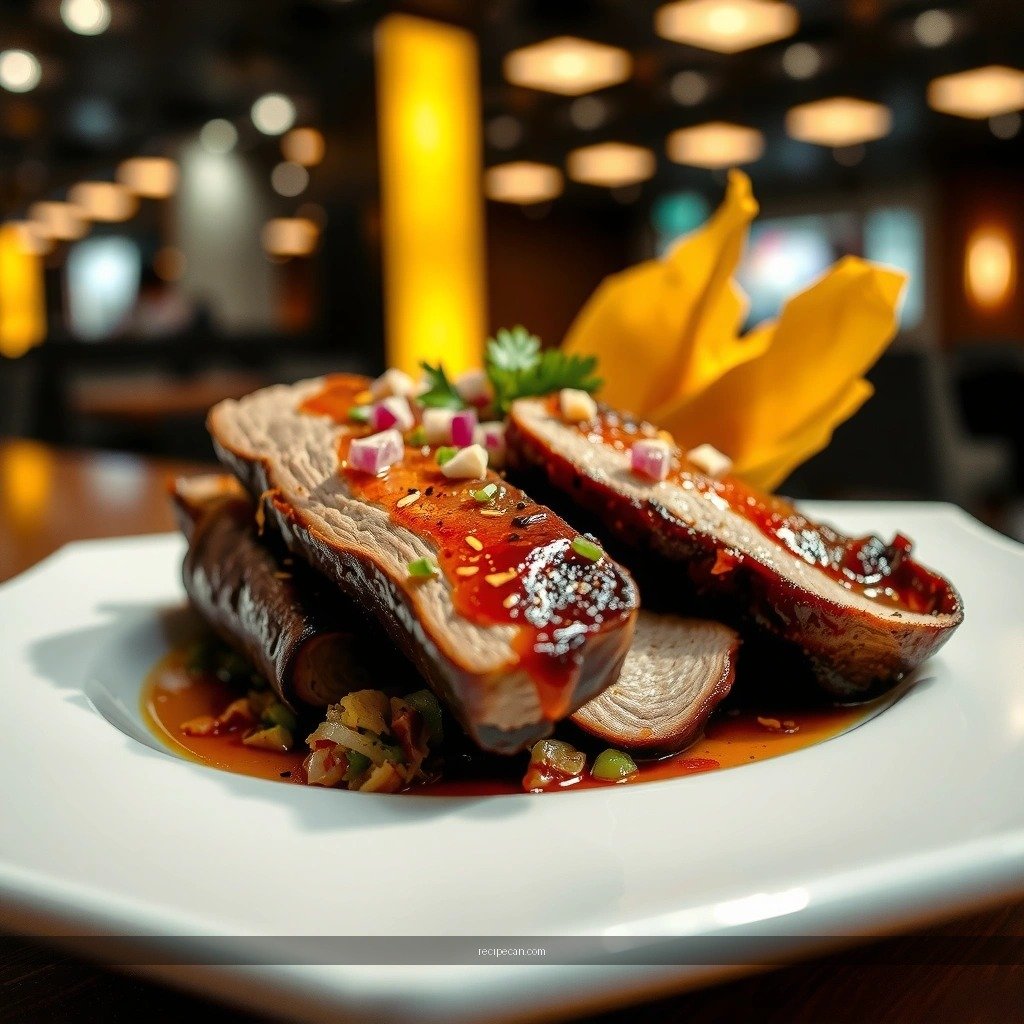
Choosing the right cut is the foundation of a tamale filling that’s tender, flavorful, and shred-friendly. For tamales, you want meat with enough connective tissue to break down during a long simmer, yet still produce a savory drippings base you’ll mix back into the filling.
– Use pork shoulder (pork butt) for the most tender, shreddable results
Pork shoulder is ideal because it has a good balance of fat and connective tissue. As it cooks, that tissue gelatinizes, helping the meat stay juicy while shredding cleanly into bite-size strands. For tamales, that texture matters: overly lean pork can become dry, while cuts that are too fatty without enough structure can turn greasy.
– Trim excess fat but keep enough for flavor and moisture
Before cooking, trim off hard, exterior fat chunks, but leave a thin layer. During simmering, the remaining fat emulsifies with the cooking liquid, creating drippings that naturally season the pork and help your masa taste “complete,” not just savory meat in a wrapper.
Practical guidance: If you can, buy a shoulder that’s uniform in thickness—more even heat means more consistent tenderness across the batch.
Recommended Pork Cut vs. Tamale Performance (Practical Kitchen Targets)
| # | Pork cut | Typical tamale cook time* (per lb) | Shredability rating | Best for filling moisture |
|---|---|---|---|---|
| 1 | Pork shoulder (butt) | 2.5–3.5 hrs | ★★★★★ | Excellent |
| 2 | Boston butt (same as shoulder) | 2.5–3.5 hrs | ★★★★★ | Excellent |
| 3 | Pork leg/arm roast | 3.0–4.5 hrs | ★★★★☆ | Very good |
| 4 | Pork loin | 1.5–2.5 hrs | ★★★☆☆ | Likely to dry |
| 5 | Pork tenderloin | 0.75–1.5 hrs | ★★☆☆☆ | Not ideal |
| 6 | Country-style ribs | 2.0–3.0 hrs | ★★★★☆ | Good |
| 7 | Pork shoulder + extra fat cap | 2.5–3.5 hrs | ★★★★★ | Excellent (but trim) |
Seasoning Mix for Tamales Pork
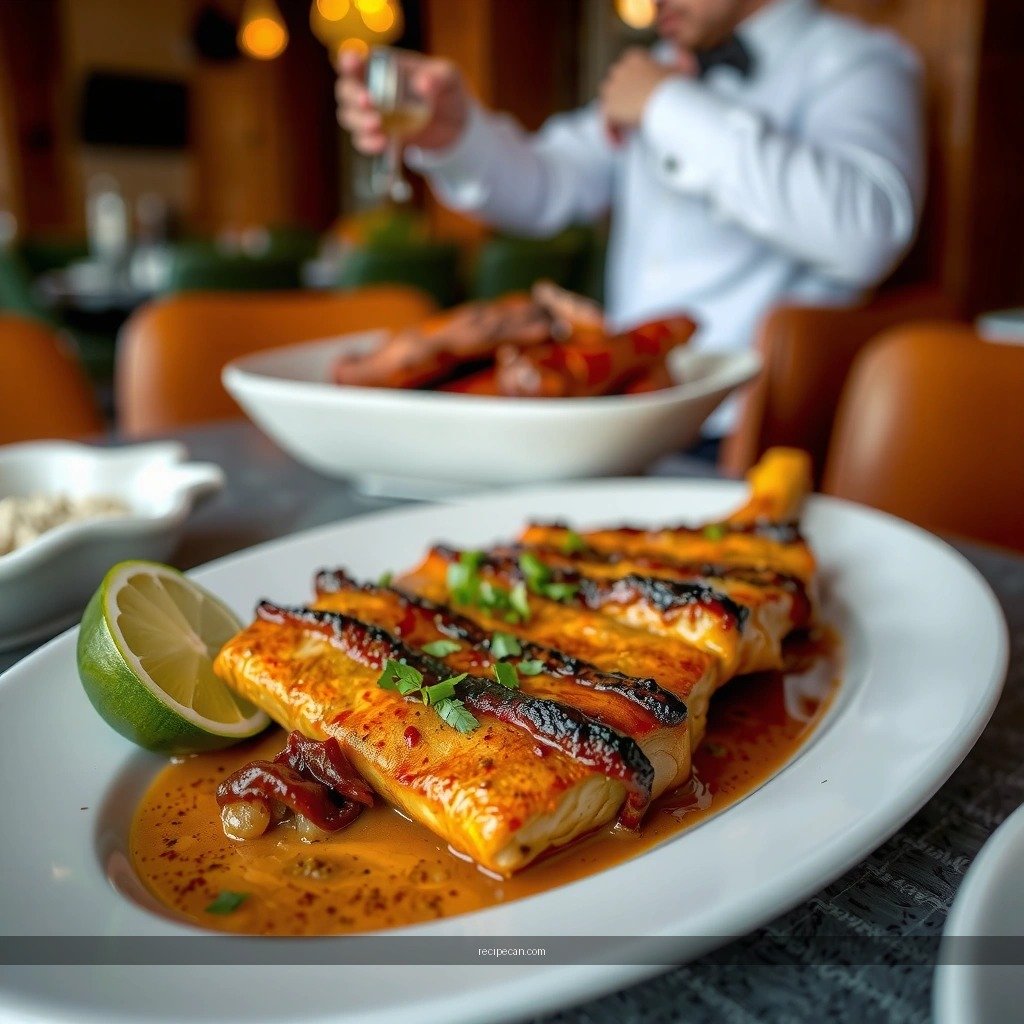
A great pork filling is built on seasoning that penetrates during simmering, not just flavor sprayed on at the end. For classic tamale flavor, balance garlic, cumin, dried chiles (often chili powder), oregano, and salt, then add a liquid component to help seasoning distribute throughout the meat and drippings.
– Combine garlic, cumin, chili powder, oregano, and salt for classic flavor
Use minced or grated garlic for more even infusion. Cumin provides warmth and depth; chili powder contributes color and mild heat; oregano adds the familiar earthy note found in many tamale styles.
– Add onions and a splash of broth or water to help the pork absorb seasoning
Onions act as a gentle base seasoning. When simmered, they soften and sweeten slightly, rounding out sharp spices. A splash of broth or water prevents scorching and creates a simmering liquid that becomes the “glue” of your filling—seasoned drippings you’ll mix back into shredded pork.
Actionable seasoning formula (for about 4–5 lb pork shoulder):
– Garlic: 6–10 cloves (to taste)
– Cumin: 2–3 tsp
– Chili powder: 2–4 tbsp (adjust for heat preference)
– Dried oregano: 1–2 tsp
– Salt: start with ~1.5–2 tsp, then adjust after shredding
– Onions: 2 medium, chopped (or 1 large)
– Liquid: enough to come partway up the meat (typically 2–3 cups total, depending on your pot size)
Tip: If you’re using dried chiles (like guajillo or ancho) instead of only chili powder, toast lightly and blend with liquid, then add to the pot. The result is more complex flavor and deeper red tones in the filling.
Cook the Pork Until Tender
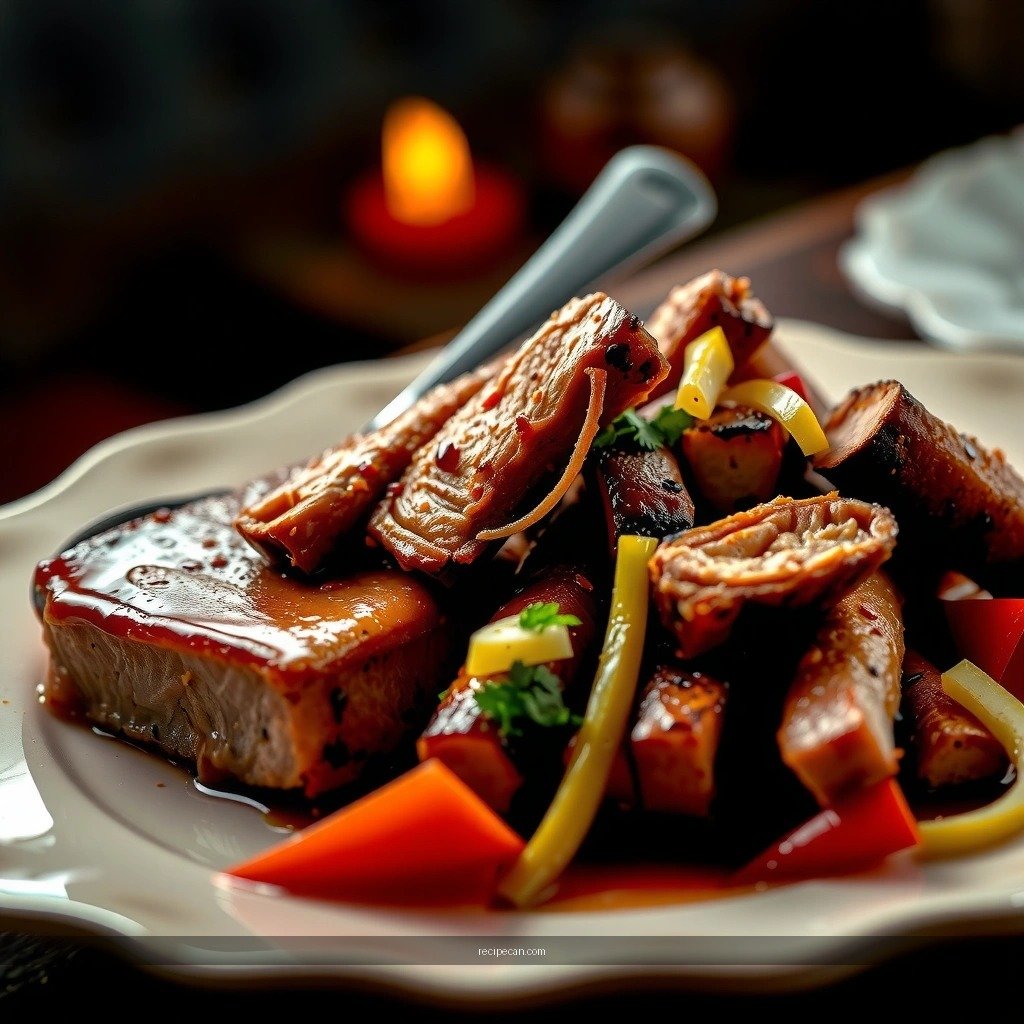
This step is where most tamales succeed or fail. Tender pork is not optional; it’s the structural requirement for authentic texture. Cook low and steady to break down connective tissue and maximize juiciness.
– Simmer or slow-cook until the meat easily shreds with a fork
Your target isn’t “done,” it’s shred-ready. When the thickest portion pulls apart with light pressure and the strands separate cleanly, you’re ready. If it resists, simmer longer—undercooked pork will shred into uneven chunks and can taste tough.
– Cook low and steady to avoid drying out the pork
High heat can toughen proteins and evaporate too quickly. Keep the cooking temperature gentle and allow time for gelatin and fat to develop. When you shred, you want strands suspended in warm seasoned drippings—not dry shavings.
Stovetop method (reliable control):
1. Sear pork shoulder (optional but recommended): 2–4 minutes per side for browning.
2. Add onions and aromatics, then spices.
3. Pour in broth/water to partially submerge.
4. Bring to a simmer, then reduce to low. Cover and cook.
Slow cooker method (hands-off batch cooking):
1. Place seasoned pork and onions in the cooker.
2. Add liquid to reach the bottom of the meat and help create drippings.
3. Cook on low until shreddable, usually 7–9 hours for a typical 4–5 lb roast.
When to start checking: At around the 2.5–3 hour mark on the stovetop (or 6 hours in a slow cooker), begin testing a small portion for shredability. Continue until consistent across the roast.
Shred and Flavor the Filling
Shredding is not merely a mechanical step—it’s when you calibrate moisture, seasoning, and texture. The goal is juicy pork filling that distributes evenly inside tamales without turning watery.
– Shred the pork and mix in cooking juices for a moist, flavorful filling
Shred while warm so strands absorb drippings more effectively. Skim excess surface fat if needed (especially if you used a very fatty roast), but keep enough drippings for lubrication and flavor.
After shredding:
– Return pork to the pot or a bowl.
– Add warm drippings gradually.
– Mix until the pork looks glossy and stays moist.
– Taste and adjust salt and spice before assembling tamales
Seasoning perception changes once pork is shredded and mixed with drippings. Salt especially can feel muted before adjustment. Add salt in small increments, plus a pinch more cumin or chili powder if your filling needs a stronger finish.
Texture target for filling:
When you pinch a bit of pork with a spoon, it should clump slightly and feel tender—not crunchy, and not swimming. If it’s too wet, simmer uncovered for 5–10 minutes to reduce. If too dry, add a little more warm drippings or broth.
Prep Pork for Assembly and Storage
Efficient prep is what makes tamale making enjoyable, especially when you’re producing a larger batch. Cooling correctly also improves handling and prevents soggy wrappers.
– Cool slightly, then portion for easy tamale filling
Let the pork rest for 15–25 minutes so it’s warm but not scalding. Portion into working amounts—this reduces assembly time and helps you keep filling moisture consistent.
A common practice is portioning into tray-sized portions (for example, filling about 12–20 tamales per portion depending on your portioning style). Keep drippings nearby so you can refresh moisture if needed.
– Store in the fridge or freeze so you can assemble tamales faster later
Storage is where batch cooking shines. Properly chilled pork becomes easier to portion and more manageable for assembly. Portion into airtight containers or freezer bags, removing excess air.
Storage guidelines (practical):
– Fridge: 3–4 days in a sealed container
– Freezer: up to 2–3 months for best quality
– Reheat: warm gently with 1–2 tbsp drippings or broth to restore juiciness
Operational tip: If you’re cooking for a day-of assembly, store the filling slightly under-flavored (e.g., slightly under-salted), then fine-tune during reheating right before you fill tamales.
Common Mistakes to Avoid
Even when you have the right ingredients, technique determines authenticity. Avoid these pitfalls to keep your pork tamale filling tender, seasoned, and consistent.
– Don’t rush cooking—tough pork won’t shred properly for tamales
If you try to shorten the simmer, connective tissue won’t fully break down. The pork may still “taste cooked,” but it will shred into chewy pieces and compromise the mouthfeel of your tamales.
– Avoid over-seasoning early; adjust after shredding for best balance
While seasoning should be present from the start, aggressive salt early can become overwhelming once drippings concentrate during simmering. A better approach is to season confidently but with room to refine—taste after shredding and adjust to your preference.
Additional errors to watch for:
– Using loin/tenderloin: These cuts can work for other dishes but typically underperform in tamales due to lower connective tissue and higher dry risk.
– Not keeping drippings warm: Cold drippings can seize and make the filling feel greasy or uneven.
– Packing filling too tightly: If you compress too much, you can squeeze out moisture during steaming and end up with less flavorful tamales.
Once your pork is tender, shredded, and mixed with its flavorful cooking juices, you’ll have the perfect tamale filling. Follow the cut choice, seasoning, and slow-cook steps for best results, then taste and adjust before assembling. If you’re ready, make the pork filling first and get your masa and wrappers ready—your tamales will come together much faster.
If you want, tell me how many tamales you’re planning to make (and whether you prefer mild or spicy), and I’ll scale the pork weight and seasoning measurements to match your batch.
Frequently Asked Questions
What cut of pork is best for a tamale recipe?
For most tamale recipes, pork shoulder (pork butt) is the best choice because it stays tender during long cooking and shreds easily. Pork loin can work if you’re short on time, but it often turns dry and less flavorful when simmered too long. If your tamales use slow-braised pork, shoulder will give you the richest texture and best results.
How do I cook pork for tamales so it shreds easily?
Start by simmering pork shoulder in a flavorful broth with aromatics like onion, garlic, and bay leaf until very tender, typically 1.5–2.5 hours depending on the size. Once cooked, let the pork cool slightly, then shred it by hand or with forks. If you’re making chile-based tamales, mix the shredded pork back into the chile sauce so it absorbs flavor before assembling.
Why is pork often used in tamale recipes instead of other meats?
Pork is popular for tamales because it has enough fat to stay moist during steaming, even after hours of cooking. Its mild flavor also pairs well with common tamale seasonings like chili peppers, cumin, garlic, and oregano. When cooked low and slow, pork becomes juicy and easy to portion into masa, improving the overall bite.
Which seasoning blend works best for pork tamales?
Many people season pork tamales with a classic base of chili powder or dried chiles, cumin, garlic, onion, Mexican oregano, and salt. For depth, add a splash of vinegar or a squeeze of citrus to balance the richness of the pork. If you’re using a red chile sauce for your pork, simmer the chiles with garlic and onion, then incorporate the sauce into the shredded pork for even flavor throughout.
What’s the best way to prevent dry pork when making tamales?
Avoid lean cuts and cook pork shoulder until it reaches a shreddable tenderness, rather than stopping early. Keep the pork moist by braising in enough liquid, and consider simmering the shredded pork briefly in chile sauce so it stays flavorful without drying out. If you’re assembling ahead of time, store the cooked pork in its sauce and reheat gently to preserve moisture for your tamale recipe.
References
- Tamale
https://en.wikipedia.org/wiki/Tamale - https://www.britannica.com/topic/tamale
https://www.britannica.com/topic/tamale - https://scholar.google.com/scholar?q=pork+tamales+recipe+traditional Google Scholar
https://scholar.google.com/scholar?q=pork+tamales+recipe+traditional - Google Scholar Google Scholar
https://scholar.google.com/scholar?q=how+to+cook+pork+for+tamales+carnitas+steaming - Google Scholar Google Scholar
https://scholar.google.com/scholar?q=masa+preparation+and+pork+tamales+nixtamalization - https://www.fsis.usda.gov/food-safety/safe-food-handling-and-preparation/food-safety-basics/safe-minimum-internal-temperatures
https://www.fsis.usda.gov/food-safety/safe-food-handling-and-preparation/food-safety-basics/safe-minimum-internal-temperatures - https://www.cdc.gov/parasites/trichinellosis/prevention.html
https://www.cdc.gov/parasites/trichinellosis/prevention.html - https://www.who.int/foodsafety/publications/food-safety-five-keys/en/
https://www.who.int/foodsafety/publications/food-safety-five-keys/en/ - Food Safety | Food Safety | CDC
https://www.cdc.gov/foodsafety/ - https://pubmed.ncbi.nlm.nih.gov/?term=tamales+pork
https://pubmed.ncbi.nlm.nih.gov/?term=tamales+pork