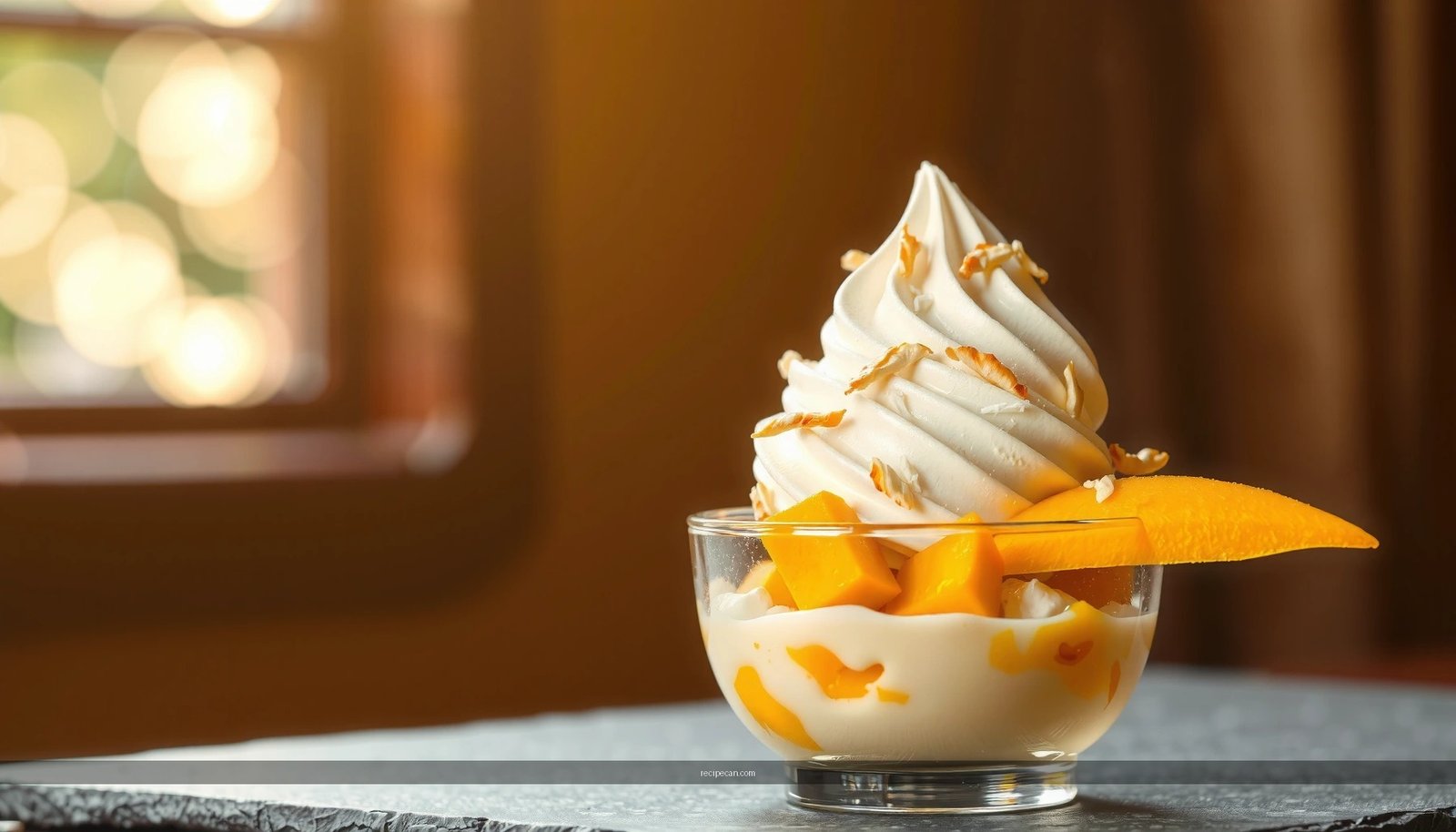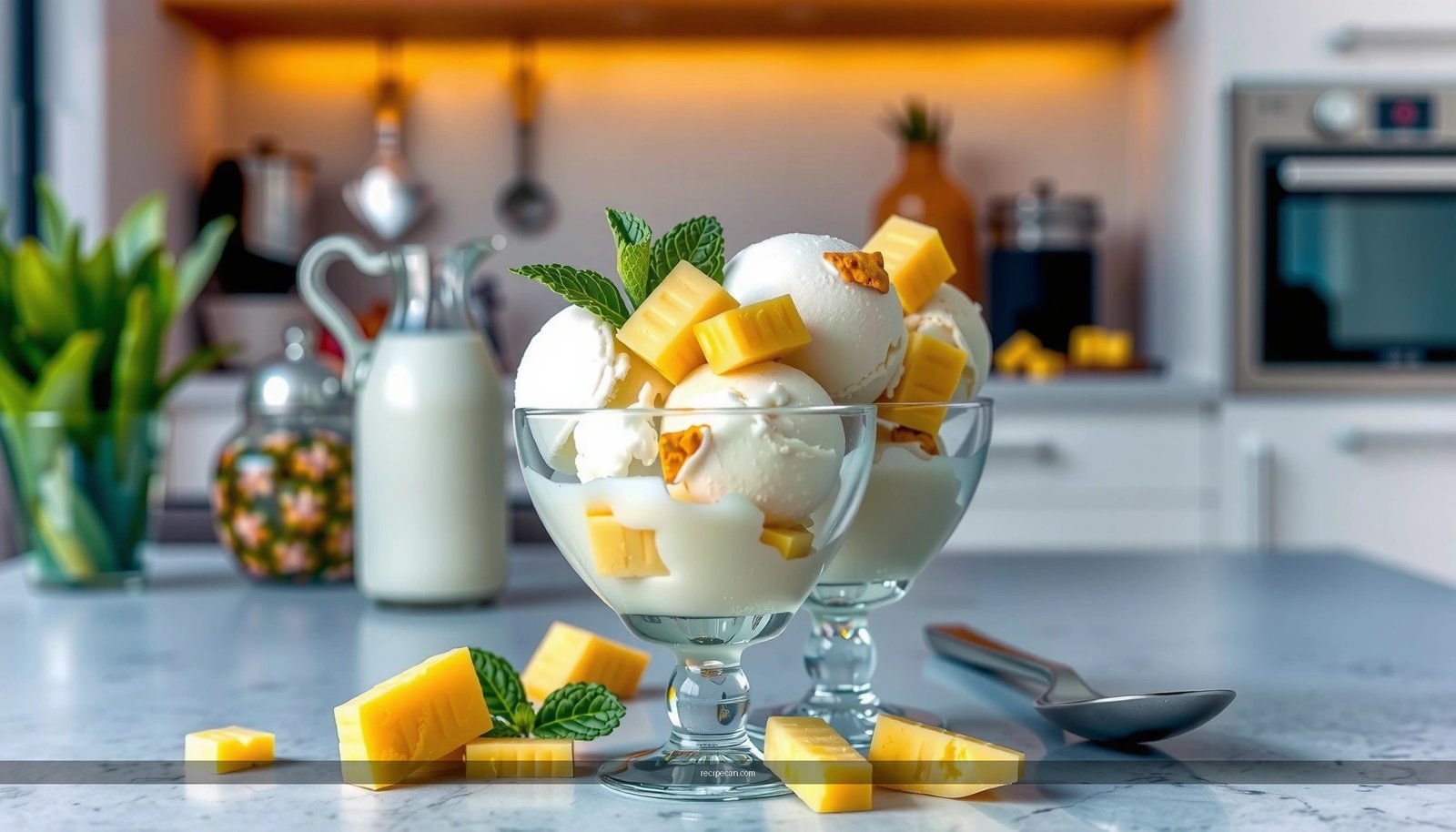
Get the best pineapple ice cream recipes for making easy homemade ice cream that actually tastes fresh, not icy. This guide picks the winning method for quick results—whether you want a churned custard base or a no-churn version—and tells you exactly which one to use based on your equipment and time. You’ll leave with reliable steps, the right pineapple prep, and flavor tweaks that make the tropical punch unmistakably pineapple.
Pineapple ice cream recipes are easy to make at home—blend ripe pineapple, combine it with cream or yogurt, and churn until smooth (or freeze without churning). If you follow the right base ratios and chill steps, you’ll consistently get bright, tangy flavor and a scoopable texture instead of icy crystals.
Choose the Best Pineapple for Ice Cream
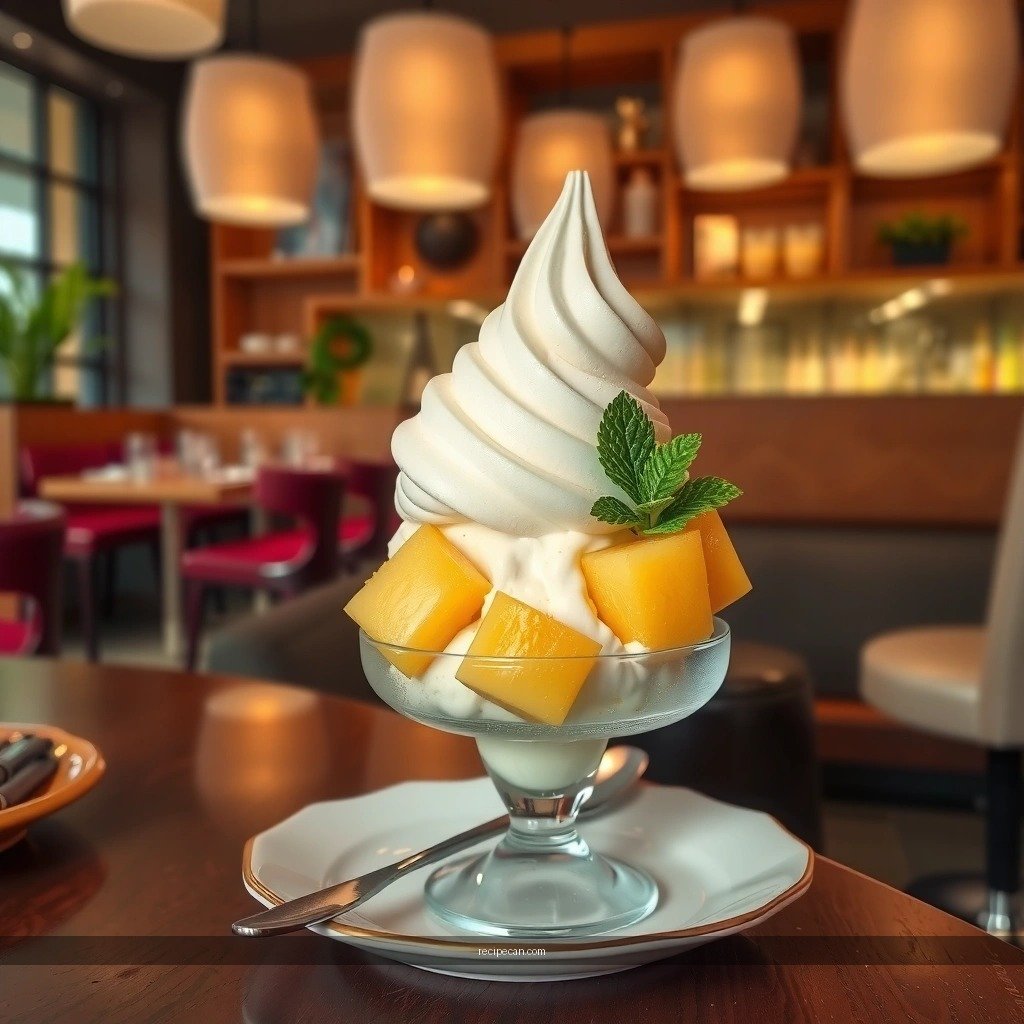
– Use ripe pineapple for natural sweetness and better flavor
– Fresh pineapple tastes brightest; canned can work if well-drained
– Chill pineapple before blending for a smoother texture
The pineapple you start with determines almost everything: sweetness, aroma intensity, acidity balance, and how smoothly the fruit blends. For the most “tropical but not sour” result, choose ripe fruit with a strong pineapple smell near the base and a golden-yellow color (not pale green). Riper pineapple typically has a higher sugar-to-acid ratio, which helps your ice cream taste rounded rather than sharp.
Fresh vs. canned: Fresh pineapple delivers the brightest, most aromatic flavor because it contains more volatile compounds that create that fresh “right off the island” fragrance. Canned pineapple can absolutely work—just drain it thoroughly and consider a brief simmer (1–2 minutes) to drive off excess liquid and concentrate flavor. If your canned pineapple is packed in syrup, reduce added sugar in the recipe to prevent an overly sweet ice cream.
Chilling is a texture hack: Pineapple blends best when it’s cold. Chill fresh pineapple chunks for 30–60 minutes before blending, and you’ll usually notice a smoother base because you start with a lower temperature and reduce the chance of warmer purees partially warming your dairy. That matters for churn results and for preventing icy texture in no-churn versions.
Quick quality check: If your pineapple tastes intensely tart or watery, don’t “force it” with extra sugar alone. You’ll get better results by:
1) mixing with a slightly sweeter add-in (e.g., condensed milk, extra ripe fruit, or a small amount of honey), and
2) balancing with lime (a tiny amount of lime juice and zest can actually make flavors taste more integrated, not only more sour).
Core Pineapple Ice Cream Base (Classic Recipe)
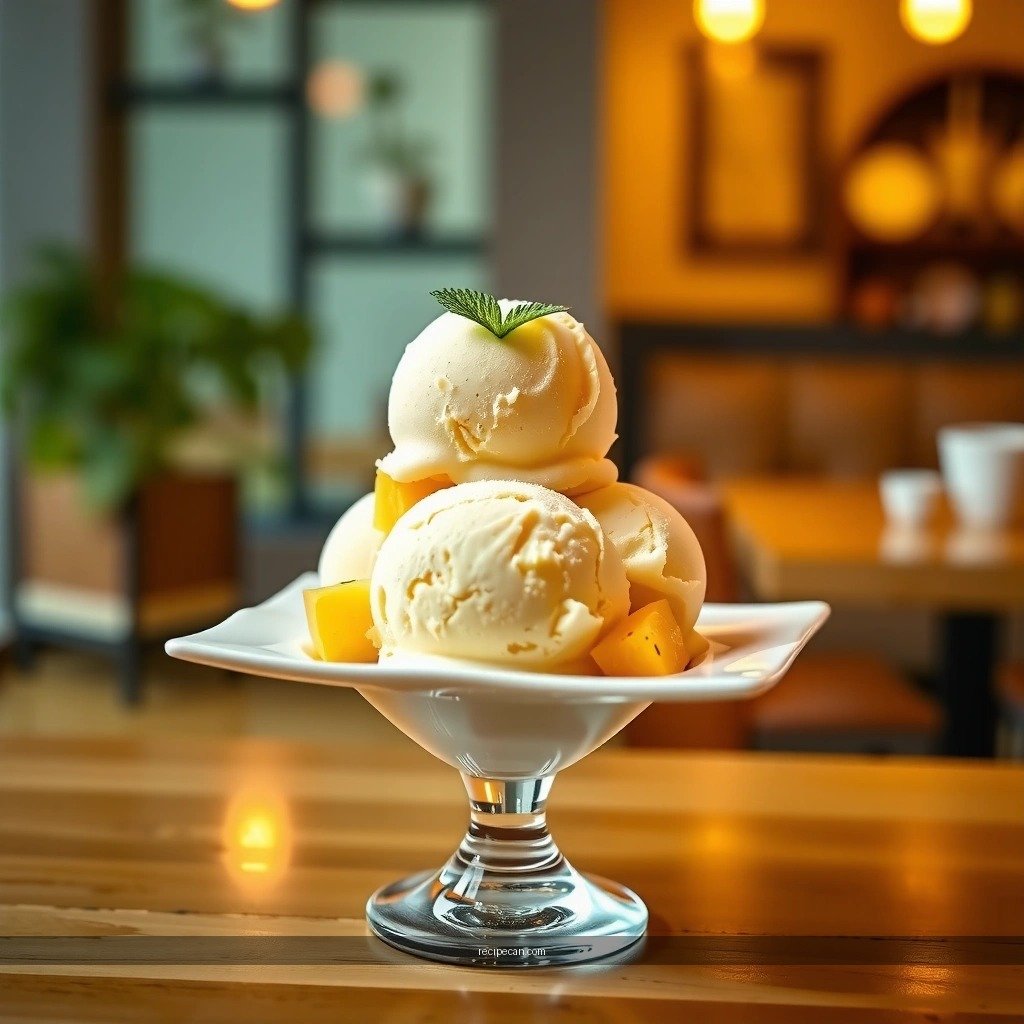
– Combine pineapple puree with cream (or milk) and sugar
– Add a stabilizer like egg yolks or cornstarch (optional) for creaminess
– Chill the base thoroughly before churning
A classic pineapple ice cream base is built on three pillars: fruit flavor, dairy richness, and controlled freezing behavior. Pineapple contains natural acids and enzymes that can slightly interfere with dairy stability, which is why chilling and (optionally) using a stabilizer improves consistency.
A reliable classic ratio
While recipes vary, a dependable approach is:
– Pineapple puree: the flavor engine (typically 1–1½ cups per 2 cups dairy)
– Cream (or cream + milk): body and smoothness
– Sugar: balances acidity and helps lower freezing point (smoother texture)
Stabilizers: optional, but valuable
To reduce iciness and improve scoopability, consider one of these:
– Egg yolks (custard-style): adds natural emulsifying and thickening power. You cook gently until it coats the back of a spoon, then strain and chill.
– Cornstarch (quick-stabilizer): whisk into a portion of cold dairy or puree and heat just until thickened; then chill.
– No stabilizer (works sometimes): if your pineapple is very ripe and you churn properly, you can still get good results—but expect a slightly softer texture or a bit more ice formation over time.
Chill thoroughly before churning
This is non-negotiable for creamy pineapple ice cream. Chill the base at least 4 hours, ideally overnight. Cold base churns better, traps air more efficiently, and freezes more evenly. For best results, also pre-chill your ice cream machine bowl (if your method requires it) so the first churn minutes don’t stall due to starting temperature.
Analytical note: If your base is too warm, the fruit puree can cool unevenly, creating micro-ice crystals. Those crystals may be small at first but expand over freezing time—especially in freezers that cycle warmer/cooler frequently.
Make it actionable: base troubleshooting
– Too sour? Add sugar gradually next time (or add a touch of honey/condensed milk), and consider adding lime zest rather than just more juice.
– Too icy? Increase stabilizer slightly (egg yolks or cornstarch) and chill longer before churning.
– Too thick before churning? Warm just enough to loosen (don’t overheat), then churn promptly.
Texture Drivers in Pineapple Ice Cream (Home Methods)
| # | Key Factor | When It Helps Most | Typical Impact | Why It Works |
|---|---|---|---|---|
| 1 | Ripe pineapple selection | Flavor balance & smoothness | ★★★★★ | Higher natural sugars reduce harsh tartness and freeze points |
| 2 | Base chilling (4–24 hrs) | Churn efficiency | ★★★★★ | Cold base freezes evenly and limits crystal growth |
| 3 | Sugar management | Prevents icy texture | ★★★★☆ | Lowers freezing point for softer scoopable ice cream |
| 4 | Stabilizer (egg yolk or cornstarch) | Longer freezer holding | ★★★★☆ | Improves emulsification and reduces ice crystal size |
| 5 | Straining puree (optional) | Extra-silky texture | ★★★☆☆ | Removes fiber that can trigger graininess or faster iciness |
| 6 | Churn time & thickness | Air incorporation | ★★★★☆ | Proper thickness before freezing yields better body |
| 7 | Freezer storage (airtight) | Prevents freezer burn | ★★★☆☆ | Reduces oxidation and surface crystallization |
No-Churn Pineapple Ice Cream Recipe

– Fold pineapple puree into whipped cream or condensed milk
– Freeze in a container and stir for a smoother finish
– Best for quick results with minimal equipment
No-churn pineapple ice cream is the fastest path to “real dessert,” and it can still be very creamy with the right approach. The key is to use an ingredient base that stabilizes air and prevents the fruit from freezing into icy chunks.
The two best no-churn frameworks
1) Whipped cream + pineapple puree:
Whip chilled heavy cream to soft or medium peaks, then fold in pineapple puree. This yields a light texture, but you must freeze and stir periodically to keep crystals small.
2) Condensed milk + dairy (light cream, yogurt, or whole milk):
Condensed milk contains sugars and milk solids that help with freezing behavior. Mix with pineapple puree and a bit of creaminess from yogurt or cream, then freeze.
Stir schedule for smoother texture
No-churn ice cream benefits from “mechanical refinement” even without a churner. A practical method:
– Freeze until partially set (about 2–3 hours)
– Stir vigorously with a spoon or whisk
– Repeat 1–2 more times during the first 6–8 hours
This breaks up early ice crystals and creates a more uniform final texture.
Food-safety and consistency
Because pineapple is acidic, you don’t need to cook it for safety, but you should still chill your mixture if you used warm ingredients (like melted sugar). Also, keep your final mix covered to protect against freezer odors and ice crystals caused by air exposure.
Expected result: No-churn is slightly denser than churned ice cream and may be a touch more “soft” even when fully frozen, which can be a positive for many home eaters.
Churned Pineapple Ice Cream for Extra Smooth Texture
– Churn until thick, then freeze to set
– Keep the mixture cold to prevent icy crystals
– Strain the puree for an ultra-silky result (optional)
If your top goal is restaurant-smooth texture, churned pineapple ice cream is the benchmark. Churning incorporates air, controls ice crystal formation, and produces a lighter mouthfeel than many no-churn methods.
Step-by-step logic (why each step matters)
1) Make and chill the base:
Fruit + dairy needs time in the fridge so fat and proteins hydrate and emulsify properly.
2) Churn until thick:
The mixture should look like soft-serve when it’s ready. Over-churning can sometimes make it grainier; under-churning may yield a firmer-than-ideal center.
3) Freeze to set:
Transfer to a container, press parchment or plastic wrap directly onto the surface, then freeze. The set phase solidifies the texture.
Keep everything cold
Pineapple puree cools quickly, but if your base warmed during prep (or you let it sit too long after chilling), ice crystals can grow. Work efficiently and return the base to the fridge if you’re not ready to churn right away.
Optional: strain for ultra-silky ice cream
Strain the puree through a fine mesh sieve to remove fiber. This is especially beneficial if you’re aiming for a high-end mouthfeel or using pineapple that isn’t perfectly smooth after blending.
Pro tip: If you strain, taste the puree again. Sometimes straining slightly concentrates flavor; you may need a minor sugar adjustment next time.
Flavor Variations to Try (Beyond Plain Pineapple)
– Add lime zest or lime juice to boost tangy brightness
– Stir in toasted coconut or crushed cookies for texture
– Try ginger or vanilla for a warm, aromatic twist
Pineapple naturally pairs with bright, aromatic flavors because it has both sweet notes and tangy acidity. Think of these add-ins as “flavor control knobs”—they can make the ice cream taste brighter, more complex, or more indulgent without losing the fruit-forward character.
Lime: tangy brightness without bitterness
A small amount of lime zest adds fragrant oils that make pineapple taste even fresher. Add lime juice carefully: too much can mute the dairy and push the ice cream into “sorbet territory.” Start with a modest amount, then adjust in later batches.
Coconut and cookies: texture and contrast
– Toasted coconut: Adds nutty aroma and a subtle crunch that contrasts with creamy base.
– Crushed cookies (like vanilla wafers or ginger snaps): Creates pockets of sweetness and spice. Fold in gently after chilling so they don’t become gummy.
Ginger and vanilla: warm complexity
– Ginger: Freshly grated ginger can be strong—steep it briefly in cream, strain, and then churn. This prevents ginger “bits” from dominating texture.
– Vanilla: A classic enhancer. It won’t compete with pineapple; it rounds and softens acidity.
Analytical angle: Since pineapple contains acids, certain spices can taste sharper in ice cream than they do in warm mixtures. If you’re using ginger or cinnamon, start with less than you think you need.
Storage, Serving, and Texture Tips
– Store in an airtight container and minimize air exposure
– Let it soften briefly before serving for best scoopability
– If it hardens too much, rest at room temperature 5–10 minutes
Even a perfectly made pineapple ice cream can degrade in the freezer if it’s exposed to air. Proper storage is what preserves both flavor and texture.
Storage best practices
– Use an airtight container and press plastic wrap or parchment directly onto the surface to reduce exposure.
– Keep freezer temperature consistent. Frequent temperature cycling increases ice crystal growth and dulls fruit aromas over time.
– For best quality, consume within 1–2 weeks (no-churn often benefits from faster use, since it may form crystals more quickly than churned ice cream).
Serving for the best scoop
Pineapple ice cream often hardens more than vanilla. For best scoopability:
– Remove from freezer and let it sit 5–10 minutes (depending on your room temperature).
– If the surface is overly firm, scoop from the softened edge inward rather than digging from the center.
When you need a texture rescue
If your ice cream has become too firm or slightly icy:
– Brief softening usually restores scoop quality.
– If it’s very icy, blend/scoop and refreeze may help distribute crystals, but the best fix is preventing ice formation next time via longer base chilling, appropriate sugar/stabilizer balance, and airtight storage.
Pineapple ice cream recipes come down to great pineapple, a well-chilled base, and choosing the right method—churned for ultra-smooth texture or no-churn for fast, easy success. Use the classic base as your benchmark, try lime or ginger to sharpen and enrich flavor, and rely on airtight storage plus a short softening window before serving. Make a batch today, note what you taste (sweetness, tang, and texture), and adjust one variable at a time for your next perfect scoop.
Frequently Asked Questions
What are the easiest pineapple ice cream recipes for beginners?
Look for no-churn pineapple ice cream recipes that use sweetened condensed milk and whipped cream for a simple, creamy texture without an ice cream machine. For a classic option, choose a no-cook method that blends fresh or canned pineapple with dairy and then chills it before freezing. These pineapple ice cream recipes are beginner-friendly because they focus on straightforward mixing, proper chilling, and even freezing rather than complex custard steps.
How do I make pineapple ice cream without curdling the dairy?
Pineapple ice cream can curdle if the fruit is too acidic when heated with milk or cream, so avoid boiling dairy after adding pineapple. Use fresh pineapple and add it after tempering the base (slowly warming dairy with sugar/eggs), or stick to no-churn pineapple ice cream where you never heat the mixture. You can also reduce curdling risk by using a thickener like egg yolks or by draining excess pineapple juice before blending.
Why does pineapple ice cream turn icy, and how can I prevent it?
Icy texture usually happens when there’s not enough sugar and fat, or when the mixture wasn’t fully chilled before churning/freezing. Use recipes with proper sweetness (sugar or condensed milk) and include cream or full-fat dairy to keep the pineapple ice cream smooth. For best results, chill the base for several hours, churn thoroughly if using a machine, and store the finished ice cream in an airtight container to minimize ice crystals.
Which pineapple should I use—fresh or canned—for the best flavor in homemade ice cream?
Both can work, but fresh pineapple typically delivers brighter, more “fruity” flavor, while canned pineapple is more consistent and often already sweetened. If using canned pineapple, choose pineapple in juice (not syrup-heavy varieties unless the recipe accounts for extra sugar) and drain well to avoid a watery base. Many pineapple ice cream recipes also recommend mixing the juice with the base for flavor while keeping the solids controlled for creamy consistency.
What’s the best way to add pineapple flavor and avoid an overly tart taste?
Balance acidity by pairing pineapple with enough sugar and a creamy base like cream, condensed milk, or egg custard. Taste your blended pineapple first—if it’s very tart, consider simmering pineapple gently with sugar to mellow it, then cool completely before combining. Adding lime zest (not just more juice) can boost pineapple aroma in pineapple ice cream recipes without making the flavor harsher.
References
- Google Scholar Google Scholar
https://scholar.google.com/scholar?q=pineapple+ice+cream+recipe - Google Scholar Google Scholar
https://scholar.google.com/scholar?q=pineapple+flavored+ice+cream - Google Scholar Google Scholar
https://scholar.google.com/scholar?q=fruit+ice+cream+emulsion+stability+pineapple - Ice cream
https://en.wikipedia.org/wiki/Ice_cream - Pineapple
https://en.wikipedia.org/wiki/Pineapple - Ice cream | Definition, History, & Production | Britannica
https://www.britannica.com/topic/ice-cream - https://pubmed.ncbi.nlm.nih.gov/?term=pineapple+ice+cream
https://pubmed.ncbi.nlm.nih.gov/?term=pineapple+ice+cream - https://pubmed.ncbi.nlm.nih.gov/?term=fruit+flavored+ice+cream
https://pubmed.ncbi.nlm.nih.gov/?term=fruit+flavored+ice+cream - https://pubmed.ncbi.nlm.nih.gov/?term=pineapple+dairy+emulsion+ice+cream
https://pubmed.ncbi.nlm.nih.gov/?term=pineapple+dairy+emulsion+ice+cream - https://www.sciencedirect.com/search?qs=pineapple%20ice%20cream&show=25&offset=0
https://www.sciencedirect.com/search?qs=pineapple%20ice%20cream&show=25&offset=0