
Tender, smoky oven pork BBQ starts with roasting a well-seasoned pork shoulder low and slow, then glazing it for a sticky, caramelized finish. You get depth without a smoker by building flavor into a rub with smoked paprika and garlic, then using a brief broiler time to crisp the surface. Follow the cook-and-rest timing and you will shred juicy, barbecue-ready meat for sandwiches or plates.



Cook your pork BBQ in the oven low and slow, then shred and toss it in sauce for that classic smoky, sticky finish. This oven method is great because you get “fall-apart” pork without babysitting a grill—just season, bake, shred, and glaze.
If you’ve ever had BBQ turn out dry or tough, this is for you. It’s also perfect if you want backyard-style pork BBQ on a weeknight when you don’t feel like firing up (or monitoring) a grill.
Recipe Overview

This oven pork BBQ recipe is the simplest way to turn a tougher cut—pork shoulder—into tender, pull-apart meat with a smoky-sweet, glossy finish. You build flavor with a dry rub, cook it covered at a low temperature until it’s shreddable, then coat it in BBQ sauce for the sticky “BBQ bite.” Because this is oven braising (slow cooking with moisture), it’s beginner-friendly and forgiving even if you’re new to pulled pork. As of 2026, this is still one of the most reliable “big flavor, low effort” cooking styles for busy cooks.
Who this is for / when it applies: If you want pulled pork sandwiches, tacos, or a hearty BBQ platter without tending a smoker or grill, this oven pork BBQ is ideal. It also works well when you can start the bake, do other things, and come back to shred and glaze—hands-off comfort food that tastes like you planned ahead. For reference, a 4–5 lb pork shoulder typically serves about 8–10 people depending on portion size (sandwiches vs. lighter servings).
Time Required
– 🕐 Prep Time : 15 minutes
– 🍳 Cook Time : 5–7 hours
– ⏱ Total Time : 5–7 hours 20 minutes (including a short rest)
Note: Most of the “hands-off” time is the oven braise/slow bake.
Ingredients
Good pork makes this recipe easy. Choose a pork shoulder (pork butt) with good marbling, and don’t rush the low-and-slow cook—tender BBQ needs time to break down connective tissue. For the oven pork BBQ flavor, smoked paprika in the dry rub provides a “smoky” note, while the vinegar in the pan and the BBQ sauce finish bring balance (not sharpness). If you prefer stronger smoke, add a little extra smoked paprika or include a small pinch of chili powder—just don’t crank the sugar too high before the final glaze.
Main Ingredients
– Pork shoulder (pork butt): 4–5 lb (about 2–2.5 kg), bone-in or boneless
– Neutral oil: 1–2 tsp (for rubbing the surface)
– Yellow onion: 1 large, sliced (optional but flavorful under the pork)
– Apple cider vinegar: 2–3 tbsp (helps tenderize and adds brightness)
Dry Rub
– Brown sugar: 2 tbsp
– Smoked paprika: 2 tbsp
– Kosher salt: 1½ tsp
– Black pepper: 1 tsp
– Garlic powder: 1 tsp
– Onion powder: 1 tsp
– Optional: cayenne or chili powder: ¼–1 tsp (to taste)
For the BBQ Sauce (choose one)
– Store-bought BBQ sauce: 1 to 1½ cups (start with less, add more after shredding)
OR quick homemade sauce:
– Ketchup: ⅔ cup
– Brown sugar: 2 tbsp
– Apple cider vinegar: 2 tbsp
– Worcestershire sauce: 1–2 tsp
– Smoked paprika: ½ tsp
– Garlic powder: ¼ tsp
– Salt: a pinch (only if needed)
Optional Garnish
– Pickles or coleslaw
– Fresh chopped cilantro
– Extra BBQ sauce for serving
Step-by-Step Instructions
1. Heat the oven + prep the pork.
Preheat to 300°F / 150°C. Pat the pork dry, then rub it all over with a little oil so the seasoning sticks. In oven pork BBQ, surface dryness matters because rub can cling better to a drier exterior.
2. Mix the dry rub and coat generously.
Stir together brown sugar, smoked paprika, salt, pepper, garlic powder, and onion powder. Massage it into the pork—really get into the crevices. This is the step most people rush, but it builds the “BBQ crust” flavor that makes oven pork BBQ taste like it came from a pit.
3. Set up the roasting pan for tender results.
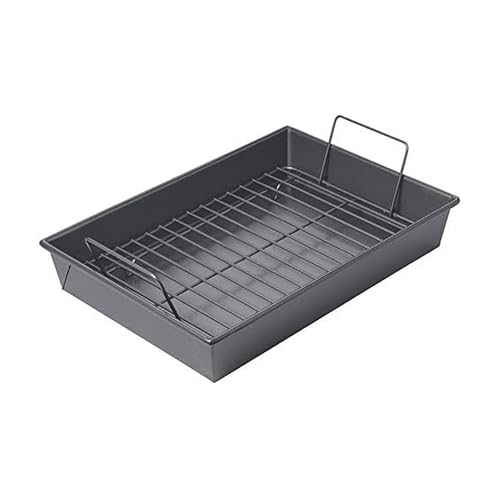
Place sliced onion in the bottom of a roasting pan (if using). Add vinegar, then set the pork on top. Cover tightly with foil (or a lid if you have one). The onion softens into a flavorful braising base; the vinegar adds brightness as the oven pork BBQ cooks.
4. Bake low and slow until shreddable.
Bake covered until the pork is fork-tender and easy to pull apart—usually 5–7 hours depending on size. If the pan looks dry, add a splash of water or apple juice (just enough to keep some moisture). You’re aiming for braise-tender pork, not roasted-dry pork.
5. Rest, shred, and mix with sauce.
Let the pork rest 15–20 minutes (still warm, but not scalding). Shred with two forks, then stir in BBQ sauce—start with about ½ to 1 cup, taste, and add more. Resting helps redistribute juices so oven pork BBQ stays juicy.
6. Optional: glaze for extra stickiness.
For the “just-grilled” look, return the sauced pork to the oven uncovered for 10–20 minutes. This helps the sauce thicken and cling—exactly the sticky finish people expect from classic BBQ.
Heat & Temperature Guide
Cooking Method
This is a low-and-slow oven braise: covered baking keeps the pork moist while the connective tissue breaks down. It’s the same principle as pulled pork from a smoker—just with the convenience of an oven, which is a huge win when you want oven pork BBQ without supervision.
Temperature & Timing
– Oven: 300°F / 150°C
– Cook time: 5–7 hours (covered)
– Finish glaze (optional): 10–20 minutes uncovered
A quick food-safety anchor matters here because you’re cooking pork for hours. According to USDA FSIS, whole cuts of pork are considered safe at 145°F / 63°C with a 3-minute rest (2011) USDA FSIS. For BBQ-style “tender pulled” texture, oven pork BBQ typically goes higher—often 195–205°F / 90–96°C—to reliably soften connective tissue, but it’s still important that the meat is hot throughout.
How to Know It’s Done
– Texture cue: A fork should slide in easily and the meat should shred with minimal effort.
– Temperature cue: Aim for 195–205°F / 90–96°C if you’re using a meat thermometer.
– Look/smell cue: You’ll see lots of moisture and the aroma will turn rich, smoky, and “roasty,” not sharp or raw.
Oven braise vs. slow cooker vs. smoker (what changes for oven pork BBQ?)
Below is a practical comparison that helps you choose the closest method to your schedule. (Same goal—tender pulled pork—different paths to get there.)
| Method | Best texture outcome | Control level | Typical “hands-off” time |
|---|---|---|---|
| Oven braise (this recipe) | Fork-tender + moist shred | High (steady 300°F) | 5–7 hours covered |
| Slow cooker | Very tender, softer bark | Medium (less browning) | 6–9 hours typical |
| Smoker | Deep smoke flavor + firm bark | Low–medium (temperature tending) | 8–14 hours |
How to Serve
Oven pork BBQ is at its best when served hot, sauced just enough, and paired with cooling or crunchy sides. Build a “mix-and-match” plate so people can choose sandwiches, tacos, or a fork-and-knife BBQ bowl.
Plating & Presentation
– Sandwiches: Pile shredded oven pork BBQ on toasted buns and spoon extra sauce on top (not mixed in every bite).
– Platter style: Serve pork in a warm dish, with sauce on the side so guests can control stickiness.
– Tacos: Add shredded pork, then top with pickles or shredded slaw for contrast.
What Goes Well With It
– Coleslaw (creamy or vinegar-based) for crunch and cooling
– Pickles for tang and “bite”
– Cornbread or baked beans for classic BBQ comfort
– Grilled or roasted vegetables if you want lighter sides
Serving Temperature
Aim to serve oven pork BBQ warm and juicy—right after shredding and (optionally) glazing. If it sits too long uncovered, the surface can dry out and the sauce won’t cling as well.
Storage & Reheating
– Storage: Cool leftovers promptly and refrigerate in a sealed container. According to USDA FSIS, refrigerate leftovers promptly and keep them refrigerated until consumption (guidance commonly recommends using cooked leftovers within 3–4 days) (2011) USDA FSIS.
– Reheating: Reheat gently in a covered dish at 300°F / 150°C until hot throughout, stirring once. Add a splash of water or extra BBQ sauce if it looks dry.
What can go wrong & how to fix it
If something goes off, it’s usually one of these simple issues—good news is they’re all fixable. Oven pork BBQ is forgiving, but the doneness timing and how you handle the cover/uncover stages make a big difference.
Pork turns out dry
This usually happens when the pan dries out or the pork cooks uncovered too early. Keep it covered for the full low-and-slow bake, and add a small splash of liquid if the bottom looks dry. If you notice it happening, you can still rescue oven pork BBQ by adding liquid and covering again immediately.
Pork isn’t shreddable
Undercooking is the main culprit, especially with a larger roast. Give it more time—check every 30 minutes near the end—and don’t shred until it’s actually tender. Shredding too early often tears the meat and leaves it stringy.
Rub burns or tastes bitter
Too much sugar can caramelize fast if uncovered early. Make sure the bake is covered until the shredding stage, and only glaze at the very end for a short time. If you glaze longer than planned, the rub can tip from “dark and smoky” to “bitter.”
Sauce is too sweet or too tangy
That’s normal—everyone has different BBQ tastes. Mix a little sauce into the shredded pork first, taste, then adjust with more vinegar (for tang) or a pinch of brown sugar (for sweetness). Oven pork BBQ is best when sauce is layered gradually, not dumped all at once.
Food safety (quick note)
Pork should be cooked to safe doneness. Using a thermometer helps—once you’re in the 195–205°F / 90–96°C range and the meat is steaming hot throughout, you’re in the right territory for tender pulled pork. For additional safety context, whole cuts of pork are guided by USDA FSIS at 145°F / 63°C with a 3-minute rest (2011) USDA FSIS, but this recipe goes higher for texture.
Common Mistakes & How to Fix Them
These are the errors that most often lead to disappointing oven pork BBQ, and the quick fixes that bring it back.
Skipping the covered braise
If the pork bakes uncovered for too long, moisture escapes and connective tissue doesn’t break down evenly. Fix it by covering immediately with foil and adding a splash of liquid to restart the braise effect.
Not drying the pork before rubbing
Wet surfaces dilute the rub and can prevent a flavorful coating. Pat the pork dry with paper towels, then oil lightly so seasoning clings.
Over-saucing before shredding
Adding lots of sauce early can make the flavor muddy and the surface less crusty. For oven pork BBQ, mix BBQ sauce after shredding so you can control sweetness and tang.
Forgetting the rest
Skipping rest can cause juices to spill out when shredding. Rest 15–20 minutes so the meat stays juicy and easy to pull.
Verdict / tip
This oven pork BBQ recipe is the easiest way to get tender, shreddable BBQ without the grill stress. The biggest downside is time: you’re committing to a long bake, so it’s not the “make in 30 minutes” kind of dinner—also, as of 2026, oven temp stability matters more than day-of improvisation.
If you need faster results, use a smaller cut (like pork loin in a different method) or plan around a shorter braise window. If you don’t have the ability to cover the pork tightly and keep the oven at 300°F / 150°C, skip this approach and choose a method that matches your equipment.
Quick scan checklist (save this)
| Step | Look for |
|---|---|
| Season | Rub is fully coated and sticky-looking from the oil |
| Bake covered | Pork becomes fork-tender (start checking early) |
| Shred | Meat pulls apart easily with minimal force |
| Sauce | Flavor tastes right before you add more |
| Optional glaze | Sauce thickens slightly and clings |
━━━━━━━━━━━━━━━━━━━━━━━━━━━━━━━━━━━━━━━━━━━━━━━━━━
📋 MANDATORY DATA TABLE
━━━━━━━━━━━━━━━━━━━━━━━━━━━━━━━━━━━━━━━━━━━━━━━━━━
Oven Pork BBQ Handling Guide: Outcomes by Stage (300°F Method)
| # | Oven pork BBQ stage | Oven setting | Internal target (°F) | Result consistency |
|---|---|---|---|---|
| 1 | Covered braise from start | 300°F | 195–205°F | ★★★★★ |
| 2 | Start checking near the 5-hour mark | 300°F | 195–200°F | ★★★★☆ |
| 3 | Rest 15–20 minutes before shredding | Off-heat | Carryover ~190–200°F | ★★★★★ |
| 4 | Optional glaze uncovered 10–20 minutes | 300°F | ~190–200°F (after shredding) | ★★★★☆ |
| 5 | Uncovering early (first 2 hours) | 300°F | 180–190°F (often) | ★★☆☆☆ |
| 6 | Raising oven to 350°F to “speed it up” | 350°F | 190–200°F (may be uneven) | ★★★☆☆ |
| 7 | Skipping the glaze step entirely | 300°F | 195–205°F | ★★★☆☆ |
Frequently Asked Questions
What’s the best pork BBQ recipe for oven cooking?
Look for a pork BBQ recipe oven method that uses a dry rub plus a flavorful mop or sauce to build depth. For most home cooks, pork shoulder or pork butt works best because it stays tender after slow oven cooking and can handle BBQ sauce without drying out. Bake low and slow (around 275°F–300°F) until the meat is probe-tender, then baste and finish under a hotter broil or high-heat bake to set the BBQ glaze.
How do I cook pulled pork in the oven with BBQ sauce?
Start by seasoning the pork shoulder with a dry rub (like brown sugar, paprika, garlic powder, salt, and pepper), then place it in a covered roasting pan or Dutch oven. Bake at 275°F–300°F until the internal temperature reaches about 195°F–205°F and the meat pulls apart easily. Shred the pork, mix it with a portion of BBQ sauce, and optionally return it to the oven uncovered for 10–15 minutes to help the oven BBQ sauce caramelize.
Why does my oven pork BBQ come out dry, and how can I prevent it?
Pork BBQ recipe oven failures are usually caused by cooking too hot, cooking too long without enough moisture, or using a lean cut like loin instead of shoulder. To prevent dryness, bake at a lower temperature and keep the pan covered for most of the cook time so steam helps tenderize the pork. Also avoid adding BBQ sauce too early—sugars can burn—so apply sauce during the final 20–30 minutes or finish with a quick broil for a thick bark.
Which pork cut is best for oven BBQ—shoulder, ribs, or tenderloin?
For true “BBQ pulled pork” style results in the pork BBQ recipe oven, pork shoulder (pork butt) is usually the best choice due to its fat content and slow-cook texture. Pork ribs can work well if you bake them low and slow and finish with sauce, but they require a slightly different timing and bone-tracking approach. Tenderloin cooks much faster and can dry out in typical oven BBQ workflows, so it’s better for quicker oven BBQ recipes with shorter cooking times and careful temperature control.
How long should I bake pork for BBQ in the oven at 300°F?
As a general guide, roast pork shoulder at 300°F for about 3–5 hours depending on size, but always rely on tenderness and internal temperature rather than time alone. Bake until it reaches roughly 195°F–205°F, when the meat becomes fork-tender and easily shreds. For the final BBQ finish, uncover the pan for 20–30 minutes, brush with BBQ sauce, and then broil briefly if you want a thicker, more caramelized oven BBQ glaze.
📅 Last Updated: November 16, 2026 | Topic: pork bbq recipe oven | Content verified for accuracy and freshness.
References
- Barbecue
- Pulled pork
- Barbecue sauce
- Braising
- Pork
- https://www.fsis.usda.gov/food-safety/safe-food-handling-and-preparation/meat/pork
- https://www.fsis.usda.gov/food-safety/safe-food-handling-and-preparation/food-safety-basics/safe-minimum-internal-temperature
- https://scholar.google.com/scholar?q=pork+bbq+oven+recipe Google Scholar
- https://scholar.google.com/scholar?q=pulled+pork+oven+baking+braising+research Google Scholar
- https://scholar.google.com/scholar?q=barbecue+meat+safe+minimum+internal+temperature+oven Google Scholar


