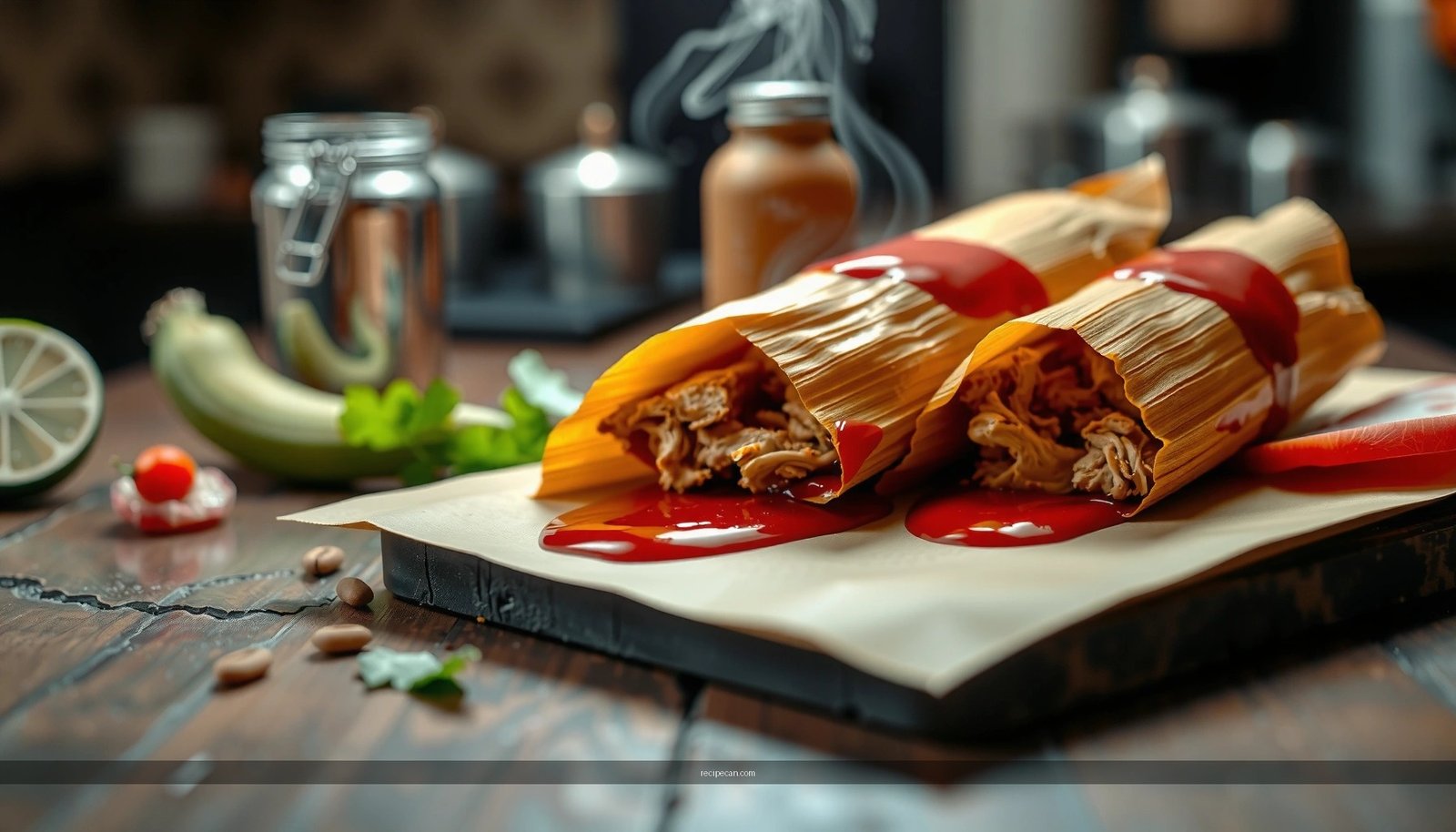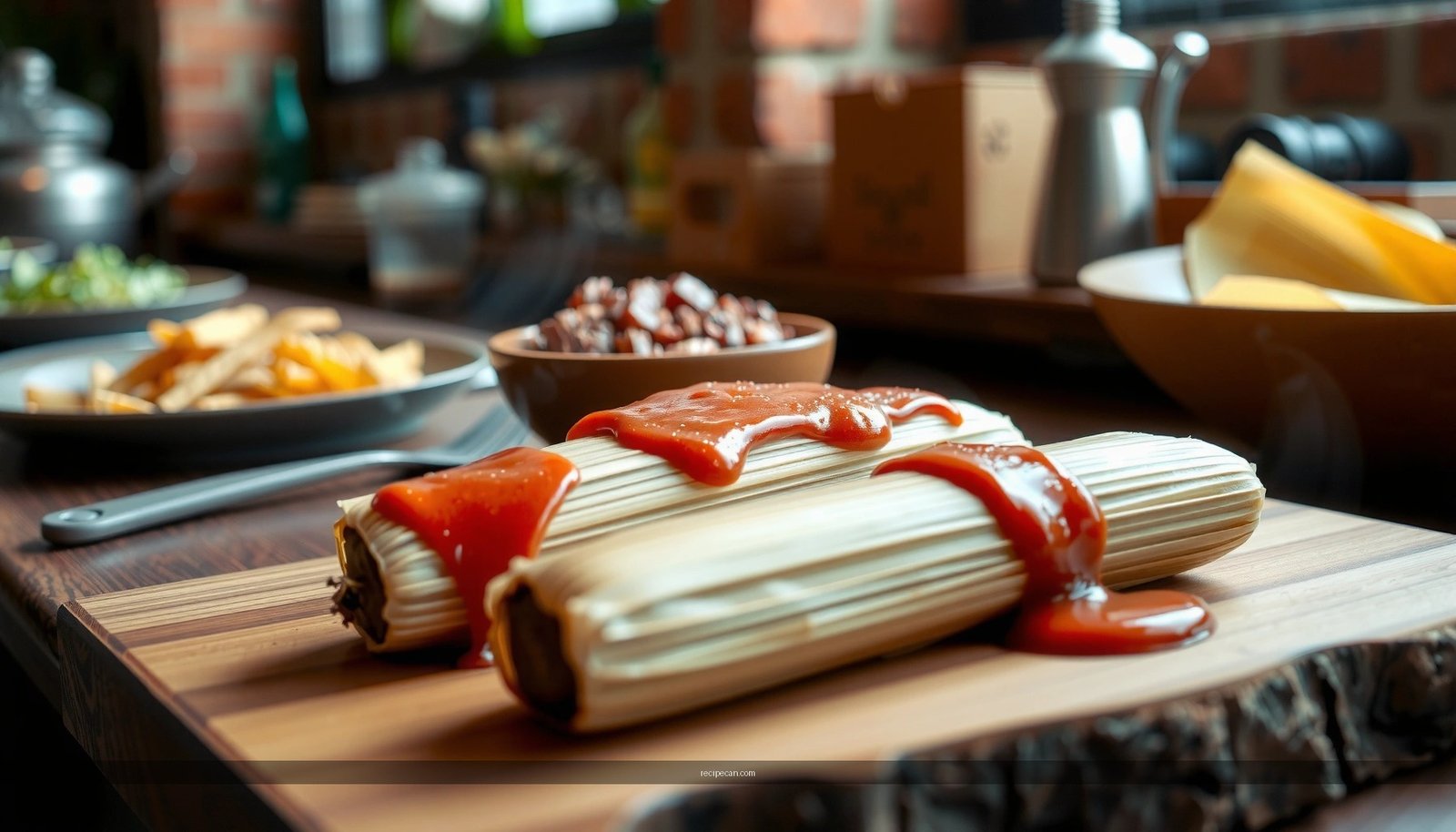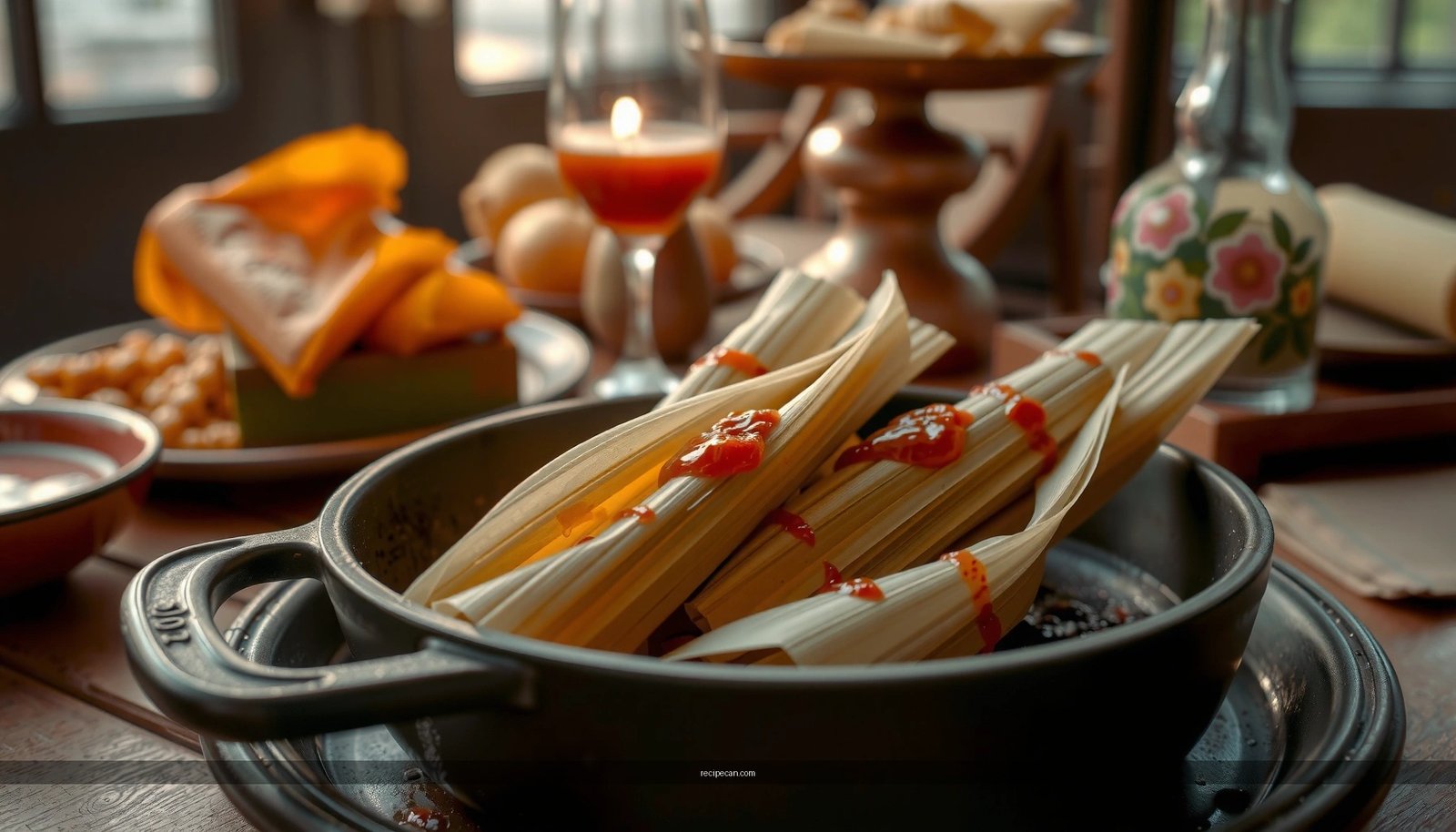
You came for a New Orleans style hot tamales recipe that actually works, and this step-by-step version delivers the real deal with a simple, no-fuss process. You’ll get clear instructions for the masa, the filling, and the wrapping so every tamale comes out tender, flavorful, and ready to eat. If you want the surest method for that classic New Orleans hot tamale bite, follow this recipe end to end.
To make authentic New Orleans style hot tamales, boil seasoned masa dough, wrap it in softened corn husks, and steam until tender and fragrant. This step-by-step guide breaks down the spice mix, the wrap and seal process, and realistic cooking times so you get tamales that are hot, juicy, and unmistakably traditional.
Gather Ingredients for New Orleans Style Hot Tamales
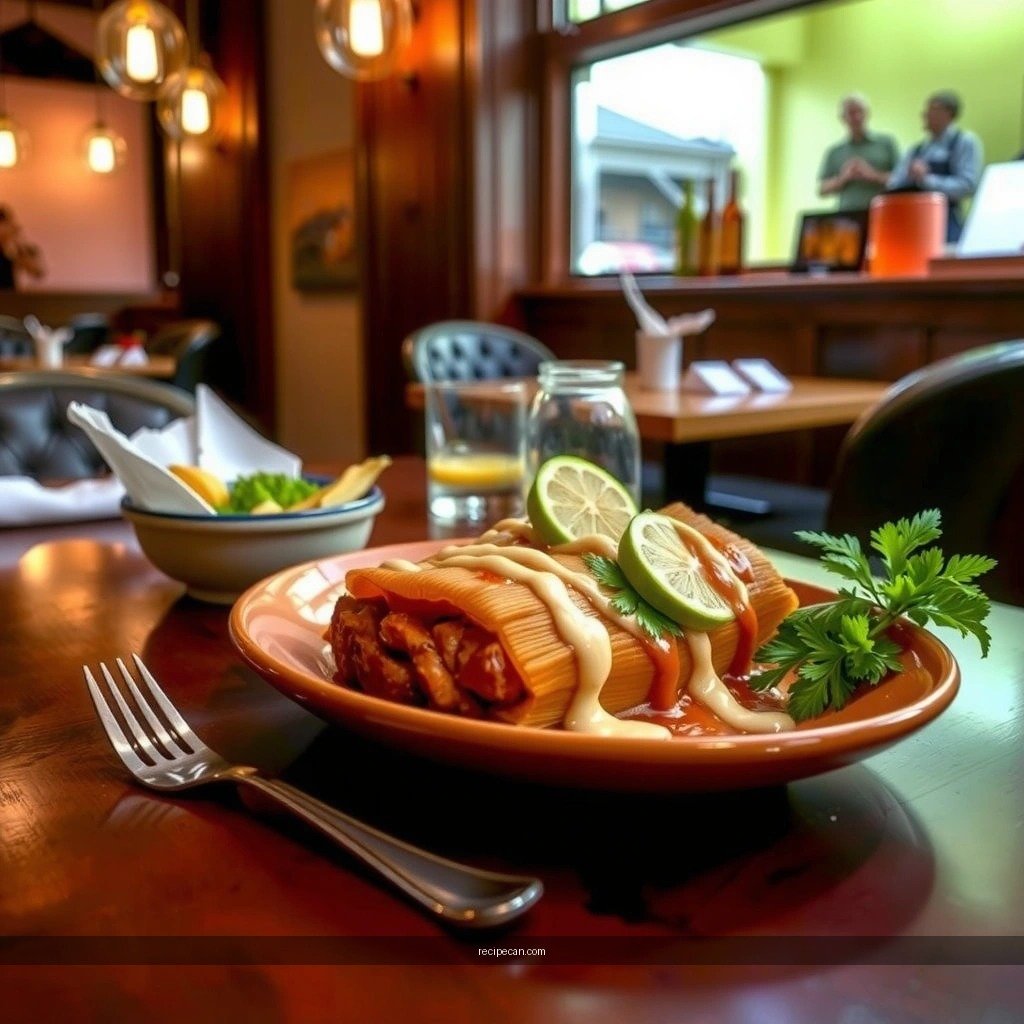
The foundation of great hot tamales is balance: masa that cooks evenly and a filling with enough fat and seasoning to stay “saucy” during steaming. New Orleans style hot tamales also tend to lean into bold, pepper-forward heat—often built with chili, garlic, and warm spices—rather than relying solely on scorching hot sauce.
Corn husks and masa
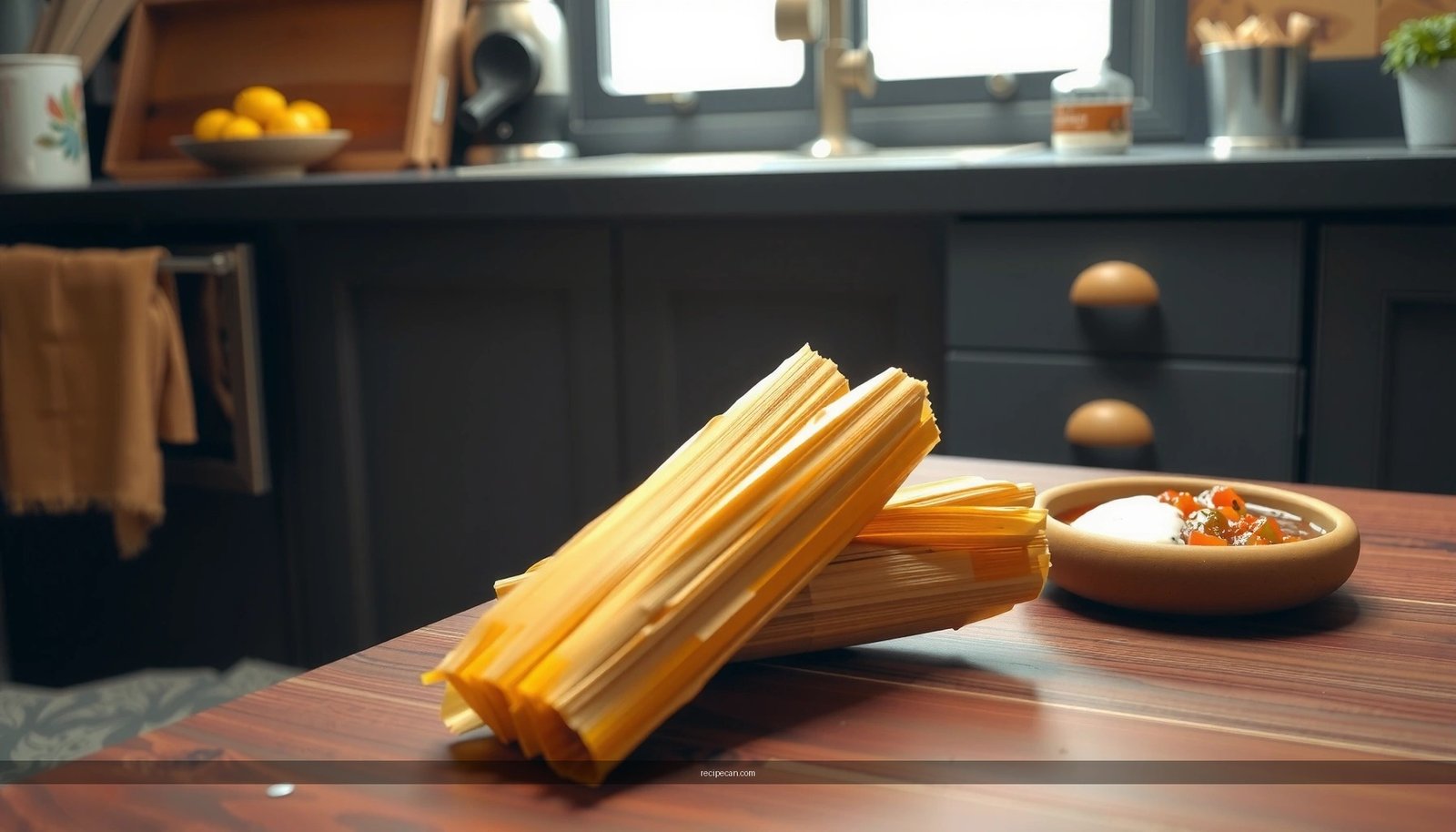
– Corn husks: Use fresh or thawed husks. Fresh husks are pliable and steam well; dried husks should be soaked until flexible (so they don’t crack when folded).
– Masa harina: Choose a quality masa harina for smoother texture. Consistency matters because the masa cooks through mostly via steam, not direct heat.
Filling choices
– Pick your meat: pork, chicken, or beef. For the most “hot and juicy” result, pork shoulder is a classic because it braises well and holds flavor under steam.
– Spice-forward seasoning: target a filling that tastes good on its own—mild filling will read bland once wrapped in masa.
Recommended pantry additions
– Broth/stock for masa (chicken or pork stock)
– Garlic and chili (fresh garlic + chili powder blends)
– Salt + black pepper (pepper is essential for the hot tamales profile)
– Optional heat: cayenne or hot pepper flakes to tune intensity
– Cooking oil or lard (for browning and richness)
> Pro tip for traditional texture: If your husks are very thick, trim the very stiff outer edge so folding is cleaner and steaming seals are tighter.
Tamales Plan: Filling + Masa Targets for New Orleans Style Hot Tamales
| # | Component | Target Consistency | Typical Steam Time | Quality Signal |
|---|---|---|---|---|
| 1 | Masa dough | Spreadable, holds ridges | 90–120 min | Lift test: husk peels clean |
| 2 | Seasoning paste | Thick, coats spoon | 5–8 min simmer | Aroma turns nutty-fragrant |
| 3 | Pork filling | Juicy shreds, not runny | 90–120 min | Sauce clings to meat |
| 4 | Chicken filling | Tender chunks, lightly sauced | 90–115 min | Meat shreds with pressure |
| 5 | Beef filling | Slow-cooked, moist strands | 100–130 min | Collagen breaks down fully |
| 6 | Husk soak | Flexible, pliable, no cracking | 30–60 min soak | Fold feels “springy” |
| 7 | Rest after steaming | Firm-up, juices settle | 15–25 min rest | Slices cleanly without gaps |
Make the Hot Seasoning and Masa
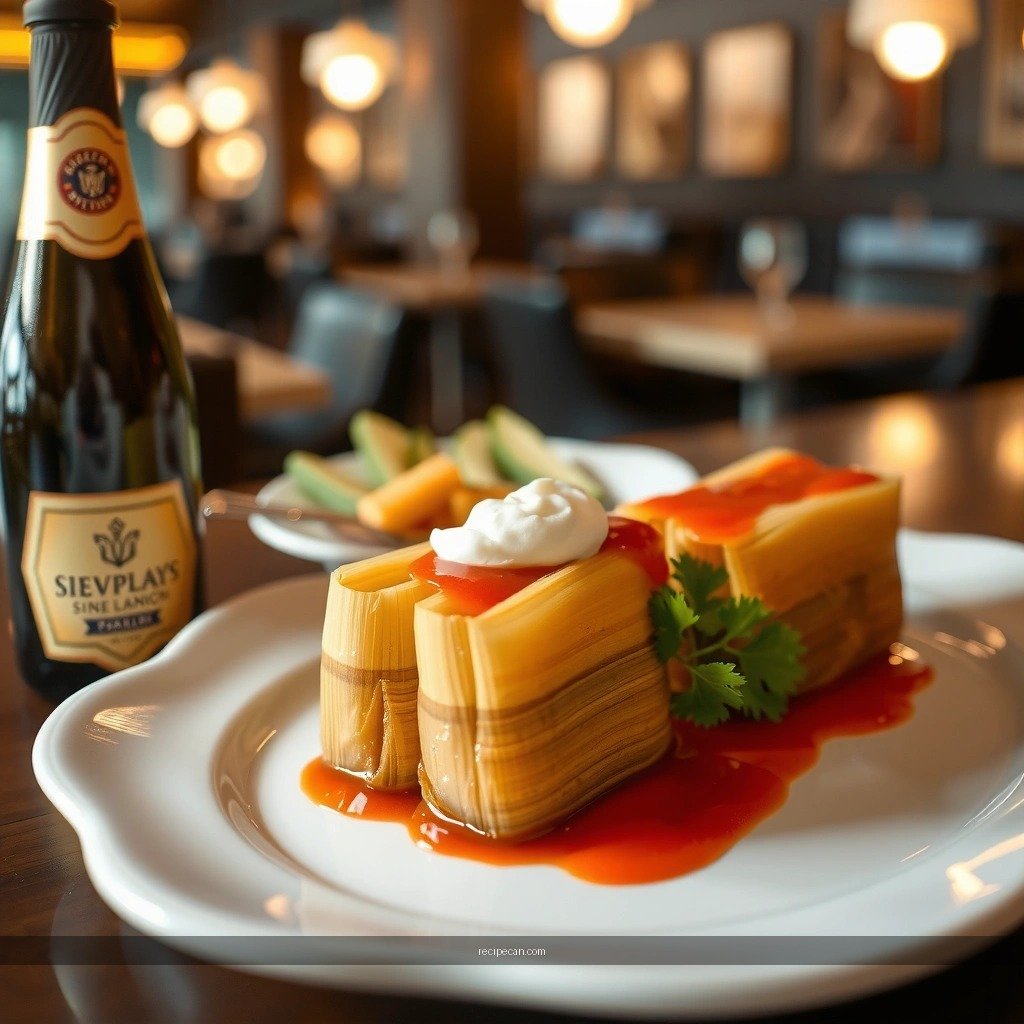
New Orleans hot tamales get their character from seasoning that’s bold enough to survive steaming. Instead of sprinkling spices randomly, create a seasoning blend (or paste) that you simmer briefly so flavors disperse evenly.
Hot seasoning strategy
– Start with chili powder (or a chili blend), then add garlic.
– Include warm spices like cumin and black pepper to build depth.
– If you want a true “hot” finish, add cayenne in small increments and taste the mixture.
Masa mixing and smoothness
1. Combine masa harina with broth/stock, salt, and any fat component (oil or lard).
2. Mix until the masa is smooth and spreadable—it should hold ridges when spread.
3. The masa should not be watery. Too thin = mushy tamales; too stiff = dry or uneven cooking.
Key technique: boiling before steaming
Many cooks in the region par-cook or season the masa so it holds structure during steaming. A common approach:
– Boil seasoned masa dough briefly until it thickens and becomes cohesive.
– Then proceed to spread and assemble in husks, followed by steaming to finish tenderness.
> Troubleshooting: If your masa tastes “dry” before steaming, it likely needs more liquid. If it tears or won’t spread, add broth 1–2 tablespoons at a time.
Prep the Filling the New Orleans Way
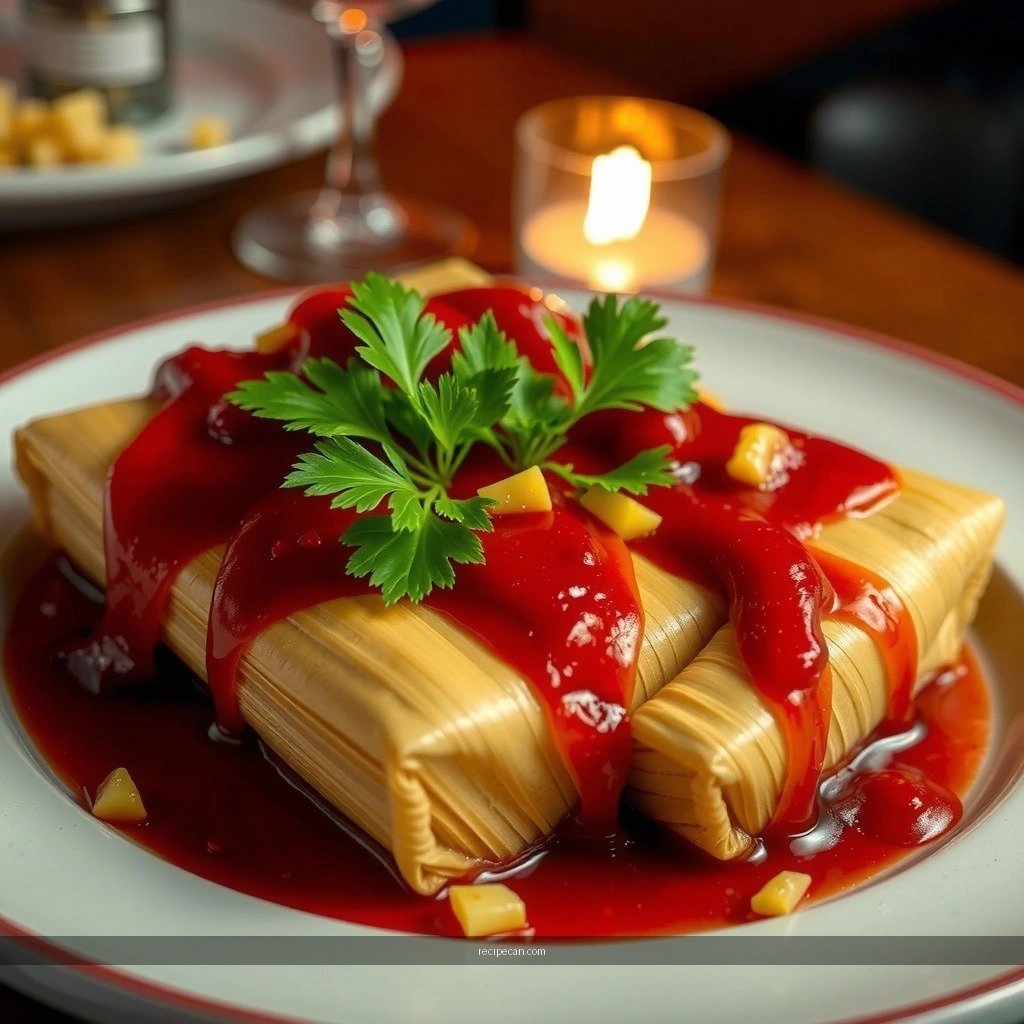
The filling is what makes hot tamales feel “juicy” rather than dry. The goal is tender meat + clingy seasoning—not watery stew that leaks out and loosens the masa during steaming.
Cook until tender
– Pork: braise pork shoulder until shreds easily.
– Chicken: simmer until tender; shred and mix with sauce.
– Beef: use a cut that breaks down—then shred into strands.
Season generously
New Orleans-style heat usually reads as layered warmth:
– Chili + garlic base
– Salt and pepper for structure
– Optional bay leaf or herbs while simmering (for aroma)
Cool slightly before assembling
Let the filling rest 10–20 minutes so it’s warm, not hot. Very hot filling can:
– loosen masa,
– soften the husk seal,
– and increase the chance of leaking.
Juiciness control
If your filling is too wet, reduce gently on the stove. You’re aiming for sauce that coats meat, not a pool.
Assemble and Wrap Your Tamales
Assembly is where consistency becomes quality. Even small differences in masa thickness or wrap tension can lead to uneven steaming.
How to assemble
1. Lay a softened corn husk on a flat surface.
2. Spread masa into a rectangle, typically thin enough to steam through but thick enough to stay intact.
3. Add filling in a line near the center, leaving space on the edges.
4. Fold sides toward the center, then roll up or fold into a sealed shape.
5. Tie or secure using husk strips or kitchen twine if your method requires it.
Wrap technique matters
– Tight but not compressed: Over-compressing squeezes out filling; under-wrapping creates air pockets.
– Uniform thickness: You want every tamale to steam at roughly the same rate.
> Pro tip: If you’re making large batches, assemble with a “production rhythm”—spread husks in rows, fill consistently, then move to the steaming pot together.
Spice Level Guide for New Orleans Style Hot Tamales
| ★ | Spice Level | Cayenne Amount | Flavor Profile | Best For |
|---|---|---|---|---|
| ★ | Warm | 1/4 tsp per 2 lb meat | Chili-forward, pepper mild | Crowds & kids |
| ★★ | Hot | 1/2 tsp per 2 lb meat | Balanced heat, noticeable aroma | Weeknight tamale nights |
| ★★★ | Spicy | 3/4 tsp per 2 lb meat | Pepper heat + chili depth | Adults & heat lovers |
| ★★★★ | Very Hot | 1 tsp per 2 lb meat | Bold bite, lingering warmth | Serving with extra hot sauce |
| ★★★★★ | Challenge Heat | 1 1/2 tsp per 2 lb meat | High heat, deep chili aroma | Small batches for tastings |
Steam and Cook Until Tender
Steaming is where hot tamales transform from “assembled” to “traditional.” Controlled steam ensures masa cooks evenly and absorbs enough moisture to become tender without turning mushy.
Set up for steady steam
– Use a steamer pot with a rack or steaming basket.
– Add water so steam remains consistent. Don’t let the pot boil dry.
– Steam in batches if needed—crowding lowers steam circulation and extends cooking time.
Check for doneness
Doneness isn’t only about time; it’s about texture:
– Masa should feel firm but not rubbery.
– Husks peel away more cleanly when tamales are cooked through.
– If masa sticks heavily or looks pale/raw near edges, keep steaming in 10–15 minute intervals.
Rest before serving
After steaming, rest tamales 15–25 minutes. Resting allows:
– masa to set,
– juices to settle,
– and heat to distribute evenly.
> Pro tip: Rotate stacks halfway through if your steamer has hot spots (common in larger batches).
Serve with Classic New Orleans Sides
Hot tamales are best served warm with condiments that amplify the chili without overpowering it. Think “bright and tangy” to cut through richness.
Classic New Orleans pairings
– Hot sauce: choose a vinegar-forward style for lift.
– Pickled onions: tangy crunch balances peppery masa and savory filling.
– Dipping sauce: a simple mix of tomato, vinegar, and spices can add acidity and heat control.
Serving approach for best texture
– Serve immediately for the tenderest masa bite.
– If holding, keep covered to prevent husk-drying, and re-steam briefly if needed.
Flavor tuning
If you made a milder tamale for family, offer heat at the table:
– dust with extra cayenne,
– add a squeeze of citrus to your sauce,
– or serve multiple hot sauces so guests can calibrate.
Conclusion
New Orleans style hot tamales succeed when three elements are aligned: a bold, simmered hot seasoning; masa that’s smooth, spreadable, and cohesive after boiling; and a filling that’s tender, well-seasoned, and slightly cooled before assembly. By wrapping tightly in softened corn husks and steaming with steady heat—then resting before serving—you’ll consistently produce tamales that are hot, juicy, and unmistakably traditional. If you want, tell me whether you’re using pork, chicken, or beef and your ideal heat level, and I’ll tailor the spice mix and steam targets to match.
Frequently Asked Questions
What makes a New Orleans style hot tamales recipe different from other tamales?
New Orleans style hot tamales typically lean into bold Creole seasoning, often featuring a flavorful pork filling and a spicy kick that feels unmistakably Louisiana. The masa may be seasoned for depth, and the tamales are usually steamed until tender with a rich, savory filling. You’ll also often find a “hot” element in the recipe—like hot sauce, cayenne, or diced peppers—aimed at that classic New Orleans heat.
How do you make New Orleans style hot tamales from scratch step by step?
Start by soaking corn husks so they’re pliable for wrapping, then make a seasoned masa and a pork-based filling with Creole spices. Assemble the tamales by spreading masa on the husk, adding the spicy filling, and folding securely before steaming. Steam the tamales until the masa is fully set and the center is hot, then let them rest briefly for cleaner serving. For best results, follow timing closely and keep water simmering steadily during steaming.
Why are my tamales coming out dry or tough, and how can I prevent it?
Dry or tough tamales usually come from over-steaming, under-seasoned or properly hydrated masa, or using husks that weren’t soaked enough. Make sure your husks are soaked until flexible, and keep the water at a gentle simmer so cooking is consistent. If your masa seems stiff, add a little broth or warm water gradually to reach a soft, spreadable texture before assembling. Resting the tamales after steaming helps the masa rehydrate slightly and improves tenderness.
Which fillings work best for a New Orleans hot tamales recipe—pork, chicken, or beef?
Pork is the most common choice for New Orleans style hot tamales because it stays flavorful and tender when simmered with Creole seasoning. Chicken can work well if you’re aiming for a slightly lighter filling, but pork usually delivers the classic richness people expect. Beef is also possible, but it may need extra cooking time to become melt-in-your-mouth tender. No matter the protein, prioritize a spicy, well-seasoned sauce so every bite of New Orleans hot tamales is packed with flavor.
What’s the best way to keep New Orleans hot tamales spicy without making them too hot to eat?
Build heat in layers by using a mix of mild and hot seasonings—like Creole seasoning plus cayenne or diced peppers—rather than relying on only one very hot ingredient. Taste your filling before assembly so you can adjust heat early, and consider controlling spice by removing or reducing hot pepper seeds. You can also serve extra hot sauce on the side for guests who want more New Orleans-style heat. This approach keeps your hot tamales flavorful and balanced instead of overly aggressive.
References
- Hot Tamales
https://en.wikipedia.org/wiki/Hot_tamale - Tamale
https://en.wikipedia.org/wiki/Tamale - Cuisine of New Orleans
https://en.wikipedia.org/wiki/New_Orleans_cuisine - https://en.wikipedia.org/wiki/Cajun_and_Creole_cuisine
https://en.wikipedia.org/wiki/Cajun_and_Creole_cuisine - Masa
https://en.wikipedia.org/wiki/Masa - https://www.britannica.com/topic/tamale
https://www.britannica.com/topic/tamale - https://www.britannica.com/topic/Creole-cuisine
https://www.britannica.com/topic/Creole-cuisine - Google Scholar Google Scholar
https://scholar.google.com/scholar?q=New+Orleans+hot+tamales+recipe - Google Scholar Google Scholar
https://scholar.google.com/scholar?q=hot+tamale+New+Orleans+masa+recipe - Google Scholar Google Scholar
https://scholar.google.com/scholar?q=Cajun+Creole+tamales+street+food+recipe