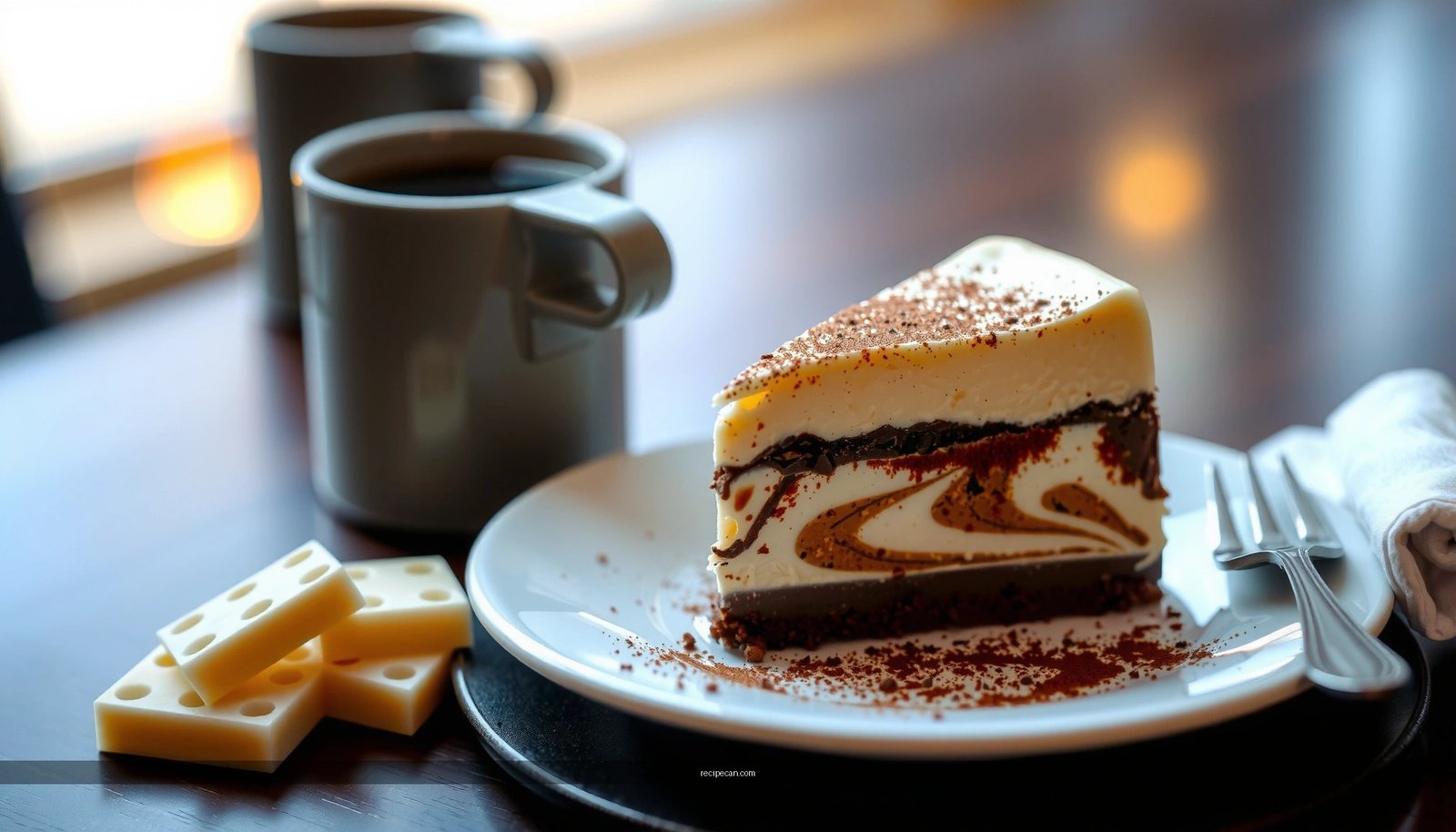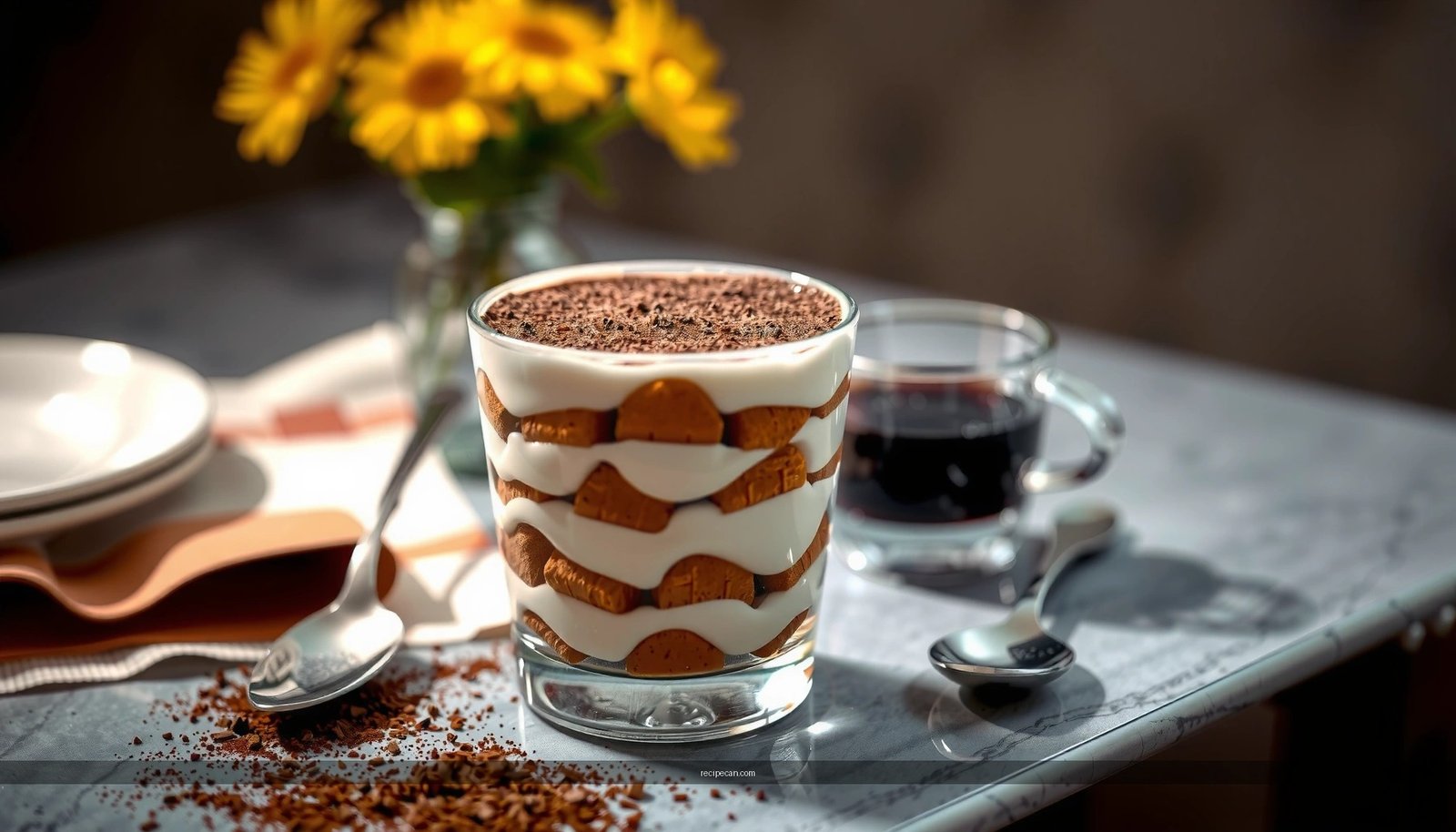
Get a bright, creamy limoncello tiramisu that lands perfectly every time—fluffy mascarpone layered with lemony soak and clean, boozy flavor. This recipe answers whether you can make limoncello tiramisu easy without sacrificing richness, from quick assembly to the right chill for set layers. If you want a no-stress dessert that tastes like sunshine and holds its shape, this is the winner.
This limoncello tiramisu recipe delivers a dessert-shop style finish by pairing tangy mascarpone cream with quick espresso-soaked ladyfingers and a clean citrus lift from limoncello. You’ll follow a simple, no-stress assembly process—then chill it until the layers set into a sliceable, creamy classic.
This Italian-inspired dessert is often associated with rich, coffee-forward tiramisu—yet “bright” versions are where the magic happens: lemon zest and limoncello cut through the creaminess, while espresso adds depth without overwhelming the citrus. Below, you’ll get a structured, practical method for making limoncello mascarpone cream, soaking ladyfingers correctly, assembling neat layers, and chilling for best texture.
Limoncello Tiramisu Ingredients
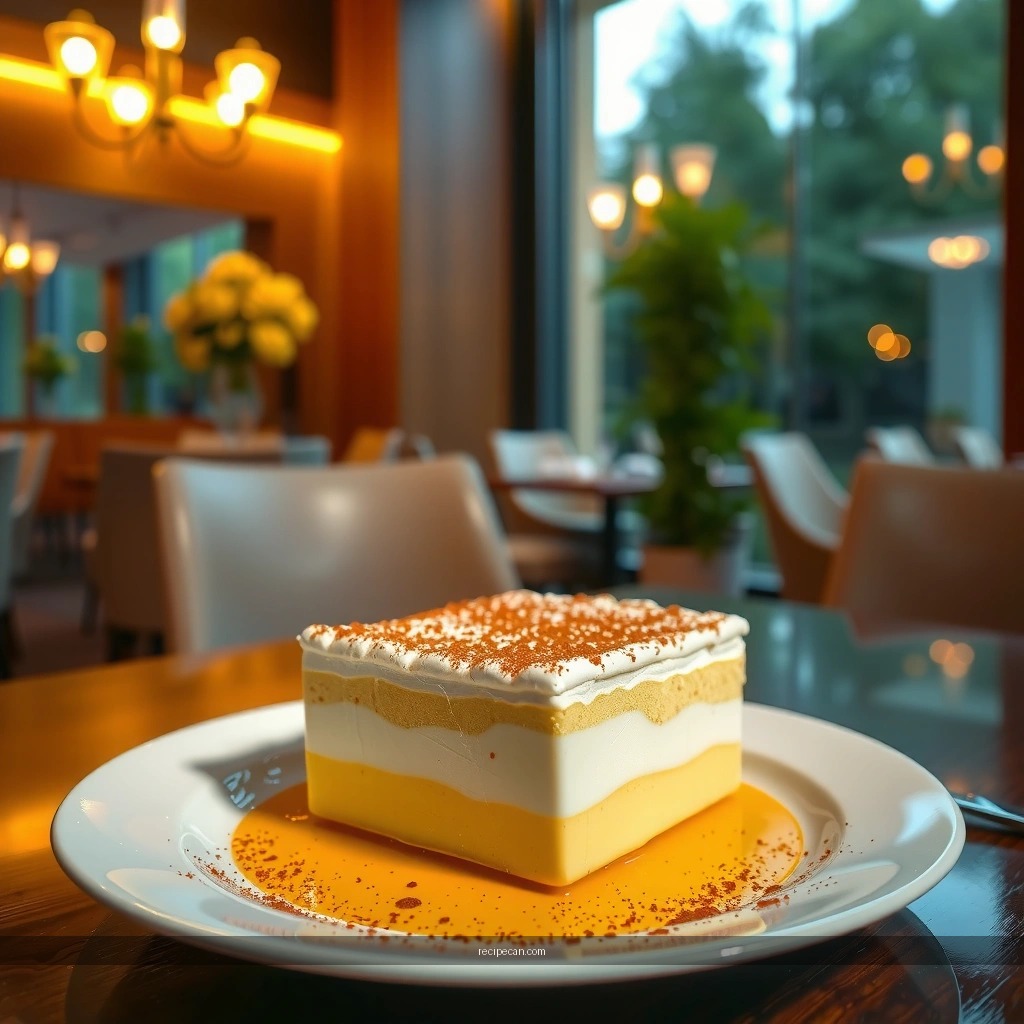
– Mascarpone, heavy cream, sugar, and egg yolks (optional) for the classic creamy base
– Limoncello, lemon zest, espresso (or strong coffee), and ladyfingers for the signature flavor
To keep the recipe reliable, focus on three “flavor anchors” and two “texture builders”:
Flavor anchors
1. Limoncello (or lemon liqueur): Use a real limoncello if you want that recognizable lemon-forward aroma. If your limoncello is very sweet, reduce added sugar in the mascarpone.
2. Espresso (or strong coffee): Choose a bold roast. Espresso doesn’t need to be bitter—its job is to provide toasted, slightly caramel notes that balance citrus.
3. Lemon zest: Zest delivers volatile oils (bright lemon aroma) that juice won’t replace. Plan on using fresh lemon zest whenever possible.
Texture builders
1. Mascarpone: The foundation for creamy tiramisu. Temper it by mixing well before adding heavier cream.
2. Whipping heavy cream: Folding in whipped cream lightens the mascarpone so the finished dessert feels airy but still holds structure.
Optional upgrade (egg yolks): Some tiramisu versions incorporate egg yolks for additional richness and a custard-like body. Egg yolks can also help the cream set slightly better. If you’re using them, use pasteurized eggs or cook them gently (details not included here, but you can incorporate yolks into the sweet base before folding in whipped cream).
—
Limoncello Tiramisu Flavor Targets vs. Typical Amounts (Per 9×5-inch Loaf)
| # | Component | Typical Amount | Role in Flavor | Impact |
|---|---|---|---|---|
| 1 | Limoncello | 60–90 mL | Primary citrus perfume | High (sweet-lemon balance) |
| 2 | Lemon zest | 2–3 lemons | Brightness without extra liquid | High (aroma boost) |
| 3 | Espresso (or strong coffee) | 180–240 mL | Toasted bitterness contrast | Medium-High (layer depth) |
| 4 | Mascarpone | 450–500 g | Creamy body | High (texture foundation) |
| 5 | Heavy cream (for whipping) | 300–350 mL | Lightness and volume | High (silky lift) |
| 6 | Sugar (cream base) | 60–110 g | Balances citrus tang | Low-Medium (avoid over-sweet) |
| 7 | Ladyfingers (savoiardi) | 28–36 pieces | Structural “sponge” layer | Medium (soak strategy matters) |
Make the Limoncello Mascarpone Cream
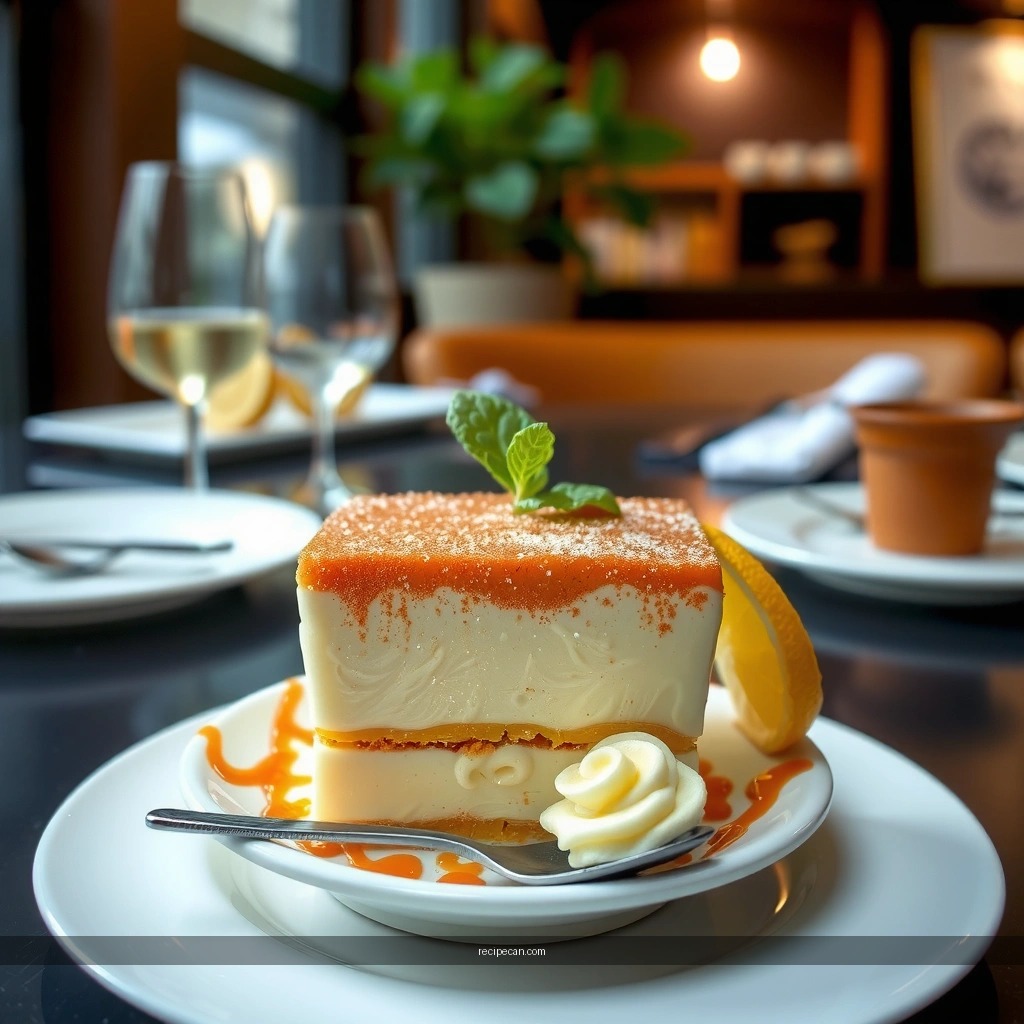
– Whisk mascarpone with sugar, then fold in whipped cream for a light texture
– Add limoncello and lemon zest for that fresh, citrusy punch
The goal of limoncello mascarpone cream is twofold: maximized lemon aroma and a stable, spoonable structure that won’t weep after chilling.
1. Soften and combine mascarpone + sugar
– If mascarpone is cold, it can look lumpy. Let it sit at room temperature for about 10–15 minutes, then whisk until smooth.
– Add sugar gradually. Because limoncello is often sweet, taste your cream and adjust rather than automatically following a “max sweetness” approach.
2. Whip heavy cream to medium peaks
– Whip until you see distinct ridges that slowly fold over—not stiff and dry.
– Medium peaks matter because they keep the cream airy without becoming grainy.
3. Fold gently for a mousse-like texture
– Fold whipped cream into mascarpone in 2–3 additions. This preserves volume and results in a light, restaurant-style mouthfeel.
4. Add limoncello and lemon zest last
– Stir in limoncello and lemon zest to distribute citrus evenly.
– Zest should be visible in tiny flecks; that visual cue also signals strong lemon aroma.
Analytical tip: If your cream feels loose after adding limoncello, it’s usually because the mixture warmed too much. Chill the bowl briefly (10–15 minutes) and then continue folding carefully. Properly cold cream + gentle folding leads to the cleanest slices.
Prepare the Espresso Soak

– Brew strong espresso or coffee and let it cool slightly
– Dip ladyfingers quickly so they absorb flavor without turning soggy
Tiramisu lives or dies by the soak. Ladyfingers should taste coffee-rich, but they should not dissolve into batter.
1. Brew strong espresso/coffee and cool to lukewarm
– Very hot coffee can soften ladyfingers instantly and aggressively.
– Cooling helps you control absorption.
2. Optional citrus lift in the soak
– Some cooks add a small splash of limoncello to the coffee for a unified flavor bridge.
– If you do, keep it modest so espresso character still anchors the dessert.
3. Dip quickly, not fully soak
– Aim for one quick dip per side (think: seconds, not immersion).
– Place dipped ladyfingers immediately on the dish so they begin setting rather than pooling liquid.
4. Watch for “bend, not collapse”
– Perfectly soaked ladyfingers bend slightly but hold shape when layered.
– If they tear easily, you dipped too long or your soak was too warm.
This is also where you can control sweetness and bitterness. If your espresso is very dark and bitter, add a touch of sugar to the soak. If it’s mild, rely more on lemon zest for perceived brightness.
Assemble the Tiramisu Layers
– Layer soaked ladyfingers, then limoncello mascarpone cream, repeating until full
– Finish with lemon zest or shaved chocolate for a clean, bakery-style top
Assembly is straightforward, but clean layering improves both texture and presentation.
1. Choose your pan size
– A loaf pan or small baking dish works well for neat slices.
– Line the base with a thin layer of cream to prevent sliding.
2. Start with a cream base (optional but helpful)
– Spread a thin layer of mascarpone at the bottom—this reduces movement and makes the first slice cohesive.
3. Layer the soaked ladyfingers
– Fit them snugly in a single layer.
– For even spacing, trim a few pieces to match edges.
4. Add mascarpone cream and smooth
– Spread a consistent thickness of cream so every bite includes both ladyfinger and filling.
5. Repeat for the full dessert
– Most home versions use 2–3 layers depending on pan depth.
6. Finish with a bright top
– Use lemon zest for a clean bakery-style finish.
– For contrast, add shaved chocolate or a light dusting of cocoa—just keep it subtle so citrus remains the headline.
Quality control cue: When assembled correctly, the top layer should look smooth and slightly domed. If it looks watery around edges, it’s a sign of over-soaking—chilling will firm things up, but repeated patterns of looseness won’t fully recover.
Chill and Set for Best Texture
– Refrigerate for at least 4–6 hours (overnight is best)
– Keep it covered to prevent the surface from drying out
Chilling is not an afterthought—it’s what transforms separate components into a unified sliceable dessert.
1. Minimum chilling time
– Refrigerate at least 4–6 hours to allow ladyfingers to absorb and soften evenly.
– Overnight gives the best texture: creamy filling thickens, flavors integrate, and slices hold their shape.
2. Cover properly
– Use a lid or plastic wrap placed loosely over the top.
– Direct wrap contact can disturb zest and toppings; loose cover prevents drying without smearing.
3. Serve cold, not fridge-cold for long
– For best flavor balance, serve straight from the refrigerator.
– If the dessert sits at room temperature too long, the cream can loosen.
Texture reasoning: Ladyfingers act like a sponge. During chilling, they absorb moisture from the espresso and slightly from the cream environment, creating a cohesive “tiramisu matrix.” This is why waiting pays off—short chills often taste good but slice less cleanly.
Serving Tips and Variations
– Serve chilled with extra lemon zest and a drizzle of limoncello if desired
– Swap in gluten-free ladyfingers or adjust sweetness to match your limoncello
Once you’ve mastered the core method, you can tailor the recipe to your taste, dietary needs, and occasion.
– Extra lemon zest: Add zest right before serving to maximize aroma.
– Limoncello drizzle: A small drizzle on plates (not the entire dessert) prevents excess liquid from pooling.
– Garnish balance: Pair lemon zest with a single chocolate element (shaved chocolate or a light cocoa dusting) so the citrus stays dominant.
Variation options
– Gluten-free: Use gluten-free ladyfingers and check that they’re sturdy enough to hold during quick dipping.
– Lower sweetness: If your limoncello is very sweet, reduce sugar in the mascarpone. The goal is bright, not sugary.
– No-liqueur alternative: If you want alcohol-free, substitute with lemon syrup plus a touch of vanilla. (You’ll lose some limoncello perfume, but the citrus brightness can still shine.)
– Egg-yolk richness: If using egg yolks, choose pasteurized eggs and incorporate them safely for a richer custard-like base.
Practical pairing: Serve with fresh berries or a lightly sweet citrus salad. The acidity helps cut through the creamy mascarpone, reinforcing the limoncello flavor profile.
This limoncello tiramisu recipe is all about bold citrus flavor plus creamy layers that set beautifully in the fridge. Follow the steps for the limoncello mascarpone cream, quick espresso dips, and proper chilling—then make it your own with toppings and variations. Ready to try? Assemble your layers today and chill before serving for the best results.
Limoncello Tiramisu works best when you treat it like a layering process with controlled timing: whisk the cream to a stable, airy texture, dip ladyfingers briefly so they absorb without collapsing, assemble neatly for even bites, and chill long enough to let the flavors merge. If you focus on those four levers—cream consistency, soak control, layer thickness, and refrigeration—you’ll reliably produce a bright, creamy, sliceable dessert with a truly bakery-style finish.
Frequently Asked Questions
What is limoncello tiramisu and how is it different from classic tiramisu?
Limoncello tiramisu is a citrus-forward twist on classic tiramisu that uses limoncello liqueur for flavor and aroma, plus lemon zest or lemony cream for brightness. Instead of only coffee soaking, the ladyfingers are dipped in a limoncello mixture, giving a tangy, fragrant finish. The result is a lighter, more refreshing dessert that still keeps the creamy mascarpone texture.
How do I make limoncello tiramisu without curdling the mascarpone?
To avoid curdling, make sure your mascarpone and any dairy-based ingredients are cold but not frozen, and mix gently until just combined. If you’re adding eggs (some recipes do), temper them by slowly whisking warm liquid into the yolks, then cook/stir until thickened before folding into mascarpone. Keep the mixture at a low temperature and avoid high-speed whipping once the mascarpone is incorporated.
Which ingredients work best for the soaking liquid in limoncello tiramisu?
A common approach is to combine limoncello with water or strong lemon syrup and sometimes a splash of cream or lemon juice to balance the alcohol. If you want a less boozy version, use more water or substitute part of the limoncello with limoncello-flavored syrup. For a true limoncello tiramisu taste, use fresh lemon zest and high-quality mascarpone so the soaking flavor doesn’t get diluted.
Why does my limoncello tiramisu become watery or soggy, and how can I fix it?
Watery tiramisu usually comes from dipping the ladyfingers too long, using overly runny soaking liquid, or letting the dessert sit too long before setting. Dip each ladyfinger quickly—just enough to coat—then layer immediately to keep the structure. Chill the assembled limoncello tiramisu for several hours so the mascarpone cream thickens and the layers set without turning soggy.
What’s the best way to serve and store limoncello tiramisu for maximum flavor?
For best flavor, refrigerate the limoncello tiramisu at least 4–6 hours (or overnight) so the ladyfingers absorb the citrus-sweet soaking mixture. Serve chilled and garnish with extra lemon zest or thin curls of lemon peel right before eating for a fresh aroma. Store covered in the refrigerator for up to 2–3 days; the texture will soften slightly over time, but it should remain creamy if kept cold.
References
- Tiramisu
https://en.wikipedia.org/wiki/Tiramisu - Limoncello
https://en.wikipedia.org/wiki/Limoncello - Liqueur
https://en.wikipedia.org/wiki/Liqueur - Mascarpone
https://en.wikipedia.org/wiki/Mascarpone - Lady finger
https://en.wikipedia.org/wiki/Ladyfinger - Italian cuisine
https://en.wikipedia.org/wiki/Italian_cuisine - Tiramisu | Meaning, Ingredients, Origin, Desserts, & Taste | Britannica
https://www.britannica.com/topic/tiramisu - Google Scholar Google Scholar
https://scholar.google.com/scholar?q=limoncello+tiramisu+recipe - Google Scholar Google Scholar
https://scholar.google.com/scholar?q=limoncello+dessert+mascarpone+ladyfingers - Google Scholar Google Scholar
https://scholar.google.com/scholar?q=tiramisu+lemon+liqueur+mascarpone