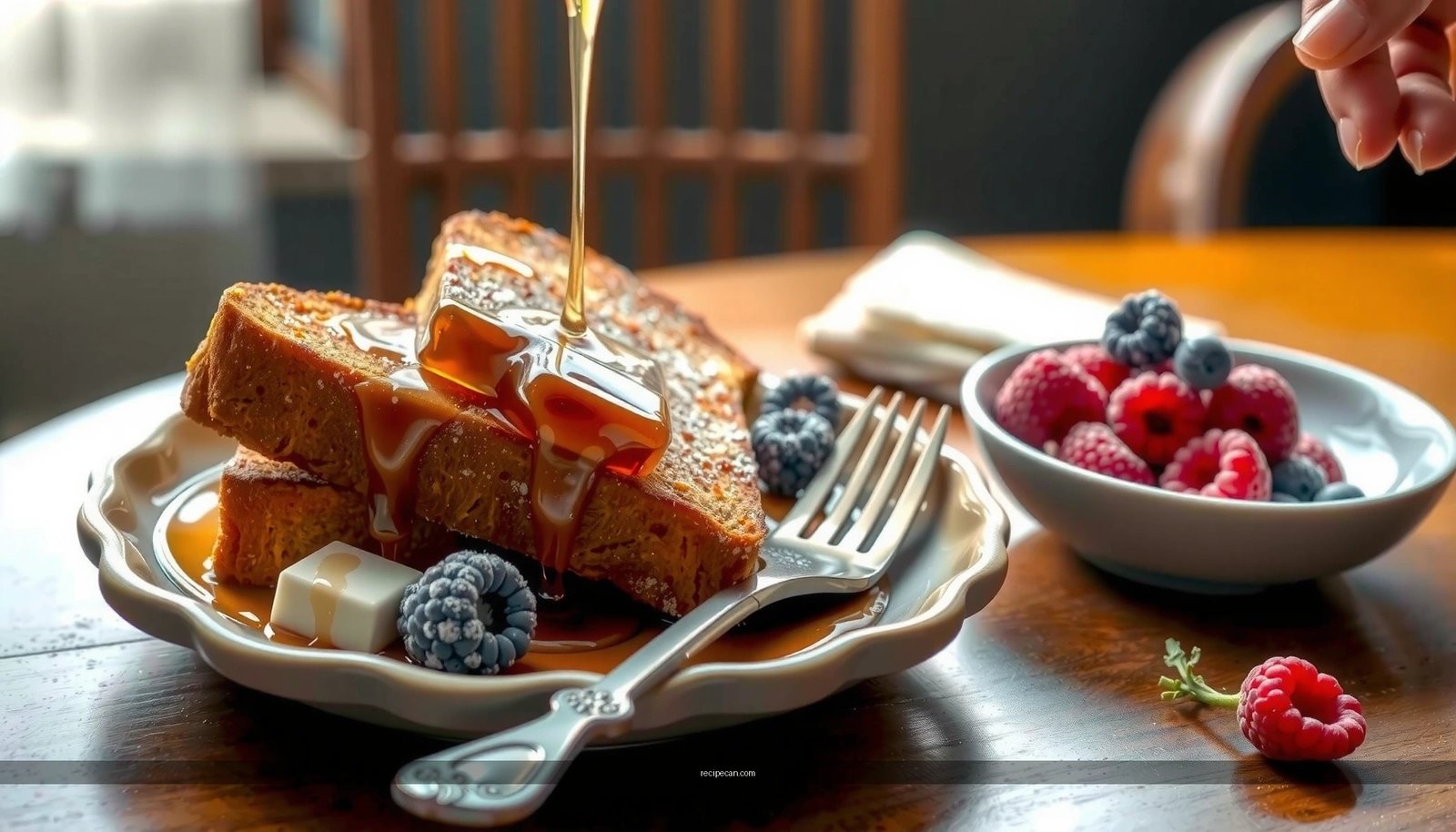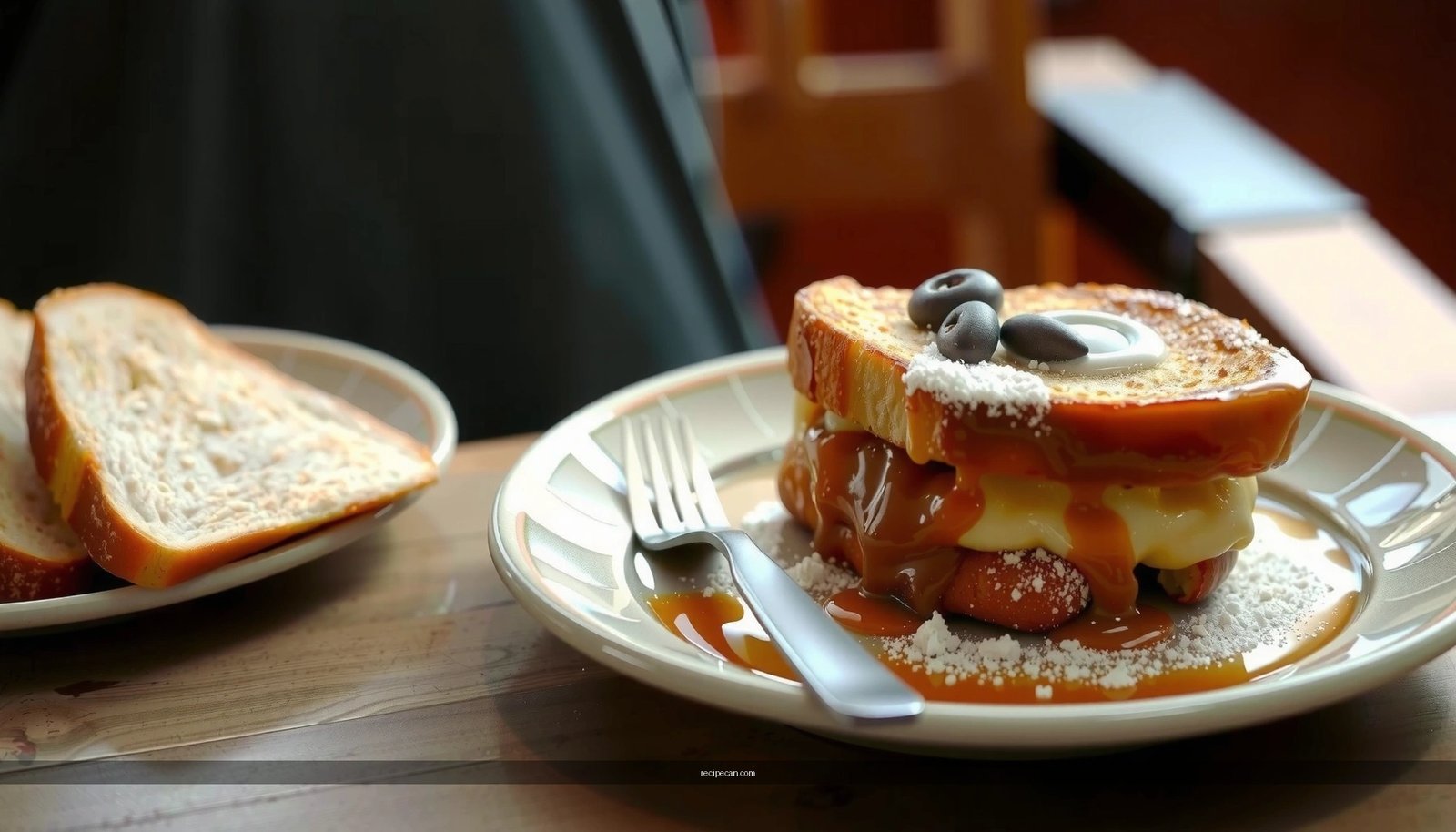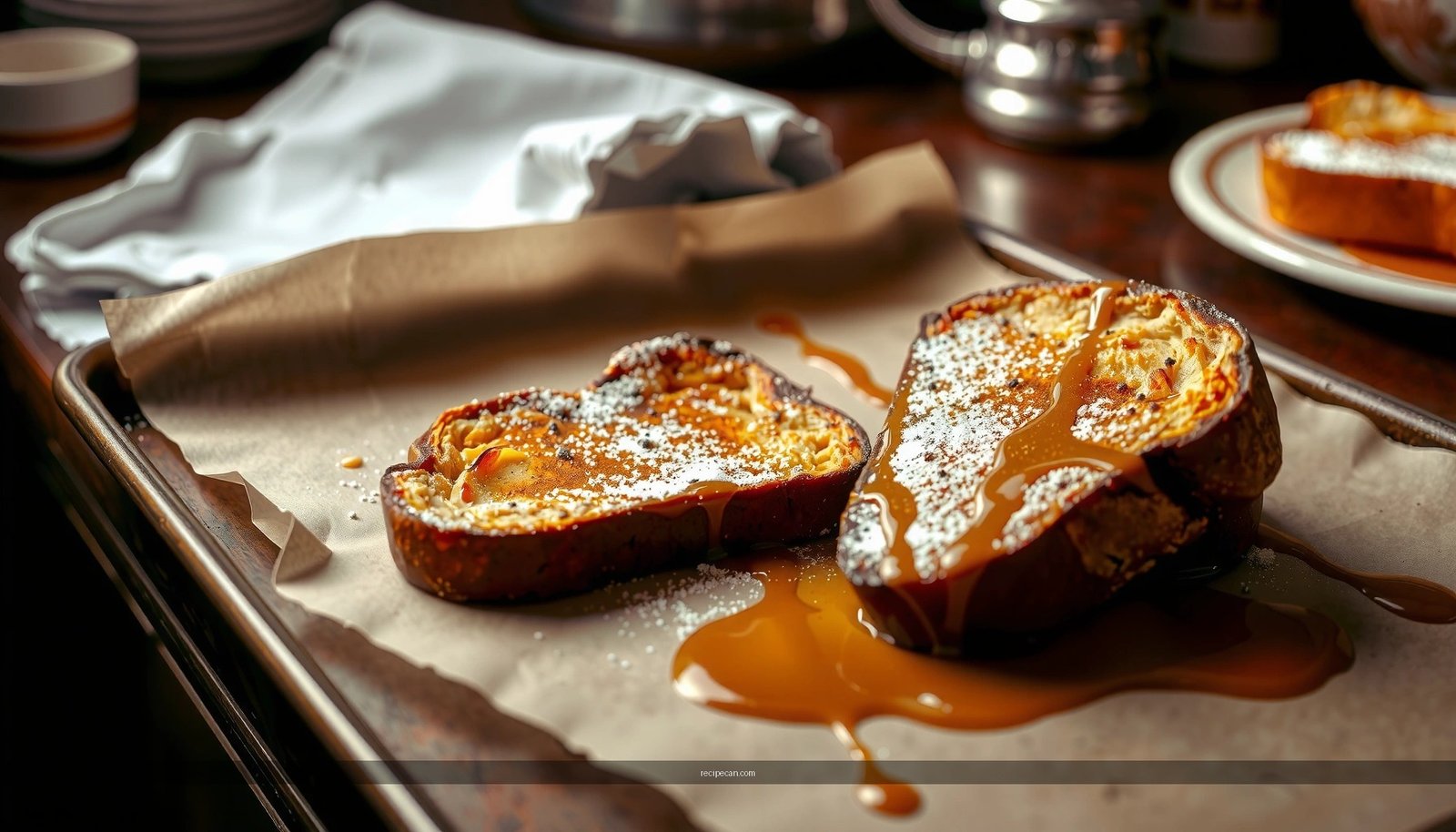
This healthy French toast recipe delivers the clear win you’re searching for: light, fluffy slices without the heavy, sugar-laden batter. You’ll learn how to make it fast with better ingredients and the right soak so every bite stays tender while still tasting like classic French toast. If you want a healthier breakfast that doesn’t compromise on texture, this is the version to follow.
You can make healthy French toast that’s light and fluffy by using whole-grain bread, a lighter egg-based (or egg-substitute) custard, and only a small amount of natural sweetness—then cooking it quickly on a nonstick surface to avoid sogginess. This recipe walks you through an easy batter formula and practical technique so you get that classic French toast texture without the heavy, syrup-soaked calories.
How Bread Type Affects “Healthy” French Toast Texture (Per 1 slice, ~35–40g)
| # | Bread choice | Fiber (g) | Best absorption | Texture outcome | Verdict |
|---|---|---|---|---|---|
| 1 | Whole-wheat sandwich bread | 4.0 | Medium (10–20 sec dip) | Soft center, lightly crisp edges | Great balance ★★★★☆ |
| 2 | Sprouted whole-grain bread | 5.5 | High (needs shorter dip) | Custard-set interior, less sogginess | Best for fluff ★★★★★ |
| 3 | 100% whole-grain rye | 3.6 | Medium-high | Dense but sturdy (less “airy”) | Strong bite ★★★★☆ |
| 4 | Multigrain (check labeling) | 3.2 | Medium | Good texture, varies by brand | Works well ★★★★☆ |
| 5 | Brioche-style “light” bread | 1.6 | High (quickly oversoaks) | Fluffy but less healthy | Not ideal ★★☆☆☆ |
| 6 | Sourdough (whole-grain version) | 2.8 | Medium | Crisps nicely, custard sets | Balanced ★★★★☆ |
| 7 | White sandwich bread | 0.8 | Low (often turns mushy) | Soft but less “set” | Lower fiber ★★☆☆☆ |
Choose the Best Bread for Healthy French Toast

For healthy French toast, bread is your first lever: it determines fiber, how quickly the custard penetrates, and whether the interior stays set instead of turning gummy. Whole-grain and sprouted breads generally provide more fiber and a firmer crumb structure, which helps French toast feel lighter while still tasting indulgent. If your goal is “light, fluffy, and easy,” choose a bread slice that can absorb custard fast enough for tenderness but not so fast that it collapses.
When you’re selecting bread, look for two practical signals on the label:
1) Whole grain as the first ingredient (or sprouted grains listed prominently).
2) At least ~3 grams of fiber per slice (more is better for sustained energy).
Also, slightly stale bread is a technique—not a compromise. A drier slice creates tiny pores that absorb the custard quickly, so the center firms up when heated. Fresh bread tends to be too moist; even a short dip can oversaturate the crumb, leading to a “wet” French toast rather than a custard-set one. If you don’t have stale bread, you can toast the bread lightly for 1–2 minutes before dipping to mimic that effect.
Make a Lighter Healthy Batter
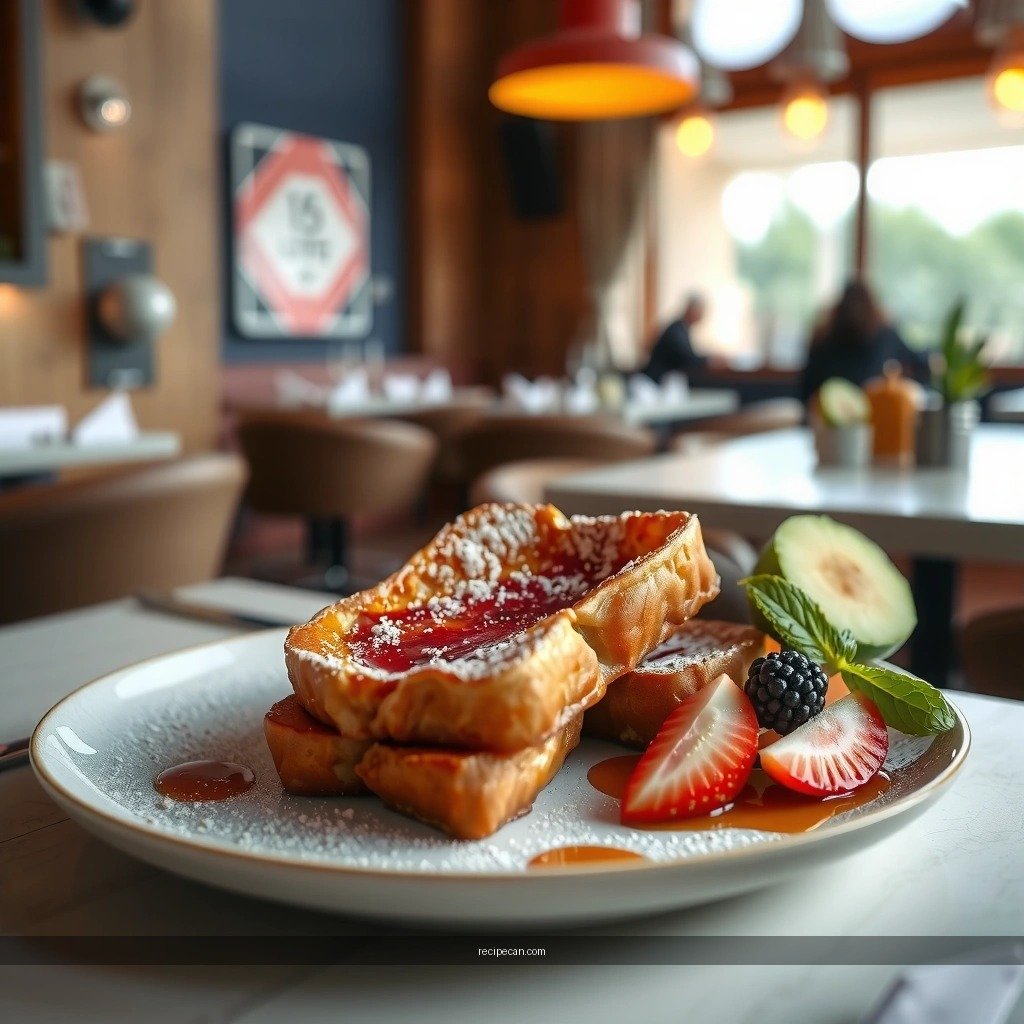
The easiest way to lighten French toast is to treat the batter like a custard with restraint. Traditional recipes often use full-fat dairy and higher sugar loads; instead, use eggs (or a lighter substitute) plus unsweetened milk to get structure and flavor without excess calories from added sweetness. Eggs contribute emulsification and protein, which helps the French toast set as it cooks—one of the key factors behind that fluffy interior.
A simple “lighter healthy batter” formula works for most breads:
– Eggs: 2 large eggs for every 4 slices of bread (or use 1 whole egg + 2 egg whites for a lighter profile).
– Milk: 3/4 cup unsweetened milk (dairy or non-dairy). Look for unsweetened soy milk if you want protein; oat milk can add creaminess but may brown faster.
– Spices: 1–2 teaspoons cinnamon (and a pinch of nutmeg if you like).
– Vanilla: 1/2 teaspoon vanilla extract for bakery-like aroma.
– Sweetener (optional): 1–2 teaspoons maple syrup *or* a small sprinkle of brown sugar substitute. You’re not making dessert—just enhancing flavor.
From a food-science perspective, keep the batter slightly thick. If it’s too watery, the bread can lose its crisp surface and end up steamed. If it’s too concentrated (for example, very high egg-to-milk ratio), you’ll get a custard-heavy texture that can feel dense rather than fluffy.
For a dairy-free option, the method stays the same—use unsweetened milk and consider a slightly higher cinnamon level for richness. For an egg-free version, you can use a commercial egg replacer or a plant-based custard blend, but the texture outcome will vary by brand. If fluffy texture is non-negotiable, eggs (or a hybrid of egg + whites) are the most reliable choice.
How to Dip and Cook for Fluffy Results
Healthy French toast rises or fails on technique. If you dip too long, you’ll get sogginess—even with the best bread. If you cook too hot, the outside browns before the custard sets; too cool, and the toast never firms up, leaving a custardy softness that tastes heavy.
Use this dip-and-cook rhythm:
– Dip briefly: about 10–20 seconds per side. You should see the bread darken slightly as it absorbs custard, then remove it and let excess drip off.
– Rest 30–45 seconds: placing the dipped slices on a plate for a short moment helps the custard distribute evenly.
– Cook on medium heat: start at medium and adjust as needed. Nonstick surfaces are your friend here; they reduce the amount of added fat and promote even browning.
– Use minimal oil: nonstick spray works well. If you wipe the pan with a thin coat of oil, do it once and evenly.
Turn timing matters. Don’t move the toast constantly; let it brown. Typically, you’ll cook 2–3 minutes per side, but thickness and pan heat affect the exact timing. You’re aiming for an exterior that looks gently crisp, not glossy, and an interior that feels set rather than wet.
If your French toast is browning too fast before it’s cooked inside, reduce heat and extend time slightly. If it’s cooking inside but not browning, increase heat by a small increment and consider adding a touch more vanilla/cinnamon to boost aromatic browning.
Flavor Boosts Without Extra Sugar
Flavor is where “healthy” French toast earns its place at the table. Since you’re likely reducing syrup, you need other elements that deliver perceived sweetness and depth.
Try these high-impact, low-sugar options:
– Cinnamon + nutmeg: warming spices make a low-sugar batter taste more “classic.”
– Orange zest: a small amount (about 1 teaspoon for 4 slices) can mimic the brightness you’d otherwise get from syrup.
– Vanilla extract: enhances aroma and supports flavor complexity.
– Pinch of salt: counterintuitively improves sweetness perception and rounds out egg/milk flavor.
For sweetener, think “accent,” not “ingredient.” A tablespoon of maple syrup across the whole batch is often enough if toppings provide sweetness. Choose fruits with natural sweetness—berries for freshness, sliced banana for comfort, or diced apples for a pie-like profile. You can also lightly caramelize fruit in a separate pan with cinnamon (and only a small amount of syrup or water) to build flavor without drowning the toast.
Healthy Toppings and Serving Ideas
Toppings are where you can raise protein and fiber, reduce added sugars, and keep the meal satisfying. Instead of pouring syrup over everything, build a “balanced plate” approach: creamy + fruity + crunchy.
High-protein topping ideas:
– Greek yogurt + berries (great for tang and protein).
– Cottage cheese + fruit (adds creaminess with fewer “empty” calories).
– Skyr (if available) + sliced peaches for a sweet-tart profile.
For texture and crunch:
– Chopped walnuts or almonds (add healthy fats and chew).
– Chia seeds or ground flax (fiber boost with minimal sweetness).
– Toasted pecans for a more dessert-like taste without relying on extra syrup.
Portion strategy matters. If you want a classic experience, use a modest drizzle of syrup—about 1–2 teaspoons per serving—and let fruit do the rest. This approach tends to keep the meal from becoming a calorie-dense sugar event while still feeling indulgent.
If you’re serving French toast to a broader group, consider a “topping bar” so each person customizes. One guest may choose yogurt and berries; another may want banana slices. This is especially effective for families and brunch setups, and it keeps your base recipe consistent.
Make-Ahead and Storage Tips
Healthy French toast is great for batch cooking, as long as you manage moisture and reheat properly. Batter can be prepared in advance, which is ideal for busy mornings or meal-prep schedules.
Batter ahead:
– Mix batter and store it in a covered container in the refrigerator up to 24 hours.
– Whisk again before using; spices settle.
– Cool cooked French toast fully before refrigerating.
– Store in an airtight container for up to 3 days.
Reheating for best texture:
– Best method: toaster or oven (around 350°F / 175°C for ~6–10 minutes depending on thickness).
– Microwaving is convenient but can soften the exterior and make it taste less crisp.
For meal prep, cook the batch and reheat only what you need. The “light, fluffy” texture is most preserved when you reheat using dry heat rather than steam.
A healthy French toast recipe is all about smart swaps—whole-grain bread, a lighter custard, and flavorful toppings that replace heavy syrup. Follow the batter and cooking tips above, then customize with your favorite fruit and protein topping. Try it this week and share what topping combination you liked best!
Frequently Asked Questions
What ingredients make a healthy French toast recipe?
A healthy French toast recipe typically uses whole-grain bread, eggs, and milk (or a lower-sugar plant milk) for a better nutrient profile and slower-digesting carbs. Swap some of the traditional sugar for cinnamon, vanilla, and a small amount of honey or maple syrup in the egg mixture. For extra fiber and protein, consider adding Greek yogurt to the batter or using thick-cut whole grain bread that absorbs flavor without turning soggy.
How do you make healthy French toast without it becoming soggy?
Use day-old bread or toast the bread lightly first so it absorbs the egg mixture without falling apart. Dip quickly—about 10–20 seconds per side—so the center cooks through while the bread stays structured. Cook on medium heat and use a nonstick skillet or a light oil spray, then let the French toast rest for a minute before serving to help it set.
Why is whole-grain bread better for French toast?
Whole-grain bread increases fiber, which can improve fullness and help manage blood sugar more effectively than refined white bread. It also adds nutrients like magnesium and B vitamins, making your healthy French toast recipe more balanced for breakfast. If you’re watching sugar, whole grain pairs well with fruit toppings like berries instead of syrup-heavy options.
Which toppings work best for healthy French toast?
For a healthier French toast recipe, choose toppings that add flavor and nutrients without a lot of added sugar. Try fresh berries, sliced bananas, chopped nuts, nut butter, or plain Greek yogurt for protein and texture. If you want sweetness, use a small drizzle of maple syrup or honey rather than large amounts of syrup, and add cinnamon for a “sweet” taste with fewer calories.
What’s the best way to cook healthy French toast for a crisp outside?
Cook on medium heat and preheat your pan before adding the bread so you get browning without burning. Lightly grease the skillet and consider using a small amount of butter alternative or avocado oil spray for even crisping. Flip once when the bottom is golden, then finish cooking until the center is set—usually 2–4 minutes per side depending on thickness.
References
- Google Scholar Google Scholar
https://scholar.google.com/scholar?q=healthy+french+toast+recipe - Google Scholar Google Scholar
https://scholar.google.com/scholar?q=whole+grain+french+toast+health - Google Scholar Google Scholar
https://scholar.google.com/scholar?q=eggs+breakfast+health+outcomes - French toast
https://en.wikipedia.org/wiki/French_toast - https://www.britannica.com/topic/french-toast
https://www.britannica.com/topic/french-toast - Healthy diet
https://www.who.int/news-room/fact-sheets/detail/healthy-diet - https://www.myplate.gov/eat-healthy/whole-grains
https://www.myplate.gov/eat-healthy/whole-grains - https://www.nhlbi.nih.gov/health-topics/dash-eating-plan
https://www.nhlbi.nih.gov/health-topics/dash-eating-plan - About Nutrition | Nutrition | CDC
https://www.cdc.gov/nutrition/ - https://pubmed.ncbi.nlm.nih.gov/?term=healthy+breakfast+whole+grains+eggs
https://pubmed.ncbi.nlm.nih.gov/?term=healthy+breakfast+whole+grains+eggs