Want the great French toast recipe that turns out perfect every time? This guide delivers one winning method—custardy centers, crisp edges, and rich flavor—with exact timing and soak ratios you can repeat. You’ll learn how to choose bread, set the right egg-milk mixture, and cook it so it browns beautifully instead of getting soggy.
Make great French toast by soaking thick bread in a well-balanced egg-and-milk custard, then cooking it on medium heat until crisp and golden. This recipe gives you reliable batter basics, controlled timing, and practical techniques to consistently achieve fluffy centers with a flavorful, caramelized crust—whether you’re cooking for two or brunching for a group.
Choose the Best Bread for Great French Toast
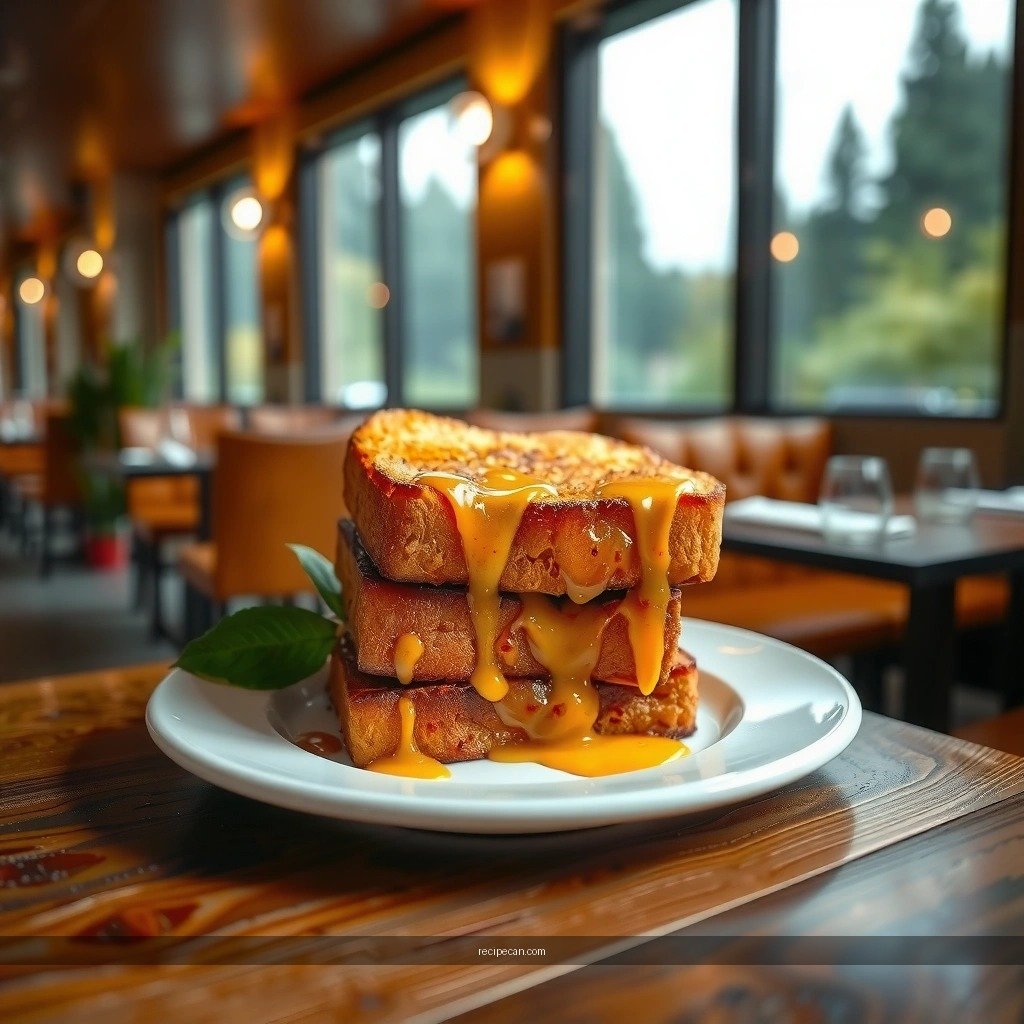
The bread is the foundation of French toast success. In business terms: it’s your “input quality,” and it directly determines texture, soak absorption, and final structure. Thick slices are especially important because they create enough mass to cook through without burning the exterior.
Start with breads that have a sturdy crumb and slice thickness (about 1 to 1½ inches). Excellent options include:
– Brioche: Buttery, naturally sweet, and forgiving—ideal for a rich “brunch café” profile.
– Challah: Slightly denser than brioche with a gentle sweetness; it crisps beautifully.
– Texas toast / thick sourdough: Texas toast gives a custardy interior with a crisp edge; sourdough adds tang and complexity.
– Brioche- or egg bread-based loaves: Convenient when you want consistent results with minimal technique.
Why slightly stale bread wins
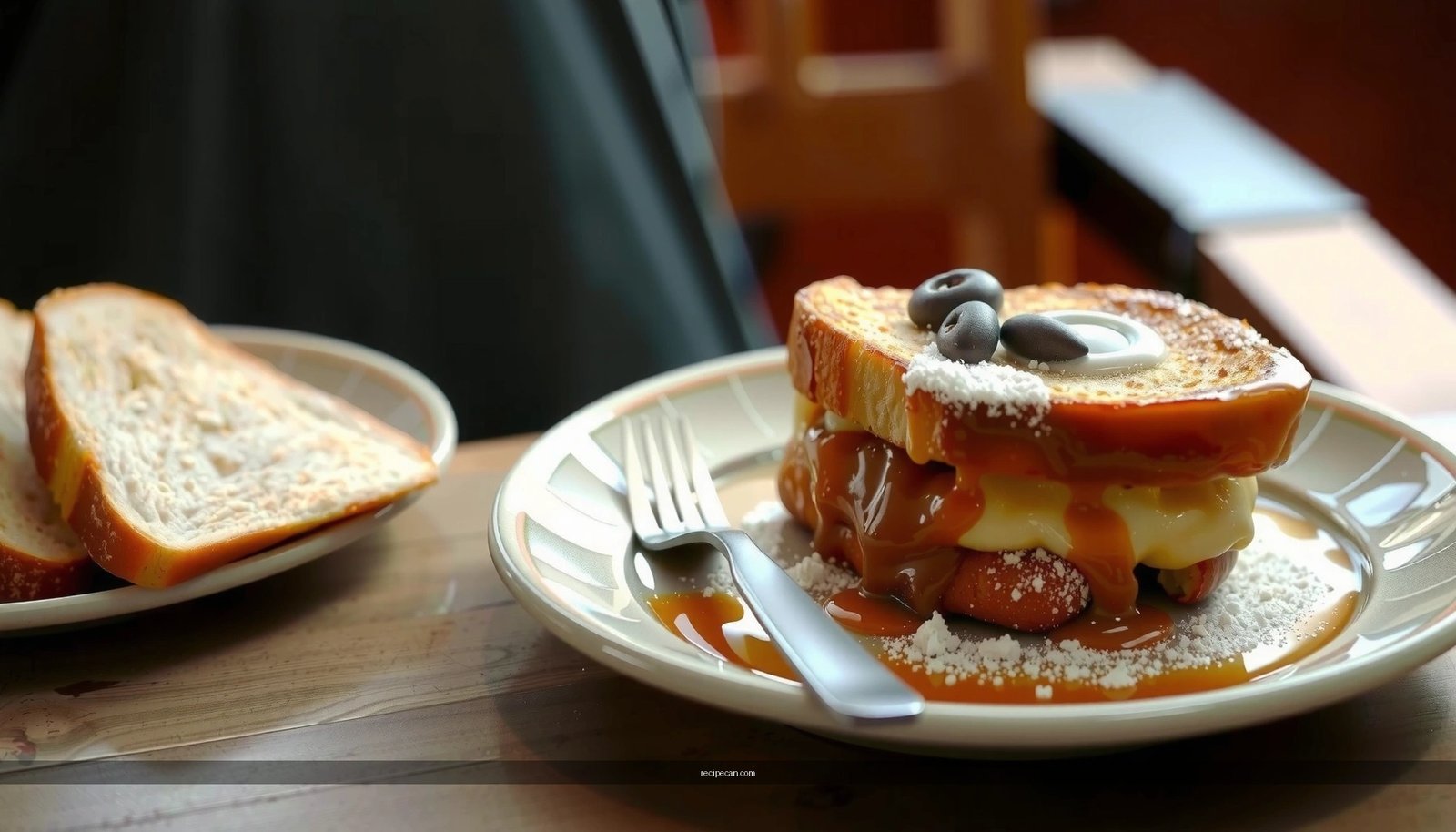
Fresh bread can become overly saturated and turn gummy. Slightly stale bread acts like a sponge with structure—it absorbs custard efficiently while maintaining integrity during cooking. For planning purposes, stale bread that’s been uncovered for several hours (or lightly toasted and cooled) typically performs better than bread straight from the bag.
Practical target: choose slices that are thick enough to hold shape, and aim for bread with enough dryness to absorb custard without collapsing.
Custard Absorption vs. French Toast Performance (Practical Benchmarks)
| # | Bread Type | Slice Thickness | Soak Time (seconds) | Best Texture Outcome | Overall Reliability |
|---|---|---|---|---|---|
| 1 | Brioche | 1–1.25 in | 20–30 | Creamy center, crisp edge | ★★★★★ |
| 2 | Challah | 1–1.5 in | 25–35 | Custardy interior, even browning | ★★★★☆ |
| 3 | Texas Toast | 1–1.5 in | 30–40 | High contrast: golden crust, soft center | ★★★★☆ |
| 4 | Sourdough (sturdy) | 1–1.25 in | 20–25 | Tangy flavor, firm chew | ★★★☆☆ |
| 5 | Whole Wheat Sandwich Bread | 0.75–1 in | 15–20 | Moister result if carefully soaked | ★★☆☆☆ |
| 6 | Baguette (cut thick) | 1–1.25 in | 15–20 | Crisp outside, sometimes dry interior | ★★★☆☆ |
| 7 | Brioche (pre-sliced, very thick) | 1.5 in | 30–40 | Very custardy center with controlled browning | ★★★★☆ |
Mix a Flavorful Egg Custard
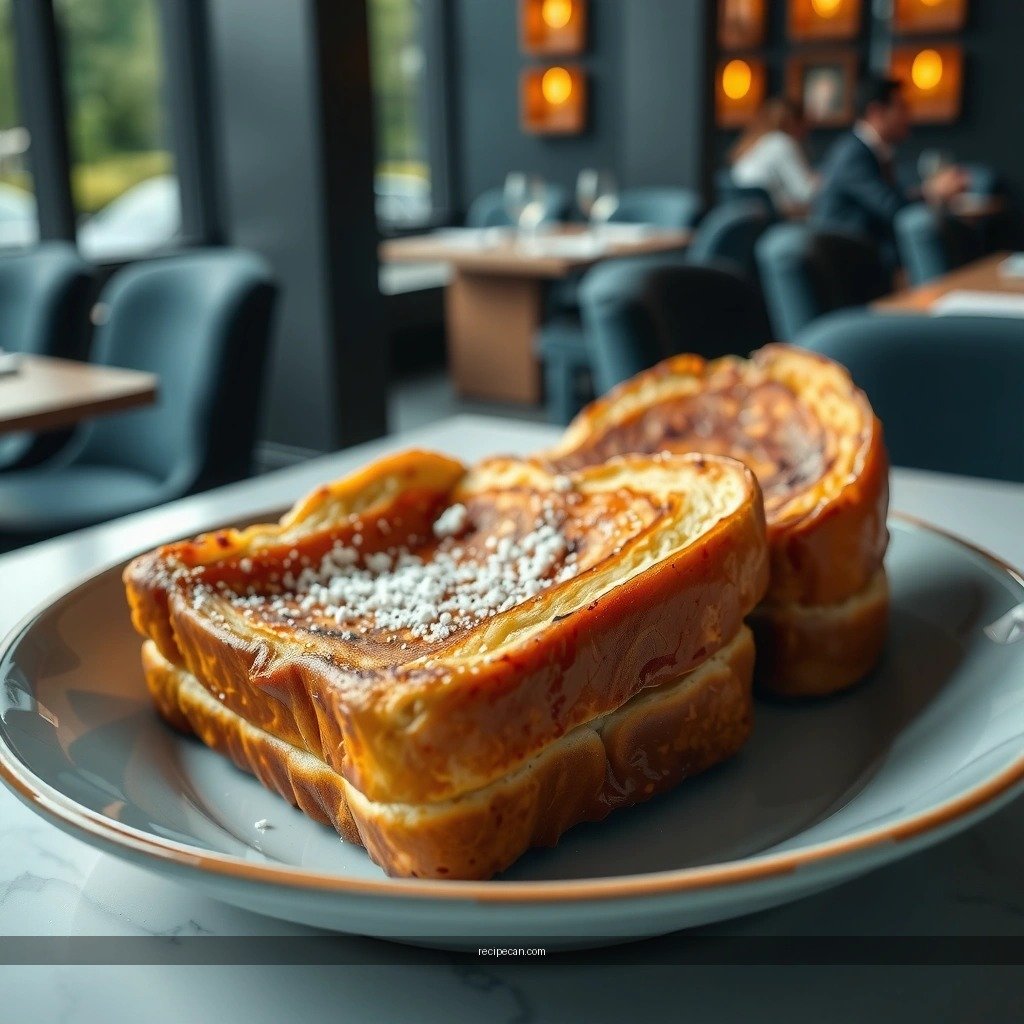
A great French toast custard is a balance of richness, flavor, and structure. You’re essentially creating a controlled custard that sets as it cooks—so the ratio matters, and so does seasoning.
The core batter (easy, reliable baseline)
Use this approach for classic French toast:
– Eggs: They provide structure and emulsify fat for tenderness.
– Milk (or cream): Milk adds moisture and sweetness; cream increases richness.
– Vanilla: A fragrant background note.
– Salt: Small amount sharpens flavor and prevents “bland sweet” results.
– Optional spice: Cinnamon and/or nutmeg for warm depth.
A typical “works almost every time” ratio for thick slices is:
– 1 large egg per 1/4 to 1/3 cup milk
– Add 1/2 teaspoon vanilla per egg
– Add a pinch of salt per bowl
Upgrade the custard without overcomplicating it
Professional-level flavor comes from small, intentional additions:
– Cinnamon (classic): Start with 1/2 to 1 teaspoon depending on batch size.
– Nutmeg (dimensional): Use sparingly—a pinch to 1/4 teaspoon prevents it from tasting “spicy.”
– Zest (bright): Orange or lemon zest adds aroma that pairs well with berries.
– Sweetener control: If you prefer lightly sweet French toast, rely on vanilla and spices first; too much sugar in the custard can brown too fast and burn before the center cooks.
Texture note: custard thickness
Thicker custard (more egg or more cream) sets faster and can produce a more “pudding-like” center. Thinner custard (more milk) produces a lighter result but may require slightly longer soak time.
Perfect Soak Time and Resting Tips
Soak time is where most home cooks lose consistency. Too little soak: pale surface and dry center. Too much: soggy toast that won’t crisp.
Soak for absorption—not flooding
General benchmark:
– 20–30 seconds per side for thick bread (about 1–1½ inches)
– If using very thick slices (closer to 1½ inches), trend toward 30–40 seconds total per side, but do not oversaturate; aim for full contact, not soaking like bread pudding.
A reliable method:
1. Dip bread quickly and evenly on both sides.
2. Lift and let excess custard drip back into the bowl for 2–3 seconds.
3. Continue with the rest so the pan can stay consistent in temperature.
Resting: a small wait, a big payoff
After dipping, allow the slices to rest briefly (1–2 minutes). This gives time for custard to wick inward, improving center tenderness without extending cooking time dangerously.
Watch for “custard cues”
Before the pan:
– Bread should look evenly coated, not pooling wet.
– Edges should still feel firm enough to hold shape.
Cook Until Crispy and Golden
Cooking method determines the crust—your goal is caramelization plus thorough heating through the center. That’s why temperature control matters more than many people realize.
Use medium heat for stable browning
Medium heat prevents the outside from browning before the custard sets inside. If the pan is too hot, sugars and milk solids darken quickly, often resulting in:
– burned crust,
– undercooked centers,
– and a bitter taste.
Flip once, when edges are set
A consistent technique:
– Cook the first side until edges look set and slightly dry (usually 2–4 minutes, depending on thickness and pan).
– Flip once using a thin spatula.
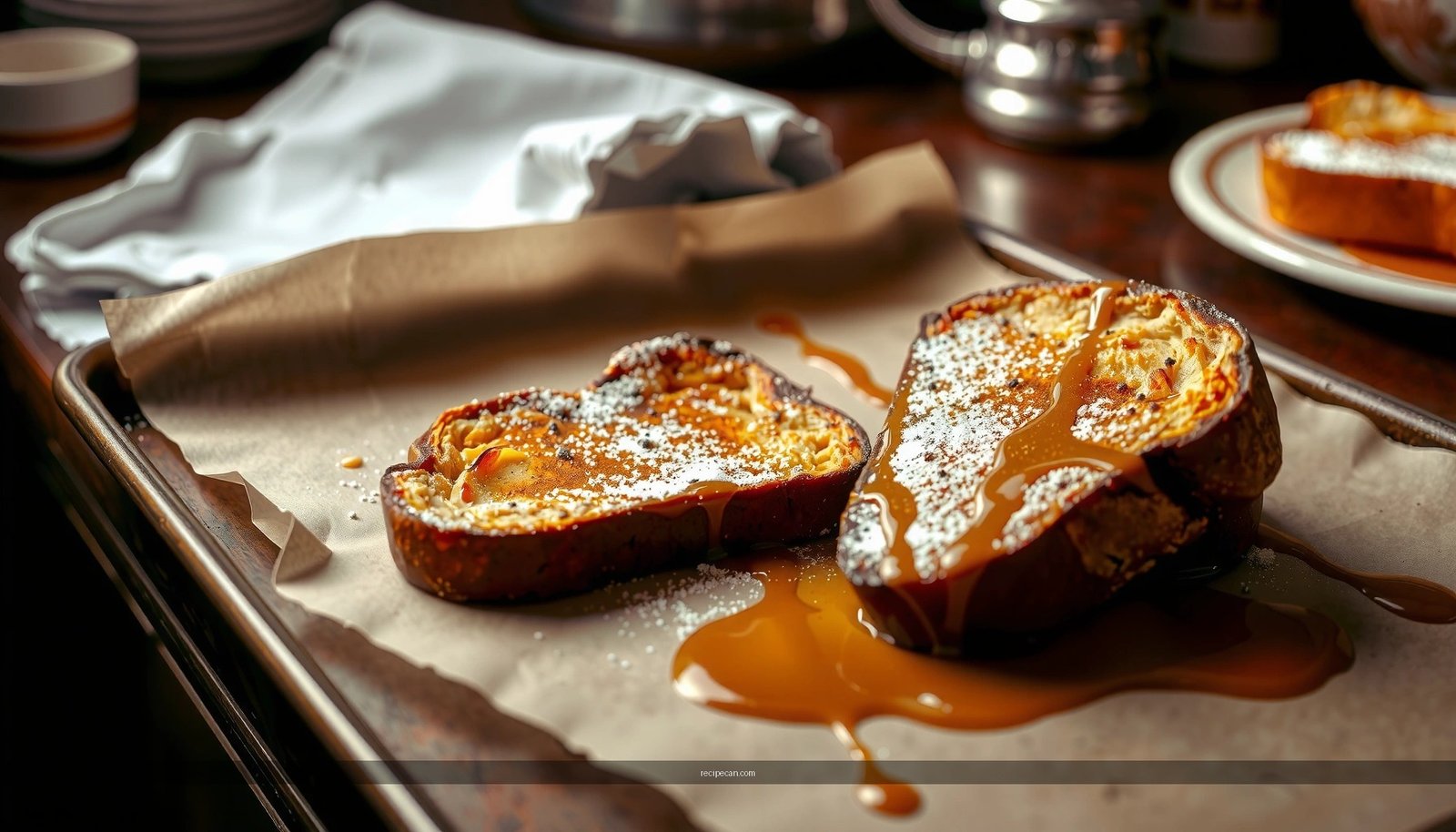
– Cook the second side until deep golden and crisp at the edges.
Butter technique: flavor vs. burning
Butter adds richness but burns faster than oil. To reduce risk:
– Use a small amount of butter + a neutral oil (like canola) to raise the smoke tolerance.
– Or baste lightly: spoon warm butter over the top during the last minute.
Don’t overcrowd the pan
Crowding traps steam and lowers pan temperature, leading to pale toast and sogginess. Cook in batches if necessary.
Serve It Like a Pro
Serving is where you finalize texture contrast: crisp crust, creamy center, and complementary toppings.
Classic topping combinations that work reliably
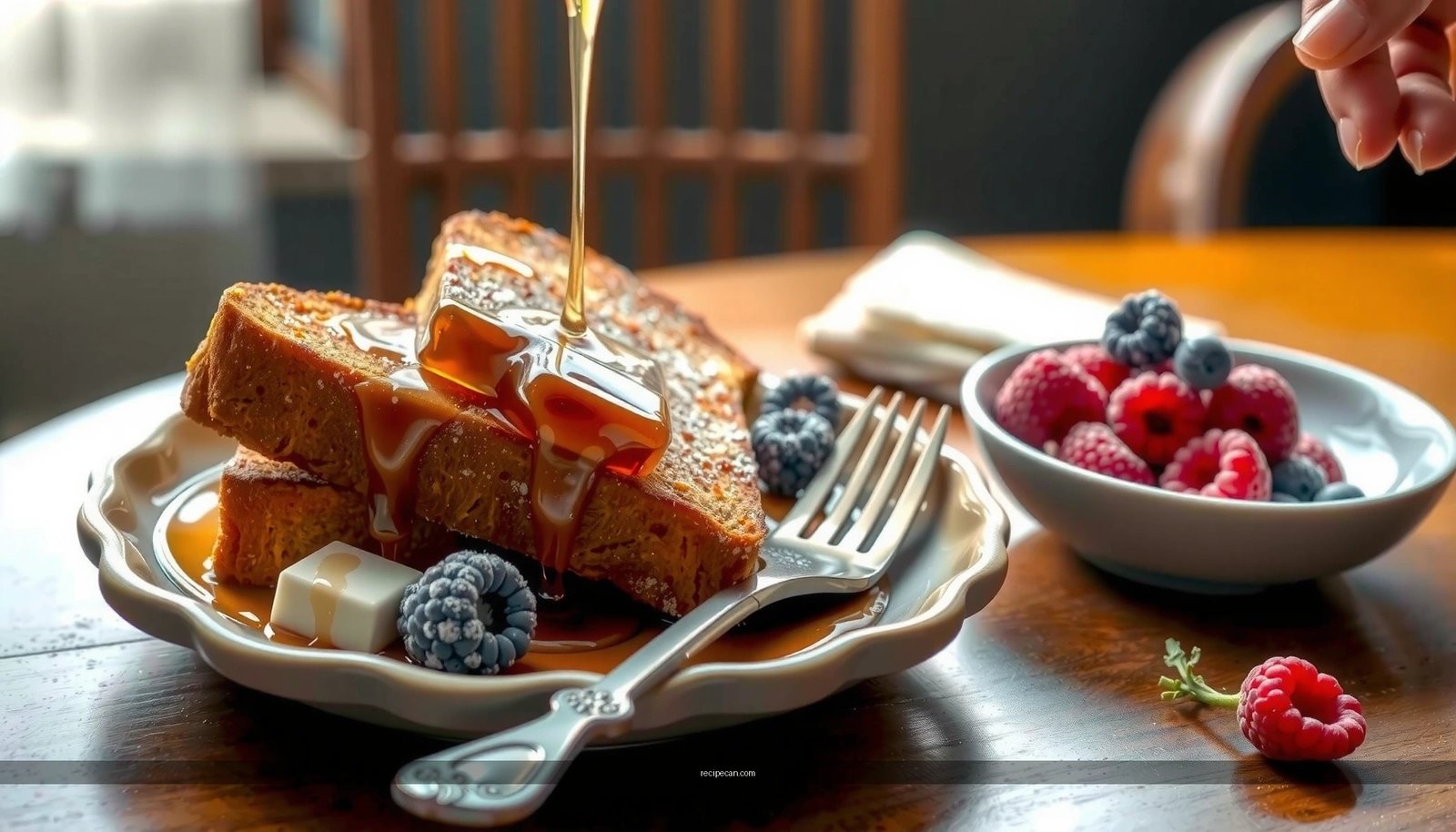
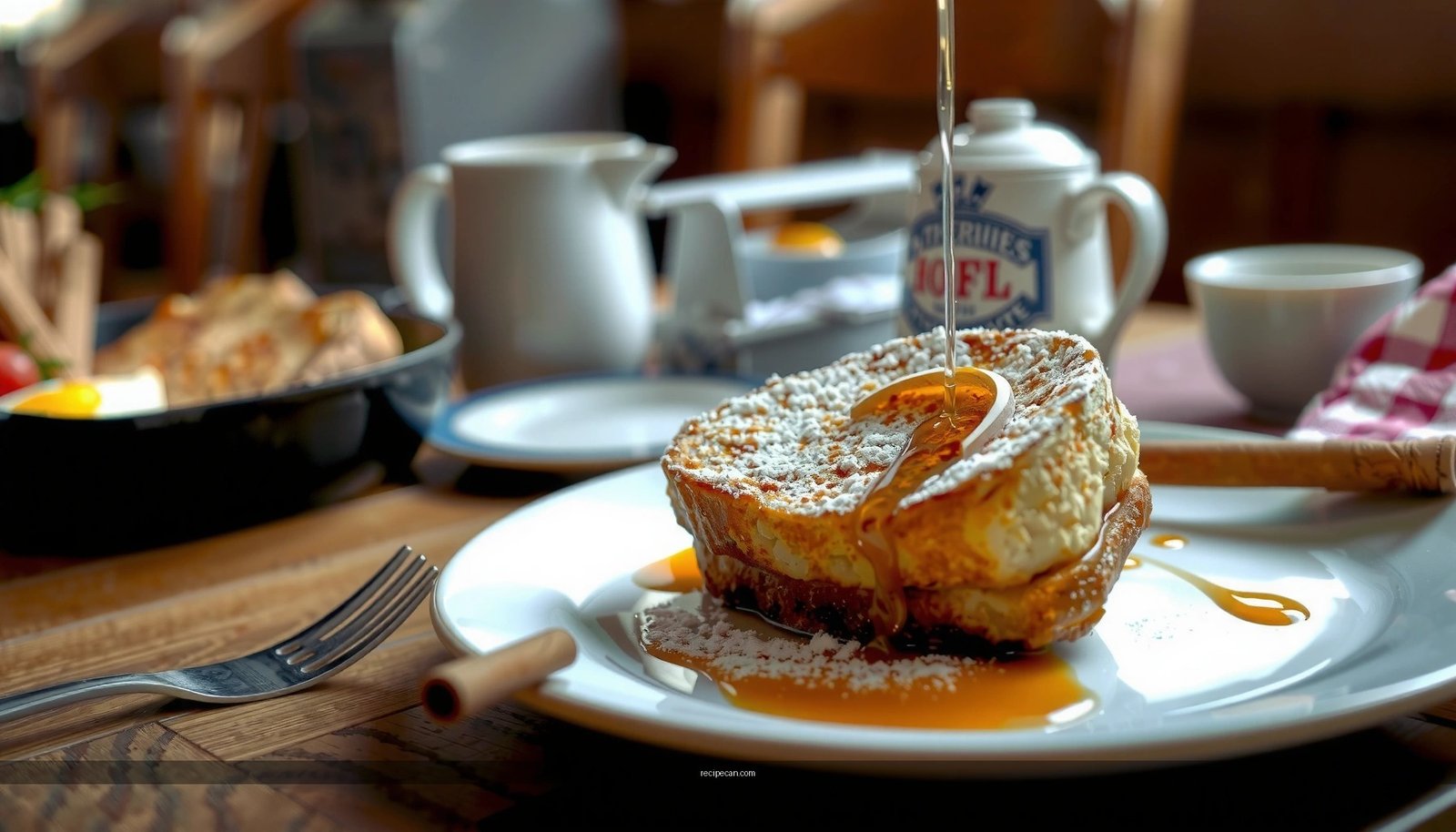
– Maple syrup + powdered sugar: a straightforward, high-appeal pairing.
– Fresh berries + whipped cream: adds acidity and freshness that cuts custard richness.
– Butter + maple: enhances the caramel notes and makes the crust feel “café-level.”
– Optional cinnamon sugar: sprinkle lightly after cooking for controlled sweetness.
Upgrade for texture contrast
For “pro” presentation, add at least two components:
1. Something warm and glossy (maple syrup, compote)
2. Something cool and airy (Greek yogurt or whipped cream)
3. Something bright (berries, citrus zest)
This layered approach also improves the overall flavor balance and prevents the dish from tasting one-dimensional.
Make It Easy: Advance Prep and Reheating
French toast performs well with planning—especially for weekend brunch and batch cooking. Advance prep improves workflow and reduces last-minute stress while keeping quality high.
Assemble and refrigerate (with control)
You can:
– Cut bread and prepare the custard ahead.
– For best results, soak slices and then refrigerate for up to a few hours.
Be mindful: the longer it sits, the more the bread continues to absorb. Use slightly shorter soak times if you plan to refrigerate before cooking.
Reheat to re-crisp (don’t microwave-only)
To restore crispness:
– Toaster oven: heats evenly and re-crispens the edges.
– Skillet: quick reheat with a small splash of butter or oil.
– Avoid microwaving for long periods—this softens the crust by reintroducing steam.
Best practice for large batches
If making many servings:
– Keep cooked slices warm on a low oven rack (around 200°F / 95°C) instead of stacking them in a way that traps steam.
– Serve in waves to preserve crispness.
Conclusion
Great French toast is repeatable: choose thick, slightly stale bread for controlled absorption, use a balanced egg-and-milk custard with salt and warm spice, soak briefly, and cook on medium heat until each side is evenly set and golden. Once you master soak timing and reheating, you can confidently produce fluffy centers and crisp, flavorful crusts for everything from a weekday breakfast to a full weekend brunch.
Frequently Asked Questions
What’s the best bread for a great French toast recipe?
The best bread for French toast is sturdy and slightly stale, like brioche, challah, brioche loaf, or thick-cut sourdough. These breads soak up the custard without turning mushy. If your slices are too thin, you’ll end up with soggy French toast, so aim for at least 3/4-inch thickness for best results.
How do I make great French toast that’s custardy in the middle?
Use a rich custard with eggs, milk or half-and-half, and a little cream if you want extra tenderness, then whisk in sugar, vanilla, and cinnamon. Soak each slice just long enough for the custard to soak through—about 20–30 seconds per side for thick bread—then cook on medium heat so the outside browns before the center dries out. For thicker slices, you can finish in a low oven (around 300°F) to keep the middle custardy.
Why does my French toast turn out soggy or dry, and how can I fix it?
Sogginess usually happens when the bread is too fresh/soft or you soak too long, so the custard breaks down the structure. Dry French toast is often caused by cooking on heat that’s too high or not enough soaking, which prevents the custard from setting properly. Use slightly stale bread, limit soaking time, and cook on medium heat, flipping once when golden.
Which toppings pair best with a great French toast recipe?
Classic toppings include maple syrup, fresh berries, powdered sugar, and a knob of butter, which highlight the sweetness of the custard. For a restaurant-style twist, try a cinnamon-vanilla whipped cream or caramelized bananas. If you like contrast, add toasted nuts (pecans or walnuts) or a sprinkle of flaky salt to balance the sweetness.
How can I prep great French toast ahead of time for brunch?
You can assemble the custard mixture and cube or slice your bread the night before to save time. For the best texture, avoid soaking the bread too far in advance; instead, lightly dip slices right before cooking, or refrigerate assembled but un-cooked slices for a short time (about 30 minutes) to set the custard. You can also cook a batch, then reheat French toast in a toaster oven at 300°F–325°F so it stays crisp outside and tender inside.
References
- French toast
https://en.wikipedia.org/wiki/French_toast - https://en.wikipedia.org/wiki/Egg_(food
https://en.wikipedia.org/wiki/Egg_(food - Custard
https://en.wikipedia.org/wiki/Custard - Maillard reaction
https://en.wikipedia.org/wiki/Maillard_reaction - Brioche
https://en.wikipedia.org/wiki/Brioche - https://www.britannica.com/topic/french-toast
https://www.britannica.com/topic/french-toast - Easy French toast recipe | Good Food
https://www.bbcgoodfood.com/recipes/french-toast - Google Scholar Google Scholar
https://scholar.google.com/scholar?q=great+french+toast+recipe - Google Scholar Google Scholar
https://scholar.google.com/scholar?q=french+toast+custard+egg+milk+technique - Google Scholar Google Scholar
https://scholar.google.com/scholar?q=french+toast+bread+soaking+texture+study