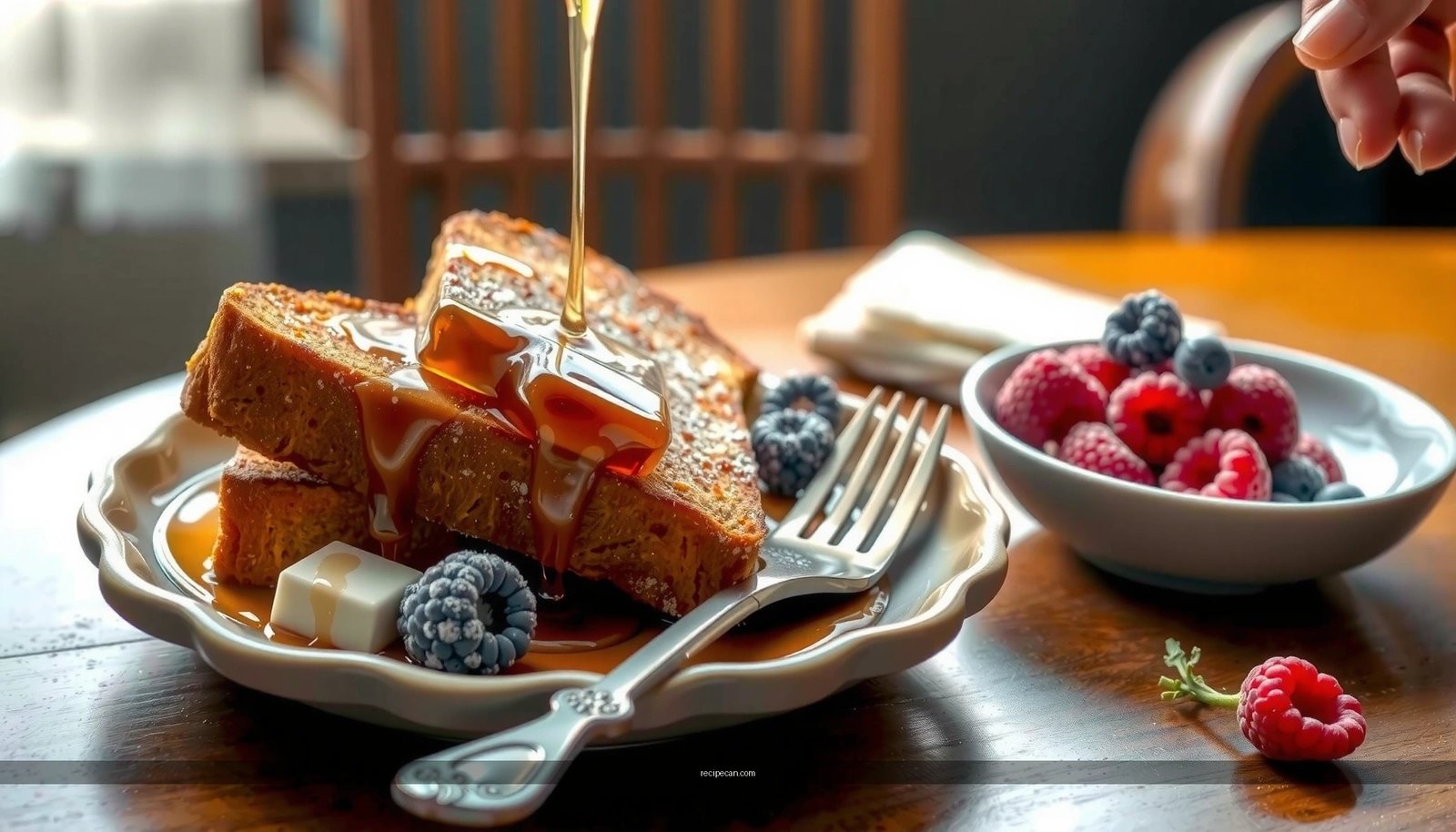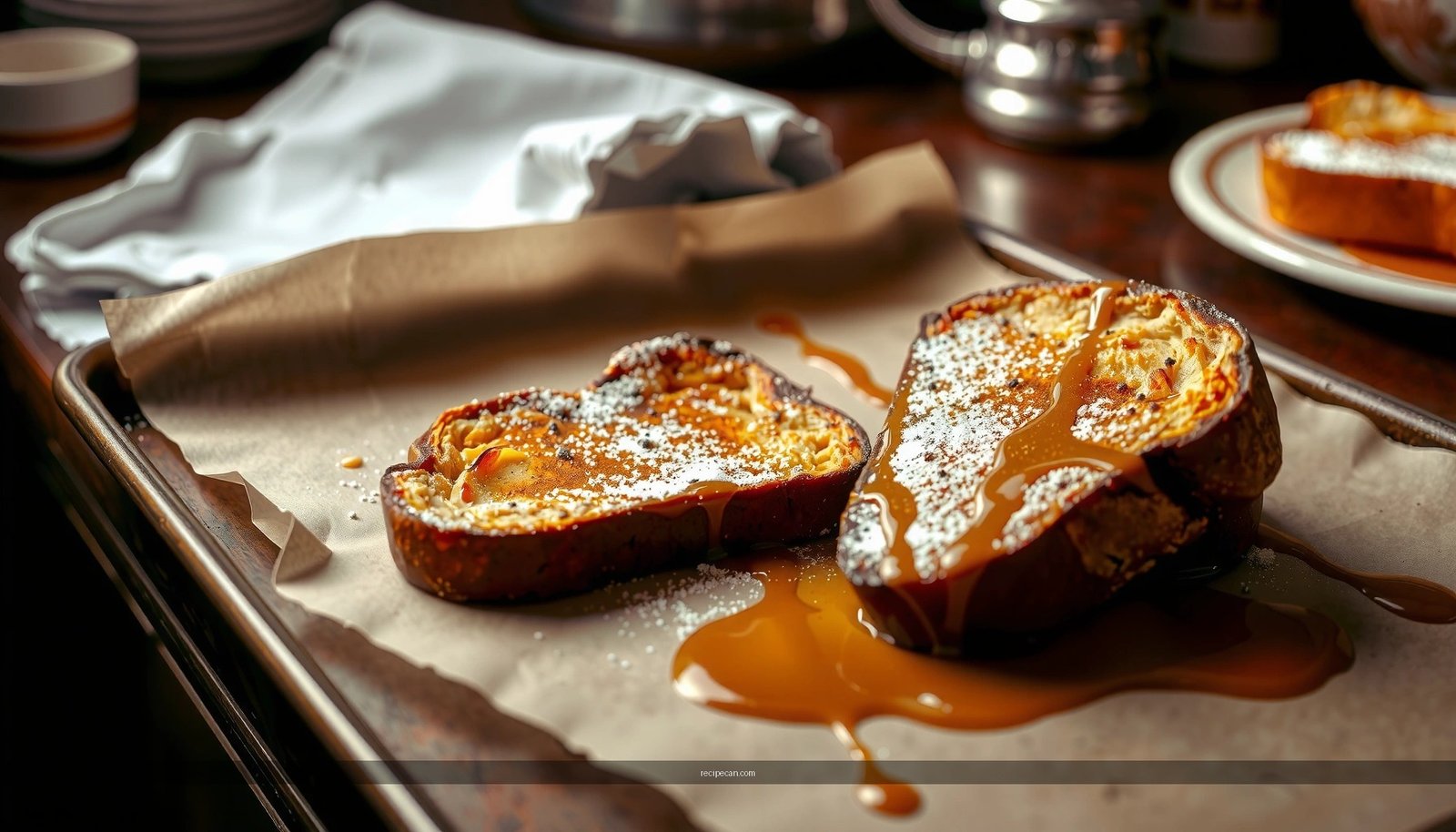
Want the best French toast recipe with nutmeg that delivers a crisp, custardy exterior and a warm, aromatic finish? This recipe answers exactly how to season the custard with nutmeg, what bread to use, and how to cook each slice so it turns golden without going soggy. If you’re chasing that classic café-style French toast, this is the version to follow.
Crispy, custardy French toast is easy when you use a thick-bread custard soak and cook in butter until golden; nutmeg then delivers the warm, bakery-style aroma that makes the whole kitchen smell “ready to serve.” In this recipe, you’ll learn exactly how to build the nutmeg custard mixture, soak the bread without turning it soggy, and cook each slice for a tender interior with a deeply browned edge—plus practical troubleshooting and storage tips for consistent results.
Choose the Best Bread for French Toast
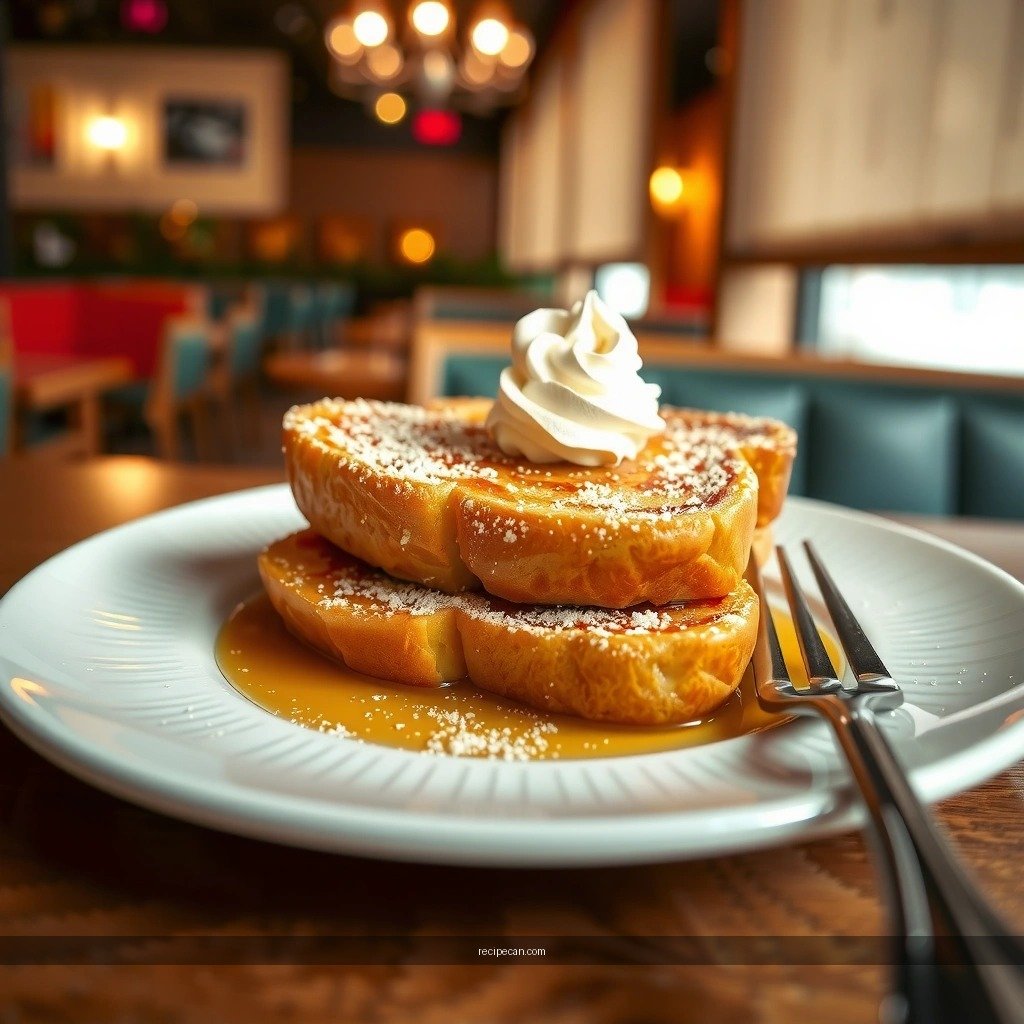
French toast is only as good as the bread you start with. For the classic custardy center, you want structure that can absorb egg-and-milk without collapsing.
– Use thick-cut bread (brioche, challah, or Texas toast) for the best texture
Thick slices create an exterior crust while leaving enough interior crumb to stay soft. Brioche and challah are particularly forgiving because they’re rich and slightly sweet; Texas toast is ideal when you want a mild flavor that still browns beautifully.
– Slightly stale bread absorbs the custard without getting mushy
Fresh bread is too springy—when it hits the custard, it can balloon and then deflate, leading to a “wet” texture. Stale bread (even 12–24 hours old) acts like a sponge with a firmer cell structure, so the custard sets instead of leaking out.
Practical bread guidance (what to look for at the store):
– Choose loaves with a tight crumb for a custard that “stays in place.”
– Avoid very airy, crustless white bread if you want clean, sliceable French toast.
– If using sandwich bread, cut thicker slices and plan for a shorter soak.
Bread Thickness vs. Custard Absorption (Guidance for Nutmeg French Toast)
| # | Bread Type | Typical Slice Thickness | Best Soak Window | Expected Texture | Brownness Score |
|---|---|---|---|---|---|
| 1 | Brioche | 1.0–1.5 in (2.5–3.8 cm) | 20–35 sec per side | Custardy, rich interior | 9.4/10 |
| 2 | Challah | 0.9–1.3 in (2.3–3.3 cm) | 20–40 sec per side | Tender, set custard | 9.1/10 |
| 3 | Texas toast | 0.9–1.5 in (2.3–3.8 cm) | 25–45 sec per side | Classic custard + crisp edge | 8.7/10 |
| 4 | Sourdough (dense) | 0.8–1.2 in (2.0–3.0 cm) | 30–50 sec per side | Hearty, slightly chewy center | 7.6/10 |
| 5 | Baguette (for thick slices) | 0.9–1.1 in (2.3–2.8 cm) | 20–30 sec per side | Less custard, more crisp | 6.9/10 |
| 6 | Sandwich bread (cut thick) | 0.7–1.0 in (1.8–2.5 cm) | 10–20 sec per side | Often softer, less set | 6.3/10 |
| 7 | Brunch brioche/rolls | 0.8–1.2 in (2.0–3.0 cm) | 15–25 sec per side | Fast set, tender bite | 8.9/10 |
Nutmeg Custard Mixture (Quick Recipe Base)

The custard mixture is where nutmeg earns its place. You want a smooth blend of egg, dairy, and warm spices so the final slice tastes cohesive—not speckled or uneven.
– Whisk eggs, milk (or half-and-half), cinnamon, and nutmeg until smooth
Use large eggs for structure. Milk keeps it lighter; half-and-half increases richness and helps the custard set with a softer crumb. Cinnamon complements nutmeg’s sweet warmth and makes the aroma feel “bakery” rather than strictly spiced.
– Let the flavors blend briefly for a more even taste
After whisking, rest the custard for 2–5 minutes. This is a small step that improves perceived seasoning consistency—especially noticeable with freshly ground nutmeg.
Recommended nutmeg custard ratio (works for ~8 slices):
– 3 large eggs
– 1 cup (240 ml) milk or half-and-half
– 1/2 tsp ground cinnamon
– 1/4 to 1/2 tsp ground nutmeg (start at 1/4 tsp, increase if you want a more pronounced aroma)
– Optional: 1–2 tbsp sugar (helps browning and adds a mild caramel note)
– Optional: 1 tsp vanilla extract (for a dessert-like fragrance)
Analytical note: Nutmeg contains aromatic compounds that bloom with gentle heat, which is why it performs so well in French toast. If you add nutmeg too late (after cooking), you lose some of that “freshly baked” effect.
Soak and Cook for Crispy, Golden Results
Getting the soak right is the difference between “custardy and set” and “custardy and soggy.” French toast should feel plush inside while still holding shape when you slice or pick it up.
– Dip each slice for the right amount of time—soaked, not soggy
Aim for a quick dip per side. Thicker brioche or challah can tolerate longer soaks; thinner breads need less time. The goal is to saturate the crumb edges without flooding the center.
Timing framework you can use immediately:
– Thick brioche/challah: ~20–35 seconds per side
– Texas toast: ~25–45 seconds per side
– Sandwich bread (thicker cut): ~10–20 seconds per side
– Cook in a preheated pan with butter for rich browning
Preheat your skillet over medium heat. Add butter (or a mix of butter + a small splash of neutral oil to reduce burning risk). When the butter foams and sizzles gently, start cooking.
Cooking method for best texture:
1. Place soaked slices on the pan and cook until the underside is golden (typically 2–4 minutes).
2. Flip once—avoid repeated flipping, which disrupts crust formation.
3. Cook the second side for another 2–4 minutes until browned and set.
Quality control checks (businesslike but simple):
– If the outside browns before the inside warms, lower heat slightly and cook longer.
– If the custard leaks and the edges turn pale, increase heat and shorten the soak next time.
Perfect Toppings for Nutmeg French Toast
Nutmeg French toast pairs best with toppings that either amplify warmth or add contrast in texture. Choose one sweet sauce, one fresh element, and—optionally—one crunchy garnish.
– Classic options: maple syrup, powdered sugar, fresh berries
Maple syrup complements nutmeg’s sweetness and adds caramel notes. Powdered sugar is quick and looks professional. Fresh berries (especially raspberries, blueberries, or sliced strawberries) bring acidity that prevents the meal from feeling heavy.
– For extra flavor: add a pinch more nutmeg or a cinnamon crumble
A light dusting right before serving intensifies the aroma. A cinnamon crumble (crumbled brown sugar + butter + cinnamon baked briefly) adds crunch that offsets the custardy interior.
Topping strategy for consistent results:
– For a “restaurant-style” plate: syrup + berries + optional powdered sugar.
– For a “holiday-forward” profile: syrup + toasted nuts (pecans or walnuts) + a micro-dust of nutmeg.
– For a balanced breakfast: Greek yogurt or lightly sweetened mascarpone + fruit, then drizzle minimally.
Troubleshooting Common French Toast Problems
Even with a good recipe, French toast can drift—usually due to soak time, pan temperature, or dairy choice. Use the fixes below as a fast diagnostic.
– If it’s soggy: reduce soak time and increase heat slightly
Soggy French toast often means the custard didn’t set quickly enough or the bread was over-saturated. Next batch, reduce soak time by 5–10 seconds per side and increase heat from low-medium to medium. You can also use thicker bread or half-and-half instead of whole milk for better setting.
– If it’s dry: use richer dairy and avoid overcooking
Dryness usually comes from overcooking or using too lean a dairy. Switch from milk to half-and-half (or add a spoon of cream to the custard). Also watch the pan: once golden, it should be set—not dried out.
Common “symptom → likely cause” mapping:
– Dark outside, raw middle → lower heat; cook longer.
– Pale outside, soft inside → raise heat slightly; use more butter.
– Custard leaks out → shorten soak time; use thicker bread.
Make-Ahead and Storage Tips
French toast is a strong candidate for meal planning because the custard can be prepped ahead and leftovers reheat well with the right method.
– Prep the custard in advance and refrigerate until ready to use
Whisk the custard, cover, and refrigerate up to 24 hours. Before dipping bread, give it a quick stir and let it sit at room temperature for 5–10 minutes so the soak behaves consistently.
– Reheat leftovers in a toaster oven to restore crisp edges
Reheating in a toaster oven is one of the best ways to preserve the browned crust without steaming the bread. Reheat at moderate heat until warmed through and re-crisped, flipping once if needed.
Storage best practices:
– Cool cooked slices on a rack, not a plate (plate trapping causes steam).
– Store airtight in the fridge for up to 2–3 days.
– For best quality, reheat in a toaster oven rather than a microwave.
Summary: Serve Golden, Custardy, and Nutmeg-Scented
French toast with nutmeg should come out golden outside and tender inside—achieved by thick bread, the right soak, and butter-cooked browning. Follow the bread guidance and custard ratio, dip each slice briefly (not excessively), and cook over preheated medium heat with a firm “one flip” discipline. Then finish with maple syrup, berries, or your preferred topping for a restaurant-style finish—make it this morning for immediate aroma, or prep ahead for an easy weekend breakfast that performs consistently every time.
Frequently Asked Questions
What is the best French toast recipe that includes nutmeg?
A classic French toast recipe with nutmeg uses eggs, milk (or half-and-half), a splash of vanilla, cinnamon, and a generous pinch of nutmeg for warm, aromatic flavor. Whisk the mixture well, then soak thick bread for 1–3 minutes per side so it absorbs without falling apart. Cook in a butter- and oil-coated skillet until golden brown, then serve immediately with syrup, powdered sugar, or fresh fruit for a nutmeg-forward finish.
How do I make French toast with nutmeg so it’s not soggy?
Use thick-cut bread (brioche, challah, or day-old sourdough) and soak it briefly—too long can cause sogginess, especially with a milk-and-egg custard. Preheat the pan fully so the French toast browns quickly, and keep the heat at medium so the inside sets before the outside darkens. Finish with toppings like maple syrup only after cooking, since syrup soaking can make French toast soggy.
Why does nutmeg taste so good in French toast, and how much should I use?
Nutmeg adds a warm, slightly sweet, bakery-style aroma that complements egg richness and vanilla in French toast. Start with about 1/8 to 1/4 teaspoon per 2–4 slices, then adjust to taste—too much nutmeg can turn bitter or overpowering. For more consistent flavor, grate fresh nutmeg over the batter or sprinkle a tiny amount on top before serving.
Which bread is best for French toast when using nutmeg?
The best bread for a nutmeg French toast recipe is thick, sturdy, and able to absorb custard—brioche and challah are top choices. Sourdough or French bread can also work well if they’re thick and slightly stale, because they hold shape and develop crisp edges. Avoid very soft sandwich bread, which can become mushy and dilute the nutmeg flavor.
How can I prevent my French toast from burning while keeping the nutmeg flavor?
Cook on medium heat and use a combination of butter and a small amount of oil to help prevent burning while still achieving a golden crust. If nutmeg is in the batter, stir it in evenly so it doesn’t concentrate in one spot and scorch; consider adding a pinch of nutmeg to the custard plus a lighter sprinkle at serving. Keep cooked slices warm in a 200°F (90°C) oven on a rack so they stay crisp without overcooking.
References
- French toast
https://en.wikipedia.org/wiki/French_toast - Nutmeg
https://en.wikipedia.org/wiki/Nutmeg - Nutmeg | Tree, Uses, History, Description, & Facts | Britannica
https://www.britannica.com/topic/nutmeg - Google Scholar Google Scholar
https://scholar.google.com/scholar?q=french+toast+recipe+nutmeg - Google Scholar Google Scholar
https://scholar.google.com/scholar?q=french+toast+nutmeg+milk+egg+baking+method - Google Scholar Google Scholar
https://scholar.google.com/scholar?q=nutmeg+myristicin+cooking+health+effects - https://pubmed.ncbi.nlm.nih.gov/?term=nutmeg+myristicin
https://pubmed.ncbi.nlm.nih.gov/?term=nutmeg+myristicin - https://pubmed.ncbi.nlm.nih.gov/?term=french+toast+egg+milk+nutrition
https://pubmed.ncbi.nlm.nih.gov/?term=french+toast+egg+milk+nutrition - Myristicin | C11H12O3 | CID 4276 – PubChem
https://pubchem.ncbi.nlm.nih.gov/compound/Myristicin - Safrole | C10H10O2 | CID 5144 – PubChem
https://pubchem.ncbi.nlm.nih.gov/compound/Safrole