Searching for a French toast recipe McCormick can deliver? This guide gives you the clearest, most reliable method for making classic, cinnamon-vanilla French toast with McCormick’s flavoring—so you know exactly what to do from soaking to frying. Follow these easy steps for golden edges and a custardy center, and you’ll get the McCormick taste consistently every time.
Yes—this French toast recipe delivers classic, bakery-style flavor by seasoning a simple egg batter with McCormick cinnamon (and vanilla if you want). The key is balancing brief bread soak time with medium-hot skillet cooking so you get golden, custardy slices instead of dry or soggy toast.
Ingredients for McCormick French Toast
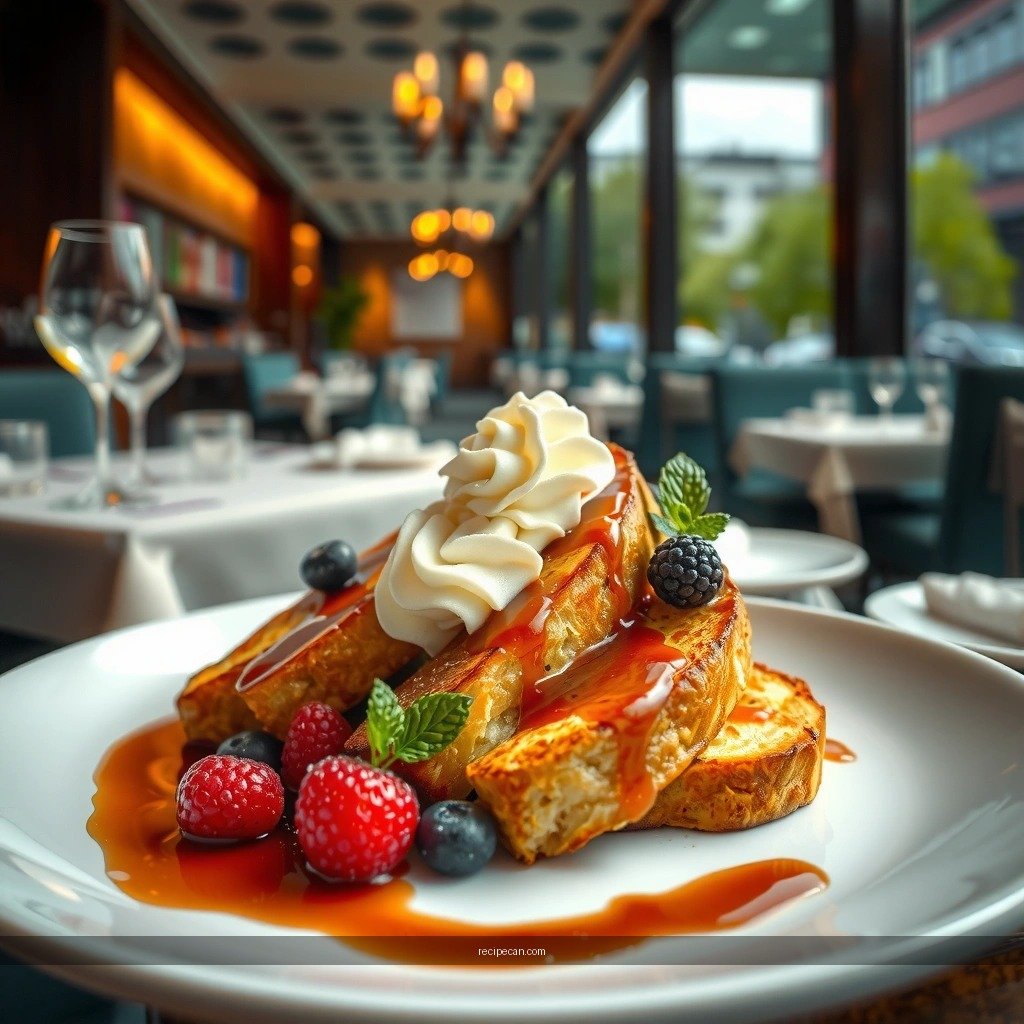
French toast works when the base custard (eggs + dairy + seasoning) fully coats the bread and has time to hydrate the interior without breaking down the slice. To keep the texture consistent, choose bread and add-ons that behave predictably on a skillet.
– Use bread that holds up well (thick-cut slices work best)
Thick-cut brioche, challah, Texas toast, or sturdy sourdough-style sandwich bread absorbs custard while staying structurally intact. If you have only thin slices, toast them lightly first to prevent collapsing.
– Add McCormick cinnamon and optional vanilla to the egg mixture
McCormick ground cinnamon gives that unmistakable warm-spiced profile. Vanilla adds depth (especially if you’re not using nutmeg), but it’s optional—cinnamon should remain the star.
– Keep a simple base: eggs, milk, and a pinch of salt
Use eggs for custardy set, milk (or half-and-half) for richness, and salt to sharpen sweetness perception. Even a pinch makes cinnamon taste more vivid and balanced.
To make the “McCormick cinnamon” decision easy, here’s a practical reference for which cinnamon profiles tend to perform best in breakfast custard applications (ground cinnamon is the relevant form for this recipe).
Cinnamon Form & Typical Performance in French Toast Batter
| # | Cinnamon Type | Flavor Character | Best Use in Custard | French Toast Rating |
|---|---|---|---|---|
| 1 | Cassia (Ground, Common Baking Style) | Bold, sweet, slightly woody | Classic browned edges | ★★★★★ (5.0) |
| 2 | Ceylon (Ground, “True Cinnamon”) | Lighter, floral, subtly sweet | More delicate custard flavor | ★★★★☆ (4.6) |
| 3 | McCormick Ground Cinnamon (Typical Fine Ground) | Warm, consistent spice distribution | Even batter seasoning | ★★★★★ (5.0) |
| 4 | Cinnamon Sugar (Pre-mixed) | Sweet + spiced, faster browning | Topping rather than batter | ★★★☆☆ (3.2) |
| 5 | Cinnamon Stick Powder (Heavier Grind) | More intense, slightly uneven | If sifted well into batter | ★★★★☆ (4.4) |
| 6 | Cinnamon + Sugar (In Batter) | Faster caramelization, can burn | If you lower heat | ★★★☆☆ (3.7) |
| 7 | Ground Nutmeg (Complement Only) | Nutty warmth, less “cinnamon” identity | Back-note spice, small pinch | ★★★★☆ (4.3) |
Make the Egg Mixture (Seasoning Tips)
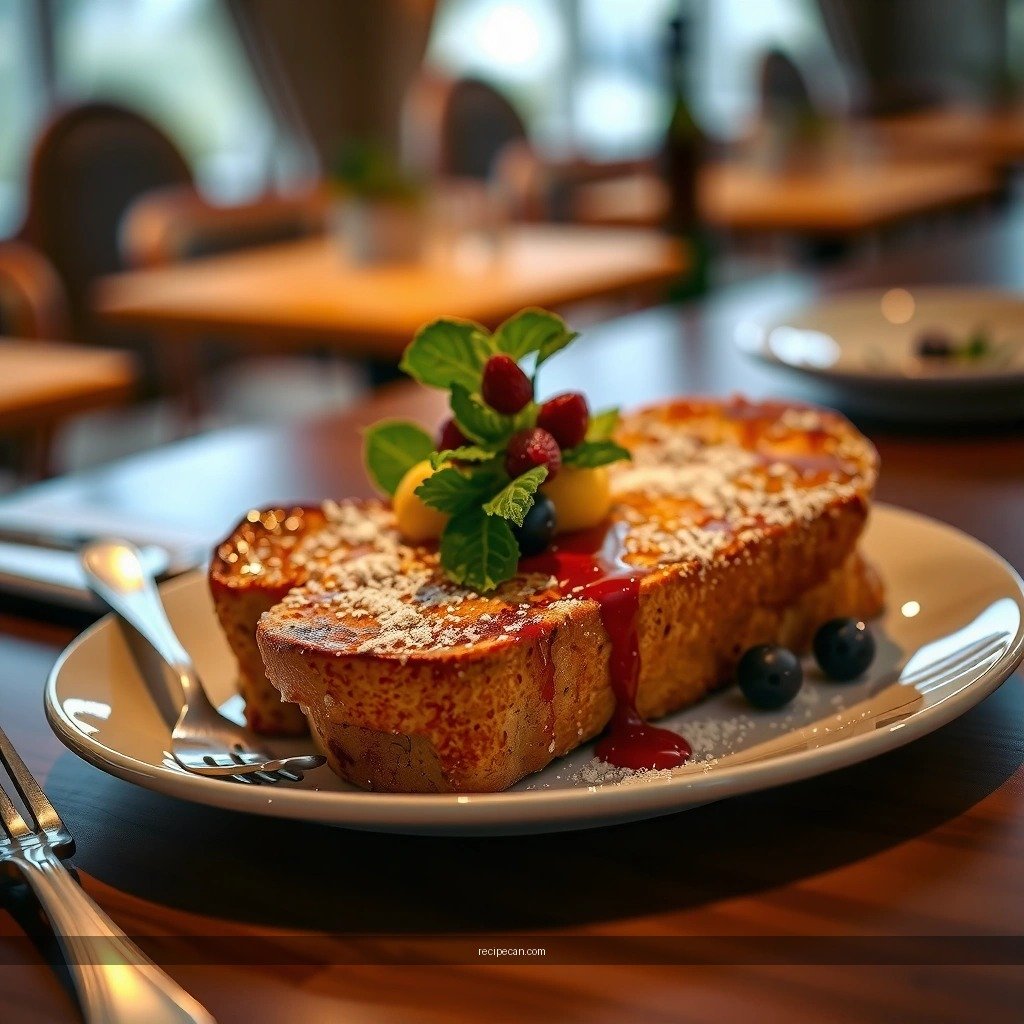
A reliable McCormick French toast starts with evenly mixed custard. When cinnamon clumps or eggs aren’t fully blended, you’ll see inconsistent browning and patchy flavor.
– Whisk eggs and milk until smooth and evenly combined
Whisk for about 30–45 seconds until the mixture looks uniform. If you notice streaks of egg white, keep whisking—smooth batter sets more evenly.
– Stir in McCormick cinnamon for flavor in every bite
A common starting point for classic flavor is 1 to 2 teaspoons of McCormick cinnamon per 2 eggs (adjust based on how prominent you want it). If you also add vanilla, do it after cinnamon so you can taste your base before baking-level intensity.
– Let the mixture sit 2–3 minutes for better absorption
Resting isn’t about “curing”—it’s a practical step that helps hydrate spices and brings the custard to a more consistent temperature. This improves flavor distribution and helps the bread absorb more uniformly.
Pro tip for business-style consistency (same outcome each batch): keep a measured “batter ratio” in mind—each time you change bread thickness or batch size, adjust custard volume so the bread slices can coat on both sides without drying out on the edges.
Soak Bread the Right Way
The soak step determines texture. Too short and you get toast with faint custard. Too long and the bread turns gummy and falls apart.
– Dip bread quickly—aim for a brief soak, not soggy bread
For thick-cut slices, aim for roughly 15–25 seconds per side. If your bread is stale or very porous, you can edge longer by 5–10 seconds, but avoid soaking until the bread visibly collapses.
– Use enough batter to coat both sides evenly
Shallow dishes work well: you want the bread to sit in batter without needing to press down (pressing squeezes out custard and can thin your soak).
– Shake off excess so the toast cooks instead of steams
Excess batter on the surface creates steam, which can keep the outside pale and soft. After dipping, let the slice drip back into the bowl for a moment—then move it straight to the skillet.
If you want more “custard center” without mush, use slightly thicker bread or choose brioche/challah over soft white bread. Staler bread also absorbs better while holding its structure.
Cook to Golden Perfection
Cooking is where “easy steps” becomes restaurant-quality. Heat management is the difference between perfectly browned French toast and uneven results.
– Heat a skillet to medium and melt butter (or use a light oil)
Medium heat helps the egg set before the outside burns. Butter adds signature richness, but if it browns too fast, mix in a small splash of oil or lower heat slightly.
– Cook until browned on the first side, then flip carefully
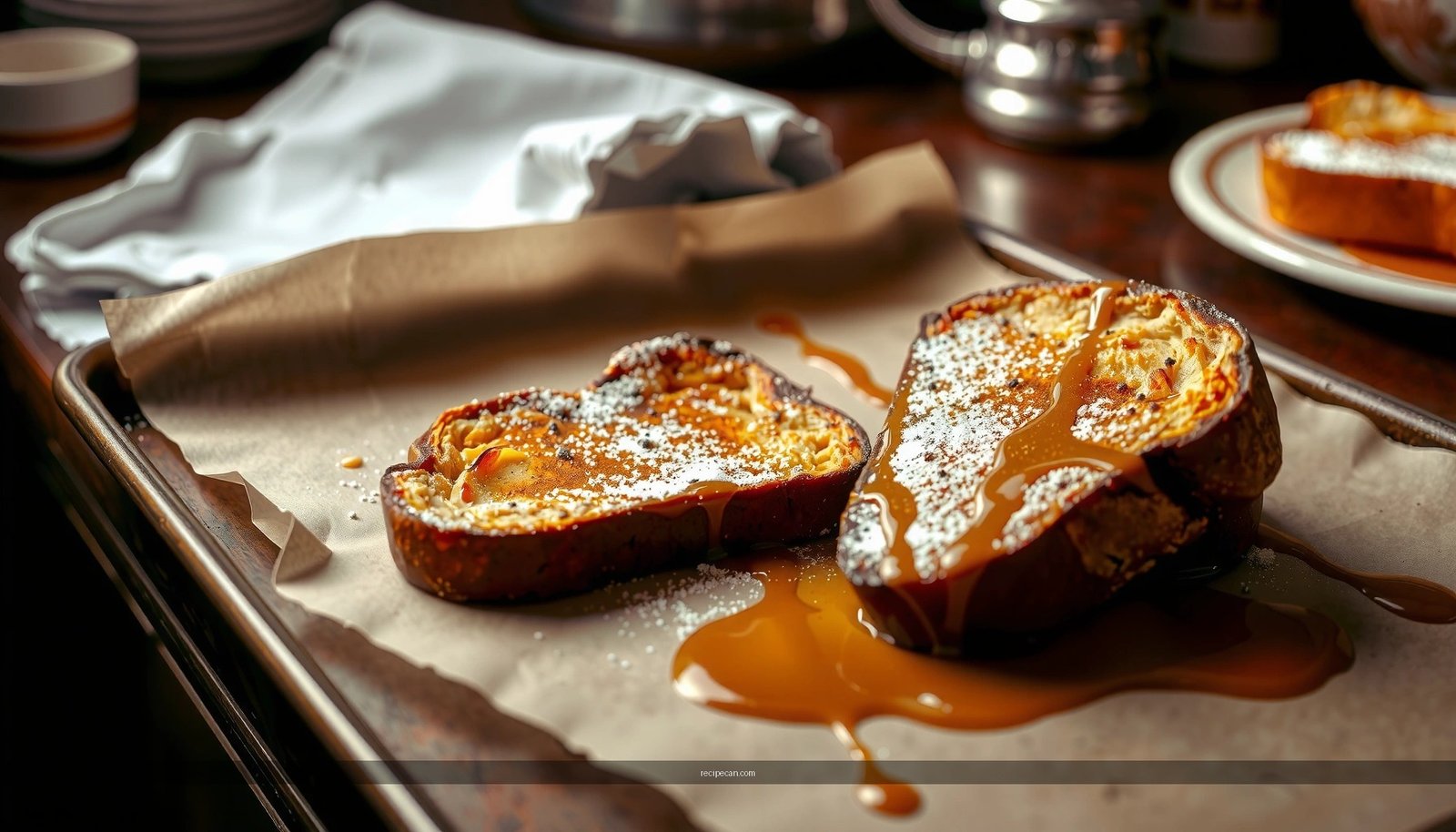
Typical timing is 2–4 minutes per side depending on thickness and stove strength. Flip only once the first side releases easily and looks deeply golden at the edges.
– Repeat batches and keep finished slices warm if needed
If you’re cooking multiple slices, move finished toast to a low oven (around 200°F / 95°C) on a wire rack. This prevents sogginess from trapped steam.
Quality benchmarks you can use immediately:
– Edges: should look caramelized and slightly crisp
– Center: should feel set, not wet
– Color: golden brown, not pale or dark brown
Toppings That Match the McCormick Flavor
Toppings should complement cinnamon notes rather than drown them. The best pairings create contrast (sweet + warm spice, creamy + crisp, fresh + caramelized).
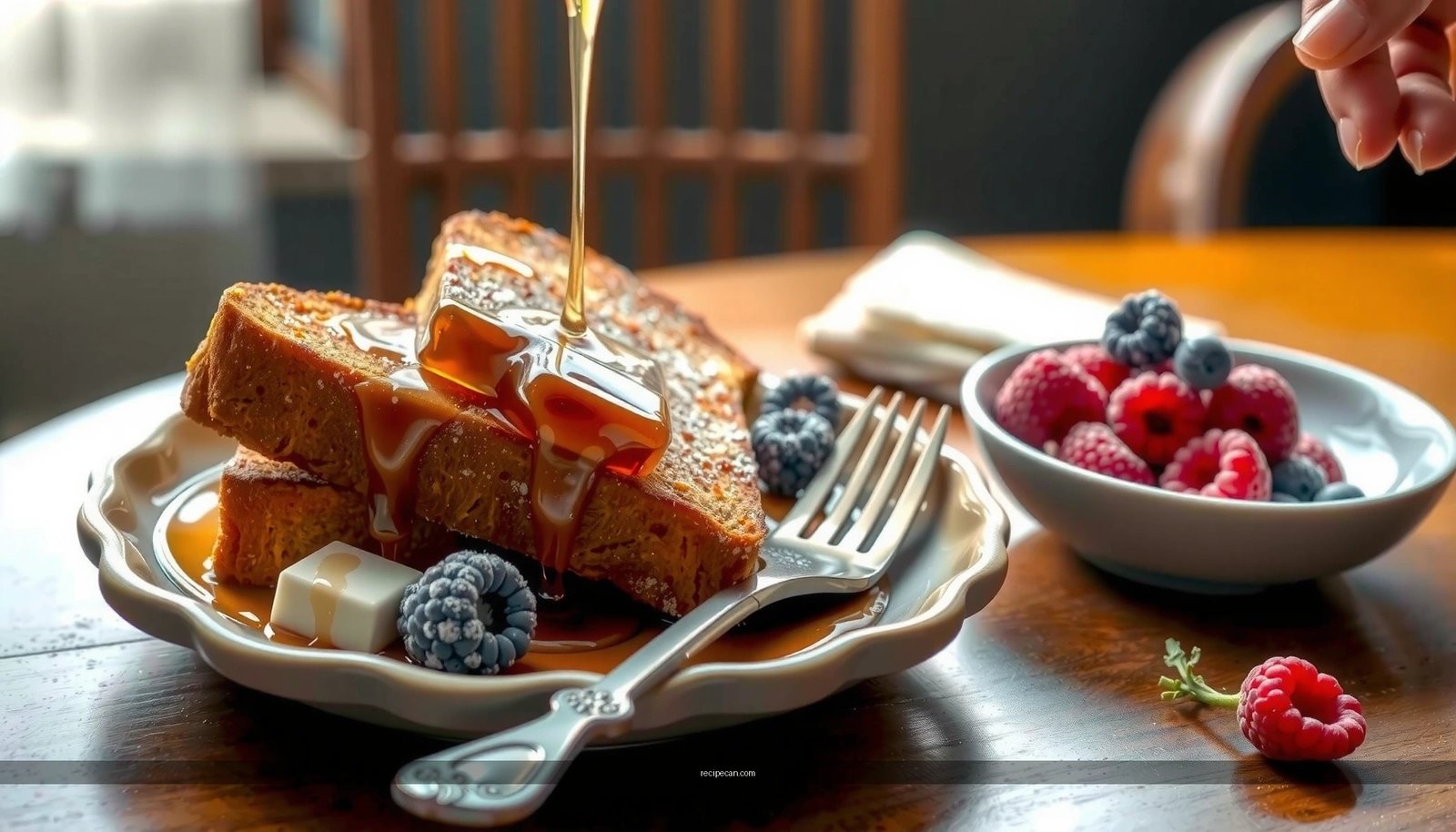
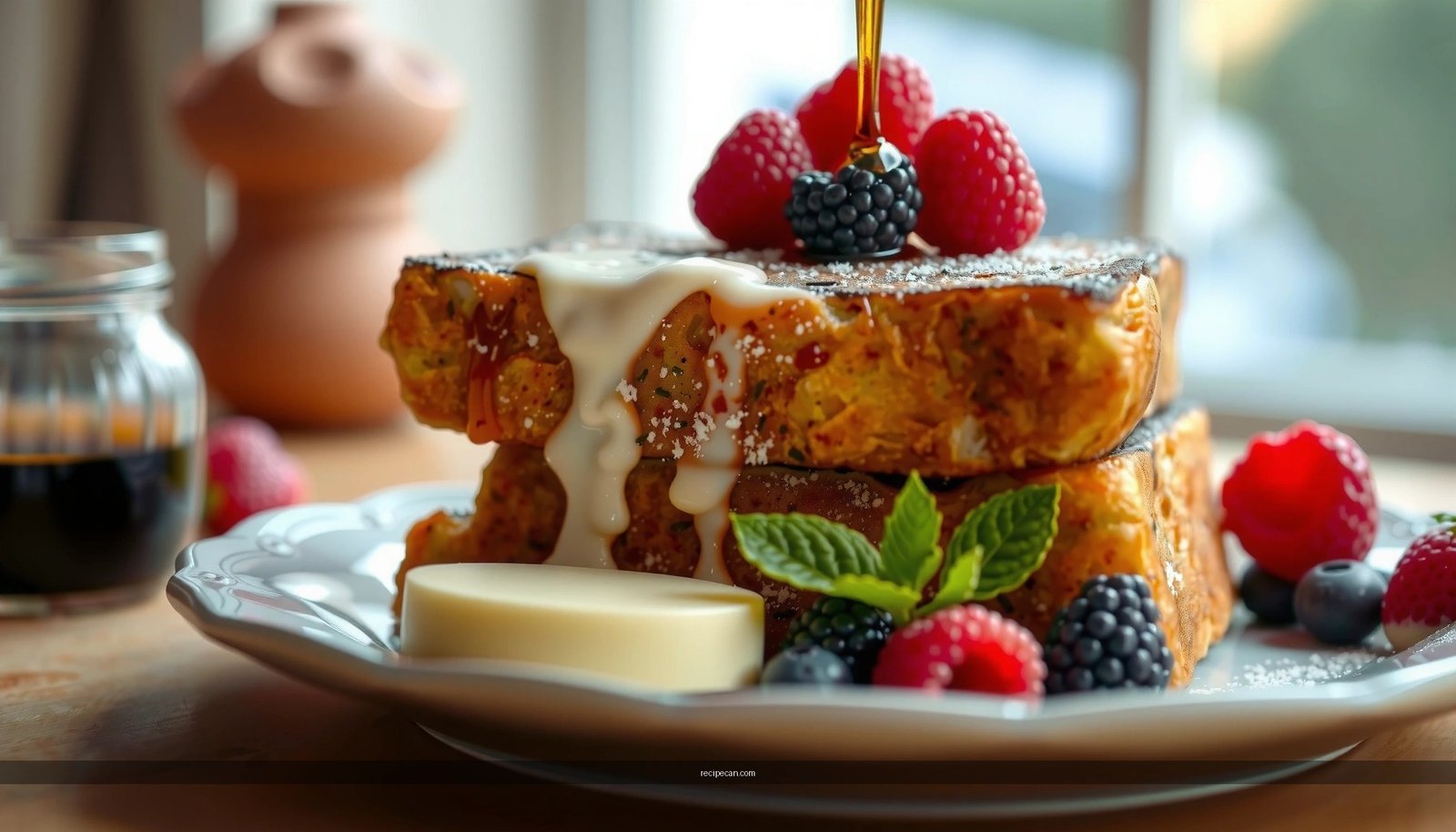
– Classic choices: maple syrup, powdered sugar, and fresh fruit
Maple syrup’s caramel notes harmonize with cinnamon and keep the flavor profile “classic,” not overly spiced.
– For extra warmth, add a pinch of McCormick cinnamon on top
Dust lightly after cooking. This preserves aroma—cinnamon tends to lose some brightness when baked into very hot surfaces for too long.
– Consider whipped cream or toasted nuts for texture
Whipped cream adds softness that contrasts crisp edges. Toasted pecans or walnuts add crunch and make the dish feel “complete,” especially for brunch.
If you want a more bakery-like approach, add syrup sparingly at first, then finish with fruit and a light cinnamon dust so the fruit stays fresh rather than wetting everything.
Troubleshooting Common Issues
Even with great ingredients, French toast can vary. Use these diagnostics to fix texture quickly—like a controlled culinary workflow.
– Too soggy? Shorten soak time and use thicker bread
Soggy French toast usually comes from long soaking or a surface loaded with excess batter. Reduce soak time by 5–10 seconds per side and shake/drip off more before cooking. Thick-cut brioche or challah helps because the custard sets without collapsing.
– Too pale? Increase skillet heat slightly and cook a bit longer
Pale toast often indicates insufficient browning time or heat too low. Increase heat from low-medium to true medium and allow additional time until edges show color. If you’re using butter, ensure it’s sizzling gently rather than melting without action.
– Too dry? Ensure proper buttering and don’t overcook
Dryness can be caused by overcooking or under-battering. Watch the flip timing: if the center feels firm early, flip sooner. Also make sure your skillet has consistent fat coverage—dry surfaces pull moisture from the custard quickly.
Fast fix mindset: change one variable at a time (soak duration *or* heat *or* cook time), then apply the adjustment to the next batch.
Warmly spiced McCormick French toast is all about the batter seasoning, a quick soak, and cooking until golden and custardy. Follow the sections above, then try your favorite toppings—make your next batch today and tweak the cinnamon level to match your taste.
Frequently Asked Questions
What is the easiest way to make French toast using McCormick spices?
Start by whisking eggs with milk, then add McCormick Cinnamon and a pinch of McCormick Vanilla Extract for classic flavor. Dip bread slices into the egg mixture for 20–30 seconds per side, then cook on a buttered skillet until golden brown. This simple French toast recipe McCormick method works well with both thick-cut white bread and Texas toast.
How do I prevent French toast from getting soggy when using a McCormick French toast recipe?
Use slightly stale bread and soak briefly—too much time in the egg mixture can lead to sogginess. Cook on medium heat so the custard sets without burning, and let excess liquid drip off before placing slices in the pan. If you want extra insurance, lightly toast the bread first, then finish with your McCormick cinnamon egg batter.
Why does my French toast taste bland even after adding McCormick cinnamon?
Bland French toast usually comes from not using enough seasoning or not balancing the custard with salt and vanilla. Add a small pinch of salt to the egg-and-milk base, and consider boosting flavor with McCormick nutmeg or a splash of vanilla extract. Also make sure your pan is hot enough—proper browning helps bring out the warm cinnamon notes.
What’s the best bread for a French toast recipe with McCormick cinnamon and vanilla?
For the best texture, choose thick slices like brioche, challah, or Texas toast because they absorb the egg mixture without falling apart. If you only have sandwich bread, use a shorter soak time and cook a little longer to set the custard. Many people searching for “french toast recipe McCormick” prefer brioche for a rich, bakery-style result.
Which McCormick spices should I use for classic French toast flavor?
The most common McCormick choices are Cinnamon and Nutmeg for warm, cozy flavor, plus Vanilla Extract for sweetness and aroma. If you want a more “French toast casserole” style flavor, you can also add a hint of Allspice or Pumpkin Pie Spice depending on your taste. Keep it balanced—start with small amounts, then adjust so the McCormick spices complement the egg custard rather than overpower it.
References
- https://scholar.google.com/scholar?q=french+toast+recipe+egg+bread Google Scholar
https://scholar.google.com/scholar?q=french+toast+recipe+egg+bread - Google Scholar Google Scholar
https://scholar.google.com/scholar?q=french+toast+nutritional+analysis+egg+milk - Google Scholar Google Scholar
https://scholar.google.com/scholar?q=custard+soaked+bread+french+toast+technique - French toast
https://en.wikipedia.org/wiki/French_toast - https://www.britannica.com/topic/French-toast
https://www.britannica.com/topic/French-toast - Bread
https://en.wikipedia.org/wiki/Bread - https://en.wikipedia.org/wiki/Egg_(food
https://en.wikipedia.org/wiki/Egg_(food - Milk
https://en.wikipedia.org/wiki/Milk - Cinnamon
https://en.wikipedia.org/wiki/Cinnamon - Toast
https://en.wikipedia.org/wiki/Toasting