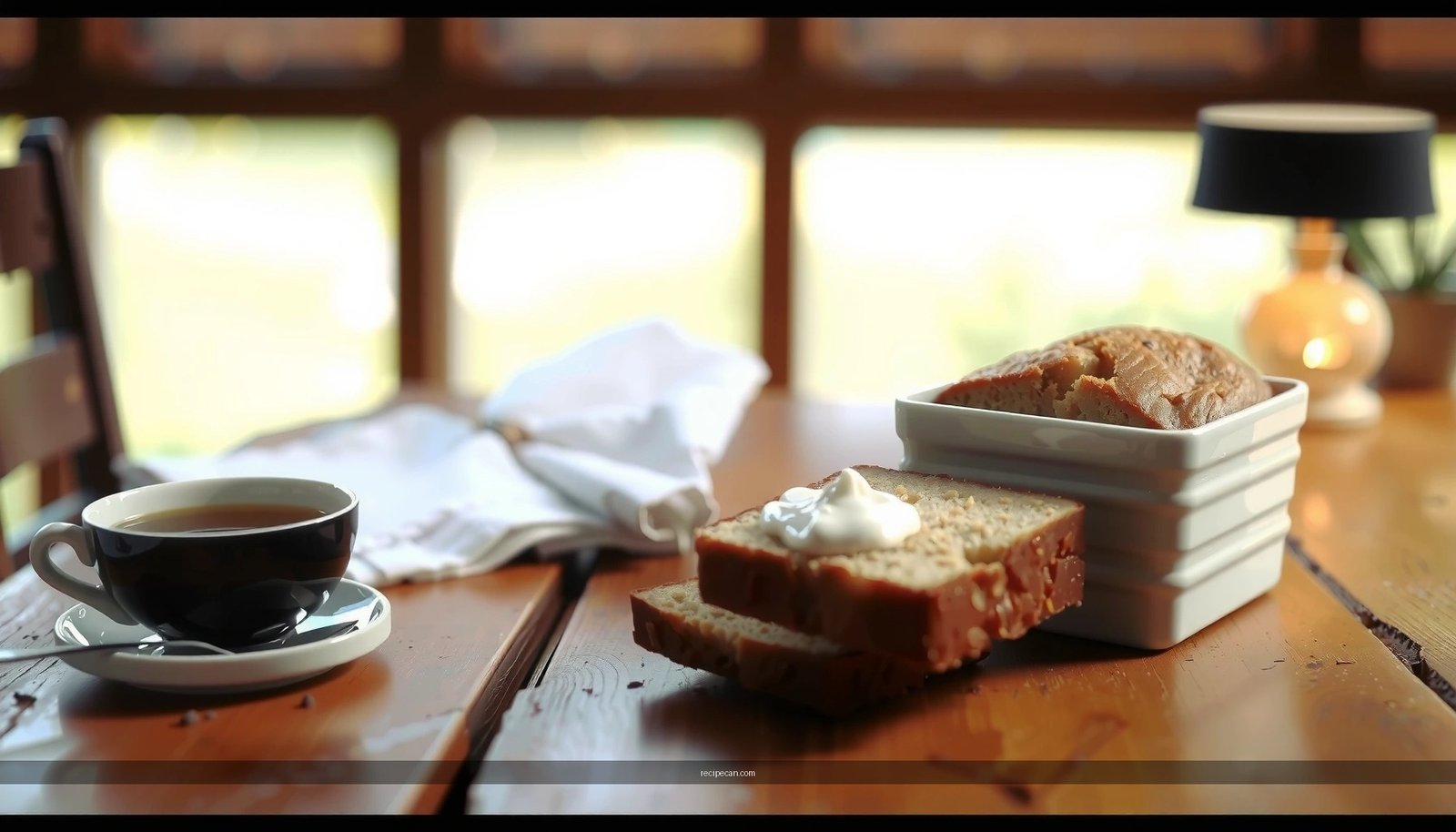
Searching for a green tea latte recipe that delivers a creamy, café-style drink fast? This recipe shows you exactly how to brew matcha-style green tea and blend it into a smooth latte without curdling or bitterness. Expect a refreshingly balanced cup—sweet, creamy, and ready in minutes—for your next at-home order.
Make a creamy green tea latte by whisking matcha (or green tea powder) into warm—not boiling—water, then topping it with steamed milk and a light sweetener. This simple, repeatable method delivers a smooth, aromatic cup that tastes clean and balanced whether you drink it hot or iced—so you can get café-style results at home.
What You’ll Need for a Green Tea Latte

– Matcha powder or high-quality green tea powder
– Milk (dairy or oat/almond) and sweetener (optional)
– A whisk, small bowl, and milk steamer or microwave
To keep the latte consistently smooth, use fresh matcha (ideally stored airtight) and choose milk based on texture goals. Whole dairy milk gives the most “classic latte” body, while oat milk typically froths well and provides a naturally sweet, creamy profile. Almond milk can work too, but it’s often thinner unless you select a barista-style version.
A quick “quality checklist” before you start:
– Matcha grade: Culinary matcha is fine for lattes, but ceremonial-quality matcha can taste brighter and more nuanced.
– Green tea powder: If you’re using a powder that isn’t true matcha, whisk more vigorously—some blends contain more soluble tea solids and may need extra agitation to avoid grit.
– Sweetener: Start with a small amount. Green tea lattes are best when sweetness supports the tea rather than overpowering it.
Typical Per-Cup Caffeine & Protein in Popular Latte Milk Types (Approx. Values)
| # | Milk / Base | Typical Caffeine Range* | Protein (g per cup)** | Creaminess Rating |
|---|---|---|---|---|
| 1 | Whole Milk | ~60–80 mg | 8 | ★★★★★ |
| 2 | 2% Milk | ~60–80 mg | 8 | ★★★★☆ |
| 3 | Oat Milk (barista style) | ~60–80 mg | 4 | ★★★★★ |
| 4 | Soy Milk | ~60–80 mg | 7 | ★★★★☆ |
| 5 | Almond Milk (barista style) | ~60–80 mg | 2 | ★★★☆☆ |
| 6 | Coconut Milk (carton) | ~60–80 mg | 1–2 | ★★★★☆ |
| 7 | Skim Milk | ~60–80 mg | 9 | ★★★☆☆ |
Caffeine depends on matcha amount and brand; values assume ~1–1.5 tsp matcha.
Protein varies by brand; values reflect typical nutrition for one cup (240 ml) of milk.
How to Make Matcha (Step-by-Step Base)
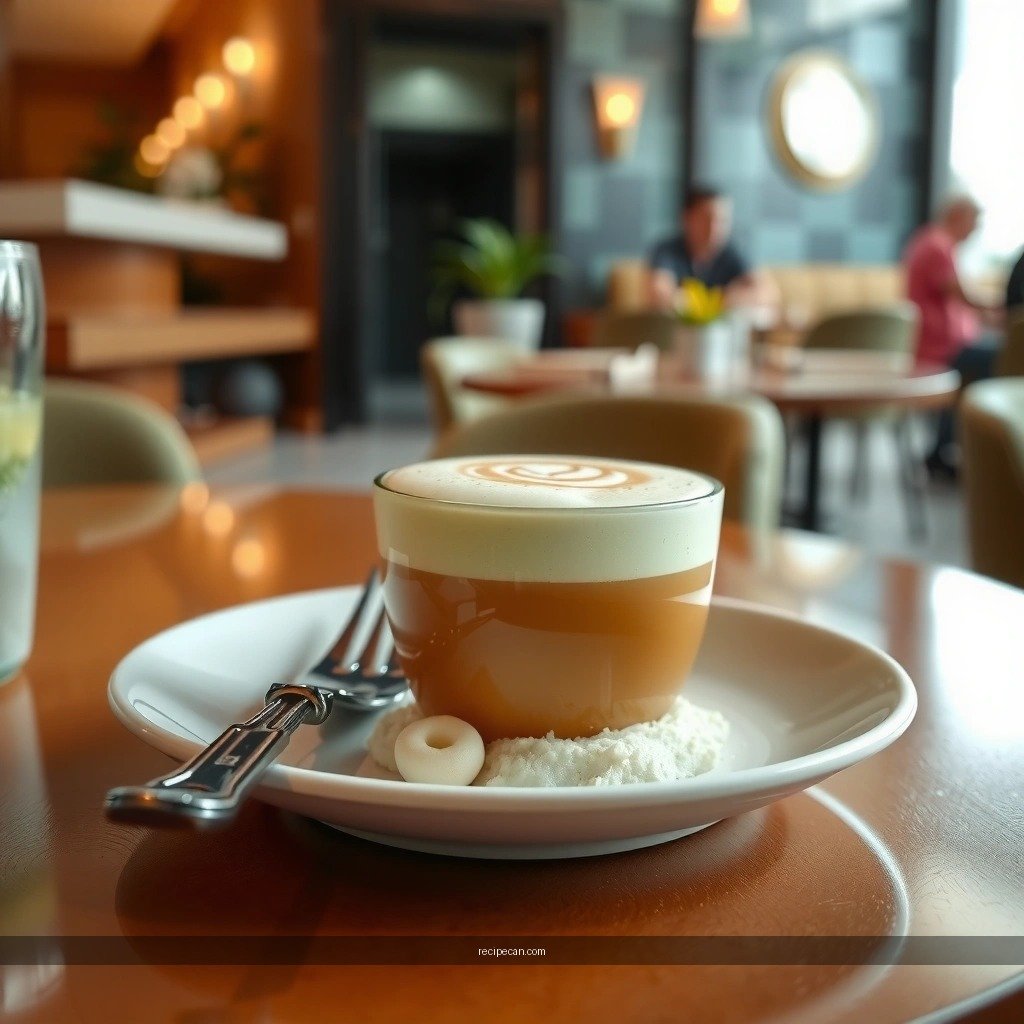
– Sift matcha into a bowl to prevent clumps
– Whisk with hot (not boiling) water until smooth and frothy
– Adjust concentration by using more or less matcha
The “base” is where green tea lattes win or lose their quality. Matcha clumps quickly because its fine particles hydrate unevenly. That’s why sifting matters: it creates a uniform distribution so you get a consistent flavor and texture from first sip to last.
A reliable ratio for one latte (adjust to taste):
– 1 to 1½ teaspoons matcha powder
– 2–3 tablespoons hot water (about 70–80°C / 160–175°F)
Why water temperature matters:
Boiling water can intensify bitter notes and reduce the delicate sweetness many people associate with good matcha. Warm-hot water hydrates matcha effectively while preserving a smoother taste.
Whisking technique (for truly creamy results):
1. Sift matcha into a small bowl.
2. Add warm water.
3. Whisk vigorously in short “W” motions for 30–45 seconds.
4. Stop when the mixture looks homogeneous and lightly foamy—a sign the matcha is fully suspended.
For concentration control:
– Want a bolder latte? Increase matcha gradually (e.g., +¼ tsp at a time).
– Prefer a lighter, more tea-forward drink? Reduce to 1 teaspoon and add more milk.
Making It Creamy with Steamed Milk
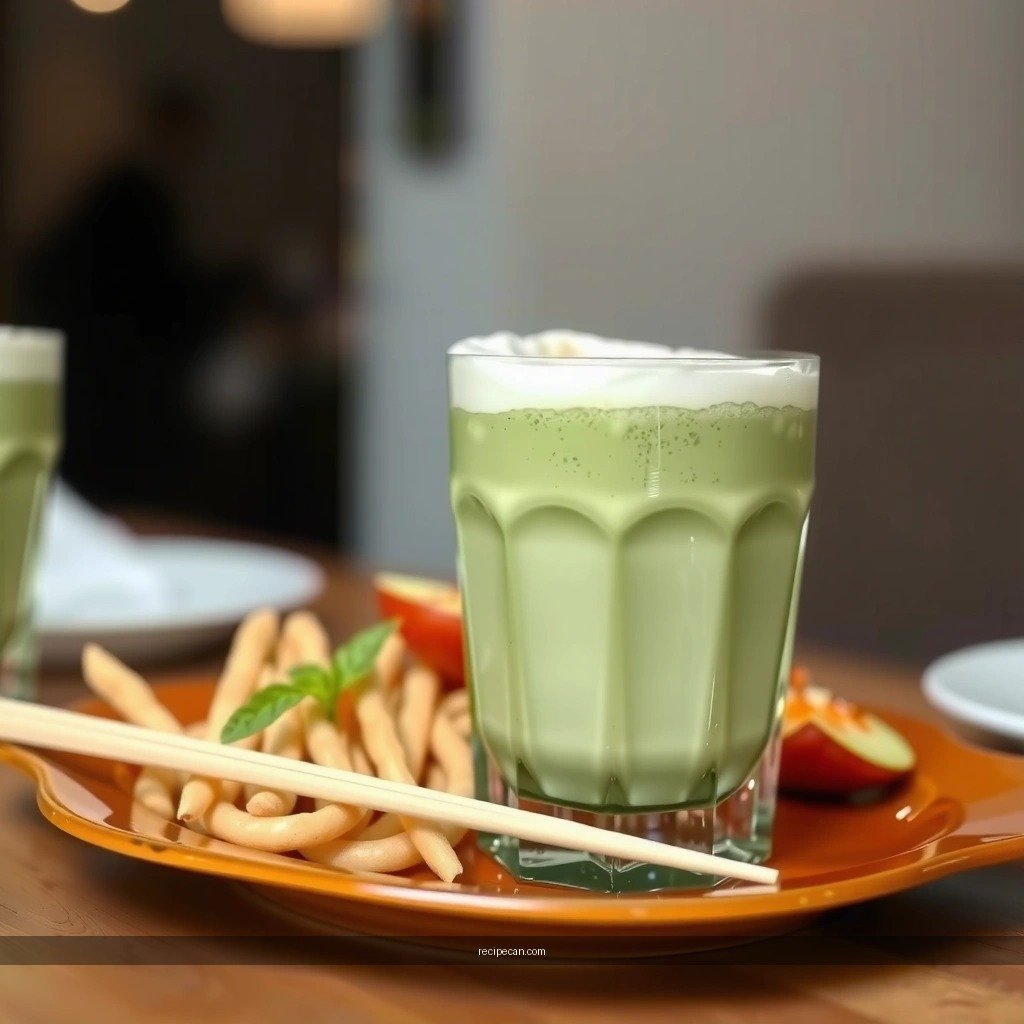
– Steam milk until warm and lightly foamy
– Pour over the matcha, holding back foam if desired
– Use a richer milk for a thicker texture
Creaminess in a green tea latte is not just about milk choice—it’s about milk structure. Steaming adds microfoam (tiny bubbles) that thickens the mouthfeel and helps the latte taste “integrated” rather than layered.
If you have a steamer:
1. Heat milk to a warm serving temperature (roughly 55–65°C / 130–150°F).
2. Stop when the milk is glossy and there’s a light foam cap.
3. Pour in a slow stream over the matcha.
If you don’t have a steamer (microwave method):
1. Heat milk in short intervals (avoid overheating).
2. Transfer to a jar and shake vigorously for 30–45 seconds.
3. Microwave for 10–15 seconds if needed to re-warm.
Pour strategy:
– For a classic layered look with more foam on top: pour normally and let foam rise.
– For maximum creaminess inside the cup: hold back some foam with a spoon, then spoon it on at the end.
Milk selection for texture goals:
– Most thick and barista-like: whole milk, oat milk barista blends
– Balanced and high-protein: soy milk
– Thinner but still enjoyable: almond milk (choose barista style)
Sweeten and Flavor Options
– Sweeten with honey, sugar, vanilla, or simple syrup
– Add a pinch of salt to enhance the tea flavor
– Try cinnamon or a splash of vanilla for extra depth
Green tea’s flavor profile naturally includes astringency. Sweeteners and small flavor accents reduce perceived bitterness without flattening the tea character.
A practical sweetening workflow:
1. Start with ½ to 1 teaspoon sweetener per latte (especially if using oat or soy milk).
2. Stir thoroughly.
3. Taste and adjust.
Best sweetener choices for a latte:
– Honey: adds floral notes; use less than sugar because honey tastes sweeter.
– Simple syrup: dissolves quickly; ideal for iced drinks where granules can linger.
– Vanilla: pairs well with matcha’s earthy sweetness.
– Sugar: straightforward and dependable, but can mute brightness if overused.
Enhancement tip: add a pinch of salt (literally a small shake). Salt reduces harshness and makes matcha taste more rounded. Think of it as flavor “signal processing”—it brings forward the tea’s sweetness rather than just adding a savory element.
Optional spice/comfort add-ins:
– Cinnamon: adds warmth and smoothness.
– Nutmeg: tiny amounts for a dessert-like finish.
– Vanilla extract: ⅛–¼ teaspoon can elevate both hot and iced versions.
If you’re watching sugar intake, you can also consider:
– Unsweetened milk + higher milk-to-matcha ratio
– Stevia/monk fruit blends designed for beverages (mix well; start tiny)
Hot vs. Iced Green Tea Latte Instructions
– For iced: pour matcha over ice, then add cold milk
– For hot: steam and pour immediately for best froth
– Stir well to keep flavor evenly distributed
Hot and iced lattes require different “assembly logic” to preserve texture and flavor.
Hot Green Tea Latte
1. Whisk matcha base until smooth and lightly foamy.
2. Steam milk until warm and lightly foamy.
3. Pour steamed milk over the matcha and stir gently.
4. Serve immediately to retain the foam texture.
Hot lattes emphasize:
– integrated aroma
– a fuller “comfort” profile
Iced Green Tea Latte
1. Fill a glass with ice.
2. Pour whisked matcha over the ice (this chills it quickly).
3. Add cold or gently chilled milk.
4. Stir well to distribute matcha evenly.
Iced lattes emphasize:
– refreshing tea brightness
– controlled dilution
– consistent flavor distribution
Common iced pitfall: if you add milk first and then matcha, the matcha can sink or form uneven swirls. Pouring matcha over ice helps stabilize distribution before the milk fully dilutes it.
For iced consistency, consider:
– using slightly less ice or a smaller ice-to-liquid ratio if you prefer a stronger taste
– adding sweetener to the matcha base first so it dissolves before chilling
Common Mistakes to Avoid
– Using boiling water that can make matcha taste bitter
– Not sifting matcha or whisking thoroughly
– Over-sweetening and masking the green tea flavor
Even though this recipe is easy, a few common issues repeatedly cause disappointing results. Here’s how to prevent them:
1. Boiling water → bitter matcha
If your water is rolling boil, it can extract more bitterness and tannins. Use warm-hot water instead.
2. Skip sifting or whisking → clumps and chalky texture
Clumps aren’t just cosmetic—they change the balance of flavors. Sift and whisk until uniform and lightly foamy.
3. Over-sweetening → muted matcha
Green tea latte flavor is about contrast: creamy milk + clean tea + subtle sweetness. Start small, then adjust after tasting.
4. Not stirring enough (especially for iced)
Matcha particles can settle. Stir thoroughly once assembled to keep the cup consistent from top to bottom.
5. Steaming too hot
Overheated milk can taste “cooked” or reduce sweetness perception. Keep the milk warm, not scalding.
To recap, whisk smooth matcha with warm water, then top with steamed or chilled milk and sweeten to taste. Follow the hot/iced steps and avoid clumping or bitterness for a perfect cup—then make your next one and tweak the sweetness and milk type to find your ideal version.
Choosing the best green tea latte recipe isn’t about finding one “perfect” formula—it’s about mastering a few repeatable controls: water temperature, whisking method, milk texture, and sweetness balance. Once you nail those variables, you can reliably create a creamy, easy, refreshing latte that suits your schedule (hot for comfort, iced for speed) and your preferences (dairy or plant-based).
Frequently Asked Questions
How do I make a green tea latte at home without it tasting bitter?
Start by using a lower temperature for steeping—around 70–80°C (160–175°F)—and avoid over-brewing. If you’re using matcha powder, sift it first and whisk with a small amount of hot water until smooth, then add warmed milk and sweeten to taste. Choosing a creamy base like oat milk or whole milk can also balance the natural bitterness of green tea.
What is the best green tea latte recipe ratio for matcha and milk?
A popular starting point is 1–2 teaspoons of matcha for every 6–8 ounces (180–240 ml) of milk, depending on how strong you want it. For a creamy texture, whisk the matcha with 1–2 tablespoons of hot water until no lumps remain, then pour in the warm milk. Adjust sweetness with honey, maple syrup, or vanilla syrup afterward to keep the flavor balanced.
Which milk works best for a creamy green tea latte?
The best milk for a green tea latte is typically one that adds creaminess without overpowering the green tea flavor. Whole milk creates a classic, silky latte, while oat milk makes a naturally sweet and smooth cup that many people prefer. Almond milk is also a good option, but choose “barista” or higher-fat versions to reduce separation and maintain a smooth mouthfeel.
Why does my green tea latte turn clumpy, and how can I fix it?
Clumps usually happen when matcha isn’t whisked properly or when the powder is added directly to milk without mixing. To fix this, sift the matcha, then whisk it with a small splash of hot water first until fully dissolved. After that, add the matcha mixture to your warmed milk and whisk or froth again briefly for a smooth green tea latte texture.
Can I make an iced green tea latte, and what changes should I make?
Yes—an iced green tea latte works great and tastes refreshing, especially with matcha. Whisk your matcha with hot water as usual, then pour over ice and add cold milk (or chilled milk) to prevent the drink from becoming diluted too quickly. You can also sweeten with simple syrup for easy mixing, ensuring the iced green tea latte stays flavorful from the first sip to the last.
References
- Google Scholar Google Scholar
https://scholar.google.com/scholar?q=green+tea+latte+recipe - Google Scholar Google Scholar
https://scholar.google.com/scholar?q=matcha+latte+recipe - Google Scholar Google Scholar
https://scholar.google.com/scholar?q=matcha+milk+emulsion+how+to+prepare - Google Scholar Google Scholar
https://scholar.google.com/scholar?q=green+tea+with+milk+catechins+study - Google Scholar Google Scholar
https://scholar.google.com/scholar?q=green+tea+polyphenols+milk+interaction - Google Scholar Google Scholar
https://scholar.google.com/scholar?q=matcha+bioavailability+milk+casein+study - Google Scholar Google Scholar
https://scholar.google.com/scholar?q=matcha+latte+traditional+preparation+whisking - Green tea
https://en.wikipedia.org/wiki/Green_tea - Matcha
https://en.wikipedia.org/wiki/Matcha - https://en.wikipedia.org/wiki/L%C3%A1tte
https://en.wikipedia.org/wiki/L%C3%A1tte