Get the French toast bread recipe that makes the perfect slice—crispy on the outside, custardy on the inside, and never soggy. This guide answers exactly how to choose the right bread, mix the ideal egg-milk custard, and soak and cook it for consistent results every time. If you follow the timing and method here, this will become your go-to way to make French toast that tastes bakery-level.
French toast bread is simply the right combination of bread, a balanced egg-and-milk custard, and steady heat—so your slices emerge golden outside and creamy inside. In this recipe, you’ll nail the best soak time, use practical ingredient ratios, and learn how to cook crisp, custardy French toast every time, whether you’re making a quick weekend breakfast or scaling the process for a crowd.
Choose the Best Bread for French Toast
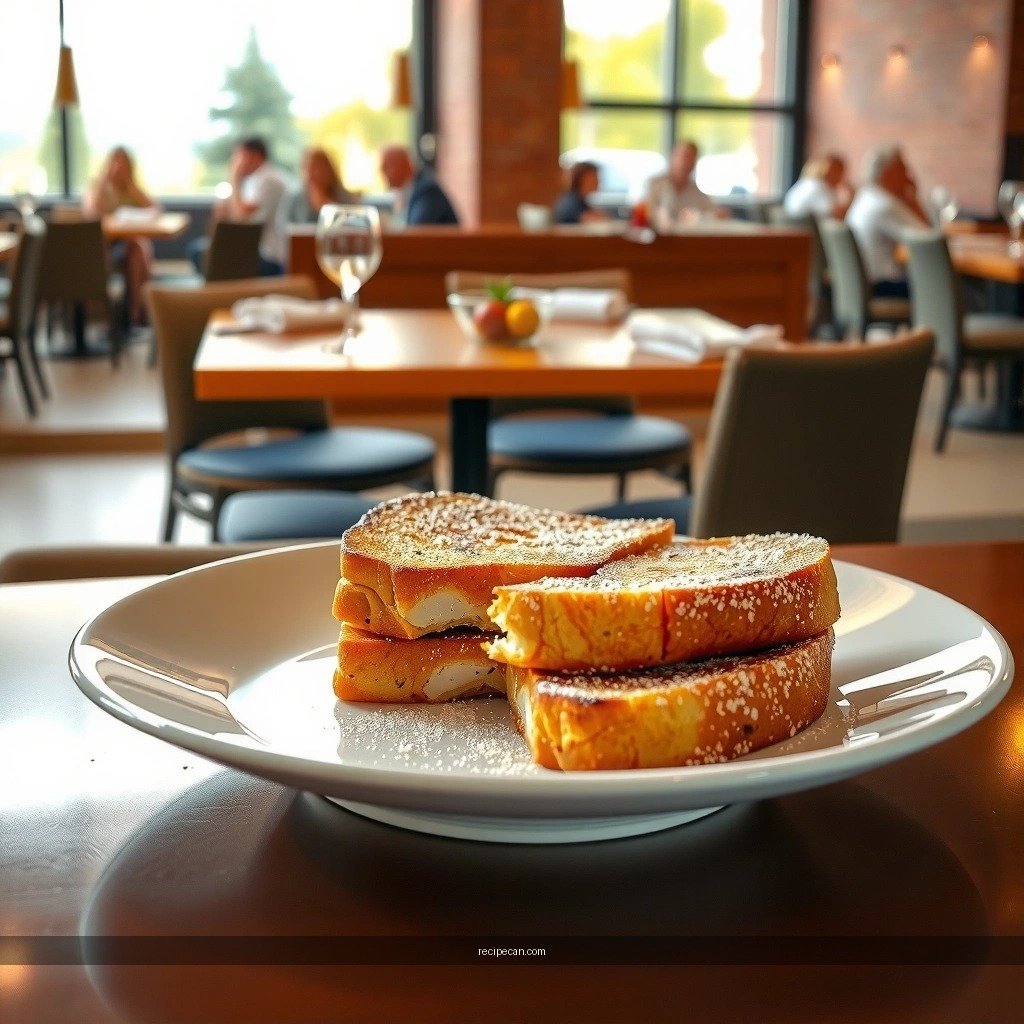
The fastest route to “perfect” French toast is choosing bread that can handle custard without collapsing. Bread acts like a sponge, but it also determines the final structure—how custardy the center feels and how crisp the edges get when they hit the pan.
– Use thick-cut bread (brioche, challah, or Texas toast) for a rich texture
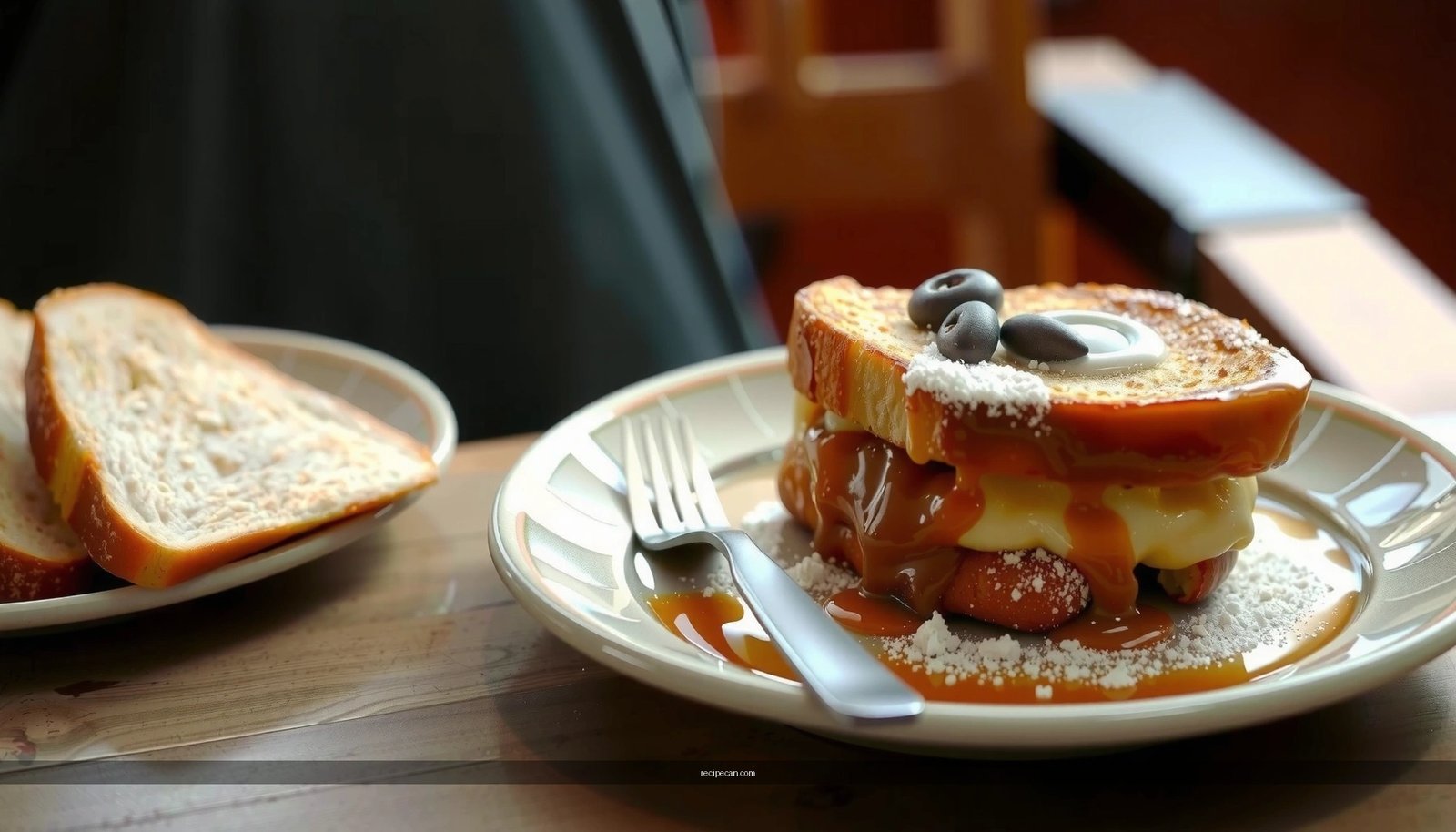
Thick slices create a custard-to-bread ratio that supports a creamy interior. Brioche and challah are especially forgiving because they’re egg-enriched and slightly sweet, which gives French toast bread a tender crumb and a naturally golden crust.
– Day-old bread absorbs the custard better than fresh bread
Fresh bread is often too soft and can become mushy. Day-old bread has a firmer structure and more surface area for the custard to penetrate evenly. If you only have fresh bread, you can “dry” it by leaving it uncovered at room temperature for 2–3 hours, or lightly toasting it before soaking.
Practical selection guide (business-style: predictable results):
If you want fluffier, softer French toast, pick brioche or challah. If you want more chew and crisp edges, Texas toast or sourdough sandwich bread (thick-cut) works well. Avoid very thin-sliced bread; it absorbs too quickly and tears during flipping.
French Toast Bread Performance by Bread Type (Ideal Home Batch)
| # | Bread Type | Best Soak Time* | Expected Texture | Overall Repeatability |
|---|---|---|---|---|
| 1 | Brioche (thick-cut) | 20–30 sec/side | Custardy, tender crumb | ★★★☆ |
| 2 | Challah (thick-cut) | 18–28 sec/side | Creamy center, crisp edges | ★★★★ |
| 3 | Texas toast | 25–35 sec/side | Thicker custard, chewy bite | ★★★☆ |
| 4 | Sourdough (thick-cut) | 30–45 sec/side | Crisper bite, deeper toasty flavor | ★★★ |
| 5 | White sandwich bread (thick) | 12–20 sec/side | Light custard, risk of softness | ★★ |
| 6 | Whole wheat (thick-cut) | 20–32 sec/side | Nutty flavor, less airy lift | ★★★ |
| 7 | Vienna bread (brioche-like) | 18–30 sec/side | Uniform custard, mild sweetness | ★★★☆ |
Soak time assumes thick-cut slices and moderate egg mixture temperature (not ice-cold).
Mix the Custard for French Toast Bread

Your custard is where “good” becomes “restaurant-style.” The goal is to create a coating that sets into custard as the bread cooks—without becoming watery or overly eggy.
– Combine eggs, milk (or cream), and vanilla for classic flavor
Use eggs for structure, milk for tenderness, and vanilla for aroma. For a richer finish, swap part of the milk with cream. This is especially helpful for French toast bread because it boosts mouthfeel and supports a cohesive, golden crust.
– Add cinnamon and a pinch of salt to enhance sweetness
Cinnamon provides warmth and aroma. Salt is a small ingredient with an outsized impact: it sharpens sweetness and makes the custard taste “complete,” rather than flat.
Recommended ingredient ratio (scales cleanly):
For about 8 slices of thick bread (roughly 1-inch slices), mix:
– 4 large eggs
– 1 cup (240 ml) milk (or 3/4 cup milk + 1/4 cup cream)
– 2 tsp vanilla extract
– 1 to 2 tsp ground cinnamon (to taste)
– 1/2 tsp salt
Analytical tip for consistency:
Whisk thoroughly until the mixture is uniform. Lumps of egg can create pockets that cook unevenly, leading to dry spots or a rubbery texture. Also, don’t over-chill the custard—cold custard can slow down even cooking, especially in thicker slices.
Soak and Prep for Maximum Flavor
Soaking is not about soaking longer—it’s about absorbing just enough custard to create a creamy interior. Over-soaked bread can break apart during cooking and can release excess moisture into the pan, preventing crisp edges.
– Soak each slice just long enough to absorb without falling apart
A thick slice typically needs 18–35 seconds per side, depending on the bread. Brioche/challah often need the shorter window; Texas toast and sourdough can handle longer. Look for a visual cue: the slice should look evenly coated and slightly darker, not saturated and sagging.
– Let soaked bread rest briefly so the custard fully soaks in
After soaking, place slices on a wire rack or plate for 1–2 minutes. This resting period helps custard migrate into the bread. The result is a center that sets as you cook, rather than leaking custard from the surface.
Workflow that reduces failure rates:
1. Preheat pan to medium heat (medium-low if your stove runs hot).
2. Soak 2–3 slices at a time (so they don’t sit too long).
3. Rest for 1–2 minutes.
4. Cook immediately.
If you’re cooking many slices, keep cooked French toast bread warm in a 200°F / 95°C oven on a rack. Avoid stacking on a plate, which traps steam and softens the crisp crust.
Cook French Toast Bread to Golden Perfection
Cooking is the final “engineering” step. You want custard to set and the crust to brown through Maillard reaction and caramelization—without burning the outside before the center warms.
– Fry in butter (or a butter-oil mix) over medium heat
Butter adds flavor, but it can burn if the pan is too hot. A butter-oil blend (like 1 tbsp butter + 1 tbsp neutral oil) raises smoke tolerance and gives a reliable golden color.
– Flip once when the first side is golden and set
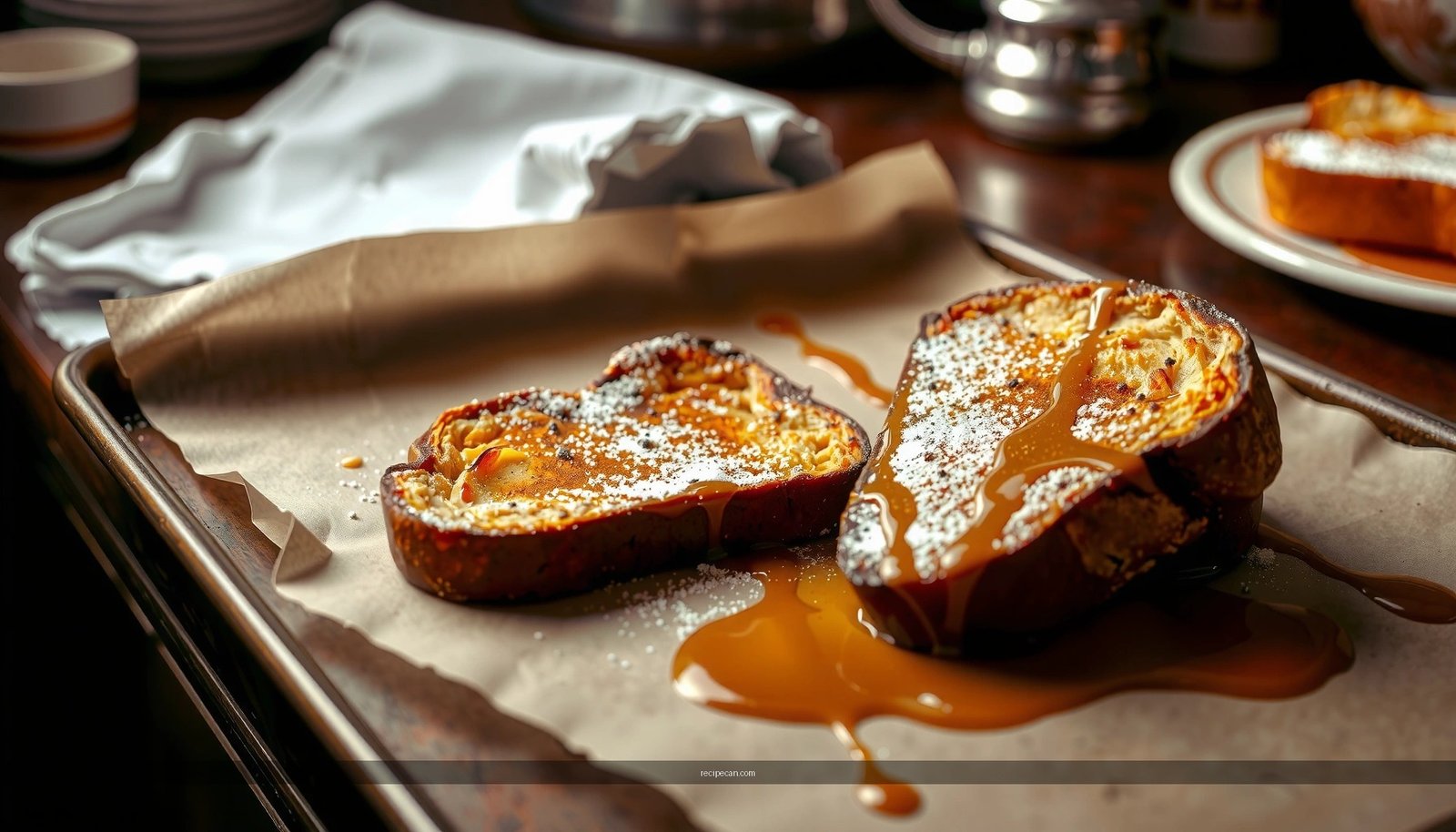
Resist frequent flipping. One flip ensures the crust forms properly. Cook until the first side is deep golden and the surface looks set, then flip and cook until the second side matches.
Time-and-doneness guide (typical thick-cut slices):
– First side: 2–4 minutes
– Second side: 2–3 minutes
– Adjust based on slice thickness and pan performance
Critical quality checkpoints:
– Too pale: heat is too low or slices were under-soaked.
– Burnt outside, cold inside: heat is too high—lower it and cook a bit longer.
– Soggy texture: pan crowding or over-soaking leads to excess moisture. Cook fewer slices per batch.
Serve Suggestions and Toppings
French toast bread is versatile, but the serving approach matters: you want the crisp edges to remain crisp, and the custard to stay creamy.
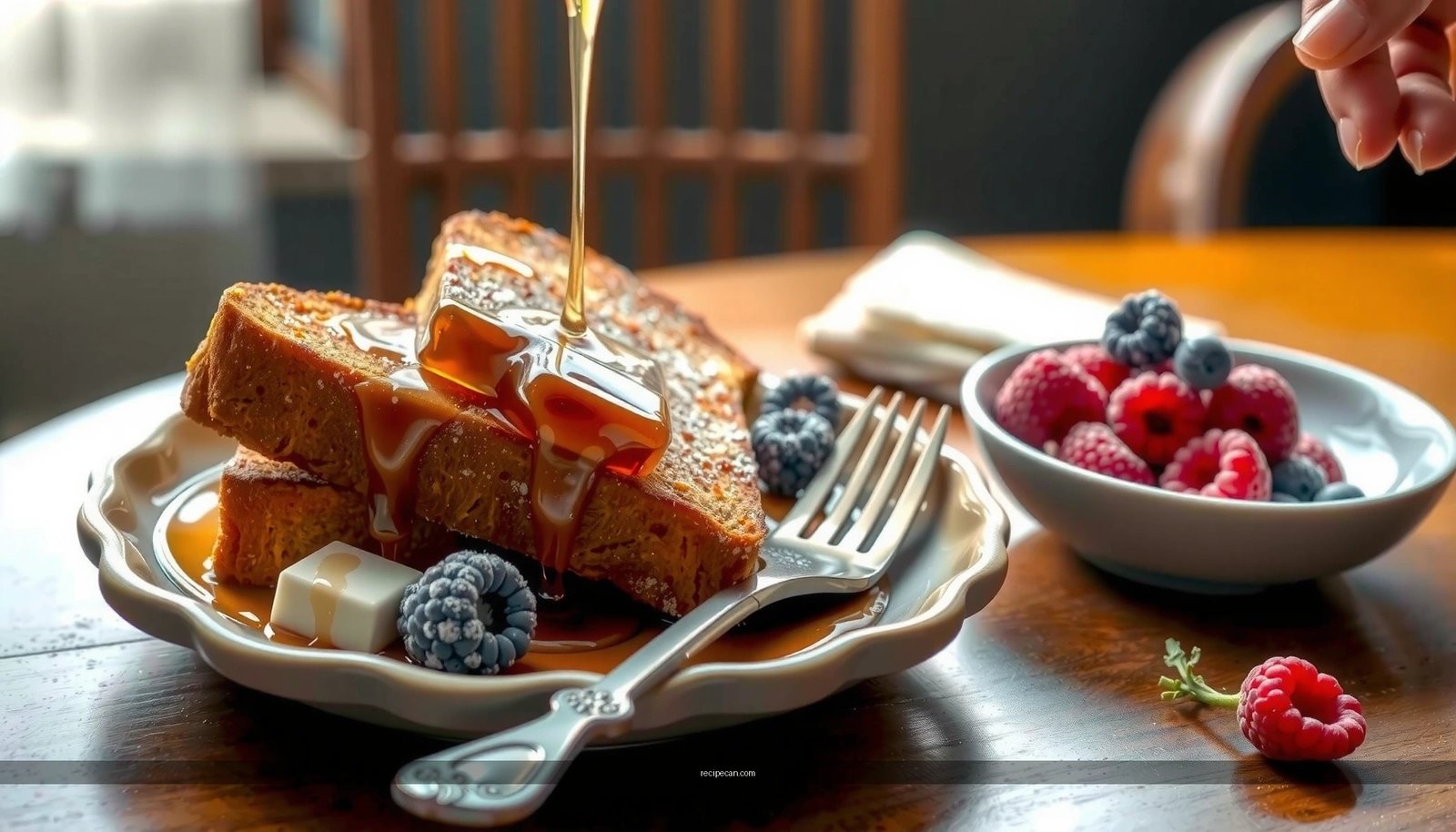
– Pair with maple syrup, powdered sugar, fresh berries, or whipped cream
Maple syrup complements the custard’s vanilla and cinnamon. Powdered sugar adds visual contrast and a mild sweetness. Berries bring acidity, which balances richness and prevents the dish from tasting heavy.
Professional presentation tip:
Add syrup at the table or apply a light drizzle immediately before serving. Too much syrup early can soften crusts quickly—especially if the French toast bread is held warm.
Storage and Reheating Tips
French toast bread is best fresh, but you can preserve quality with smart storage and reheating. The key is managing moisture: too much humidity makes it soft.
– Refrigerate leftovers in an airtight container up to 2 days
Cool cooked slices to room temperature before sealing. Trapping steam while warm can cause condensation and a soggy reheated texture.
– Reheat in a toaster oven or skillet to restore crispness
Toaster oven (best for crisp edges): 350°F / 175°C for 6–10 minutes.
Skillet method: rewarm over medium-low with a small dab of butter, about 2–3 minutes per side.
Freezing option (for meal planning):
Freeze cooled slices in a single layer, then transfer to a freezer bag for up to 1 month. Reheat from frozen in a toaster oven at 350°F / 175°C until warmed through and re-crisped.
French toast bread is all about the right bread, a well-balanced custard, and cooking over steady heat until golden. Follow the soak and fry steps, tune your soak time to the bread thickness, and choose toppings that complement sweetness without flattening the crust. Make a batch today—day-old brioche or challah will deliver the most consistent custardy center and the crispest edges.
Frequently Asked Questions
What bread is best for french toast?
Brioche and challah are often the best bread for french toast because they’re rich, soft, and soak up egg custard without turning gummy. Sourdough, Texas toast, and French bread also work well if they’re thick-sliced and slightly stale. For best results, choose bread with a sturdy crumb and absorbent texture so your french toast bread recipe stays custardy inside and crisp outside.
How do I make french toast bread from scratch?
If you want to bake the french toast bread first, use a simple enriched dough (like brioche-style) and proof it until airy, then bake into a loaf before slicing. After baking, let the bread rest overnight or at least a few hours so it can absorb the egg mixture. Then follow your french toast bread recipe by soaking slices in a custard of eggs, milk (or cream), vanilla, and cinnamon before cooking on a buttered skillet.
How long should I soak bread for french toast?
Soak thick slices of bread for about 20–30 seconds per side, or 1–2 minutes total for denser bread like sourdough. If your bread is very fresh and soft, shorten the soak to prevent it from falling apart. The goal of your french toast bread recipe is even absorption so every bite tastes eggy and tender, without becoming soggy.
Why is my french toast soggy, and how can I fix it?
Soggy french toast usually comes from overly wet bread, too much custard, or cooking on heat that’s too low. Use slightly stale bread, soak briefly, and cook on medium to medium-high so the outside crisps while the inside sets. If you notice sogginess, finish in a hot skillet for 30–60 seconds per side or bake briefly at 375°F (190°C) to dry and set.
Which egg-to-milk ratio works best for french toast custard?
A reliable french toast bread recipe uses about 1 egg per 1/2 cup (120 ml) milk, which creates a balanced custard that slices can absorb. For a richer result, swap part of the milk with cream or use 1 egg per 1/3 cup (80 ml) milk, especially for thicker bread. Add vanilla and cinnamon to enhance flavor, and don’t forget to preheat the pan so the custard cooks quickly and evenly.
References
- French toast
https://en.wikipedia.org/wiki/French_toast - https://www.britannica.com/recipe/french-toast
https://www.britannica.com/recipe/french-toast - Easy French toast recipe | Good Food
https://www.bbcgoodfood.com/recipes/french-toast - https://www.bbc.co.uk/food/recipes/french_toast_70345
https://www.bbc.co.uk/food/recipes/french_toast_70345 - French Toast Recipe | PBS Food | PBS Food
https://www.pbs.org/food/recipes/french-toast/ - Google Scholar Google Scholar
https://scholar.google.com/scholar?q=French+toast+bread+recipe - Google Scholar Google Scholar
https://scholar.google.com/scholar?q=French+toast+egg+milk+soaking+technique+bread - Google Scholar Google Scholar
https://scholar.google.com/scholar?q=french+toast+palatability+texture+study+bread+egg+custard - Google Scholar Google Scholar
https://scholar.google.com/scholar?q=theory+of+egg+custard+french+toast+soak+brown+caramelization - Google Scholar Google Scholar
https://scholar.google.com/scholar?q=bread+absorption+egg+milk+french+toast+starch+protein