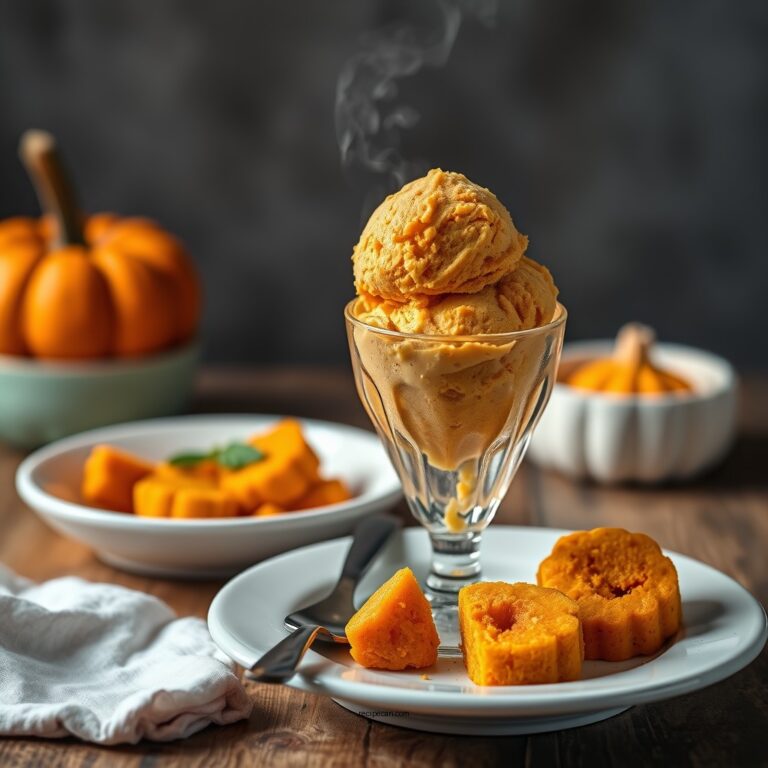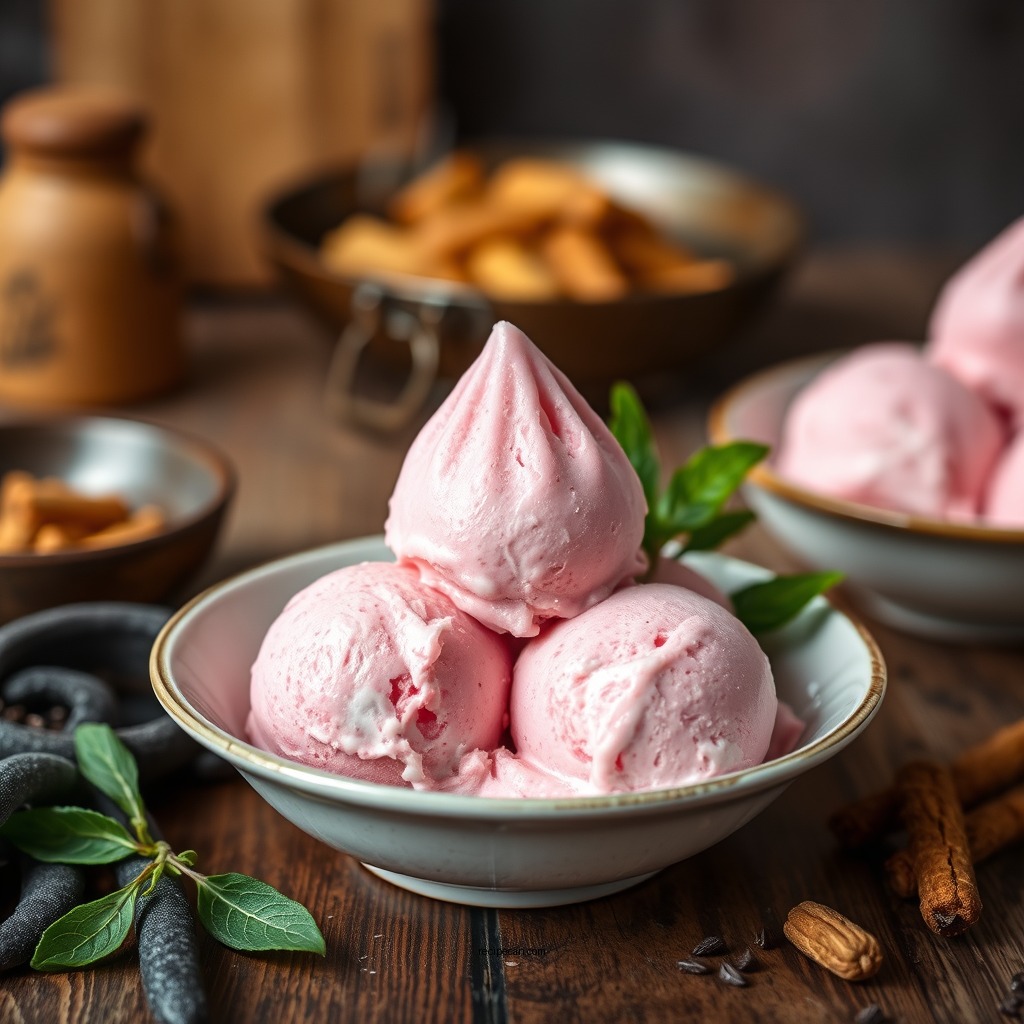
Making taro ice cream at home is easier than you might think! With just a few simple ingredients, you can whip up a creamy, unique dessert that showcases the sweet and nutty flavor of taro. This delightful treat not only tantalizes your taste buds but also provides a refreshing twist on traditional ice cream. In this article, you’ll learn how to create this enchanting dessert from scratch, including tips for achieving the perfect texture and flavor that will impress both family and friends.
Ingredients You’ll Need
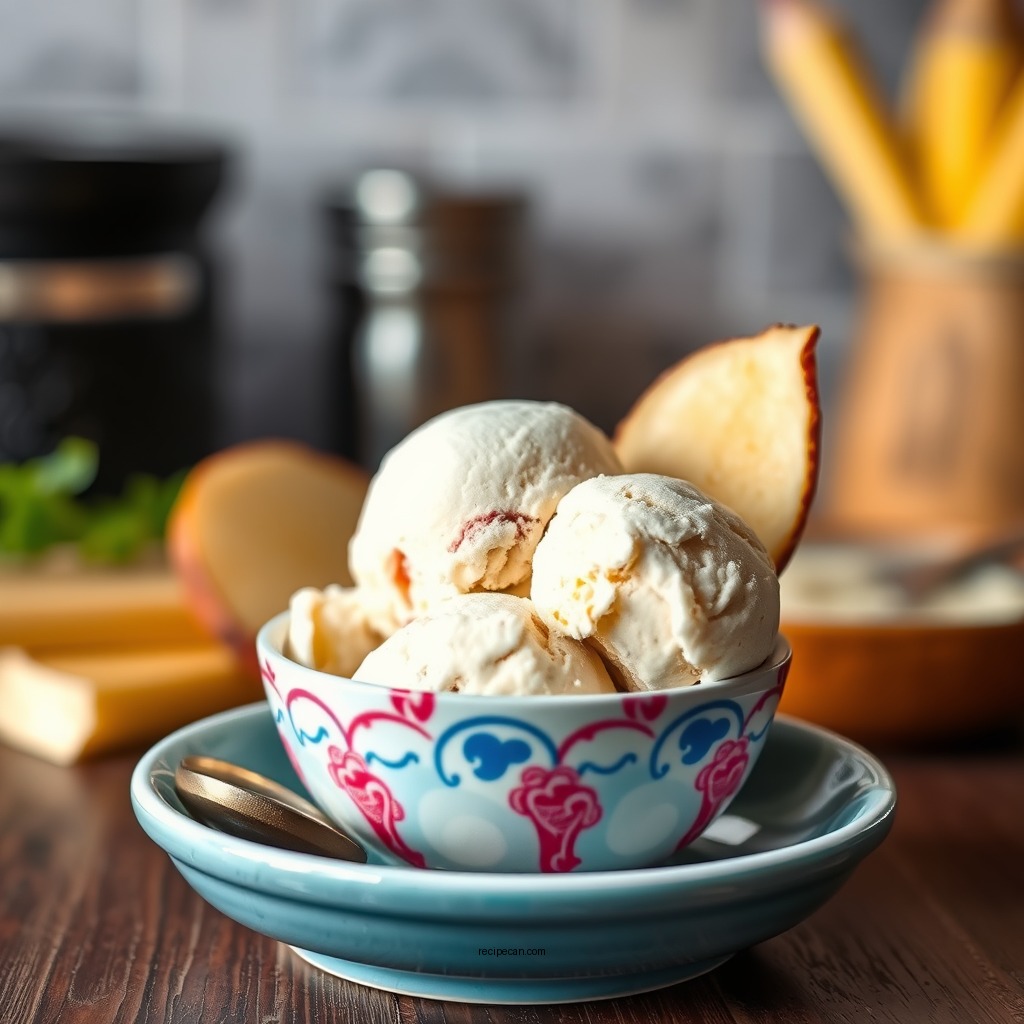
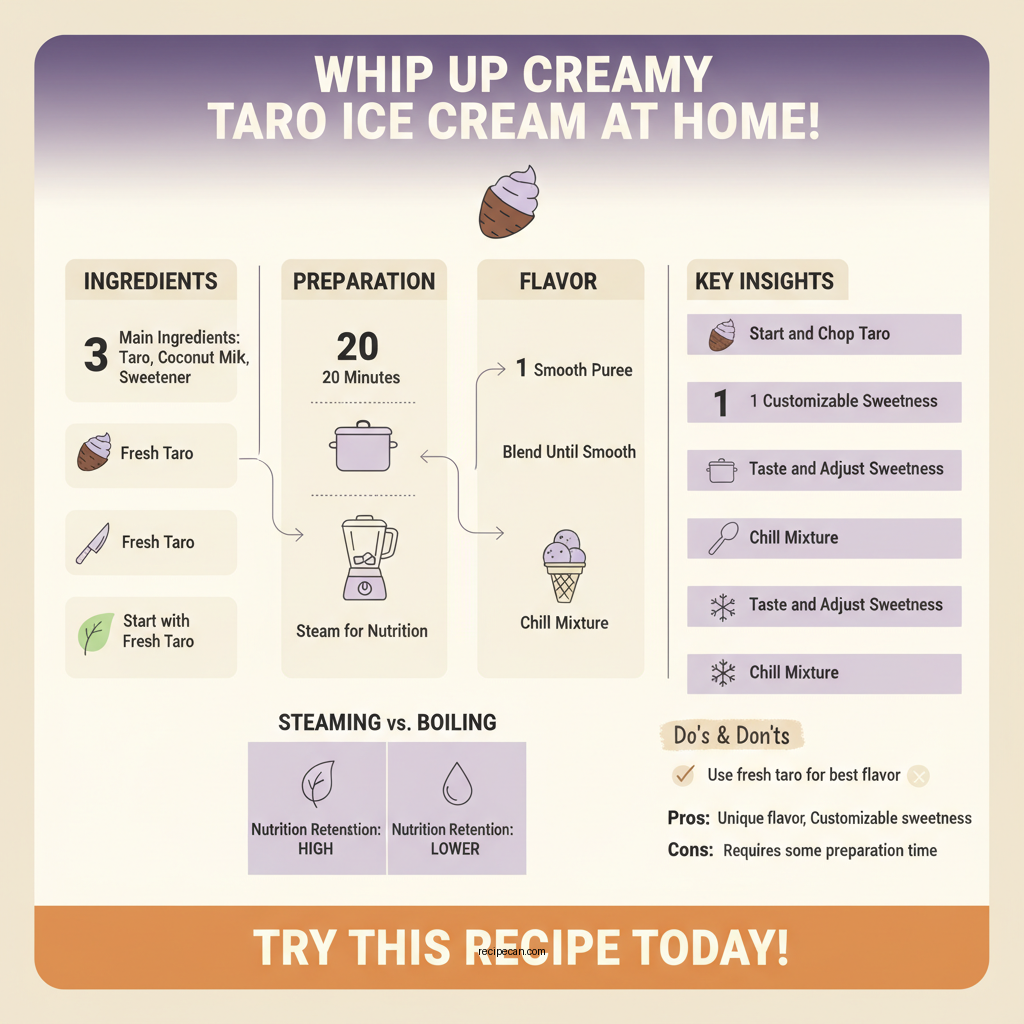
To make your own taro ice cream, you’ll need a few essential ingredients:
– Taro Root: Fresh or frozen, taro root serves as the star ingredient, providing its distinct flavor and creamy texture.
– Coconut Milk: This ingredient adds a rich creaminess and a subtle tropical taste, perfectly complementing the flavor of taro.
– Sweetener: Sugar or honey can be used to enhance the natural sweetness of the taro, allowing you to customize the sweetness to your preference.
These ingredients are not only easy to find but also combine to create a delightful and creamy dessert that captures the essence of taro.
Preparing the Taro
The preparation of taro is a crucial step in making delicious ice cream. Here’s how to do it effectively:
– Peeling and Chopping: Start by peeling the taro root carefully to remove the tough outer skin. Chop the taro into small, even pieces to ensure uniform cooking.
– Cooking: You can either steam or boil the chopped taro. Typically, this process will take about 20 minutes. If boiling, ensure that the water covers the taro completely. Steaming is preferable as it retains more nutrients and flavor.
– Cooling and Blending: After cooking, allow the taro to cool for a few minutes. Once cooled, transfer the pieces to a blender and blend until smooth, creating a silky taro puree. This puree will serve as the foundation for your ice cream.
Making the Ice Cream Base
Now that you have your taro puree ready, it’s time to make the ice cream base:
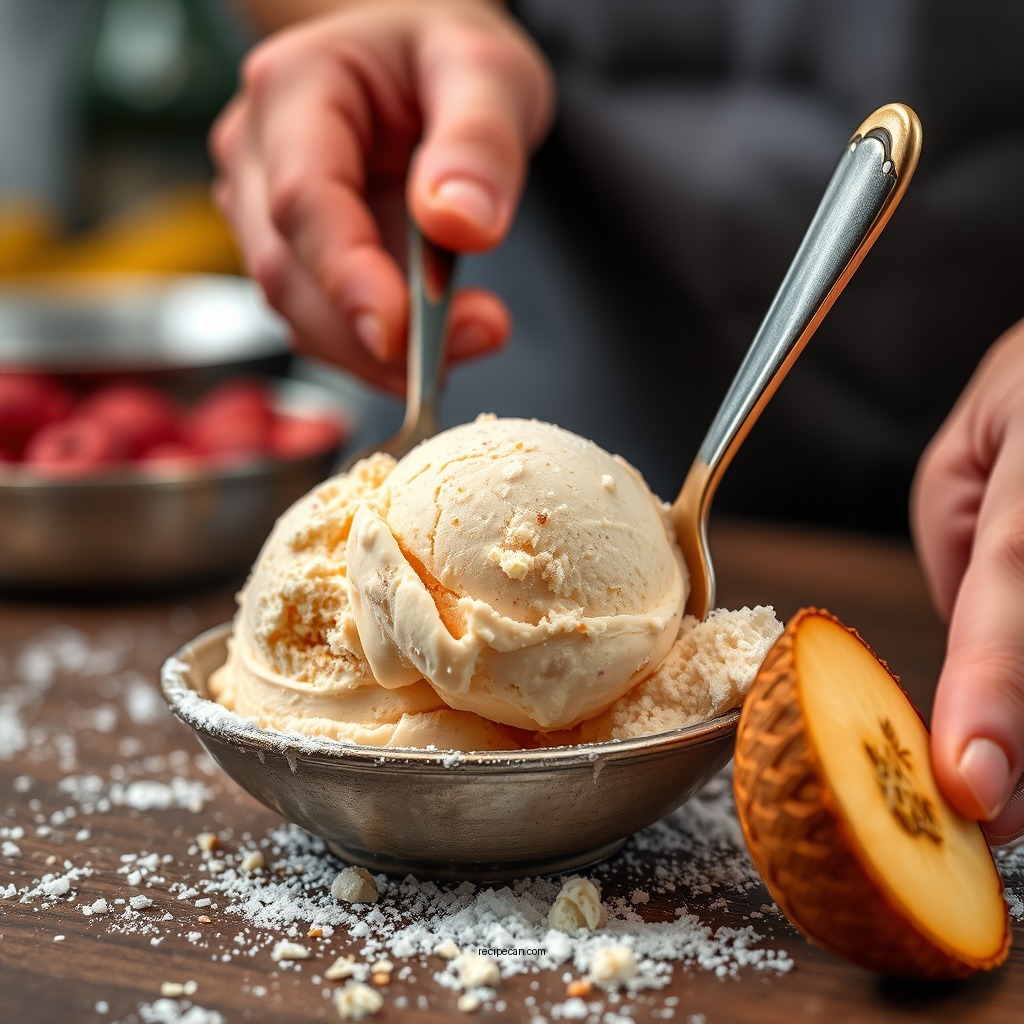
– Combining Ingredients: In a mixing bowl, combine the taro puree with coconut milk and your choice of sweetener. Use a whisk to mix until everything is well combined. The result should be a smooth and creamy mixture, free of lumps.
– Adjusting Sweetness: Before proceeding, taste the mixture and adjust the sweetness as needed. Remember, you can always add more sweetener, but it’s challenging to fix an overly sweet mixture.
This step is pivotal as it sets the stage for the flavor of your ice cream, ensuring that it is just right for your palate.
Chilling the Mixture
Chilling is an important process that enhances the flavor and texture of your ice cream:
– Refrigerating: Transfer the mixture to the refrigerator and chill for at least 2 hours. This allows the flavors to meld together, creating a more cohesive taste.
– Texture Improvement: Chilling not only enhances flavor but also improves the texture of the mixture when it comes time to churn. A well-chilled base will churn more effectively, resulting in a creamier ice cream.
Churning the Ice Cream
The churning process is where your ice cream begins to take shape:
– Using an Ice Cream Maker: Pour the chilled mixture into your ice cream maker and churn according to the manufacturer’s instructions, usually for about 20 to 25 minutes. This process incorporates air into the mixture, contributing to a fluffy texture.
– Without an Ice Cream Maker: If you don’t have an ice cream maker, pour the mixture into a shallow dish and place it in the freezer. Stir the mixture every 30 minutes for about 2 to 3 hours until it reaches a creamy consistency. This method requires a bit more effort but will still yield delicious results.
Storing and Serving
Once your ice cream is churned to perfection, it’s time to store and serve:
– Freezing: Transfer the churned ice cream to an airtight container and freeze it for at least 4 hours. This additional freezing time allows the ice cream to firm up, making it easier to scoop.
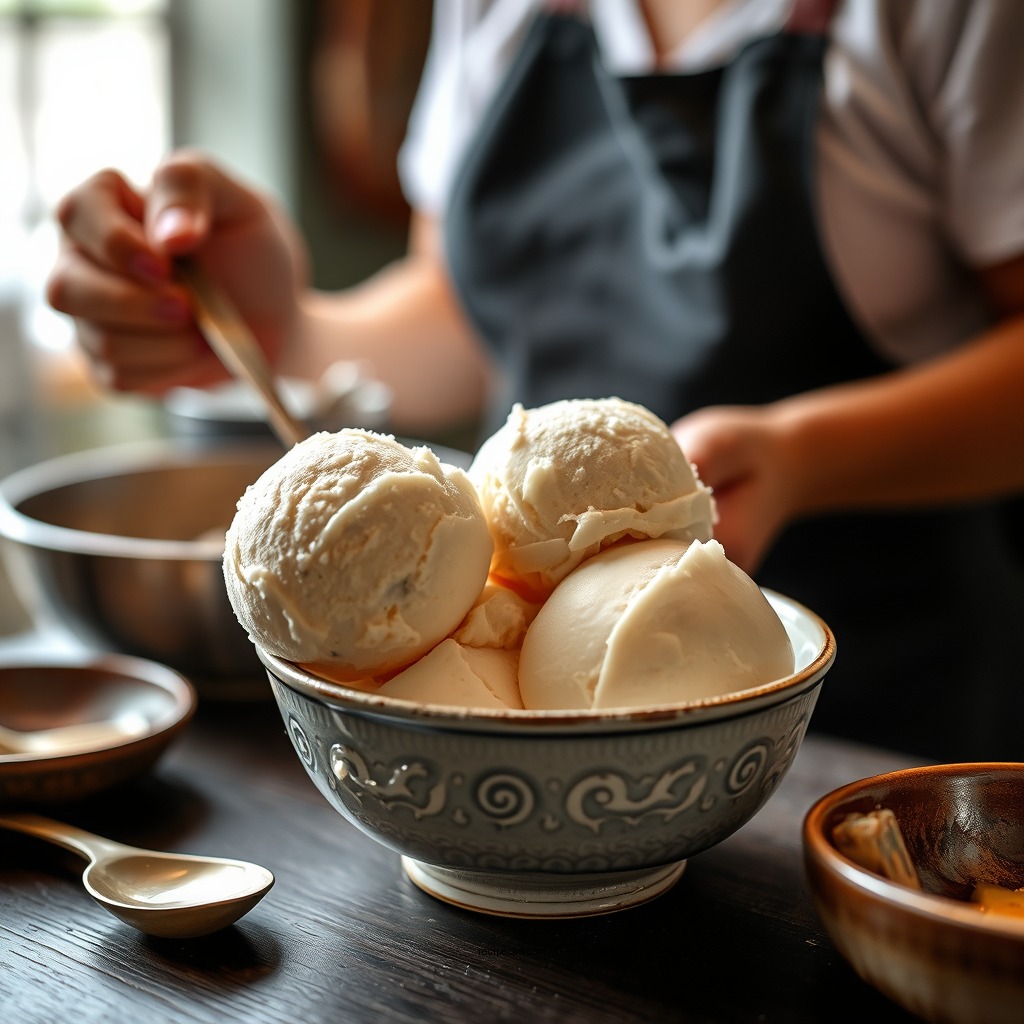
– Serving Suggestions: Serve the taro ice cream in bowls or cones. For added texture and flavor, consider garnishing with toasted coconut flakes, crushed nuts, or even a drizzle of sweetened condensed milk. These additions elevate the dessert experience and make it even more visually appealing.
Tips for Success
To ensure your taro ice cream turns out perfectly, keep these tips in mind:
– Choosing the Right Taro: Opt for ripe taro for the best flavor and texture. Look for smooth, unblemished skin and a firm texture.
– Mix-Ins: Don’t hesitate to experiment with mix-ins like chocolate chips, fresh fruit, or even a swirl of fruit puree for unique flavor variations. This can help you personalize your ice cream to suit your taste preferences.
– Serving Temperature: Before serving, allow the ice cream to sit at room temperature for a few minutes. This will soften it slightly, making it easier to scoop while maintaining its delicious creaminess.
Creating your own taro ice cream is not only a fun and rewarding experience but also an opportunity to enjoy a unique flavor right in your home. By following these steps, you can impress your family and friends with a delicious dessert that’s perfect for any occasion. Don’t hesitate to try this recipe out and share your results!
Nutritional Comparison of Taro Ice Cream Ingredients
| # | Ingredient | Calories (per 100g) | Fat (g) | Carbs (g) | Sugar (g) |
|---|---|---|---|---|---|
| 1 | Taro Root | 97 | 0.2 | 23.6 | 0.7 |
| 2 | Coconut Milk | 230 | 24.0 | 6.0 | 6.0 |
| 3 | Sugar | 387 | 0.0 | 100.0 | 100.0 |
| 4 | Honey | 304 | 0.0 | 82.4 | 82.1 |
| 5 | Milk | 42 | 1.0 | 5.0 | 5.0 |
| 6 | Cream | 340 | 34.0 | 3.0 | 3.0 |
| 7 | Vanilla Extract | 288 | 0.1 | 13.4 | 0.7 |
Creaminess of Taro Ice Cream vs. Traditional Flavors
In conclusion, making taro ice cream at home is not only a straightforward process but also a delightful culinary project that yields a unique and satisfying dessert. By following the steps outlined in this article, you can create a deliciously creamy treat that stands out in both flavor and presentation. Whether enjoyed on a hot summer day or served as a special occasion dessert, homemade taro ice cream is sure to impress. So gather your ingredients, embrace your inner chef, and indulge in the delightful world of taro ice cream!
Frequently Asked Questions
What ingredients do I need for a basic taro ice cream recipe?
To make a basic taro ice cream, you will need taro root (or taro powder), heavy cream, whole milk, sugar, and a pinch of salt. Optionally, you can add vanilla extract for extra flavor. Using fresh taro root will give your ice cream a more authentic taste and vibrant color.
How do I prepare taro for ice cream?
To prepare taro for ice cream, first peel and chop the taro root into small pieces. Boil the pieces in water until they are tender, about 15-20 minutes, then drain and mash them until smooth. Allow the mashed taro to cool before incorporating it into your ice cream mixture for the best texture.
Why is my taro ice cream not turning out creamy?
If your taro ice cream is not creamy, it may be due to using too much water content in the taro or not incorporating enough fat from cream or milk. Ensure you’re using a higher fat content in your dairy ingredients and consider chilling your mixture thoroughly before churning for optimal results.
What is the best method to churn taro ice cream at home?
The best method to churn taro ice cream at home is to use an ice cream maker, which provides a consistent texture by incorporating air while freezing. If you don’t have an ice cream maker, you can also pour the mixture into a shallow dish, freeze it, and stir every 30 minutes to break up ice crystals until it reaches your desired consistency.
Which toppings pair well with taro ice cream?
Taro ice cream pairs beautifully with a variety of toppings, such as crushed nuts, mochi pieces, or sweetened coconut flakes. Additionally, you can drizzle with sweetened condensed milk or serve it with fresh fruits like mango or berries to enhance the flavor and presentation of your dessert.
References
- Taro
https://en.wikipedia.org/wiki/Taro - https://www.ncbi.nlm.nih.gov/pmc/articles/PMC7111973/
https://www.ncbi.nlm.nih.gov/pmc/articles/PMC7111973/ - https://www.ncbi.nlm.nih.gov/pmc/articles/PMC7094977/
https://www.ncbi.nlm.nih.gov/pmc/articles/PMC7094977/ - Google Scholar Google Scholar
https://scholar.google.com/scholar?q=taro+ice+cream+recipe - Google Scholar Google Scholar
https://scholar.google.com/scholar?q=taro+flavor+ice+cream - Google Scholar Google Scholar
https://scholar.google.com/scholar?q=taro+desserts - https://www.sciencedirect.com/topics/food-science/taro
https://www.sciencedirect.com/topics/food-science/taro - https://www.bbc.com/food/recipes/taro_ice_cream_73756
https://www.bbc.com/food/recipes/taro_ice_cream_73756 - https://www.ncbi.nlm.nih.gov/pmc/articles/PMC6001632/
https://www.ncbi.nlm.nih.gov/pmc/articles/PMC6001632/ - https://www.ncbi.nlm.nih.gov/pmc/articles/PMC5822171/
https://www.ncbi.nlm.nih.gov/pmc/articles/PMC5822171/