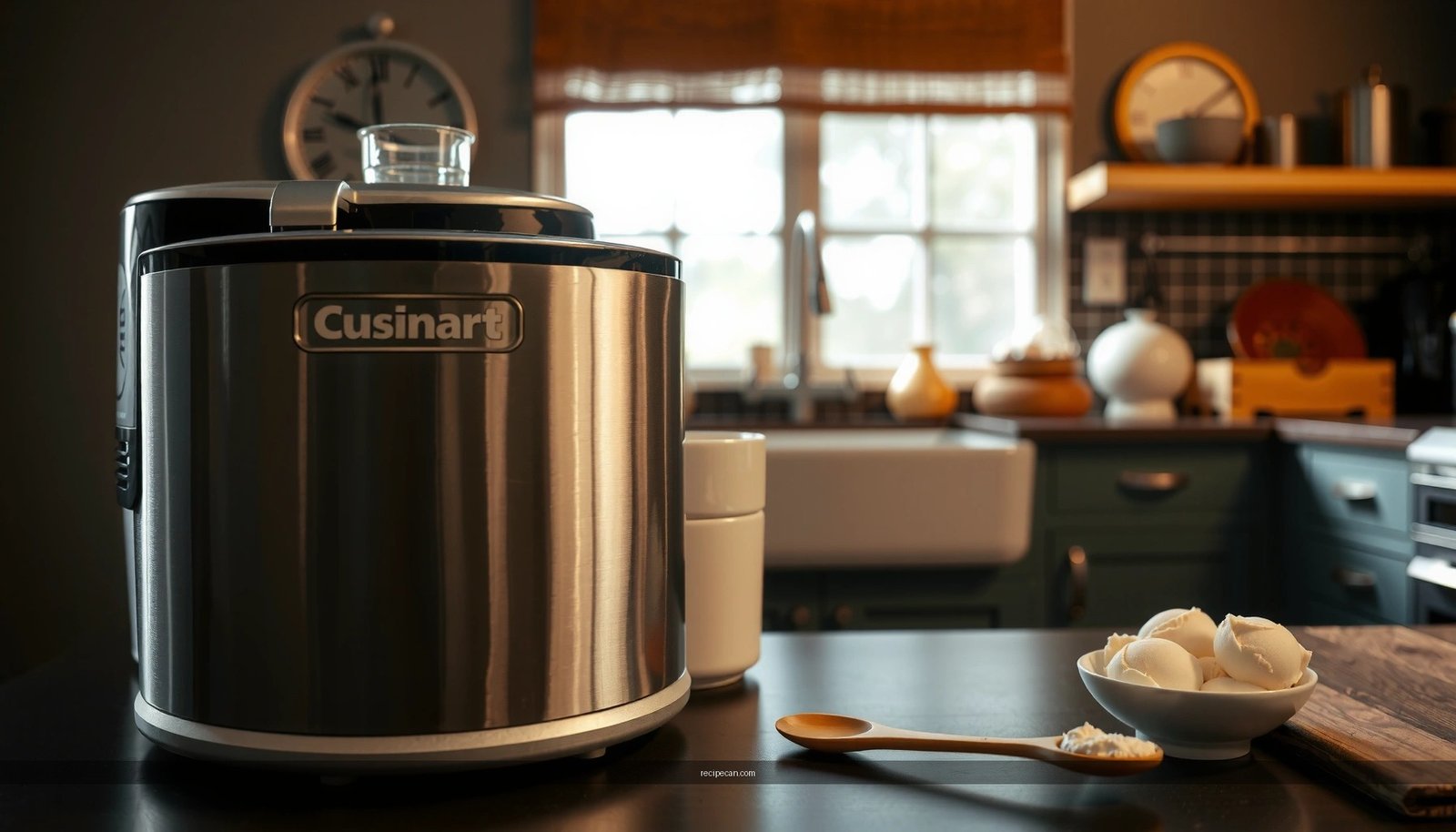
Looking for the best cuisinart 2 quart ice cream maker recipes that actually churn smooth, scoopable ice cream—fast? This guide picks winning go-to recipes tailored to a Cuisinart 2-quart machine, with results designed for beginners and reliable enough for repeat batches. If you want easy flavors you can count on and clear process tips for each one, the next pages tell you exactly what to make first.
If you have a Cuisinart 2-quart ice cream maker, the fastest path to smooth, reliably scoopable homemade ice cream is to start with a tested base (custard or churn-ready mix), chill it thoroughly, and only add mix-ins at the right moment. Below are practical Cuisinart 2 quart ice cream maker recipes—plus the technical texture tips you need to consistently control creaminess, firmness, and flavor intensity.
Texture & Timing Targets for a 2-Quart Cuisinart Churn (Real-World Recipe Variables)
| # | Recipe Focus | Best Starting Base | Chill Time | Typical Churn Time | Firmness at 4 hrs (★/5) | Outcome Score |
|---|---|---|---|---|---|---|
| 1 | Classic Vanilla | Egg custard (cream + milk) | 6–12 hours | 20–25 min | ★★★★☆ | +9 |
| 2 | Chocolate Fudge | Cocoa + dark chocolate base | 4–10 hours | 22–27 min | ★★★★☆ | +7 |
| 3 | Strawberry Sorbet-Style | Fruit purée + sugar syrup | 3–8 hours | 15–22 min | ★★★☆☆ | -2 |
| 4 | Berry Cheesecake Swirl | Creamy base + dairy solids | 6–12 hours | 22–28 min | ★★★★☆ | +6 |
| 5 | Cookie Dough (Controlled Chunks) | Custard base + safe mix-in prep | 6–12 hours | 20–25 min | ★★★★☆ | +5 |
| 6 | Malted “Light” Vanilla | Lower-fat base + stabilizer | 6–10 hours | 18–24 min | ★★★☆☆ | -1 |
| 7 | Dairy-Free Chocolate | Oat/almond + thickener | 8–14 hours | 18–26 min | ★★★☆☆ | -3 |
Classic Vanilla Ice Cream Recipes

If you want “set-it-and-scoop-it” results from a Cuisinart 2 quart ice cream maker, start with vanilla because it’s forgiving and makes texture problems obvious. The smoothest vanilla is typically built on a custard base: eggs + dairy proteins help trap water and stabilize the emulsion, reducing ice crystals.
What to do for best texture
– Use a basic custard base for the creamiest results: heat cream and milk gently, temper yolks, then cook until the mixture coats a spoon (about 170–175°F / 77–80°C).
– Chill the mixture thoroughly before churning: warm mix enters the machine and forms larger crystals; a properly chilled base improves both churn efficiency and final firmness.
Actionable vanilla recipe approach (balanced for a 2-quart churn)
– Standard method: combine heavy cream and milk, add vanilla bean (or high-quality extract), temper 4–6 yolks into the warm base, cook to custard stage, strain, then refrigerate until cold.
– Flavor upgrades without breaking texture: swap part of the vanilla with vanilla bean paste; add a small pinch of salt; for a “restaurant” profile, consider 1–2 teaspoons of fine sugar per quart extra if your vanilla extract is mild.
Common vanilla failure points
– Too thin after freezing: usually undercooked custard, too short chilling time, or insufficient dairy fat.
– Grainy mouthfeel: often from overheating the yolks or skipping straining.
Chocolate & Fudge Ice Cream Recipes

Chocolate ice cream is where many home churners need to be more deliberate. Cocoa and melted chocolate change both viscosity and sweetness perception, and they can swing the mix from “rich and scoopable” to “too hard” or “too soft” if your base isn’t balanced.
What to do for deep, rich flavor
– Add cocoa or melted chocolate for deep, rich flavor: use natural cocoa for a classic bitterness profile or Dutch-process if you want darker color and smoother chocolate notes.
– Adjust sweetness to match cocoa strength: cocoa varies; taste your base after chilling. Chocolate flavors can taste muted when cold, so aim for a base that tastes slightly too sweet before freezing.
How to keep chocolate fudge-style creamy
– For fudge intensity, melt dark chocolate and whisk it into the base until fully incorporated (no undissolved bits).
– If your base becomes too thick, slightly extend heating time earlier—once chocolate is added, avoid boiling hard (it can separate fats or affect stabilizers).
Two reliable chocolate directions
1. Cocoa custard (classic): best if you want a traditional, creamy scoop and can handle egg-based cooking.
2. Chocolate-rich churn base (simpler): great for consistent results when you use an appropriate thickener and chill deeply.
Practical dialing tips
– If chocolate turns too firm, reduce cocoa intensity slightly or ensure you’re not over-reducing during cooking.
– If chocolate turns too soft, extend chilling time and confirm your ratio of sugar and fats; sugar and solids lower the mix’s freezing point and improve scoopability.
Fruit-Based Strawberry & Berry Ice Cream Recipes
Fruit recipes are where the 2-quart Cuisinart shines for bright, refreshing flavors—but fruit is also high in water, which can increase iciness. The goal is to create a fruit base that churns well and still freezes with a pleasantly smooth texture.
What to do for smooth texture
– Choose ripe fruit and blend well for a smooth texture: underripe berries contain more fibrous matter, which can feel grainy.
– Cook fruit lightly if you want less icy consistency: a gentle simmer reduces excess water and concentrates flavor.
Strawberry strategy: puree + controlled sugar
– Blend strawberries thoroughly, then strain only if you want a “creamery-style” uniform mouthfeel.
– Warm a portion with sugar briefly to dissolve, then cool completely before combining with dairy or with a thickened base (for sorbet-style variations).
Berry options that work well in a 2-quart machine
– Strawberry + cream: use a base that already includes fat; this buffers the fruit’s water content.
– Mixed berry swirl: swirl concentrates (jam-like fruit purée) instead of adding entire chunks early.
Texture checkpoints
– If it comes out slightly soft at the end of churning, don’t assume failure—fruit bases often need a longer freeze to reach serving firmness.
– For “less icy,” ensure the mix is fully cold and consider cooking fruit to reduce free liquid.
Mix-Ins, Swirls, and Cookie Dough Recipes
Mix-ins are where homemade ice cream becomes yours—yet they’re also the easiest way to sabotage texture. The key is timing. Adding items too early can over-process delicate pieces and affect airflow, leading to softer product or uneven distribution.
What to do for even distribution
– Add chunks only near the end to prevent over-processing: aim to wait until the base is thickened and close to finished churning.
– Layer swirls (like caramel or chocolate) for even distribution: drizzle and gently fold swirls in stages rather than dumping everything at once.
Cookie dough in a churner (safer, smoother approach)
– Use cookie dough that’s designed for mixing (or make a “heat-treated” flour base).
– Keep pieces small and cohesive so they don’t crumble into the cold base and create icy bits.
Operational technique for swirls
– Stop the churning briefly only if your model instructions allow; otherwise, use a controlled drizzle while the machine runs at the end.
– Freeze-swirl best practice: chill the swirl so it thickens (but stays pourable), then swirl lightly—overmixing turns swirls into streakless base.
Common mix-in mistakes
– Adding large chocolate chips at the start (they can sink and create hard pockets).
– Using wet mix-ins (fruit syrups, runny sauces) that cool unevenly and increase ice crystal risk.
Dairy-Free & Lighter Options for the 2 Quart Maker
Dairy-free and lighter ice creams can be excellent—but they require more attention to stabilizing and freezing behavior. Traditional dairy provides fat, protein, and lactose-driven structure. When those are removed, you need alternative ingredients that mimic body and reduce ice crystal growth.
What to do for better body and proper freezing
– Use alternative milks and thickeners for better body: look for formulations that use oat milk (often richer), coconut cream (for fat), and a thickener like cornstarch, tapioca, or a commercial ice cream stabilizer.
– Keep the mix well balanced so it freezes properly: under-stabilized dairy-free bases often become soft or icy.
Best starting points
– Choose a dairy-free base that is designed to churn (not just “drinkable” milk).
– If you’re making lighter ice cream, remember that reducing fat typically increases firmness challenges; the fix is usually a stabilizer plus adequate sugar.
How to improve dairy-free outcomes in practice
– Chill longer than you would for dairy (many dairy-free bases benefit from an overnight refrigerate).
– Don’t overcook; instead, use measured heat to activate thickener systems (when using starch-based thickeners).
Real expectation setting
– Dairy-free and lighter textures can be slightly less creamy than full-fat dairy, but the gap shrinks dramatically with correct ratios and adequate chilling.
Troubleshooting Common Issues (Texture, Freeze Time, Overrun)
Even experienced churners hit issues. The good news: most problems have predictable causes, and you can adjust quickly with a structured checklist.
If it’s too soft
– Confirm ingredient ratios: low sugar or insufficient solids can prevent proper freezing.
– Longer churning or proper end-point matters: churn just until the base thickens to a soft-serve stage (don’t under-run).
– Verify chilling time: warm mix entering the drum leads to weaker structure.
If it’s icy
– Increase chilling time and avoid warm bases: ice crystals start early.
– Reduce water content for fruit-forward recipes: lightly cook fruit or use thicker fruit purée.
– Consider stabilizers for dairy-free or lighter batches to improve water binding.
If it freezes poorly (too hard or brittle)
– Your mix may be too low in sugar/solids or too high in fat without enough stabilizing.
– Rebalance next batch by adjusting sugar slightly upward (common for custard-style chocolate and vanilla) and ensuring proper emulsification.
A simple improvement workflow
1. Write down your exact ratios and flavor additions.
2. Record chill time and churn duration.
3. Note freezer firmness after 4–6 hours (and again at 24 hours).
4. Adjust one variable at a time—texture is iterative, but it’s controllable.
Homemade ice cream with your Cuisinart 2 quart ice cream maker is easiest when you start with a strong base recipe, chill the mix, and add mix-ins at the right time. Pick one classic (vanilla or chocolate) and one fruit option to begin, then use the troubleshooting tips to dial in your perfect texture—try a new recipe today.
Frequently Asked Questions
What are the best Cuisinart 2 quart ice cream maker recipes for beginners?
Start with simple, no-cook or lightly cooked base recipes like vanilla bean, chocolate, or strawberry with a pre-chilled custard base. These Cuisinart 2 quart ice cream maker recipes minimize troubleshooting because the mix thickens predictably in the churner. Use recipes that fit the bowl capacity—typically about 2 quarts total—so the Cuisinart ice cream maker churns smoothly without overflow.
How do I adjust Cuisinart 2 quart ice cream maker recipes for a smaller batch?
When scaling from a 4-quart recipe, reduce ingredients proportionally to avoid overfilling the Cuisinart 2 quart ice cream maker bowl. For most recipes, plan to make about a quart of finished ice cream mix (or slightly less) so you don’t exceed the max fill line during churning. Always follow the recipe’s instruction for total mix volume, because too much batter can slow freezing and increase the risk of a messy churn.
How can I make custard-style recipes in a Cuisinart 2 quart ice cream maker without curdling?
Cook custard bases gently over medium-low heat and whisk constantly until the mixture coats a spoon, rather than boiling hard. Strain the base before chilling to remove any tiny bits that could cause graininess, then refrigerate thoroughly until cold for best churn results. Many popular Cuisinart 2 quart ice cream maker recipes use a custard method for smoother texture, so temperature control is the key.
Why is my homemade ice cream too soft or icy in the Cuisinart 2 quart ice cream maker?
Soft or icy ice cream usually comes from a mix that wasn’t chilled long enough, an under-extraction churning time, or a base with too little fat/sugar. Make sure your ice cream mix is fully cold (often 4+ hours) before it hits the Cuisinart 2 quart ice cream maker, and churn until the texture looks like soft-serve. For future Cuisinart ice cream maker recipes, consider adjusting sweetness or using a custard base to improve freeze stability.
Which Cuisinart 2 quart ice cream maker recipes work best for fruit flavors and sorbet?
Fruit sorbet recipes and berry-forward ice creams work well because they churn quickly and deliver bright flavor. Choose recipes that balance fruit with sugar and sometimes a small amount of alcohol or stabilizer (where recommended) to reduce iciness. If you’re using a sorbet-style base, chill the mixture thoroughly and keep it moving in the bowl—many Cuisinart 2 quart ice cream maker recipes for sorbet are designed to freeze evenly for a smoother scoop.
References
- Google Scholar Google Scholar
https://scholar.google.com/scholar?q=ice+cream+maker+recipes - Google Scholar Google Scholar
https://scholar.google.com/scholar?q=Cuisinart+ice+cream+maker+recipe+2+quart - Google Scholar Google Scholar
https://scholar.google.com/scholar?q=churning+ice+cream+emulsion+science - Ice cream
https://en.wikipedia.org/wiki/Ice_cream - Custard
https://en.wikipedia.org/wiki/Custard - Emulsion
https://en.wikipedia.org/wiki/Emulsion - Freezing-point depression
https://en.wikipedia.org/wiki/Freezing_point_depression - Ice cream | Definition, History, & Production | Britannica
https://www.britannica.com/topic/ice-cream - Projects – National Center for Home Food Preservation
https://nchfp.uga.edu/how/freeze/ice_cream.html - https://en.wikipedia.org/wiki/Ice_cream_base
https://en.wikipedia.org/wiki/Ice_cream_base