You’re searching for a croissant French toast recipe that delivers a crisp, golden crust and a custardy center—every time. This recipe gives you the exact soak time, egg-and-milk ratio, and pan temperature to maximize buttery flavor without sogginess. Follow these steps and you’ll get perfect results whether you’re using day-old croissants or fresh from the bakery.
This croissant French toast recipe turns buttery, flaky croissants into a golden, crisp-edged, custardy breakfast—using a controlled soak and careful pan cooking. You’ll follow a step-by-step method to prevent sogginess, achieve deep browning, and finish thick pieces in the oven for a tender center.
This is the approach many French-inspired brunch kitchens use: treat croissants like fragile pastry “sponges,” not bread—soak lightly, then cook fast and hot enough to set the custard before the layers collapse.
What You’ll Need for Croissant French Toast

– Croissants, eggs, milk (or half-and-half/cream), and vanilla for the custard base
– Butter and optional toppings like powdered sugar or syrup
– Simple tools: baking dish, skillet, and whisk
To make the best croissant French toast, the ingredient quality matters more than the number of ingredients. Croissants provide the structure and buttery flavor; the custard creates the custardy center; butter delivers the crisp crust that makes this feel “restaurant-style.”
Recommended ingredient ratios (for 6 portions)
– 6 medium croissants (about 1–1¼-inch tear-and-chunk pieces)
– 6 large eggs
– 1 cup milk (or 3/4 cup milk + 1/4 cup cream for richer texture)
– 1–2 tsp vanilla extract
– 1/2 tsp salt
– 1–2 tsp sugar (optional; more for a sweeter, more caramelized crust)
– 1–2 tsp ground cinnamon (optional)
Optional add-ins that improve flavor and texture
– Orange zest (½–1 tsp): brightens vanilla and complements butter
– Pinch of nutmeg: adds warmth without overpowering the croissant flavor
– Espresso powder (tiny pinch): makes the caramel notes pop, especially with chocolate sauce
Custard “Soak” Time vs. Texture Result (Best Practice Benchmarks)
| # | Soak Time (minutes) | Custard Penetration | Edge Crispness | Best For |
|---|---|---|---|---|
| 1 | 4–5 | Light | ★★★★★ | Crisp + airy center |
| 2 | 6–7 | Medium | ★★★★☆ | Classic brunch texture |
| 3 | 8–10 | Deeper | ★★★☆☆ | Softer, more custardy bites |
| 4 | 10–12 | High | ★★☆☆☆ | Risk of soggier edges |
| 5 | 12–15 | Very High | ★☆☆☆☆ | Avoid (over-soaked) |
| 6 | Cold soak (10 min) | Medium | ★★★★☆ | Best for scheduling brunch |
| 7 | No soak (just coat) | Surface only | ★★★★★ | Less custard, more crisp pastry |
How to Prepare Croissants for Perfect Soaking

– Cut croissants and use slightly stale bread for better absorption
– Soak just long enough to coat without falling apart
– Let excess custard drip off for fewer soggy spots
Start with day-old or slightly stale croissants if you can. Staleness is helpful because croissants that are fresh and very airy tend to resist custard absorption—then leak butter during cooking, which can blur the custardy texture you want.
Step-by-step prep technique
1. Cut croissants into 1–1½-inch chunks (or thick slices if you prefer classic “toast” shapes). This increases surface area for even custard coverage.
2. Arrange in a single layer in a baking dish (or a shallow bowl) so the custard can reach all sides quickly.
3. Soak briefly—then flip once. Aim for the sweet spot: about 6–7 minutes total for medium-custardy results.
Why “drip time” matters
After soaking, use a fork or tongs to transfer croissant pieces to a wire rack or plate for 30–60 seconds. This prevents pooling liquid at the bottom of the pan, which is a common reason French toast turns soggy instead of crisp.
Thickness and tear strategy
If you like a custardier center, use slightly thicker chunks and finish in the oven (described in the cooking section). For crispier bites, cut smaller pieces and cook primarily on the skillet for quick set-and-brown.
Mix the Custard Base (No Guesswork)
– Whisk eggs with milk, vanilla, and a pinch of salt
– Add cinnamon or sugar if you like a classic warm flavor
– Aim for a smooth mixture that clings to the croissant pieces
The custard base is where you control structure. Croissant French toast relies on the egg proteins to set gently while the crust browns from butter and sugar.
Custard mixing method
1. Whisk eggs thoroughly until the yolks and whites are fully combined and slightly frothy.
2. Whisk in milk (or cream), vanilla, and salt until smooth.
3. Optional: add cinnamon and/or sugar for classic warm flavor and extra browning.
Consistency check (fast and practical)
Your custard should look uniform and pourable. If it’s too thin, the croissants may soak quickly and cook out into a watery result. If it’s too thick (from too little milk), it can coat without penetrating.
A useful benchmark:
– For every 6 eggs, use about 1 cup dairy total for a dependable set and creamy interior.
Flavor calibration ideas
– Classic: vanilla + pinch cinnamon + 1–2 tsp sugar
– French-inspired: vanilla + a touch of nutmeg (very small pinch)
– Berry-friendly: vanilla + orange zest (½–1 tsp)
Cook It: Golden Crispy Edges Every Time
– Sear in a buttered skillet over medium heat for even browning
– Cook until deep golden, flipping carefully to avoid breaking
– Finish in the oven if you want thicker, fully warmed centers
Cooking is where the “croissant” advantage turns into texture contrast: crisp exterior from butter browning and a set custard inside.
Skillet cooking technique
1. Heat a skillet over medium heat and melt a generous amount of butter.
2. Place soaked croissant pieces in the pan in a single layer (work in batches if needed).
3. Cook 2–3 minutes per side until deeply golden.
Flipping carefully is critical. Croissants are delicate; use a thin spatula and turn once you see the crust hold together.
Avoiding common browning mistakes
– Too hot: browns the outside before the custard sets (burnt edges, raw center).
– Too cool: dries the pastry and causes pale, greasy French toast.
If your browning is moving too slowly, slightly raise heat. If it’s darkening too quickly, lower heat and extend time.
Oven finish for thick pieces
For a thicker cut or extra-custardy center, do this:
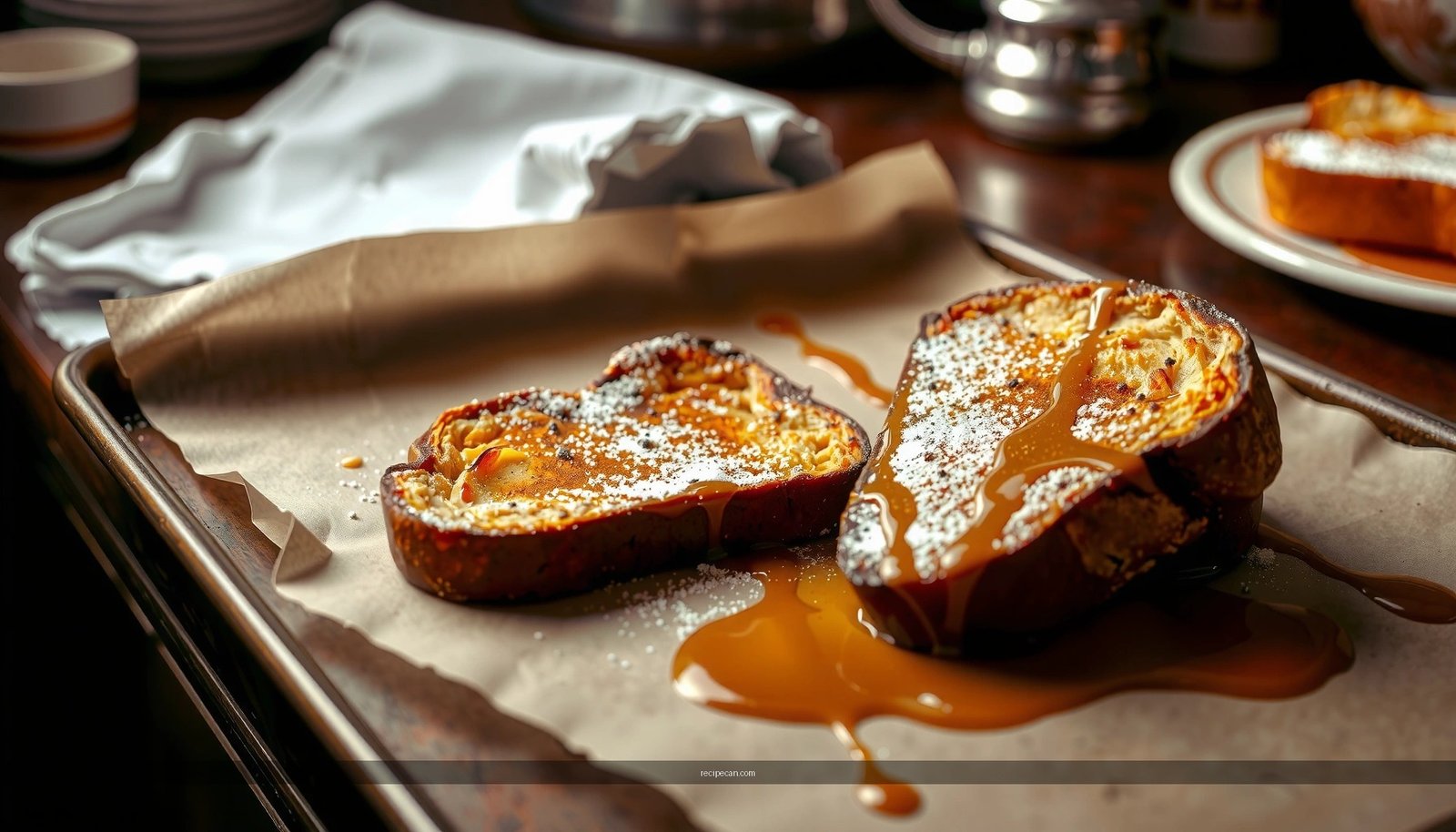
1. Transfer skillet-cooked pieces to a baking sheet.
2. Bake at 350°F / 175°C for 6–10 minutes, until warmed through.
This step helps the egg set completely without sacrificing crust color.
Best Toppings and Serving Ideas
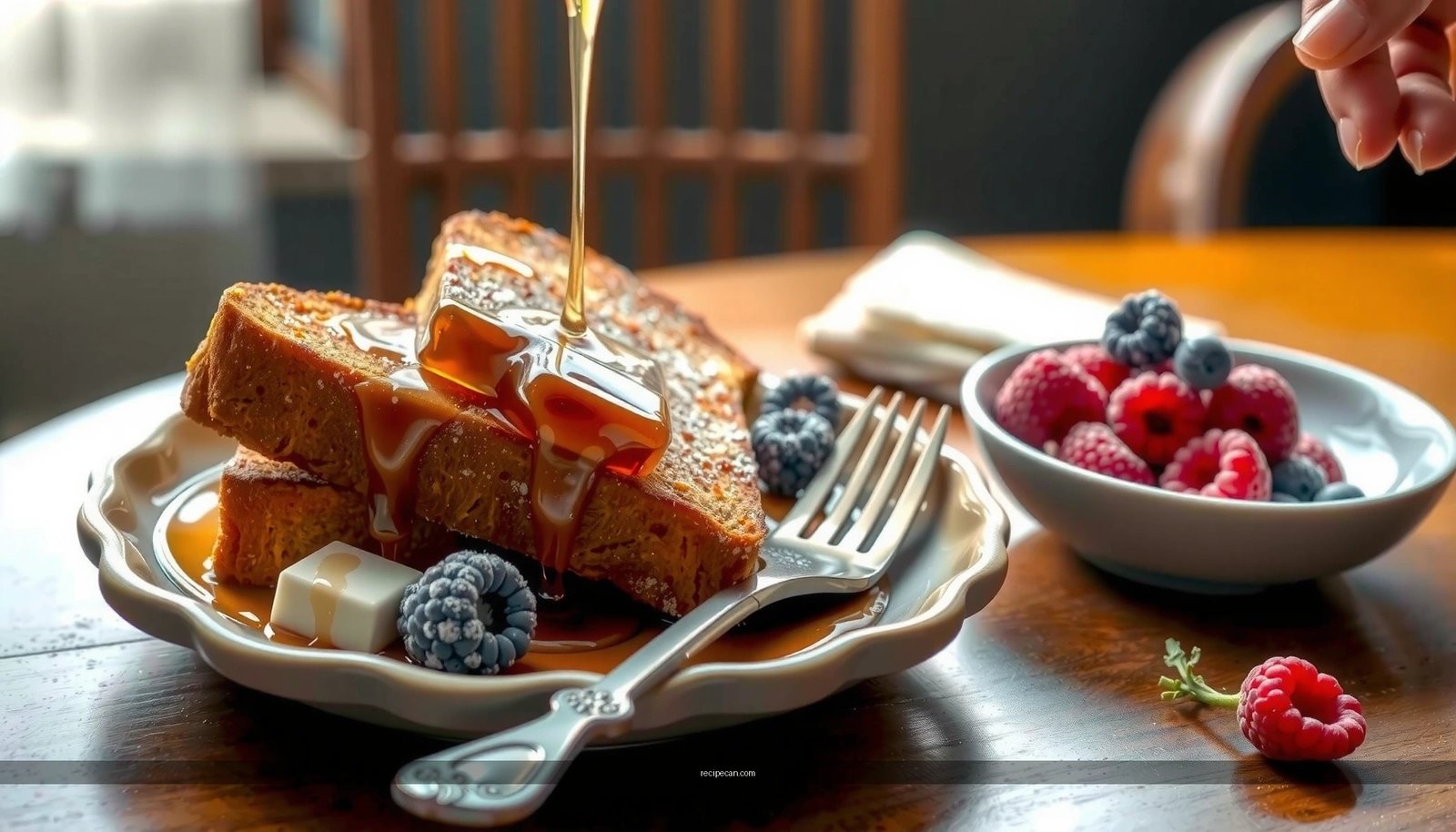
– Maple syrup, fresh berries, and powdered sugar are top favorites
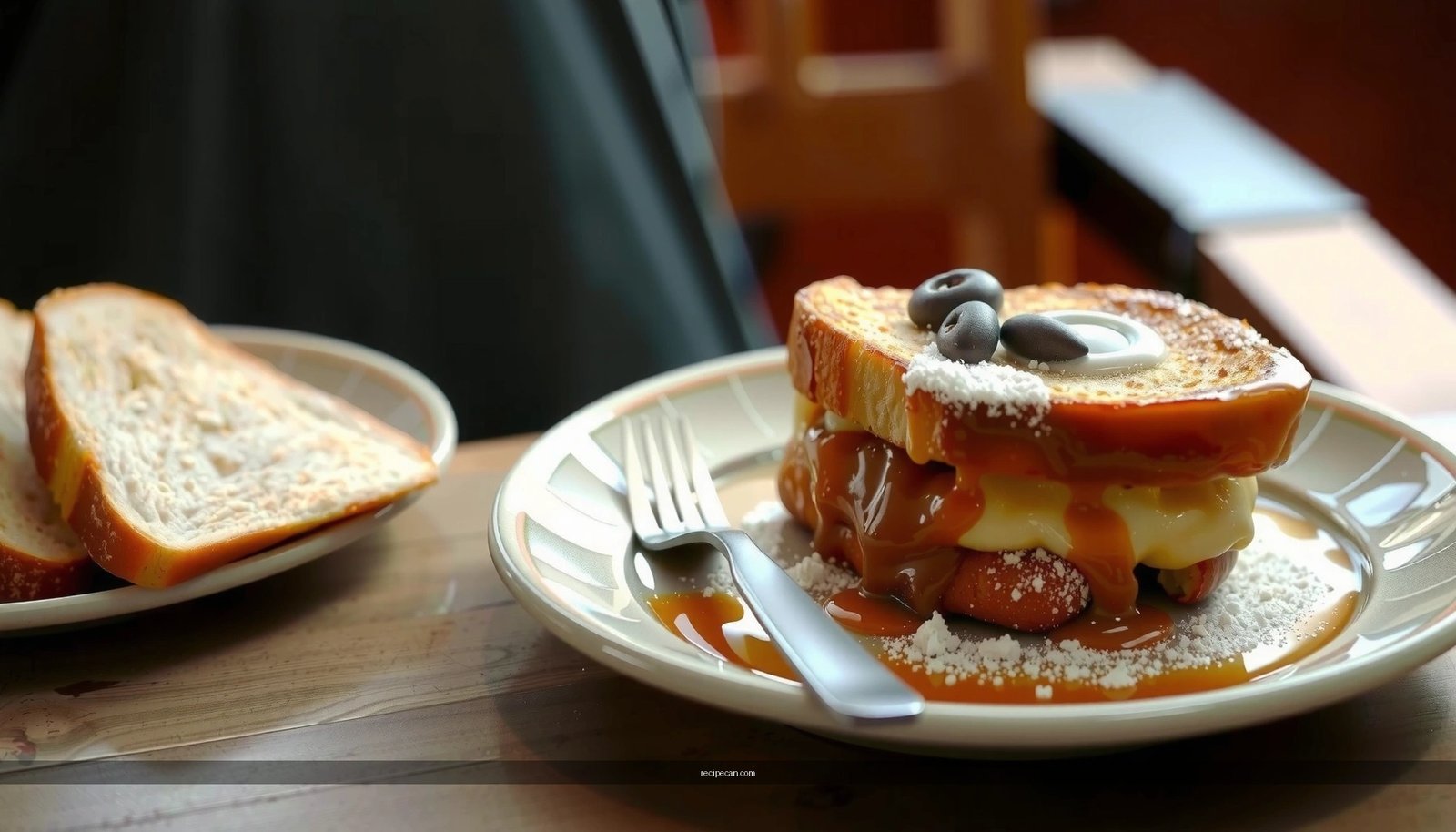
– Try whipped cream, a drizzle of honey, or chocolate sauce
– Serve immediately for maximum crispness
Croissant French toast toppings should complement butter and vanilla—not drown them. Serve immediately so the crisp edges stay crisp.
Top topping combinations (reliably delicious)
– Maple syrup + powdered sugar + berries: classic brunch profile, balances richness with acidity.
– Honey + toasted nuts + sliced banana: honey amplifies caramel notes and pairs well with buttery layers.
– Chocolate sauce + strawberries: dessert-like, but still works well with the custardy center.
Professional plating ideas
– Add syrup in a controlled drizzle (not a soak). Excess liquid softens the crust quickly.
– Top with berries at the last minute to keep them bright and not watery.
– If serving a group, hold syrup separately and spoon it on per plate.
Dietary and taste variations
– Less sweet: use berries and a squeeze of lemon to elevate freshness over sugar.
– More indulgent: whipped cream or a small scoop of vanilla ice cream (let it melt slightly for a custard-like sauce).
Make-Ahead and Storage Tips
– Prep croissant pieces and custard ahead, then cook when ready
– Refrigerate leftovers and reheat gently to preserve texture
– Add toppings after reheating to keep them from getting wet
Croissant French toast is easiest when you split tasks. Prep can be done ahead, but cooking is best close to serving time to protect the crispness.
Best “make-ahead” workflow
– Night before: cut croissants and refrigerate them uncovered (slight drying helps absorption).
– Same day (or morning): mix the custard and store it covered.
– When ready to cook: combine, soak for the targeted time, drip briefly, then pan-cook.
Refrigeration and reheating
Store leftovers in an airtight container and refrigerate. For reheating:
– Reheat in an oven or air fryer at 300–325°F / 150–165°C until warmed through.
– Avoid microwaving if you want to preserve crisp edges; it softens the crust.
Toppings last
Add syrup, powdered sugar, berries, or whipped cream after reheating to prevent the custard and pastry from turning damp.
This croissant French toast recipe is your fast path to a restaurant-style breakfast at home. Soak well, cook until deeply golden, and finish with your favorite toppings. Make it today, and if you want to level it up, try a second batch with cinnamon custard or extra fruit.
Frequently Asked Questions
What’s the best bread to use for a croissant French toast recipe?
The best choice is day-old croissants, since they’re sturdy enough to soak up egg custard without falling apart. If your croissants are very fresh, let them sit uncovered for a few hours or lightly toast them to reduce sogginess. Their buttery layers create a crisp exterior and tender, custardy center—key traits of great croissant French toast.
How do you make croissant French toast without it becoming soggy?
Use a rich egg mixture (eggs plus milk/cream and a touch of vanilla) and soak quickly—about 15–30 seconds per side—rather than soaking for minutes. Cook on medium heat so the custard sets before the exterior burns, and flip once for even browning. For extra insurance, let the assembled croissant French toast rest 2–3 minutes before cooking and serve immediately after.
Why does soaking time matter in a croissant French toast recipe?
Croissants are airy and absorb custard fast, so longer soaking can make the layers collapse and turn the toast gummy. A short soak helps the egg custard coat the surface and penetrate just enough to make the inside creamy. If you want more custard inside, you can pour a little extra egg mixture over the top during cooking rather than increasing soaking time.
Which toppings pair best with croissant French toast?
Classic toppings include powdered sugar, maple syrup, fresh berries, and warm vanilla cream sauce. If you want a bakery-style finish, add butter and a pinch of flaky salt to enhance the croissant’s buttery flavor. For a more indulgent option, try Nutella, caramelized bananas, or a quick berry compote made from frozen fruit and sugar.
How can you get crispy edges and a golden-brown crust in croissant French toast?
Cook in a preheated nonstick skillet or on a lightly oiled griddle over medium heat, and avoid overcrowding so each piece gets proper browning. Press very gently with a spatula for the first minute to encourage contact with the pan, then flip when the bottom is deeply golden. For extra crispness, finish with a brief broil (30–60 seconds) or bake at 425°F for 3–5 minutes after pan-cooking.
References
- Google Scholar Google Scholar
https://scholar.google.com/scholar?q=croissant+french+toast+recipe - Google Scholar Google Scholar
https://scholar.google.com/scholar?q=french+toast+custard+egg+milk+ratio - Google Scholar Google Scholar
https://scholar.google.com/scholar?q=croissant+pastry+soaking+french+toast+technique - French toast
https://en.wikipedia.org/wiki/French_toast - Croissant
https://en.wikipedia.org/wiki/Croissant - Custard
https://en.wikipedia.org/wiki/Custard - Maillard reaction
https://en.wikipedia.org/wiki/Maillard_reaction - https://en.wikipedia.org/wiki/French_baking
https://en.wikipedia.org/wiki/French_baking - Eggs as food
https://en.wikipedia.org/wiki/Eggs_as_food - Milk
https://en.wikipedia.org/wiki/Milk